
Reviewed · THIRD REICH & WWII TOURS
Munich: Historical Walking Tour on the Rise of Hitler
Munich’s handsome squares and grand buildings hide a difficult story. On this 2.5-hour historical walk, local guide Alex takes you to the places where Hitler first gained a platform, the Nazis staged public ceremonies, and Munich was turned into the so-called capital of the movement. The focus is not on spectacle. It is on how an open, cultured city became the birthplace of National Socialism.
I like the chronological structure, which helps you follow events without needing a background in German history. I also like Alex’s local connection and his effort to explain causes and consequences rather than simply point at old buildings. The main consideration is that the live tour is in German, and the subject is serious, even though Alex keeps his manner friendly and occasionally light.
Key points to know
- Meet at Marienplatz: Find the Marian Column, the large column with the small golden statue in the center of the square.
- Follow Munich’s Nazi-era story: Visit important buildings and squares linked to speeches, parades, propaganda, worship, and wartime destruction.
- Learn from a Munich local: Alex was born and raised in the city and has studied this subject since his youth.
- Expect a walking history lesson: The route lasts 2.5 hours, though past groups have found that it can run close to three hours when discussion takes time.
- Plan for German: The live guiding language is German.
- Wear good shoes: The tour runs rain or shine and does not include hotel pickup.
Why Munich matters to the story
Many people come to Munich for palaces, beer halls, museums, and handsome old streets. That pleasant surface can make the city’s Nazi past easy to miss. This walk corrects that gap by showing how ordinary civic spaces became stages for political power.
Munich was not just a place where Hitler happened to live for a time. It played a decisive role in his rise and in the early growth of National Socialism. The city became a center for speeches, party organization, public ceremonies, and propaganda. Later, Hitler gave Munich the dubious title capital of the movement.
That label helped drive a major building program. Large propaganda buildings and party-related sites were added to the city, and many survived the Second World War. Today, they function as physical reminders of how political ideas were given form through architecture, ceremony, and control of public space.
This is the key strength of the tour. You are not studying the period only through dates and names. You are looking at the places where decisions were announced, crowds were gathered, and political loyalty was staged.
More Third Reich and WWII Tours in Munich
- Munich: Third Reich & WWII Walking Tour
★ 4.6 · 6,181 reviews - Third Reich Walking Tour Munich
★ 4.5 · 4,291 reviews - Munich: Birthplace of the Third Reich Guided Walking Tour
★ 4.6 · 771 reviews
Starting at the Marian Column on Marienplatz
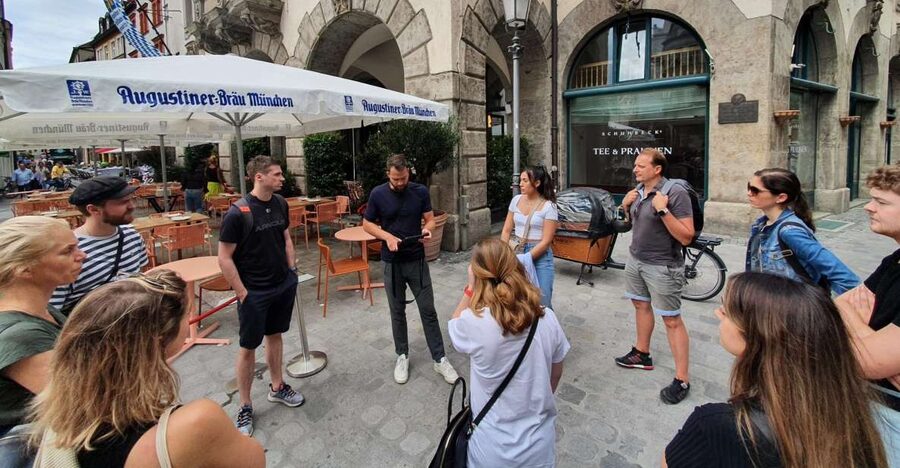
The meeting point is easy to find at Marienplatz, Munich’s central square. Look for the Marian Column, a tall column topped by a small golden statue. Since the square is a major city landmark, you can arrive early, orient yourself, and meet Alex without a complicated transfer.
Starting here gives the walk a useful contrast. Marienplatz is one of Munich’s best-known public spaces, associated with the city’s everyday life and historic center. From this familiar setting, Alex begins tracing how Munich’s civic spaces were used during the Nazi period.
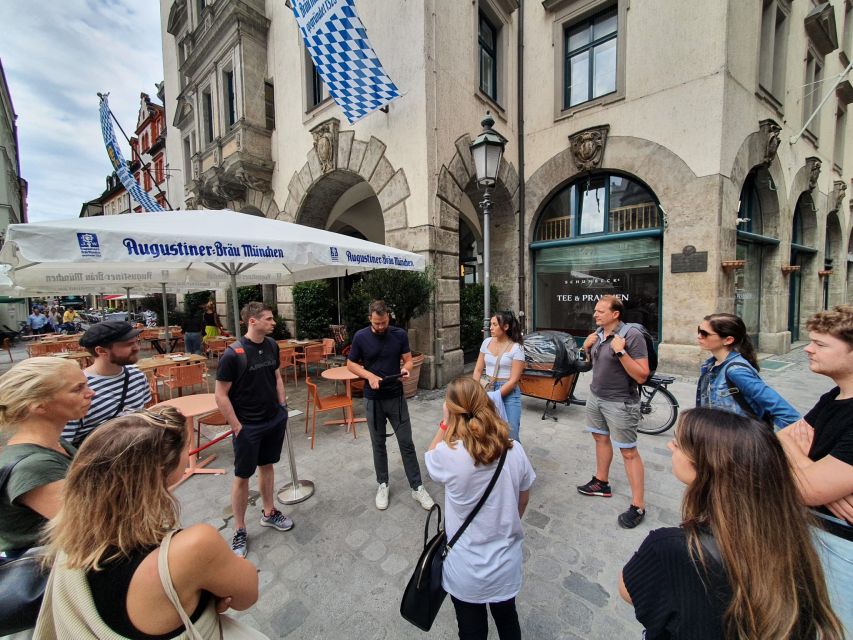
The tour is fully guided, so you are not left to decode plaques or find scattered locations on your own. Alex explains the sequence of events as you move through the city. That order matters. The tour is designed to proceed chronologically, making it easier to understand how an unknown Austrian soldier became the dictator of the Third Reich.
You should arrive ready to walk and listen. The route is wheelchair accessible, but comfortable shoes are still important because the experience lasts two and a half hours and takes place outdoors. There is no hotel pickup, so you are responsible for reaching Marienplatz.
From political beginnings to public power
One of the most useful themes is the question of how Hitler and the Nazis gained influence in Munich. The tour looks at the early political setting, including the place where Hitler delivered his first speech. That detail turns a broad historical subject into something you can connect to a real location.
Alex’s aim is to explain development and context, not just repeat a list of Nazi-era facts. You follow the movement from early speeches and organizing to public ceremonies and the use of architecture as political messaging.
This approach is especially helpful if you know the major events but are less clear on the local story. You may understand that Hitler became powerful, yet still wonder why Munich mattered so much. The route addresses that question by showing how the city became a platform for the movement.
You do not need to be a specialist. The tour is intended for people with different levels of background, including younger participants and those encountering the subject for the first time. If you already know a great deal about the period, the local focus and city details can still offer something new.
Buildings that turned ideology into stone
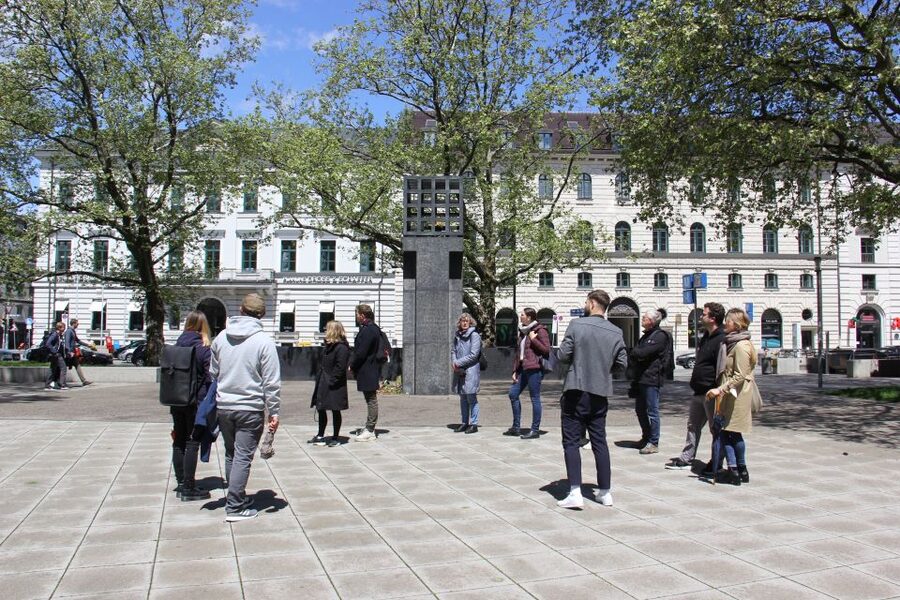
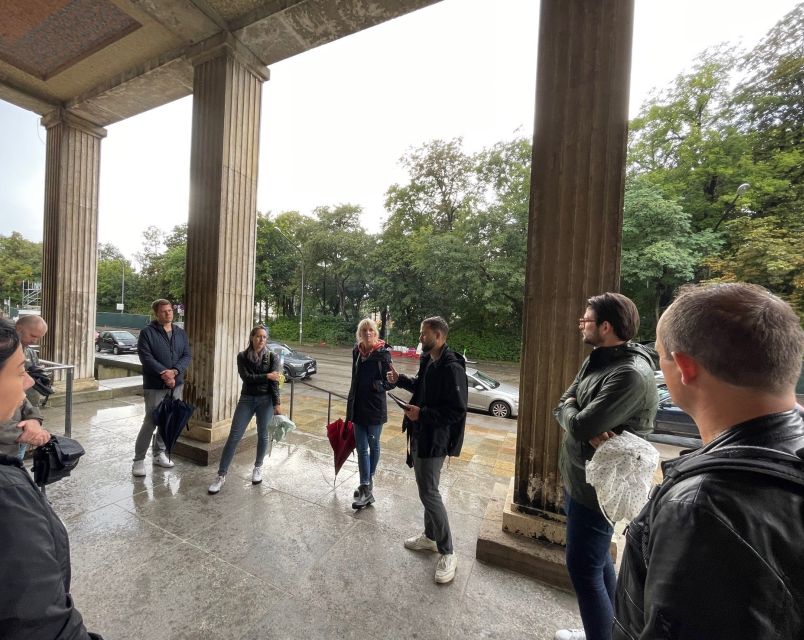
The walking route includes important structures built or used by the National Socialists. These are not simply old buildings with a dark label attached to them. They were designed or selected for political use, public theater, and the projection of authority.
The value of seeing them in person is scale. A photograph may show a facade, but on the street you can better understand how a building relates to a square, a route for parades, or a gathering point for large crowds. Architecture helped the Nazi regime present itself as permanent and powerful. The surviving structures make that ambition visible.
Alex also points out places that were used for worship of the Nazi movement. That wording is important because it shows how political loyalty was presented with ceremony and near-religious devotion. The tour asks you to consider not only what happened at these sites, but why these spaces were chosen and how crowds were meant to respond.
The experience does not provide a separate museum visit or promise entry into every building. Its focus is the city streets, squares, and exteriors, with Alex supplying the explanation. One past participant appreciated his effort to gain access to areas that are normally closed, but you should treat that as an occasional possibility rather than a guaranteed feature.
Other trips into the same period in Munich:
- Munich World War II Sites Including Dachau Concentration Camp
★ 4.5 · 570 reviews - Munich City Walking Tour, includes Third Reich & Viktualienmarkt
★ 5.0 · 458 reviews - Third Reich & WWII Walking Tour
★ 4.5 · 417 reviews - Munich 3-Hour Segway Tour: Nazi Munich & Royal Architecture
★ 4.9 · 194 reviews
Parades, speeches, and the control of public space
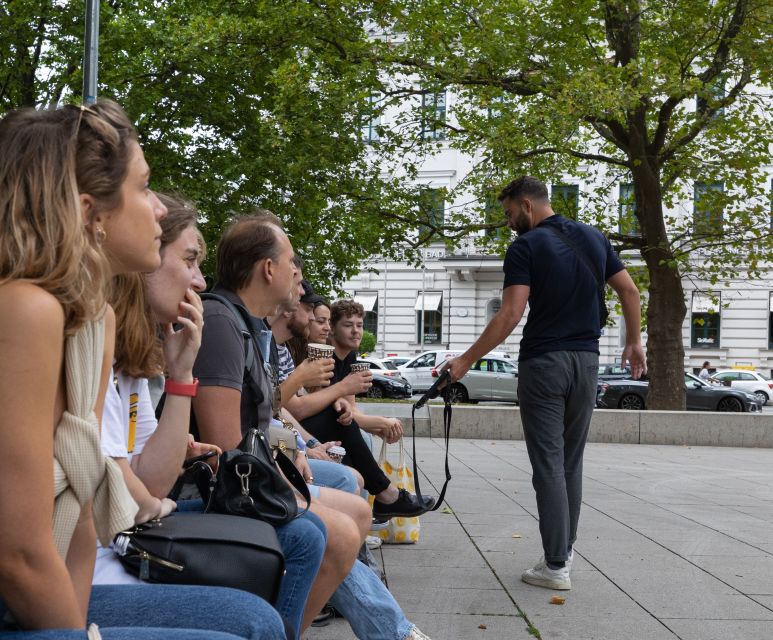
Public spectacle was central to Nazi power. The tour visits places where the Nazis held parades and staged ceremonies. These events were carefully arranged to make a political movement appear disciplined, united, and unstoppable.
Standing in those spaces today can feel strange. They may now look like normal parts of Munich, yet their earlier use was anything but normal. Alex helps connect the physical setting to the political purpose, showing how crowds, buildings, flags, speeches, and ceremony worked together.
This is where the walk benefits from being chronological. You are not jumping randomly from one dramatic site to another. Instead, the route links early political activity with the later use of public space. That progression can help you see how a small movement developed methods for reaching and controlling a mass audience.
I also appreciate that the subject is not treated as a collection of sensational anecdotes. The stated purpose is to understand how National Socialism became possible and how an inhuman dictatorship destroyed much of Europe within a few years. That makes the tour more useful than a simple Hitler-themed sightseeing route.
Munich during the bombing war
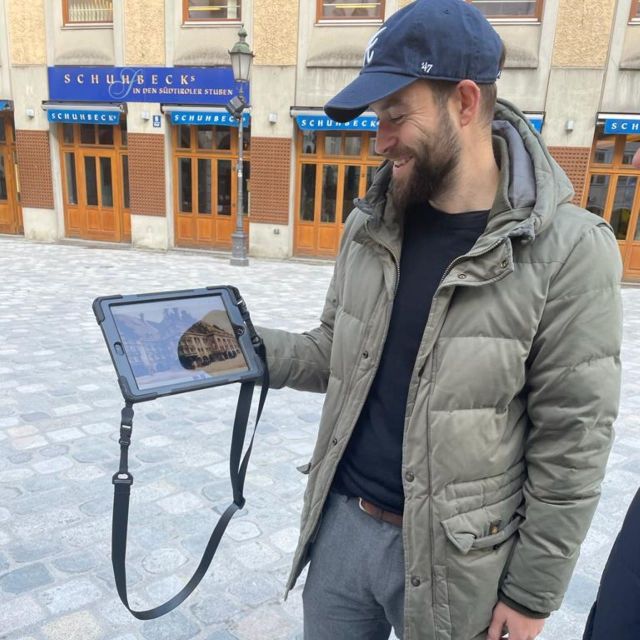
The walk also addresses the bombing war and Munich’s experience during the Second World War. This part adds an important shift in perspective. The story is not only about the rise of Hitler and the structures built to glorify the regime. It also considers what happened to the city during the conflict.
Many propaganda buildings survived the war relatively intact, which helps explain why they still shape Munich’s city center. Other parts of the city endured bombing and destruction. Seeing these contrasts lets you consider how the built environment can preserve some parts of a past while erasing or obscuring others.
Do not expect a battlefield tour or a technical study of wartime damage. The bombing theme is part of the wider story of Munich under National Socialism. Alex uses the city itself to connect political ambition, public ceremony, war, and memory.
That makes the tour suitable for people interested in remembrance and civic responsibility as well as military history. It asks you to think about how a city lives with difficult sites after a dictatorship has ended.
Alex’s approach to a serious subject
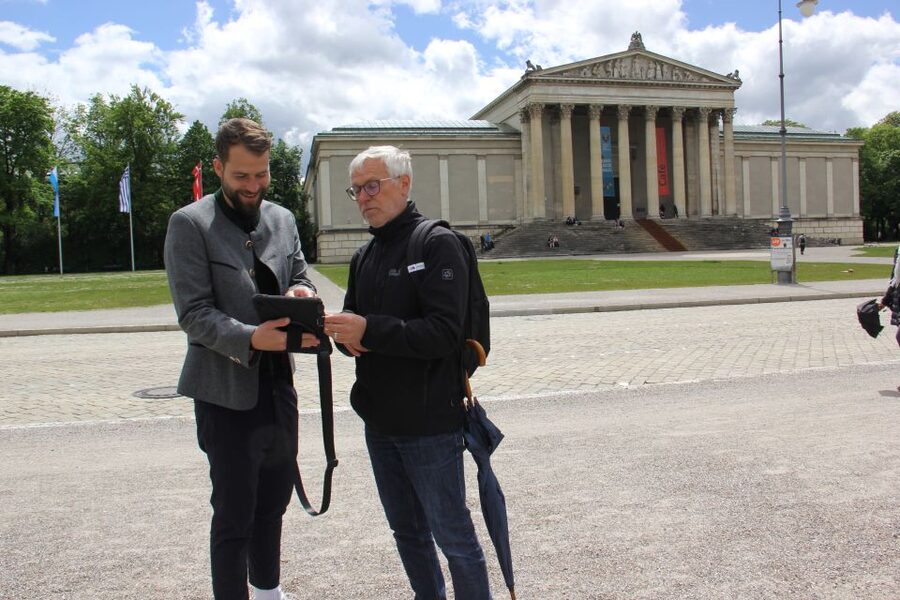
Alex is a 32-year-old professional guide who was born and raised in Munich. He has been interested in this topic since his youth, driven by a wish to understand how National Socialism rose and how its dictatorship could destroy Europe so quickly.
That personal reason for guiding comes through in the tone described for the experience. Alex is serious about the subject, but he does not treat seriousness as a reason to become stiff or gloomy. He believes a guided walk should also be enjoyable, and he allows room for humor without turning the history into entertainment.
That balance matters. A guide can make a difficult subject feel either cold and academic or careless and sensational. Alex’s stated approach aims for a middle course: clear, engaged, and human, without being superficial.
He also makes room for questions and short pauses. That is a practical benefit on a long walking route. You have time to absorb what you are hearing rather than racing from one stop to the next. Past groups have found that the walk can take almost three hours when explanations and questions expand, so do not schedule a tightly timed activity immediately afterward.
How the price compares with the experience
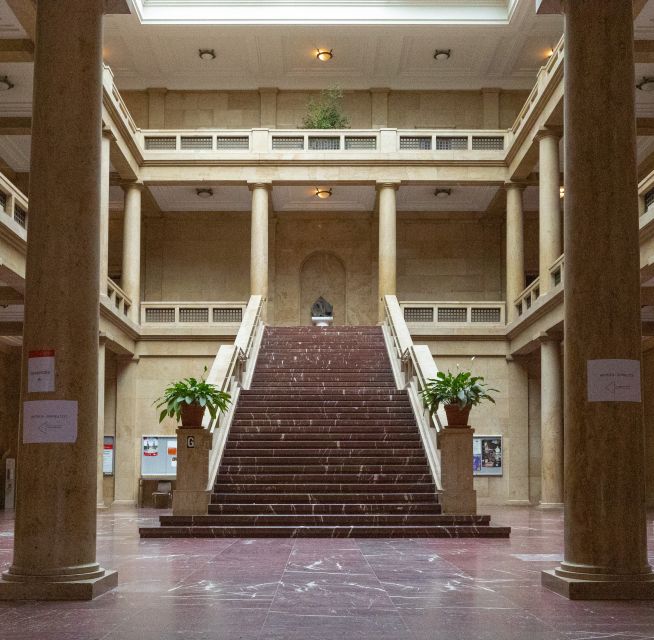
At $30 per person, this is reasonably priced for a fully guided 2.5-hour city walk. The value comes from the interpretation. You are paying for a route through Munich, but also for the connections between buildings, political events, and public memory.
A self-guided walk would cost less, and you could certainly locate some Nazi-era sites with research. The harder part would be arranging them in a clear order and understanding how each place fits into Munich’s role in the movement. Alex’s local background and personal recommendations for exploring the city add value beyond the formal route.
The price makes the tour a good choice if this subject is a major reason you want to understand Munich. It may feel less worthwhile if you are looking only for a general city orientation or a quick introduction to famous landmarks. This is a focused history walk, not a broad tour of food, shopping, churches, and royal sights.
You can reserve now and pay later, and cancellation is free up to 24 hours before the tour for a full refund. Those terms help if your Munich schedule is still shifting.
Who should book this walking tour
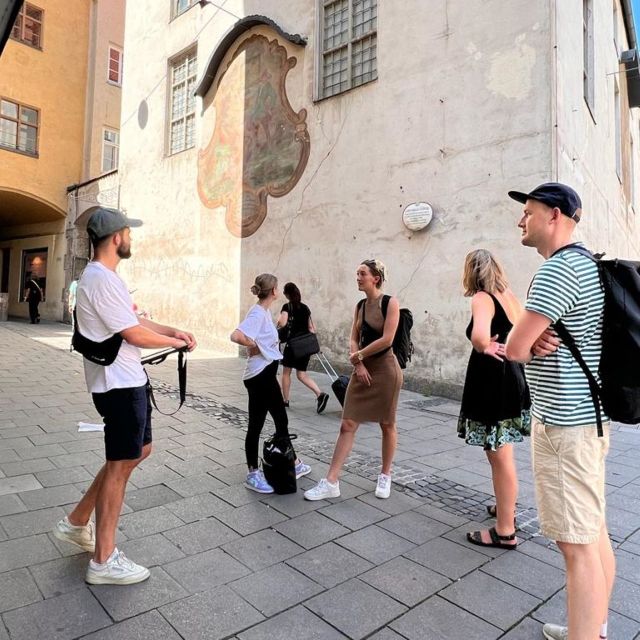
I would recommend it to you if you want to understand why Munich became so important to the Nazi movement, rather than simply visit a few famous buildings. It suits history and politics readers, people studying German history, and locals who want to see familiar streets in a different light.
It is also a good fit if you prefer learning through place. The tour makes speeches, parades, propaganda, and bombing easier to understand because the explanation unfolds where the events took place.
You should think twice if you need an English-language tour, since the live guide speaks German. You should also avoid booking it as a lighthearted break between unrelated sightseeing stops. Alex keeps the tone approachable, but the material includes dictatorship, propaganda, war, and mass destruction.
Bring comfortable shoes and clothing suitable for changing weather. The tour runs rain or shine, and there is no hotel pickup. You meet at the Marian Column on Marienplatz, then spend the experience walking through Munich’s central historical spaces.
Should you book it?
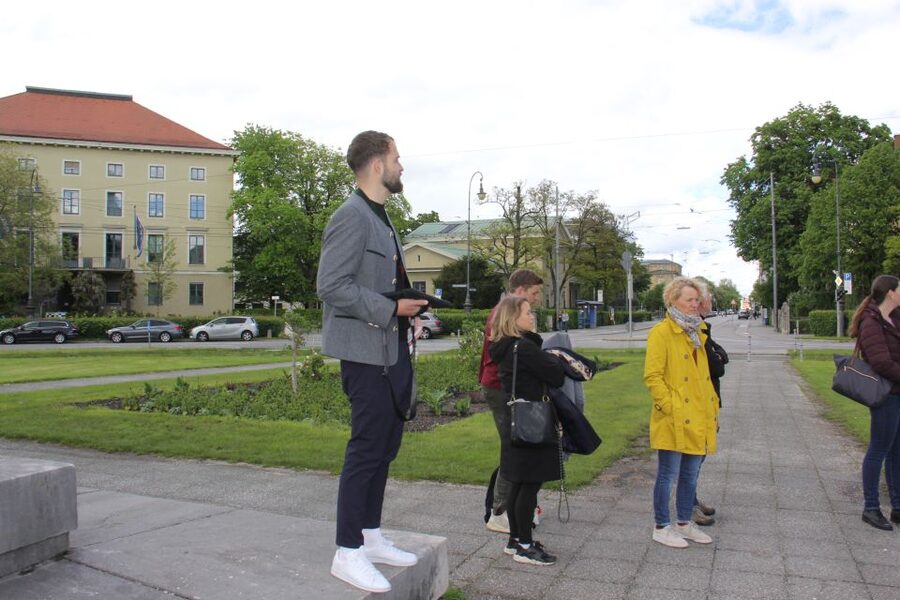
Book this tour if you want a focused, place-based explanation of Munich’s Nazi past and can follow a German-language guide. Alex’s local ties, chronological method, willingness to answer questions, and personal city recommendations make the $30 price fair for a serious 2.5-hour experience.
Skip it if you are looking for an English tour, a general introduction to Munich, or a route built around indoor museum visits. For the right audience, this is a thoughtful way to see how political power changed the city, and why Munich still has a duty to remember what happened there.
FAQ
Where does the tour meet?
Meet Alex at the Marian Column on Marienplatz. It is the large column with the small golden statue in the middle of the square.
How long does the tour last?
The stated duration is 2.5 hours. It may run close to three hours when questions, explanations, and short pauses take extra time.
What language is the tour in?
The live tour guide speaks German.
Is the tour wheelchair accessible?
Yes, the activity is listed as wheelchair accessible.
What should I bring?
Bring comfortable shoes. The tour is a walking experience and takes place rain or shine.
Can I cancel or pay later?
You can cancel up to 24 hours in advance for a full refund. You can also reserve now and pay later.
More walking tours in Munich
- Munich: Old Town & Viktualienmarkt City Walk in German
★ 4.7 · 2,304 reviews - Munich: Night Watchman Walking Tour
★ 4.7 · 2,092 reviews - Munich Ghosts and Spirits Evening Walking Tour
★ 5.0 · 1,900 reviews - Munich Old Town Walking Tour
★ 4.5 · 1,287 reviews
More history to see in Munich
- Munich: Guided Tour of the historic Town Hall on Marienplatz
★ 4.8 · 63 reviews - Munich and Nazi History Combination Day Tour Small Group
★ 5.0 · 31 reviews - Munich: Nazi History 2-Hour Small Group Walking Tour
★ 5.0 · 30 reviews - Munich: Private Walking Tour of the Historical City Center
★ 4.8 · 7 reviews
Just added in Munich
- Pub crawl incl. Oktoberfest museum guided tour with beer tasting (private)★ 5.0 · 5 reviews
- South Tyrolean specialties and wine tasting★ 5.0 · 5 reviews
- Short & sweet: Tasting the Viktualienmarkt★ 4.8 · 37 reviews
- Size Matters Beer Tour Munich★ 4.6 · 105 reviews
- Secret Food Tours Munich★ 4.8 · 5 reviews
- Munich: Romantic Wine Experience for Two at Viktualienmarkt★ 4.2 · 14 reviews
- Munich: Resistance against Hitler – Historical Walking Tour★ 5.0 · 5 reviews
- Residence of Munich private tour with skip the line ticket★ 5.0 · 4 reviews
Third Reich & WWII Tours, compared.

Third Reich Berlin: Hitler and WWII Walking Tour
Read our review →
Walking Tour of Former Nazi Party Rally Grounds
Read our review →
Berlin Third Reich Sites: Half-Day Walking Tour
Read our review →
Birthplace of the Third Reich Guided Walking Tour
Read our review →Browse the lists this tour appears in