Reviewed · CONCENTRATION CAMP MEMORIAL TOURS
Munich World War II Sites Including Dachau Concentration Camp
Dachau is the heart of this full-day experience. You travel from Munich by train and bus to the first Nazi concentration camp in Germany, then walk through Munich’s old town to connect the camp’s history with the rise of the Nazi Party. It is a serious day, but it gives you both the memorial site and the city locations where the movement grew.
I like the way the tour joins Dachau Memorial Site with Munich’s Third Reich landmarks. I also like the human touch from guides such as Jake, Ian, Scott, Connie, and Nick, who are praised for explaining painful material with care and answering questions clearly. The main drawback is the pace: eight and a half hours, much of it walking or standing, can feel demanding, and some people may want more time to read the museum exhibits alone.
Key points to know before booking
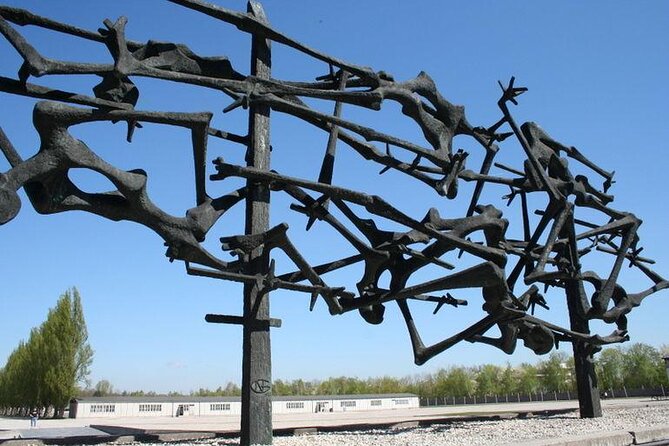
- Dachau takes about three hours: You see the museum, reconstructed cell blocks, crematorium, administration buildings, photographs, and documents.
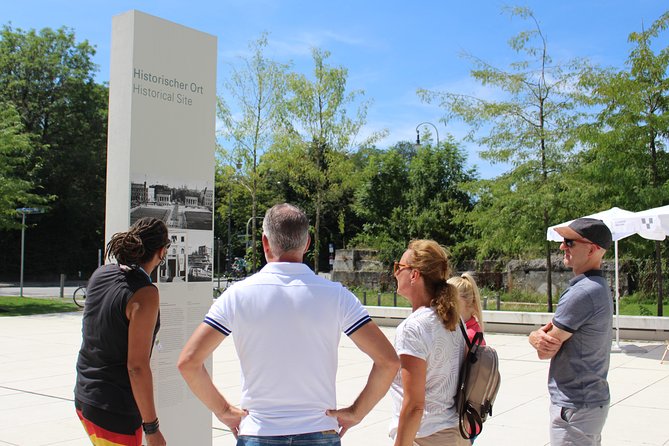
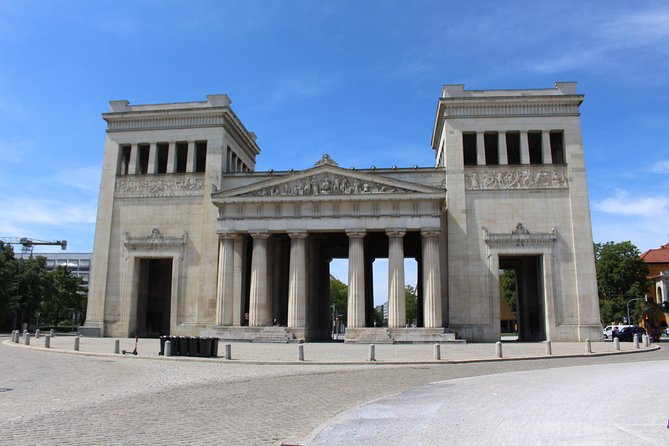
- Munich’s city tour adds another two and a half hours: It covers Königsplatz, Marienplatz, the former Gestapo headquarters, the Beer Hall Putsch site, and the building where Hitler first joined the Nazi Party.
- Public transport is part of the day: The group uses a train and city bus to reach Dachau, with transport paid for by the operator.
- The day is split into two tours: You have a short break between the Dachau visit and the Munich walking tour, allowing time for lunch on your own.
- Expect a serious, physical experience: Bring water, dress for the weather, and wear shoes suited to long stretches on foot.
- The group is limited to 25 people: The tour is in English and open only to people aged 13 and older.
Why this combination works
Dachau and Munich tell different parts of the same story. At the memorial site, you confront the machinery of imprisonment and murder. In central Munich, you see the political setting where the Nazi movement gained support, organized, and eventually took power.
I find that pairing useful because Dachau can otherwise feel separate from the city. The memorial is outside Munich, while the city tour shows how ordinary streets, government buildings, public squares, and beer halls became tied to the Third Reich.
The guides also add value. Jake is repeatedly praised for balancing serious facts with an engaging delivery. Ian is described as personable and easy to listen to, while Scott is noted for presenting the subject with care. Connie used quotations from people who experienced imprisonment, and she also paid attention to shade and seating on a hot day.
Your guide may be someone else, since staff can vary by departure. The important point is that the tour depends heavily on the individual guide. Some guides bring the subject alive with photographs, personal stories, and questions. Others may deliver more facts in a formal style.
More Concentration Camp Memorial Tours in Munich
- Dachau Concentration Camp Memorial Site Tour from Munich by Train
★ 4.5 · 5,637 reviews - From Munich: Dachau Memorial Site Day Tour
★ 4.8 · 2,723 reviews - From Munich: Dachau Memorial Site Half-Day Trip
★ 4.7 · 2,526 reviews
Starting at Munich Hauptbahnhof at 9:00
The meeting point is the Radius Tours office at Dachauer Str. 4, near Munich Central Station. You meet the guide at 9:00 in the morning, so staying near the Hauptbahnhof area can make the start easier, though hotel pickup is not provided.
The day begins with introductions and practical guidance before you board public transport. This is not a private coach excursion. You take a Munich train toward Dachau and then a city bus to the memorial site.
That arrangement has two practical effects. First, you experience the same public transport system used by people moving around the region. Second, the trip can become crowded, especially on the bus. One person described the bus as very full, so keep your belongings close and stay near the group when changing services.
The public transport choice also helps keep the price down. At about $105.21 per person, the tour is not a budget museum visit, but it includes a guide for both parts of the day and transport to Dachau. A private coach might feel easier, yet it would likely raise the cost and would not necessarily save much time.
Dachau Memorial Site: three hours of difficult history
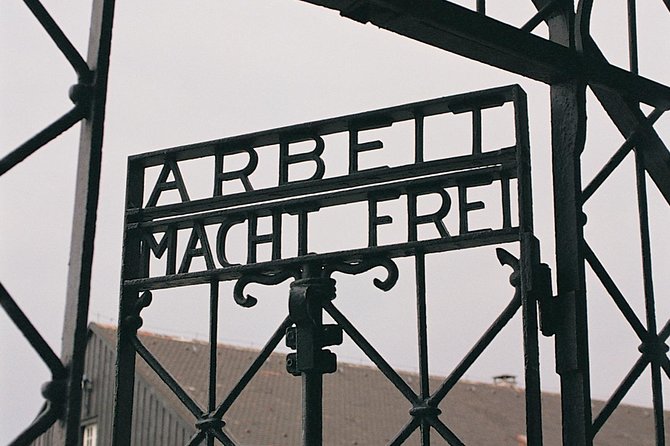
Dachau was the first Nazi concentration camp in Germany and later served as a model for other camps. The memorial site today includes the museum and preserved or reconstructed areas that help explain how the camp operated.
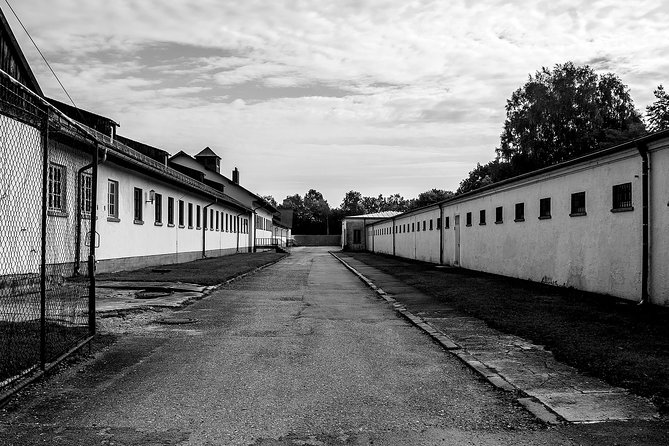
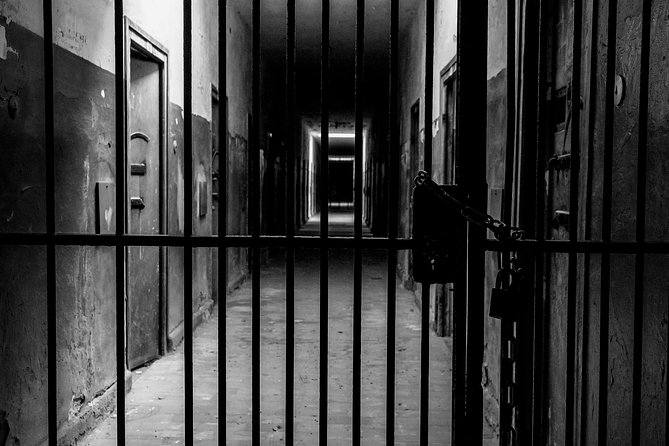
You can expect the guide to cover the camp’s photographs, documents, reconstructed prisoner buildings, crematorium, and administrative headquarters. The tour also examines the people and institutions linked to Dachau, including Heinrich Himmler, who founded the camp.
The value of having a guide here is the structure. The site contains a great deal of information, and it can be hard to know what deserves your attention first. A good guide explains the camp’s purpose, the stages of imprisonment, and the wider political setting without treating the place like an ordinary sightseeing stop.
The visit is also emotionally heavy. Connie’s approach, using words from people who were imprisoned, shows why personal accounts matter. They help move the subject away from dates and buildings and toward the lives affected by the system.
At the same time, a guided visit has limits. Three hours is enough for a strong introduction, but it may not be enough for you to read every panel or study every document. One person felt rushed and preferred the idea of visiting independently. If you want long, quiet periods with each exhibit, a self-guided visit may suit you better.
The memorial site is also not made up entirely of original structures. Some buildings and features have been reconstructed, while others no longer exist. The guide can help explain what you are seeing, but you should not expect every part of the camp to survive exactly as it did.
What the Dachau portion feels like
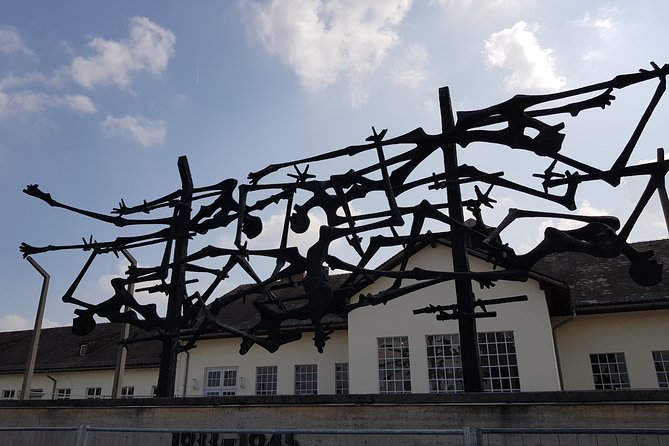
Plan for a quiet, respectful atmosphere rather than a conventional sightseeing mood. The subject is the point of the visit, and the strongest guides treat it with seriousness while still speaking clearly and keeping the group focused.
You will spend long periods walking and standing. Bathroom breaks are included along the way, and guides have been praised for keeping the group together and managing transport. Still, you should bring water and a snack because food and drinks are not included.
Weather matters here. The tour is outdoors for much of the day, and conditions can be cold, hot, or wet. Wear suitable clothing and shoes. In warm weather, shade and breaks become especially important. In cold weather, you may be standing outside for longer than expected.
More Third Reich and WWII Tours in Munich
- Munich: Third Reich & WWII Walking Tour
★ 4.6 · 6,181 reviews - Third Reich Walking Tour Munich
★ 4.5 · 4,291 reviews - Munich: Birthplace of the Third Reich Guided Walking Tour
★ 4.6 · 771 reviews - Munich City Walking Tour, includes Third Reich & Viktualienmarkt
★ 5.0 · 458 reviews
The break between Dachau and Munich
After returning to Munich, you have a short break before meeting for the city walking tour. The break is not a catered lunch, and food is not included, but it gives you time to find something nearby and rest your feet.
This pause is useful, though it may feel short after Dachau. The full day generally runs from about 9:00 to around 6:00, so use the break wisely. Eat something simple, refill your water, and avoid assuming you will have many more chances to sit during the afternoon walk.
The two portions may also have different guides. That can be a strength, since each guide may have a different focus and style. It can also make the day feel less consistent. Some people found the Munich section lively and engaging, while others felt a guide spoke too much with their back turned or moved too quickly for the group.
Munich’s Third Reich walking tour
The afternoon walk lasts about two and a half hours and takes place around central Munich. It connects political history with actual buildings and squares, making the Nazi period easier to place in the modern city.
At Königsplatz, you see the former Nazi Party marching grounds. The square is important because it shows how public space was used for ceremony, mass gatherings, and political display.
The tour continues through the old town, including Marienplatz and other locations tied to the rise and fall of Hitler and the Third Reich. You visit the building where Hitler first joined the Nazi Party, the former Gestapo headquarters, and the site of the 1923 Beer Hall Putsch, also called the Munich Putsch.
Many locations no longer look as they did during the Nazi period. Some buildings were damaged, changed, or stripped of their former symbols. Guides sometimes use old photographs to show the difference between then and now. That visual comparison is one of the most useful parts of the walking tour because it lets you understand what has disappeared and what remains.
The city section is not only about military events. It covers social issues, political pressure, key figures, and the steps that allowed the Nazi movement to gain power. That broader view helps explain how a dictatorship grew within a functioning city rather than appearing out of nowhere.
Walking demands and group size
This is a walking-heavy tour with little opportunity to sit. You move through the memorial site, train and bus stations, and Munich’s central streets. Most people can participate, but the day is best for anyone comfortable with several hours of walking and standing.
The maximum group size is 25 people. That is large enough for the guide to manage, but small enough to keep the group together more easily than a major coach excursion. Staying close matters at station changes and busy city crossings.
Hearing can be a concern. City traffic, echoes at Dachau, and group spacing can make a guide difficult to hear at times. There is no mention of audio headsets being provided, so stand near the guide when possible and ask for repetition if you miss an important point.
The pace may not suit everyone. One person felt that a few members of the group struggled to keep up, while others praised the guides for accommodating different needs. Tell the guide early if you need a slower pace or a short pause.
Price and overall value
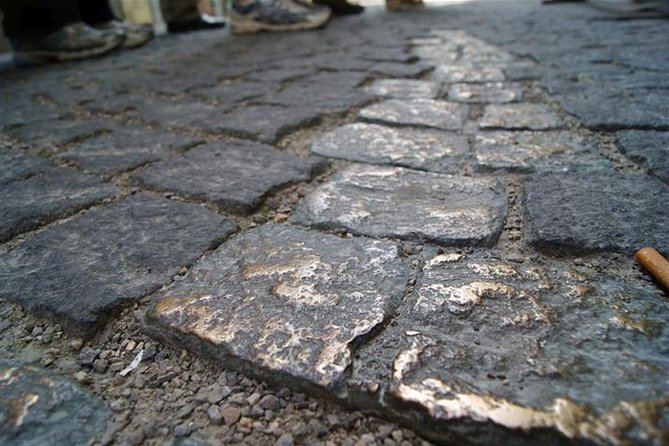
At $105.21 per person, I see this as a solid value if you want a guided overview of both Dachau and Munich’s Nazi-era sites in one day. The price includes the Dachau memorial tour, the Munich Third Reich walk, a local English-speaking guide, and the public transport used for the Dachau portion.
You are paying for interpretation and organization as much as for access. Dachau itself does not require a separate admission charge for this tour, but understanding the site takes planning, historical context, and time. The guide also handles the train and bus route, which removes some of the uncertainty of making the trip alone.
The trade-off is depth. You cover a lot, but you do not receive unlimited time at every display. If you have several days in Munich and want a slow, detailed study of Dachau, separate visits may work better. If you have limited time and want the main sites explained in one day, this combination gives you a lot for the money.
The 93 percent recommendation rate and 4.7 rating suggest strong overall satisfaction, but the mixed experiences are worth taking seriously. The most praised features are the guides’ care, historical command, and ability to make a difficult topic understandable. The main complaints concern the long day, too much information, hearing problems, and the feeling of being rushed.
Who should book this experience?
I would choose this tour if you want context rather than a quick photo stop. It suits adults and teenagers aged 13 or older with a real interest in World War II, the Holocaust, German political history, or the way a city remembers a dark past.
It is also useful if you have only one full day for this subject. The combination lets you see Dachau in the morning and the related Munich sites later, without having to plan the route yourself.
I would think twice if you dislike group travel, need a very slow pace, or want to read every museum panel without interruption. I would also avoid scheduling another major activity that evening. After eight and a half hours, you may want a quiet dinner and an early night.
Book at least a day ahead if your schedule is fixed. The tour is often reserved well in advance, with an average booking time of about 73 days. Free cancellation is available up to 24 hours before the start time, subject to the stated terms.
Should you book the Munich and Dachau combination?
Book it if you want a serious, guided day that links Dachau with the Munich locations where the Nazi movement developed. The strongest guides, including Jake, Ian, Scott, Connie, and Nick, are praised for being clear, respectful, and engaged with questions.
Skip it in favor of separate visits if you prefer to set your own pace or need more time inside the memorial exhibits. For most people with limited time, though, this is a practical and meaningful way to understand both the camp and the city around it.
FAQ
How long does the tour last?
The experience lasts about eight hours and 30 minutes. It generally begins at 9:00 in the morning and finishes around 6:00 in the evening.
Where does the tour begin?
You meet at the Radius Tours office at Dachauer Str. 4, 80335 Munich, near Munich Central Station.
Where does the tour end?
The activity ends back at the tour meeting point near Munich Central Station.
Is the tour offered in English?
Yes. The tour is offered in English.
How do you get to Dachau?
The group travels from Munich by public train and city bus. The transport is arranged and paid for by the tour operator.
How much time is spent at Dachau?
The Dachau portion lasts about three hours and includes the memorial site, museum, reconstructed cell blocks, crematorium, and administration headquarters.
What Munich sites are included?
The walking tour includes Königsplatz, Marienplatz, the former Gestapo headquarters, the building where Hitler first joined the Nazi Party, and the site of the 1923 Beer Hall Putsch.
Is food included?
No. Food and drinks are not included. You have a break between the two portions of the day to find lunch independently.
Is there an age limit?
Yes. The tour is open to people aged 13 and older. Visitors under 13 are not permitted, and proof of age is required.
Can I cancel for a refund?
You can cancel up to 24 hours before the experience starts for a full refund. Changes or cancellations made less than 24 hours before the start time are not accepted for a refund.
Just added in Munich
- 2 Hours Munich: VIP Private Segway Tour★ 4.9 · 5 reviews
- “Comedykills” – das Open Mic im Glockenbachviertel★ 4.1 · 51 reviews
- Munich: Classical Concert at the Residenz Palace★ 4.5 · 148 reviews
- Munich: City Highlights Guided Segway Tour★ 4.6 · 266 reviews
- From Munich: Herrenchiemsee Palace and Boat Trip Day-Tour★ 4.8 · 129 reviews
- Munich: Raven Black Witches and Executioners Walking Tour★ 4.7 · 294 reviews
- Hop-On Hop-Off Tour CitySightseeing Munich★ 4.0 · 309 reviews
- Munich: Law Library Guided Visit with Entry Tickets★ 4.6 · 297 reviews
Concentration Camp Memorial Tours, compared.
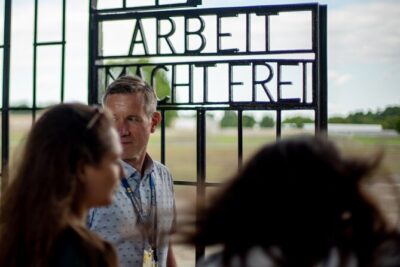
Sachsenhausen Concentration Camp Tour in English
Read our review →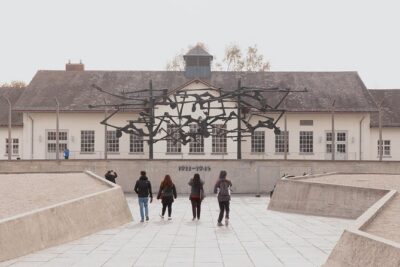
Dachau Concentration Camp Memorial Site Tour from Munich by Train
Read our review →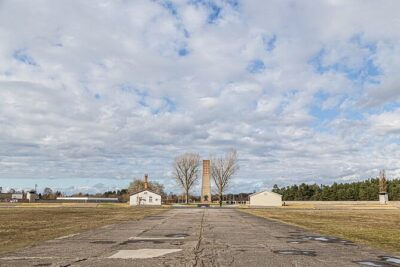
Sachsenhausen Concentration Camp Memorial Tour
Read our review →
Sachsenhausen Concentration Camp Bus Tour in English from Berlin
Read our review →
Sachsenhausen Concentration Camp Memorial Tour (Max. 15 Guests)
Read our review →