
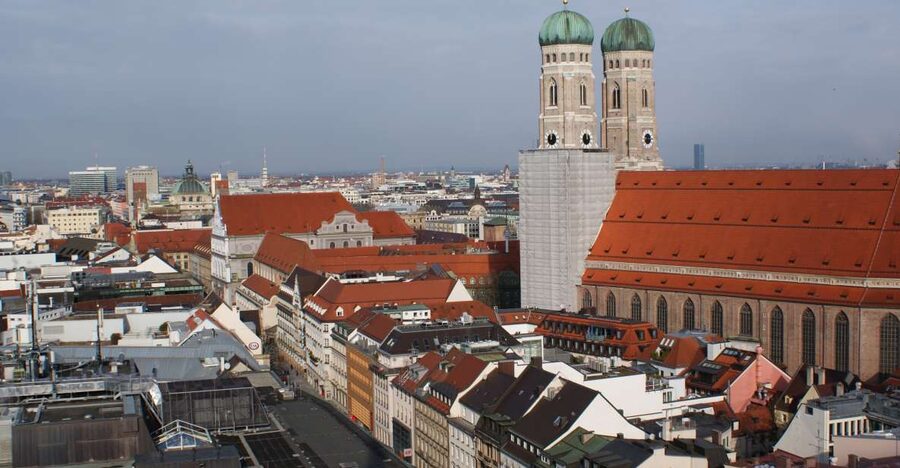
Reviewed · THIRD REICH & WWII TOURS
Munich: Nazi History 2-Hour Small Group Walking Tour
Munich’s Nazi past is not tucked away in a distant museum. It sits along the city’s everyday streets, from Marienplatz to the Hofbräuhaus and Odeonsplatz. This two-hour walk connects those places with the rise of Hitler and the Nazi party in a direct, serious way.
I like the small group format, which gives you room to ask questions, and I like the clear route through places tied to Nazi rallies, speeches, and the failed Beer Hall Putsch. The main drawback is time: two hours gives you a strong introduction, but history-minded visitors may wish for a longer conversation with the guide.
The English-speaking guide, Alun Evans, receives especially high praise for his calm, respectful manner and ability to explain difficult events without turning the tour into a lecture. Bring warm clothing or rain gear, since the walk operates in all weather.
Key points to know before booking
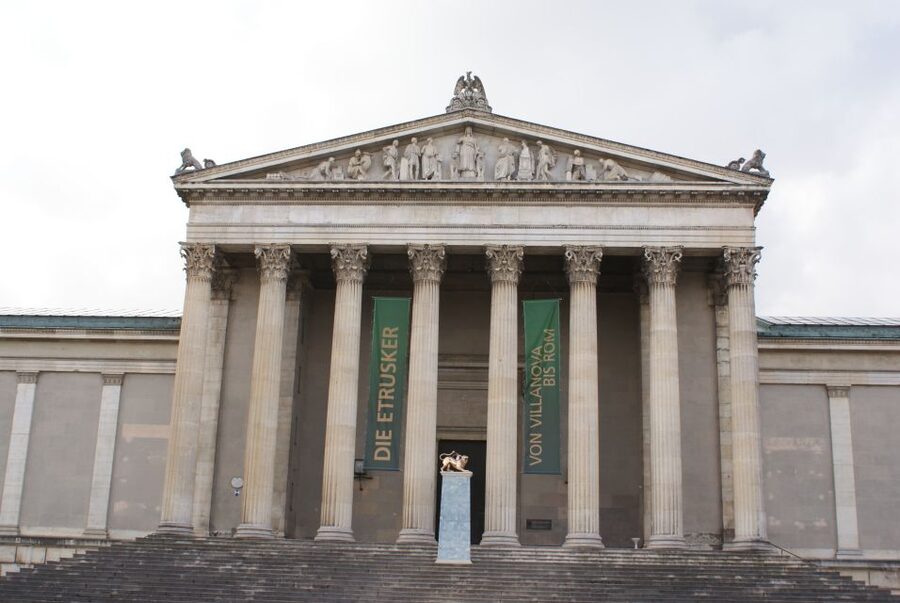
- Munich’s Nazi story begins in the city center: Follow the path from Marienplatz to places where the movement gathered and spoke.
- Hofbräuhaus adds a powerful sense of place: The famous beer hall was used for Nazi party meetings, and Hitler gave speeches there.
- Odeonsplatz links politics and architecture: See the Bavarian State Opera and Residenz while discussing the period’s political events.
- The Beer Hall Putsch is part of the route: The guide explains the failed 1923 attempt to seize power.
- Alun Evans leads the tour in English: His approach is thoughtful, engaging, and suited to visitors who want context rather than slogans.
- Plan for two hours outdoors: The pace includes walking between stops, and the tour runs in every kind of weather.
Munich’s Nazi past begins at Marienplatz
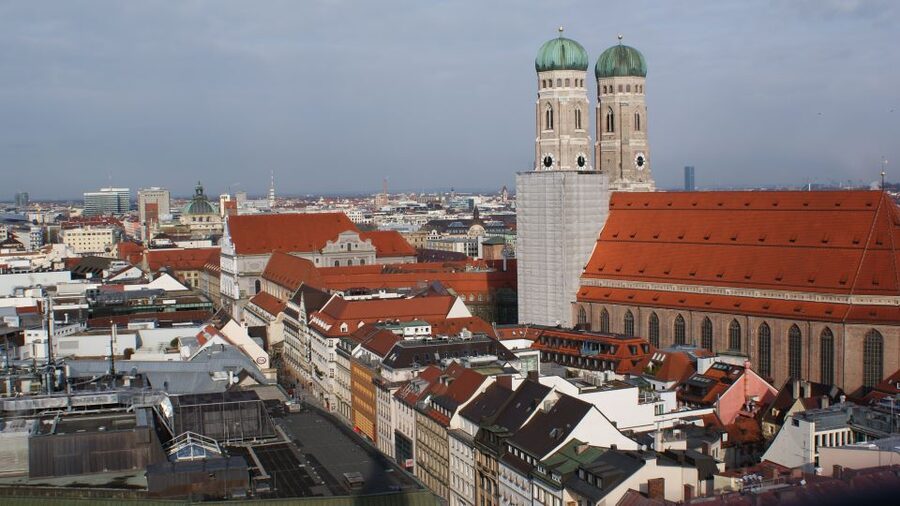
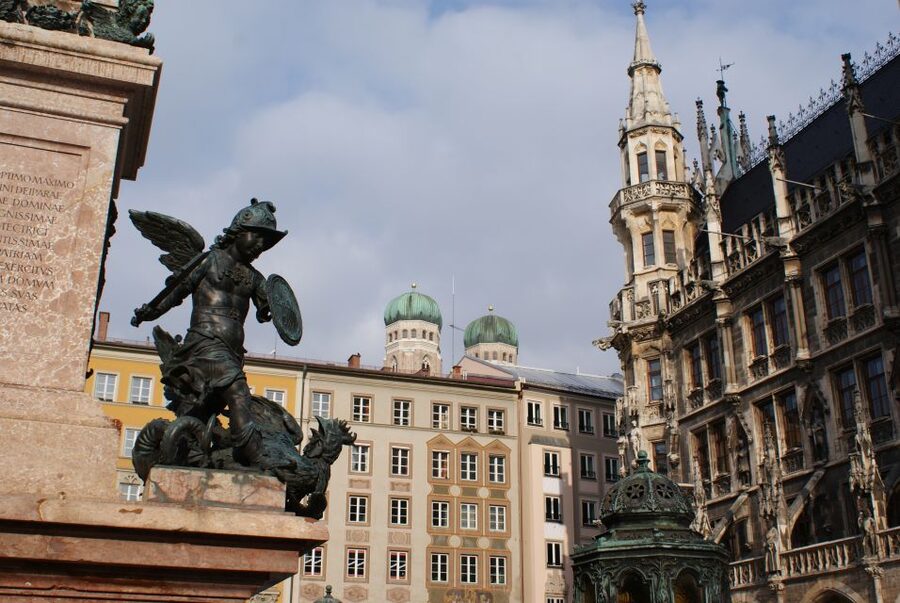
The tour meets in front of the Tourist Information Center on Marienplatz, the easiest central point to reach in Munich. Look for the guide holding a sign with the local operator’s name.
This is a useful starting point because Marienplatz puts you in the middle of modern Munich before the tour turns toward its darker past. The square is one of the city’s best-known public spaces, yet the important point here is not simply the view. Your guide sets up the political story, explaining how Adolf Hitler arrived in Munich in 1913 as a 24-year-old with no clear prospects.
From there, you begin to see Munich as the place where a fringe political movement found an audience. That context matters. Instead of treating the Nazi period as a separate chapter that happened somewhere else, the walk shows how speeches, meetings, rallies, and political conflict were tied to familiar city streets.
Expect about 30 minutes of guided walking at the opening stop. The supplied schedule lists Marienplatz as both a guided stop and the place where the tour finishes. Another description includes Königsplatz as the final historical location, so it is sensible to confirm the exact route with your guide at the start.
More Third Reich and WWII Tours in Munich
- Munich: Third Reich & WWII Walking Tour
★ 4.6 · 6,181 reviews - Third Reich Walking Tour Munich
★ 4.5 · 4,291 reviews - Munich: Birthplace of the Third Reich Guided Walking Tour
★ 4.6 · 771 reviews
The Hofbräuhaus and the power of a public speech
The Hofbräuhaus is one of Munich’s most famous beer halls, but on this tour you encounter it as a place linked to the early Nazi movement. The Nazi party met here, and Hitler delivered speeches in the hall.
That detail gives the tour a particularly strong connection between ordinary public life and political extremism. A beer hall may sound casual and harmless, but public meeting places can become important political stages. Your guide explains how the party used such settings to gather support and present its ideas.
The scheduled stop here lasts about 10 minutes. That is enough to establish the site’s importance, but not enough for a long interior history lesson or an extended meal. Refreshments are not included, so treat the Hofbräuhaus as a historical stop rather than a dining break.
I like this part of the walk because it puts the story in a real, recognizable place. You are not only looking at a plaque or a photograph. You are standing at a location where speeches and party meetings helped shape the movement’s public presence.
At the same time, remember that the tour’s purpose is historical interpretation, not a full tour of the Hofbräuhaus itself. If you want to eat or have a beer there, plan to return separately after the walk.
Odeonsplatz connects political power with Munich’s grand buildings
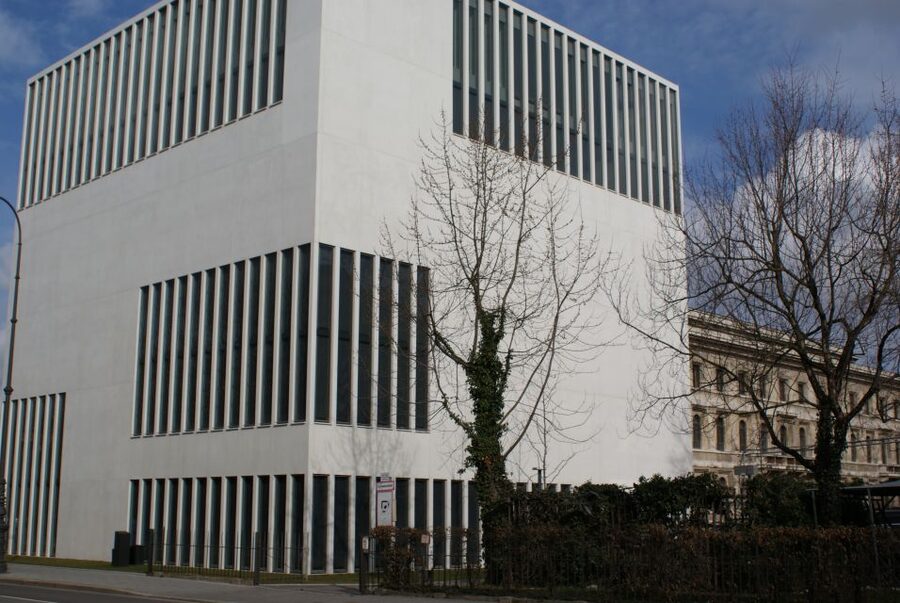
The route continues to Odeonsplatz, where the guide discusses another important setting in the city’s Nazi story. The scheduled explanation here lasts about 15 minutes.
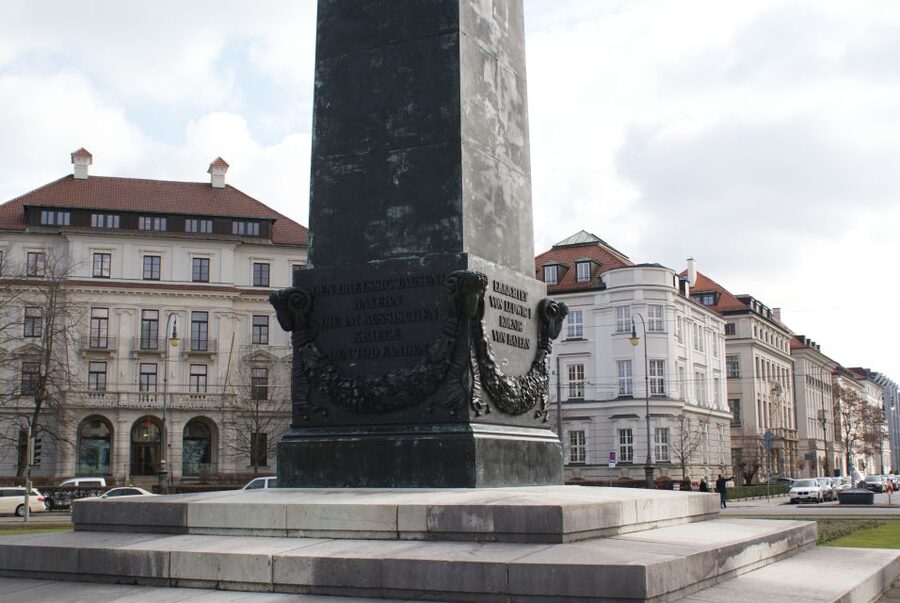
Odeonsplatz is also home to major Munich landmarks, including the Bavarian State Opera and the Residenz building. That combination makes the stop useful for understanding how political history sits beside royal, cultural, and civic institutions.
The guide’s job here is not simply to point at buildings. The value comes from explaining how the location fit into the events of the period. You get a sense of the city’s formal public spaces and how they could be used for political display, movement, and confrontation.
This is also a good place to pay attention to the difference between architecture and meaning. A grand building does not become a Nazi site simply because it was nearby. The guide identifies the relevant connections and keeps the focus on what happened, where it happened, and why the place mattered.
Because the tour takes place outdoors, weather can affect your comfort. Munich can be cold or wet, and the experience continues in all conditions. Wear shoes you can walk in and bring clothing suitable for the forecast. There is no need for technical hiking gear, but this is not an indoor museum visit.
The Beer Hall Putsch and the failed bid for power
One of the key events covered on the route is the Beer Hall Putsch of 1923. This failed attempt was an early effort by Hitler and his supporters to seize political power.
The tour uses the relevant city locations to explain the event rather than leaving it as a date to memorize. That makes the subject easier to follow, especially if you know the name but not the sequence of events.
A good guide can make the difference here. The subject includes political groups, changing alliances, speeches, and violence, so a simple timeline helps. Alun Evans is praised for presenting the material with the right level of detail, avoiding both a rushed list of facts and an overlong academic lecture.
This is where a small group has real value. The group size is described as limited to 10 people, while another tour detail gives a maximum of 15. Either way, it is designed to be much smaller than a large city walk. You have a better chance of hearing clearly, asking a question, and staying connected to the guide as the group moves.
Some dates and events may require careful attention. If you are visiting with children, consider their interest in serious political history and their ability to stay focused while walking and listening. The subject is not presented as light entertainment.
Other trips into the same period in Munich:
- Munich World War II Sites Including Dachau Concentration Camp
★ 4.5 · 570 reviews - Munich City Walking Tour, includes Third Reich & Viktualienmarkt
★ 5.0 · 458 reviews - Third Reich & WWII Walking Tour
★ 4.5 · 417 reviews - Munich 3-Hour Segway Tour: Nazi Munich & Royal Architecture
★ 4.9 · 194 reviews
Königsplatz and the scale of Nazi rallies
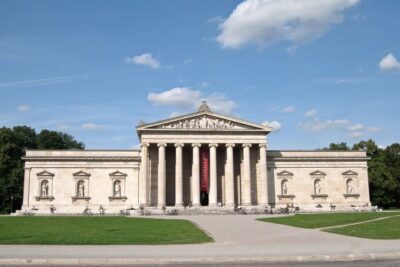
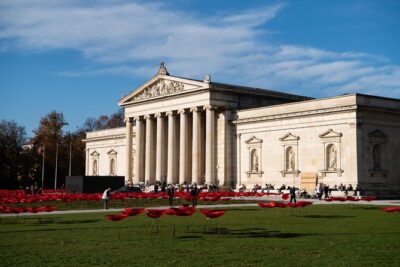
The tour description places Königsplatz among the final major locations connected with the Nazi period. The Nazis used the square for rallies, making it an important example of how public space could be shaped for mass political display.
Königsplatz gives the story a larger scale than the more personal setting of the Hofbräuhaus. At the beer hall, you think about speeches and meetings. At a rally ground, you think about crowds, symbols, organization, and the public performance of power.
The schedule specifically lists Marienplatz, Hofbräuhaus, and Odeonsplatz, while the wider route description includes Königsplatz before the return to the center. Since the published details are not perfectly consistent, ask at the beginning whether Königsplatz is included in that day’s walking route.
If it is included, the stop helps complete the story by showing how the Nazi party moved from small meetings to mass demonstrations. If time or route changes mean it is not included, the central stops still provide a useful introduction, but you should not assume every listed place receives the same amount of time.
The tour can return to Marienplatz with the guide on request. That is helpful if you want to finish where you began and continue sightseeing from a familiar central point.
Why the guide matters on a difficult subject
A tour about Nazi history needs more than accurate dates. It needs judgment, clear explanations, and a respectful tone. The strongest comments about Alun Evans focus on those qualities.
He is described as caring, humble, patient, engaging, and thoughtful. That matters because the subject can easily become either dry or sensational. The useful middle ground is a guide who explains the facts plainly and gives you space to think about them.
The experience also suits people with different levels of background knowledge. If you have read widely about the Second World War, you can ask focused questions and connect the sites to events you already know. If the subject is new to you, the route provides a clear starting point.
One visitor with a strong interest in the period found the tour so engaging that two hours felt too short. That is a fair warning for serious history readers. You may leave wanting more time, more questions, or a longer discussion with Alun.
The tone is not based on theatrical reenactment. The value comes from seeing real locations while a guide explains their place in the story. That makes the walk suitable for visitors who want a sober historical experience rather than a dramatic performance.
What two hours gives you for $58
At $58 per person, this is not the cheapest way to walk around central Munich. You are paying for a live English-speaking guide, a focused subject, and a small group rather than simply following a free map.
I think the price is reasonable if you care about historical context and want the locations explained as you see them. The guide’s role is the main part of the value. Without that interpretation, the Hofbräuhaus is just a famous beer hall, Odeonsplatz is a grand square, and Marienplatz is a central meeting point.
The value is less clear if you want a broad Munich sightseeing tour. This walk concentrates on the Nazi period and does not include hotel pickup, refreshments, or a general introduction to every major city sight. You should book it for the subject, not as a replacement for a standard Munich city tour.
The two-hour length works well in a busy itinerary. You can fit it between other central Munich plans without giving up half a day. Still, the schedule is compact, and the actual time spent at each stop may be brief. History enthusiasts should think of it as an introduction, not a complete study of Munich under the Nazi regime.
The tour offers free cancellation up to 24 hours before departure and allows you to reserve now and pay later. Those policies are useful if your Munich plans are still shifting.
Who will get the most from this walking tour
I would recommend the tour to:
- First-time visitors who want to understand Munich’s role in Nazi history.
- People who have read about Hitler or the Third Reich and want to connect events to physical places.
- Visitors who prefer a small group and a live guide to a self-guided walk.
- Anyone who values respectful explanation over sensational storytelling.
- Couples, families with older children, and friends who can manage two hours of outdoor walking.
You may want a different experience if you need an indoor activity, dislike walking in poor weather, or want extensive time at each site. The tour operates in all weather, and the subject is serious from beginning to end.
It may also be less suitable if your main goal is food, architecture, or general sightseeing. You will see important buildings, but they support the political story rather than forming the main focus.
Practical advice for a smoother experience
Arrive at Marienplatz with enough time to find the Tourist Information Center. The meeting point is central, but Munich’s main square can be busy, so do not wait until the last second to look for the sign.
Wear comfortable walking shoes. The route links several central locations, and even a short city walk feels tiring if your shoes are poor.
Dress for the forecast, not for the tour brochure. The experience runs in rain, cold, and snow. One winter outing took place during heavy snowfall and bitter cold, yet the small group format allowed the guide to keep everyone engaged. That is encouraging, but warm clothing will still make a major difference.
Bring questions if you have them. The smaller group makes interaction easier, and Alun’s style appears particularly suited to discussion. You should also keep your expectations realistic: there may not be enough time to explore every question in depth.
Finally, give yourself time after the tour to process what you have heard. The walk ends in central Munich, but the subject is not casual. A quiet coffee or a separate visit to a museum can help you place the information in a wider context.
Should you book this Munich Nazi history tour?
Book it if you want a focused, English-language introduction to Munich’s role in the rise of the Nazi party. The combination of Marienplatz, the Hofbräuhaus, Odeonsplatz, the Beer Hall Putsch, and the rally grounds at Königsplatz gives you a strong route through the city’s political past.
The best reason to choose it is the guide. Alun Evans brings a calm and personal approach, and the small group gives the subject room for questions and discussion. The perfect 5 rating from 30 reviews also supports the view that the tour delivers well on its central promise.
Skip it if you want a relaxed sightseeing stroll, a food tour, or a mostly indoor activity. The history is difficult, the walk continues in all weather, and two hours may leave serious history fans wishing for more.
For most visitors who want to understand how Munich became an early center of the Nazi movement, $58 is a fair price for a tightly focused walk with a strong guide. Confirm whether the route includes Königsplatz on your date, dress for the weather, and book with the expectation of a serious introduction rather than a complete account of the period.
FAQ
Where does the tour start?
The tour starts in front of the Tourist Information Center on Marienplatz in central Munich.
Where does the tour finish?
The tour returns to Marienplatz. You can also request to walk back there with the guide.
How long does the tour last?
The walking tour lasts two hours.
What language is the tour offered in?
The tour is conducted in English by a live local guide.
How many people are in the group?
The activity information describes the group as limited to 10 participants. Another description gives a maximum of 15, so confirm the exact limit when booking.
Does the tour operate in bad weather?
Yes. The tour operates in all weather conditions, so dress appropriately for rain, cold, or snow.
Is hotel pickup or food included?
No. Hotel pickup and refreshments are not included.
More walking tours in Munich
- Munich: Old Town & Viktualienmarkt City Walk in German
★ 4.7 · 2,304 reviews - Munich: Night Watchman Walking Tour
★ 4.7 · 2,092 reviews - Munich Ghosts and Spirits Evening Walking Tour
★ 5.0 · 1,900 reviews - Munich Old Town Walking Tour
★ 4.5 · 1,287 reviews
More history to see in Munich
- Munich: Guided Tour of the historic Town Hall on Marienplatz
★ 4.8 · 63 reviews - Munich and Nazi History Combination Day Tour Small Group
★ 5.0 · 31 reviews - Munich: Historical Walking Tour on the Rise of Hitler
★ 5.0 · 13 reviews - Munich: Private Walking Tour of the Historical City Center
★ 4.8 · 7 reviews
Just added in Munich
- Pub crawl incl. Oktoberfest museum guided tour with beer tasting (private)★ 5.0 · 5 reviews
- South Tyrolean specialties and wine tasting★ 5.0 · 5 reviews
- Short & sweet: Tasting the Viktualienmarkt★ 4.8 · 37 reviews
- Size Matters Beer Tour Munich★ 4.6 · 105 reviews
- Secret Food Tours Munich★ 4.8 · 5 reviews
- Munich: Romantic Wine Experience for Two at Viktualienmarkt★ 4.2 · 14 reviews
- Munich: Resistance against Hitler – Historical Walking Tour★ 5.0 · 5 reviews
- Residence of Munich private tour with skip the line ticket★ 5.0 · 4 reviews
Third Reich & WWII Tours, compared.

Third Reich Berlin: Hitler and WWII Walking Tour
Read our review →
Walking Tour of Former Nazi Party Rally Grounds
Read our review →
Berlin Third Reich Sites: Half-Day Walking Tour
Read our review →
Birthplace of the Third Reich Guided Walking Tour
Read our review →Browse the lists this tour appears in