
Reviewed · THIRD REICH & WWII TOURS
Munich and Nazi History Combination Day Tour Small Group
Dachau and Nazi-era Munich make a sobering pair. At the memorial site, you get time for a guided visit and museum viewing. Back in town, you connect that history to ordinary streets, grand squares, beer halls, and government buildings. Alun Evans leads the day in English, with public transport and admissions during the tour handled for you.
I like the small group of no more than 15, which leaves room for questions and keeps the train and walking portions manageable. I also like the split schedule: Dachau in the morning, a lunch break at Marienplatz, then a focused Munich walk while the morning’s lessons are still fresh. The main drawback is the long, serious day, with about 90 minutes of train travel and several hours on foot. Children under 14 cannot join.
Key points to know before booking
- Dachau comes first: Spend about three hours at the memorial site, including a guided visit and time in the museum.
- Public transport is part of the experience: Expect roughly 45 minutes each way by train and other local transport.
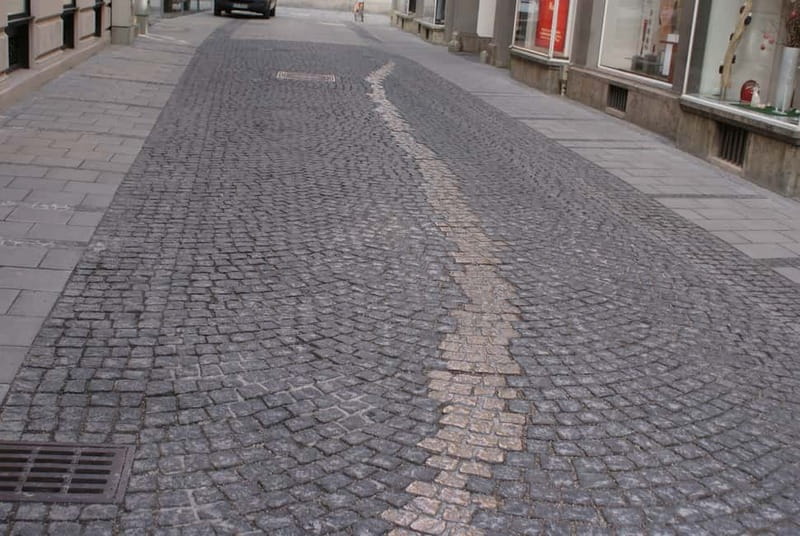
- Munich’s Nazi past is easy to miss: The afternoon connects familiar sights with Hitler and the Nazi party’s rise.
- Alun Evans guides the day: His approach is fact-focused, open to questions, and carefully organized.
- The group stays small: With a maximum of 15 people, you get more chance to ask questions than on a large coach tour.
- Plan for a proper history day: Wear comfortable shoes, dress for the weather, and bring no large luggage.
Why this combination makes sense in Munich
You can visit Dachau on your own, and you can walk through central Munich without a guide. The problem is context. Dachau is outside central Munich, and many of the city’s Nazi-era locations look completely ordinary unless someone explains what happened there.
This tour solves both problems in one day. You begin at Marienplatz, use Munich’s excellent transport system to reach Dachau, return for lunch, and then walk through central Munich with the same guide. That continuity matters. You first see the machinery of persecution at a memorial site, then trace how the political movement behind it gained a foothold in Munich.
The day is not designed as light sightseeing with a little history added. Dachau is a place for remembrance and education, and the Munich walk deals with a brutal period in Germany’s past. You should book it because you want serious historical understanding, not because you are simply looking for another list of city sights.
The timing is efficient. The eight-hour schedule covers a lot, but it also leaves space for questions, museum time, lunch, and the practical business of getting around. I would not call it leisurely. I would call it well packed.
More Third Reich and WWII Tours in Munich
- Munich: Third Reich & WWII Walking Tour
★ 4.6 · 6,181 reviews - Third Reich Walking Tour Munich
★ 4.5 · 4,291 reviews - Munich: Birthplace of the Third Reich Guided Walking Tour
★ 4.6 · 771 reviews
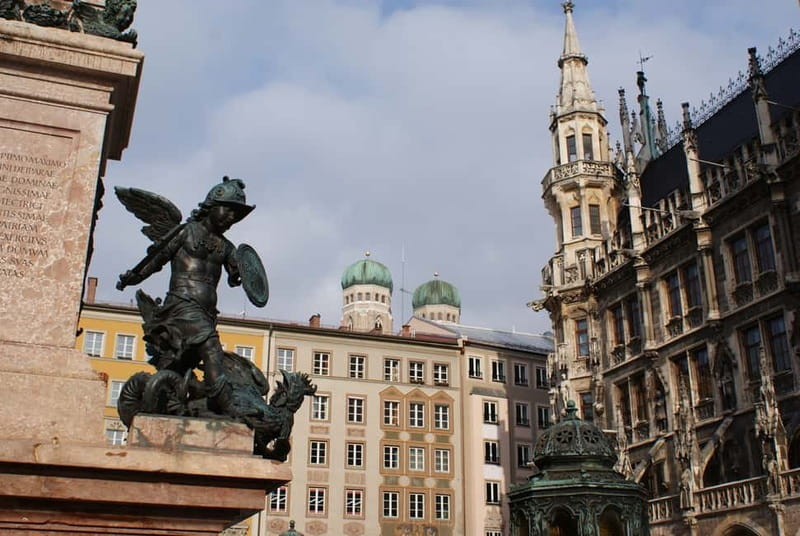
Starting at Marienplatz with a small group
The meeting point is in front of the Tourist Information Center at Marienplatz. Look for a guide holding a placard marked Dachau Memorial Tour. The start time is listed as 9:00 in the supplied schedule, though you should check the selected date for the current starting time.
Marienplatz is a useful place to begin. It is central, easy to find, and a natural point for the afternoon return. You do not have to make your way to a distant hotel or coach depot. Hotel pickup is not included, so allow enough time to reach the square.
The group limit of 15 is one of the strongest practical features. Munich’s trains and buses can feel awkward with a big crowd, especially when everyone must board together. A small group gives Alun more control, and it is easier for you to hear explanations and ask follow-up questions.
Several parts of the day depend on staying together. Keep an eye on the guide at stations and in crowded areas. The group uses public transport rather than a private vehicle, so you should be ready to walk between platforms, stops, and sights.
Reaching Dachau by public transport
The trip to Dachau takes about 45 minutes each way. Transportation costs for the duration of the tour are included, and your guide handles the route and tickets needed during the scheduled experience.
This is more than a cost-saving choice. Using local transport shows you how the memorial fits into the wider Munich area. It also removes the work of figuring out the route on your own, which can be a relief on a day when the subject matter demands your attention.
The tradeoff is comfort and flexibility. You are not sitting in a dedicated coach, and you cannot simply leave whenever you like. Keep your belongings light. Large bags and luggage are not allowed on the tour.
The public transport portions also create a natural pause between the city and the memorial. You leave busy central Munich, travel outward, and arrive with time to prepare yourself for a very different setting. I find that change useful. Dachau deserves your full attention, and the journey helps separate it from a normal morning of sightseeing.
What to expect at Dachau Memorial Site
The guided portion at Dachau lasts about three hours. You will walk through the memorial grounds with a guide accredited by the memorial, then have time to see the museum exhibition independently.
The guide’s role is important here. Dachau is not simply a collection of buildings and signs. You need help understanding the site’s purpose, the historical sequence, and the difference between what remains, what has been reconstructed, and what is presented for education and remembrance. Alun’s approach, according to the supplied information, is thorough, fact-focused, and open to questions.
You should expect difficult material. The tour brings a terrible history into view rather than smoothing it over. That can be emotionally demanding, but the structure helps. The guide provides context, explains what you are seeing, and gives you a chance to spend quiet time with the museum material.
The museum deserves attention. You are allocated roughly an hour for independent viewing, which is useful because an exhibition of this kind can contain more information than you can absorb during a guided walk. You may wish you had longer, especially if you read every panel, but the scheduled time gives you a meaningful look without making the entire day take place indoors.
Dress for the weather and wear sturdy, comfortable shoes. The memorial visit involves time outside, and the day includes more walking later in Munich. This is not the place for shoes chosen only for appearance.
Memorial-site regulations can change. Depending on current rules, some historical information may be delivered away from the grounds, with additional independent time available on site. That means the exact balance between guiding and self-guided viewing can vary.
Other trips into the same period in Munich:
- Munich World War II Sites Including Dachau Concentration Camp
★ 4.5 · 570 reviews - Munich City Walking Tour, includes Third Reich & Viktualienmarkt
★ 5.0 · 458 reviews - Third Reich & WWII Walking Tour
★ 4.5 · 417 reviews - Munich 3-Hour Segway Tour: Nazi Munich & Royal Architecture
★ 4.9 · 194 reviews
Returning to Marienplatz for lunch
After Dachau, you return with the guide to Marienplatz. The schedule allows about an hour for lunch and refreshments, but meals and drinks are not included.
This break is well placed. The morning is serious and concentrated, so you need time to eat, regroup, and decide how much more information you can comfortably take in. The guide can suggest places to eat, which is handy if you do not want to spend half the break searching for a restaurant.
Do not treat this as a long free afternoon. The second part begins at about 3:00 PM from Marienplatz. If you want a relaxed meal, keep track of the time. You also pay for your own food and drinks, so include that in your budget.
The break gives you a chance to ask the guide informal questions, too. You may find that a point from Dachau becomes clearer after a little time to think. That is one advantage of having the same guide for both halves of the day.
Connecting Nazi history to central Munich
The afternoon is a walking tour through central Munich. It starts at Marienplatz and finishes at Königsplatz, with an option to return to Marienplatz by train with the guide afterward.
The first locations concern the Nazi party’s beginnings and its growth in Munich. You will see the place where Hitler joined the German Workers Party. You will also visit the location connected with the decision to carry out the November 1938 pogrom against German Jews, and the site where the Munich Agreement was signed later that year.
These stops help explain why Munich matters in Nazi history. The story did not happen only in remote camps or distant government offices. It developed in meeting rooms, public squares, political offices, and familiar streets. The tour makes those links visible.
The city portion also includes places that are not solely Nazi-era sites. You will see Munich’s oldest parish church, a quaint beer garden, and the famous Hofbräuhaus. This mix gives you a better sense of the city itself, but it can also feel jarring. You move from a memorial site to attractive historic streets and popular social places while continuing to discuss persecution and dictatorship.
That contrast is part of the lesson, though it requires sensitivity. Munich’s beauty does not erase its past. The guide’s job is to show how ordinary urban life and political extremism occupied the same city.
Hofbräuhaus and the ordinary face of the story
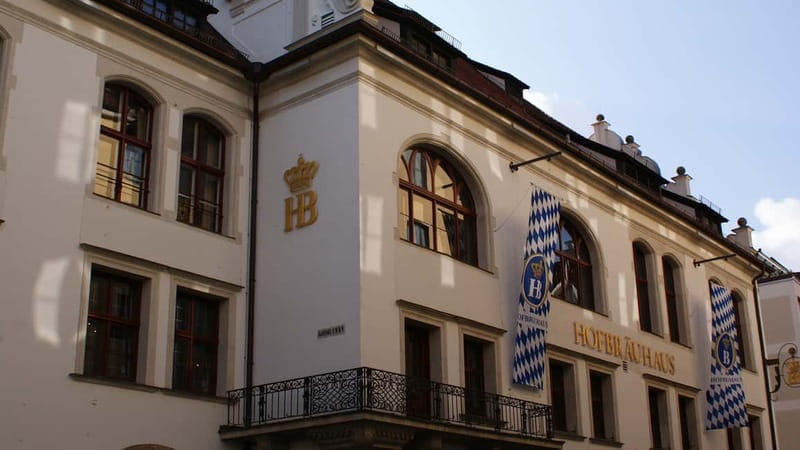
The Hofbräuhaus stop lasts about ten minutes. It is brief, but useful because the building is one of Munich’s best-known tourist sights and has a connection to the political story covered on the walk.
Do not expect a long meal or beer stop here. This is a guided look, not a pub visit. You will continue on foot, and the short stop keeps the afternoon moving.
The inclusion of the Hofbräuhaus also gives the tour a practical advantage. You see a famous Munich sight while learning why it belongs in a discussion of the Nazi movement. Without that explanation, you might visit, take a photo, and miss the historical connection entirely.
Führerbau and Königsplatz
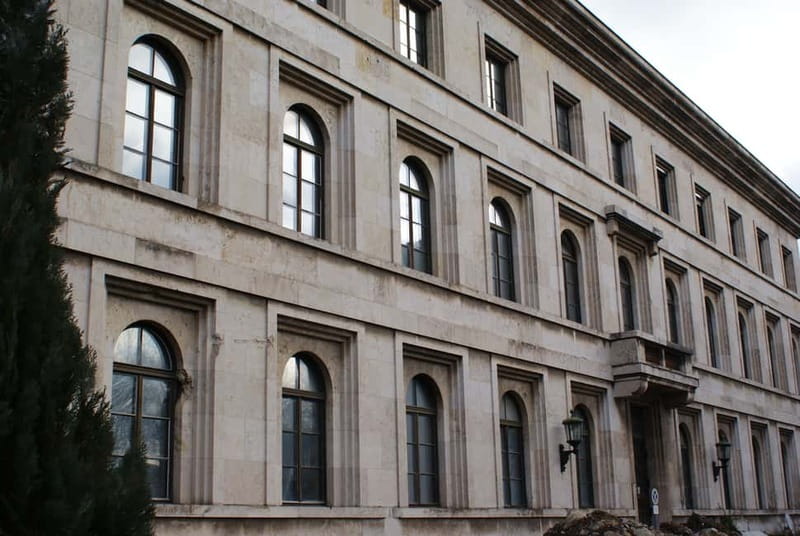
The walk continues to the Führerbau, where the guide spends about ten minutes explaining its place in the story. The building is tied to the Nazi regime’s presence in Munich and to the political events discussed during the afternoon.
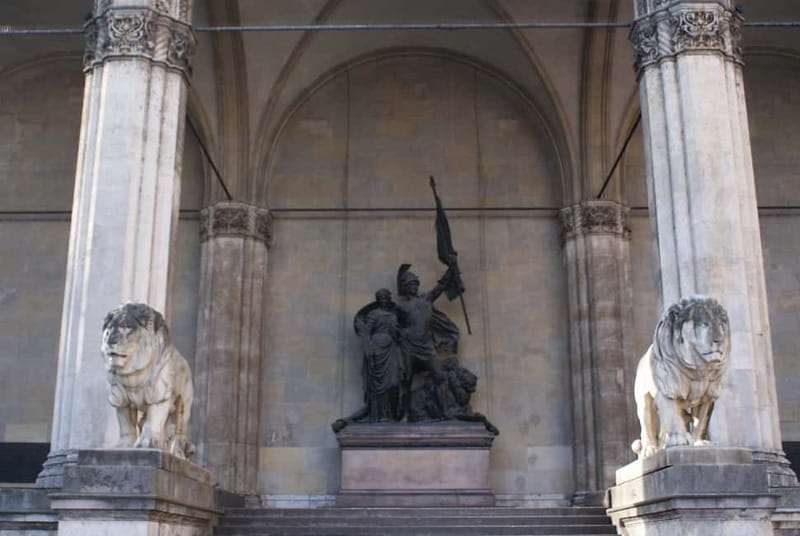
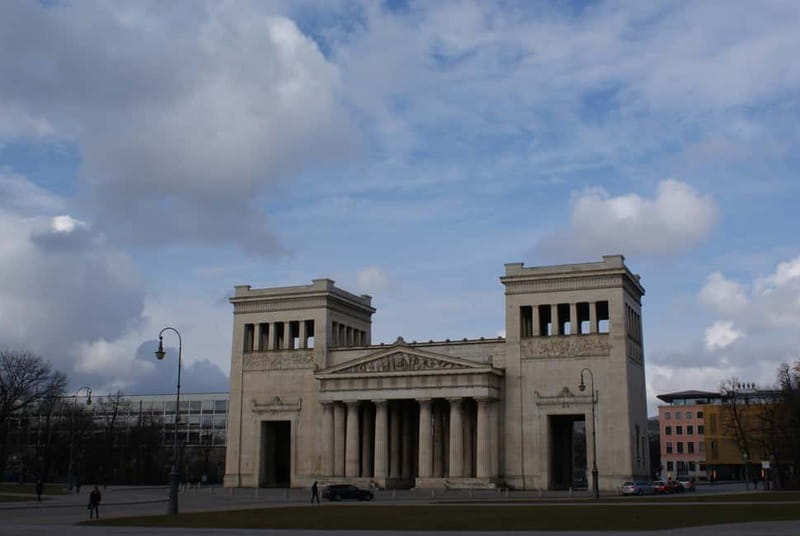
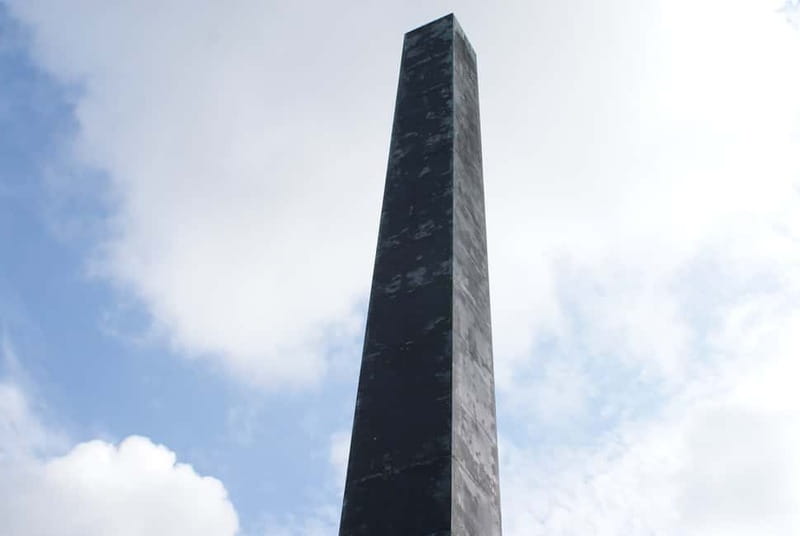
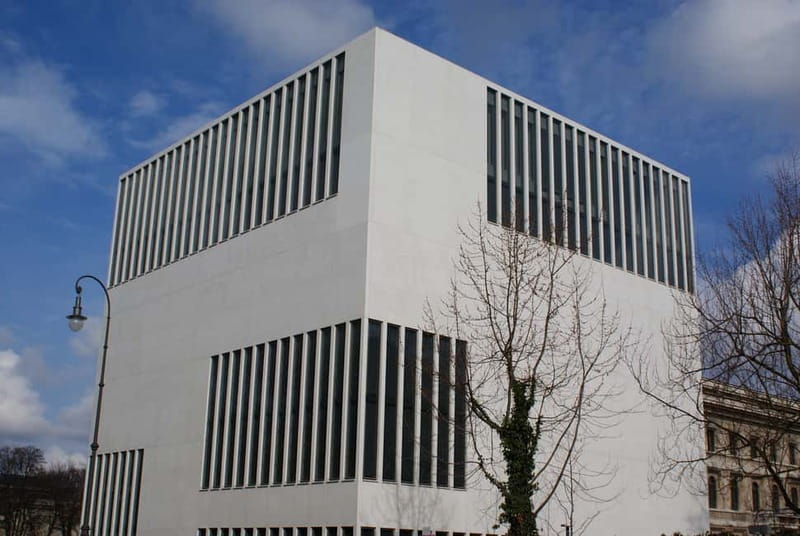
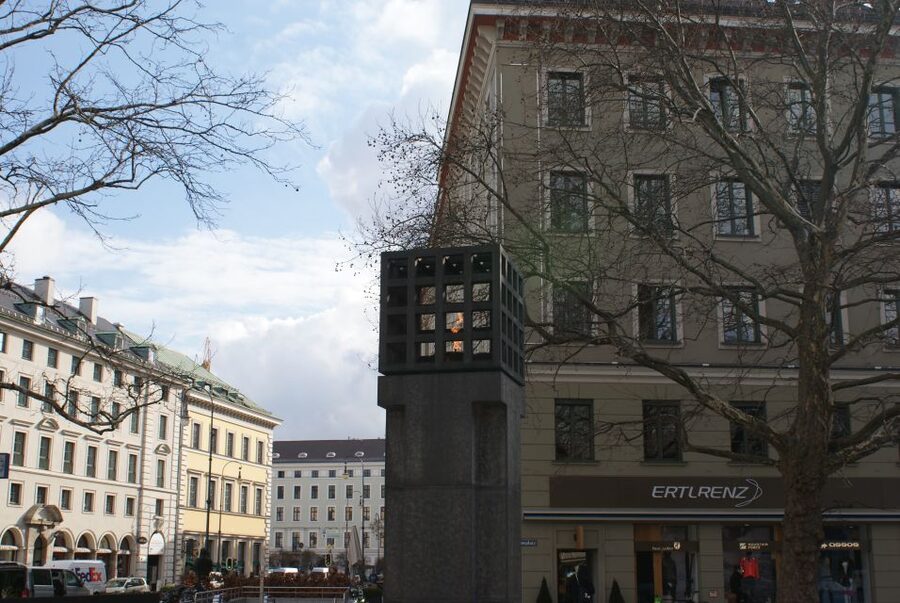
The final major stop is Königsplatz. The square was used for Nazi rallies, and it is also the location of the former Führerbau and the new Documentation Center of National Socialism. The scheduled guided visit here lasts about 15 minutes.
Königsplatz is a strong place to finish because it brings together architecture, political spectacle, and modern remembrance. You can see how public space was used to project power, then consider how the same city now presents that history for education.
The tour ends at Königsplatz, not necessarily at the original meeting point. You can choose to return to Marienplatz by train with your guide, or make your own way onward. That flexibility is useful if you want to continue sightseeing, eat near the center, or return to your hotel.
How much value do you get for $109?
At $109 per person, this is not the cheapest way to see Dachau. The value rests in what you get around the memorial visit: an accredited guide, transportation during the tour, a small group, the museum time, and a second guided walk through Munich.
If you tried to arrange the same day independently, you would need to research the transport, buy the correct tickets, plan the memorial visit, understand the city locations, and create a workable schedule. You might save money, but you would also lose the benefit of a guide who can connect the sites and answer questions as they arise.
The small group matters to the price. A maximum of 15 is not a private tour, despite the promotional comparison, but it is far more personal than a large bus group. The supplied feedback repeatedly highlights the guide’s ability to manage trains and buses, keep the day moving, and make room for questions. That is especially valuable when public transport is involved.
Meals are extra, and you pay for transport outside the tour’s scheduled period. You also need to get yourself to Marienplatz. Still, for an eight-hour day with two substantial guided sections, the price is reasonable if history is a main reason for your Munich visit.
Who should book this day tour?
I would choose this tour if you want a clear introduction to Dachau and the Nazi period in Munich, especially if you prefer learning through conversation rather than reading signs alone.
It suits:
- First-time visitors who want to understand Munich beyond its medieval center and beer halls.
- English-speaking adults and teenagers aged 14 or older.
- People who prefer a small group to a large coach.
- Anyone who wants help with Munich’s public transport.
- Visitors who want Dachau and Nazi-era city sites covered in one day.
- History-minded people who value time for questions and museum viewing.
I would think twice if you want a relaxed sightseeing day, dislike public transport, or find several hours of difficult historical material too heavy. The day is structured, serious, and active. You should also avoid booking it on a day when you need to carry luggage, since large bags are not permitted.
You can cancel up to 24 hours before the tour for a full refund, and the reserve-now, pay-later option keeps your plans flexible. Those policies are useful if your Munich schedule is still shifting, though you should confirm the exact conditions when booking.
My take: a strong choice for serious first-time context
Book this tour if you want the facts connected clearly. Dachau alone can be a powerful but confusing visit, and Munich’s Nazi-era sites can be easy to walk past without noticing. Here, Alun Evans guides you through both parts, handles the transport, and leaves space for museum viewing and questions.
The best features are the small group, the practical route, and the link between the memorial outside town and the political sites in the center. The main cost is your time and energy. You will spend eight full hours on the subject, with public transport, walking, and emotionally difficult material.
For a visitor who wants a serious look at Munich’s past, that is a fair trade. For someone seeking a light city tour, it is the wrong day.
FAQ
Where does the tour start?
It starts at Marienplatz in central Munich, in front of the Tourist Information Center. The guide carries a placard marked Dachau Memorial Tour.
Where does the tour finish?
The tour finishes at Königsplatz, with the option to return to Marienplatz by train with the guide. The activity then ends back at the original meeting point.
How long does the tour last?
The full experience lasts about eight hours. The supplied schedule begins at 9:00 AM and includes the Dachau visit, return journey, lunch break, and afternoon Munich walk.
Is transportation included?
Transportation costs during the scheduled tour are included. Hotel transfers and transport outside the tour duration are not included.
Is lunch included?
No. You have about an hour for lunch at Marienplatz, and the guide can suggest places to eat, but meals and drinks are your responsibility.
Can children join the tour?
Children under 14 are not permitted on the tour.
What should I bring?
Wear comfortable walking shoes and dress for the weather. Large bags and luggage are not allowed.
More history to see in Munich
- Munich: Guided Tour of the historic Town Hall on Marienplatz
★ 4.8 · 63 reviews - Munich: Nazi History 2-Hour Small Group Walking Tour
★ 5.0 · 30 reviews - Munich: Historical Walking Tour on the Rise of Hitler
★ 5.0 · 13 reviews - Munich: Private Walking Tour of the Historical City Center
★ 4.8 · 7 reviews
Just added in Munich
- Pub crawl incl. Oktoberfest museum guided tour with beer tasting (private)★ 5.0 · 5 reviews
- South Tyrolean specialties and wine tasting★ 5.0 · 5 reviews
- Short & sweet: Tasting the Viktualienmarkt★ 4.8 · 37 reviews
- Size Matters Beer Tour Munich★ 4.6 · 105 reviews
- Secret Food Tours Munich★ 4.8 · 5 reviews
- Munich: Romantic Wine Experience for Two at Viktualienmarkt★ 4.2 · 14 reviews
- Munich: Resistance against Hitler – Historical Walking Tour★ 5.0 · 5 reviews
- Residence of Munich private tour with skip the line ticket★ 5.0 · 4 reviews
Third Reich & WWII Tours, compared.

Third Reich Berlin: Hitler and WWII Walking Tour
Read our review →
Walking Tour of Former Nazi Party Rally Grounds
Read our review →
Berlin Third Reich Sites: Half-Day Walking Tour
Read our review →
Birthplace of the Third Reich Guided Walking Tour
Read our review →Browse the lists this tour appears in