
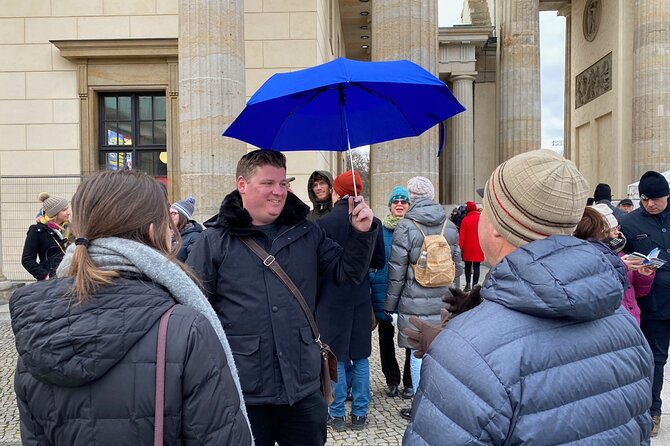
Reviewed · THIRD REICH & WWII TOURS
Hitler to Stalin – WWII & Cold War Tour (Small Group)
Berlin’s past is unusually easy to read from its streets. On this 2.5-hour walking tour, you move from the Brandenburg Gate and Reichstag to the former Nazi power center, Hitler’s bunker site, the Berlin Wall, and Checkpoint Charlie. The route links places that can otherwise feel scattered and turns them into one clear story.
I like the small-group format, which should make it easier to hear the guide and ask questions. I also like the use of then-and-now photographs and maps. They help you picture streets before the war, during Nazi rule, and after Berlin was split. The main drawback is simple: this is a rain-or-shine walk, so good shoes and weather gear matter.
Key points to know before you book
- A compact route through two dark chapters: The tour connects Nazi Berlin with the Cold War rather than treating them as separate subjects.
- Major landmarks are built into the walk: You see the Brandenburg Gate, Reichstag, Berlin Wall, Hitler’s bunker site, the Memorial to the Holocaust, and Checkpoint Charlie.
- Tom has earned strong praise: If Tom leads your group, expect an engaging guide who explains difficult material clearly and keeps the group involved.
- Maps and old photographs add useful context: These visual aids help you compare modern Berlin with the city that war and division changed.
- The $34 price is reasonable for a guided history walk: You receive a live English-language guide and a focused route lasting two and a half hours.
- Bring water and comfortable shoes: There is no shelter built into the format, and the tour runs in poor weather too.
Starting at the Brandenburg Gate
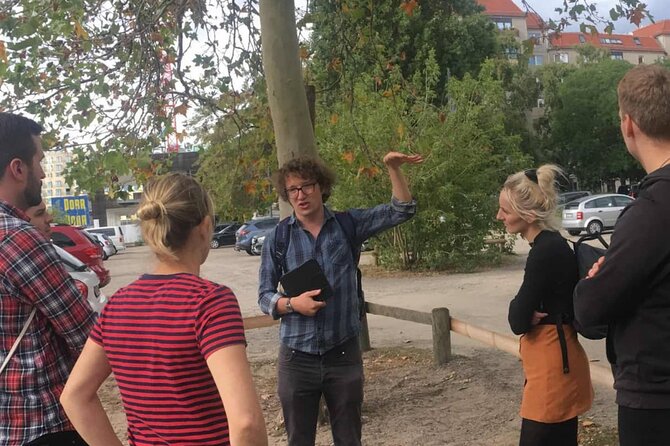
Meet at the Tourist Center at the Brandenburg Gate, looking for the blue umbrella. This is a practical starting point because the gate gives you an immediate sense of Berlin’s symbolic weight.
The Brandenburg Gate has seen Berlin shift from imperial capital to Nazi showpiece, ruined wartime city, divided frontier, and reunited capital. Your guide uses it to explain how a building associated with power and conflict later became an emblem of unity. That change is one of the tour’s central ideas: Berlin’s meaning has not stayed fixed.
You should arrive ready to walk, rather than treating this as a stop-and-start sightseeing trip. The route is designed to connect sites on foot, and the value comes from seeing how close many of them are to one another. That physical closeness helps explain why Berlin’s political decisions had such a direct effect on ordinary streets and neighborhoods.
The meeting point is also easy to identify, but allow enough time to find the Tourist Center and the blue umbrella. Starting at the right place matters here because the group returns to the same meeting point at the end.
More Third Reich and WWII Tours in Berlin
- Berlin: Third Reich and Cold War 2 Hour Walking Tour
★ 4.9 · 6,830 reviews - Berlin’s Best: 2 Hour Walking Tour Third Reich and the Cold War
★ 5.0 · 5,486 reviews - Third Reich Berlin: Hitler and WWII Walking Tour
★ 5.0 · 3,301 reviews
Reading the Reichstag through politics
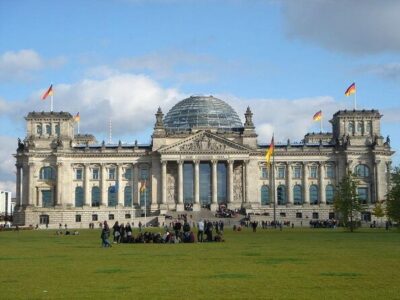
The Reichstag is more than a grand government building on a postcard. On this walk, you look at it as a marker of German political change and learn how Berlin’s political center was affected by the events surrounding World War II and the Cold War.
Do not expect an interior visit based on the information provided. The focus is the building’s place in the wider story. That is useful if you want the political background without adding a separate museum appointment to your day.
I find this kind of stop valuable because the Reichstag can be easy to admire without understanding. A guide can connect its appearance and location to the changing systems of power that shaped Berlin. The explanation also gives you a better frame for the later stops, especially those linked to division and reunification.
The guide’s role matters most here. The material covers difficult political subjects, so a clear explanation is more useful than a long list of dates. Tom, one of the guides associated with the tour, was praised for being engaging, suitable in tone, and attentive to the whole group. That is exactly what you want when the subject includes dictatorship, war, and state division.
Confronting the site of Hitler’s bunker
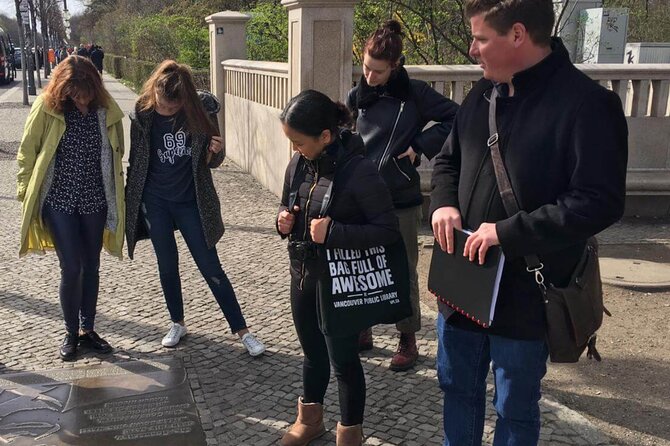
The Hitler’s bunker stop is not a preserved underground attraction. The point is to understand the site and its place in the final days of Nazi rule, while also considering why the location looks so ordinary today.
That contrast can be unsettling. You may be standing in a modern part of Berlin while hearing about decisions that caused immense destruction. A strong guide helps you avoid turning the site into a spectacle. The emphasis is on context, responsibility, and what happened in the surrounding city.
This is one reason the tour’s then-and-now photographs are useful. Old images can show how wartime Berlin differed from the streets you see now. The comparison makes the scale of destruction easier to grasp, even when the physical traces have disappeared.
You should expect an outdoor explanation rather than a dramatic underground visit. If you want a museum display or preserved bunker interior, this tour will not provide that. If you want to understand where the site fits into Berlin’s story, it is a worthwhile part of the route.
Remembering Nazi persecution at the Gestapo headquarters and Holocaust Memorial
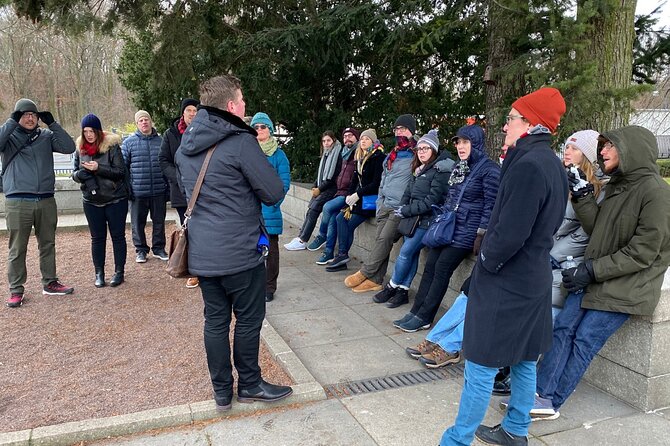
The former Gestapo headquarters area brings the machinery of Nazi repression into focus. The tour includes this site as part of its explanation of how the Nazi state controlled, threatened, and persecuted people.
The subject is serious, and the walk asks you to think about institutions, not only famous leaders. That makes the stop important. It links the decisions made at the top with the offices and systems that enforced those decisions.
The nearby Memorial to the Holocaust shifts the focus toward loss and remembrance. You are given time and context to consider the people murdered during the Nazi era and the questions raised by a memorial in the center of a modern capital.
The memorial is best approached with patience. Its effect does not come from a single viewpoint or quick photograph. Your guide’s explanation can help you understand what the site asks visitors to remember, while allowing the memorial itself to remain quiet and personal.
Because the walk covers heavy material, it is worth choosing this tour when you have enough mental space for it. This is not a light city stroll with a few historical facts added. It deals directly with state violence, human loss, and the problems of remembrance.
Other trips into the same period in Berlin:
- Berlin: Third Reich, Hitler, and WWII Walking Tour
★ 4.9 · 1,133 reviews - Berlin Third Reich Sites: Half-Day Walking Tour
★ 5.0 · 835 reviews - Berlin: Guided Bike Tour of the Berlin Wall and Third Reich
★ 4.7 · 499 reviews - Hitler’s Germany: Berlin During the Third Reich & WWII
★ 4.8 · 476 reviews
Following the Berlin Wall and the Iron Curtain
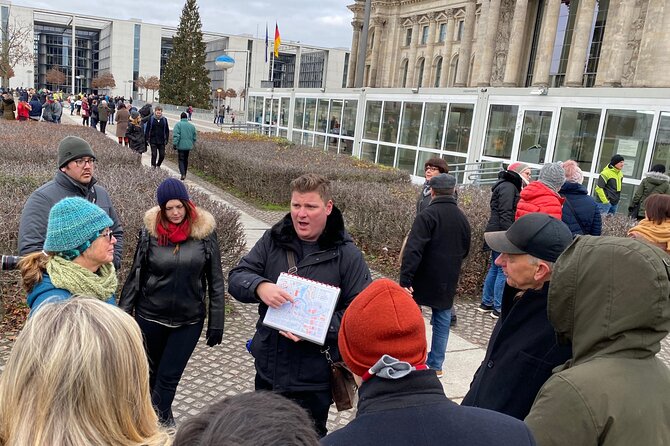
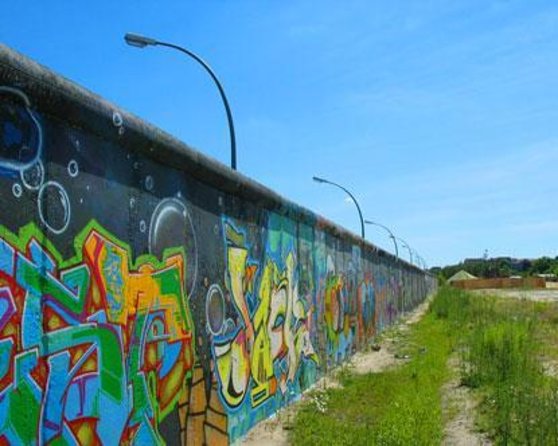
The Berlin Wall section explains how the city became divided and what that division meant in daily life. You see an actual section or remaining trace of the Iron Curtain, rather than discussing the Wall only as an abstract Cold War symbol.
The most useful part is the connection between local and global history. Berlin’s division was not just a municipal problem. It reflected the larger struggle between competing political systems, and the city became one of the clearest physical signs of that conflict.
Your guide also explains the events that led to division and the eventual reunification of Berlin. This gives the tour a full arc, from war and occupation to separation and change. You leave with a better sense of why Berlin mattered far beyond Germany.
The Wall can be hard to read without assistance. Much of it is gone, and modern buildings, roads, and public spaces can make the former border difficult to picture. Maps and old photographs are especially helpful here. They show where the barrier ran and how the city looked before and after it was built.
Do not expect a long stop at every remaining section. The tour has many subjects to cover in 150 minutes, so the guide must keep moving. That is a fair trade for a route that connects more of Berlin’s major sites in one outing.
Seeing a divided city at Checkpoint Charlie
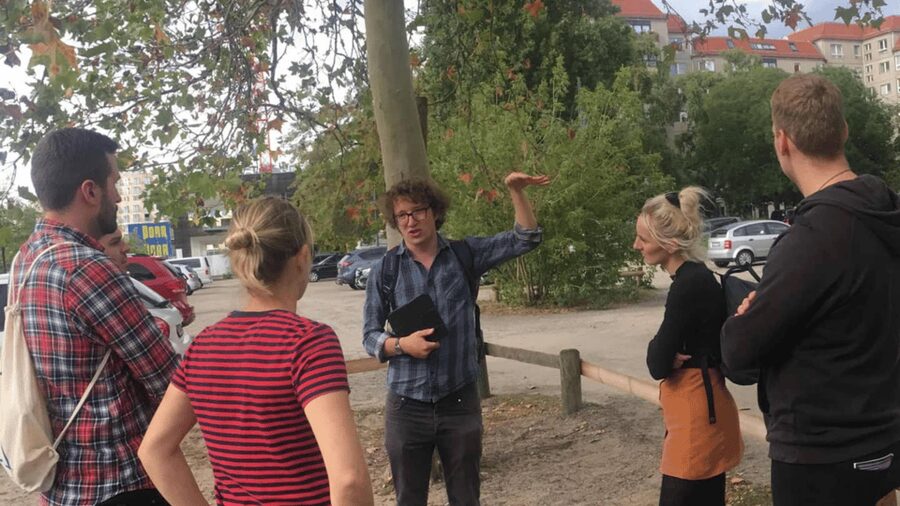
Checkpoint Charlie is one of Berlin’s best-known Cold War landmarks. It represents the controlled crossing between East and West and the tension created by a city divided between rival powers.
The site can feel more commercial and crowded than the quieter memorial locations. That is part of the challenge. You may find it harder to sense the fear and uncertainty that once surrounded the crossing when modern Berlin is moving around you.
A guide adds the missing layer. Rather than viewing the checkpoint as a photo stop, you learn how it fits into the political story of the Wall, the restrictions placed on movement, and the eventual end of division.
I appreciate that Checkpoint Charlie appears alongside the Wall and the Reichstag. Seen alone, it can become a famous name with little meaning. Placed within the tour’s larger route, it helps show how the Cold War shaped streets, borders, and personal freedom.
Why the small group matters
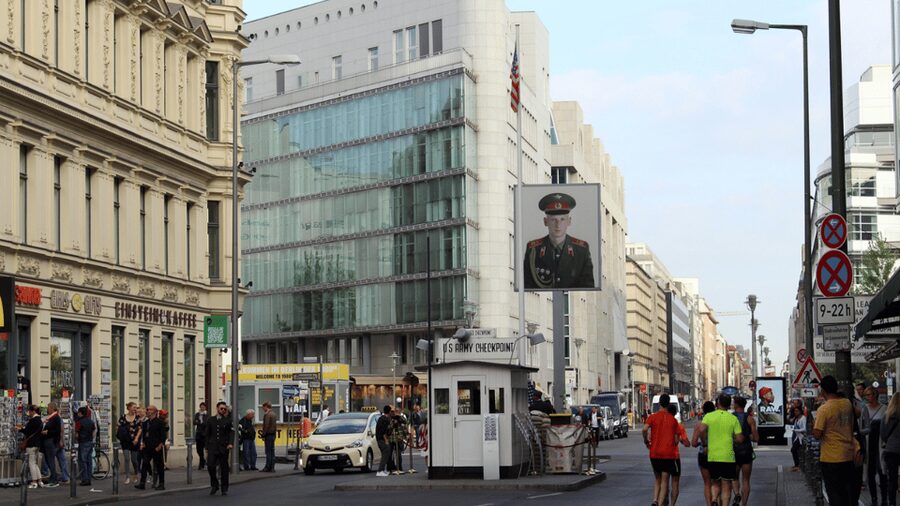
The tour is sold as an exclusive small-group experience, though a specific maximum group size is not provided. That means you should have a better chance of hearing the guide than on a large street tour, but you should not assume a private tour.
Small groups are useful for this subject because questions often need follow-up. You may want to ask about the Wall, the bunker site, or how Berlin changed after reunification. A smaller group gives the guide more room to respond without turning every stop into a speech for a crowd.
The guide’s tone is also important. Tom was praised for being interesting, appropriate, and engaged with all members of the group. Those qualities matter more here than theatrical delivery. The history is already powerful. You need someone who can explain it with care and keep the group focused.
The official tour language is English. If you need another language, this is not the right choice based on the information available.
Is $34 a fair price for 2.5 hours?
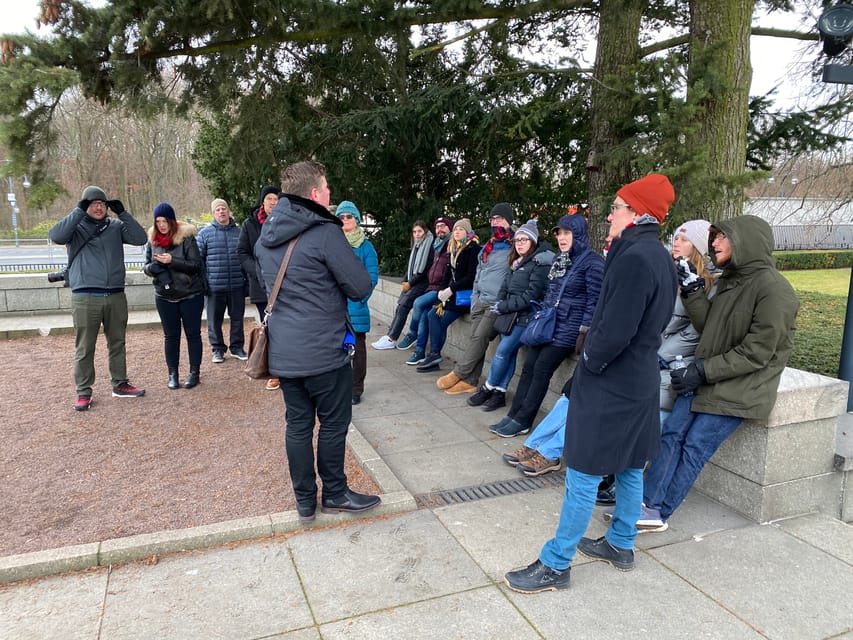
At $34 per person, the tour offers solid value if you want a guided introduction to Berlin’s Nazi and Cold War history. You are paying for a live guide, a planned walking route, maps, and visual material that helps connect places spread through central Berlin.
You could visit many of these landmarks on your own for free. The real value is not admission to a monument. It is the explanation that turns separate locations into a connected account of war, dictatorship, division, and reunification.
The tour is especially useful early in a Berlin visit. It can give you a framework for later museum visits and independent walks. Afterward, you may recognize why certain streets, buildings, and memorials matter instead of seeing them as isolated attractions.
The price is less compelling if you already have a strong grasp of twentieth-century German history or plan to spend several days with specialist museums and private guides. In that case, some of the material may repeat what you already know.
Still, for a relatively short introduction, the cost is fair. You cover a lot of ground and receive an interpretation of sites that are not always easy to understand without help.
Walking comfort, weather, and access
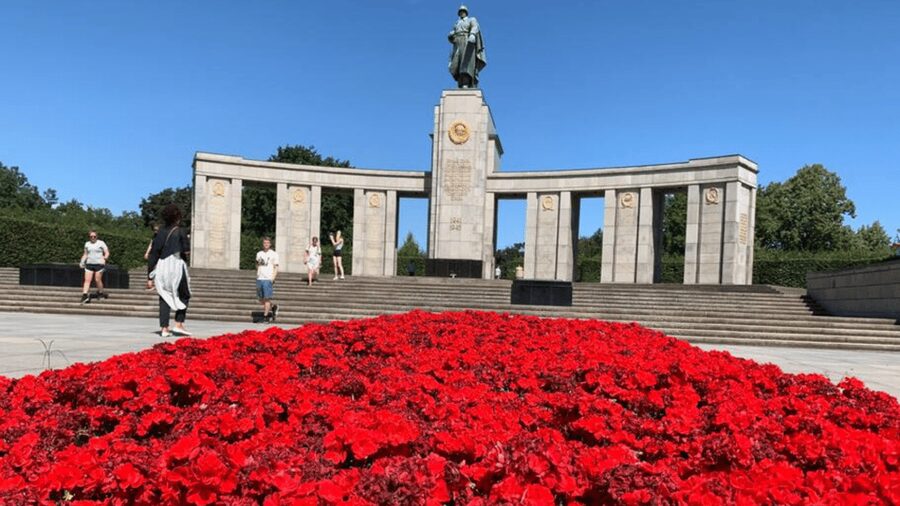
Wear comfortable walking shoes. The route takes place outdoors and includes several historical sites, so hard pavement and changing weather are part of the deal. Bring water and a light snack, especially if you are booking the tour near a meal break.
The tour runs rain or shine. Carry an umbrella or raincoat if the forecast is poor. Berlin weather can make an outdoor history walk much less pleasant when you are unprepared, and there is no promise of indoor shelter along the route.
The activity is listed as wheelchair accessible. If access needs are important to you, it is sensible to confirm current route conditions when booking, since outdoor city routes can be affected by temporary construction or crowding. The available information does not give more detail about the exact surfaces or facilities.
Cancellation is flexible: you can cancel up to 24 hours in advance for a full refund. You can also reserve now and pay later, which helps if your Berlin schedule is still changing.
Who should book this Berlin history walk?
I would recommend it to first-time Berlin visitors who want a clear introduction to the city’s most important twentieth-century sites. It also suits you if you prefer learning in the streets rather than spending the whole day inside museums.
The tour works well for adults and older students who are ready for serious subject matter. The material involves Nazi persecution, war, the Holocaust, political repression, and the Cold War. It is not designed as a light sightseeing outing.
You will get the most from it if you enjoy asking questions and comparing old images with the present city. The route is also a practical choice when your time is limited, since it covers several major landmarks in two and a half hours.
You may want a different option if you dislike walking in uncertain weather, need a very slow pace, or want long visits inside each monument. The tour provides a broad, connected account, not an extended examination of one site.
Should you book it?
Book this tour if you want Berlin’s Nazi and Cold War landmarks explained as one connected story. The combination of a small group, an English-speaking guide, maps, then-and-now photographs, and a $34 price makes it a sensible starting point.
Keep your expectations realistic. You are walking outdoors, the schedule has to keep moving, and some places are viewed from the street rather than entered. But if you come prepared for rain, wear good shoes, and give the subject the attention it deserves, this tour can add real meaning to the Berlin you see afterward.
FAQ
Where does the tour start?
It starts at the Tourist Center at the Brandenburg Gate. Look for the blue umbrella.
Where does the tour finish?
The tour ends back at the meeting point at the Brandenburg Gate.
How long does the tour last?
The walking tour lasts 2.5 hours.
What language is the tour conducted in?
The live tour guide speaks English.
Which landmarks are included?
The route includes the Brandenburg Gate, Reichstag, Hitler’s bunker site, former Gestapo headquarters, the Berlin Wall, the Memorial to the Holocaust, and Checkpoint Charlie.
Is the tour wheelchair accessible?
Yes, the activity is listed as wheelchair accessible.
What should I bring?
Bring comfortable walking shoes, water, and light snacks. An umbrella or raincoat is useful in poor weather because the tour runs rain or shine.
More Berlin Wall and Cold War tours in Berlin
- Skip-the-Line: Berlin Wall Museum at Checkpoint Charlie
★ 4.1 · 2,041 reviews - Cold War, Berlin Wall, Spies and the East Side Gallery
★ 5.0 · 1,024 reviews - Berlin: Cold War Walking Tour on Berlin Wall Route
★ 4.8 · 437 reviews - Berlin: Cold War Era History Guided Bike Tour
★ 4.8 · 413 reviews
Just added in Berlin
- Private One way Airport Transfer Berlin Airport To Berlin★ 3.5 · 17 reviews
- Private Walking Tour: Berlin Wall, Cold War and Checkpoint Charlie★ 5.0 · 37 reviews
- Modern Berlin Private Walking Tour: Diverse, Vibrant and Exciting German Capital★ 5.0 · 13 reviews
- Private Day Trip to Potsdam from Berlin by Train★ 4.5 · 27 reviews
- City Explorer: Potsdam Private Day Trip★ 4.5 · 10 reviews
- Berlin Private Custom 5-Hour Tour by Car★ 5.0 · 30 reviews
- Private Half-Day Sightseeing Tour in Berlin★ 3.5 · 6 reviews
- Berlin Private Custom Tour in a Minivan, East and West★ 5.0 · 123 reviews
Third Reich & WWII Tours, compared.

Third Reich Berlin: Hitler and WWII Walking Tour
Read our review →
Walking Tour of Former Nazi Party Rally Grounds
Read our review →
Berlin Third Reich Sites: Half-Day Walking Tour
Read our review →
Birthplace of the Third Reich Guided Walking Tour
Read our review →Browse the lists this tour appears in