
Reviewed · CONCENTRATION CAMP MEMORIAL TOURS
From Berlin: Sachsenhausen Concentration Camp Memorial Tour
Sachsenhausen is not a casual sightseeing stop. It is a former Nazi concentration camp and memorial where the empty grounds, prisoner cells, guard towers, and surviving structures ask you to slow down and face what happened here. The tour places that difficult history in context, rather than leaving you to piece it together alone.
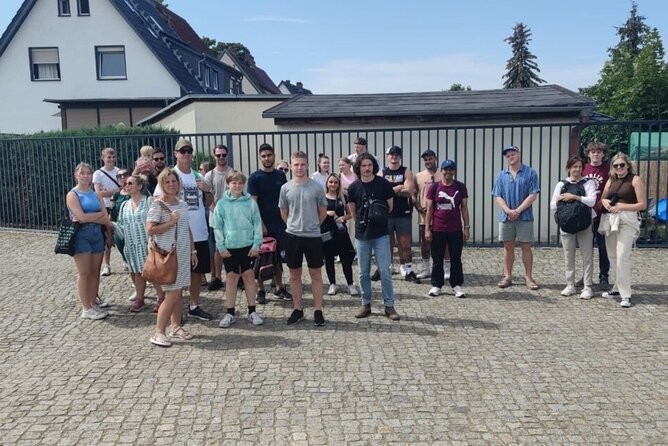
I like the small maximum group of 20 and the chance to travel with an English-speaking guide who can explain the site as you walk. I also like that strong guides such as Anna, Sebastian, Siobhan, Miguel, Sharon, and Roshana have linked the camp’s history to the wider rise of Nazi rule and life in the Third Reich. The main drawback is practical: you must buy your own ABC transit ticket, walk from the station to the memorial, and spend much of the day outdoors.
Key points to know before you book
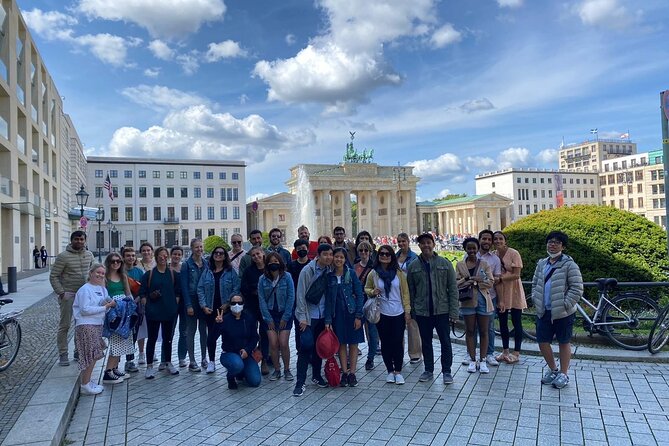
- The tour begins at Alexanderplatz at 10 a.m. Meet outside Generator Berlin Alexanderplatz, Otto-Braun-Straße 65.
- Public transport is not included. You need an ABC transit ticket for the journey from central Berlin to Sachsenhausen.
- Expect a long, serious day. The experience lasts about six hours and includes substantial walking.
- The €3 memorial donation is collected separately. Bring exact change for the required contribution.
- Guide quality matters here. Anna, Sebastian, Siobhan, Miguel, Sharon, and Roshana have been praised for clear explanations, thoughtful storytelling, and sensitive handling of the subject.
- Food and drinks are not included. Plan ahead, since there may be no comfortable indoor lunch break during the visit.
Why Sachsenhausen deserves a full day from Berlin
Many Berlin history stops are easy to fit between coffee and dinner. Sachsenhausen is different. You leave the city center, travel north, and give the subject enough time to register. That distance matters. It helps you shift from ordinary sightseeing to a place built for imprisonment, control, and terror.
Sachsenhausen was a Nazi concentration camp used primarily for political prisoners. It also served as an administrative center for the larger concentration camp system. That means your guide can explain not only what happened inside these grounds, but also how the camp fit into the machinery of the Third Reich.
The experience is not presented as a cheerful day out, and it should not be. Several guides have been praised for finding the right balance: serious when the subject demands it, but clear and engaging enough to keep a group focused for six hours. A strong guide can connect dates, policies, buildings, and individual prisoner stories so the place does not become a blur of grim facts.
I would set aside the rest of the day after this tour. You may want time to think, eat quietly, or return to your hotel rather than rush straight into another attraction.
More Concentration Camp Memorial Tours in Berlin
- Berlin: Sachsenhausen Concentration Camp Tour in English
★ 5.0 · 5,711 reviews - Berlin: Sachsenhausen Concentration Camp Memorial Tour
★ 4.7 · 3,716 reviews - Sachsenhausen Concentration Camp Bus Tour in English from Berlin
★ 5.0 · 1,962 reviews
Meeting at Alexanderplatz and getting to the memorial
The group meets at 10 a.m. at Generator Berlin Alexanderplatz on Otto-Braun-Straße 65. This is a useful starting point because Alexanderplatz is central and well connected, but do not assume the tour price covers the ride. The ABC transit ticket is not included, so you must purchase the correct public transport ticket yourself.
This is one of the most important details to handle before you arrive. A few people have reached the meeting point without realizing they needed a ticket for the journey, which created avoidable stress. Ask the guide for help if you are unsure which ticket applies. Roshana, for example, has helped people sort out transit and find their way back afterward.
After the city portion of the journey, expect a walk of roughly 20 minutes from the station to the memorial site. That estimate comes from the practical experience of people who have taken the tour, and it is worth treating seriously if you have knee, hip, or mobility concerns. The walk is part of the day, not a minor transfer between a coach and the entrance.
The group then returns to the original meeting point at the end. Your guide may help explain the return journey, but the transport ticket and the responsibility for getting back are yours.
Entering Sachsenhausen Memorial and Museum
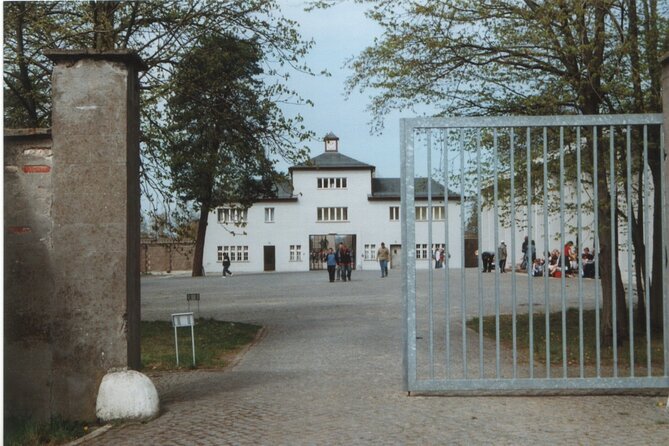
The main stop is Gedenkstätte und Museum Sachsenhausen, the Memorial and Museum Sachsenhausen. The site is free to enter in the ordinary sense, but the tour requires a €3 per-person donation for the memorial and its upkeep. The guide collects it before entering, and exact change is requested.
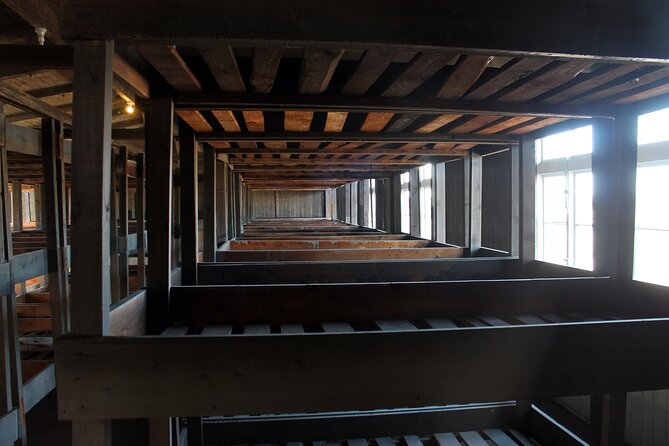
This is not a polished museum visit with one grand gallery at the center. The memorial spreads across former camp grounds, and the story unfolds as you move from one location to another. You will see key areas such as prisoner cells and guard towers, while the guide explains what each part meant within the camp system.
The open setting can make the experience especially stark. Buildings and structures are separated by broad stretches of ground, so you are not simply reading about confinement in a display case. At the same time, the scale means walking and standing. Wear comfortable shoes, and expect weather to affect the day. Rain, cold, and wind have made the outdoor portions harder for some people.
A guide is particularly useful here because the site can be difficult to interpret on your own. The remains do not always explain themselves. A cell, tower, or empty section of ground gains meaning when placed in the story of political imprisonment, camp administration, and the lives of the people held there.
The historical frame: prisoners, power, and administration
The strongest part of this tour is the context before and during the walk. Guides such as Anna and Sebastian have been praised for explaining the history leading up to Sachsenhausen, not just reciting what happened at each building.
You can expect discussion of life in the Third Reich and the way concentration camps developed as instruments of Nazi control. Sachsenhausen’s role as an administrative center gives the visit a wider reach. It was not an isolated prison operating outside the rest of the system. The guide can show how decisions and practices connected this camp to the larger network.
That larger frame is valuable because it keeps the visit from becoming a list of horrors. You learn about systems, choices, and the gradual creation of a place where cruelty was made routine. The best sessions also return to individual lives, sharing stories of former prisoners so that the numbers and structures do not erase the people involved.
The material is upsetting. That is unavoidable and appropriate. One guide, Anna, has been praised for explaining the most difficult details directly while also linking them to the political climate that allowed such events to happen. Another, Sebastian, has been noted for answering questions across German history and culture, helping people see the camp within a broader setting.
You should expect a serious tone, but not a silent march from one building to another. There is time for questions, and the guide may invite you to consider how the camp came to exist and how societies can permit such abuses.
Other memorial sites within reach of Berlin:
- Berlin: Sachsenhausen Concentration Camp Tour in English
★ 4.8 · 1,889 reviews - Sachsenhausen Concentration Camp Memorial Tour (Max. 15 Guests)
★ 5.0 · 1,516 reviews - Berlin: Sachsenhausen Concentration Camp and Potsdam Tour
★ 4.6 · 1,334 reviews - Sachsenhausen concentration camp.
★ 5.0 · 1,189 reviews
What the guides add to the visit
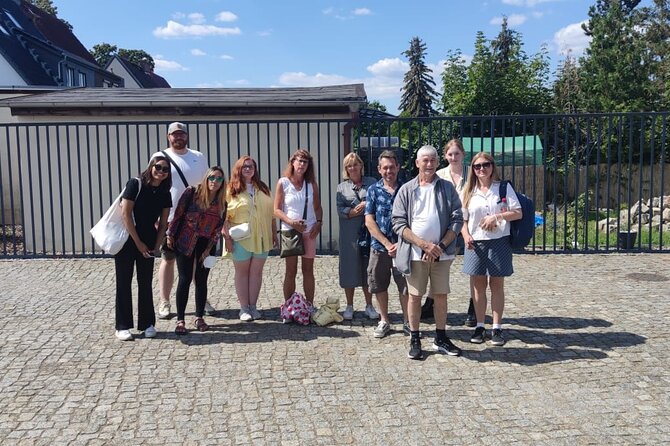
This tour’s quality depends heavily on the person leading your group. The experience is sold with a professional English-speaking guide, but the exact guide is not guaranteed in advance. Names associated with well-received sessions include Anna, Sebastian, Siobhan, Miguel, Sharon, and Roshana.
Anna has been praised for laying out a clear timeline and for keeping the group together. Sebastian has been described as especially strong at connecting different periods of German history and answering questions. Siobhan has been appreciated for combining careful storytelling with a human, attentive manner.
Miguel has received praise for patient explanations and for assisting a wheelchair user in the group. Sharon has been noted for discussing the importance of learning from the past and for sharing smaller facts about the camp. Roshana has helped with public transport as well as the history itself.
These details matter because a six-hour memorial visit can become exhausting without clear pacing. A good guide gives you a structure to follow, explains difficult material without turning it into spectacle, and notices when people need help finding the next location or understanding the route.
There is also a less positive practical point. One person found a guide’s accent difficult to understand and felt that the explanation repeated itself. That possibility is worth keeping in mind when you book a group tour. The site is the main attraction, but your experience will be shaped by how clearly the history is presented.
Walking, weather, food, and mobility
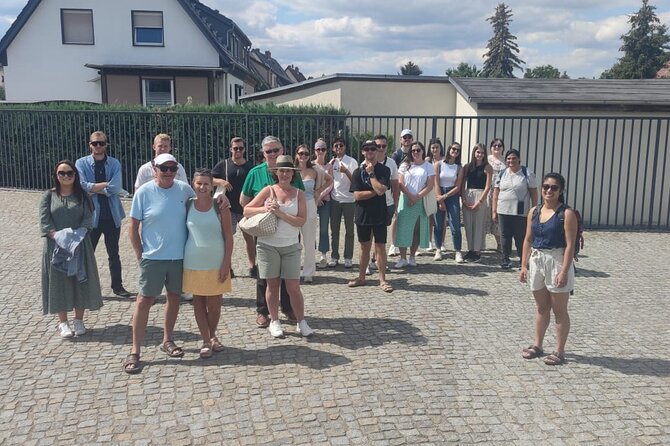
The tour includes more walking than the six-hour duration might suggest. You walk from the station to the memorial, cover the former camp grounds, and return through the site before traveling back to Berlin. One person with knee problems had to shorten the visit and wait near the exit, while another described the walk as a reason a bus would have been helpful.
Most people can participate, but this is not the best choice if you need frequent seating or find long outdoor walks difficult. A wheelchair user was assisted successfully by a guide, yet individual mobility needs should be discussed before booking rather than left to chance.
Bring weather-appropriate clothing. Some of the site is exposed, and rain, wind, or cold can make standing and listening tiring. Comfortable shoes are more important than fashionable ones.
Food and drinks are not included. There may be no convenient indoor place for lunch, and one person found the available outdoor eating conditions cold and windy. You can bring something to eat and drink, but keep the memorial setting in mind. This is not a food stop, and you may prefer a quiet snack before or after the main visit.
Children must be accompanied by an adult. The subject is difficult, so parents should decide carefully if the material suits their child. A 15-year-old interested in Second World War history took part with a parent and found the guided format valuable, but every family will judge the emotional weight differently.
Is the $29.81 price good value?
At about $29.81 per person, the price is reasonable for a six-hour guided experience, especially if you want the history explained in English rather than simply walking around the memorial on your own. The cost includes the professional guide, but not your ABC transit ticket, food, drinks, or the €3 memorial donation.
That means your actual outlay will be a little higher. Still, the guide is the part that can justify the price. You are paying for organization, historical framing, help with public transport, and a route through a large and emotionally difficult site.
I would consider the tour good value for first-time visitors who want context and the chance to ask questions. If you are already very familiar with Sachsenhausen and prefer to read at your own pace, you may find a self-guided visit more flexible. The group format also means you will follow the guide’s timing rather than stopping wherever you like.
The maximum group size is 20, which is small enough for questions without promising a private tour. Arrive ready to listen, stay with the group, and accept that the pace may not match your own interest at every point.
Who should book this Sachsenhausen tour?
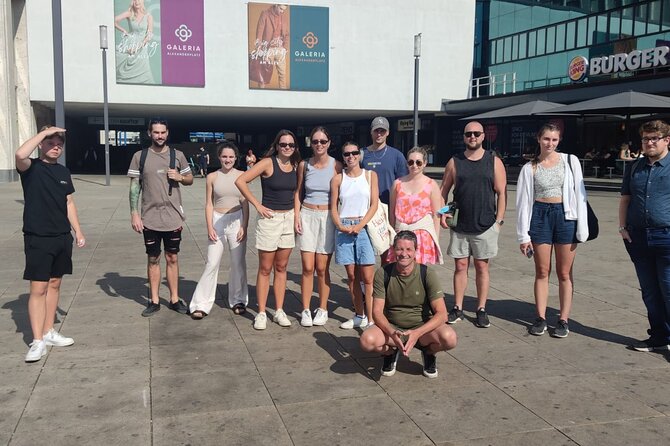
I would choose this tour if you are visiting Berlin for the first time, want an English explanation, or feel that a concentration camp memorial should be approached with historical guidance. It also suits families with older teenagers who have a serious interest in the Second World War and want more than labels and dates.
It is a good fit for people who value personal stories and wider political context. The strongest guides do not treat Sachsenhausen as a checklist of buildings. They explain how the camp operated, how prisoners were treated, and how the site related to the larger Nazi system.
I would think twice if you have limited stamina, need reliable indoor seating, or want a relaxed half-day outing. The subject is painful, the walk is substantial, and the weather can shape your comfort. If you go, keep the rest of your schedule light.
Book at least with the transit details in mind. Confirm the 10 a.m. meeting point, buy the correct ABC ticket, bring €3 in exact change, pack water and a snack, and wear shoes for a long outdoor visit. Free cancellation is available up to 24 hours before the start time, but changes or cancellations inside that window are not refunded.
FAQ
Where does the Sachsenhausen tour start?
The tour starts at 10 a.m. at Generator Berlin Alexanderplatz, Otto-Braun-Straße 65, 10178 Berlin.
Where does the tour finish?
The activity ends back at the original meeting point at Alexanderplatz.
How long does the tour last?
The experience lasts approximately six hours.
Is public transport included in the price?
No. The ABC transit ticket is not included, so you need to purchase it separately.
Is there an extra charge at the memorial?
Yes. A €3 per-person donation is required for the Memorial and Museum Sachsenhausen. The guide collects it before entry, and exact change is requested.
Is food included?
No. Food and drinks are not included, so bring your own provisions or plan to eat before or after the tour.
Is the tour offered in English?
Yes. The experience is offered in English with a professional guide.
Can children participate?
Yes, but children must be accompanied by an adult. Keep in mind that the tour covers the difficult history of a Nazi concentration camp.
What is the group size?
The tour has a maximum of 20 participants.
Can I cancel for a full refund?
Yes, if you cancel at least 24 hours before the experience start time. Cancellations or changes made less than 24 hours beforehand are not refunded.
Should you book it?
Book this Sachsenhausen tour if you want the site explained rather than simply visited. The combination of public transport, a six-hour schedule, an English-speaking guide, and a maximum group of 20 gives you a practical way to reach the memorial and understand its place in Nazi history.
Go prepared for a long, outdoor, emotionally heavy day. Buy your ABC ticket in advance, carry €3 in exact change, bring food and water, and leave breathing room in your Berlin schedule. With a strong guide such as Anna, Sebastian, Siobhan, Miguel, Sharon, or Roshana, the visit can become one of the most meaningful history experiences of your trip.
Just added in Berlin
- Berlin: Energizing 2-Hour Morning Segway Tour★ 4.7 · 35 reviews
- Berlin: Thrilling E-Scooter Adventure Tour★ 4.4 · 66 reviews
- Beelitz-Heilstätten: Baum&Zeit Tree Top Walk Entry Ticket★ 4.9 · 7 reviews
- Beer Bike & Party Bike: Unforgettable Berlin City Tour incl. pickup★ 5.0 · 5 reviews
- AXE THROWING EXPERIENCE IN BERLIN★ 4.7 · 24 reviews
- Alternative Berlin / Street art tour – Private group★ 5.0 · 6 reviews
- Berlin: Alternative & Street Art Tour★ 4.5 · 6 reviews
- Berlin: 2.5-Hour Beer & Sunset Sightseeing Boat Cruise★ 4.6 · 61 reviews
Concentration Camp Memorial Tours, compared.
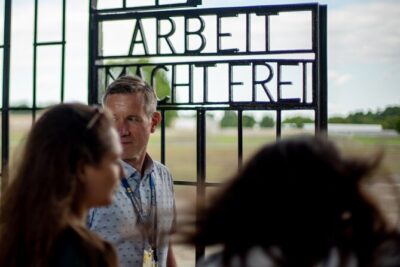
Sachsenhausen Concentration Camp Tour in English
Read our review →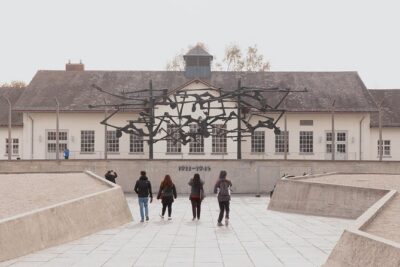
Dachau Concentration Camp Memorial Site Tour from Munich by Train
Read our review →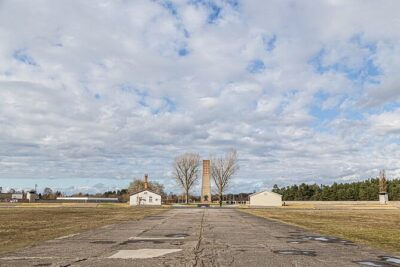
Sachsenhausen Concentration Camp Memorial Tour
Read our review →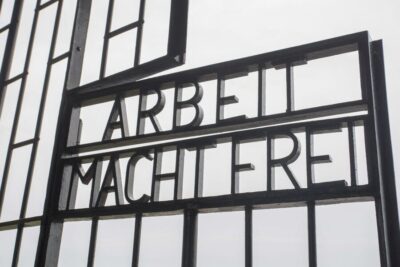
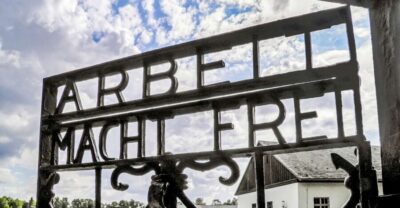
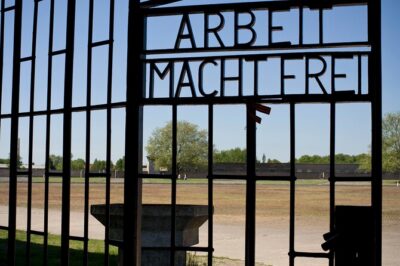
Sachsenhausen Concentration Camp Bus Tour in English from Berlin
Read our review →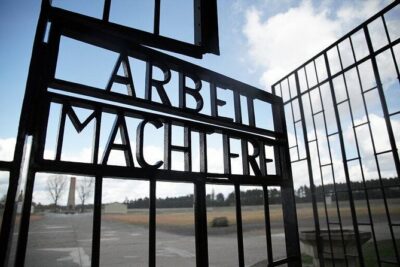
Sachsenhausen Concentration Camp Memorial Tour (Max. 15 Guests)
Read our review →
Sachsenhausen Concentration Camp and Potsdam Tour
Read our review →Browse the lists this tour appears in