
Reviewed · CONCENTRATION CAMP MEMORIAL TOURS
Sachsenhausen Concentration Camp Bus Tour in English from Berlin
Sachsenhausen is not a sightseeing stop in the usual sense. It is a place where the scale and machinery of Nazi persecution become painfully real, one barracks, gate, and empty yard at a time. This four-hour bus tour gives you a guided introduction to the camp, its victims, and its later Soviet use without asking you to plan the transport yourself.
I like two things right away. The licensed, memorial-trained guides provide context before you arrive, and the direct coach from Friedrichstraße keeps the outing simple. I also like the chance to ask for Berlin tips on the ride home. The main drawback is time: four hours is enough for the major areas, but not always enough to read every personal testimony inside the memorial.
- A direct coach from central Berlin removes the fuss of arranging the trip to Oranienburg.
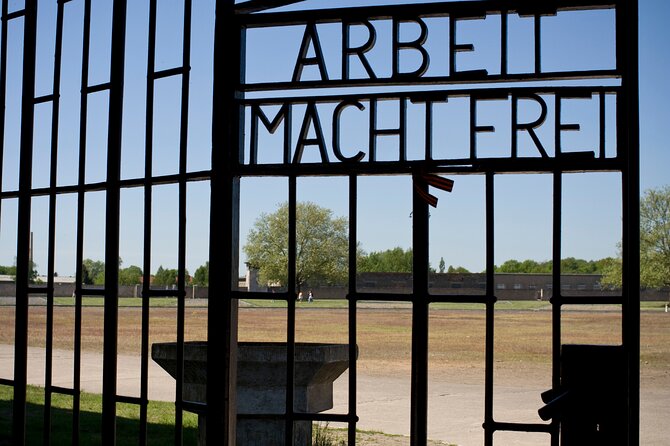
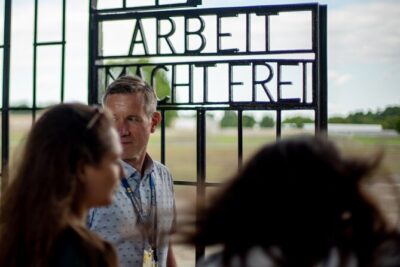
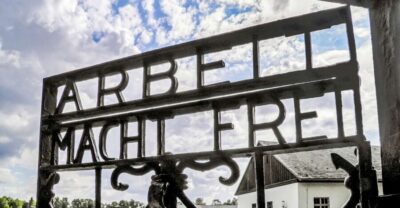
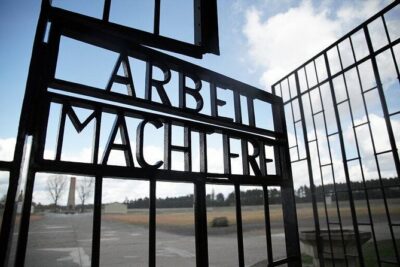
- Tower A and the words Arbeit Macht Frei provide a stark entrance to the former camp.
- The infirmary barracks explain the medical abuse and experiments carried out during the war.
- The Soviet special camp period from 1945 to 1950 adds an often overlooked second chapter.
- Guides such as Hannah, Rebecca, Maria, Ariel, and Irish Paul have been praised for clarity and sensitivity.
- The pace is brisk, so bring water, dress for the weather, and expect plenty of walking.
Why Sachsenhausen Matters Beyond a Day Trip
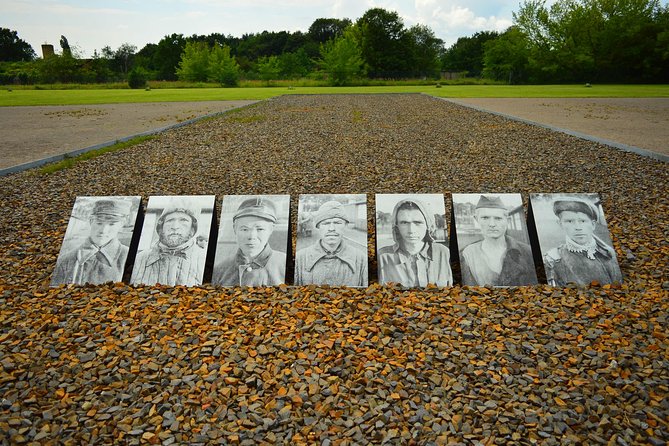
Sachsenhausen operated from 1936 to 1945. During those years, about 35,000 people died there. The camp was designed by the SS as a model facility, a place meant to show how a modern concentration camp could be organized, controlled, and expanded.
That detail matters. This is not simply a collection of old buildings. The layout, the watchtowers, the open grounds, and the surviving structures help explain how imprisonment became a system. Your guide connects the site to the rise of the Nazis, life in Berlin during the 1930s, and what people living nearby knew about the camp system.
The site was then used by the Soviets as a special camp from 1945 to 1950. Another 12,500 people died during that period. Including this chapter gives you a fuller picture of the site, and it prevents the visit from ending with the war in 1945.
I value that broader context. A quick walk around a former camp can otherwise become a series of grim facts with little connection between them. The better guides, including Joseph, Rebecca, Ariel, Maria, and Irish Paul, have been praised for explaining the political and social background before focusing on the buildings themselves.
Meeting at Friedrichstraße and Riding to Oranienburg
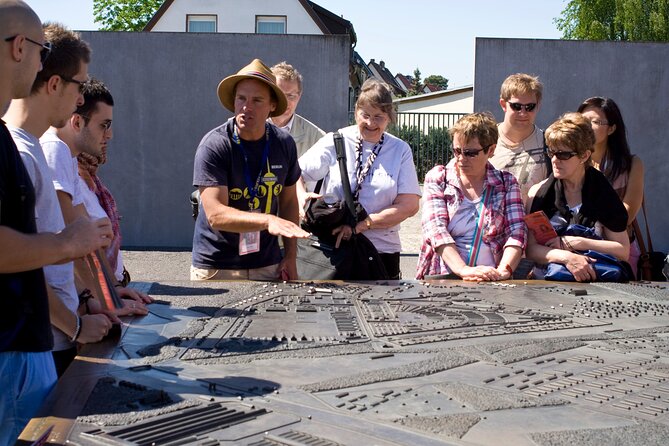
The tour begins at Reichstagufer 17 near Friedrichstraße station at 10:00 in the morning. You should arrive at least 15 minutes early. There is no hotel pickup, so build in time to reach the meeting point by public transport or on foot.
From there, you board an air-conditioned coach for Oranienburg. The ride is useful, not wasted time. Your guide introduces the camp, points out where prisoners worked in Oranienburg, and discusses what the local population knew about the realities of the concentration camp system.
That opening talk is one of the strongest parts of the outing. It gives you a framework before you enter the memorial. Instead of meeting the site with no preparation, you begin to understand its place in the town and in the wider Nazi network.
The coach also gives you a warm, dry place to gather yourself afterward. In winter, that is no small thing. One account describes the snowy journey as especially striking, while another found the cold made the visit even more severe. The grounds are exposed, so weather will affect your comfort.
More Concentration Camp Memorial Tours in Berlin
- Berlin: Sachsenhausen Concentration Camp Tour in English
★ 5.0 · 5,711 reviews - Berlin: Sachsenhausen Concentration Camp Memorial Tour
★ 4.7 · 3,716 reviews - Berlin: Sachsenhausen Concentration Camp Tour in English
★ 4.8 · 1,889 reviews
Tower A and the Camp Interior
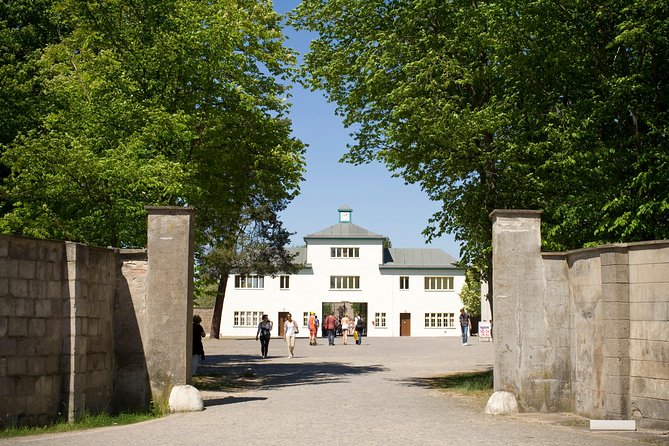
The main walk begins inside the memorial grounds. You pass through Tower A, the principal entrance, with the familiar words Arbeit Macht Frei on the gate. The phrase was a cruel piece of Nazi propaganda, presenting forced labor as a route to freedom.
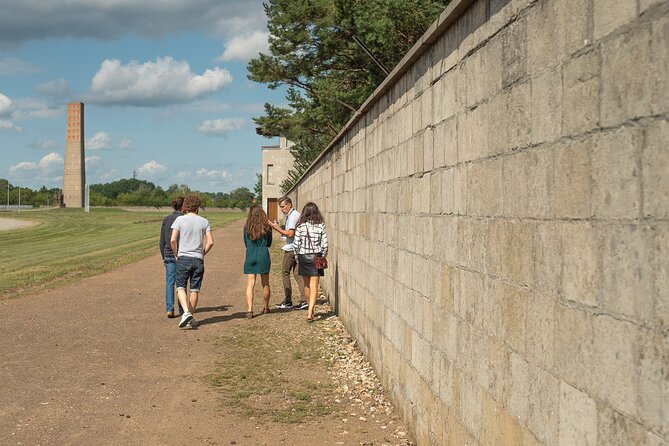
From here, the guide explains the camp’s structure and purpose. You visit the commandant’s house and walk through the central areas where prisoners were held and controlled. The wide, ordered design reflects the SS plan for a modern camp that could be expanded as needed.
That phrase, always expandable, is important. Sachsenhausen was not built as a fixed prison for one small group. It was designed as part of a growing system. Your guide helps you see how architecture and administration worked together to strip people of privacy, safety, and identity.
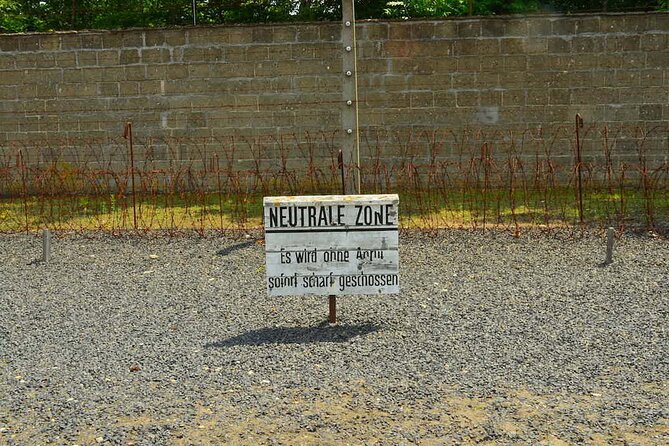
The open setting can be deceptive. There are stretches of grass, gravel, and empty space, but the absence of buildings is part of the story. The memorial does not recreate every part of the camp, so your guide’s explanation becomes essential.
The Infirmary Barracks and Personal Stories
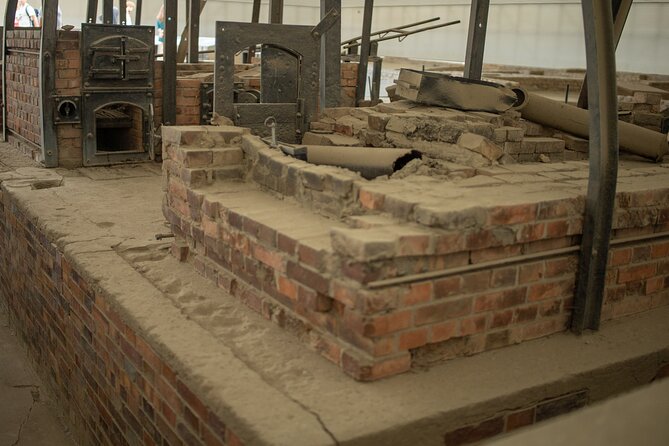
The infirmary barracks are among the most difficult areas. They show that medical care at the camp was tied to abuse and experimentation. This is where the visit shifts from a broad view of camp organization to the treatment of individual people.
I would pay close attention here, but I would also set realistic expectations. The tour covers the main sections and gives explanations at each stop. It does not always leave enough time to read every personal account and display inside the museum spaces.
That is the central tradeoff. A guide gives you structure, historical context, and answers to questions. Going independently would let you set your own pace and spend longer with individual testimonies. If personal stories are the part of memorial museums you value most, you may want extra time beyond this four-hour outing.
Several guides have been praised for bringing humanity to the subject without turning it into a performance. Hannah’s presentation has been described as especially personal, while Rebecca has been noted for clarity, care, and respect. Those qualities matter at a site where too much drama would feel out of place.
The Soviet Special Camp, 1945 to 1950
One useful feature is the attention given to the years after Nazi rule. When the Second World War ended, Sachsenhausen did not immediately become only a memorial. The Soviets reused it as a special camp from 1945 to 1950, and about 12,500 people died there.
This later history can easily be missed on a standard Berlin visit. The site is often associated only with the Nazi era, yet its postwar use shows how political imprisonment continued under a different authority.
The guide explains what life was like for inmates during these years and places the Soviet camp in the timeline of postwar Germany. I appreciate this addition because it encourages you to look carefully at dates and labels rather than treating all of the site as one undifferentiated story.
It also makes the visit more demanding emotionally. You are not simply learning about one period and then leaving. You are confronting the repeated use of the same place for detention and death.
Other memorial sites within reach of Berlin:
- Sachsenhausen Concentration Camp Memorial Tour (Max. 15 Guests)
★ 5.0 · 1,516 reviews - Berlin: Sachsenhausen Concentration Camp and Potsdam Tour
★ 4.6 · 1,334 reviews - Sachsenhausen concentration camp.
★ 5.0 · 1,189 reviews - Visita en español al campo de concentración Sachsenhausen
★ 5.0 · 1,170 reviews
Guide Quality Makes the Biggest Difference
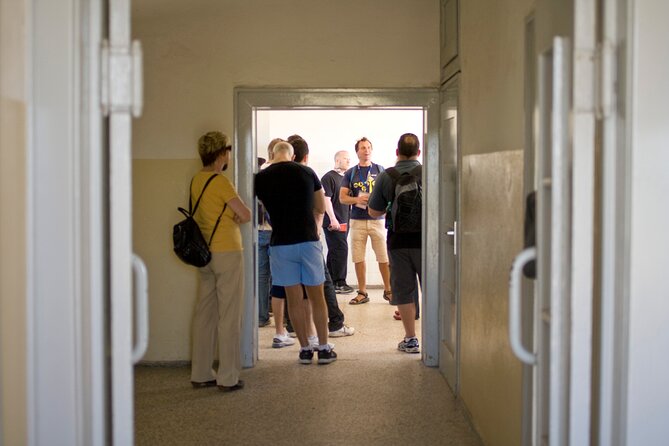
The advertised experience includes a specialist, licensed guide trained by the memorial authority. That training matters, but the individual guide still shapes the day.
The strongest descriptions of the tour focus on guides who explain difficult material clearly, answer questions, and keep a respectful tone. Names mentioned positively include Hannah, Rebecca, Maria, Ariel, Joseph, Jamie S., Joshua, Campbell, Klaus, Mikhail, Mikhal, Georgia, and Irish Paul.
You should not assume you will receive a particular guide unless the booking specifically confirms it. Still, the repeated emphasis on guide quality is a good reason to choose an organized visit rather than simply arriving alone with no plan.
Guides also vary in pacing. One guide was praised for keeping a calm rhythm in cold weather. Another was criticized for rushing and repeatedly stressing the lack of time. That difference points to the main risk of a short tour: the quality of the content may be high, but the available minutes remain fixed.
On the return trip, the guide is available to answer questions and offer Berlin suggestions. Rebecca, in particular, was praised for speaking with people individually on the bus and recommending places to eat and visit. This is a small but useful service after a serious morning.
Is Four Hours Enough?
Four hours includes the coach journey, the guided visit, and the return to central Berlin. It is enough to see the major areas and understand the camp’s timeline. It is not enough for a slow, self-directed study of every exhibition.
You should expect a fair amount of walking. The activity calls for moderate physical fitness and is not recommended for people with limited mobility or walking impairments. Comfortable shoes are more useful here than stylish ones, and you should be ready to walk outdoors in changing weather.
Bring a drink and a snack. Food and drinks are not included. The supplied information does not describe a meal stop, so do not count on buying lunch during the tour.
The group is listed with two different limits: the main description says no larger than 25, while the additional information gives a maximum of 28. I would confirm the current group size when booking if personal space matters to you.
The Price and What You Receive
The listed price is $68.77 per person. That is not the cheapest way to reach Sachsenhausen, since you are paying for the coach, driver, guide, memorial admission, and the convenience of returning to central Berlin.
You also receive a €3 donation per person to the memorial. The tour includes an air-conditioned vehicle, a licensed guide, entry to Sachsenhausen, and return transport. For you, the value is mainly in the time saved and the historical framing.
I think the price is reasonable if you want a guided introduction and do not want to work out the journey to Oranienburg. It is less compelling if you prefer to read at length, move slowly, or focus on individual biographies. In that case, the short format may leave you wishing you had more time on site.
The high overall rating and 99 percent recommendation indicate strong satisfaction, but the three-star feedback is worth taking seriously. The complaints are not about the importance of the memorial. They concern rushing, limited reading time, and one missed departure caused by arriving late.
Practical Details Before You Book
Confirmation is normally sent at booking. If you reserve within one day of departure, confirmation arrives as soon as possible, subject to availability.
Arrive 15 minutes early at the Friedrichstraße meeting point. The tour leaves at 10:00, and missing the coach is a serious problem. One person who arrived too late was unable to join, though the operator later offered a place on the following day. Do not rely on app messages when you are already running behind.
Free cancellation is available until 24 hours before the start time. Cancellations or changes made less than 24 hours before departure are not refunded or accepted, and the cut-off uses Berlin local time.
You should also think about your emotional readiness. The camp, the infirmary, and the personal accounts can be distressing. This is an educational memorial visit, not a light excursion to fill a spare morning.
Who Will Appreciate This Tour Most
I would choose this tour if you want a clear introduction to Nazi Germany, need simple transport from central Berlin, and prefer a guide to organize the history for you. It suits first-time visitors who want to understand the site without spending a full day arranging every detail.
It is also a good fit for families with older teenagers and adults who are prepared for serious subject matter. The guides explain the historical setting before the visit, which helps you approach the memorial with more understanding.
I would hesitate if you have limited mobility, dislike outdoor walking, or need a slow pace. I would also hesitate if your main goal is to read every exhibit and personal testimony. An independent visit may suit you better, provided you arrange your own transport and allow enough time.
Should You Book the Sachsenhausen Bus Tour?
Book it if you want a well-organized, English-language visit with transport from central Berlin and a guide who can explain both the Nazi camp and the later Soviet special camp. The memorial is difficult, but the guided context helps you grasp what you are seeing.
Go in knowing that the tour is brisk. Wear suitable shoes, bring water and a snack, arrive early, and do not expect to examine every display at length. For a first visit to Sachsenhausen, the convenience, licensed guiding, and wider historical context make the $68.77 cost fair. For a slower, more personal study, plan extra time independently.
FAQ
Where does the Sachsenhausen tour begin?
It begins at Reichstagufer 17, near Friedrichstraße station in Berlin.
What time does the tour start?
The tour starts at 10:00 in the morning. You should arrive at least 15 minutes before departure.
How long does the experience last?
The full activity lasts approximately four hours, including the journey from central Berlin to Oranienburg, the memorial visit, and the return trip.
Is transport included?
Yes. An air-conditioned coach takes you from central Berlin to Sachsenhausen and returns you to the Friedrichstraße meeting point.
Is admission to Sachsenhausen included?
Yes. Entry to the Sachsenhausen Memorial is included, along with a €3 donation per person to the memorial.
Is food included?
No. Food and drinks are not included. You should bring a snack and a drink with you.
Is the tour suitable for people with limited mobility?
The tour requires moderate physical fitness and is not recommended for people with limited mobility or walking impairments.
Just added in Berlin
- Berlin: Energizing 2-Hour Morning Segway Tour★ 4.7 · 35 reviews
- Berlin: Thrilling E-Scooter Adventure Tour★ 4.4 · 66 reviews
- Beelitz-Heilstätten: Baum&Zeit Tree Top Walk Entry Ticket★ 4.9 · 7 reviews
- Beer Bike & Party Bike: Unforgettable Berlin City Tour incl. pickup★ 5.0 · 5 reviews
- AXE THROWING EXPERIENCE IN BERLIN★ 4.7 · 24 reviews
- Alternative Berlin / Street art tour – Private group★ 5.0 · 6 reviews
- Berlin: Alternative & Street Art Tour★ 4.5 · 6 reviews
- Berlin: 2.5-Hour Beer & Sunset Sightseeing Boat Cruise★ 4.6 · 61 reviews
Concentration Camp Memorial Tours, compared.
Sachsenhausen Concentration Camp Tour in English
Read our review →
Dachau Concentration Camp Memorial Site Tour from Munich by Train
Read our review →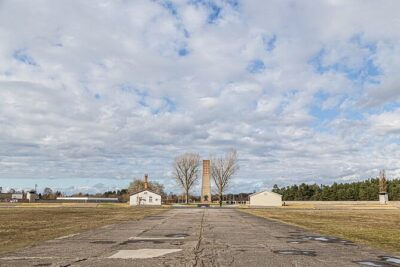
Sachsenhausen Concentration Camp Memorial Tour
Read our review →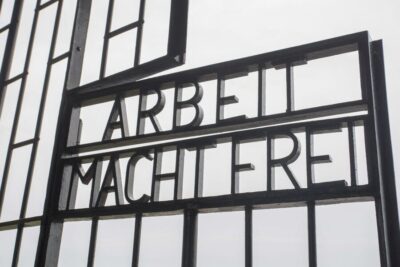
Sachsenhausen Concentration Camp Memorial Tour (Max. 15 Guests)
Read our review →
Sachsenhausen Concentration Camp and Potsdam Tour
Read our review →
Browse the lists this tour appears in