
Reviewed · CONCENTRATION CAMP MEMORIAL TOURS
Sachsenhausen Concentration Camp Memorial Tour (Max. 15 Guests)
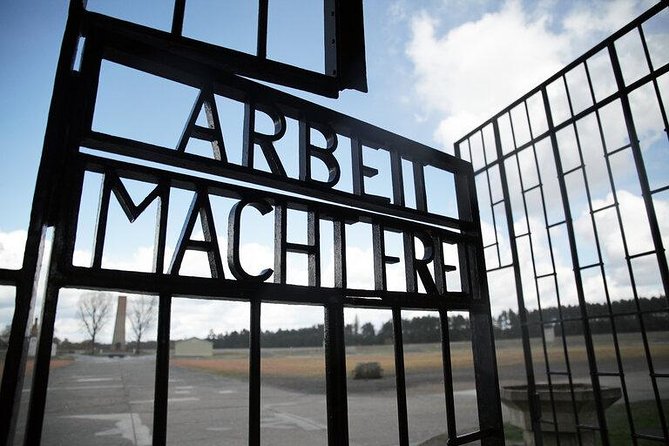
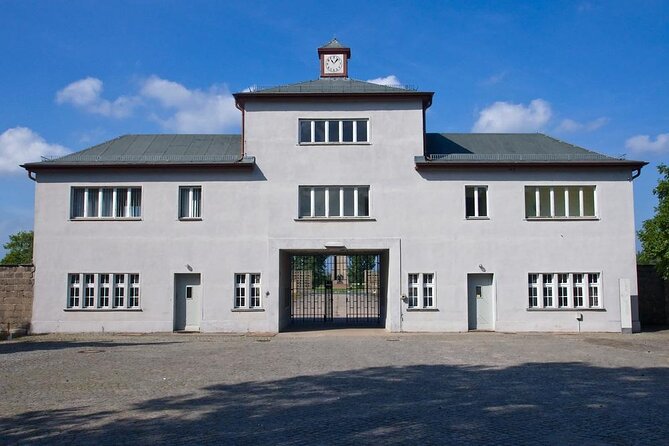
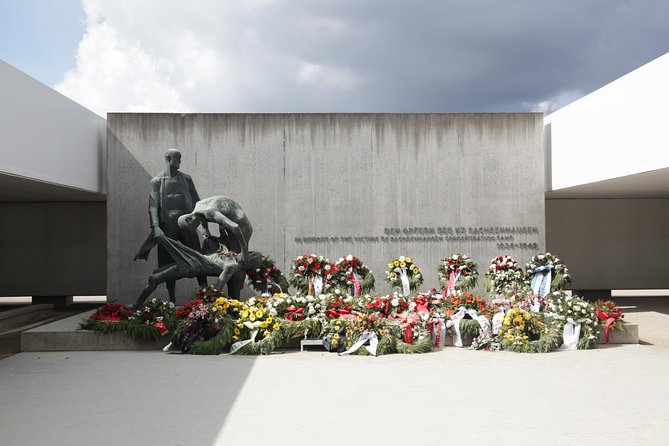
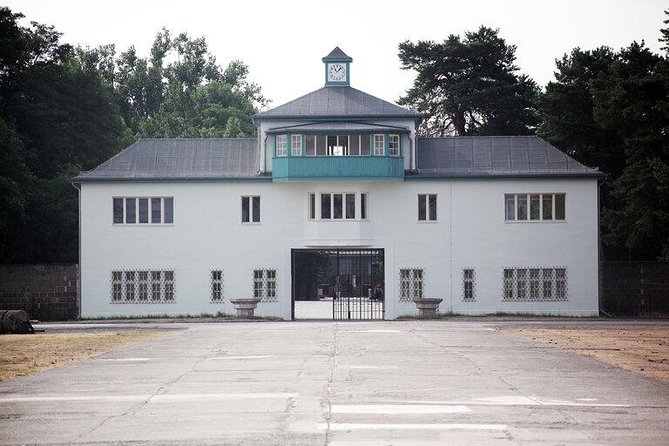
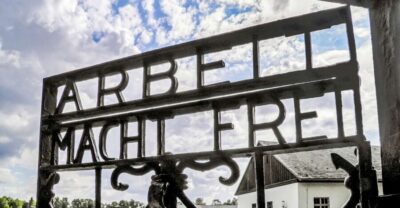
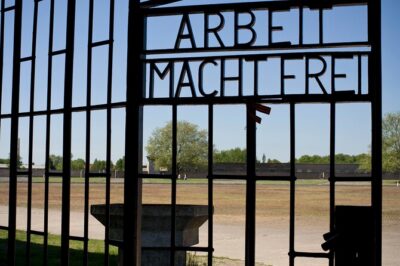
Sachsenhausen is not a quick photo stop. It is a serious, three-hour walk through a former concentration camp, where the empty grounds, surviving buildings, and careful explanations help you grasp how the camp system worked. The tour covers the Appellplatz parade ground, Jewish Barrack, prison cells, execution grounds, crematorium, Station Z, pathology lab, and hospital.
I like the small group limit of 15, which gives you a better chance to ask questions and hear your guide clearly. I also like that the guides are licensed and trained by the Memorial Authority, and that €3 from each booking goes to the memorial.
The main drawback is the long day and the emotional weight. You also need to pay for public transport separately, bring food and water, and expect plenty of standing and walking. This is not a casual outing.
Key points to know before booking
- Three hours inside Sachsenhausen: The camp visit gives you time to see major sections rather than rushing through a single building.
- Small groups of up to 15: You get closer contact with your guide and more room for questions.
- Several highly praised guides: Rebecca, Natalie, James, Anastasia, Georgia, Emma, Maria, Gregor, and Lewis have all been singled out for clear and sensitive presentation.
- Meet at Hackescher Markt at 10:00 am: The tour begins in central Berlin and finishes near Oranienburg station.
- Public transport costs extra: The listed transport cost is €4.70 per person, while some people use an ABC day ticket costing around €11.40.
- Bring snacks and comfortable shoes: There is no planned lunch stop, and the day includes a lot of walking and standing.
Why Sachsenhausen deserves a full day from Berlin
Sachsenhausen lies outside central Berlin, in Oranienburg. Its distance from the city means you spend part of the day getting there and back, but that travel is part of the experience. You leave the busy center and arrive at a place designed for imprisonment, forced labor, punishment, and murder.
The camp was not simply a place where prisoners were held. It included work areas, detention rooms, medical facilities, execution facilities, barracks, administrative buildings, and spaces used for testing and abuse. A guide helps connect those parts so you understand the camp as an organized system rather than a collection of isolated ruins.
That context matters. Without it, a visit can feel like walking through a bleak open site and reading scattered signs. With a good guide, the physical layout becomes easier to understand, and the story includes the political decisions, propaganda, bureaucracy, and human choices that allowed the camp system to operate.
The tour is also useful if you have already visited another camp memorial. Sachsenhausen had its own role in the wider Nazi camp network, and the visit gives you a different view of how imprisonment and forced labor were structured. You should not expect the same layout or presentation as Auschwitz. The site has its own history and its own tone.
More Concentration Camp Memorial Tours in Berlin
- Berlin: Sachsenhausen Concentration Camp Tour in English
★ 5.0 · 5,711 reviews - Berlin: Sachsenhausen Concentration Camp Memorial Tour
★ 4.7 · 3,716 reviews - Sachsenhausen Concentration Camp Bus Tour in English from Berlin
★ 5.0 · 1,962 reviews
Starting at Hackescher Markt at 10:00 am
The meeting point is the Starbucks Café at Neue Promenade 3, beside Hackescher Markt. This is a practical place to begin because it is central and close to public transport. You should arrive early enough to find the guide and settle any last-minute transport needs.
The first part of the day involves traveling from Berlin toward Oranienburg. Public transportation is not included in the tour price. The listed cost is €4.70 per person, though the exact best ticket depends on your plans and the local fare options available when you visit. One person specifically found an ABC 24-hour ticket for about €11.40 useful.
Do not treat the train ride as wasted time. Guides such as Rebecca have used the journey to show photographs and explain events leading up to the camp. That is a smart way to prepare you before arrival, since the subject is easier to follow when you know the political and social setting.
You should buy or arrange your transport before the group leaves Hackescher Markt. A late arrival can be awkward because the group follows a fixed schedule. One person who ran late was able to catch up before the final bus, but that should not be your plan.
Three hours inside the memorial
The central portion lasts about three hours. That is enough time to cover the main parts of the memorial, but not enough to read every display in full detail. You are getting a guided overview with interpretation, not unlimited time in every room.
The day usually balances walking, stops for explanation, and short breaks. Anastasia was praised for keeping the group on schedule, planning breaks, and finding a practical transport route when a train stopped. That kind of calm organization matters here. A long visit to a difficult site can become tiring, and a guide who manages the pace well makes it easier to stay focused.
You will spend much of the visit outdoors. The site is broad, and the walk between areas is part of understanding its design. Wear shoes you can walk in for several hours. Bring water and snacks because there is no planned lunch stop. Even in cold weather, the tour continues, so check the forecast and dress sensibly.
Appellplatz and the camp layout
The Appellplatz, or parade ground, is one of the key first stops inside the camp. This is where prisoners were assembled for roll call. The open space helps you see the scale and control built into the camp design.
Here, the guide can explain how routine, surveillance, and punishment worked together. The value is not only in hearing dates and names. It is in understanding how the daily structure of the camp reduced people to numbers and schedules while the authorities maintained control through force.
This is also a place where the site itself does much of the teaching. You may find that the wide, exposed ground is harder to process than a crowded museum room. There are fewer objects to distract you, so the guide’s explanation and your own view of the space carry more weight.
Other memorial sites within reach of Berlin:
- Berlin: Sachsenhausen Concentration Camp Tour in English
★ 4.8 · 1,889 reviews - Berlin: Sachsenhausen Concentration Camp and Potsdam Tour
★ 4.6 · 1,334 reviews - Sachsenhausen concentration camp.
★ 5.0 · 1,189 reviews - Visita en español al campo de concentración Sachsenhausen
★ 5.0 · 1,170 reviews
Barracks, prison cells, and forced labor
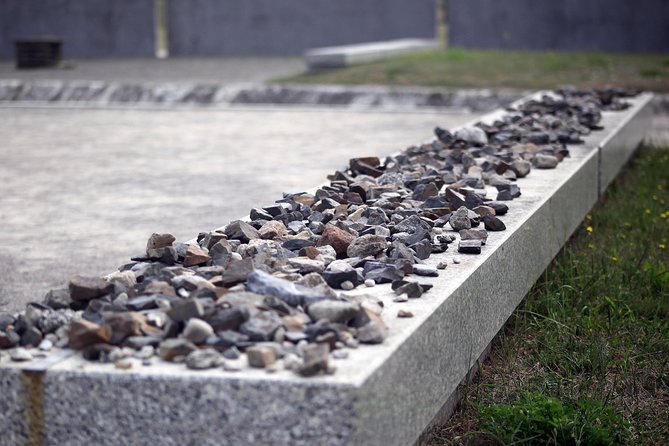
The Jewish Barrack is among the important stops on the route. It helps show how Jewish prisoners were treated within the camp system and gives the wider history a more personal focus. Your guide may also connect the building to the changing policies of the Nazi regime and the escalating persecution of Jewish people.
The internal jail and punishment cells show that Sachsenhausen had layers of imprisonment within the camp. A prisoner could be held in the main camp and then subjected to further punishment in the camp prison. This detail helps explain why calling Sachsenhausen only a detention center would be misleading.
Forced labor is another central part of the story. One visitor described Sachsenhausen as a slave labor camp, and that is an important lens for the visit. The camp used prisoners as a labor force under brutal conditions. Your guide explains how work, hunger, punishment, and the camp administration were linked.
Some people wish they had more time beneath the surviving housing displays. The guide covers much of the material while walking, but the schedule limits how long you can study every panel. If a display raises a question, ask at once. The guides are expected to answer questions during and after the formal stops.
Execution grounds, crematorium, and Station Z
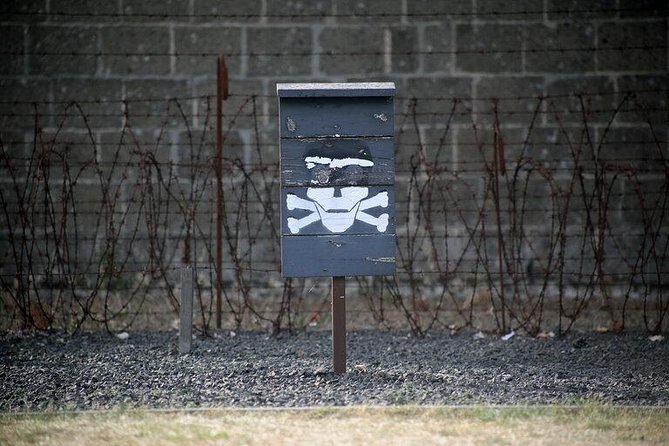
The execution grounds and crematorium are among the most difficult sections of the visit. Station Z was the killing facility at Sachsenhausen, and the name itself reflects the camp’s grim language and administrative logic.
Your guide should approach this part with care. The strongest presentations do not turn suffering into spectacle. They explain what happened, how the facilities fit into the camp, and what the evidence tells us, while leaving room for silence and reflection.
The emotional effect can be strong. Natalie was praised for balancing facts with compassion, and Rebecca for explaining the horrors while also including stories of courage and endurance. That balance is useful because the visit can otherwise become a flood of grim details. The purpose is not to shock you for its own sake. It is to help you understand the reality of the people imprisoned there and the system that harmed them.
You should expect the group to move carefully through these areas. This is not a place for casual conversation or quick photographs. The memorial setting calls for quiet attention and respect.
The pathology lab and hospital
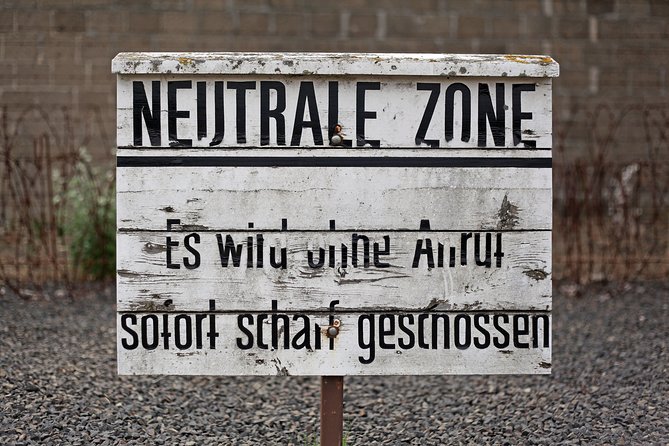
The pathology laboratory and camp hospital add another layer to the story. These buildings show how medicine and scientific language could be used within a system of abuse. The visit may include discussion of medical experiments and the treatment of prisoners, depending on the guide’s route and available access.
This is one reason a trained guide is valuable. The subject can be complex, and the buildings may not explain themselves. A clear guide separates established facts from interpretation and places the medical facilities within the wider system of imprisonment, forced labor, and violence.
The exact amount of time at each section can vary. The supplied program says the guide is authorized to access all areas included in the tour, but displays and site conditions can affect pacing. If you have a particular building you want to study, tell your guide early rather than waiting until the end.
The guides make or break the day
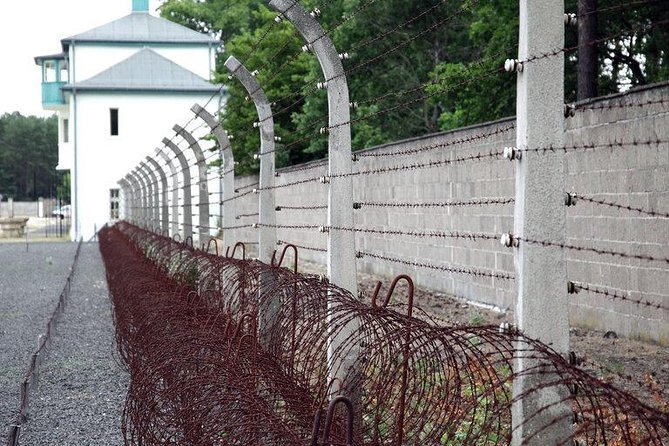
The strongest feature of this tour is the standard of presentation when you get one of the well-regarded guides. Rebecca is repeatedly praised for combining detailed research with warmth, photographs, and thoughtful answers. Natalie is noted for handling the emotional side of the subject with care. James is praised for clear explanations and for answering many extra questions.
Other guides, including Anastasia, Georgia, Emma, Maria, Gregor, Lewis, Chris, and Mikey, have also received strong praise for being friendly, respectful, organized, and able to explain a difficult subject clearly. Emma, who has a university degree in German studies, is described as a strong storyteller who encourages questions. Maria has provided documentary suggestions and practical help with stations, food, and coffee after the tour.
You cannot choose a specific guide with certainty from the information provided. That is worth keeping in mind if one particular name appeals to you. Still, the consistent praise for several guides suggests that the tour’s format gives a good guide room to make a real difference.
There is one serious warning in the feedback: one person described a guide as rude, hung over, and overly strict. The company disputed that account, saying the guide did not match its booking records and that its guides receive a fixed fee rather than relying on tips. I would treat this as an isolated caution, not a reason to dismiss the tour, but it is fair to note that no guided experience is entirely free of risk.
Is $35.92 a fair price?
At $35.92 per person, the price is reasonable for a six-hour guided day if you value clear interpretation and help with the route. The memorial access, professional guide, walking tour, taxes, and a €3 donation to the Sachsenhausen Memorial are included.
Public transportation is extra, as are food, drinks, and tips. That means your real cost is higher than the headline price. Still, you are paying for more than entry. You are paying for a guide who has been licensed and trained by the Memorial Authority, along with transport coordination and several hours of explanation.
A self-guided visit may cost less, especially if you already know the history and are comfortable navigating the site alone. The tradeoff is that you must build the context yourself. For a first visit, I think the guided format offers good value, particularly because the camp’s layout and history are not easy to absorb from signs alone.
Who should book this tour?
Book it if you want a serious look at German history and Nazi persecution, and if you prefer learning through a thoughtful guide rather than walking silently with a map. It suits history students, first-time visitors to Berlin, and anyone who wants to understand how a concentration camp functioned as part of a larger system.
It is also a good fit if you have only one free day for this subject. The tour lasts about six hours, not all day and night, while still giving you roughly three hours at the memorial.
You may prefer a different plan if you dislike group schedules, need extensive time with every museum display, or find long walks and outdoor exposure difficult. The tour is accessible to most people according to the supplied information, but it still demands physical stamina and emotional readiness.
Should you book it?
I would book this Sachsenhausen tour if you want structure, context, and a guide who can help you process a difficult place without turning it into a spectacle. The small group, licensed guides, and long visit at the memorial are the main reasons to choose it.
Bring snacks, water, comfortable shoes, and the right public transport ticket. Give yourself time after the tour before planning something demanding. If you can accept the walking, the fixed pace, and the subject matter, this is a worthwhile and respectful way to visit Sachsenhausen from Berlin.
Free cancellation is available up to 24 hours before the 10:00 am start time. Changes or cancellations made later are not refundable.
FAQ
Where does the Sachsenhausen tour begin?
It begins at 10:00 am at the Starbucks Café at Neue Promenade 3, 10178 Berlin, beside Hackescher Markt.
Where does the tour finish?
The listed end point is Bahnhofsplatz in Oranienburg, near the station.
How long does the experience last?
The full experience lasts about six hours, including travel from central Berlin and the visit to the memorial. The guided visit inside Sachsenhausen lasts about three hours.
How large is the group?
The tour has a maximum of 15 people.
Is public transportation included?
No. Public transportation costs €4.70 per person according to the tour information. Some people use an ABC 24-hour ticket costing around €11.40.
What is included in the price?
The price includes a professional guide licensed and trained by the Memorial Authority, the walking tour of Sachsenhausen, all fees and taxes, and a €3 donation to the Sachsenhausen Memorial for each person.
Can I cancel for a full refund?
Yes. You can cancel at least 24 hours before the experience start time for a full refund. Cancellations or changes made less than 24 hours before the start are not accepted for a refund.
Just added in Berlin
- Berlin: Energizing 2-Hour Morning Segway Tour★ 4.7 · 35 reviews
- Berlin: Thrilling E-Scooter Adventure Tour★ 4.4 · 66 reviews
- Beelitz-Heilstätten: Baum&Zeit Tree Top Walk Entry Ticket★ 4.9 · 7 reviews
- Beer Bike & Party Bike: Unforgettable Berlin City Tour incl. pickup★ 5.0 · 5 reviews
- AXE THROWING EXPERIENCE IN BERLIN★ 4.7 · 24 reviews
- Alternative Berlin / Street art tour – Private group★ 5.0 · 6 reviews
- Berlin: Alternative & Street Art Tour★ 4.5 · 6 reviews
- Berlin: 2.5-Hour Beer & Sunset Sightseeing Boat Cruise★ 4.6 · 61 reviews
Concentration Camp Memorial Tours, compared.
Sachsenhausen Concentration Camp Tour in English
Read our review →
Dachau Concentration Camp Memorial Site Tour from Munich by Train
Read our review →
Sachsenhausen Concentration Camp Memorial Tour
Read our review →
Sachsenhausen Concentration Camp Bus Tour in English from Berlin
Read our review →
Sachsenhausen Concentration Camp and Potsdam Tour
Read our review →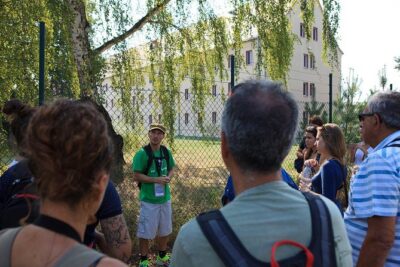
Browse the lists this tour appears in