
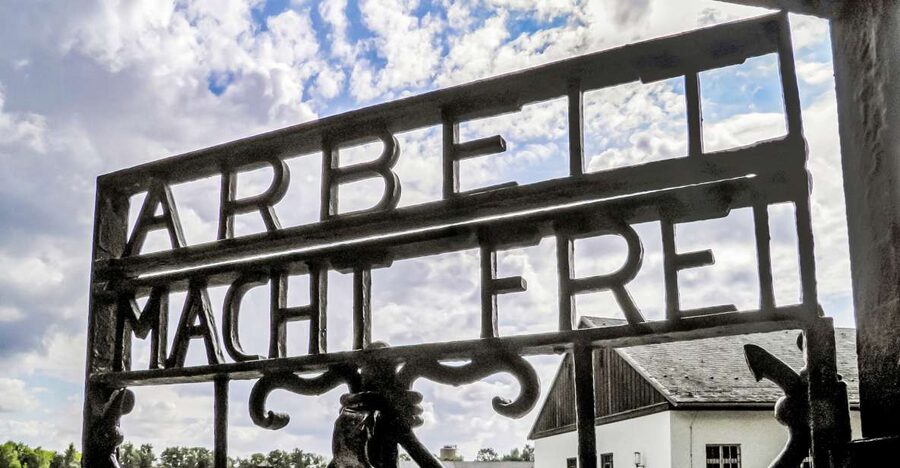
Reviewed · CONCENTRATION CAMP MEMORIAL TOURS
From Munich: Dachau Memorial Site Half-Day Trip
Dachau is not a sightseeing stop in the usual sense. It is a place of memory, education, and painful truth, and this half-day tour gives you a careful way to approach it. You travel from Munich by public transport, then spend about three hours at the memorial with an English-speaking guide.
I like the guided context and the way the best guides, including Iain, Nick, Patricia, Jake, and Emmet, explain difficult material without turning it into spectacle. I also like the practical train and bus escort, since it removes the guesswork from reaching the site.
The main drawback is pace. Three hours is enough for the key areas, but not enough to read every panel in detail. The grounds are also open and exposed, and one cold-weather visit can feel very cold indeed.
Key points to know before booking
- Train and bus travel from Munich: Your guide leads the group from the Radius Tours office to Dachau by train, then by local bus to the memorial.
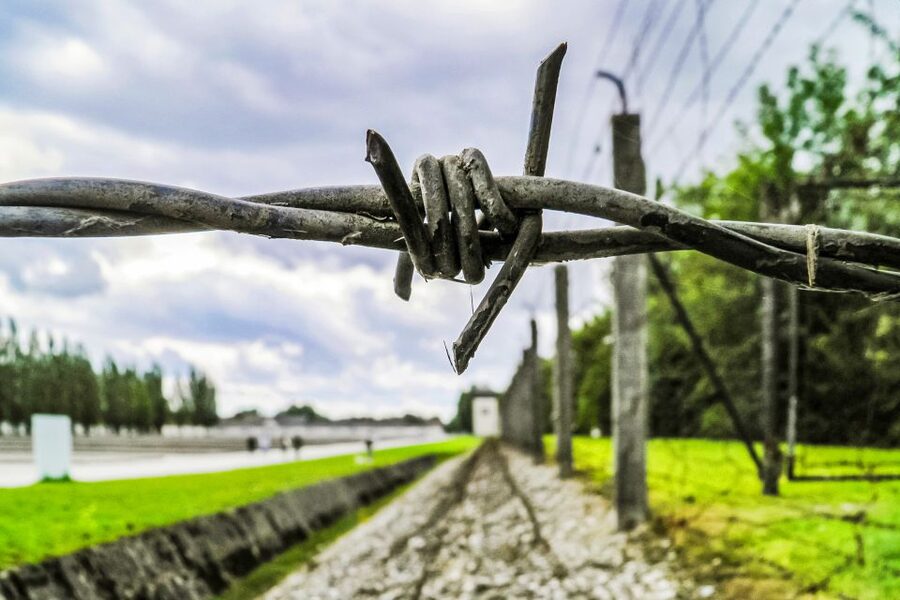
- Three hours at the site: You see the surviving buildings, museum exhibition, cinema, prison, barracks area, and crematorium area.
- English documentary included: The cinema shows a film about life in the camp, adding personal detail to the guided visit.
- Sensitive presentation: The guides are trained and authorized by the Memorial Site, with special care given to victims and survivors.
- Mostly outdoors: Wear weather-appropriate clothing and bring food and water, since you cannot buy refreshments inside the grounds.
- Best for adults and older teenagers: The subject matter is disturbing, and children under 13 are not accepted.
Why a guided visit to Dachau matters
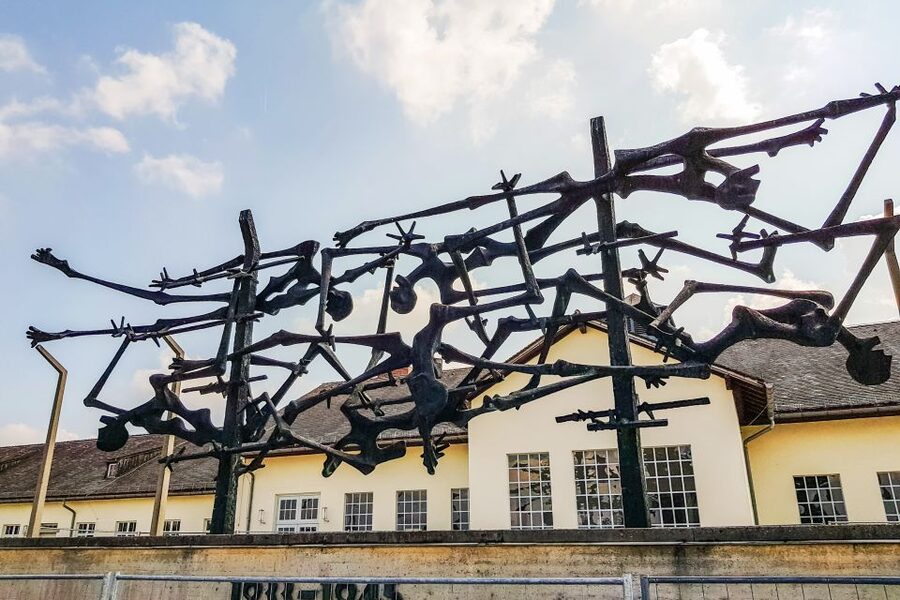
The Dachau Memorial Site is one of those places where reading a few facts in a guidebook is not enough. The physical setting gives scale to the history. You walk through an area designed for imprisonment and control, see surviving structures, and move through an exhibition that explains how the camp operated.
That setting can be hard to process. The tour is not designed to make the visit easy or comfortable. It is designed to help you understand what happened without reducing the subject to a list of dates or shocking images.
I value the role of a good guide here. At Dachau, context matters. You need to understand not only what happened inside the camp, but also how the system functioned, how prisoners were treated, and how terror and resistance fit into the wider story. The strongest guides, such as Jake, Nick, Patricia, and Iain, are praised for clear explanations, good pacing, and a respectful tone.
This is also why I would not treat the tour as a casual add-on to a Munich holiday. Give yourself some quiet time afterward. The subject is heavy, and the visit may stay with you long after you return to the city.
More Concentration Camp Memorial Tours in Munich
- Dachau Concentration Camp Memorial Site Tour from Munich by Train
★ 4.5 · 5,637 reviews - From Munich: Dachau Memorial Site Day Tour
★ 4.8 · 2,723 reviews - From Munich: Dachau Memorial Site Full-Day Tour
★ 4.9 · 1,406 reviews
Meeting at Radius Tours and leaving Munich
The tour begins at the Radius Tours office in Munich. There is no hotel pickup, so you need to reach the meeting point on your own and arrive ready to leave with the group.
From there, the guide takes you to the train. The journey to Dachau takes about 30 minutes, followed by a local bus ride to the Memorial Site. The transport is ordinary German public transit, not a private coach, and that is worth knowing before you book.
I see this as a strength for most people. You do not need to work out which train, ticket, or bus to use, and the guide keeps the group moving through the connections. Several guides are specifically praised for handling the public transport well and making the route easy for people unfamiliar with Munich.
The tradeoff is comfort. A busy train or bus can feel crowded, especially when the group is large. Keeping everyone together at a station can also take attention, so stay close to your guide and listen carefully for platform or meeting instructions.
The public transport route also makes the tour feel connected to modern Bavaria. You are not sealed in a tour bus from one attraction to another. You travel as people in the region travel, then arrive at a place that carries an entirely different weight.
Walking through the Memorial Site
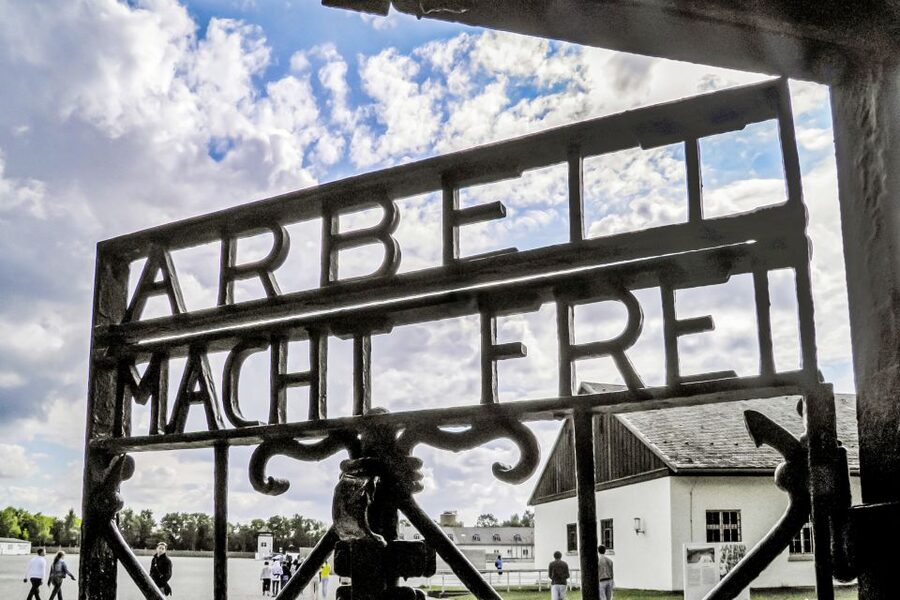
The main visit lasts about three hours. Much of it takes place outdoors on open, exposed ground, so your clothing matters more than you might expect.
In summer, sun and heat can wear you down. In winter, cold air and wind can make the visit physically demanding. Bring a coat, comfortable shoes, and water. The ground is mostly flat, but the tour involves steady walking, and one detailed account estimated roughly 6,000 to 7,000 steps.
Your guide organizes the route through the surviving original buildings and memorial areas. You may see the barracks area, the prison, and the crematorium area, along with the exhibition center and cinema. Each location adds a different piece to the story.
The barracks area helps you understand the scale and structure of prisoner life. The prison points to the camp’s system of punishment and control. The crematorium area is especially difficult, and the guide’s tone matters greatly here. This is where sensational storytelling would be harmful. The better approach is restrained, factual, and human.
Guides may also use survivor accounts, family stories, or words from victims and survivors to give the history a personal focus. Connie, for example, was praised for using meaningful quotations, while other guides have drawn on their contact with survivors or the children of survivors. These details can help you grasp that the people represented in the museum were not simply numbers in a historical record.
The museum and English documentary
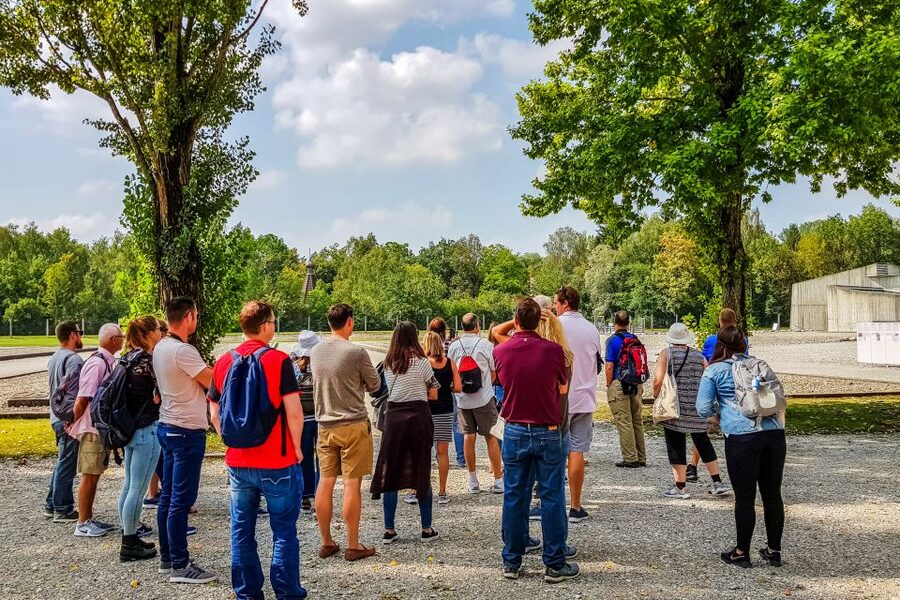
The modern museum exhibition gives you a chance to follow the history in a more structured way. It explains the camp’s operation and the lives of the people imprisoned there.
Three hours sounds generous until you see how much there is to read. If you stop at every panel, study every photograph, and take time with each section, you may feel rushed. Several visitors wished for another 30 to 60 minutes to explore independently, and one person noted that the exhibition could easily fill four or five hours on its own.
That is the central compromise of this half-day format. A guide gives you a strong framework, but you will not have unlimited time for individual study.
The cinema screens an English-language documentary about life in the camp. This is an important part of the visit because film can bring together testimony, images, and historical explanation in a way that complements the walking tour.
I recommend paying close attention during the guided portion, then using any independent time for the part of the exhibition that matters most to you. You can always return to the Memorial Site another day if you want a slower, more detailed visit.
Other memorial sites within reach of Munich:
- Dachau Concentration Camp Memorial Tour with Train from Munich
★ 4.5 · 955 reviews - Early-Start Dachau Memorial Half-Day Tour from Munich
★ 5.0 · 942 reviews - Guided Dachau Concentration Camp Memorial Site Tour with Train from Munich
★ 5.0 · 920 reviews - Full-Day Dachau Concentration Camp Memorial Site Tour from Munich
★ 5.0 · 897 reviews
How the guides handle a difficult subject
The guide can make or break this experience. The subject demands more than a list of facts. It calls for accuracy, restraint, and an understanding of when to speak and when to give people silence.
The guides are trained and authorized by the Memorial Site. That does not mean every guide will have the same style. Some are more personal, some more formal, and some use light humor between sections to help a group keep its balance. The humor should never be confused with making light of the subject. The best approach gives you a little breathing room without softening the facts.
The most highly praised guides include:
- Iain, noted for clear explanations and an approachable manner.
- Nick, praised for balancing broad historical context with specific detail.
- Patricia, recognized for thoughtful pacing, organization, and respect.
- Jake, appreciated for personal attention, strong storytelling, and a well-judged pace.
- Emmet, praised for answering questions and handling painful material with care.
- Keith, noted for covering a great deal while keeping the group organized.
- Achim, valued for giving people time to reflect on their own.
You cannot choose your guide in advance, so book this tour for the structure and access rather than for a particular person. Still, the consistently strong feedback about different guides is encouraging.
A good guide also watches the group. Some people will want to ask questions. Others will need silence. The best guides explain clearly, avoid graphic detail for its own sake, and leave room for you to form your own response.
Pace, group size, and time alone
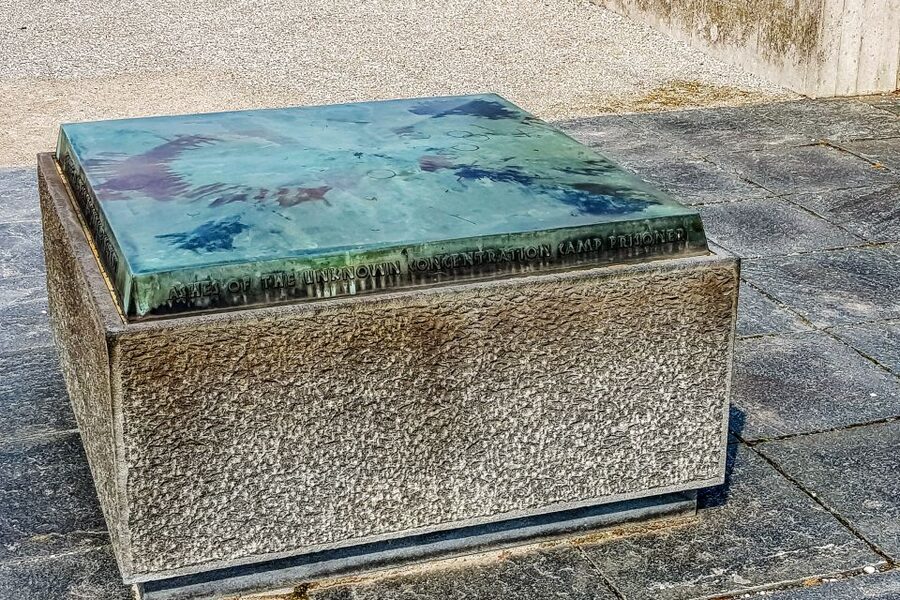
The tour is carefully timed around public transport, so it cannot move at the pace of a private visit. You need to be ready to leave each stop when the group does.
Most people will find the pace steady rather than strenuous. The walking is mostly flat, but the emotional load can make the day feel longer than the step count suggests.
Independent time varies by guide and departure. Some visitors had time to walk around alone near the end, while others wished for more time to read and reflect. If private exploration is important to you, ask your guide early in the visit how much free time is planned.
Large groups can make the experience less personal. They also make it harder to hear or stay close at crowded train stations. On the other hand, a group tour gives you a guide who handles the route, keeps track of timing, and provides a shared framework for a difficult visit.
If you prefer to move slowly and read everything, visiting independently may suit you better. If you want help with the history and transport, the guided format earns its place.
Is the $62 price fair?
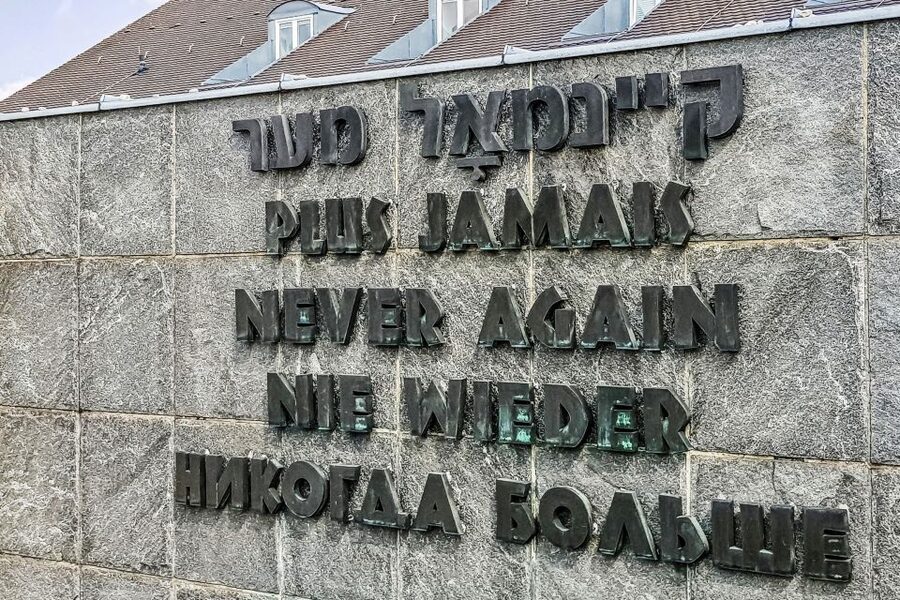
The price is $62 per person. That is more than the cost of reaching Dachau independently by public transport, so the value depends on what you want from the visit.
You are paying for an English-speaking guide, transport by train and bus, route planning, and roughly three hours of guided interpretation at the site. You also avoid the stress of figuring out the connections and the order in which to see the memorial.
For a first visit, I think the price is reasonable if you want historical explanation. Dachau is not an attraction where a quick look at the buildings tells the whole story. A trained guide can point out details you might miss and explain how the different areas fit together.
The price is less attractive if you already know the history well or want several hours to read the exhibition at your own pace. Independent admission and transport may cost less, though the supplied information does not give an exact self-guided price for comparison.
Think of this as paying for interpretation and organization, not just a ride to the site. For many first-time visitors, that is the part that matters most.
What to bring and how to prepare
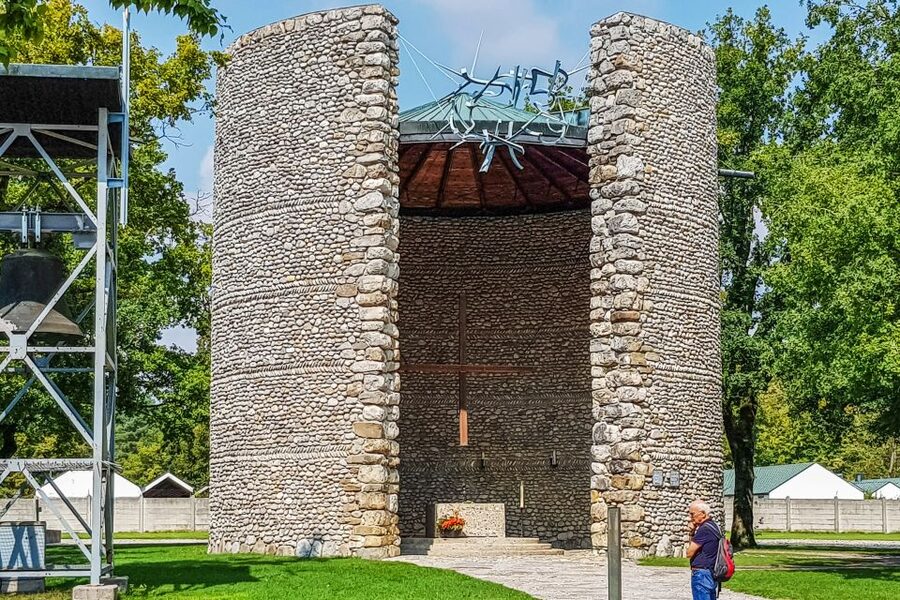
Bring food and drinks. There are no food or drink purchases available within the Memorial Site grounds, and the five-hour outing can stretch longer than expected if you are hungry.
Dress for the forecast, but remember that most of the visit is outside. Comfortable walking shoes are essential. A waterproof layer, warm coat, hat, or sun protection may all be useful depending on the season.
Prepare yourself emotionally, too. The documentary, museum material, buildings, and spoken accounts deal with imprisonment, terror, suffering, and death. The experience is not suitable for children under 13, and parents should use discretion with older minors.
I also suggest avoiding a tightly packed schedule after the tour. The return journey takes about 30 minutes by train, and you finish back at the Radius Tours office, but you may want a quiet meal or a slower afternoon rather than another major attraction.
The tour offers free cancellation up to 24 hours before departure, and you can reserve now and pay later. Those policies are useful if your Munich plans may shift, but the more important decision is whether you are ready to give Dachau the attention it deserves.
Who should book this Dachau tour?
I would choose this tour if you are visiting Dachau for the first time, want an English guide, or feel unsure about using Munich’s public transport. It is also a good fit for anyone who wants a clear historical framework before exploring the site independently.
It suits adults and older teenagers who can handle disturbing material and a serious atmosphere. It is not a family outing for young children, and it is not designed as a light cultural excursion.
You may prefer an independent visit if you want to spend four or five hours reading every exhibit, pause often, or avoid the limits of a group schedule. Even then, you should plan your route and transport carefully.
FAQ
How long does the Dachau Memorial Site tour take?
The full experience lasts about five hours. The journey from Munich to Dachau takes about 30 minutes by train, the guided visit lasts about three hours, and the return train journey takes about 30 minutes. The route also includes local bus travel between Dachau and the Memorial Site.
Where does the tour begin?
You meet at the Radius Tours office in Munich. Hotel pickup and drop-off are not included.
How do you reach Dachau?
The group travels by train from Munich to Dachau, then takes a local bus to the Dachau Concentration Camp Memorial Site. The guide leads the group through these connections.
Is the tour offered in English?
Yes. The tour includes a live English-speaking guide, and the documentary shown at the memorial is also in English.
What can you see at the Memorial Site?
The visit includes surviving original buildings, the museum exhibition center, the cinema, the barracks area, the prison, and the crematorium area.
Can you buy food or drinks at Dachau?
No food or drink may be purchased within the Memorial Site grounds. Bring your own refreshments.
Is the tour suitable for children?
Children under 13 are not accepted. The subject matter and some visual material are disturbing, so parental discretion is advised for minors who meet the age requirement.
Should you book it?
Book this Dachau Memorial Site tour if you want help understanding the place, not simply a way to reach it. The strongest reasons are the trained English guides, the careful handling of painful history, and the ease of traveling by train and bus with someone who knows the route.
The main limits are the fixed pace, outdoor conditions, and the short amount of time for detailed museum reading. If those drawbacks concern you, visit independently and allow far longer. Otherwise, the $62 cost is a fair trade for structure, transport help, and the chance to approach Dachau with the respect and context it requires.
Just added in Munich
- 2 Hours Munich: VIP Private Segway Tour★ 4.9 · 5 reviews
- “Comedykills” – das Open Mic im Glockenbachviertel★ 4.1 · 51 reviews
- From Munich: Herrenchiemsee Palace and Boat Trip Day-Tour★ 4.8 · 129 reviews
- Munich: Classical Concert at the Residenz Palace★ 4.5 · 148 reviews
- Munich: City Highlights Guided Segway Tour★ 4.6 · 266 reviews
- From Munich: Dachau Memorial Site Tour in Spanish★ 4.9 · 300 reviews
- From Munich: Nuremberg Day Trip by Train★ 4.4 · 357 reviews
- München: Der Nachtwächter für Kinder – Führung auf Deutsch★ 5.0 · 322 reviews
Concentration Camp Memorial Tours, compared.
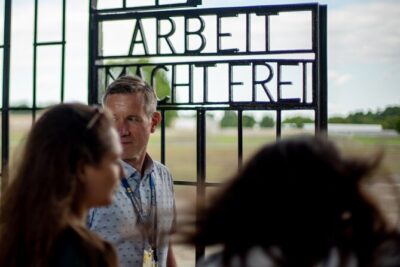
Sachsenhausen Concentration Camp Tour in English
Read our review →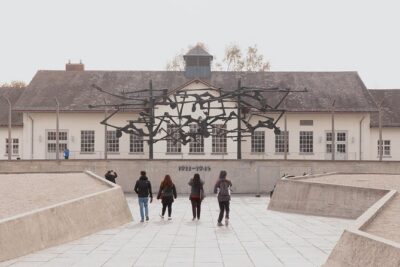
Dachau Concentration Camp Memorial Site Tour from Munich by Train
Read our review →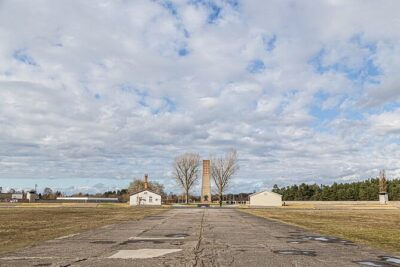
Sachsenhausen Concentration Camp Memorial Tour
Read our review →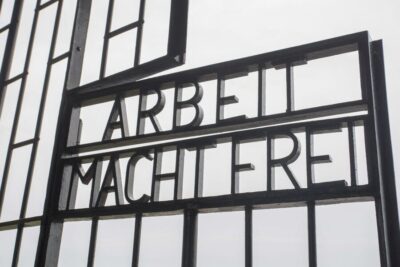
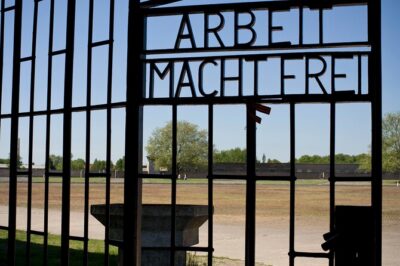
Sachsenhausen Concentration Camp Bus Tour in English from Berlin
Read our review →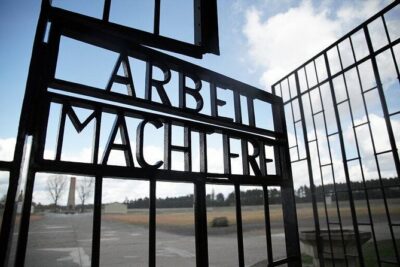
Sachsenhausen Concentration Camp Memorial Tour (Max. 15 Guests)
Read our review →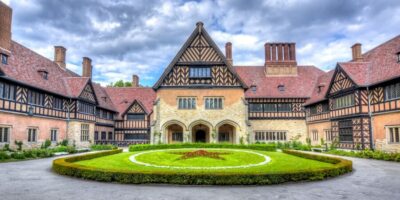
Sachsenhausen Concentration Camp and Potsdam Tour
Read our review →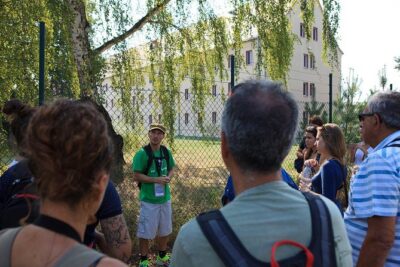
Browse the lists this tour appears in