
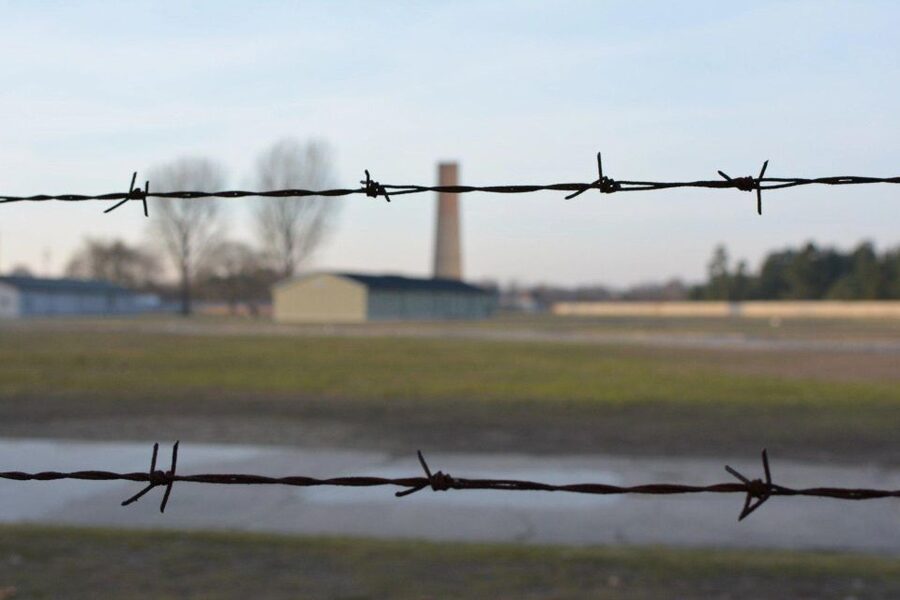
Reviewed · CONCENTRATION CAMP MEMORIAL TOURS
From Berlin: Guided Sachsenhausen Concentration Camp Tour
Sachsenhausen is not a casual sightseeing stop. It is a place where the machinery of Nazi terror becomes painfully concrete, from Tower A and the camp entrance to Station Z, the purpose-built execution facility. I like that this tour gives the site proper time, with 3.5 hours inside the memorial, and that the guide begins the history lesson on the train rather than waiting until you arrive.
I also like the human touch reported by guests who had guides Paul and Julian. Paul is praised for clear explanations, thoughtful pacing, and useful Berlin suggestions after the tour. The main drawback is the long day: roughly six hours, including train rides, and you must buy your own ABC-zone transit ticket. Bring good shoes, too. This is a large memorial site, not a quick indoor museum visit.
Key points to know before you go
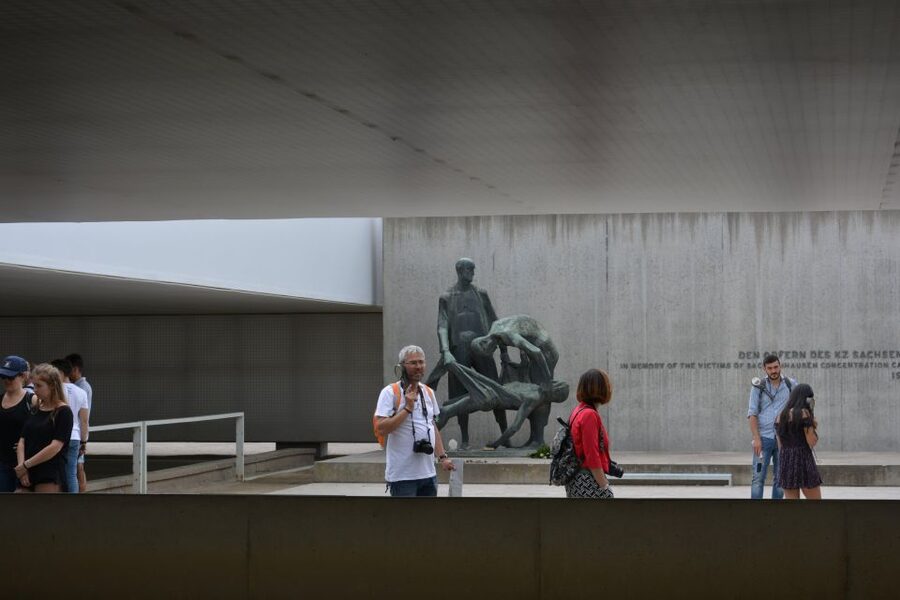
- Sachsenhausen was the first purpose-built concentration camp within the Third Reich, making its design and role especially important to understand.
- The tour lasts about six hours, with a 75-minute trip out, 3.5 hours at the memorial, and about an hour back.
- You enter major camp buildings and areas, including Tower A, the SS and Gestapo Prison Block, Station Z, the infirmary, camp kitchen, pathology building, and barracks.
- English-speaking guides such as Paul and Julian receive especially warm praise for clear, respectful explanations and good pacing.
- The $40 price includes camp entrance and a licensed guide, but not the ABC-zone public transport ticket, food, or drinks.
- Children under 12 are not suited to this tour, and large bags and luggage are not allowed.
Why Sachsenhausen matters near Berlin
Sachsenhausen was the concentration camp closest to Berlin and one of the most important sites in the Nazi concentration camp system. It was also the first camp built from the ground up for that purpose within the Third Reich.
That design matters. This was not simply a collection of improvised barracks. Its layout helped the regime organize control, punishment, imprisonment, forced labor, and killing. The site later became a central point in the wider camp system, so a visit here helps you understand more than one location.
The camp’s role changed over time. Early concentration camps were used as a tool of Nazi terror and as a way to suppress political opponents. As the war continued, the prisoner population changed and living conditions grew worse. A good guide helps you follow those changes instead of treating the camp as one fixed story.
That wider context is one of the best reasons to book a guided visit. You can walk around the memorial alone, but it is harder to understand why each building exists, how the camp developed, and how its purpose shifted without someone joining the pieces.
More Concentration Camp Memorial Tours in Berlin
- Berlin: Sachsenhausen Concentration Camp Tour in English
★ 5.0 · 5,711 reviews - Berlin: Sachsenhausen Concentration Camp Memorial Tour
★ 4.7 · 3,716 reviews - Sachsenhausen Concentration Camp Bus Tour in English from Berlin
★ 5.0 · 1,962 reviews
Meeting near the Brandenburg Gate
The tour begins outside Hopfingerbräu at Ebertstrasse 24, right beside the Brandenburg Gate. This is a handy central meeting point, especially if you are already exploring central Berlin.
Arrive ready for a short introduction and a public transport journey. Your guide leads the group to the train and begins explaining how Hitler established his dictatorship and how concentration camps became tools of Nazi control.
This early briefing is useful. It gives you a political and historical frame before you see the camp itself. The train ride is not dead time, either. The outward journey takes about 75 minutes, so there is room for background information and questions.
Guides Paul and Julian have both been singled out for clear explanations. Paul, in particular, has been praised for making a difficult subject easier to follow, answering questions directly, and putting people at ease without treating the subject lightly. That balance matters here. A guide who rushes or turns the visit into a list of dates can make the experience flat. A guide who explains the choices behind the system helps you see how the site functioned.
The train to Oranienburg
The train trip takes you from central Berlin to Oranienburg, the town connected with the Sachsenhausen Memorial. You need an ABC-zone public transport ticket, which is not included in the tour price.
That extra ticket is a small but important planning detail. Buy it before departure so you are not sorting out fares while the group is assembling. The tour price covers the camp entrance and licensed guide, but transport remains your responsibility.
The journey also makes the tour feel like a visit to a real place rather than a museum stop tucked into central Berlin. You leave the city, travel into northern Germany, and arrive at the site where the camp operated.
The return trip takes about an hour. The total transport time is substantial, so I would not schedule another fixed activity immediately afterward. The subject matter also deserves some quiet time once you return to Berlin.
Entering through Tower A
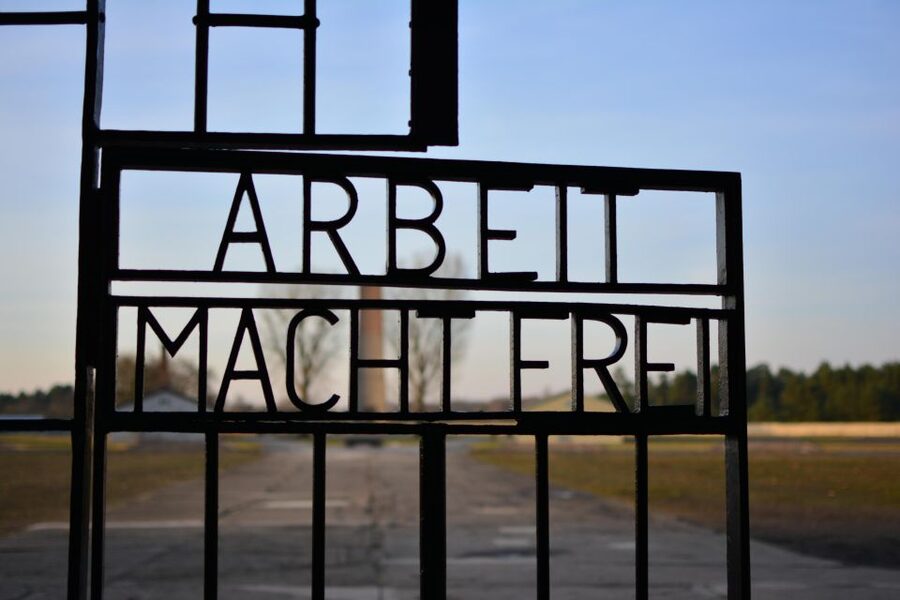
The guided visit at Sachsenhausen lasts about 3.5 hours. One of the key areas is Tower A, the main camp entrance.
Entering through the main gate gives you a direct sense of how the camp presented power and control. It is an important first stop because it introduces the structure of the site and the way prisoners entered the camp under guard.
From there, the guide can explain the camp’s layout and development. Sachsenhausen was built as a model concentration camp, and its arrangement reflected the system the Nazis wanted to create. You are not just looking at old buildings. You are seeing a planned space designed to control people.
The camp grounds are extensive enough that comfortable shoes matter. Wear weather-appropriate clothing, since much of the visit takes place outdoors. The memorial is not a quick indoor attraction where you can escape rain or cold from room to room.
Other memorial sites within reach of Berlin:
- Berlin: Sachsenhausen Concentration Camp Tour in English
★ 4.8 · 1,889 reviews - Sachsenhausen Concentration Camp Memorial Tour (Max. 15 Guests)
★ 5.0 · 1,516 reviews - Berlin: Sachsenhausen Concentration Camp and Potsdam Tour
★ 4.6 · 1,334 reviews - Sachsenhausen concentration camp.
★ 5.0 · 1,189 reviews
The prison block and SS control
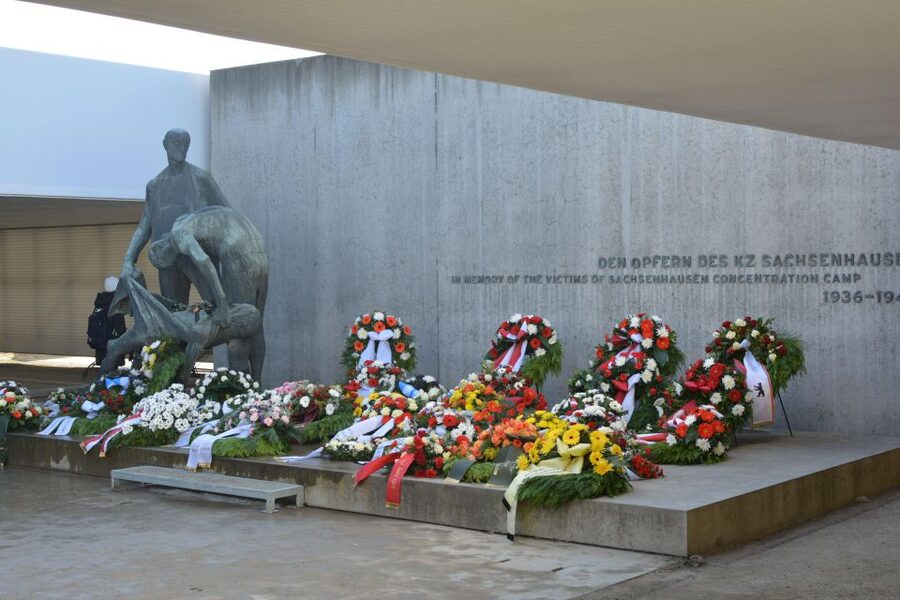
The SS and Gestapo Prison Block is another major part of the visit. This area helps show how imprisonment and punishment worked within the larger camp.
The concentration camp system was not only about the main barracks. Internal prison areas allowed the authorities to isolate, punish, and interrogate prisoners. A guide can explain how this block fit into the wider system and why it is different from the ordinary barracks.
The value of this stop is its focus on individual treatment. The wider camp layout can feel abstract at first. The prison block brings attention back to the people held there and to the deliberate use of confinement as a method of terror.
The subject is heavy, and the tour does not try to soften it. At the same time, the guides praised most often, especially Paul, appear to handle the material with care and order. The result is a serious historical explanation rather than a sensational presentation.
The infirmary, pathology building, and mortuary
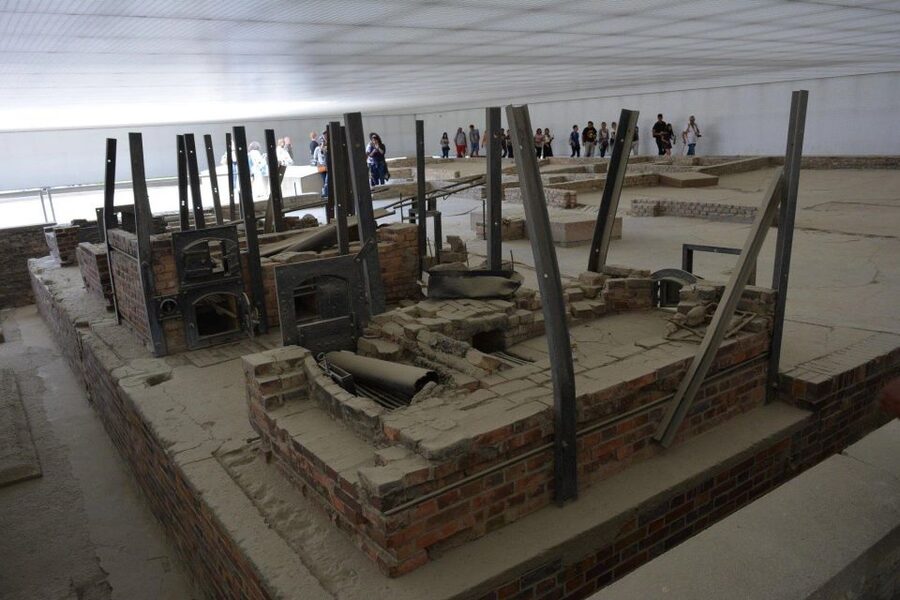
The infirmary building, pathology building, and mortuary show another side of the camp system. These areas point to the role of illness, death, and the treatment of prisoners’ bodies.
As the war continued, conditions at Sachsenhausen worsened. The changing prisoner population and deteriorating living conditions are central parts of the story. These buildings help explain how the camp dealt with sickness and death within that system.
This section can be especially difficult. It is worth allowing yourself time to listen rather than trying to rush from one building to the next. The guide’s job here is to give context, but you still control how closely you engage with each part of the site.
The tour description includes access to the cellar as well. That adds another enclosed space to the visit and helps show that the camp’s functions extended below the main buildings and open yard.
Station Z and the camp kitchen
Station Z was the purpose-built execution facility. Its inclusion makes clear that Sachsenhausen was not only a prison camp or forced labor site. It was also a place where people were killed.
The name itself is stark. Tower A marked the beginning of the camp, while Station Z represented the intended endpoint for those murdered there. A guide can explain how the facility fit into the camp’s system and the significance of the site without leaving you to interpret the remains alone.
The camp kitchen offers a different but equally useful view. Food is a basic need, and the kitchen helps explain how daily life was organized and controlled. Living conditions, supplies, and access to food were part of the larger system of power.
Together, these stops keep the tour from becoming too focused on one type of suffering. You see administration, punishment, food, medical care, living quarters, and killing facilities. That broader view helps you understand how the camp operated as a complete system.
Barracks and changing living conditions
The barrack buildings show where prisoners lived. They are essential to understanding the gap between the official organization of the camp and the reality of daily life.
The conditions worsened during the war, and the camp population changed over time. Your guide explains those developments as you move through the site, helping you connect the buildings with the changing history of the camp.
This is where the scale of the place can become hard to process. The layout is large, but the tour keeps returning to specific areas and functions. I prefer that approach because it gives you manageable pieces rather than one long lecture.
Do not expect a comfortable or entertaining outing. The value comes from listening, observing, and giving the place the attention it demands. The 3.5-hour visit is long enough to cover the main areas without reducing the camp to a photo stop.
How the guide shapes the day
The guide is central to this experience. You are not simply paying for transport and admission. You are paying for someone to explain what you are seeing and to connect Sachsenhausen with the rise of the Nazi dictatorship and the wider camp system.
Paul has been praised for arriving promptly, making people feel comfortable at the start, answering questions, and continuing to help after the formal tour ended. In one case, he offered tailored Berlin recommendations, including ideas matched to the group’s interests. That extra local advice is not the main reason to book, but it can be a useful bonus.
Julian has also received praise for his information during the tour. The exact guide may vary, so you should not book on the assumption that one named person is guaranteed. Still, the guide quality appears to be one of the strongest parts of the experience.
A good guide also helps with tone. This is not a place for jokes, dramatic theatrics, or rushed commentary. You want clear facts, respectful language, and enough space to think. The strongest feedback points to that combination.
Is $40 good value?
At $40 per person, the tour is reasonably priced for a six-hour guided outing that includes the Sachsenhausen Memorial entrance and a full camp tour.
You pay extra for the ABC-zone transport ticket, and food and drinks are not included. Still, the main cost is not hidden in a short admission visit. You receive a licensed guide, guided travel from central Berlin, and 3.5 hours inside the memorial.
The value is best if you want structure. You could arrange the public transport and visit independently, but then you would need to plan the route, buy the correct ticket, learn the camp’s history in advance, and decide how to organize the grounds. The guided format removes that work.
The price may feel less attractive if you prefer to explore memorial sites alone or if you find six hours too long for one serious historical visit. For most people seeking historical context, the length and guide access make the cost fair.
Who should book this tour?
This tour suits adults and older teenagers who want a serious understanding of Sachsenhausen and the Nazi concentration camp system. It is especially useful if you are visiting Berlin for a limited time and want a structured day outside the city.
It also suits you if you prefer asking questions as you go. The journey offers time for explanation, and the guide-led format keeps the visit organized.
Children under 12 are not considered suitable for the tour. Even for older children, consider their readiness for the subject before booking. The memorial includes execution facilities, prison spaces, medical buildings, and details about worsening camp conditions.
The tour is wheelchair accessible, but the information provided does not describe every surface or building access detail. If you use a wheelchair, confirm the practical route before departure. Everyone should wear comfortable shoes and dress for the weather.
Large bags and luggage are not allowed. Leave suitcases at your accommodation rather than arriving with airport baggage. Assistance dogs are allowed, while pets are not.
Practical timing and preparation
Plan on about six hours from the central Berlin meeting point back to the city. The listed schedule includes a 75-minute train journey to Oranienburg, a 3.5-hour guided visit, and about an hour on the return train.
Bring water and, if needed, a small snack, since food and drinks are not provided. Keep your bag small, and do not rely on taking luggage with you.
The subject matter can be emotionally demanding. I suggest leaving your evening open or keeping your next activity simple. You may want time to think, eat, or return to your hotel rather than rushing straight into another major attraction.
Free cancellation is available up to 24 hours before departure, and you can reserve now and pay later. Check the available start times when booking, since the exact departure time is not fixed here.
Should you book the Sachsenhausen tour?
Book it if you want the memorial explained properly, prefer traveling with a guide, and can give the site a full day. The strongest reasons are the broad access to important buildings, the long guided visit, and the clear historical framing that begins before you reach Oranienburg.
You may prefer an independent visit if you want complete control over your pace or find group touring uncomfortable. You will also need to handle the ABC ticket yourself and manage the long train journey.
For most adults visiting Berlin, I think the tour offers solid value. It treats Sachsenhausen as a place of history and human suffering, not as another item to check off a sightseeing list. If you book, wear good shoes, bring a small bag, and give the day the quiet attention it deserves.
FAQ
Where does the tour begin?
It begins outside Hopfingerbräu at Ebertstrasse 24, 10117 Berlin, beside the Brandenburg Gate.
How long does the experience last?
The total duration is about six hours.
How long is the train ride to Sachsenhausen?
The outward train journey is listed as about 75 minutes. The return journey takes about one hour.
How long is the guided visit at the memorial?
The guided tour inside Sachsenhausen Memorial lasts about 3.5 hours.
Is transportation included in the price?
No. You need to buy your own public transport ticket covering the ABC zones.
Is entrance to Sachsenhausen included?
Yes. Entrance to the Sachsenhausen Concentration Camp Memorial is included.
What language is the tour conducted in?
The live tour guide speaks English.
Which areas are included in the visit?
The tour includes Tower A, the SS and Gestapo Prison Block, the infirmary building, Station Z, the camp kitchen, the pathology building and mortuary, the cellar, and barrack buildings.
Can children join the tour?
Children under 12 are not considered suitable for this activity.
What should I bring?
Bring comfortable shoes and clothing suited to the weather. Large bags, luggage, and pets are not allowed, although assistance dogs are permitted.
Just added in Berlin
- Private One way Airport Transfer Berlin Airport To Berlin★ 3.5 · 17 reviews
- Private Walking Tour: Berlin Wall, Cold War and Checkpoint Charlie★ 5.0 · 37 reviews
- Modern Berlin Private Walking Tour: Diverse, Vibrant and Exciting German Capital★ 5.0 · 13 reviews
- Private Day Trip to Potsdam from Berlin by Train★ 4.5 · 27 reviews
- City Explorer: Potsdam Private Day Trip★ 4.5 · 10 reviews
- Berlin Private Custom 5-Hour Tour by Car★ 5.0 · 30 reviews
- Private Half-Day Sightseeing Tour in Berlin★ 3.5 · 6 reviews
- Berlin Private Custom Tour in a Minivan, East and West★ 5.0 · 123 reviews
Concentration Camp Memorial Tours, compared.
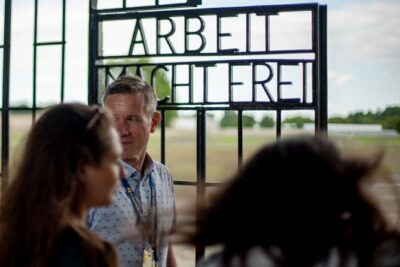
Sachsenhausen Concentration Camp Tour in English
Read our review →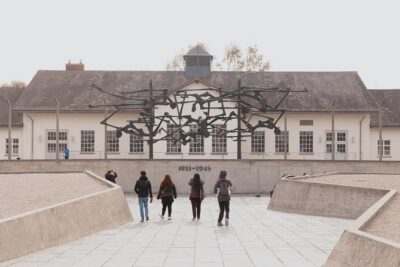
Dachau Concentration Camp Memorial Site Tour from Munich by Train
Read our review →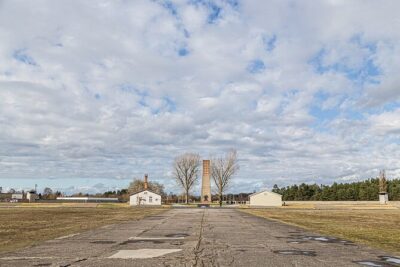
Sachsenhausen Concentration Camp Memorial Tour
Read our review →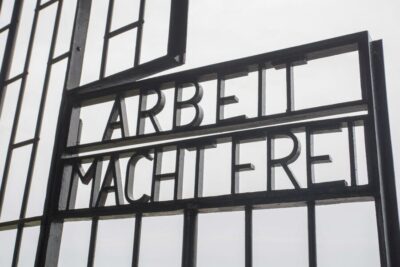
Sachsenhausen Concentration Camp Bus Tour in English from Berlin
Read our review →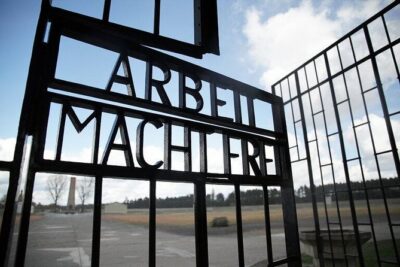
Sachsenhausen Concentration Camp Memorial Tour (Max. 15 Guests)
Read our review →
Sachsenhausen Concentration Camp and Potsdam Tour
Read our review →Browse the lists this tour appears in