
Reviewed · CONCENTRATION CAMP MEMORIAL TOURS
Berlin: Sachsenhausen Memorial 6-Hour Tour in Spanish
Sachsenhausen is not a sightseeing stop in the usual sense. It is a place of murder, forced labor, and political terror, preserved so you can face what happened there. This Spanish-language tour takes you from central Berlin to the camp’s A Tower and Station Z, then explains how Sachsenhausen later became a Soviet gulag.
I like two things here. First, the guide gives the camp a clear human and political context instead of leaving you to read signs alone. Second, the tour includes survivor accounts, photographs, official documents, and the GDR memorial, so you see more than a few stark buildings. The main drawback is the six-hour commitment, including a 50-minute train ride each way, and the emotional weight can be heavy.
- A 50-minute train ride from Alexanderplatz takes you to the northern edge of Berlin.
- Station Z shows the purpose-built killing facility added in 1942.
- The A Tower introduces the camp’s roll-call system and strict control.
- Spanish-speaking guides, including Héctor and Helena, explain the site in direct, clear terms.
- The Soviet-era history adds another layer after the Nazi camp closed.
- Bring snacks and water, since there is no shop at Sachsenhausen.
Why Sachsenhausen Matters Beyond a Day Trip
Sachsenhausen was built close to Berlin and designed as a model concentration camp. That location mattered. It was near the Nazi capital, and the camp became the administrative center for the wider concentration-camp system.
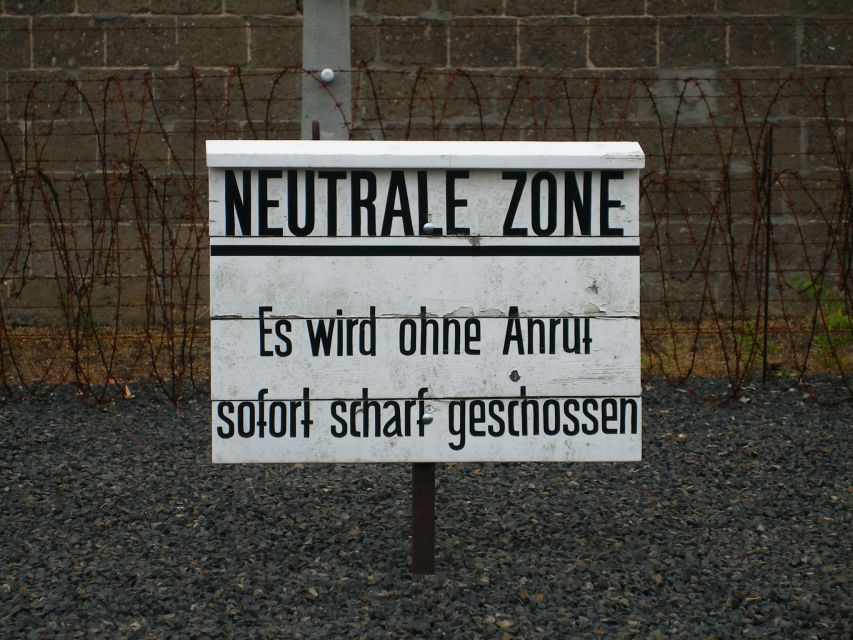
More than 200,000 people passed through Sachsenhausen. At least 50,000 died. Those numbers are difficult to grasp on their own, which is why the guided structure matters. You move from the physical layout of the camp to the systems behind it: imprisonment, forced labor, punishment, disease, and organized killing.
I find the site especially important because it covers two different dictatorships. The Nazi camp is the main focus, but after Hitler’s defeat, Soviet authorities used Sachsenhausen as a gulag for their own prisoners. The later Soviet layer does not erase the Nazi history. It shows how the same place continued to be used for confinement and political control.
This is a memorial visit, not an entertainment product. You should expect silence, discomfort, and long stretches of serious explanation. That is also the point. The site asks you to pay attention.
Meeting at Alexanderplatz and Riding North
The tour begins beside the Berlin TV Tower at Alexanderplatz. Look for a green flag marked tours en español, next to the only entrance to the Fernsehturm and near Espresso House. The meeting point is between the television tower and Alexanderplatz train station.
That detail matters because Alexanderplatz is busy, and the TV Tower has more than one side that can look like a meeting area. Arrive with enough time to locate the green flag rather than relying on a last-minute phone call. One booking comment specifically noted that having a dependable contact number would be useful if app-based calls or emails cause trouble, so save the activity details before leaving your hotel.
The train ride takes about 50 minutes. You need a public transport ticket covering zones ABC, and that ticket is not included in the tour price. Check the current fare before departure and keep the ticket with you. The ride is not dead time. It gives your guide a chance to introduce the history and helps you shift mentally from central Berlin to the camp’s setting north of the city.
The full experience lasts six hours. That includes transport, orientation, the memorial grounds, exhibitions, and the return journey. It is a sizeable block in your Berlin schedule, but a shorter visit would make it difficult to understand both the Nazi and Soviet periods.
More Concentration Camp Memorial Tours in Berlin
- Berlin: Sachsenhausen Concentration Camp Tour in English
★ 5.0 · 5,711 reviews - Berlin: Sachsenhausen Concentration Camp Memorial Tour
★ 4.7 · 3,716 reviews - Sachsenhausen Concentration Camp Bus Tour in English from Berlin
★ 5.0 · 1,962 reviews
Entering Through the A Tower
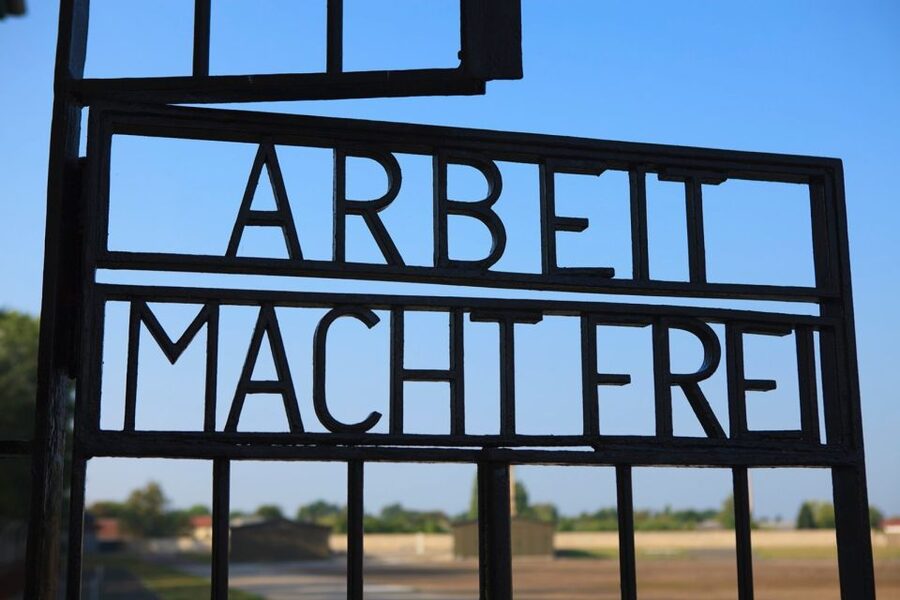
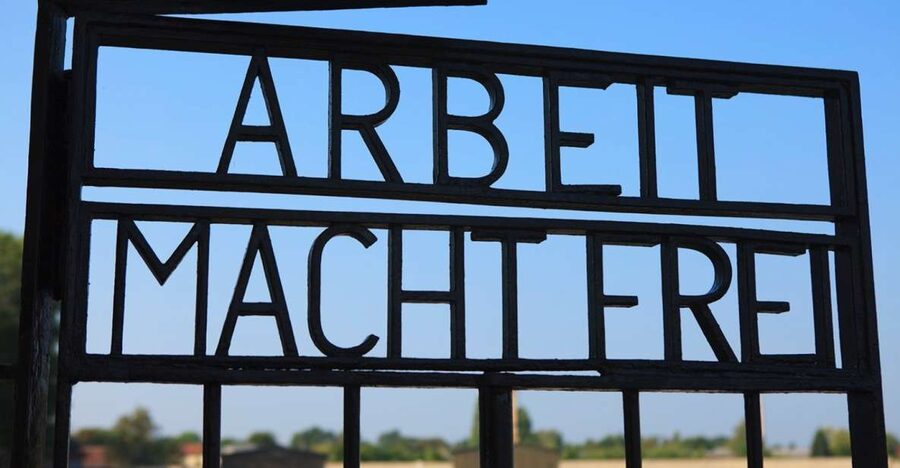
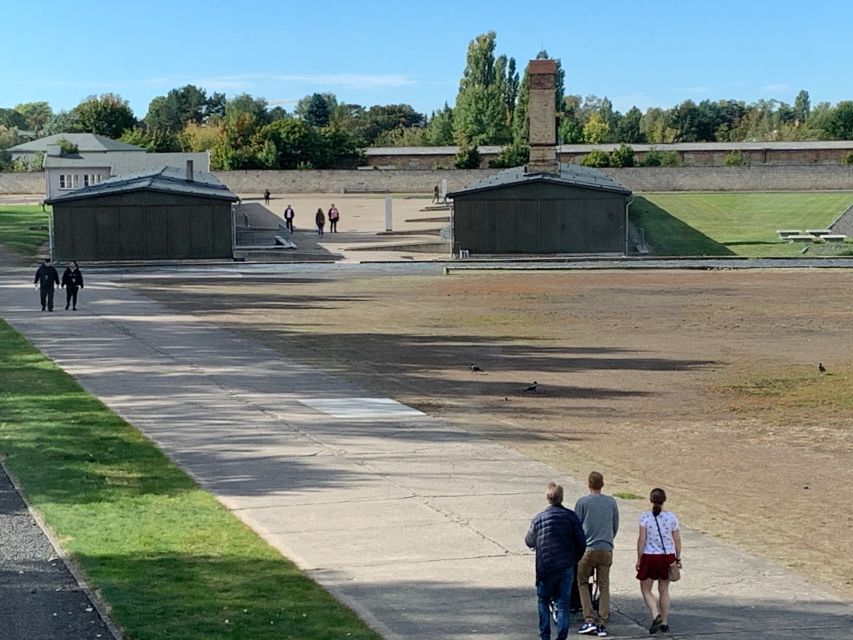
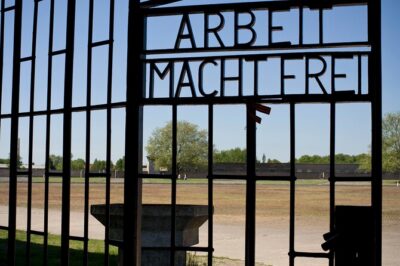
The A Tower was the roll-call location of the camp. This is where prisoners were assembled and counted, often under harsh conditions. The entrance is therefore more than a doorway. It introduces the camp as a controlled machine, built around surveillance, order, and obedience.
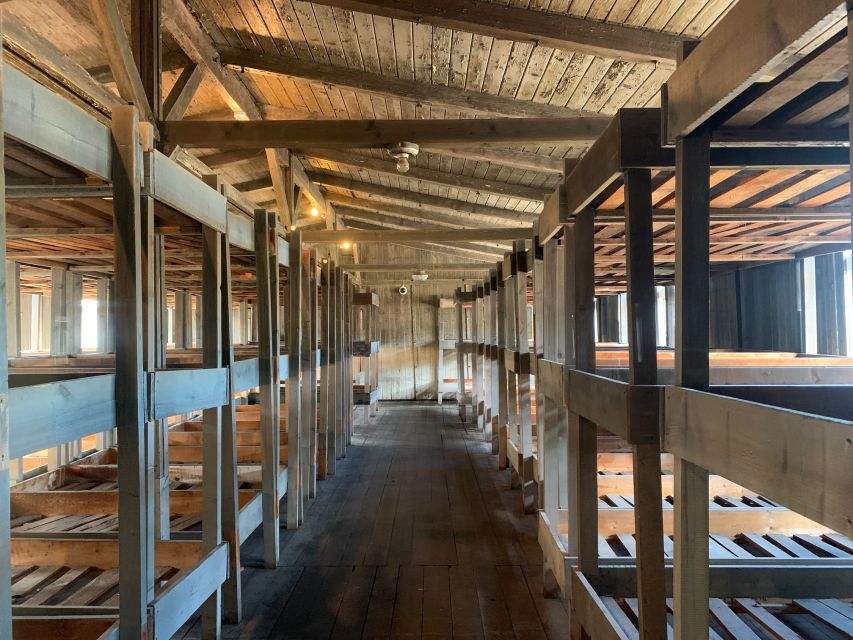
Your guide should help connect the architecture to daily life. The camp was not only a collection of barracks. It was a system that controlled where prisoners stood, worked, slept, and moved. Learning about the roll calls gives you a practical sense of that system before you see the more explicit sites.
I value this part of the visit because it makes the camp’s structure easier to understand. You are not simply walking from one preserved building to another. You are learning how the place functioned and how prisoners were forced to live inside it.
The exact amount of time spent at each location can vary, but the tour is designed to explain the origins of Sachsenhausen, the work prisoners performed, and the conditions they faced. Personal accounts are particularly important here. They replace broad statistics with individual experiences, making the history easier to understand without reducing it to a list of dates.
Station Z and the Reality of Mass Killing
Station Z was added in 1942 to kill victims quickly and clinically. It is one of the most sobering parts of the memorial. The name itself can sound detached, and that is part of the horror. Bureaucratic language and planned procedures were used to carry out mass murder.
Your guide explains what the site was for and how it fitted into the camp’s wider system. This is not a place for casual photographs or hurried sightseeing. Give yourself time to take in the facts, and do not expect the visit to feel comfortable.
Station Z is a major reason to choose a guided tour rather than visiting alone. A memorial can show you walls, foundations, and exhibits, but a Spanish-speaking guide can explain their purpose and the decisions behind them in a language you fully understand. Guides such as Héctor have been praised for speaking plainly and not softening the historical facts. Helena is also named in the recent feedback, and the overall rating of 4.8 from 549 bookings points to consistently strong satisfaction with the guiding.
Still, the emotional effect depends on the person. If you have recently visited several war memorials or concentration camps, this may feel like a lot. If you want to understand Nazi persecution in Germany rather than simply see a preserved site, Station Z provides essential context.
The Museum, Documents, and Survivor Accounts
Sachsenhausen includes a museum and several exhibitions. These add detail that the outdoor spaces cannot provide. Photographs, official documents, and survivor accounts help explain who was imprisoned, how the camp operated, and how people were treated.
I like this mix of sources because it keeps the visit grounded. Official documents show how the system was organized. Photographs show the physical setting and the people caught inside it. Survivor testimony brings the personal cost into view.
The tour also covers prisoner labor. You learn about the type of work prisoners performed and how labor fitted into the camp’s purpose. That distinction matters. The camp was not only a place of confinement. Prisoners were exploited, punished, and worked within a system designed to strip away their freedom and dignity.
The information is delivered in Spanish throughout the tour. That is a practical advantage if Spanish is the language in which you can best process difficult historical material. You can focus on the meaning rather than translating every sign in your head.
Other memorial sites within reach of Berlin:
- Berlin: Sachsenhausen Concentration Camp Tour in English
★ 4.8 · 1,889 reviews - Sachsenhausen Concentration Camp Memorial Tour (Max. 15 Guests)
★ 5.0 · 1,516 reviews - Berlin: Sachsenhausen Concentration Camp and Potsdam Tour
★ 4.6 · 1,334 reviews - Sachsenhausen concentration camp.
★ 5.0 · 1,189 reviews
The Soviet Camp and the GDR Memorial
Sachsenhausen’s story did not end with the fall of Hitler. Soviet authorities later transformed the site into a gulag for their own prisoners. This part of the tour gives you a wider view of how the grounds were used after 1945.
The Soviet history should not be treated as a simple comparison between two identical systems. The Nazi concentration camp and the Soviet camp belonged to different historical settings and political projects. Your guide can help separate those facts while showing the uncomfortable continuity of imprisonment at the same location.
The GDR memorial adds another layer. It reflects how East Germany presented the camp’s past during the Cold War. That makes the memorial useful not only for learning what happened during the Nazi period, but also for thinking about how later governments remember, frame, and use history.
This is one of the tour’s strongest features. You are not given a single tidy story. You see the Nazi camp, the Soviet use of the grounds, and the later memorial culture. For anyone interested in German history beyond the Third Reich, that broader view is worth the extra time.
What Six Hours Feels Like on the Ground
Six hours sounds long, but Sachsenhausen is a large memorial site with several historical layers. The schedule includes the journey from Berlin, a guided walk, indoor exhibits, and time around the main locations.
Expect plenty of walking and outdoor exposure. The supplied information does not provide a precise walking distance or a fixed break schedule, so wear comfortable shoes and dress for the weather. In December, one participant described very cold and windy conditions. That is a useful warning: the site can feel much harsher in winter than central Berlin.
There is no shop at Sachsenhausen. Bring snacks and drinks before leaving Alexanderplatz. You will be glad to have them during a long day, especially because the tour is not built around a restaurant stop.
The memorial is wheelchair accessible, but the experience still includes public transport and movement across a historic site. If you use a wheelchair, confirm the practical details with the provider before booking, particularly for the train journey and the exact route on the grounds.
Is $41 a Fair Price?
At $41 per person, the tour is reasonably priced for a six-hour guided outing from Berlin. The price includes the full Sachsenhausen tour with a Spanish-speaking guide and the €3 Concentration Camp Foundation surcharge.
You still need to pay for your ABC public transport ticket. That extra cost is easy to overlook, so include it when comparing options. Even with transport added, the value is good if you want a structured visit in Spanish and do not want to work out the train journey, camp layout, and historical sequence alone.
The value comes mainly from interpretation. Sachsenhausen itself is free to approach in some contexts, but understanding a place of this scale requires preparation. A guide helps you connect the A Tower, Station Z, the exhibitions, the prisoner labor system, the Soviet camp, and the GDR memorial into one clear visit.
The strongest praise has focused on the guides. Nicolás specifically appreciated learning not only the history of the camp but also how its system operated from a legal point of view. That is the kind of explanation that makes the price worthwhile. You are paying for historical framing in Spanish, not merely transport to a memorial.
Who Should Book This Spanish Tour?
I would choose this tour if you want serious historical context and Spanish is your preferred language for a difficult subject. It also suits first-time visitors to Germany who may not feel confident handling German public transport, signs, and memorial information alone.
It is a good fit for people interested in:
- Nazi Germany and the concentration-camp system
- Survivor testimony and documentary evidence
- Prisoner labor and camp administration
- Soviet repression after the Second World War
- East German memorial culture
- A guided day trip rather than a self-directed visit
It may not suit you if you have only a short stay in Berlin or want a light cultural outing. The subject is grim, the day is long, and the weather can affect your comfort. Families and younger visitors should also think about the emotional level of the material before booking.
The guide makes a real difference. Héctor has been praised for direct explanations and strong command of the subject. Helena is another named guide associated with positive feedback. Guides change, so you should not book on the promise of one particular person, but the repeated praise for clear, frank storytelling is a good sign.
Free cancellation up to 24 hours before departure and the reserve-now-pay-later option make planning easier. Those policies are useful if your Berlin schedule is still changing, though they do not remove the need to arrange the ABC ticket and prepare for a full six-hour day.
My Recommendation for Sachsenhausen
Book this tour if you want to understand Sachsenhausen rather than simply visit it. The Spanish-language guidance, survivor material, Station Z, the A Tower, and the Soviet memorial create a serious and well-rounded experience.
Bring food, water, warm clothing, and patience. Arrive early at the Alexanderplatz TV Tower, find the green flag, and do not treat the six-hour duration as a minor detail. This is a demanding visit, but for many people it will be one of the most important historical experiences of a Berlin stay.
FAQ
Where does the Sachsenhausen tour meet?
The meeting point is beside the Alexanderplatz TV Tower, between the television tower and Alexanderplatz train station, near Espresso House. Look for a green flag marked tours en español beside the only entrance to the Fernsehturm.
How long is the tour?
The tour lasts six hours, including the train journey from Berlin and the visit to Sachsenhausen.
Is the tour conducted in Spanish?
Yes. It includes a live Spanish-speaking guide. Guides named in the available information include Héctor and Helena.
Is public transport included?
No. You need to buy your own public transport ticket covering zones ABC.
What does the tour include at Sachsenhausen?
The tour covers the camp, the A Tower, Station Z, the museum and exhibitions, prisoner life and labor, survivor accounts, photographs, official documents, the Soviet-era camp, and the GDR memorial.
Is Sachsenhausen wheelchair accessible?
The activity is listed as wheelchair accessible. You may still want to confirm the practical details of the public transport journey and route before booking.
Can I cancel the booking?
You can cancel up to 24 hours in advance for a full refund. The reserve-now-pay-later option lets you hold a place without paying immediately.
Just added in Berlin
- Berlin: Energizing 2-Hour Morning Segway Tour★ 4.7 · 35 reviews
- Berlin: Thrilling E-Scooter Adventure Tour★ 4.4 · 66 reviews
- Beelitz-Heilstätten: Baum&Zeit Tree Top Walk Entry Ticket★ 4.9 · 7 reviews
- Beer Bike & Party Bike: Unforgettable Berlin City Tour incl. pickup★ 5.0 · 5 reviews
- AXE THROWING EXPERIENCE IN BERLIN★ 4.7 · 24 reviews
- Alternative Berlin / Street art tour – Private group★ 5.0 · 6 reviews
- Berlin: Alternative & Street Art Tour★ 4.5 · 6 reviews
- Berlin: 2.5-Hour Beer & Sunset Sightseeing Boat Cruise★ 4.6 · 61 reviews
Concentration Camp Memorial Tours, compared.
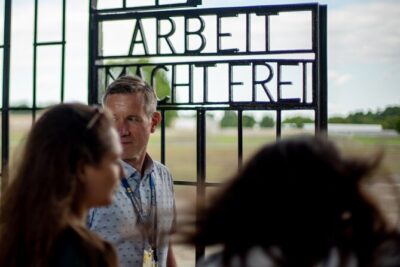
Sachsenhausen Concentration Camp Tour in English
Read our review →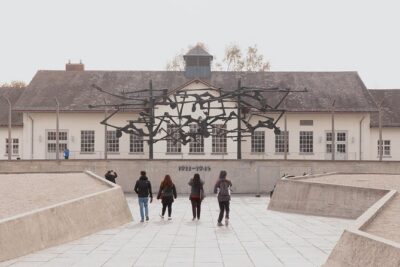
Dachau Concentration Camp Memorial Site Tour from Munich by Train
Read our review →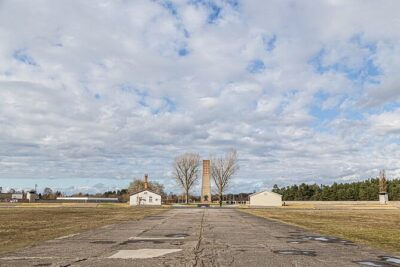
Sachsenhausen Concentration Camp Memorial Tour
Read our review →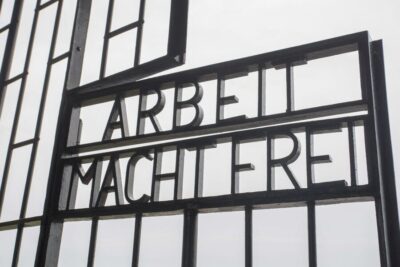
Sachsenhausen Concentration Camp Bus Tour in English from Berlin
Read our review →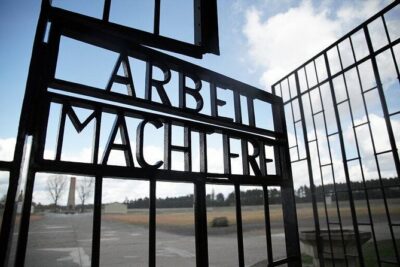
Sachsenhausen Concentration Camp Memorial Tour (Max. 15 Guests)
Read our review →
Sachsenhausen Concentration Camp and Potsdam Tour
Read our review →Browse the lists this tour appears in