
Reviewed · CONCENTRATION CAMP MEMORIAL TOURS
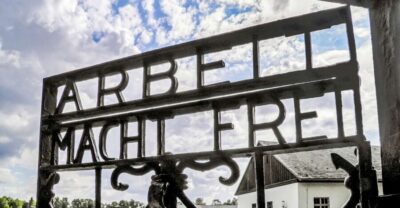
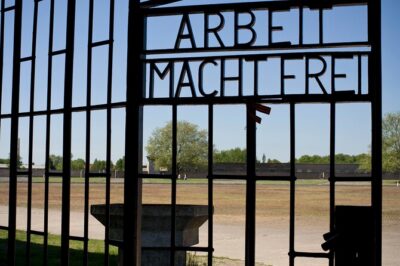
Sachsenhausen concentration camp.
Sachsenhausen is not a sightseeing stop in the usual sense. It is a place for facing the machinery of Nazi persecution, the daily lives of prisoners, and the camp’s later use by the Soviet secret police. This six-hour visit combines a long guided visit with the journey from central Berlin, giving the site the time and seriousness it requires.
I like the Spanish-speaking guide and the broad scope, which covers both the camp’s operation and the people imprisoned there. I also like the help with city transport at the end, since the guide can explain how to reach another part of Berlin. The main drawback is the walking: you need comfortable shoes, a moderate level of fitness, and an ABC public transport ticket that is not included.
Key points to know before you book
- About six hours from central Berlin: The full outing begins at 10:00 am near the TV Tower and includes the visit to Oranienburg.
- Three hours at the memorial: The main stop is Sachsenhausen Memorial and Museum, with admission included.
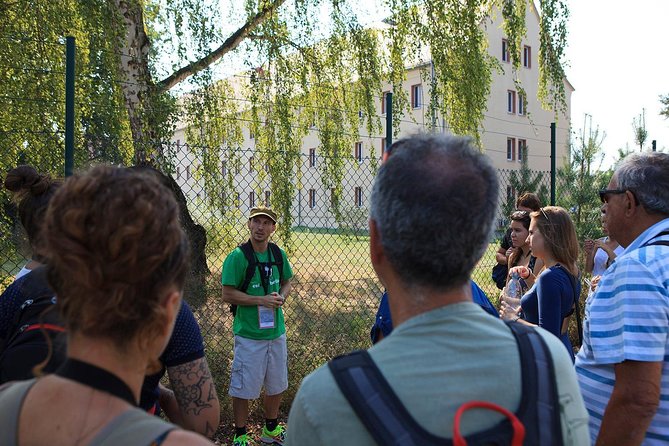
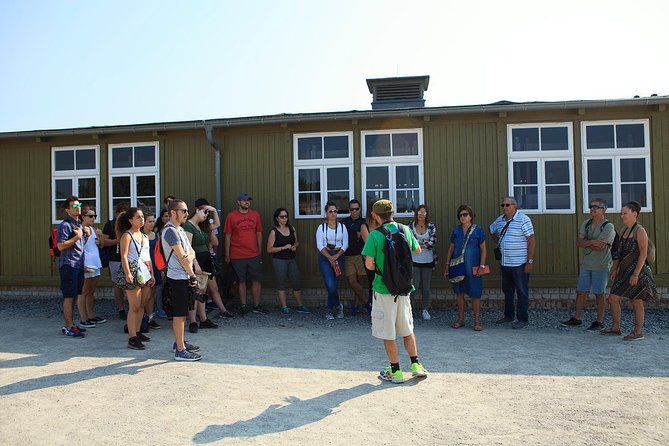
- Spanish-speaking local guide: The tour is designed for Spanish speakers, and the guide explains the camp’s history, prisoners, and daily routine.
- Transport ticket costs extra: You must arrange and pay for the required ABC public transport ticket yourself.
- A walking-heavy visit: The grounds are large, so comfortable shoes and moderate physical fitness matter.
- Small enough to stay organized: The maximum group size is 30 people, with free cancellation up to 24 hours before departure.
Why Sachsenhausen deserves a full day from Berlin
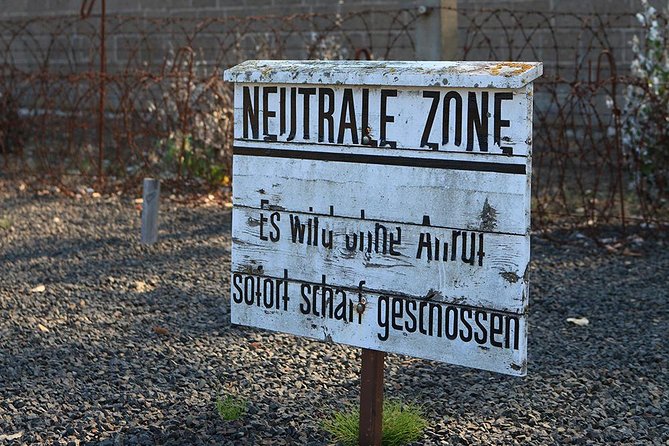
Sachsenhausen was a Nazi concentration camp in Oranienburg, north of Berlin. It operated from 1936 until the end of the Third Reich in May 1945, and it was used mainly for political prisoners. The site later served as a Soviet NKVD special camp until 1950.
That timeline is important. You are not visiting only one period of German history. The memorial presents a place shaped first by Nazi imprisonment and then by Soviet detention. The remaining buildings and grounds now form a public museum, making the visit useful for anyone who wants to understand what happened beyond central Berlin.
I would not squeeze this outing into a packed sightseeing day. The six-hour schedule leaves room for the journey, the guided visit, and the long walk across the former camp grounds. You need time to listen, stop, and process what you are seeing.
The subject matter is heavy, so this experience suits people who want a serious historical visit rather than a light tour with a few dramatic photo stops. The guide’s role matters here. Good explanations can help you understand the site without reducing it to a list of dates or buildings.
More Concentration Camp Memorial Tours in Berlin
- Berlin: Sachsenhausen Concentration Camp Tour in English
★ 5.0 · 5,711 reviews - Berlin: Sachsenhausen Concentration Camp Memorial Tour
★ 4.7 · 3,716 reviews - Sachsenhausen Concentration Camp Bus Tour in English from Berlin
★ 5.0 · 1,962 reviews
Starting at the Berlin TV Tower at 10:00 am
The meeting point is at the Berlin TV Tower, at Panoramastraße 1A, 10178 Berlin. Starting near a major central landmark is practical if you are staying in Mitte or visiting Alexanderplatz. It also gives you a clear place to meet before the group heads toward Oranienburg.
Arrive with enough time to find the guide and sort out your transport ticket. Confirmation is provided at booking, and the tour is near public transportation, but the ABC ticket is not part of the price. That extra cost is easy to overlook when comparing tour prices, so include it in your budget.
The group can contain up to 30 people. That is not a private tour, but it is still a manageable size for a guided memorial visit. You should expect to stay with the group and listen while moving through the site rather than explore the entire area at your own pace.
The start time also shapes your day. You will spend the morning traveling and the middle part of the day at Sachsenhausen. Plan your other Berlin activities around this outing, not on top of it.
The journey from Berlin to Oranienburg
The tour includes support during the trip to Oranienburg. Your Spanish-speaking guide accompanies the group and explains the route, which is helpful if you are not comfortable handling Berlin’s public transport system.
You need to buy the ABC public transport ticket separately. The supplied details do not specify the exact train or connection, so check the current transport instructions after booking and allow time before 10:00 am to reach the meeting point.
This journey is part of the practical value of the tour. Sachsenhausen is outside central Berlin, and getting there requires more planning than visiting a museum near Museum Island. By joining a guided group, you avoid having to organize the full route alone.
The return is also handled with some flexibility. The guide goes back toward Berlin and can explain how to reach the part of the city you want, but there is no fixed finishing point. That is useful if you plan to continue near Mitte, Alexanderplatz, or another central area. It also means you should not expect a precise drop-off at your hotel.
Three hours inside Sachsenhausen Memorial and Museum
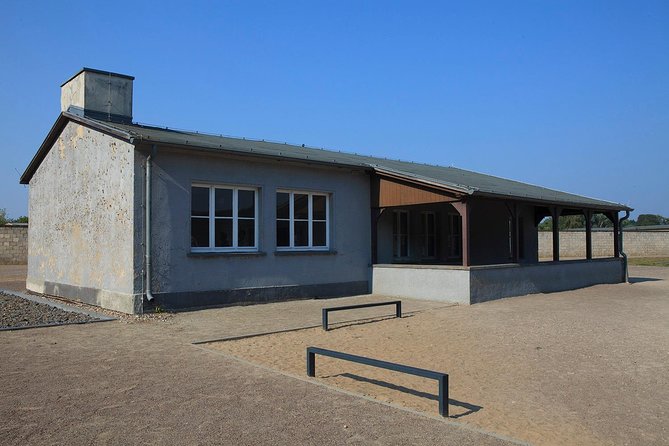
The main visit lasts about three hours, with admission included. That is enough time for a guided look at the remaining buildings and camp grounds without turning the outing into a rushed march.
Sachsenhausen was built and operated as a concentration camp for political prisoners. The tour covers the camp’s entire history, the daily lives of prisoners, and the different groups held there. The supplied information also highlights attention to the profile of individual prisoners, which can give a more human focus to a difficult subject.
Expect the guide to connect the physical site with the larger system behind it. The value of a memorial visit is not just seeing old structures. It is learning how the camp functioned, who was imprisoned there, and how ordinary routines were shaped by forced confinement and Nazi control.
The grounds are large enough that walking is a real part of the visit. Wear shoes you can use comfortably for several hours. You should also be ready for an outdoor setting, although the available information does not specify how much of the tour takes place inside or what facilities are open on a particular day.
The three-hour stop is a strength for people who want context. A shorter visit might show you the site but leave little time for explanation. Here, the guide can set out the chronology and discuss the people connected with the camp instead of rushing from one point to the next.
Other memorial sites within reach of Berlin:
- Berlin: Sachsenhausen Concentration Camp Tour in English
★ 4.8 · 1,889 reviews - Sachsenhausen Concentration Camp Memorial Tour (Max. 15 Guests)
★ 5.0 · 1,516 reviews - Berlin: Sachsenhausen Concentration Camp and Potsdam Tour
★ 4.6 · 1,334 reviews - Visita en español al campo de concentración Sachsenhausen
★ 5.0 · 1,170 reviews
Understanding the camp’s two major historical periods
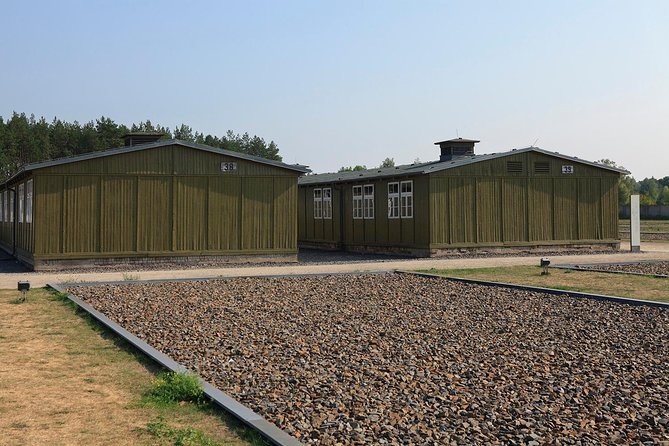
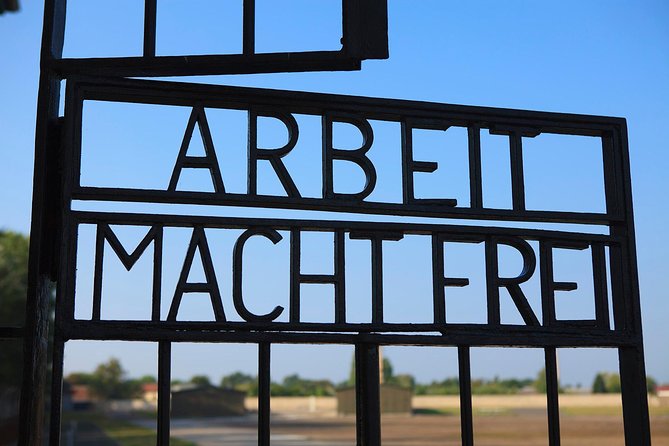
The Nazi period is the central focus. Sachsenhausen opened in 1936 and held mainly political prisoners until May 1945, when the Third Reich ended. The tour explains the camp’s structure, its prisoner population, and the daily reality of life inside it.
The later Soviet use of the grounds is also part of the site’s history. After World War II, when Oranienburg was in the Soviet Occupation Zone, the area became an NKVD special camp until 1950. This later chapter is easy to miss if you think only of Sachsenhausen as a Nazi-era memorial.
I value the inclusion of both periods because it prevents an overly narrow visit. You can learn how the place changed after 1945 while still keeping the Nazi concentration camp at the center of the tour. The guide’s explanation is especially useful when the same physical site carries more than one painful history.
Do not expect the tour to make the subject comfortable. Its purpose is to provide a clear account of what happened. If you prefer to study memorials quietly and privately, a group tour may feel restrictive. If you want a structured explanation in Spanish, it offers a helpful framework.
The guide makes the difference
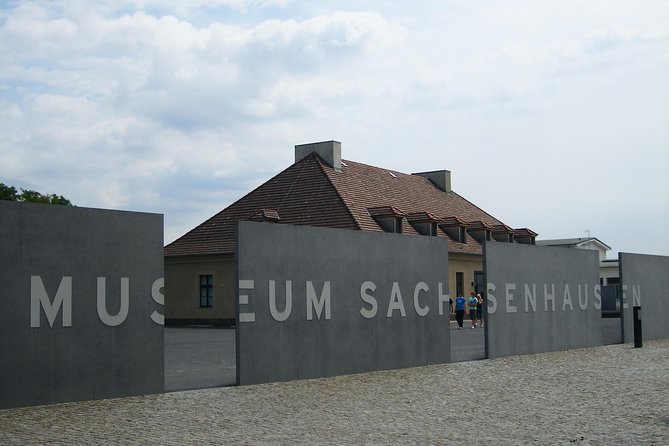
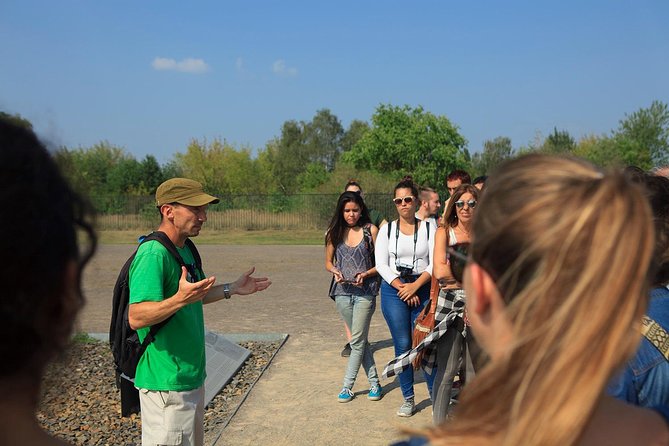
The experience includes a local Spanish-speaking guide. That is the strongest reason to choose this tour over visiting alone if Spanish is your preferred language.
A Spanish guide can explain difficult terms, dates, and prisoner categories without leaving you to translate information on the spot. The tour is also meant to cover the profiles of the prisoners, not just the camp’s buildings, so the guide’s storytelling and care with language matter.
One review specifically praised a guide named Juan for his seriousness and command of the subject. Another praised the respectful presentation, thorough preparation, and help with transport. Juan may not be the guide assigned to every departure, so treat his name as a useful example of the standard you may encounter, not a guarantee.
The tone is important. A memorial tour should be handled with restraint, and the available feedback points to a respectful approach. You should expect a serious presentation, not entertainment or forced humor.
Price and what the $34.76 fee really covers
At $34.76 per person, this is a reasonably priced guided outing, especially since admission to Sachsenhausen is included and the experience lasts about six hours. The fee pays for more than entry. It also covers the local Spanish-speaking guide and the organization of the journey from central Berlin.
The price does not include food, drinks, or the ABC public transport ticket. Bring your own water and arrange the correct transport fare separately. If you need to buy lunch, add that cost as well, since no meal is provided.
The value depends on what you want from the visit. If you are comfortable planning public transportation, reading the memorial information yourself, and moving around the site independently, a self-guided visit might cost less. If you want a Spanish explanation and support getting there and back, the guided format is easier and more useful.
I consider the price fair for readers who want historical context rather than simple admission. The guide gives structure to a large and emotionally demanding site. Just remember that the headline price is not the total cost of the day.
Walking, group size, and the emotional weight
This is not a physically extreme excursion, but you should have moderate fitness and be ready to walk long distances. The memorial grounds cover a broad area, and the visit lasts roughly three hours before you even count the transport time.
Comfortable shoes are essential. I would also avoid scheduling a demanding evening activity immediately afterward. The subject matter can leave you tired in a way that has little to do with the walking.
A maximum of 30 people keeps the tour from becoming an enormous crowd, though it is still a group experience. You may need to remain close enough to hear the guide and move at the group’s pace. The benefit is a clear schedule and shared transport support. The tradeoff is less freedom to linger wherever you choose.
This tour suits adults and older students who are ready for a serious memorial visit. It may not suit anyone looking for a quick, casual attraction or a flexible day with no fixed schedule.
How to plan the rest of your day
The tour begins at 10:00 am and lasts around six hours, but the exact end point is flexible. The guide can explain how to get to another part of Berlin, yet there is no specific final stop.
That makes the afternoon easier to adapt. You can continue in Mitte or another central area rather than being tied to a single return location. Still, avoid booking a timed attraction immediately afterward. Public transport delays, a longer discussion, or the pace of the group could affect your arrival time.
Carry only what you need, dress for walking, and bring something to drink. Food and drinks are not included, and there is no promise of a meal break in the tour details.
The mobile ticket is convenient because you can keep confirmation on your phone. Make sure your phone is charged and that you know where the meeting point is before leaving your accommodation.
Cancellation and booking timing
You can cancel for a full refund up to 24 hours before the local start time. Cancellations made less than 24 hours before departure are not refunded, and changes within that period are not accepted.
This experience is booked an average of 17 days ahead, so it is sensible to reserve early if your Berlin dates are fixed. That matters most if you need a Spanish-speaking tour on a particular day.
The high booking rate does not mean you should ignore the practical details. Check the meeting point, transport ticket requirement, walking level, and cancellation deadline before paying.
Should you book this Sachsenhausen tour?
Book it if you want a serious, guided visit in Spanish and value help with the journey from Berlin. The three-hour memorial visit, included admission, flexible return guidance, and focus on prisoner life make the $34.76 fee reasonable for many visitors.
Choose another option if you want complete independence, a private group, or a short visit. You must pay for public transport separately, walk for long stretches, and follow a group schedule.
For the right reader, this tour offers a clear and respectful way to visit Sachsenhausen without trying to handle every detail alone. Set aside most of a day, wear comfortable shoes, and approach the site with the attention it deserves.
FAQ
Where does the Sachsenhausen tour start?
The tour starts at the Berlin TV Tower, Panoramastraße 1A, 10178 Berlin, Germany.
What time does the tour begin?
The start time is 10:00 am.
How long does the experience last?
The full experience lasts approximately six hours.
How long is the visit at Sachsenhausen Memorial and Museum?
The visit at the memorial and museum lasts about three hours.
Is admission to Sachsenhausen included?
Yes. Admission to Sachsenhausen Memorial and Museum is included.
Is public transportation included?
No. You need to purchase the required ABC public transport ticket separately.
Is a guide included?
Yes. A local Spanish-speaking guide is included.
Where does the tour finish?
The tour finishes in Berlin, but there is no specific finishing point. The guide can explain how to reach another part of the city.
Can I cancel for a full refund?
Yes. You can cancel up to 24 hours before the experience begins for a full refund. Cancellations and changes made less than 24 hours before the start time are not accepted or refunded.
Just added in Berlin
- Berlin: Energizing 2-Hour Morning Segway Tour★ 4.7 · 35 reviews
- Berlin: Thrilling E-Scooter Adventure Tour★ 4.4 · 66 reviews
- Beelitz-Heilstätten: Baum&Zeit Tree Top Walk Entry Ticket★ 4.9 · 7 reviews
- Beer Bike & Party Bike: Unforgettable Berlin City Tour incl. pickup★ 5.0 · 5 reviews
- AXE THROWING EXPERIENCE IN BERLIN★ 4.7 · 24 reviews
- Alternative Berlin / Street art tour – Private group★ 5.0 · 6 reviews
- Berlin: Alternative & Street Art Tour★ 4.5 · 6 reviews
- Berlin: 2.5-Hour Beer & Sunset Sightseeing Boat Cruise★ 4.6 · 61 reviews
Concentration Camp Memorial Tours, compared.
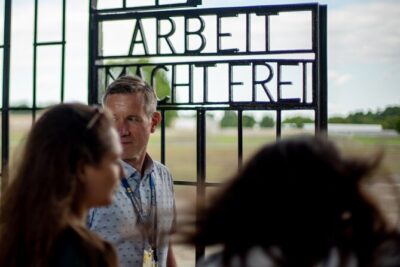
Sachsenhausen Concentration Camp Tour in English
Read our review →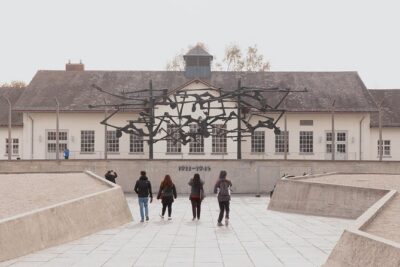
Dachau Concentration Camp Memorial Site Tour from Munich by Train
Read our review →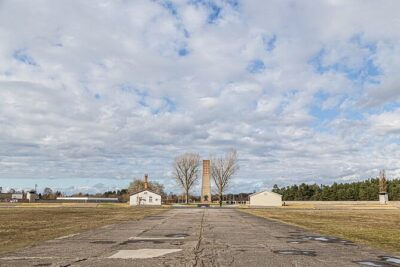
Sachsenhausen Concentration Camp Memorial Tour
Read our review →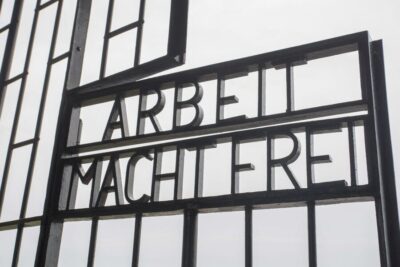
Sachsenhausen Concentration Camp Bus Tour in English from Berlin
Read our review →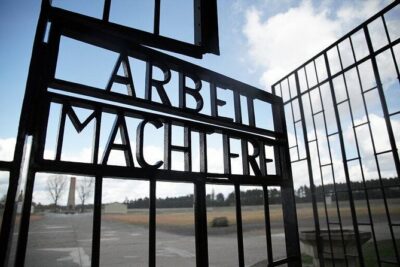
Sachsenhausen Concentration Camp Memorial Tour (Max. 15 Guests)
Read our review →
Sachsenhausen Concentration Camp and Potsdam Tour
Read our review →Browse the lists this tour appears in