
Reviewed · CONCENTRATION CAMP MEMORIAL TOURS
Sachsenhausen Memorial: Walking Tour from Berlin
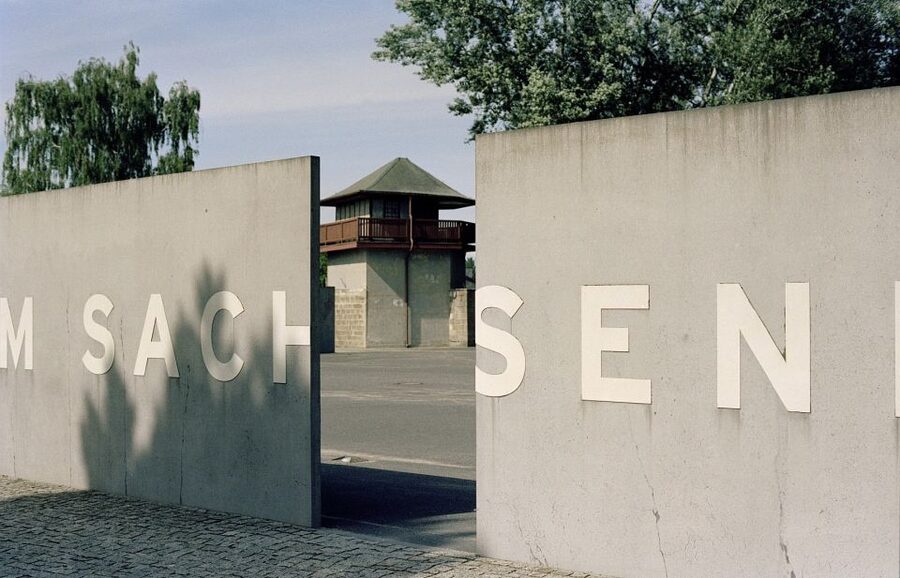
Sachsenhausen is not a casual sightseeing stop. It is a carefully planned place of terror, built near the Nazi capital as a model for the wider camp system. The tour helps you read the camp’s layout, from Tower A and the roll-call square to Station Z, as part of a machine designed to control, punish, and kill.
I like the way the visit combines the memorial with the journey from Berlin, and I like the guides’ personal command of the subject. Fabio, Soleil, Lorenzo, and Andrea are singled out for clear, moving explanations. The main drawback is the long, exposed walking day, with no lunch stop and public transport costs added to the tour price.
Key points to know before you go
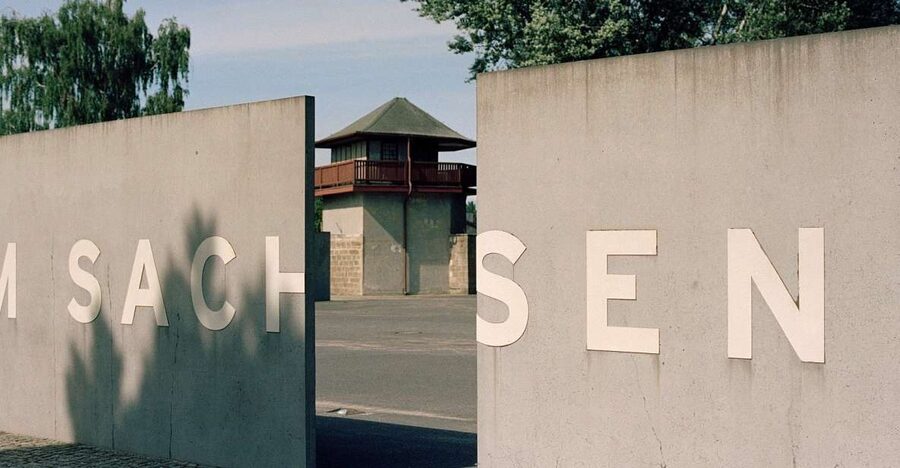
- Sachsenhausen was designed as a model camp: Its layout and buildings show how the SS used architecture to enforce control.
- The memorial visit lasts about three and a half hours: You will see Tower A, the roll-call square, prison barracks, the former kitchen, medical rooms, and Station Z.
- The train ride is part of the experience: The group travels from Berlin to Oranienburg, about 35 kilometers north of the city.
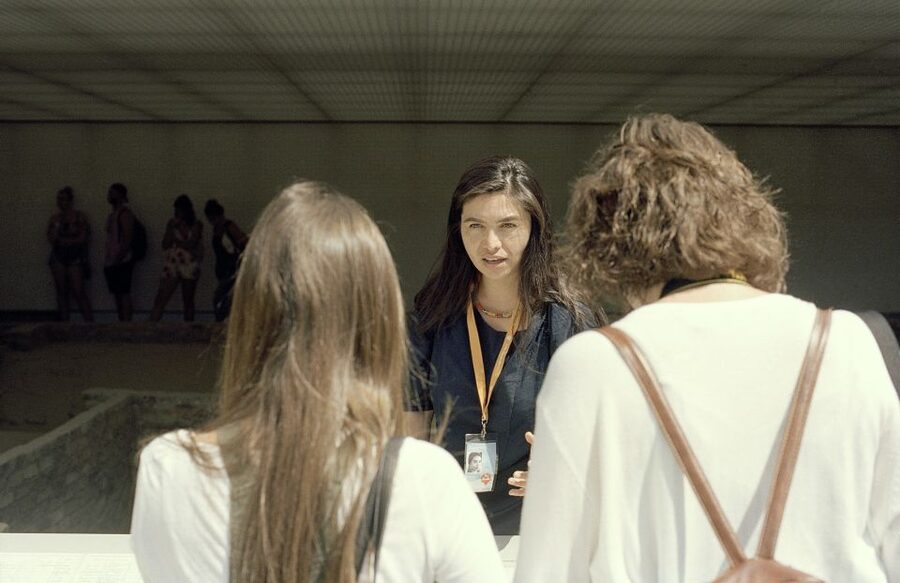
- The guides are the tour’s greatest strength: Fabio, Soleil, Lorenzo, and Andrea are praised for clear, thoughtful, and emotionally careful explanations.
- Bring food, water, and an ABC ticket: Eating is not allowed at the memorial, and there is no meal break during the activity.
- The $511 price is for a group of up to six: That can be fair for a private group, but it is a major expense for fewer people, with transport and the €3 donation extra.
Why Sachsenhausen deserves a full day from Berlin
Many Berlin history tours focus on buildings, streets, and museums in the city center. Sachsenhausen asks something different of you. It takes you outside Berlin to a former concentration camp where the physical arrangement of the site helps explain how Nazi rule worked.
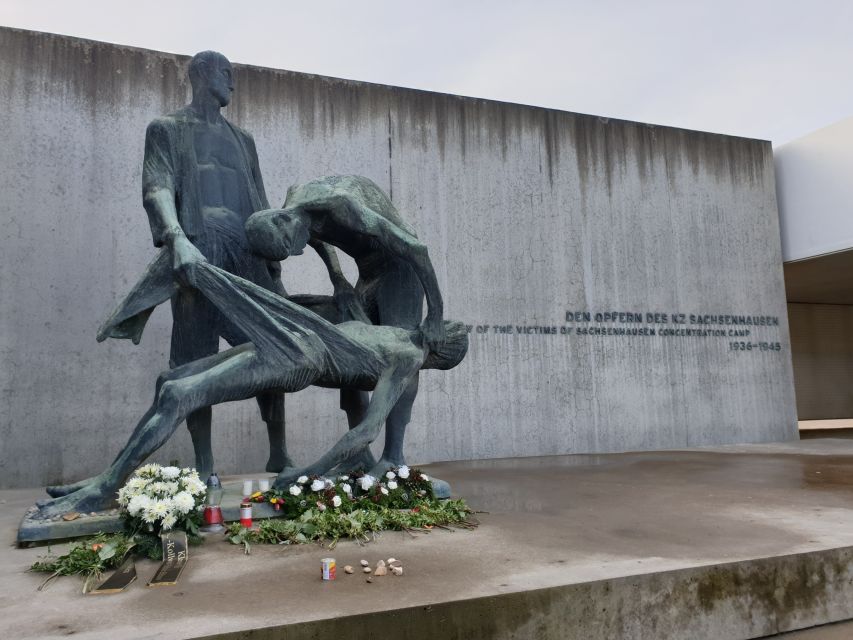
Built in 1936, Sachsenhausen was among the early camps created by the Nazi regime. It first held political opponents, then became a prison for Sinti and Roma, Jews, prisoners of war, Jehovah’s Witnesses, and others targeted by the dictatorship. More than 40,000 people died there under hunger, disease, forced labor, violence, and systematic murder.
The site was also used to train SS guards and to test methods later used across the concentration camp system. That makes it especially important for understanding the machinery behind Nazi persecution. You are not simply seeing a prison compound. You are examining a planned system in which labor, punishment, propaganda, private industry, and racial terror worked together.
The tour also covers the camp’s later use under Soviet occupation. After the war, Sachsenhausen became a special camp where former Nazis, political opponents, and civilians were detained. Thousands died from hunger and disease. That second chapter matters because it prevents the visit from ending with 1945 as if the site’s history suddenly became simple.
More Concentration Camp Memorial Tours in Berlin
- Berlin: Sachsenhausen Concentration Camp Tour in English
★ 5.0 · 5,711 reviews - Berlin: Sachsenhausen Concentration Camp Memorial Tour
★ 4.7 · 3,716 reviews - Sachsenhausen Concentration Camp Bus Tour in English from Berlin
★ 5.0 · 1,962 reviews
Starting in Berlin and reaching Oranienburg
The precise meeting point depends on the option you book. The group then travels by S-Bahn to Oranienburg, a journey of about 40 minutes. You need an ABC public transport ticket, which is not included, and you should plan to buy a 24-hour ticket for Berlin’s ABC zones.
Arrive at least 15 minutes before the stated start time. The group will most likely catch a train leaving five minutes after the official start, and the guide cannot wait for late arrivals. This is one of those small details that can decide whether your day begins calmly or with a costly scramble.
The train ride gives the guide a chance to outline the setting and the day ahead. It also makes the site feel connected to Berlin rather than isolated from it. Sachsenhausen was close enough to the Nazi capital to serve its political and administrative needs, yet far enough outside the city to hide much of what happened there from ordinary urban life.
From Oranienburg, there is additional walking before you reach the memorial. The itinerary allows about 20 minutes on foot at one point, so comfortable shoes are essential. The total day lasts six hours, with a considerable portion spent outdoors.
Reading the camp through its design
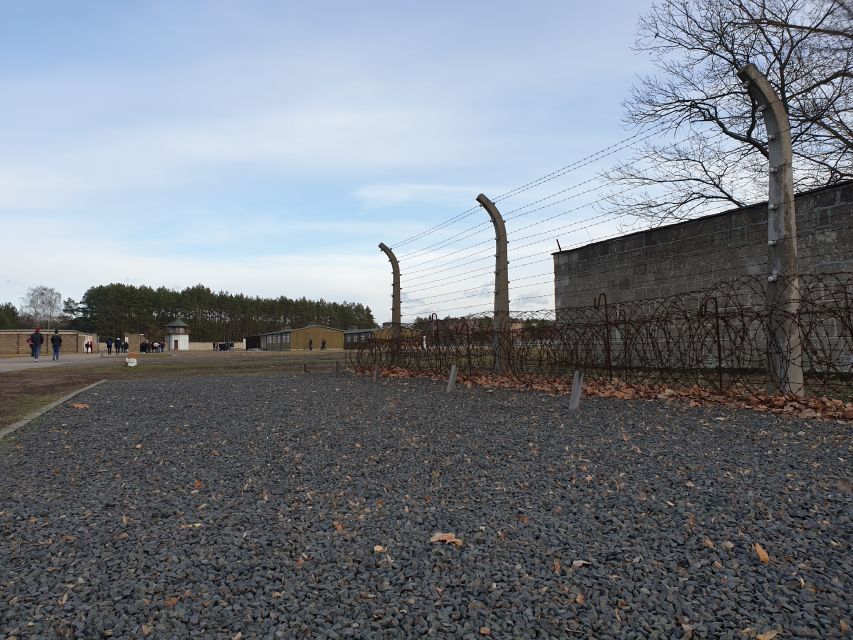
Your guided visit begins at Sachsenhausen Memorial and lasts about three and a half hours. The camp’s layout is one of the main teaching tools. The SS did not build the site at random. Its geometry directed prisoners toward surveillance, discipline, and total submission.
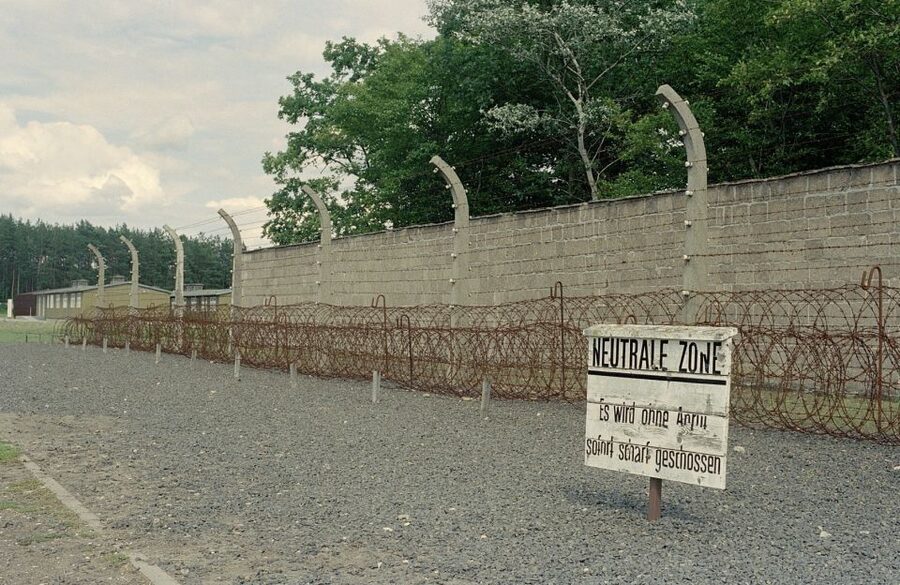
At Tower A and the roll-call square, you begin to see how the camp’s entrance and central spaces worked together. Prisoners were counted, watched, and made to stand for long periods. The open scale of the area makes the daily routine feel less like administration and more like a physical act of domination.
The guide explains how the SS used architecture and distance to control people. A guard’s view, the arrangement of barracks, the prison area, and the routes between work and punishment all formed part of the system. This is where a good guide adds real value. Without context, the remaining structures can seem scattered. With context, the site becomes a map of power.
The explanations draw on historical research and survivor testimony. The strongest guides, including Fabio, Soleil, Lorenzo, and Andrea, are noted for making dates and facts understandable without treating the subject like a lecture detached from human lives. The right tone matters here. The material is brutal, and a calm, respectful guide helps you face it without turning suffering into spectacle.
Forced labor, punishment, and daily life
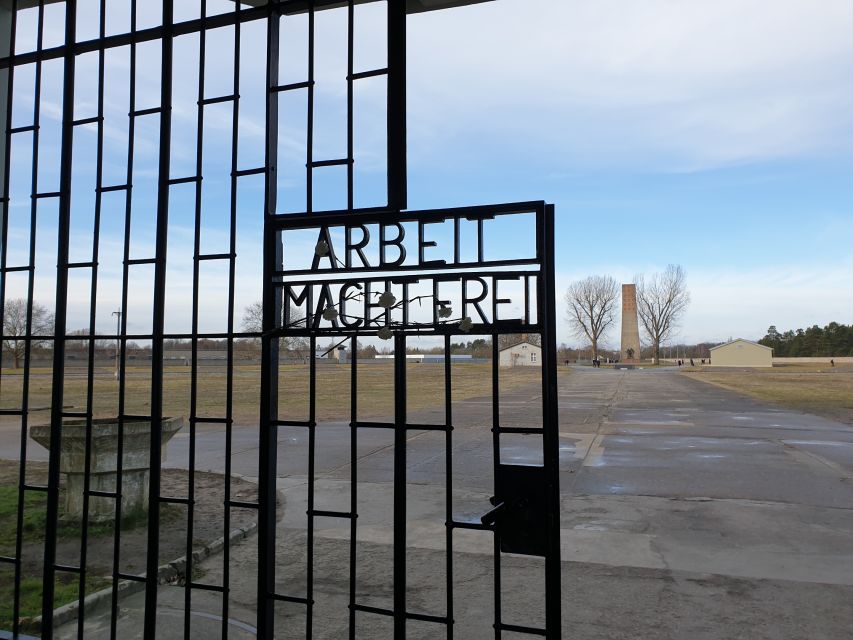
Sachsenhausen was a place of imprisonment, but it was also an engine for forced labor. You will learn how prisoners were worked under conditions designed to exhaust and break them, and how private industry benefited from this system.
The tour examines punishment as part of everyday life. You hear about the rules imposed on prisoners, the methods used to enforce them, and the ways the SS made suffering routine. You also learn about attempts at resistance, which are important because they show prisoners as people making choices under extreme pressure, not only as victims of the system.
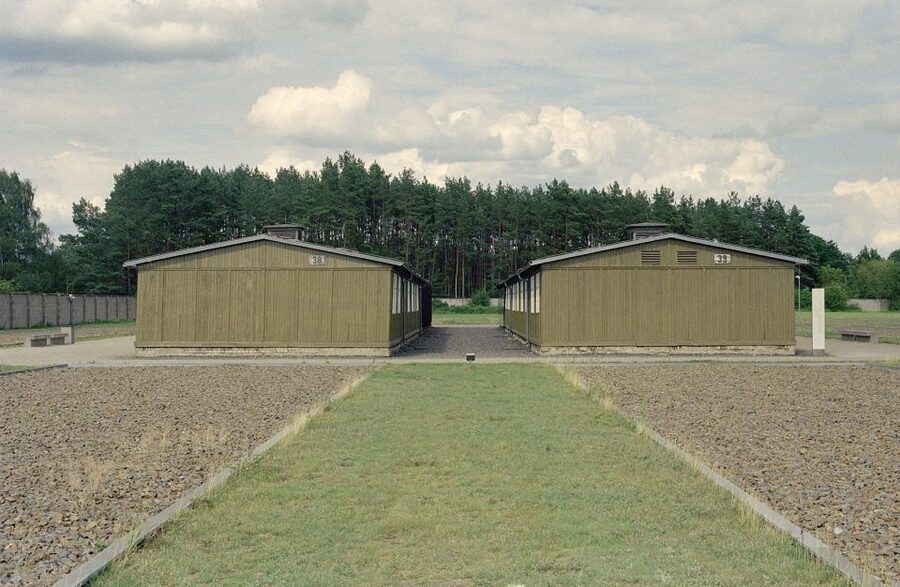
The former prison barracks and medical experimentation rooms add another layer. These spaces connect punishment, confinement, and the misuse of medicine. They are difficult to visit, but they help explain how the camp system reached into every part of a prisoner’s life.
The former kitchen now houses a museum. That is a useful stop because it connects the camp’s physical remains with documents and exhibits. You can take in more detail there, but remember that the tour’s pace is guided. If you want to read every display at length, you may need to stay after the group portion ends.
Other memorial sites within reach of Berlin:
- Berlin: Sachsenhausen Concentration Camp Tour in English
★ 4.8 · 1,889 reviews - Sachsenhausen Concentration Camp Memorial Tour (Max. 15 Guests)
★ 5.0 · 1,516 reviews - Berlin: Sachsenhausen Concentration Camp and Potsdam Tour
★ 4.6 · 1,334 reviews - Sachsenhausen concentration camp.
★ 5.0 · 1,189 reviews
Station Z and the limits of a memorial visit
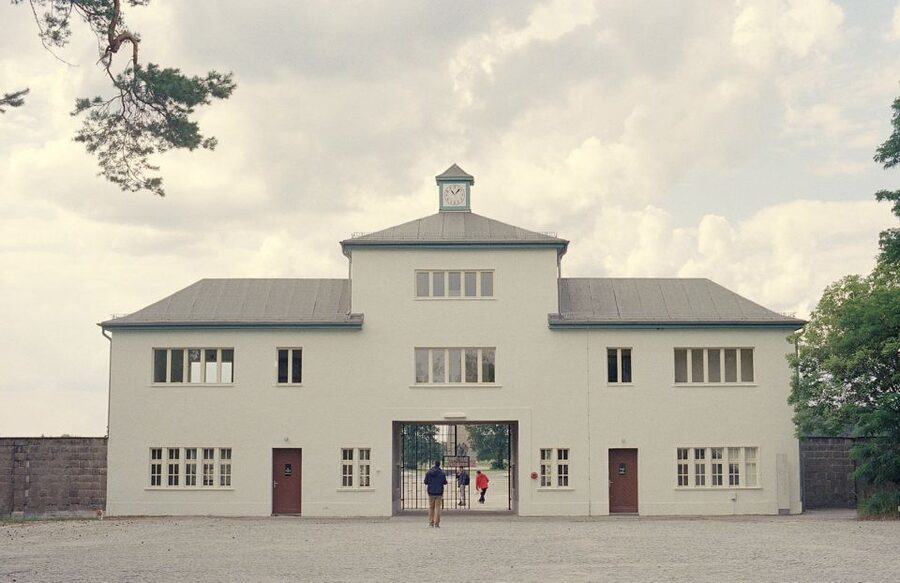
Station Z is among the most difficult parts of the visit. It is the area where the crematoriums and gas chamber once stood. The tour explains its role in the camp’s murder system and places it within the wider Nazi program of persecution and extermination.
This is not a place for quick photographs or casual conversation. The memorial asks for respect, and the rules reflect that: smoking, alcohol, drugs, and nudity are not allowed. Eating is also not permitted on the memorial grounds.
The site cannot recreate everything that happened there, and some buildings no longer exist in their original form. That limitation is worth keeping in mind. A memorial gives you evidence, space, and interpretation, but it cannot reproduce the experience of prisoners. The guide’s work is to connect what remains with testimony and historical records without pretending that the site can tell the whole story by itself.
The final days of the war and the Soviet camp
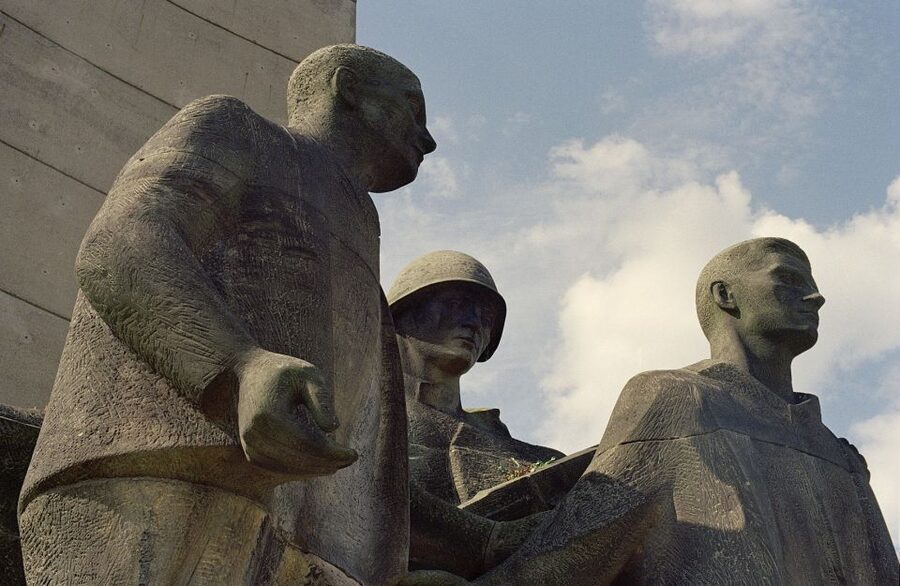
The tour does not stop with the camp’s liberation. You learn about the death marches at the end of the war, when prisoners were forced to leave as the Nazi regime tried to hide evidence and move people away from advancing Allied forces.
The postwar history is also covered. Under Soviet occupation, Sachsenhausen became a special camp used to detain former Nazis, political opponents, and civilians. Thousands died from hunger and disease. This history can be uncomfortable because it complicates the site, but it is necessary for an honest visit.
A good memorial tour should help you understand more than one period without blurring the differences between Nazi racial terror and Soviet detention. The guide’s job is to explain the sequence clearly, so you leave with a fuller picture of how the place changed and how its meaning continued to shift after the war.
What the guides add to the experience
The most highly praised part of this activity is the guiding. Fabio is described as bringing the camp’s story to life through passion and precise explanation. Soleil is praised for a sensitive, engaging approach to a difficult subject. Lorenzo is noted for his command of dates, details, and the wider historical setting, while Andrea is singled out for clear and compelling storytelling.
The language options listed for the activity include French, Italian, and English, with Italian- or Spanish-speaking guides also noted in the tour details. Confirm your preferred language when booking, since the information gives several language combinations.
Group size needs a little care. The guided visit is described as a small-group experience, with groups of up to 25 people, while a private group option is available for up to six at the stated price. If you want a quieter pace or have your own family or friends with you, the private format may be worth considering.
The guide cannot turn Sachsenhausen into an easy visit, nor should they. The best result is a tour that gives you enough structure to understand what you are seeing while allowing the site’s seriousness to remain intact.
Is $511 good value for this six-hour tour?
At $511 per group of up to six, the price works out to about $85 per person if you fill every place. For a private group, that can be reasonable for six hours of guiding, the journey from Berlin, and a three-and-a-half-hour visit led by a trained guide.
For two or three people, the same price becomes much harder to justify. You still need to pay for the ABC public transport ticket and the mandatory €3 memorial donation in cash for each participant. The donation goes to the memorial, but it is another cost to remember.
The value depends mainly on how much help you want with the history. You can reach Sachsenhausen independently, but then you must plan the transport, understand the memorial layout, and build your own historical framework. This tour saves that work and gives you a specialist explanation at each major location.
I would choose it for a private group that wants a serious, well-organized day and prefers to discuss the history in Italian, French, or English. If you are traveling alone or as a couple on a tight budget, compare the private price carefully before booking.
Practical ways to prepare for the walk
Wear shoes you can use comfortably for several hours. The memorial is large, much of the visit is outdoors, and the activity takes place in all weather.
Bring food and drinks for the journey. You should pack a lunch for the train ride because there is no lunch stop during the activity, and eating is not permitted at the memorial itself. Water is especially sensible on a warm day.
The tour returns to Berlin together after the guided visit, with drop-off points listed at Potsdamer Platz 10 and Friedrichstraße 141. You may also stay longer at the memorial and explore independently, but confirm the return arrangements with your guide if you choose not to leave with the group.
The activity offers free cancellation up to 24 hours before departure and a reserve-now, pay-later option. Those terms help if your Berlin plans are still changing, but the early start rules remain firm. Arrive early, carry the right ticket, and treat the day as a full commitment rather than a quick side trip.
Who should book this experience?
You should book this tour if you want a guided, serious introduction to Nazi concentration camp history and value clear explanation over independent wandering. It suits history-minded adults, families with older children who are prepared for the subject, and anyone who wants to understand how Sachsenhausen connected to the wider system.
It is also a good fit if you want transport from Berlin handled as part of the day and prefer to ask questions in a small or private group. The careful guides are the strongest reason to choose it.
You may want to skip it if you have limited mobility, dislike long periods outdoors, or need a relaxed sightseeing day. The subject is painful, the walking is substantial, and the lack of a meal break makes the schedule demanding.
If you can give Sachsenhausen your full attention, this is one of the most meaningful historical visits you can make from Berlin. Book it for the quality of the explanation, prepare for the physical demands, and arrive ready to listen.
FAQ
How long does the Sachsenhausen tour take?
The full activity lasts about six hours, including travel between Berlin, Oranienburg, and the memorial. The guided visit inside Sachsenhausen lasts about three and a half hours.
How do I reach Sachsenhausen from Berlin?
The group travels by S-Bahn from Berlin to Oranienburg, the nearest station to the memorial. The train journey takes about 40 minutes, followed by walking.
Is public transportation included?
No. You must buy your own ABC public transport ticket. A 24-hour ticket for the Berlin ABC zones is recommended.
Is the memorial donation included?
No. Every participant must pay a mandatory €3 donation in cash at the meeting point. The donation goes to the Sachsenhausen Memorial.
What languages are available?
The activity lists French, Italian, and English live guides. Italian- or Spanish-speaking guides are also noted in the tour details, so confirm the language option when booking.
How much walking is involved?
The activity involves a lot of walking, including time outdoors at the memorial and a walk of about 20 minutes during the route. Comfortable shoes are essential.
Can I eat at Sachsenhausen Memorial?
No. Eating is not permitted on the memorial grounds, and there is no lunch stop during the activity. Bring food for the train journey and eat before or after the memorial visit.
Can I stay at the memorial after the guided tour?
Yes. You are welcome to remain longer and explore the memorial independently after the guided portion. The group otherwise returns to Berlin together.
Is a private group available?
Yes. A private group option is available, and the stated price is $511 for a group of up to six people. Public transport tickets and the €3 donation are extra.
More walking tours in Berlin
- Discover Berlin Half-Day Walking Tour
★ 5.0 · 9,624 reviews - Berlin: Third Reich and Cold War 2 Hour Walking Tour
★ 4.9 · 6,830 reviews - Berlin: Discover Berlin Walking Tour
★ 4.9 · 5,998 reviews - Berlin’s Best: 2 Hour Walking Tour Third Reich and the Cold War
★ 5.0 · 5,486 reviews
Just added in Berlin
- Private One way Airport Transfer Berlin Airport To Berlin★ 3.5 · 17 reviews
- Private Walking Tour: Berlin Wall, Cold War and Checkpoint Charlie★ 5.0 · 37 reviews
- Modern Berlin Private Walking Tour: Diverse, Vibrant and Exciting German Capital★ 5.0 · 13 reviews
- City Explorer: Potsdam Private Day Trip★ 4.5 · 10 reviews
- Private Day Trip to Potsdam from Berlin by Train★ 4.5 · 27 reviews
- Berlin Private Custom 5-Hour Tour by Car★ 5.0 · 30 reviews
- Private Half-Day Sightseeing Tour in Berlin★ 3.5 · 6 reviews
- Berlin Private Custom Tour in a Minivan, East and West★ 5.0 · 123 reviews
Concentration Camp Memorial Tours, compared.
Sachsenhausen Concentration Camp Tour in English
Read our review →
Dachau Concentration Camp Memorial Site Tour from Munich by Train
Read our review →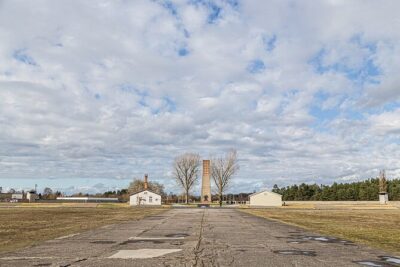
Sachsenhausen Concentration Camp Memorial Tour
Read our review →
Sachsenhausen Concentration Camp Bus Tour in English from Berlin
Read our review →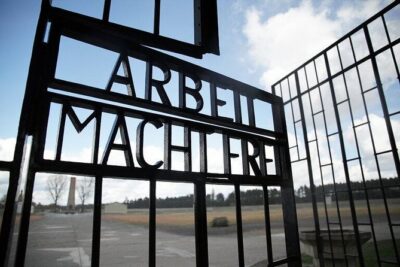
Sachsenhausen Concentration Camp Memorial Tour (Max. 15 Guests)
Read our review →
Sachsenhausen Concentration Camp and Potsdam Tour
Read our review →Browse the lists this tour appears in