
Reviewed · THIRD REICH & WWII TOURS
Munich: Resistance against Hitler – Historical Walking Tour
Munich gave Hitler his first real stage, and this walking tour looks at the people who refused to accept what he built. With local guide Alex, you move through original sites tied to the White Rose, a lone would-be assassin, a military coup, and younger Munich residents who chose action over silence. I like the focus on resistance rather than another broad Nazi-era overview. I also like that the stories include lesser-known figures, not only the famous White Rose group.
The main thing to consider is the German-language format. The subject is serious, and the tour relies on spoken explanation at outdoor sites, so you will get the most from it if you understand German and are ready to walk in any weather.
Key points at a glance
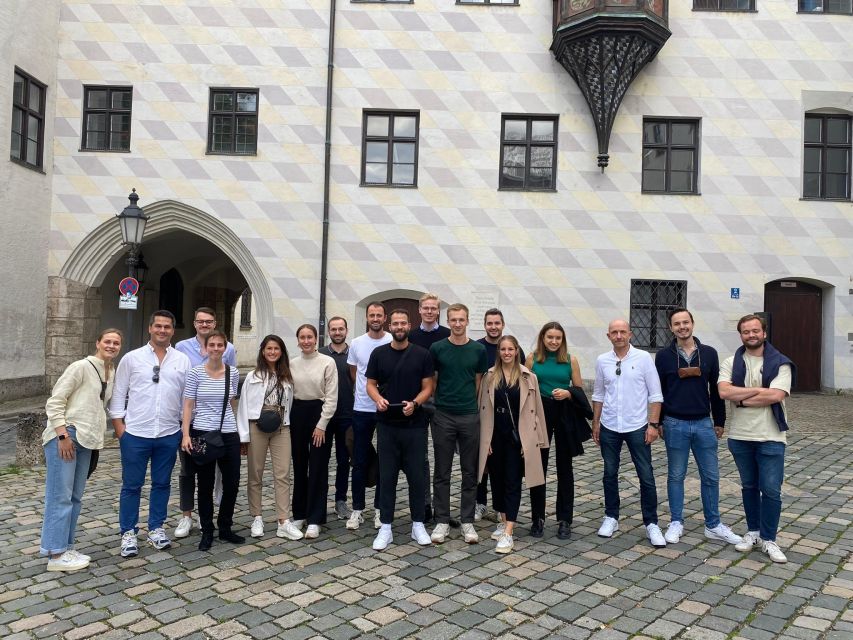
- Start at LMU: Meet at the large fountain outside the main entrance at Geschwister-Scholl-Platz 1, a meaningful place to begin the story of the White Rose.
- Hear more than the familiar names: The route covers well-known and nearly forgotten resistance movements, including youth resistance and a secret military plot.
- See original historical locations: The university’s main building, the former Central Ministry, and Odeonsplatz anchor the two-hour walk.
- Follow one man’s assassination plan: Learn how a solitary opponent of Hitler built a bomb in an attempt to kill him.
- Expect a passionate local guide: Alex uses historical images alongside the places you visit and welcomes questions.
- Plan for practical walking: The tour is wheelchair accessible, runs rain or shine, and calls for comfortable shoes.
Why Munich is the right place for this subject

Munich was not a random backdrop for Hitler’s rise. It was the city where he made early speeches, where the Nazi Party was founded, and where propaganda remained powerful through the final years of the regime. That gives this walk a clear purpose: you are not studying resistance in an abstract classroom. You are looking at the city where Nazi power first took hold and where some people tried to oppose it.
I appreciate that the tour does not flatten the period into a simple story of good people against bad people. Its central question is harder: what did resistance look like when the state controlled public life, punishment was severe, and many citizens chose to look away?
The route brings out several forms of opposition. Some people acted in groups. Some worked through military channels. One man planned an assassination largely on his own. Young people in Munich also took risks at a time when older members of society often stayed quiet. Those differences make the subject more human and more useful.
You should expect a serious tour, but not a dry lecture. Alex’s role matters here. His manner is described as relaxed and approachable, while his preparation allows him to answer detailed questions. He also uses unusual historical images connected with the places on the route, which helps you picture streets and buildings as they looked during the period.
More Third Reich and WWII Tours in Munich
- Munich: Third Reich & WWII Walking Tour
★ 4.6 · 6,181 reviews - Third Reich Walking Tour Munich
★ 4.5 · 4,291 reviews - Munich: Birthplace of the Third Reich Guided Walking Tour
★ 4.6 · 771 reviews
Beginning at LMU and the White Rose
The meeting point is the large fountain in front of the main entrance to the University of Munich, also called LMU, at Geschwister-Scholl-Platz 1. This is a practical meeting place near a major Munich landmark, but it is also the right emotional opening for the tour.
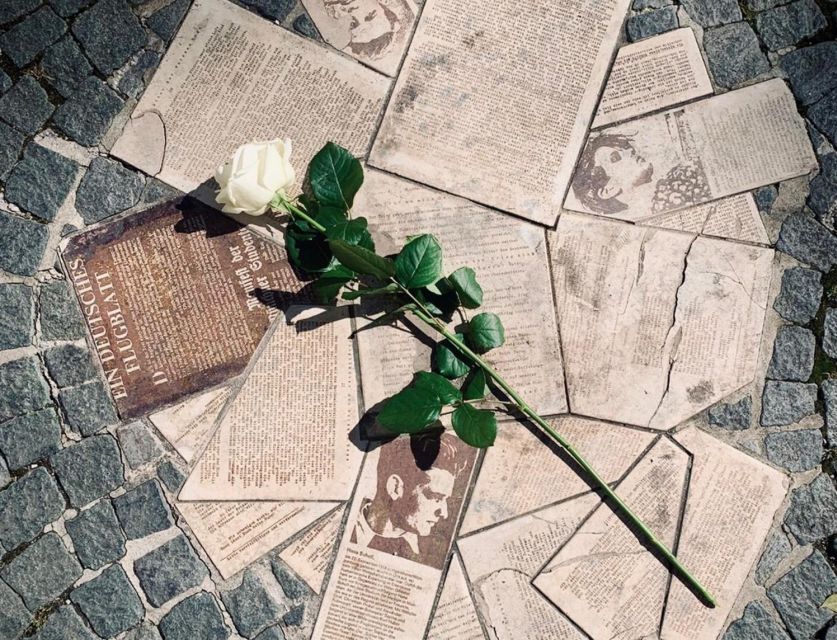
The university is closely connected with the White Rose, Germany’s best-known resistance group. You learn about the group at the place where its members studied and acted, rather than only hearing their names in a museum display. The setting gives the story a sharper edge.
The White Rose was made up largely of young people, and that youth is important. They were not distant military leaders or professional politicians. They were students who saw the Nazi system clearly enough to oppose it and who accepted grave personal danger by doing so.
The tour gives you more than the standard outline. Alex explains the White Rose alongside other movements, so you can compare different kinds of resistance. That wider frame is one of the strongest reasons to choose this experience. If you already know the basic White Rose story, you are still likely to gain a fuller sense of the Munich setting and the other people who resisted.
Expect to spend time outside the university’s main building and at nearby historical points. You will want shoes that are comfortable for a two-hour city walk. The tour is wheelchair accessible, although the information provided does not describe the exact route surface or any possible street conditions, so you may want to confirm those details if they matter to your mobility needs.
Original sites instead of a classroom lecture
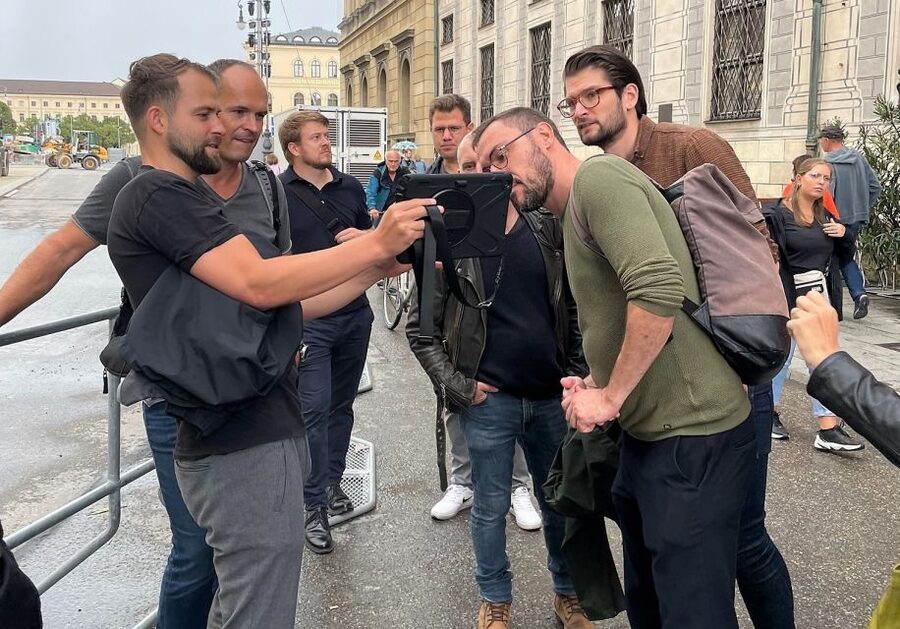
The value of a historical walk comes from the connection between words and place. Here, the university and other original locations help turn a complex subject into something you can follow on foot.
The route continues to the former Central Ministry. This stop adds the machinery of government to the story. At LMU, you are close to student resistance and the White Rose. At the former ministry, the focus shifts toward the institutions and officials that helped sustain Nazi power. That contrast is useful because resistance makes more sense when you understand what it was up against.
Alex also leads you to sites connected with a secret military plot. The tour presents this as a dramatic attempt to remove the Nazi leadership, giving you a look at resistance from within military circles. It is a different kind of opposition from the student leaflets associated with the White Rose, and the change in scale keeps the walk from becoming repetitive.
The route is not described as a museum tour with indoor exhibits at every stop. Much of the experience takes place on city streets and around historic buildings. That means the guide’s explanation does most of the work. Alex’s images are especially useful here, since they can connect the present-day setting with the events being discussed.
I would choose this tour for someone who wants context while seeing central Munich, not for someone looking for a fast list of famous monuments. The sites are important because of the stories attached to them. Without listening closely, a building or square can look like just another stop in the city.
The lone bomb-maker and the danger of acting alone
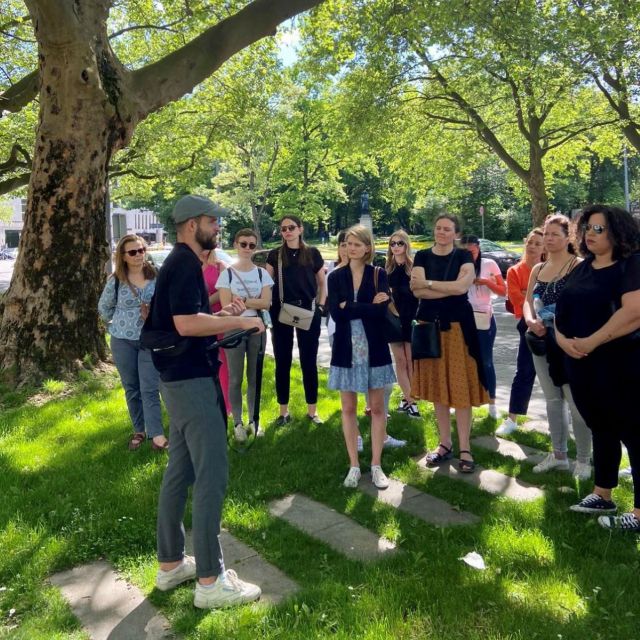
One of the most striking parts of the walk is the story of a solitary man who built a bomb to kill Hitler. The information provided does not name him, and that is useful in a way: the tour seems designed to make you look beyond the most familiar resistance figures.
This episode shows that opposition did not always come from a large organization. A single person could plan an assassination, build the device, and take enormous risks without the protection of a broad movement. It also raises difficult questions about timing, chance, and the limits of individual action.
You will hear this story at a place connected with the wider Nazi-era history of Munich, giving the plan a physical setting rather than leaving it as a distant anecdote. The dramatic nature of the story adds tension to the walk, but the point is not simple suspense. It is the cost of trying to stop a dictatorship when ordinary legal and political routes have been closed.
This is one reason I would not treat the tour as only a White Rose walk. The White Rose is the best-known Munich example, but the program deliberately adds less familiar efforts. If you know only the student group, the lone bomb-maker and military plot will broaden your understanding of what resistance could mean.
Other trips into the same period in Munich:
- Munich World War II Sites Including Dachau Concentration Camp
★ 4.5 · 570 reviews - Munich City Walking Tour, includes Third Reich & Viktualienmarkt
★ 5.0 · 458 reviews - Third Reich & WWII Walking Tour
★ 4.5 · 417 reviews - Munich 3-Hour Segway Tour: Nazi Munich & Royal Architecture
★ 4.9 · 194 reviews
Munich’s young people and the moral weight of the tour
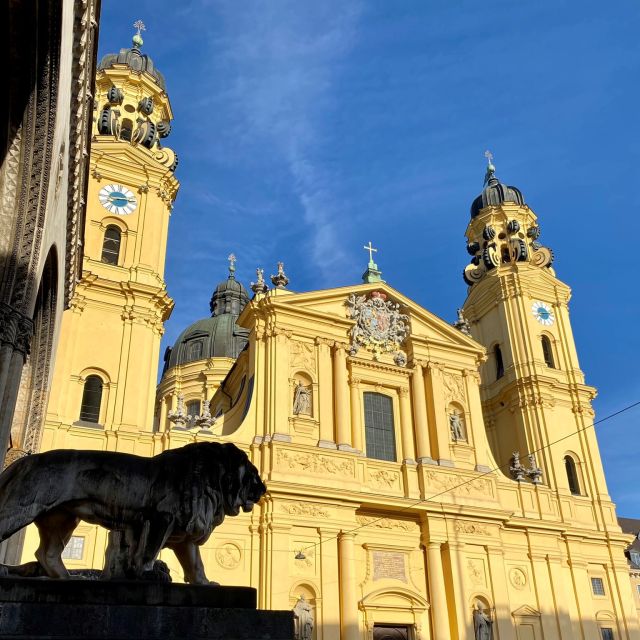
The tour also looks at Munich’s youth and at the fact that some younger people were ready to resist while many older people deliberately looked away. That contrast gives the walk its moral force.
It would be easy to turn the past into a comfortable story in which the brave were obvious and everyone else had no choice. This tour instead points toward personal responsibility. Some people risked or gave their lives for another Germany. Others remained silent. The difference matters, and it makes the subject relevant beyond dates and names.
Alex’s approach helps keep the atmosphere thoughtful without becoming stiff. His style is described as sympathetic and relaxed, which is valuable when discussing executions, fear, and sacrifice. A guide who can answer questions without losing sight of the human story makes a serious walk easier to follow.
The historical images also add something practical. When you stand beside a present-day building, it can be hard to imagine how the place looked or felt during the Nazi period. Images give you another point of reference and can make the explanation more concrete.
Still, you should choose your timing and company with care. This is not a light sightseeing walk. It deals with persecution, political violence, and people who risked everything. That is not a flaw, but it is worth knowing before you book.
Ending at Odeonsplatz
The final stop is Odeonsplatz, one of Munich’s most attractive and important squares. Ending here gives the tour a strong sense of place. The square is beautiful, but the stories connected with it are tied to the city’s political past, so the closing scene holds both visual appeal and historical weight.
A finish at Odeonsplatz also makes practical sense. You are left in a central part of Munich, where you can continue exploring on your own. Alex provides personal suggestions for seeing the city like a local, so you can ask for ideas once the formal walk is over.
I like this kind of ending because it does not seal the subject inside a tour bubble. You finish with a better understanding of Munich’s streets and can continue noticing how the city presents its past. The aim is not to make every building look ominous. It is to help you read the city with more care.
Do not expect the tour to end with a large museum visit or a long indoor presentation. The supplied details point to a walking route whose final stop is Odeonsplatz. If you want extensive documents, artifacts, or exhibition rooms, you may need a separate museum visit.
Alex as your guide
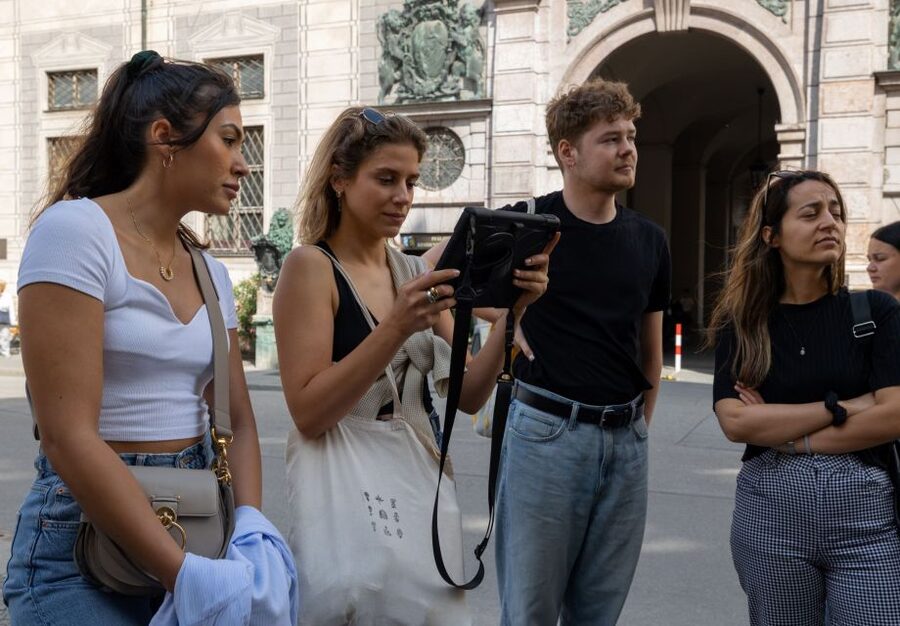
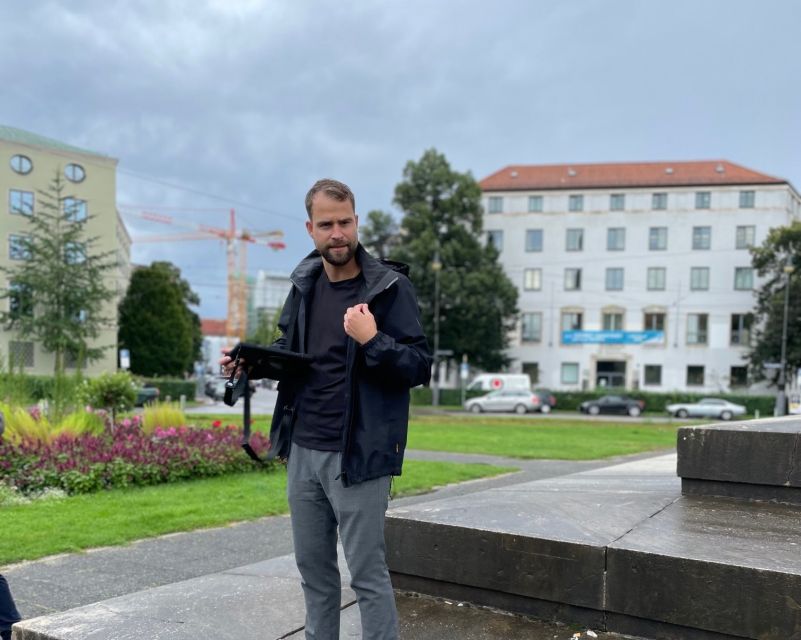
Alex is a Munich local with a strong interest in history. His appeal is not only his subject knowledge. His presentation is described as easygoing, organized, and passionate, with the ability to handle questions well.
That combination matters. A history guide can know a great deal and still make a walking tour feel like a list of dates. Alex’s use of images and his focus on lesser-known stories suggest a more personal presentation, one that links the sites and keeps the two hours moving.
The experience is offered in German. This is the most important booking point. If you understand German well, you can expect a detailed live explanation and the chance to ask questions directly. If you do not, this is not the right choice simply because the subject interests you. The activity data lists German as the tour language, with no other language offered.
The group size is not specified, so you should not assume an intimate private walk. The tour is fully guided by Alex, but no maximum number is provided. If group size affects your decision, check before booking.
Is $28 a fair price?
At $28 per person, the tour is priced reasonably for a fully guided two-hour historical walk in central Munich. You are paying for Alex’s research, storytelling, image material, and the chance to connect several original locations in one route.
The value is strongest if you want interpretation. You can walk past LMU, the former Central Ministry, and Odeonsplatz without knowing how they fit into the history of resistance. The tour gives those places a shared theme and explains why they matter.
The price is less compelling if you only want to see buildings from the outside or already have a detailed understanding of every movement covered. You are not paying for hotel pickup, museum admission, food, or transport. This is a focused guide-led walk.
For me, the inclusion of lesser-known resistance stories makes the cost easier to justify. You get the famous White Rose, but also the lone assassination plan, the secret military plot, and the role of Munich’s youth. That range keeps the experience from being a single-story retelling.
Who should book this walking tour?
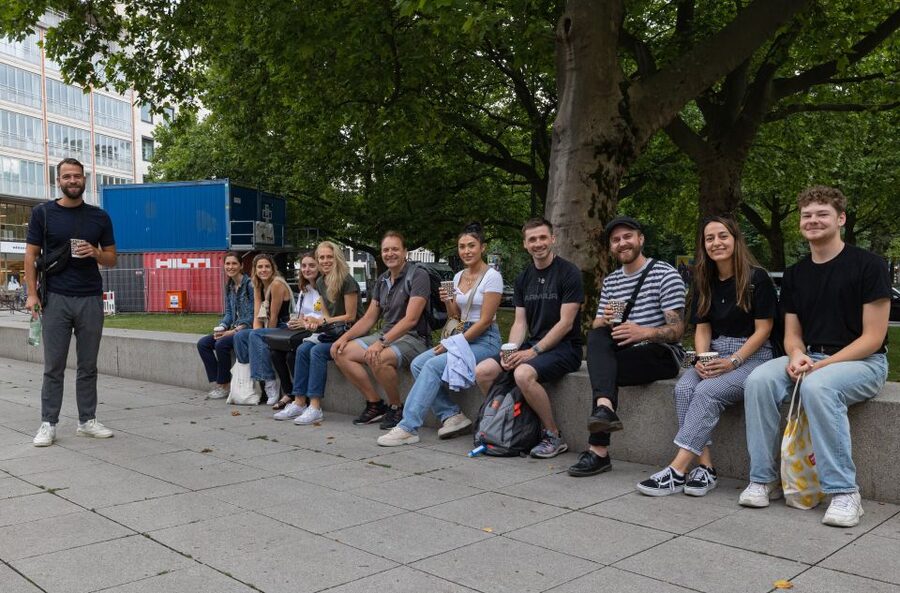
I would recommend it to you if:
- You want to understand Munich’s role in Hitler’s rise and the resistance that followed.
- You already know the White Rose story and want lesser-known examples.
- You enjoy serious history explained at the places where it happened.
- You can follow a German-language guide.
- You are comfortable walking outdoors for about two hours.
- You want a local guide who can offer Munich suggestions after the tour.
I would hesitate if you want a cheerful general city tour, an English-language experience, or a museum-based program with many original objects. The tone is serious, and the route depends on outdoor storytelling.
The tour is suitable in rain or shine, so bring a coat or sun protection according to the forecast. Comfortable shoes are specifically recommended. Hotel pickup is not included, and you need to reach the fountain at LMU yourself.
The activity is wheelchair accessible. Since the full route details are not provided, anyone needing precise information about surfaces, slopes, or street crossings should confirm those points before booking.
Should you book it?
Book this tour if you want Munich’s Nazi-era story told through the courage of people who resisted, not only through the rise of Hitler. The combination of LMU, the White Rose, the lone bomb-maker, the military plot, youth resistance, and Odeonsplatz gives you a broad two-hour look at a difficult subject.
Alex appears to be the main strength. His local connection, historical passion, use of images, and willingness to answer questions suit a tour that depends on careful explanation. The key condition is German fluency. If that works for you, $28 is a sensible price for a focused walk that may change how you see central Munich.
FAQ
Where does the tour meet?
The meeting point is at the large fountain in front of the main entrance to the University of Munich, LMU. The address is Geschwister-Scholl-Platz 1.
How long does the walking tour last?
The tour lasts about two hours.
What language is the tour in?
The live tour guide speaks German. German is the listed tour language.
Who leads the experience?
The tour is led by Alex, a Munich local with a passion for history.
What historical subjects does the tour cover?
The walk covers the White Rose, a secret military plot, a lone man who built a bomb to kill Hitler, Munich youth prepared to resist, and other resistance movements against the Nazis.
Which places do you visit?
The route includes the main building of the University of Munich, the former Central Ministry, other original historical sites, and ends at Odeonsplatz.
Is the tour wheelchair accessible?
Yes, the activity is listed as wheelchair accessible.
What should you bring?
Bring comfortable shoes. The tour takes place outdoors and runs rain or shine.
More walking tours in Munich
- Munich: Old Town & Viktualienmarkt City Walk in German
★ 4.7 · 2,304 reviews - Munich: Night Watchman Walking Tour
★ 4.7 · 2,092 reviews - Munich Ghosts and Spirits Evening Walking Tour
★ 5.0 · 1,900 reviews - Munich Old Town Walking Tour
★ 4.5 · 1,287 reviews
More history to see in Munich
- Munich: Guided Tour of the historic Town Hall on Marienplatz
★ 4.8 · 63 reviews - Munich and Nazi History Combination Day Tour Small Group
★ 5.0 · 31 reviews - Munich: Nazi History 2-Hour Small Group Walking Tour
★ 5.0 · 30 reviews - Munich: Historical Walking Tour on the Rise of Hitler
★ 5.0 · 13 reviews
Just added in Munich
- Pub crawl incl. Oktoberfest museum guided tour with beer tasting (private)★ 5.0 · 5 reviews
- South Tyrolean specialties and wine tasting★ 5.0 · 5 reviews
- Short & sweet: Tasting the Viktualienmarkt★ 4.8 · 37 reviews
- Size Matters Beer Tour Munich★ 4.6 · 105 reviews
- Secret Food Tours Munich★ 4.8 · 5 reviews
- Munich: Romantic Wine Experience for Two at Viktualienmarkt★ 4.2 · 14 reviews
- Residence of Munich private tour with skip the line ticket★ 5.0 · 4 reviews
- Quatsch Comedy Club München: Die Live Show★ 4.6 · 56 reviews
Third Reich & WWII Tours, compared.

Third Reich Berlin: Hitler and WWII Walking Tour
Read our review →
Walking Tour of Former Nazi Party Rally Grounds
Read our review →
Berlin Third Reich Sites: Half-Day Walking Tour
Read our review →
Birthplace of the Third Reich Guided Walking Tour
Read our review →Browse the lists this tour appears in