Reviewed · TOURS IN DUISBURG
Torchlight tour of the old ironworks
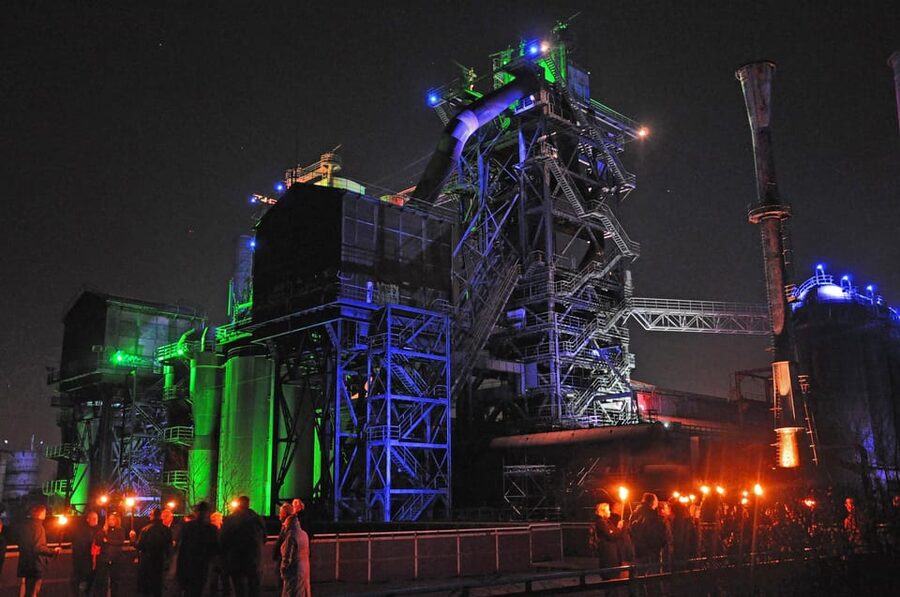
The best part of this 105-minute evening tour is the setting: a huge old ironworks viewed by torchlight, with dark halls, steelwork, and industrial machinery replacing the usual museum displays. The stories focus on the hard, dangerous work done here, from filling the blast furnace in icy wind to opening the tap hole amid gas, dust, and deafening noise.
I like the atmospheric torch walk and the chance to see the casting hall and bunker pockets in a very different mood. I also like that the guides bring industrial history to life with anecdotes. Jürgen, in particular, has earned praise for clear explanations and lively stories.
The main catch is physical and practical: this is not a barrier-free tour, and the first section can involve more than 200 stairs to a tower. If you want a gentle stroll or a purely historical talk, this may not be the right choice.
Key points to know before booking
- Torch in hand: A torch is loaned to you for the duration, adding atmosphere without requiring you to bring equipment.
- A serious industrial story: The tour deals with heat, poisonous gas, sticky dust, noise, and hard labor, not just dramatic lighting.
- Possible tower climb: The route can include more than 200 stairs and a high viewpoint.
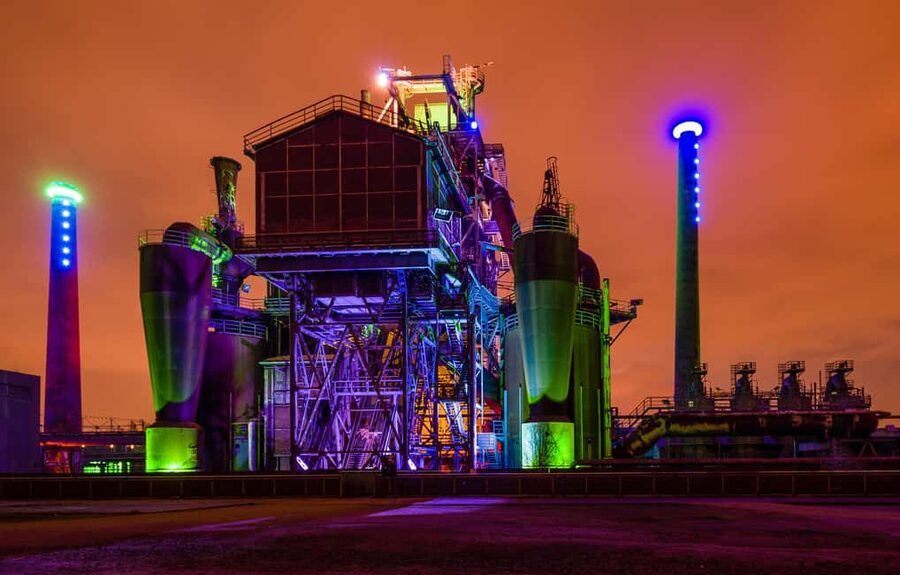
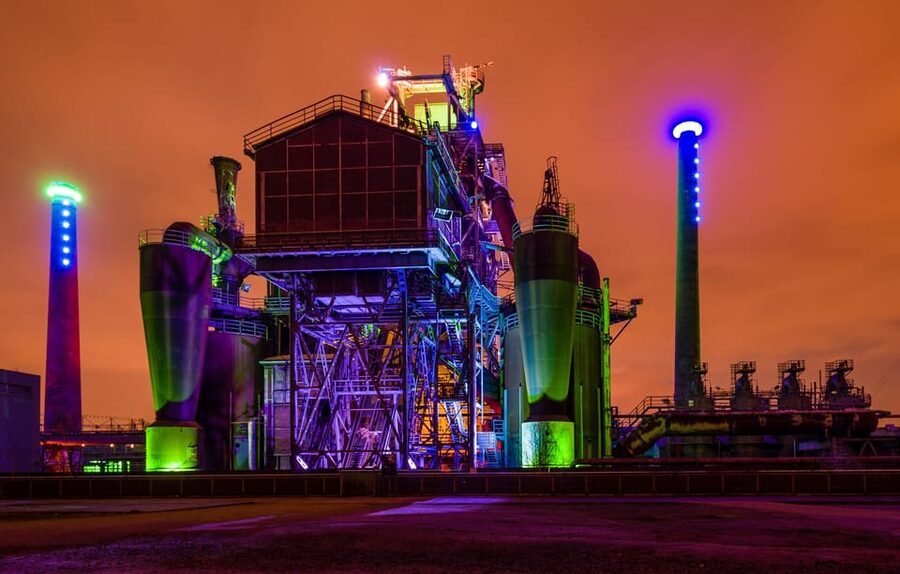
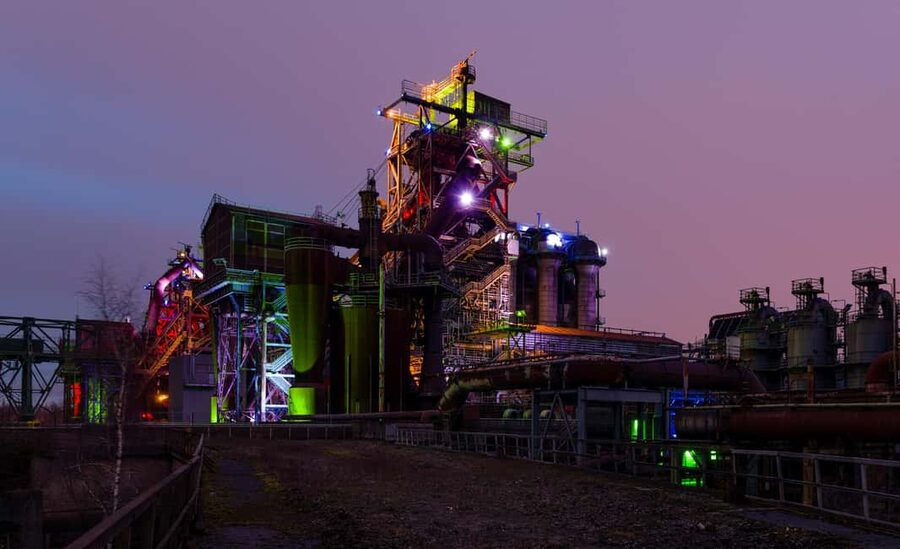
- Weekend light displays: Special lighting can make the old ironworks especially striking on weekend evenings.
- German-speaking guide: The tour is conducted in German, with Jürgen among the guides praised for detailed explanations and anecdotes.
- Adults are the target audience: Children under 12 are not suitable for this tour, and older children need one accompanying adult per child to receive a torch.
Why the old ironworks works so well after dark
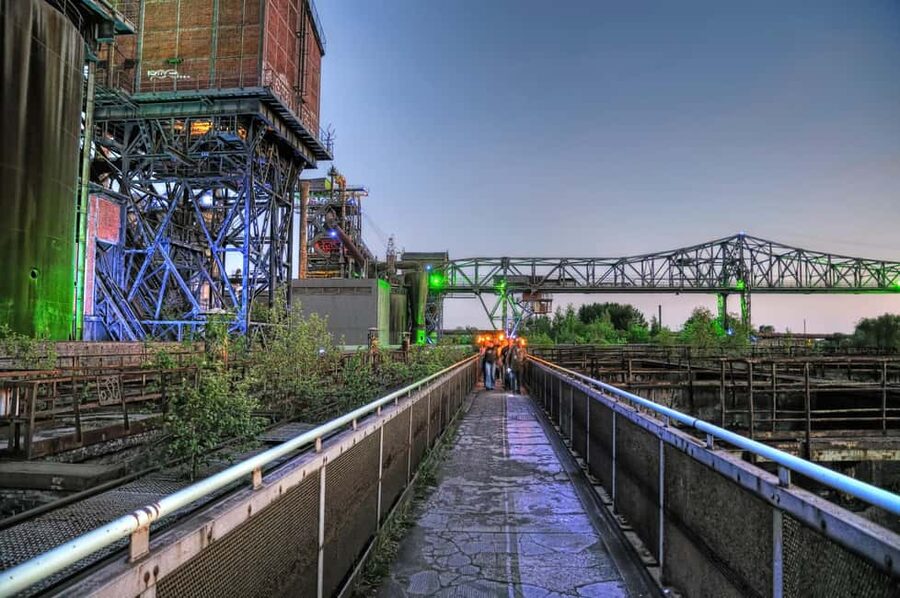
In daylight, an industrial monument can feel like a large collection of steel, concrete, and old machinery. After dark, the shapes become less familiar. A furnace tower becomes a dark wall above you. A tunnel or bunker pocket feels more enclosed. A simple torch beam makes you notice one small section at a time.
That change in mood is the point. You are not simply walking through an old factory and checking off a few structures. You are asked to picture the people who worked here, often in punishing conditions. Men high above filled the blast furnace in bitter wind. Workers below, protected by little more than hats and gloves, opened the tap hole while facing intense heat, poisonous gases, loud machinery, and dust that damaged their lungs.
I appreciate that the tour connects the atmosphere to the work. The torches are not just a theatrical prop. They help create a small sense of uncertainty and darkness, while the guide supplies the human detail that a night visit alone cannot provide.
The setting is Duisburg’s old ironworks, part of the well-known industrial site often identified as Landschaftspark Duisburg. The tour’s focus is the industrial past, not a general evening walk through every attraction in the park. That distinction matters if you are choosing between a history tour and a casual night outing.
Other trips people book in Germany:
- Berlin: Reichstag, Dome and Government District Guided Tour
★ 4.7 · 18,288 reviews - Berlin: 1-Hour City Tour by Boat with Guaranteed Seating
★ 4.3 · 16,993 reviews - Hamburg: Sex and Crime in St. Pauli Tour for Ages 18+
★ 4.7 · 15,447 reviews
Starting at the Visitor Center
The meeting point is the Visitor Center. This gives you a clear place to gather before the group moves into the ironworks. Your guide provides the torch for the tour, so you do not need to arrange one yourself.
The experience lasts 105 minutes. That is long enough to give the site some context and visit more than one area, but short enough to fit into an evening plan. You should arrive ready for outdoor conditions and uneven movement. Winter departures can be very cold, and one February participant found the tour impressive despite icy temperatures.
Dress for the weather rather than for a standard indoor museum visit. The experience takes place around an old industrial complex, and the cold can be sharp once you stop to listen. Warm layers and sturdy shoes are sensible choices, especially if the tower section is part of your departure.
The tour is conducted in German. If you understand German, the spoken explanations are central to the experience. If you do not, the lighting, structures, and atmosphere will still be visible, but you will miss much of the historical content.
The tower climb and the high viewpoint
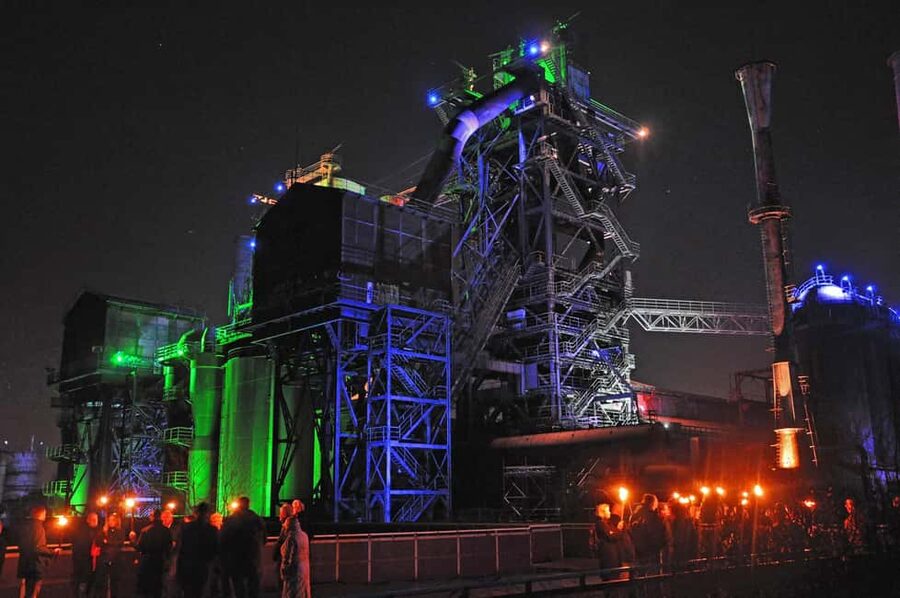
The first part of the route can include a climb of more than 200 stairs to a tower. This is the biggest physical demand of the evening, and you should take it seriously. It is not a minor staircase inside a museum.
The reward is a high view over the old ironworks and the surrounding area. One enthusiastic account singled out the views from the top as a highlight. The climb also gives you a sense of the scale of the complex. From ground level, the buildings can feel like separate structures. From above, the height and spread of the ironworks become easier to understand.
Still, the tower section has limits. The viewpoint is the main attraction at the top, so you should not expect a long sequence of exhibits or rooms up there. If you remain below, you may not miss the core torch experience, which continues around the site.
The climb can also create a mismatch within a group. Some people may be eager to go up, while older participants or anyone uncomfortable with stairs may choose to remain below. The tour is not barrier-free, and wheelchair users and people with mobility impairments are specifically advised not to book it.
A guide’s manner matters here. One poor experience involved a guide making an unkind remark toward people who stayed below because of the climb. That is not a reason to dismiss the entire tour, but it is a useful reminder to ask yourself whether the physical demands suit you before booking. You should never feel pressured to attempt stairs that are unsafe for you.
Following the torch route through the ironworks
After the tower section, the tour continues with torches around the industrial grounds. The route includes the casting hall and bunker pockets, both important parts of the old ironmaking process.
The casting hall is where the industrial story gains weight. This was not a quiet production space. It was tied to the hot, dangerous stage of handling molten iron. Under torchlight, the scale of the hall and its hard surfaces can help you picture the working environment more clearly than a short label on a display panel.
The bunker pockets offer another kind of view. These structures show how raw materials were held and handled before moving through the works. Their shape and position make more sense when your guide explains how the plant operated as a working system.
The tour is not designed as a series of original interior reveals. Much of the route takes you around the complex, and some areas can be viewed independently outside the guided walk. That is a fair criticism if you expect locked doors to open or restricted spaces to be explored.
I would book this for the guide’s explanation and the evening mood, not because it promises access to every part of the ironworks. The value comes from seeing familiar structures under different conditions and hearing how they fit into the industrial process.
Same base, a different kind of day out:
- Hamburg: 1.5-Hour Harbor and Speicherstadt Day Cruise
★ 4.6 · 14,200 reviews - From Munich: Neuschwanstein & Linderhof Castle Full-Day Trip
★ 4.5 · 12,494 reviews - Dresden: Semperoper Tickets and Guided Tour
★ 4.7 · 12,102 reviews - Berlin: Boat Tour Along the River Spree
★ 4.4 · 11,252 reviews
What the guide adds to the night
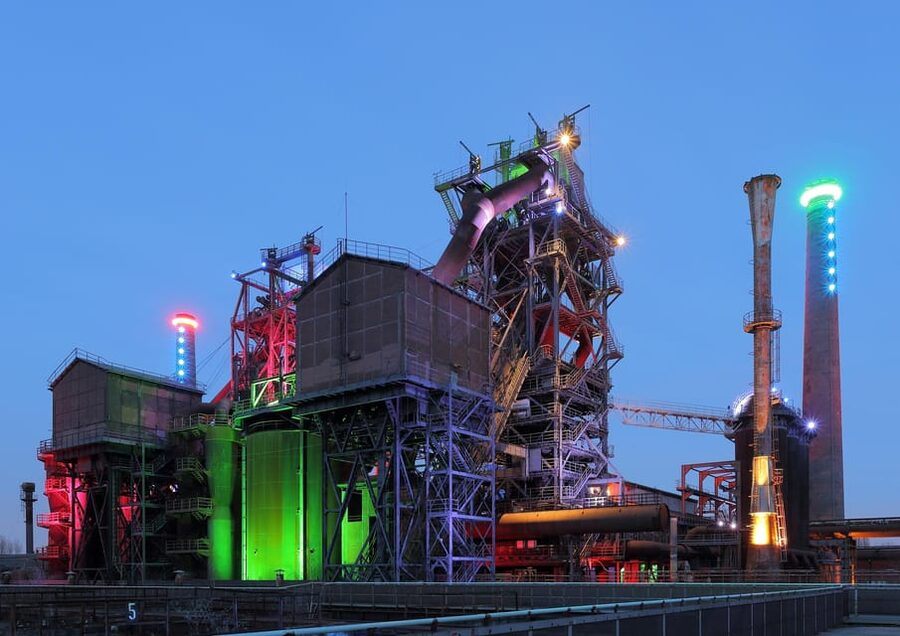
This tour rises or falls on the guide. The site is dramatic, but steel, brick, and concrete do not explain themselves.
A strong guide gives you the working details: who stood where, what the furnace required, how workers dealt with heat and gas, and why dust was such a serious danger. The best moments are likely to come when a guide links a large structure to the people who used it.
Jürgen is one guide praised for knowing the site well, explaining clearly, and adding anecdotes. Another well-received departure was described as humorous, friendly, enthusiastic, and strong on background information. Those comments point to the ideal tone for this experience: serious about the past, but not dry.
There is some variation in emphasis. One weak experience focused too much on films made at the site, event spaces, and the climbing wall rather than on industrial history. Those subjects may be interesting, but they are not the main reason to choose a torch tour.
If you care most about the history of ironmaking, listen for details about the blast furnace, the tap hole, the casting hall, gases, dust, and working conditions. If the guide spends most of the time on modern uses of the site, you may feel that the tour has missed its strongest subject.
Weekend lighting and the fiery evening mood
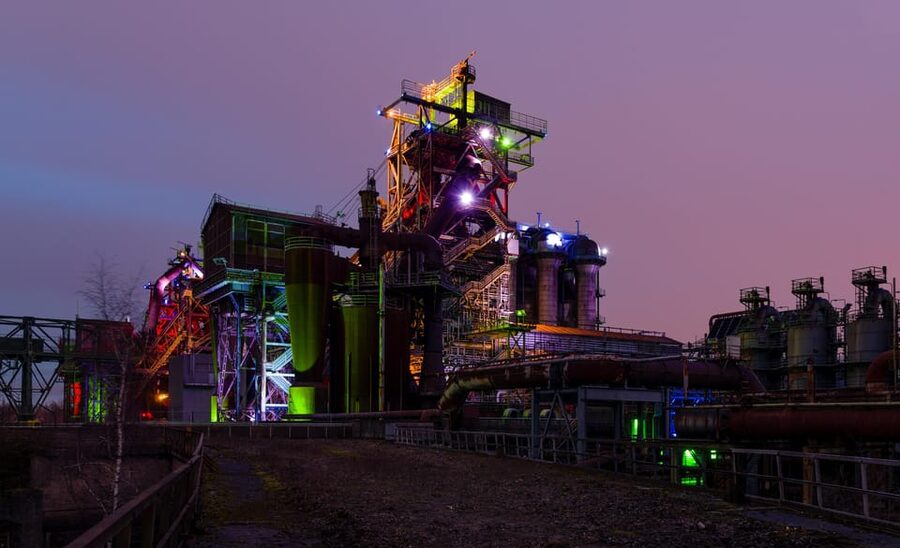
The tour can include especially interesting light displays on weekends. These add color and drama to an already striking industrial setting, though they also make the visit more visual than historical.
I like the contrast between the small flame in your hand and the larger lighting effects around the complex. The torch keeps your attention close to the group, while the illuminated structures give you a sense of scale. It can feel almost theatrical, but the industrial subject keeps the experience grounded.
The lighting should not be your only reason to book. It changes the mood, not the basic content. You are still joining a German-language guided tour about an old ironworks, with a possible stair climb and a route around the site.
The strongest evening combines the light displays with a guide who keeps the focus on workers and production. If the explanation becomes mostly about films and events, the visual side may be impressive while the historical side feels thin.
Is $29 a fair price?
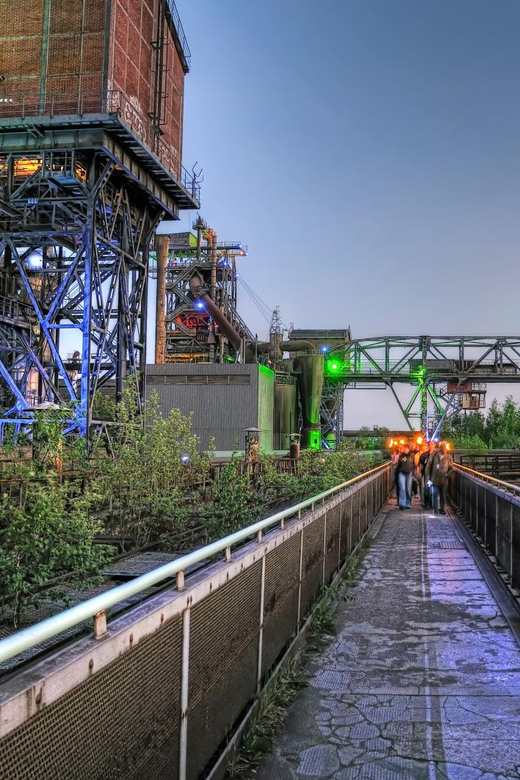
At $29 per person, the price is reasonable if you want a guided evening experience rather than a self-guided walk. The fee includes the qualified guide and a torch loan, and the tour runs for 105 minutes.
You are paying for interpretation, not simply entry to the industrial grounds. If you already know the site well and plan to walk around it independently, the added value may seem limited. One critical experience made exactly that point, noting that much of the area could be walked without the tour.
For a first visit, I see more value in the guided format. The old ironworks is large, and its structures can be difficult to understand without context. A guide can explain why the casting hall matters, what the bunker pockets were for, and how dangerous the work could be.
The price also includes the atmosphere of an evening departure. You could visit the site in daylight for a different experience, but you would not get the same torchlit mood. Weekend light displays may add another reason to choose an evening time.
The reserve-now-and-pay-later option helps if your schedule is still changing. You can hold a place without paying immediately, and cancellation is free up to 24 hours before the start time. Check the available departure times before making plans, since the exact schedule is not fixed in the basic tour details.
Who should book this experience?
I would recommend the tour to adults who enjoy industrial history, unusual monuments, and atmospheric walks. It is especially suited to people who want to understand the human cost of heavy industry rather than simply photograph large machinery.
It also works well for visitors who have already seen the site in daylight and want a different angle. The torch, dark structures, weekend lighting, and high viewpoint create a second experience rather than a repeat visit.
You should be comfortable with German, outdoor conditions, and possible stairs. The tour is not barrier-free, and it is not suitable for wheelchair users or people with mobility impairments.
Children under 12 should not join. The experience is designed for adults, and it may only partially suit younger people. Children aged 12 and above receive a torch only when accompanied by at least one adult per child. That rule is worth noting if you are bringing teenagers.
I would be cautious about booking for a group with mixed abilities. Someone can remain below during the tower climb, but the experience may feel divided. If the group wants a relaxed, level route, choose another activity.
What to know before you reserve
The language is German, so this is not a good choice if you need an English-speaking guide. The setting is not barrier-free, and the route may involve more than 200 stairs.
The torch is supplied on loan for the duration of the tour. You do not need to bring one, but you should still wear warm clothing and shoes suited to an industrial outdoor site.
The tour lasts 105 minutes and begins at the Visitor Center. The price is $29 per person. You can cancel up to 24 hours in advance for a full refund, and the reserve-now-pay-later option keeps your plans flexible.
The most useful question to ask yourself is simple: do you want an atmospheric, guided look at industrial history, or do you mainly want unrestricted access to the grounds? If the first answer is yes, the tour is a solid choice. If the second answer is yes, you may find that a self-guided visit gives you enough.
Should you book the torchlight tour?
Book it if you want the old ironworks at its most atmospheric, enjoy serious industrial stories, and can manage the stairs and outdoor conditions. The torchlit casting hall, bunker pockets, high viewpoint, and weekend lighting give the evening a clear sense of place.
Skip it if you need step-free access, do not understand German, or want a tour built around original interior access. Also think twice if younger children are the main reason for booking.
For the right audience, $29 is a fair price for 105 minutes with a guide and torch. The experience is strongest when the guide focuses on the workers, machinery, heat, gas, and dust that made the ironworks such a harsh place. Choose a departure led by someone who brings those details forward, and you will get much more than a dark walk around old buildings.
FAQ
Where does the torchlight tour begin?
The tour begins at the Visitor Center.
How long does the torchlight tour last?
The tour lasts 105 minutes.
What language is the tour conducted in?
The live tour guide speaks German.
Is a torch provided?
Yes. A torch is loaned to you for the duration of the guided tour.
Does the tour include a tower climb?
The tour can include a climb of more than 200 stairs to a tower, followed by a view from above.
Is the tour suitable for wheelchair users?
No. The tour is not barrier-free and is not suitable for wheelchair users or people with mobility impairments.
Can children join the torchlight tour?
Children under 12 are not suitable for this adult-focused tour. Children aged 12 and above receive a torch only when accompanied by at least one adult per child.
Are special light displays included on weekends?
The experience includes additional fascinating light displays on weekends.
Can I cancel the booking for a refund?
Yes. You can cancel up to 24 hours in advance for a full refund. A reserve-now-and-pay-later option is also available.
Just added in Germany
- Berchtesgaden: Via Ferrata Beginner Tour of Schützensteig★ 4.7 · 15 reviews
- Berlin: Energizing 2-Hour Morning Segway Tour★ 4.7 · 35 reviews
- Berlin: Thrilling E-Scooter Adventure Tour★ 4.4 · 66 reviews
- Bayreuth: German City Walking Tour (Tourist Info)★ 4.7 · 202 reviews
- Beelitz-Heilstätten: Baum&Zeit Tree Top Walk Entry Ticket★ 4.9 · 7 reviews
- Beer Bike & Party Bike: Unforgettable Berlin City Tour incl. pickup★ 5.0 · 5 reviews
- Bavaria: Beginner Canyoning Tour★ 4.5 · 10 reviews
- Bayreuth: Christmas city tour in German★ 4.9 · 12 reviews
Tours in Duisburg, compared.
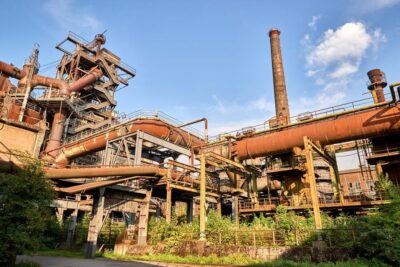
Duisburg Landscape Park GPS treasure hunt in old ironworks
Read our review →