
Reviewed · TOURS IN DUISBURG
Duisburg: Schimmi Tour goes City
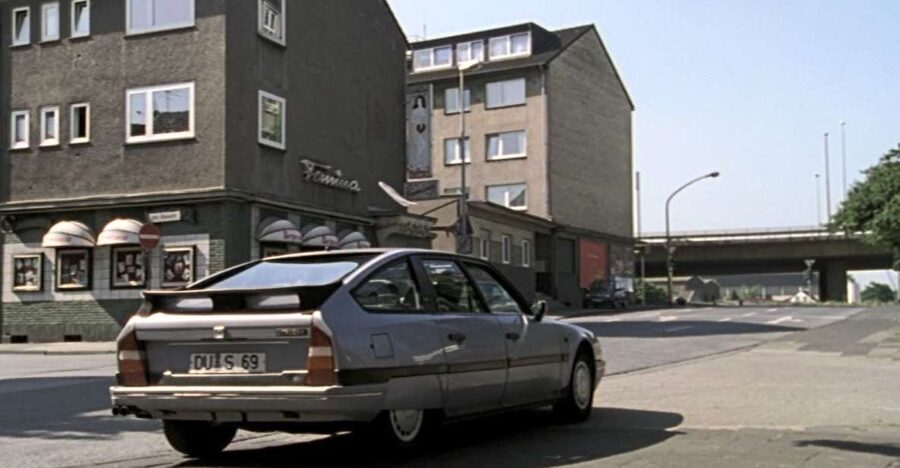
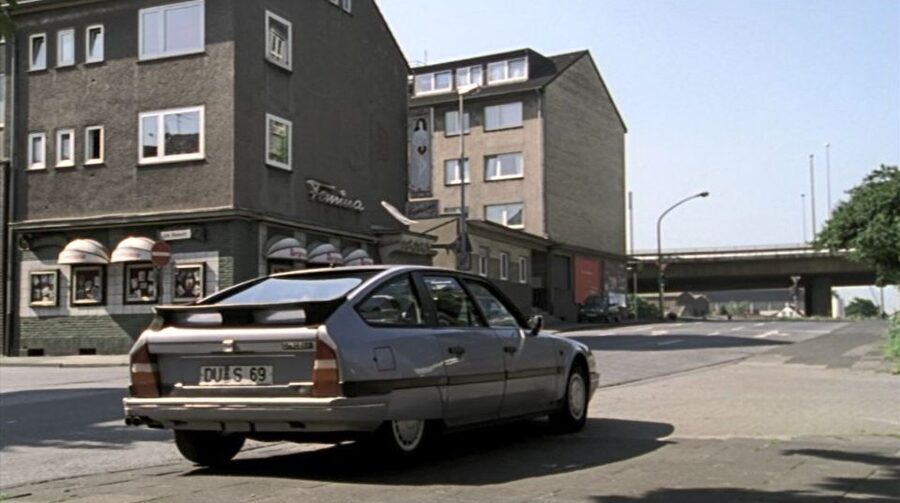
Duisburg gets a fresh set of clues on this Schimmi Tour, a two-hour walk through the city’s Tatort connections. You follow Horst Schimanski’s regular haunts, see filming locations, and visit the museum holding his famous jacket and sculpture. I like the mix of recognizable sights and less obvious corners, plus the old photos that guide Dagmar has used at former filming sites. The main catch is simple: this is a German-language tour, so your enjoyment depends on following German well.
I also like that the tour connects television fiction to ordinary city places, including Schimanski’s bakery, home, and a toy store tied to one episode. At $25 per person, museum entry is included, which gives the walk more substance than a simple exterior filming-location stroll. Check the mobility details carefully before booking, since the activity is described as wheelchair accessible in one place but not suitable for people with mobility impairments elsewhere.
Key points to know before booking
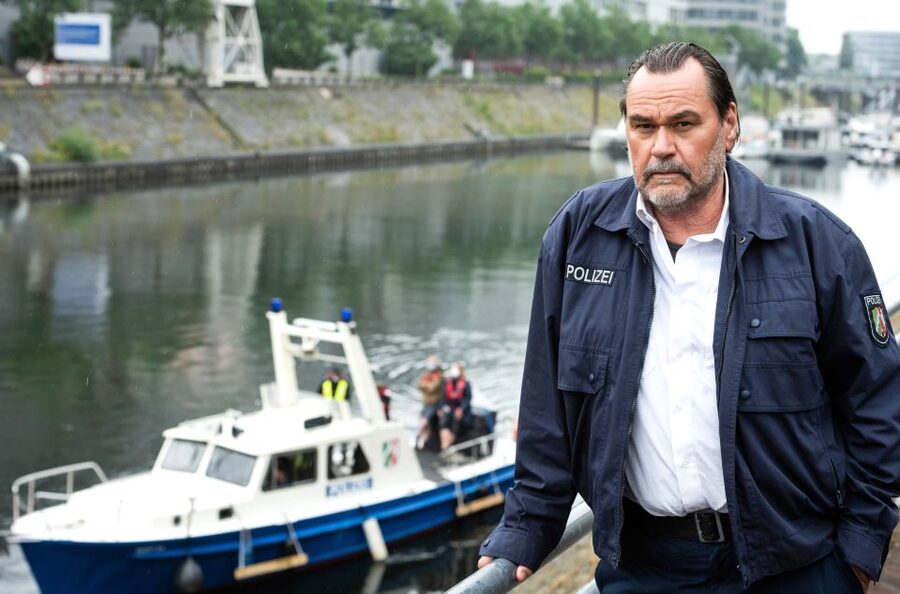
- Schimanski’s Duisburg: Follow the city routines of Tatort detective Horst Schimanski, known affectionately as Schimmi.
- Real filming locations: Visit places used in Tatort episodes and locations connected with the newer series WaPo Duisburg.
- Museum finale: See Schimanski’s legendary jacket and sculpture, with museum entry included in the price.
- Dagmar’s visual storytelling: On one tour, guide Dagmar brought old images to compare with present-day filming spots.
- Simple meeting point: Look for the guide with a red beer crate at Portsmouthplatz, not Otto-Keller-Straße.
- Practical limits: The tour is in German, lasts two hours, runs in all weather, and is not intended for children under 12.
Why Schimanski is the right guide to Duisburg
Horst Schimanski is not a polished detective in a distant city. He is a local figure tied closely to Duisburg, and that makes this tour different from a standard sightseeing walk. You are not simply moving from one famous building to the next. You are seeing the city through the habits, workplaces, and storylines of a fictional police character who belongs to this place.
That approach works especially well in Duisburg, where the tour promises both familiar sights and lesser-known areas. A conventional city tour may explain what a building is. This one asks what a place meant to Schimanski, what happened there on screen, or why a seemingly ordinary shop became useful to a television plot.
You should know the Tatort connection before you arrive, but you do not need to be a specialist in every episode. The guide’s job is to connect locations with characters and scenes. The supplied experience details point to several memorable stops: where Schimmi buys bread, where he lives, and how a toy store fits into one episode’s story.
That gives the walk a pleasant sense of discovery. A bakery or toy shop might seem unimportant when seen alone. Once you know its role in a familiar television world, you look at it differently.
A few more things to do in Germany worth a look
- Berlin: 1-Hour City Tour by Boat with Guaranteed Seating
★ 4.3 · 16,993 reviews - Leipzig: City History Canal Sightseeing Tour on a Motorboat
★ 4.7 · 6,232 reviews - Cologne: Panoramic City Cruise
★ 4.3 · 5,698 reviews
Starting at Portsmouthplatz with a red beer crate
The tour begins at Zum Portsmouthplatz. The practical marker is unusually clear: find the guide carrying or standing by a red beer crate. Do not go to Otto-Keller-Straße as your meeting point. That warning matters because a wrong start can cost you part of a two-hour tour.
The activity ends back at the same meeting point. You therefore do not need to arrange a separate return journey or guess where the final museum stop will leave you. Check the exact starting time when you book, since departure times vary by availability.
Arrive ready for an outdoor walk. Comfortable shoes are recommended, and the tour takes place rain or shine. Duisburg weather can change quickly, so a rain jacket is a sensible choice even if the forecast looks kind. Food and drinks are not included, so eat beforehand or plan your own refreshment outside the tour.
The guide speaks German. That is the biggest factor in deciding if this experience suits you. The stories, jokes, episode links, and small local details are likely to carry much of the tour’s value, so basic German may not be enough if you want to follow every explanation.
From famous streets to Schimmi’s everyday stops
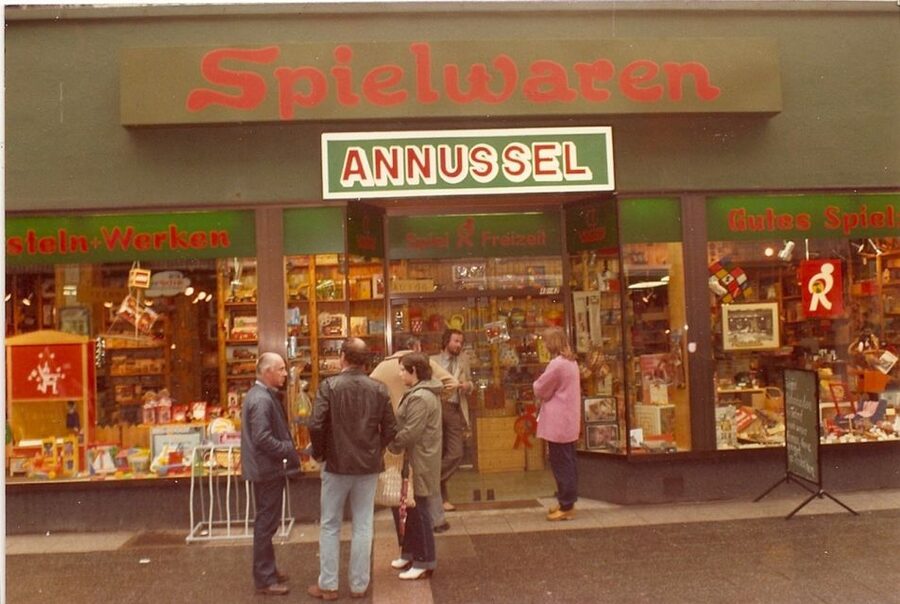
The tour’s most appealing idea is its attention to routine. You do not only visit dramatic crime locations. You also see where Schimanski goes to the bakery and where he lives. These details make the character feel connected to daily Duisburg rather than trapped inside television action scenes.
I like this kind of stop because it gives you a better sense of how a series uses a city. A home tells you something about a character’s place in the story. A bakery shows how the show places him in ordinary surroundings. A toy store can become important because of its role in one episode, even though it has no obvious connection to crime when you first see it.
The guide also points out sites used for Tatort filming. Some may be instantly recognizable to fans. Others may look completely ordinary until you see an old image or hear the scene that took place there. The tour does not rely only on grand monuments, which is part of its charm.
Guide Dagmar has been praised for bringing matching images from earlier periods to several filming locations. That is a useful touch. You can compare the old television setting with the place in front of you instead of relying on memory or imagination. It also helps explain how Duisburg has changed while certain locations remain familiar.
The precise route can vary with the guide and current conditions, so you should not expect a stop-by-stop reenactment of one episode. Think of it as a guided city walk built around several Schimanski connections.
Tatort, Schimanski, and WaPo Duisburg on one walk

Tatort is a long-running German detective series with regional settings. Schimanski became one of its best-known local detectives, and this tour uses his screen identity as a thread through Duisburg.
You get more than a fan tour focused on one older character. The route also includes filming locations connected with WaPo Duisburg, a newer television series. That adds a second layer to the experience and shows how the city continues to serve as a setting for crime drama.
For fans, this is a chance to connect different generations of German television. For newcomers, the tour provides a practical way to understand why certain city locations matter on screen. You may not recognize every reference, but the guide can still show how television turns everyday streets into part of a story.
I would not choose this activity if you want a general introduction to every major Duisburg attraction. Its focus is narrow by design. You will get more from the tour if you enjoy television production, German crime dramas, or the way real places are adapted for fiction.
That narrow focus is also its strength. Instead of racing through a long list of sights, the tour gives you a reason to pay attention to details that might otherwise pass unnoticed.
Same base, a different kind of day out:
- Berlin: Reichstag, Dome and Government District Guided Tour
★ 4.7 · 18,288 reviews - Hamburg: Sex and Crime in St. Pauli Tour for Ages 18+
★ 4.7 · 15,447 reviews - Hamburg: 1.5-Hour Harbor and Speicherstadt Day Cruise
★ 4.6 · 14,200 reviews - From Munich: Neuschwanstein & Linderhof Castle Full-Day Trip
★ 4.5 · 12,494 reviews
The museum stop and Schimanski’s famous jacket
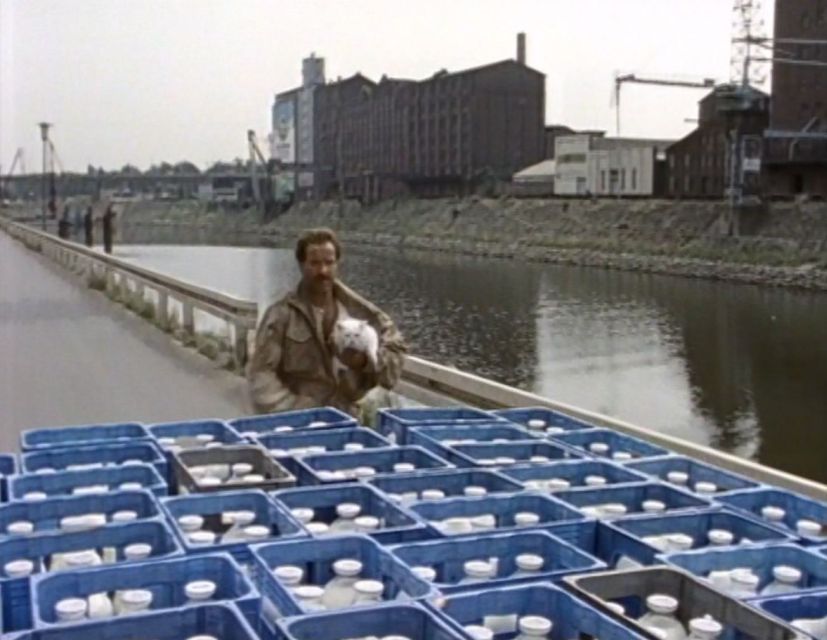
The museum visit is included, and it gives the tour a clear finish. You can see Horst Schimanski’s famous jacket and his sculpture. These objects carry more weight than a simple costume display because the jacket has become part of the character’s identity.
Seeing the jacket in person helps explain why Schimanski remains such a recognizable figure. On television, clothing, gestures, and favorite places help build a character. In a museum, those elements become physical objects that connect the fictional detective with the real city and its audience.
The sculpture adds another public marker of Schimanski’s place in Duisburg. Together, the two displays make the experience feel more complete. You begin with streets and filming locations, then finish with objects associated directly with the character.
Museum entry is an important part of the $25 price. If you visited only filming locations from outside, you would miss the tangible part of the story. The museum stop also offers a change of pace after the outdoor walking sections.
The supplied details do not name the museum, so do not plan your own route around a specific institution unless the provider confirms it. The tour handles the visit as part of the guided program.
What $25 buys you
The listed price is $25 per person. For two hours, the guide, the themed route, and museum entry are included. Food and drinks are not included, but that is easy to manage on a city walk.
I see the value in the combination of interpretation and access. You are paying for a local guide to explain why ordinary places matter, not just for someone to lead you between map points. The old images used at filming locations, when available with your guide, add another useful layer.
The price makes most sense for three kinds of people:
- Tatort and Schimanski fans who want to see real Duisburg locations.
- Visitors interested in television filming and how cities become part of a story.
- Repeat visitors who have already seen the obvious city sights and want a more specific theme.
If you have no interest in German television, the value is less certain. You can still see parts of Duisburg, but much of the commentary depends on the shows and their characters. A general city tour would be a better fit if your main goal is architecture, local food, or broad city history.
The price is also easier to justify because the tour returns to its starting point and includes the museum. You do not need to pay separately for a museum visit during the activity.
Language, pace, and practical comfort
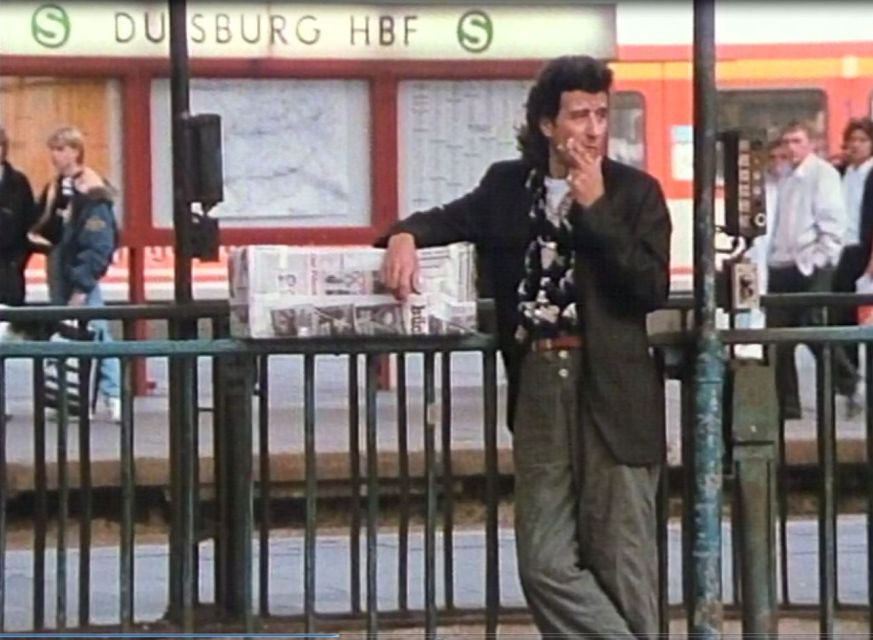
The live tour guide speaks German. There is no indication of an English-language option, so ask before booking if you need commentary in another language. This is not a quiet walk where you can simply follow the group and enjoy the scenery. The explanations are the central reason to join.
The duration is two hours. That is long enough for a focused theme without taking up an entire day. You should still wear comfortable shoes because the experience involves walking between city locations and takes place outdoors.
The tour operates in rain or shine. That gives you a dependable plan, but it also means you should dress for conditions rather than assume the activity will move indoors. The museum provides an indoor portion, but the tour begins with city streets and filming locations.
The age limit is clear: children under 12 are not suitable for this activity. Older children may enjoy it if they understand German and have an interest in crime shows, but the material is aimed at people who can follow the television context.
There is conflicting information about mobility. One part of the details describes the activity as wheelchair accessible, while another says it is not suitable for people with mobility impairments. I would contact DU Tours before booking if you use a wheelchair, walker, or need a route without barriers. Do not rely on the general accessibility label alone.
How to get the most from the walk
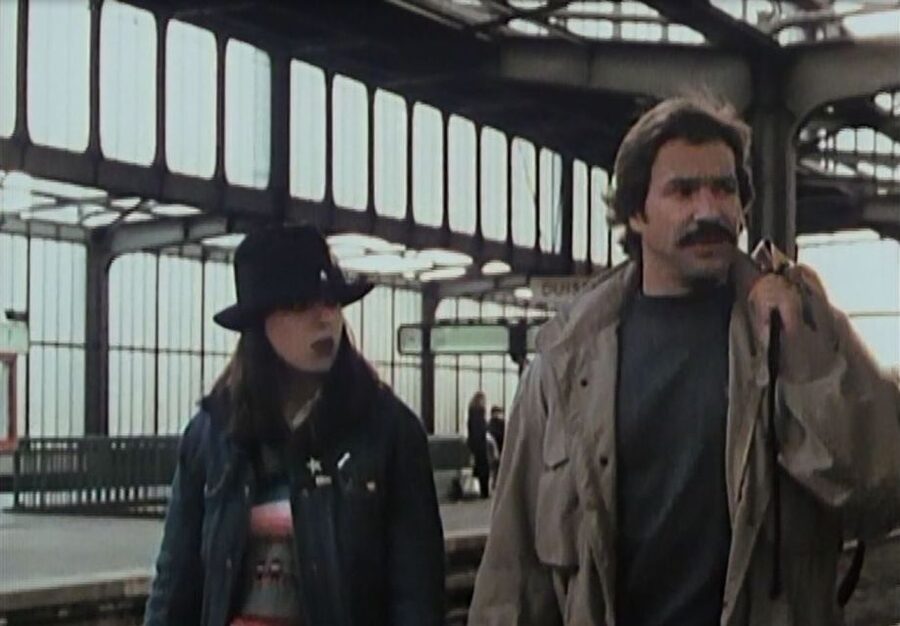
Watch at least some Schimanski material before you arrive if you have the time. You do not need to memorize episodes. Even a basic feel for the character will help you understand why his home, bakery, clothing, and regular haunts matter.
Bring a phone or small camera if photography is permitted at each location and inside the museum. Old images are especially useful when you can compare them with the current view. Ask the guide about the images rather than rushing past them, since they may show changes that are easy to miss.
Listen for the difference between a filming location and a place associated with the character’s fictional routine. The two are not always the same. One may have been chosen for a scene, while another helps establish who Schimanski is away from the action.
Keep your schedule flexible after the tour. Since the end point is the same as the start at Portsmouthplatz, you can continue exploring from there. Do not plan a tight connection immediately afterward, though, especially if the group pauses at several locations or weather slows the walk.
If you are booking with friends, confirm that everyone is comfortable with German-language commentary. A fan who understands every reference may enjoy the tour far more than someone who knows only that Tatort is a detective series.
Who should book the Schimmi Tour?
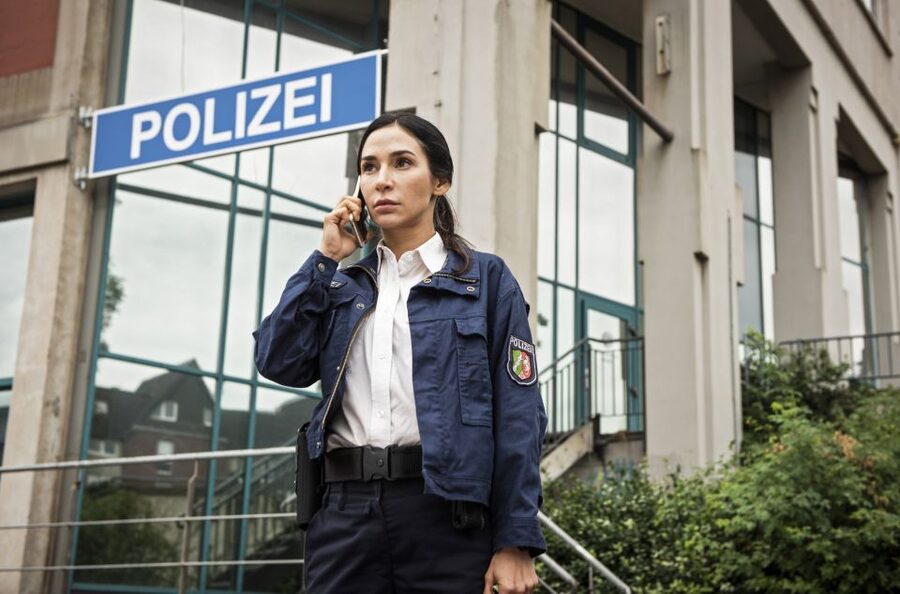
I would book this for a Tatort fan, a visitor curious about German television, or anyone who prefers a themed walk to a standard list of monuments. The mix of real locations, old images, and museum objects gives you several ways into the story.
I would also recommend it to repeat visitors to Duisburg. The tour promises lesser-known areas and everyday places, so it can show you a side of the city you might miss on a first-pass sightseeing route.
I would hesitate if you need English commentary, dislike walking in poor weather, or want a broad survey of Duisburg. The tour is specific, German-speaking, and built around a television character. Those are not flaws, but they are central conditions.
The positive feedback attached to the experience gives particular weight to the guides’ presentation. Dagmar’s use of earlier images and her relaxed style are exactly the sort of details that can turn a filming-location walk into a useful city experience. Guides may vary, but the format clearly allows room for personal storytelling.
Should you book it?
Book the Duisburg Schimmi Tour if Horst Schimanski, Tatort, or German crime television interests you and you can follow German. The museum entry, focused two-hour route, and unusual stops make $25 a fair price, especially for a return visitor.
Skip it if you want famous sights without television context, need guaranteed accessible routing, or cannot understand German commentary. For the right audience, though, this is a smart way to see Duisburg through its screen identity, one bakery, home, toy store, filming site, and iconic jacket at a time.
FAQ
How long does the Schimmi Tour last?
The guided tour lasts two hours. Check availability for the starting time.
How much does the tour cost?
The listed price is $25 per person.
Where does the tour start?
It starts at Zum Portsmouthplatz in Duisburg. Look for the guide with a red beer crate, and do not use Otto-Keller-Straße as the meeting point.
Where does the tour end?
The activity ends back at the meeting point at Portsmouthplatz.
Is museum entry included?
Yes. Museum entry and the guided tour are included in the price.
What language is the tour in?
The live tour guide speaks German.
Is the tour suitable for children?
Children under 12 are not considered suitable for this activity.
What should I bring, and does the tour run in bad weather?
Bring comfortable shoes. The tour takes place rain or shine, so dress for the weather. Food and drinks are not included.
Just added in Germany
- Private One way Airport Transfer Berlin Airport To Berlin★ 3.5 · 17 reviews
- Private Walking Tour: Berlin Wall, Cold War and Checkpoint Charlie★ 5.0 · 37 reviews
- Modern Berlin Private Walking Tour: Diverse, Vibrant and Exciting German Capital★ 5.0 · 13 reviews
- Private Day Trip to Potsdam from Berlin by Train★ 4.5 · 27 reviews
- City Explorer: Potsdam Private Day Trip★ 4.5 · 10 reviews
- Berlin Private Custom 5-Hour Tour by Car★ 5.0 · 30 reviews
- Private Half-Day Sightseeing Tour in Berlin★ 3.5 · 6 reviews
- Berlin Private Custom Tour in a Minivan, East and West★ 5.0 · 123 reviews
Tours in Duisburg, compared.



Duisburg Landscape Park GPS treasure hunt in old ironworks
Read our review →



Browse the lists this tour appears in