Reviewed · TOURS IN DUISBURG
Hut tour Duisburg-Nord Landscape Park
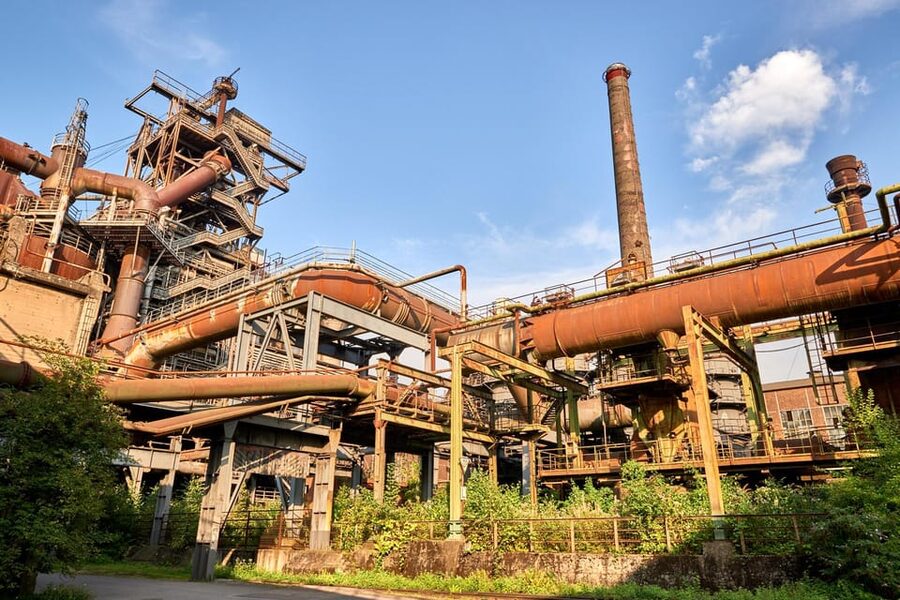
The most striking part of this tour is the sheer scale of the former Thyssen steelworks. You follow the Path of the Iron through a maze of blast-furnace equipment, pipes, boilers, stairs, and platforms, from the Gout to the Torpedo Ladle Car. I like the way the route turns industrial machinery into a story you can follow with your feet.
I also like the clear focus on two things often skipped at factory museums: working conditions and the technology behind iron production. Guides such as Manuela explain the process in a lively, useful way. The main drawback is practical: this is not a barrier-free tour, and uneven industrial structures make it unsuitable for people with mobility, sight, or hearing impairments.
Key points at a glance
- The Path of the Iron: Follow the route of iron through the former Meiderich works, from the Gout to the Torpedo Ladle Car.
- A real industrial monument: The disused Thyssen steelworks lets you see the machinery and structures rather than only reading about them.
- Clear German-language guiding: Manuela has led particularly well-regarded tours, with an approach that combines facts, explanation, and stories of working life.
- A 105-minute visit: The tour gives you enough time to grasp the site without taking up an entire day.
- Weather matters: Comfortable, weatherproof shoes and clothing are important, especially in rain.
- Important access limits: The tour is not barrier-free, and it is not suitable for children under 10 or people with mobility, visual, or hearing impairments.
Why the former Meiderich works makes such a strong tour site
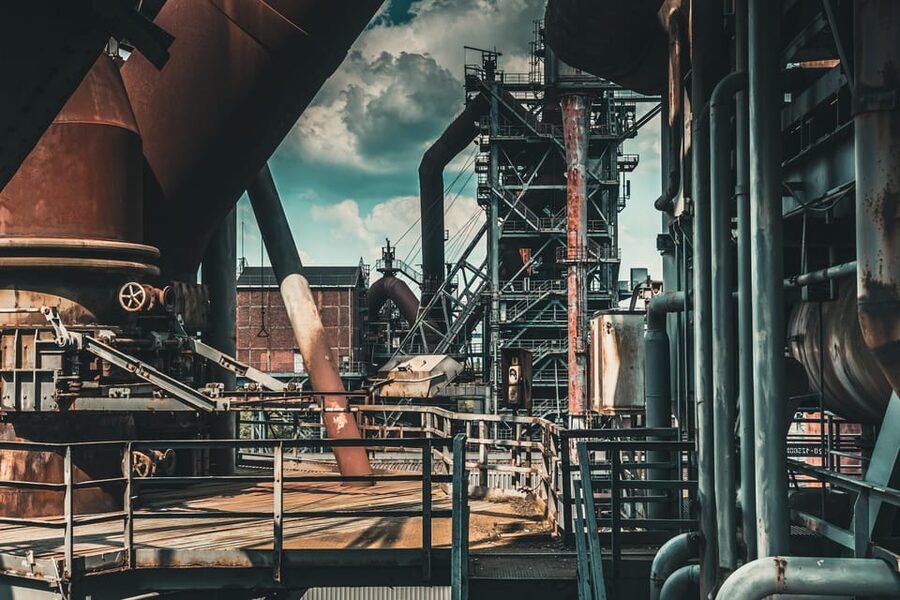
Duisburg-Nord is not a polished reconstruction built to resemble a steel mill. You enter a former industrial complex, where the scale of iron production is still written into the towers, walkways, pipes, platforms, and heavy equipment.
That physical presence matters. A photograph can show you a blast furnace, but it cannot give you the same sense of how much structure was needed to move raw materials, heat, molten iron, and finished products through a working plant. Here, the machinery is not a backdrop. It is the subject.
The Meiderich ironworks also helps explain the Ruhr region’s past. Mining and steel shaped its economy, towns, families, and daily routines for generations. The tour connects the technical process to that wider story, then brings you back to the site’s present use as a cultural place.
I find that balance useful. You are not simply looking at old industrial equipment, and you are not sitting through a general lecture about German industry. The setting and the explanation work together.
Other trips people book in Germany:
- Berlin: Reichstag, Dome and Government District Guided Tour
★ 4.7 · 18,288 reviews - Berlin: 1-Hour City Tour by Boat with Guaranteed Seating
★ 4.3 · 16,993 reviews - Hamburg: Sex and Crime in St. Pauli Tour for Ages 18+
★ 4.7 · 15,447 reviews
Following the Path of the Iron
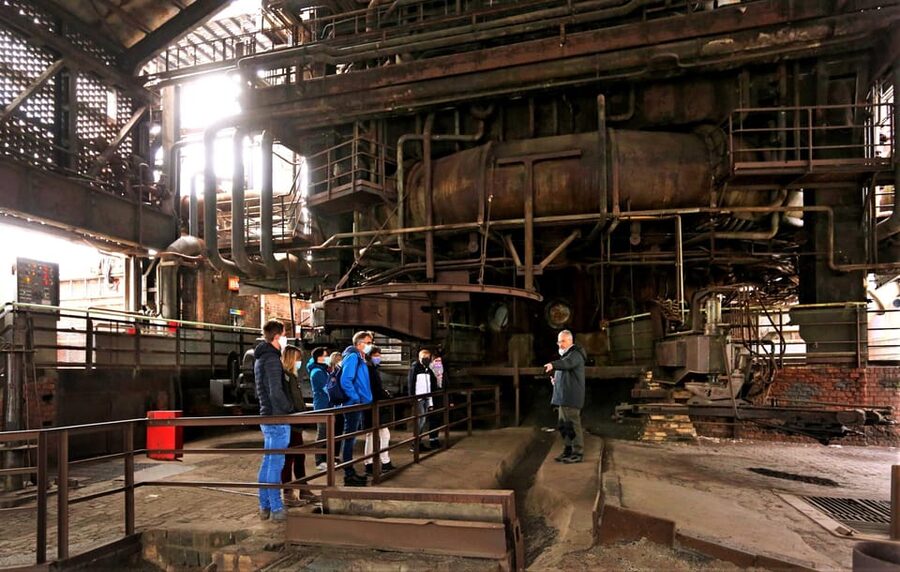
The route is built around the movement of iron through the plant. That gives the 105-minute tour a natural structure. Instead of receiving a long list of dates and machinery names, you can understand the works as a chain of linked operations.
The tour takes you from the Gout toward the Torpedo Ladle Car, with the blast furnace at the center of the story. These terms may sound technical at first, but the guide’s job is to make them useful rather than mysterious.
You will hear how blast-furnace technology worked and why each part of the plant mattered. The explanation also covers the people who worked there and the conditions they faced. That human detail keeps the tour from becoming a dry lesson in engineering.
The route’s visual effect is almost confusing at first. Scaffolding crosses pipes, stairs climb past platforms, and boilers and industrial fittings appear at every level. The confusion is part of the point. A major steelworks was a complicated system, and the tour helps you slowly make sense of it.
I would pay close attention when the guide explains how the parts fit together. The most valuable moments are not always the largest structures. A short explanation of how material moved through the plant can suddenly make the entire maze easier to read.
Blast-furnace technology without the textbook fog
Industrial tours can fail in two ways. They can oversimplify the technology until the site becomes little more than a photo stop, or they can bury you in technical language. This experience aims for the middle ground.
The guide explains the blast furnace and the stages of iron production in plain terms. You learn about the machinery, the movement of iron, and the demands placed on workers. The result is a better sense of why the plant required so many pipes, ladders, towers, and working platforms.
For me, this is where the tour earns its price. You could walk through an industrial monument and admire its shapes for free or on your own, but you would miss much of the reason those shapes exist. The guide supplies the link between what you see and what happened there.
The route also gives you a sense of scale. A steelworks was not one machine in one building. It was a large working system that depended on timing, heat, transport, and human labor. Once you understand that, the jumble of metal becomes more readable.
Do not expect a light stroll through a conventional museum. The site is best approached as an active history lesson, with the machinery and industrial structures providing the evidence.
The human side of work at the steelworks
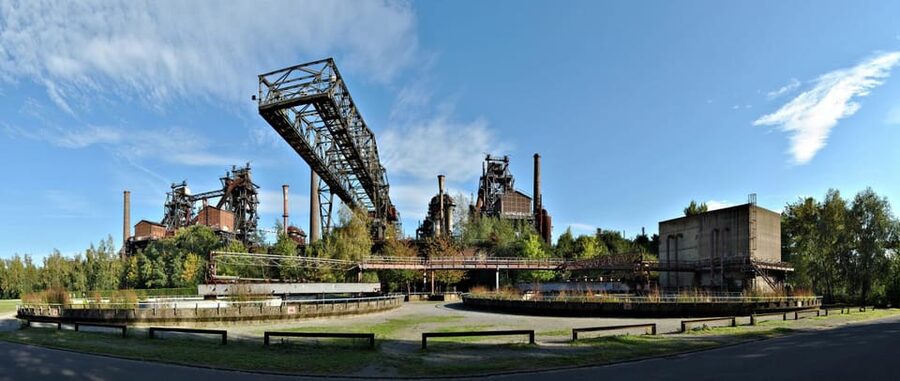
The history of working conditions is one of the tour’s strongest features. Steel production was not only about technical progress. It also depended on people working around heat, heavy machinery, complex equipment, and demanding routines.
The guide puts the plant into human terms, helping you think about what daily work may have involved. That focus adds weight to the machinery. You are not simply admiring a large furnace. You are considering the people who operated, maintained, and moved through this system.
This is also where Manuela’s guiding style has made a strong impression. If she is leading your visit, expect a clear and energetic explanation with plenty of useful information. Her approach suits the site because it keeps the story moving while giving the industrial details a human frame.
The tour is conducted in German, so you should be comfortable following a German-language explanation. The experience depends heavily on the guide’s spoken commentary, and the activity is not suitable for people with hearing impairments.
Same base, a different kind of day out:
- Hamburg: 1.5-Hour Harbor and Speicherstadt Day Cruise
★ 4.6 · 14,200 reviews - From Munich: Neuschwanstein & Linderhof Castle Full-Day Trip
★ 4.5 · 12,494 reviews - Dresden: Semperoper Tickets and Guided Tour
★ 4.7 · 12,102 reviews - Berlin: Boat Tour Along the River Spree
★ 4.4 · 11,252 reviews
Scaffolding, pipes, stairs, and platforms
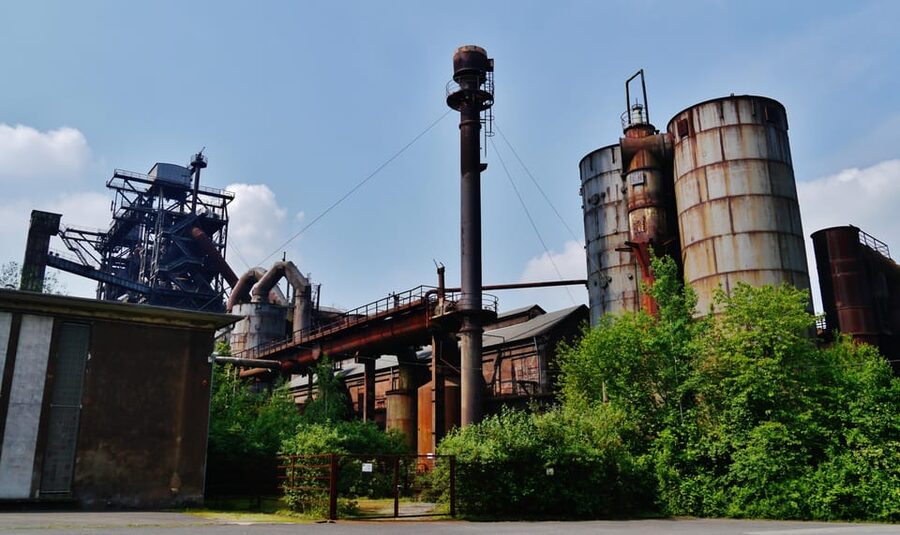
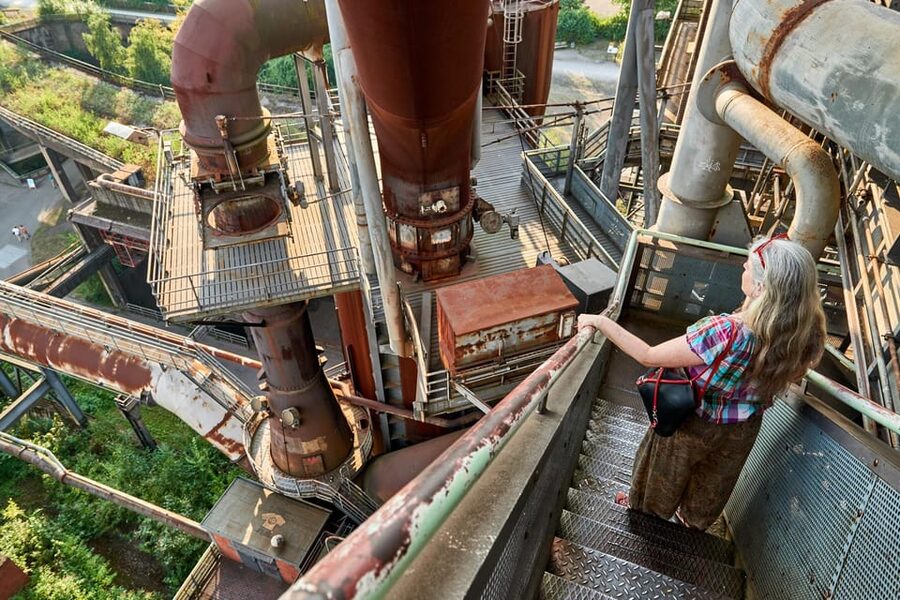
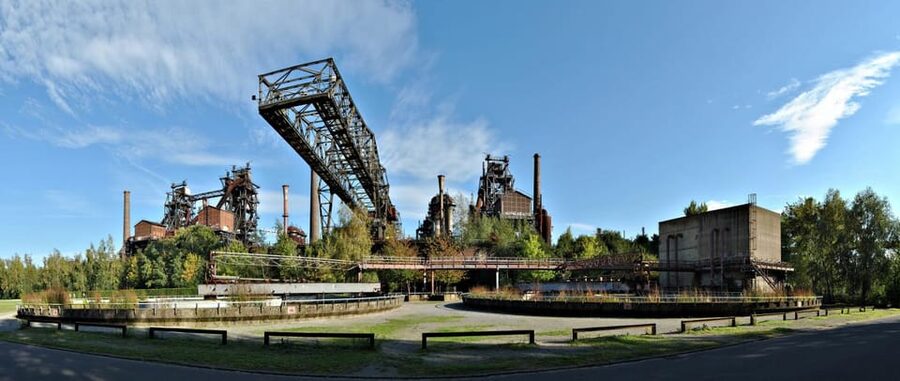
The physical route is one of the main reasons to choose this experience. You see a confusing mix of scaffolding, pipes, boilers, stairs, and platforms that makes the plant feel like a giant working machine.
That setting is visually powerful, but it also creates limits. You need comfortable, weatherproof shoes and clothing. The tour is not barrier-free, and people with mobility impairments should not book it. The information also lists the experience as unsuitable for people with visual impairments.
Rain does not make the site irrelevant, but it can make the visit less comfortable. One well-regarded tour took place in wet weather and still found the industrial setting compelling, with children aged 11 through 17 enjoying the explanation. Even so, waterproof clothing and steady footwear are sensible choices.
The route’s physical character means you should not treat the tour as a casual indoor museum visit. Stairs and platforms are part of seeing the site properly, not minor details around the edges.
A cultural site shaped by structural change
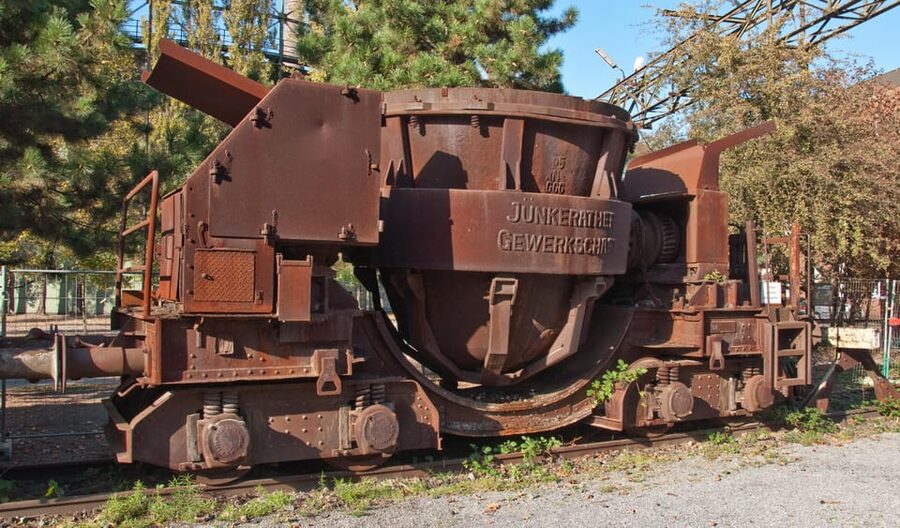
The former Meiderich works now carries a second identity. It is an industrial monument, but it is also part of a new cultural use for the region.
That change gives the site a useful message. The plant once represented heavy industry and iron production. Today, the same structures help tell the story of the Ruhr’s shift away from that industrial economy.
I like that the tour does not separate the past from the present. You see the remains of a working steelworks while learning why the site still matters now. The structures are not preserved simply because they are old. They help explain how the region changed.
This makes the tour a good choice for anyone interested in architecture, technology, regional history, or the social effects of industry. You do not need to be an engineer. You only need curiosity about how a place shaped the people around it.
How the 105 minutes feel
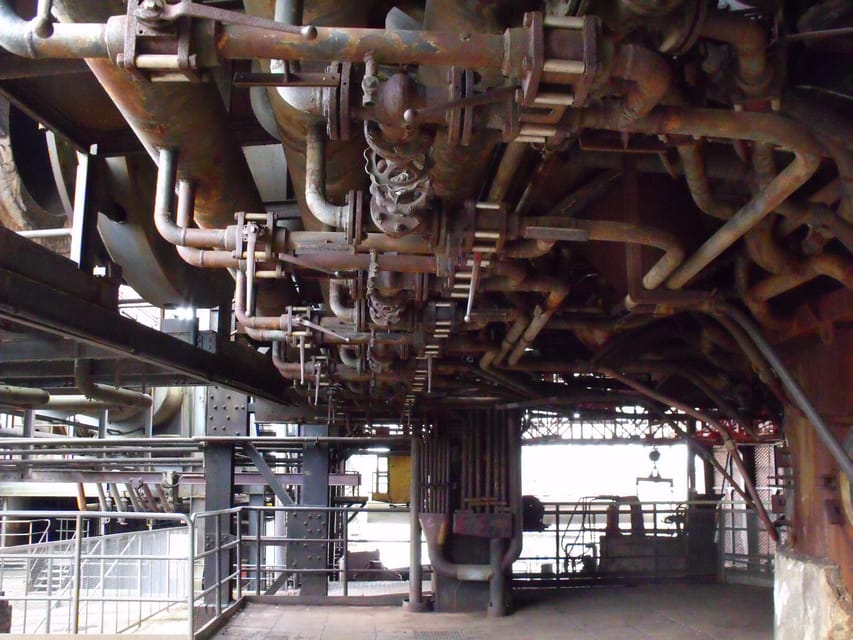
At 105 minutes, the tour is long enough to offer substance but short enough to fit into a day of sightseeing in Duisburg. You meet at the Visitor Center, then spend about one hour and 45 minutes on the guided route.
The timing is useful for planning. It is not a quick introduction that leaves you wanting the basic explanation, but it also does not take over an entire afternoon. You can give the site your full attention without committing to a full-day activity.
The pace will depend on the guide and the group, but the route’s structure helps. The movement from the Gout to the Torpedo Ladle Car provides a clear thread, while the machinery around you supplies constant visual interest.
I would allow extra time around the tour if you want to think about what you have seen, but the guided portion itself is fixed at 105 minutes. Check the available starting time when booking.
Is $23 a fair price?
At $23 per person, this tour offers good value if you want explanation rather than a self-guided look at old machinery. The price covers a 1.75-hour guided visit, and the guide’s role is central to understanding the equipment and the working life connected to it.
The value is strongest for first-time visitors to the site. You will see the same pipes, platforms, and blast-furnace structures on your own, but the Path of the Iron gives them an order and meaning. That can turn an impressive industrial setting into a memorable historical experience.
The price may feel less attractive if you only want photographs or a short walk around the grounds. This is a spoken, structured tour, and it is conducted in German. If you cannot follow German, much of what you pay for will be difficult to use.
Flexible booking also helps. You can reserve now and pay later, and cancellation is free up to 24 hours before the tour for a full refund. Those terms reduce the risk if your schedule in northern Germany is still changing.
Who should book this experience?
I would recommend the tour to adults and older children who enjoy industrial sites, technology, regional history, or unusual museums. It is especially useful if you like seeing how a place worked rather than only looking at finished buildings.
Children under 10 are not suitable for the activity. Older children can enjoy it if they are interested in machinery and can follow a German-language tour. An 11-year-old and teenagers have found the subject engaging, even in rainy weather, but the route still requires attention and comfortable movement.
You should also book if you want a guide to explain working conditions. That subject gives the tour more substance than a simple walk through a disused factory.
You should skip it if you need step-free access, cannot manage the physical route, or require sign-supported or visual adaptations. Pets are not allowed, although assistance dogs are permitted.
Practical tips before you go
Wear shoes that can handle an industrial site and clothing suited to the weather. The advice to dress comfortably and for rain is worth taking seriously because the experience depends on moving through a large former works rather than remaining in a conventional indoor room.
Arrive at the Visitor Center with enough time to find the meeting point. The tour is led in German, so consider your language comfort before paying. There is no indication that an English-language option is offered.
Bring your attention to the route itself. The site can initially look like a giant metal puzzle, and the guide’s explanation will help you connect each part. Listen for the links between iron production, blast-furnace technology, and working conditions.
If the forecast is wet, do not assume the visit will be spoiled, but do prepare properly. Rain may make stairs and platforms less pleasant, and good footwear becomes even more important.
Should you book the Duisburg-Nord hut tour?
Book it if you want a clear, guide-led look at the Ruhr’s steelmaking past, especially if blast furnaces, industrial machinery, and working life interest you. The 105-minute route, strong focus on the Path of the Iron, and guides such as Manuela give the visit more meaning than a quick look at the site.
Think twice if you need accessible routes, an English-language tour, or a relaxed indoor activity. For the right visitor, $23 is a sensible price for a close look at one of northern Germany’s most striking industrial monuments. For everyone else, the access and language limits are serious, not minor footnotes.
FAQ
Where does the tour meet?
The meeting point is the Visitor Center.
How long does the tour last?
The guided tour lasts 105 minutes, or 1.75 hours.
What language is the tour conducted in?
The live tour guide speaks German.
What does the tour cover?
The tour covers the history of the Meiderich ironworks, blast-furnace technology, working conditions, and the site’s industrial importance.
What is the Path of the Iron?
The Path of the Iron is the route through the blast furnace, running from the Gout to the Torpedo Ladle Car.
What can I expect to see?
You can expect to see a disused Thyssen steelworks with scaffolding, pipes, boilers, stairs, platforms, blast-furnace structures, and industrial equipment.
Is the tour barrier-free?
No. The tour is not barrier-free.
Is the tour suitable for people with mobility impairments?
No. The activity is listed as unsuitable for people with mobility impairments.
Can children join the tour?
Children under 10 are not suitable for this activity.
Are pets allowed?
No pets are allowed. Assistance dogs are permitted.
What should I wear?
Wear comfortable, weatherproof shoes and clothing.
How much does the tour cost?
The listed price is $23 per person.
Can I cancel for a refund?
Yes. You can cancel up to 24 hours in advance for a full refund.
Do I have to pay when I book?
No. The reserve now and pay later option lets you book your place without paying immediately.
Just added in Germany
- Berchtesgaden: Via Ferrata Beginner Tour of Schützensteig★ 4.7 · 15 reviews
- Berlin: Energizing 2-Hour Morning Segway Tour★ 4.7 · 35 reviews
- Berlin: Thrilling E-Scooter Adventure Tour★ 4.4 · 66 reviews
- Bayreuth: German City Walking Tour (Tourist Info)★ 4.7 · 202 reviews
- Beelitz-Heilstätten: Baum&Zeit Tree Top Walk Entry Ticket★ 4.9 · 7 reviews
- Beer Bike & Party Bike: Unforgettable Berlin City Tour incl. pickup★ 5.0 · 5 reviews
- Bavaria: Beginner Canyoning Tour★ 4.5 · 10 reviews
- Bayreuth: Christmas city tour in German★ 4.9 · 12 reviews
Tours in Duisburg, compared.
Duisburg Landscape Park GPS treasure hunt in old ironworks
Read our review →