
Reviewed · CRIME, WITCHES & CEMETERY TOURS
Nürnberg: Mörder, Fälscher, Messerstecher
Nuremberg’s old streets carry more than pretty façades and Christmas-market charm. This walking tour follows the darker trail: the Hangman’s House, witch hunts, public punishment, medieval jail cells, and the city’s uneasy relationship with crime. You’ll hear about Franz Schmidt, Nuremberg’s best-known hangman, and see how justice worked before modern courts and prisons.
I like the way the route links familiar sights to less comfortable stories, especially the Hauptmarkt, where the city’s festive Christkindlesmarkt takes place each December, and the Lochgefängnisse, the cramped medieval prison beneath the town hall. The $15 price is fair for two hours with a qualified guide, but German is the only tour language, and the walk is not suitable for people with mobility impairments.
Key points to know before you book
- Franz Schmidt and the Hangman’s House: Begin with Nuremberg’s famous executioner and the unusual place he called home.
- Witch hunts at the Weinmarkt: A central Old Town square becomes a setting for the story of fear, accusation, and punishment.
- Medieval justice beneath the town hall: Learn what the Lochgefängnisse were used for and what conditions prisoners faced.
- Crime at the Hauptmarkt: See the city’s main market square through the lens of executions and everyday lawbreaking.
- Punishment at Fleischbrücke: Hear about corporal punishment in the Middle Ages beside one of Nuremberg’s best-known bridges.
- A short, practical route: The two-hour walk ends at Schuldturm, near Vordere Insel Schütt, with most stops close together.
Starting at the Hangman’s House
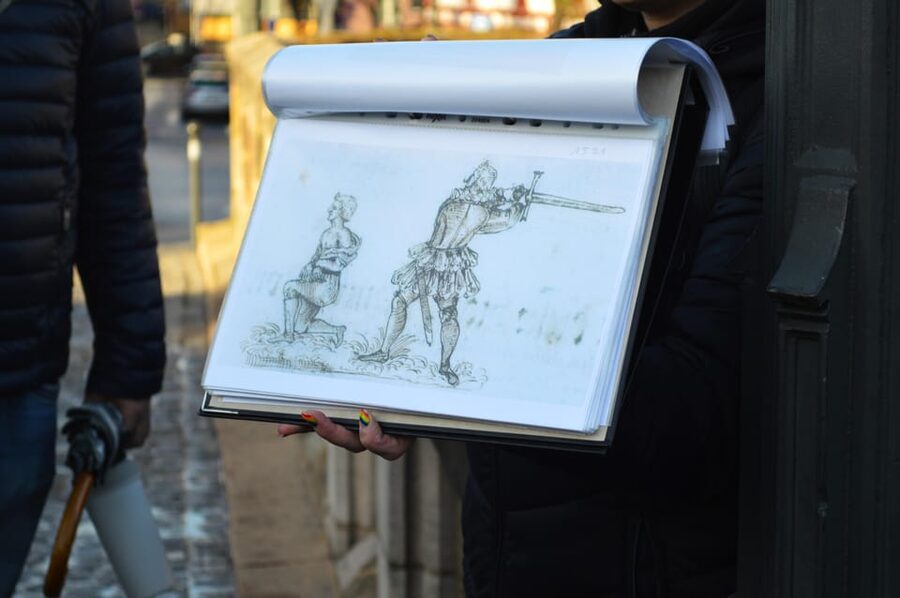
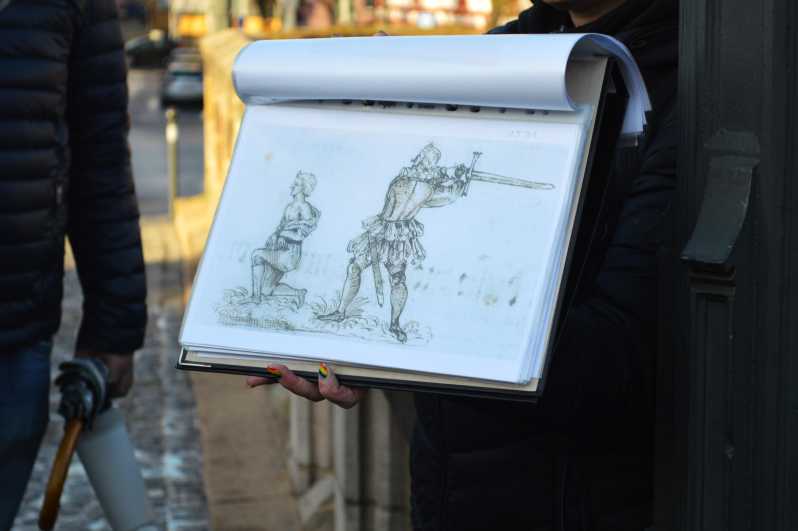
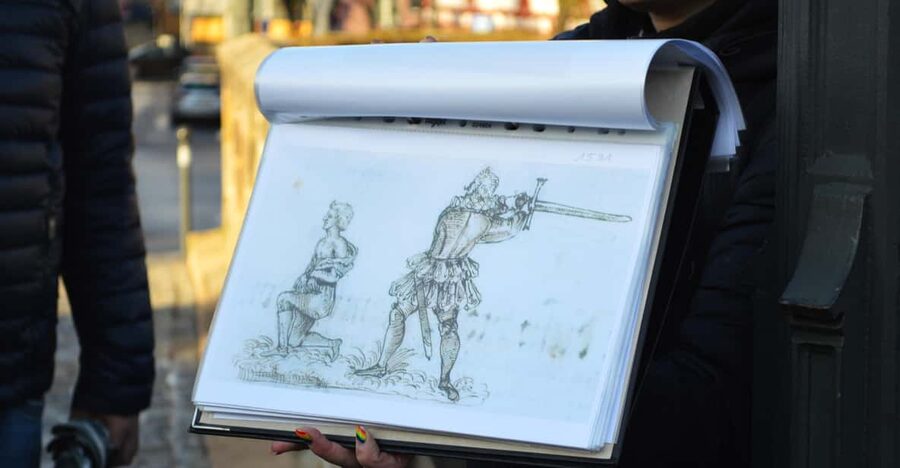
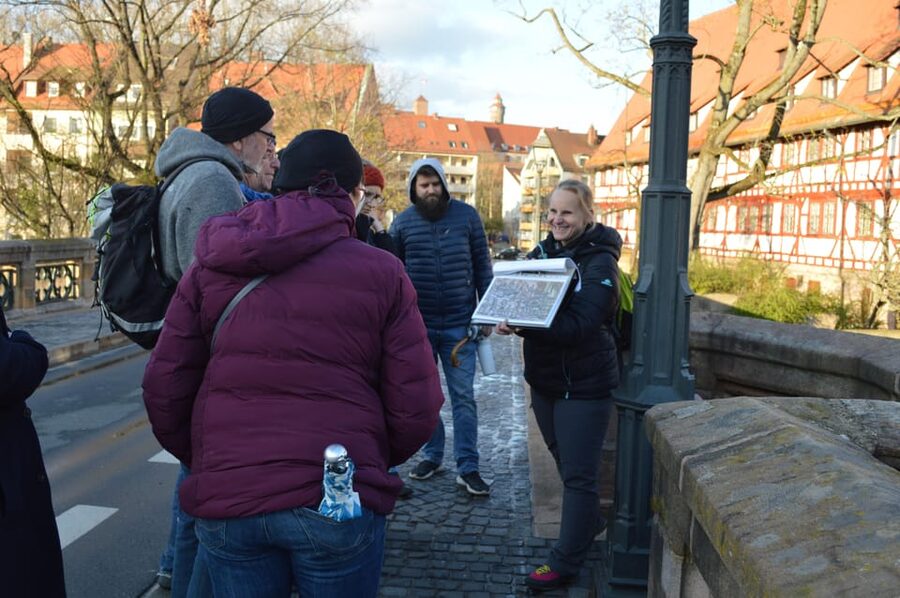
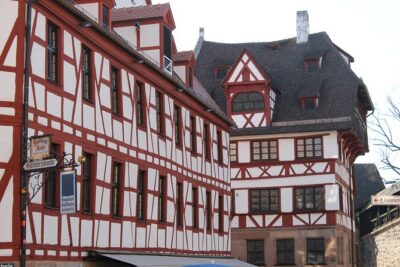
Meet your guide outside the entrance to the Henkerhaus Museum, known in English as the Hangman’s House. Look for a guide carrying a picture folder and wearing a green name tag marked Geschichte Für Alle. This clear meeting point is useful because the tour starts right beside one of Nuremberg’s most distinctive buildings.
The opening story centers on Franz Schmidt, the city’s most famous hangman. His job placed him at the edge of respectable society, yet he held an official civic role and became a notable figure in Nuremberg’s records. The tour uses his life to introduce the complicated place of executioners in medieval and early modern communities.
The Hangman’s House is also a museum, but admission is not included in the walking tour. You should not assume the guide’s fee covers entry. The experience begins outside, and the route then continues through the Old Town on foot.
That arrangement keeps the price low, but it also means you are not receiving a museum visit as part of the two hours. If you want to see the interior, ask about a separate admission before or after the tour.
Other dark corners of Nuremberg:
- Nuremberg: Medieval Dungeons Guided Tour
★ 4.8 · 1,726 reviews - Medieval Tour in Nuremberg in Spanish
★ 5.0 · 1,374 reviews - Nuremberg: 1.5-Hour Medieval Tour
★ 4.6 · 33 reviews
Witch hunts at the Weinmarkt
After a short walk of about four minutes, the group reaches the Weinmarkt. This stop shifts the focus from one official executioner to a wider question: how did a city decide who was dangerous, guilty, or worthy of punishment?
The history of witch hunts is a strong subject for a walking tour because it connects legal systems with fear and rumor. At the Weinmarkt, you’ll hear how witch-hunt ideas fit into Nuremberg’s system of justice. The point is not just to collect grim tales. It is to understand how accusations could become part of an official process.
The square is also a good early stop because it helps you read the Old Town in a new way. You are not simply crossing from one attraction to another. You are learning to ask what happened in public spaces, who controlled them, and how authorities dealt with people accused of wrongdoing.
Expect the guide to do much of the talking here. Since the tour is in German, you’ll need a solid understanding of the language to follow the legal and historical detail. The subject matter can also be unsettling, particularly for anyone sensitive to stories of persecution.
The Old City Hall and medieval law
The next stop is the Old City Hall, only a few minutes away. Here the tour explains more about Nuremberg’s medieval justice system. This is where the walk moves from individual stories into the structure of law itself.
A useful feature of this stop is the chance to connect the impressive civic building with the less polished side of city government. Town halls often suggest order and authority. This tour asks what that authority meant in daily life, especially for people accused of crimes.
Entry to the town hall is not included. The guide discusses the site from the route, so you should not expect an interior visit unless you arrange one separately. Even from outside, the stop adds context to the next part of the walk, the medieval dungeons.
The tour’s pacing should suit you if you prefer several short stops instead of one long museum visit. The route moves frequently, with only a minute or a few minutes between several locations. That keeps the two hours active, though it also gives you limited time to study each building on your own.
Inside the Lochgefängnisse story
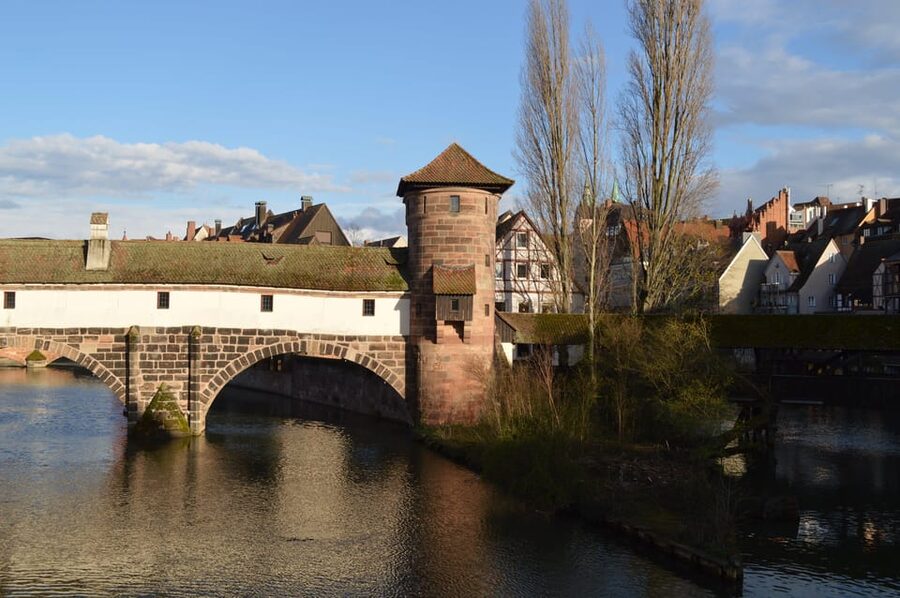
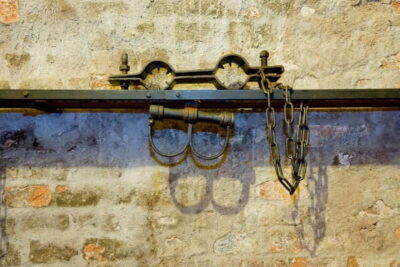
The medieval dungeons, called the Lochgefängnisse, are one of the most distinctive parts of the route. They were underground prison cells used by the city, and the guide explains their purpose and conditions.
This is the point where the title’s promise becomes especially clear. You are not only hearing about crime or punishment in general. You are learning what happened to people once authorities decided to hold them. The cells represent a system built around confinement, interrogation, and control rather than the prison model you know today.
Admission to the medieval dungeons is not included in the $15 tour price. The provided details describe a guided stop, but do not promise an interior visit as part of the fee. Check the exact arrangements when booking if entering the dungeons is essential to you.
That distinction matters. The walk offers the history of the prison, but the physical experience may require a separate ticket. If you have limited time or want to see the cells inside, plan carefully around opening hours and entry arrangements. No extra opening information is provided here, so confirm it directly before building your day around a visit.
Same base, a different kind of day out:
- Nuremberg: City Tour with the Bimmelbahn Train
★ 4.4 · 2,475 reviews - Nuremberg: Old Town Guided Walking Tour
★ 4.6 · 2,416 reviews - Nuremberg: Tunnels and Secret Passages in the City Wall Tour
★ 4.8 · 2,334 reviews - Nuremberg: Walking Tour of Former Nazi Party Rally Grounds
★ 4.7 · 1,665 reviews
The Hauptmarkt beyond Christmas cheer
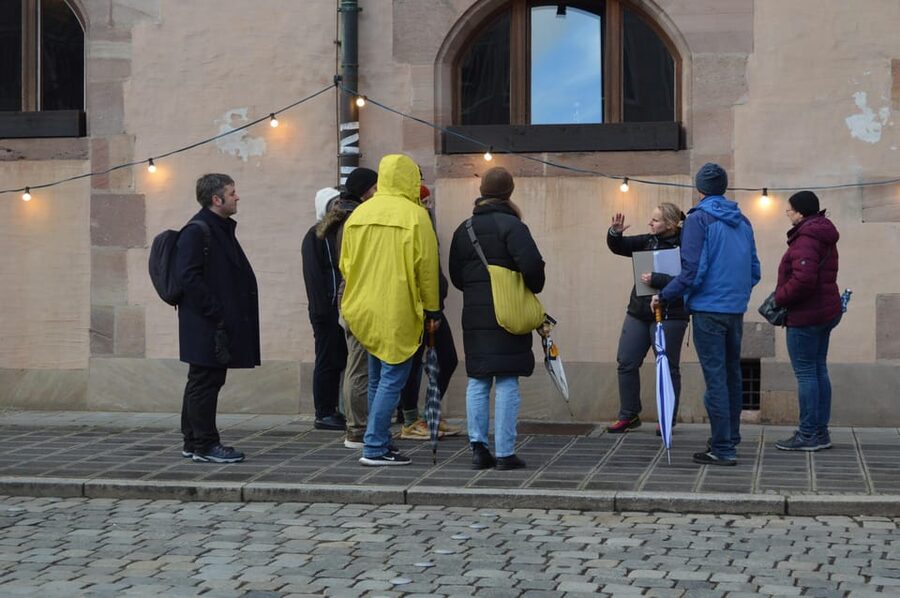
From the dungeons, the group walks about a minute to Nuremberg’s Hauptmarkt. In December, this is the setting for the famous Christkindlesmarkt, one of the city’s best-known public events. At other times of year, the square remains a central part of the Old Town.
The tour gives the Hauptmarkt a different role. Instead of treating it only as a shopping or sightseeing stop, the guide explains its connection to everyday crime and the death penalty. That contrast is one of the route’s best ideas. A square associated with festive food, lights, and holiday shopping also carries memories of public justice and death.
You’ll want to pay attention to how the setting changes the meaning of the stories. Medieval punishment was often public because authorities wanted people to see the consequences of breaking the law. The main market was a natural place for civic messages, trade, and public events, which made it an important part of urban life.
December can be an especially atmospheric time to take the tour, but it can also bring darkness, cold, and crowds around the market. One recent booking took place in rainy, dark conditions and still found the tour easy to follow because of its brisk pace. Bring warm, weather-appropriate clothing and shoes with good support.
Corporal punishment at Fleischbrücke
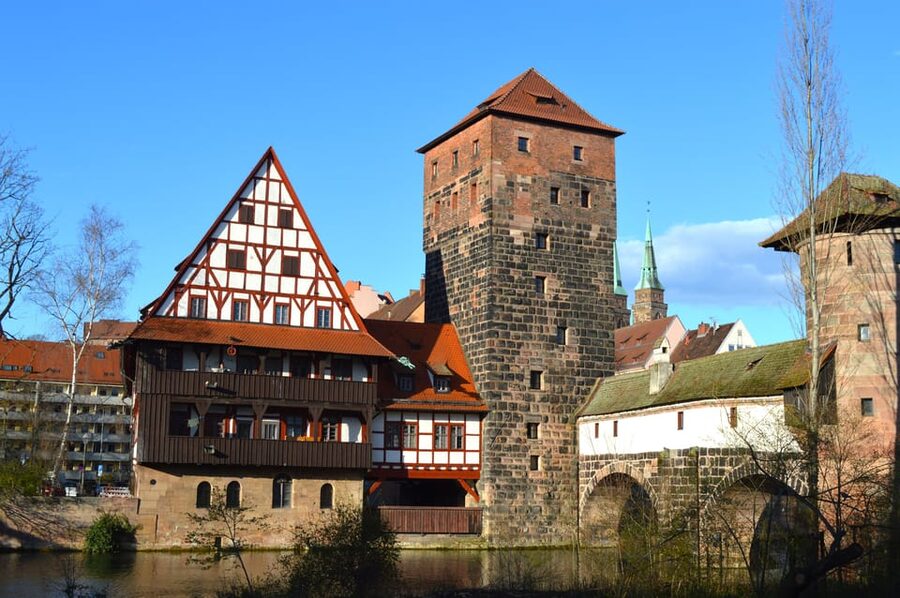
A roughly two-minute walk leads to Fleischbrücke. This bridge gives the guide another setting for explaining corporal punishment in the Middle Ages.
The subject may be difficult, but it helps explain how punishment worked before modern policing, courts, and correctional systems. Punishment could be physical and public, designed to shame as well as hurt. The guide places those practices within the city’s broader legal culture.
This stop also shows why the walking format works well for the subject. You move through streets and across civic spaces rather than hearing a general lecture in a classroom. Each location gives the next story a physical setting.
Do not expect a large display or theatrical reenactment. The experience depends on the guide’s explanations, visual references, and ability to connect the site with the past. The provider is Geschichte Für Alle e.V., and the tour includes a qualified live guide. The guide carries a picture folder, which can help make unfamiliar details easier to follow.
Peter Henlein and the Findelgasse
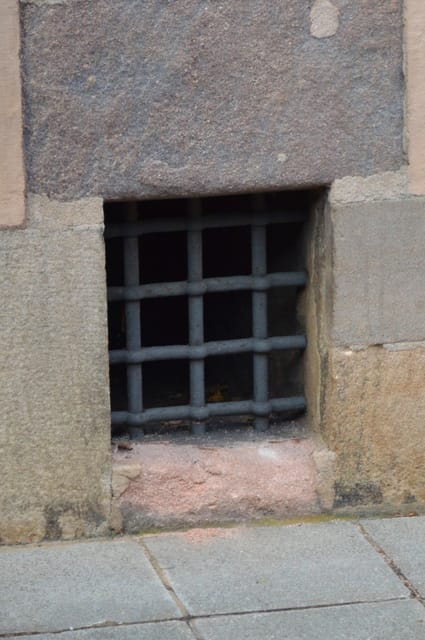
The route then continues to Findelgasse, with about five minutes of walking from Fleischbrücke. Here the story takes an unexpected turn toward Peter Henlein, the famous watchmaker.
This stop broadens the walk beyond prisons and executions. It shows that the same Old Town streets were also home to skilled craftspeople and people whose work shaped Nuremberg’s reputation. The supplied tour details identify Henlein as a famous watchmaker, but they do not promise a full museum presentation about his life or inventions.
That change of subject can be welcome after several intense stops. It gives the walk some variety and reminds you that medieval Nuremberg was not defined only by crime. Trade, craft, law, religion, and public life all existed side by side.
The stop also helps you see the route as a portrait of the city rather than a collection of gruesome anecdotes. The best guides can use these shifts to show how ordinary life continued alongside harsh justice.
Ending at the Schuldturm
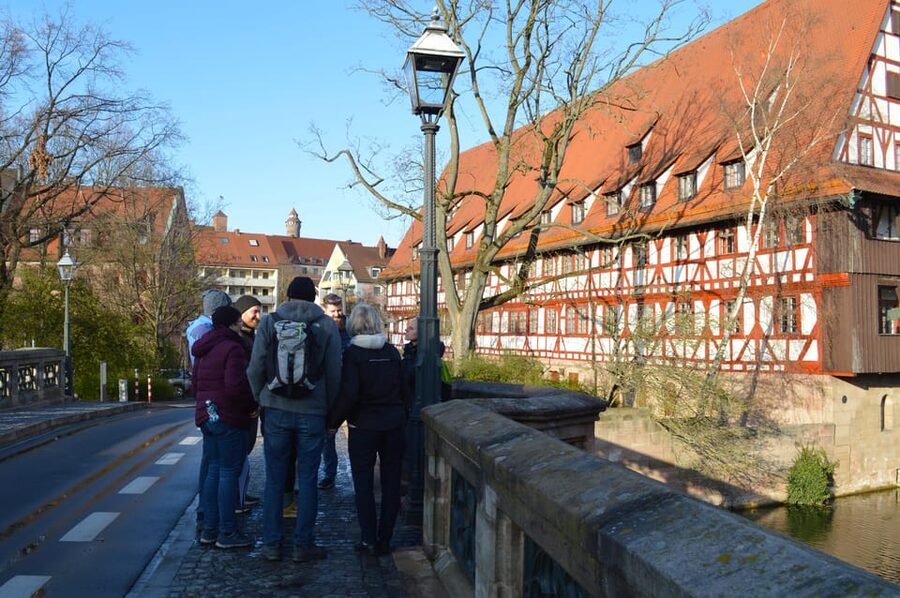
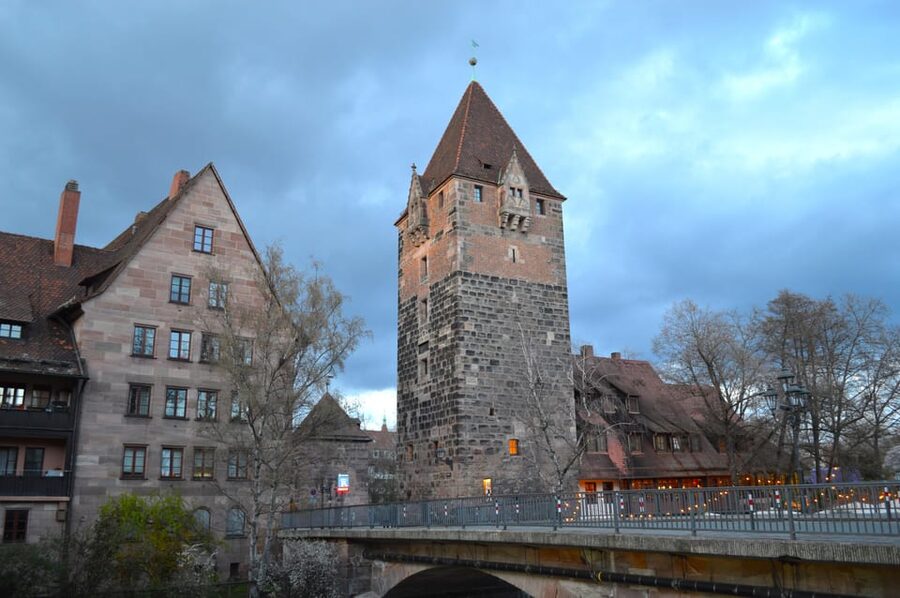
The final stop is in front of the Schuldturm, or Debt Tower. The tour explains the tower’s purpose and the people held there before ending at Vordere Insel Schütt in central Nuremberg.
A debt prison adds another layer to the subject of justice. Not everyone held by authorities was a violent criminal. Some inmates were confined because of unpaid debts, revealing how closely money, social status, and freedom were linked.
The tour does not return to the starting point. That is convenient if you want to continue exploring near the river and Insel Schütt, but you should remember the finish is different from the meeting point. If you have a timed reservation elsewhere, allow a little time to orient yourself after the final story.
Since the route ends outdoors, the weather matters from beginning to end. Comfortable shoes are important, and weather-appropriate clothing is specifically advised. The tour is not suitable for people with mobility impairments, so check the walking requirements before booking.
What the $15 price really covers
At $15 per person, this is an inexpensive way to add historical context to a visit in Nuremberg. The fee covers a two-hour walking tour and a qualified guide. It does not cover entry to the Hangman’s House, the town hall, or the medieval dungeons.
That makes the value strongest for you if you want a guided introduction to the city’s crime history rather than a series of paid interior visits. You receive a clear route through several important locations, plus stories that are hard to pick up from a casual walk through the Old Town.
The price is less compelling if you expect every named site to include admission. Budget extra if you want to enter the museums or dungeons. The tour’s value rests mainly on the guide’s explanation and the way the stops fit together.
The activity has a listed rating of 4.8 from 53 ratings. The most consistent strengths are clear explanations, strong subject knowledge, openness to questions, and a lively pace. One German-speaking guide was praised for answering questions carefully, while another tour remained engaging even in rain and darkness. Those details suggest the quality depends heavily on the individual guide, as you would expect from a history walk.
Who will enjoy this Nuremberg walk
I would recommend this tour if you enjoy local history with a darker edge and want more than the standard postcard route. It suits people interested in law, punishment, witch hunts, prison history, and the way public spaces were used in earlier centuries.
It also works well for repeat visitors to Nuremberg. Even if you already know the Hauptmarkt, town hall, or Fleischbrücke, the crime-focused stories give those places a new purpose. The route is short enough to fit into a busy Old Town day, and the stops are close together.
Families should consider the subject matter and the German language before booking. The tour deals with executions, corporal punishment, witch hunts, and prison conditions. Those themes may not suit young children or anyone looking for a light city walk.
You should also be comfortable walking for two hours and standing outdoors. People with mobility impairments may find the route unsuitable. For groups of ten or more, contact Geschichte Für Alle e.V. by email before booking.
Practical details for a smooth tour
The tour is offered in German only. There is no English-language option in the supplied details, so you should book only if you can follow a spoken German history presentation.
The duration is two hours, with starting times depending on availability. Free cancellation is allowed up to 24 hours before the start for a full refund, and you can reserve now and pay later. If you book through GetYourGuide, the booking confirmation serves as proof of payment, and no separate invoice can be issued.
Arrive at the entrance of the Henkerhaus Museum and look for the green Geschichte Für Alle name tag and picture folder. Wear comfortable shoes, and bring clothing suited to the forecast. The walk continues outdoors through public streets and squares, so rain and evening darkness can change the feel without changing the route.
Should you book Nürnberg: Mörder, Fälscher, Messerstecher?
Book it if you want Nuremberg’s familiar Old Town sights explained through crime, punishment, and civic power. The best parts are the connection between the Hangman’s House and Franz Schmidt, the witch-hunt discussion at the Weinmarkt, and the contrast between the festive Hauptmarkt and its history of public justice.
Skip it if you need English, want a gentle sightseeing walk, or require full accessibility. Also remember that the three main interior sites do not include admission, so the $15 fee buys the guided walk rather than a package of museum entries.
For a modest price, a strong German-speaking guide can turn a short route into a sharper understanding of Nuremberg’s past. If that is the kind of history you want, this is a practical and unusually focused addition to an Old Town visit.
FAQ
Where does the tour start?
The meeting point is in front of the entrance to the Henkerhaus Museum, also called the Hangman’s House.
Where does the tour finish?
The tour ends at Vordere Insel Schütt, 90403 Nürnberg-Mitte, Germany, near the Schuldturm.
How long does the walking tour last?
The tour lasts two hours.
What language is the tour in?
The live tour guide speaks German. No other tour language is listed.
Is entry to the Hangman’s House included?
No. Entry to the Hangman’s House is not included in the tour price.
Is entry to the town hall included?
No. Entry to the town hall is not included.
Is entry to the medieval dungeons included?
No. Entry to the medieval dungeons is not included.
What should I bring?
Bring comfortable shoes and clothing suitable for the weather. The activity is not suitable for people with mobility impairments.
Just added in Nuremberg
- Tour en español al Campo Zeppelin★ 5.0 · 8 reviews
- Stein: Public guided tour of the “Old Mine” museum★ 4.5 · 18 reviews
- “Rotes Bier” and “Blaue Zipfel”. A historical-culinary walk★ 4.4 · 190 reviews
- Nuremberg: Old Town Guided Tour By Bus★ 4.4 · 198 reviews
- Nürnberg kennenlernen: Highlights in der Altstadt★ 4.7 · 189 reviews
- Nuremberg: Bar and Club Tour with Free Shots and Free Entry★ 3.8 · 23 reviews
- Nürnberg Bachelor(ette) Party with Night PubCrawl★ 4.2 · 5 reviews
- Nuremberg: Tour of Former Nazi Party Rally Grounds★ 5.0 · 43 reviews
Crime, Witches & Cemetery Tours, compared.
Raven Black Witches and Executioners Walking Tour
Read our review →Browse the lists this tour appears in