
Reviewed · OLD TOWN WALKING TOURS
Nuremberg: Old Town Guided Walking Tour
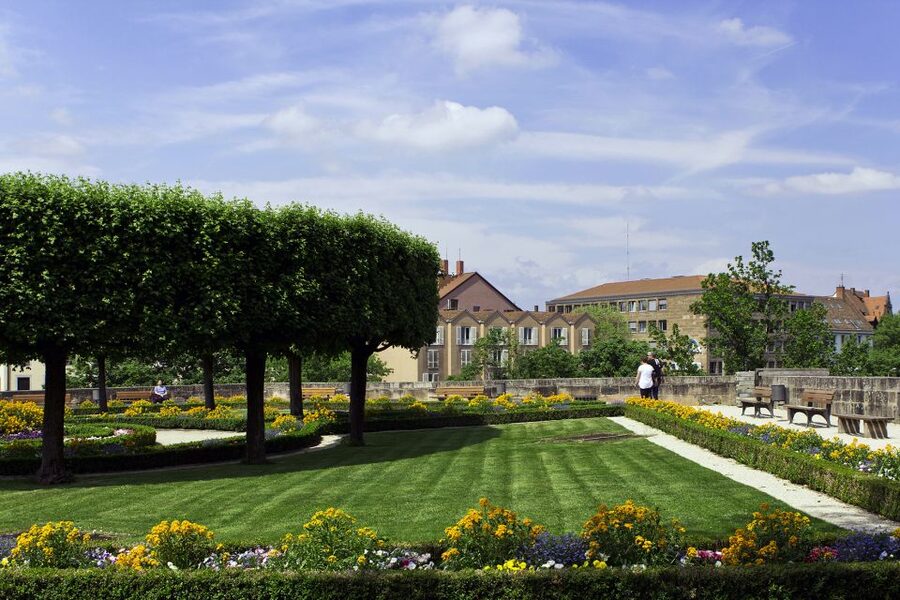
Nuremberg’s Old Town is best understood on foot, where imperial power, medieval trade, art, war, and modern city life sit close together. This 90-minute walk links the Main Market Square, St. Sebaldus Church, Dürer’s House, and handsome Weissgerbergasse, with a few less obvious corners along the way.
I like the local guides, who bring personal stories, old photographs, jokes, and strong knowledge of Nuremberg’s past. I also like the price: at $18, you get a useful first orientation before deciding which museums or historic sites deserve more of your time. The main caution is the pace and terrain. There are uphill sections, stone streets, and busy city noise, and some guides speak softly.
Key points to know
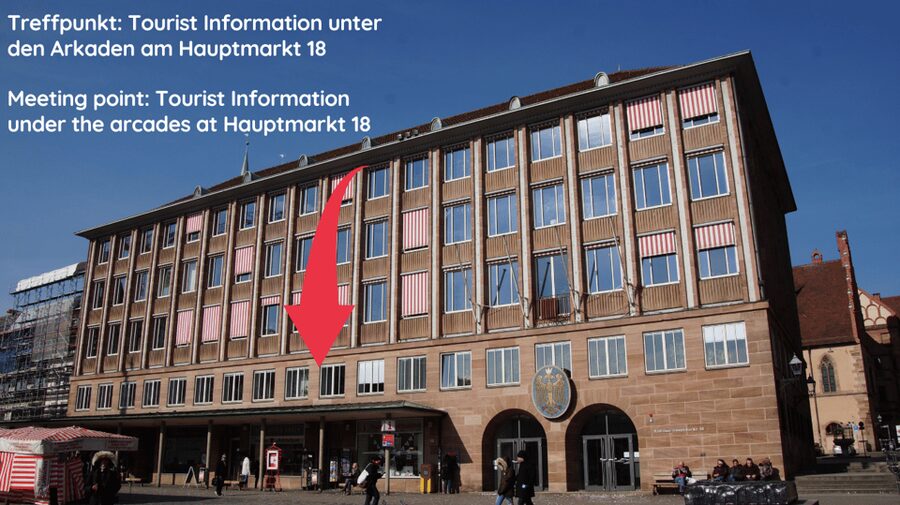
- Start beneath the arcades at Hauptmarkt 18: Meet in front of the Tourist Information shop, not simply somewhere in the square.
- See the city’s main historic sights in 90 minutes: The route includes Hauptmarkt, Old City Hall, St. Sebaldus Church, Tiergärtnertorplatz, Albrecht Dürer’s House, and Weissgerbergasse.
- Guides add personal color: Manfred, Claudia, Gabriele, Kurt, Martina, and others have been praised for humor, local detail, and clear explanations.
- Expect some uphill walking: Comfortable shoes matter, especially near the castle area and on older stone streets.
- Choose English or German when booking: The live tour is offered in both languages.
- Plan around the weather: Winter walks can be very cold, but the Christmas market setting makes the tour especially timely.
A useful first look at Nuremberg’s Old Town
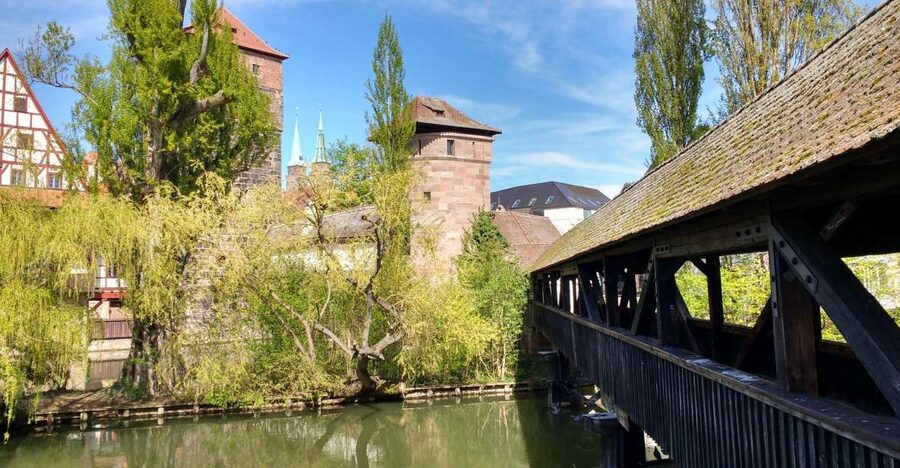
This tour gives you a quick but meaningful introduction to a city with several very different chapters. Nuremberg was once an imperial residence, a powerful imperial city, and an important center for trade and craft. Its churches, civic buildings, art, and street plan still show that importance.
The tour also addresses the marks left by the 19th and 20th centuries. That matters here. Nuremberg is not just a pretty medieval town with gingerbread shops. Its past includes political power, artistic achievement, destruction, rebuilding, and the challenge of presenting difficult history honestly.
I like the way the walk connects these periods instead of treating the Old Town as a museum set. You see the old buildings, but you also learn how the city changed and how its people live in the center today. The guides use local anecdotes and, in some cases, old photographs to help you picture what existed before wartime destruction and what came afterward.
At 1.5 hours, the experience is long enough to give you a clear sense of place without taking over your day. You can schedule it early in your visit, then return to the sights that caught your attention.
More Old Town Walking Tours in Nuremberg
- Nuremberg Old Town and Nazi Party Rally Grounds Walking Tour in English
★ 4.5 · 504 reviews - Nuremberg Old Town and Nazi Rally Grounds Walking Tour
★ 4.7 · 377 reviews - Nuremberg: The Old Town in Evening Light – IN GERMAN
★ 4.7 · 353 reviews
Finding the guide at Hauptmarkt 18
The meeting point is easy to describe and surprisingly easy to miss. Go to the Tourist Information at Hauptmarkt 18, under the arcades, and wait in front of the shop. Do not simply stand in the middle of the Main Market Square.
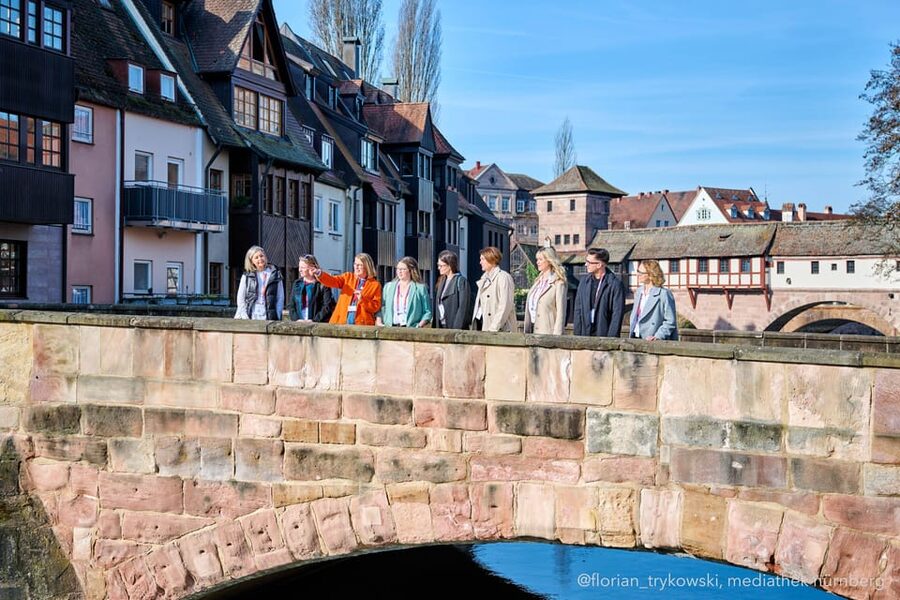
Look for a guide wearing a red and white badge marked Die Stadtführer. This small detail can save you from circling the square while a group gathers. Arrive with enough time to identify the Tourist Information entrance, especially during the Christmas season when the market and pedestrian traffic can make the square crowded.
The tour requires at least two participants. The guide may be German or English depending on the option you select, so check that choice carefully when booking.
Hauptmarkt: begin with Nuremberg’s public heart
The walk begins at Hauptmarkt, the large central square and one of the clearest places to understand Nuremberg’s public life. This is where the city’s commercial and civic activity comes together, and it becomes especially atmospheric during the Christmas market.
Your guide uses the square as an opening lesson in Nuremberg’s development. You begin with the city as a center of trade and power, then move toward the buildings and streets that reveal how that status took shape.
This is also a practical place to start because you can return later for food, shopping, or the market. The tour does not include food or drinks, but the guide may point out local products such as Nuremberg Lebkuchen. If you are visiting in December, the walk can work well before an evening market visit, though you should dress for the cold. Several winter participants found the weather freezing, even while enjoying the tour.
Old City Hall and the civic story
Old City Hall shifts the focus from markets and daily trade to government. Here, the guide explains the role of the city as an imperial center and shows how civic buildings reflect Nuremberg’s former power.
This part of the walk is valuable because it gives you a framework for the rest of the route. Instead of seeing churches, squares, and towers as separate photo stops, you start to understand how religion, commerce, and city government worked together.
The tour is not a substitute for a full museum visit, and the exact amount of time spent at each stop can change. Still, the guide’s commentary gives you the essential context without requiring you to read a long history before arriving.
Other walks through the old centre of Nuremberg:
- Dresden: Semperoper and Old Town Tour
★ 4.8 · 5,735 reviews - Munich: Old Town & Viktualienmarkt City Walk in German
★ 4.7 · 2,304 reviews - Dresden: Night Watchman Tour Through The Old Town
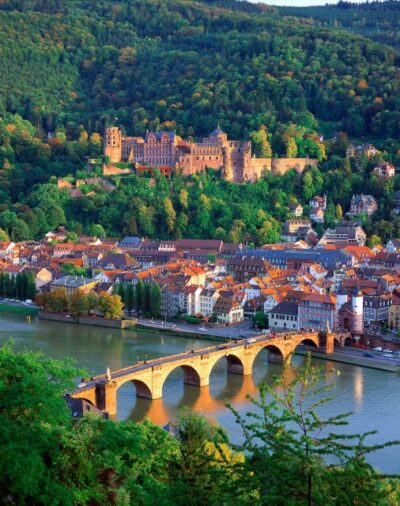
★ 4.8 · 1,758 reviews - Heidelberg: Walking Tour of the Old Town
★ 4.6 · 1,742 reviews
St. Sebaldus Church and the city’s artistic side
St. Sebaldus Church introduces Nuremberg as a place of art, faith, and civic pride. The church is among the Old Town’s key landmarks, and the guide explains why it matters within the city’s development.
This is where a good guide makes a real difference. A casual walk might give you an attractive exterior and a quick photograph. A local guide can point out details, explain their purpose, and connect the church to the people and institutions that shaped Nuremberg.
The strongest guides on this tour are praised for answering follow-up questions and adding small facts that are easy to miss. Manfred, Claudia, Gabriele, Justina, and Kurt are among the guides singled out for warmth, humor, and clear explanations. Guide quality can vary from one departure to another, but the repeated praise for the team’s local insight is a strong reason to book rather than walk alone.
Tiergärtnertorplatz and views across the old rooftops
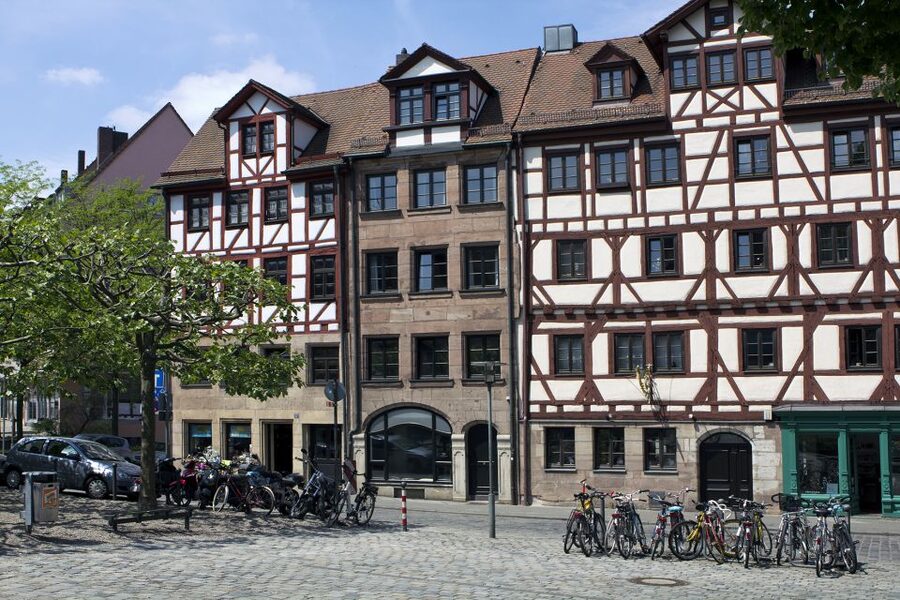
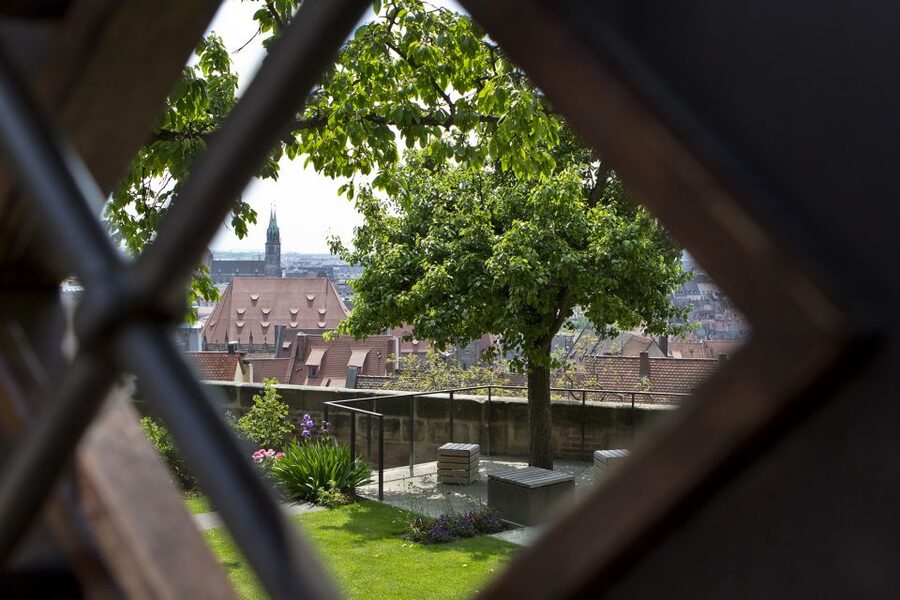
Tiergärtnertorplatz brings you into one of the most photogenic parts of the Old Town. The square sits near the old city defenses and the upper part of the historic center, offering views across rooftops and toward the castle area.
The route here is not completely flat. You may walk uphill and over uneven or historic paving, so comfortable shoes are more important than stylish ones. One past participant noted that older parents in their seventies managed the walk but found the pace and uphill sections somewhat demanding.
I like this section because it gives you a visual break from close-up buildings. You get a broader sense of the medieval center, then hear how the area changed over time. Some guides finish near a good city view, which makes a pleasant closing moment, though the exact ending can change.
If you plan to visit the castle or another attraction afterward, ask where the walk will end. One route has been described as continuing down a steep hill, which means you may need to climb again if you want to return to the castle entrance.
Albrecht Dürer’s House and Nuremberg’s creative legacy
Albrecht Dürer’s House connects the city to one of its best-known artists. The house gives the guide a chance to discuss Nuremberg’s artistic and intellectual life, not only its trade and politics.
You should think of this stop as an exterior and neighborhood introduction unless your guide tells you otherwise. The walking tour does not include admission to museums or attractions, and food and drinks are not included either.
This is one place where a guide’s personal presentation helps. Several guides use folders or old photographs, and the visual comparisons can make the city’s changes easier to understand. If you care about art, ask questions here. The 90-minute format leaves limited time for a long discussion, but a good guide can point you toward further places to explore.
Weissgerbergasse and the pleasure of a smaller street
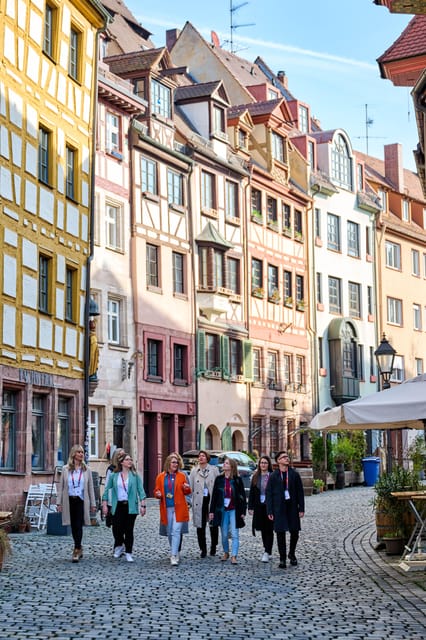
Weissgerbergasse provides a change of scale. After the main square and larger civic landmarks, you walk through a more intimate historic street lined with attractive old buildings.
This is the kind of place many people pass through without understanding its role. The guide helps you see the street as part of a working town, shaped by craft, trade, and daily life. It is also a strong place for photographs because the buildings create a more enclosed view than the broad Hauptmarkt.
The route’s promise of secret spots should be understood in a practical way. You are not being taken into private buildings or inaccessible sites. Instead, the guide may use side streets, overlooked corners, and details that you might miss while following a map.
How the guides shape the experience
Guide quality is the tour’s biggest strength. The names that appear repeatedly in the feedback include Manfred, Claudia, Gabriele, Justina, Kurt, Martina, Frank, Hannes, Maria, Charlotte, and Sergey. You cannot necessarily request a particular person, but the range of positive comments suggests a solid local team.
The best guides combine dates and names with stories that make the city easier to remember. Manfred has been praised for personal stories and humor. Claudia has been noted for explaining history, culture, traditions, and Christmas market customs. Kurt is described as a local with a strong grasp of legends and everyday culture.
You should also know the main weakness. At times, city noise makes a soft-speaking guide hard to hear. One participant specifically wished for a microphone and earphones. If the group is large or the streets are noisy, stay close to the guide and ask politely for repetition when needed.
The walk can be educational without feeling like a lecture. Several guides have been praised for making complicated history clear, while others add quirky stories and jokes. That mix works well for visitors who want substance but do not want every minute filled with dates.
Pace, group comfort, and accessibility
The advertised duration is 1.5 hours, although some participants experienced close to two hours. The route is generally brisk enough to cover several parts of the Old Town, but the exact pace depends on the guide, group, questions, and street conditions.
I would choose this tour if you can walk comfortably for the full duration and manage uphill sections. It is not suitable for wheelchair users, visually impaired people, or hearing-impaired people according to the activity information.
Bring comfortable shoes and dress for the season. Winter visitors have enjoyed pairing the walk with the Christmas market, but low temperatures can make standing still difficult. In warmer weather, the same route should feel easier, though you still need shoes suited to older paving.
Families, first-time visitors, history fans, and short-stay visitors are likely to get the most from it. If you already know Nuremberg well, the value will depend on the guide’s stories and the less familiar corners included that day.
Is $18 a fair price?
At $18 per person, this is a good-value orientation walk. You receive a live guide in English or German, a route through several major sights, and local context that would take time to assemble on your own.
The price does not include entrance tickets, food, or drinks. That is not a problem for a short city walk, but you should budget separately if you want to enter museums, churches, or other attractions afterward.
The real value comes from deciding what to do next. A guide can show you which streets deserve another look, suggest places for Lebkuchen, and explain which parts of Nuremberg’s past you may want to study further. For a first afternoon in the city, that information can prevent a scattered visit.
Free cancellation up to 24 hours before the start and the reserve-now, pay-later option make the booking fairly flexible. The two-person minimum is the main condition to keep in mind.
Should you book the Nuremberg Old Town walk?
I would book this tour if you want a compact introduction to Nuremberg before exploring on your own. It covers the essential center, adds historical context, and gives you a human voice instead of leaving you to decode every building with a phone.
It is especially useful before the Christmas market, when Hauptmarkt is already part of your plans. It also suits anyone interested in the city’s changing identity, from imperial power and art to 19th and 20th century events and present-day life.
Skip it if you need a fully accessible route, dislike uphill walking, or prefer to spend your time inside museums. For most other visitors, $18 is a sensible price for 90 minutes of orientation, local stories, and a better eye for Nuremberg’s streets.
FAQ
Where does the Nuremberg Old Town tour begin?
Meet in front of the Tourist Information shop at Hauptmarkt 18, under the arcades. Look for the guide wearing a red and white Die Stadtführer badge.
How long does the walking tour last?
The advertised duration is 1.5 hours. Some walks may run closer to two hours depending on the route, guide, and group.
What languages are available?
The tour is offered with a live guide in English or German. Select your preferred language when booking.
Which major sights are included?
The route includes Hauptmarkt, Old City Hall, St. Sebaldus Church, Tiergärtnertorplatz, Albrecht Dürer’s House, and Weissgerbergasse. Attractions and the exact route can change.
Does the tour include entrance tickets?
No. The activity includes the walking tour and guide only. Food and drinks are also not included.
Do I need comfortable shoes?
Yes. The tour involves walking through the Old Town, including possible uphill sections and older paving. Comfortable shoes are strongly recommended.
Is the tour suitable for wheelchair users?
No. The activity is not suitable for wheelchair users, visually impaired people, or hearing-impaired people.
Is there a minimum number of participants?
Yes. At least two people are required for the tour to take place.
Can I cancel the booking?
You can cancel up to 24 hours in advance for a full refund. The reserve-now, pay-later option is also available.
More walking tours in Nuremberg
- Nuremberg: Walking Tour of Former Nazi Party Rally Grounds
★ 4.7 · 1,665 reviews - Discover Berlin Half-Day Walking Tour
★ 5.0 · 9,624 reviews - Berlin: Third Reich and Cold War 2 Hour Walking Tour
★ 4.9 · 6,830 reviews - Munich: Third Reich & WWII Walking Tour
★ 4.6 · 6,181 reviews
Just added in Nuremberg
- Nuremberg’s Mystery Morning: Breakfast & Escape Game★ 4.4 · 57 reviews
- Nuremberg: The Old Town in Evening Light – IN GERMAN★ 4.7 · 353 reviews
- Nuremberg Third Reich Tour in Spanish★ 5.0 · 355 reviews
- Nuremberg Old Town and Nazi Rally Grounds Walking Tour★ 4.7 · 377 reviews
- Nuremberg Old Town and Nazi Party Rally Grounds Walking Tour in English★ 4.5 · 504 reviews
- Nuremberg: Hop-On Hop-Off Bus Tour★ 4.3 · 763 reviews
- Nuremberg: Historischer Kunstbunker WWII Art Bunker Tour★ 4.8 · 921 reviews
- Nuremberg: PLAYMOBIL®- FunPark★ 4.7 · 863 reviews
Old Town Walking Tours, compared.

Old Town & Viktualienmarkt City Walk in German
Read our review →
The Night Watchman Old Town Walking Tour in German
Read our review →
New Old Town and Highlights German-Language Tour
Read our review →
Browse the lists this tour appears in