
Reviewed · CRIME, WITCHES & CEMETERY TOURS
Munich: Raven Black Witches and Executioners Walking Tour
Munich’s old town has a darker side, and this 105-minute walking tour brings it into focus through stories of witches, executioners, grave-diggers, and other people pushed to the edge of society. You walk from Frauenkirche through the southern old town, crossing the Hackenviertel and Angers quarter before returning to the starting point.
I like the route because it takes you beyond the postcard Munich of grand churches and palace squares. I also like the human angle: the tour looks at dirty jobs and feared outsiders, including the people who handled death when it was part of daily life. The main drawback is clear: the tour is conducted in German, so English speakers may miss details even when the guide helps.
Key points to know
- Dark stories in central Munich: Visit places linked with witches, executioners, grave-diggers, and other condemned figures.
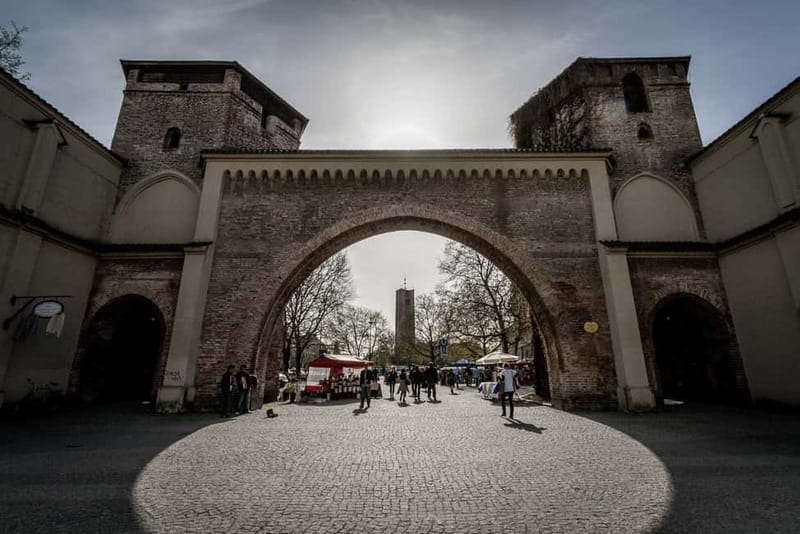
- A southern old-town route: Walk from Frauenkirche through the Hackenviertel, Hofstatt, and Angers quarter toward Sendlinger Tor.
- German-language guiding: Guides speak German, though Dhruv and other guides may help English speakers follow the story.
- A focused 105-minute outing: The tour fits neatly into a morning or afternoon of sightseeing.
- A small souvenir included: You receive a small gift at the end of the experience.
- Best for ages 14 and up: The subject matter and grim stories make this a poor fit for younger children.
Munich’s dark past begins at Frauenkirche
Meet your guide in front of the main entrance to Frauenkirche on Frauenplatz, between the church’s two towers. This is a useful central meeting point, but give yourself enough time to find the correct side of the church. The walk ends back here, so you do not need to arrange transport from an unfamiliar neighborhood.
The opening setting matters. Frauenkirche is one of Munich’s best-known landmarks, yet the tour quickly shifts your attention from grand architecture to the people who lived in its shadow. You begin thinking about how a medieval city worked after sunset, when respectable citizens went home and certain jobs were left to people considered unclean, dangerous, or morally suspect.
I like this contrast. Munich can feel polished and orderly, but this route asks you to picture the city as a place where death, punishment, fear, and gossip were part of ordinary life. The tour is not simply a walk past old buildings. Its main subject is the social boundary between accepted citizens and the people who performed necessary work no one wanted to claim.
The starting point also helps you get your bearings. You are in the city center, and the route stays in the southern old town rather than sending you far from the sights most visitors already plan to see. If you have just arrived in Munich, this makes the tour easy to add to a day of exploring on foot.
Other dark corners of Munich:
- Hamburg: Sex and Crime in St. Pauli Tour for Ages 18+
★ 4.7 · 15,447 reviews - Cologne: Melaten Cemetery Life, Love and Death Tour
★ 4.9 · 2,728 reviews - Nuremberg: Medieval Dungeons Guided Tour
★ 4.8 · 1,726 reviews
Crossing the Hackenviertel and Hofstatt
The route leads through the Hackenviertel, including the area around Hofstatt. These names give the walk a specific setting instead of leaving the stories floating in a general version of old Munich. As you cross this part of the city, your guide points out places connected with fear, punishment, and the people who dealt with the dead.
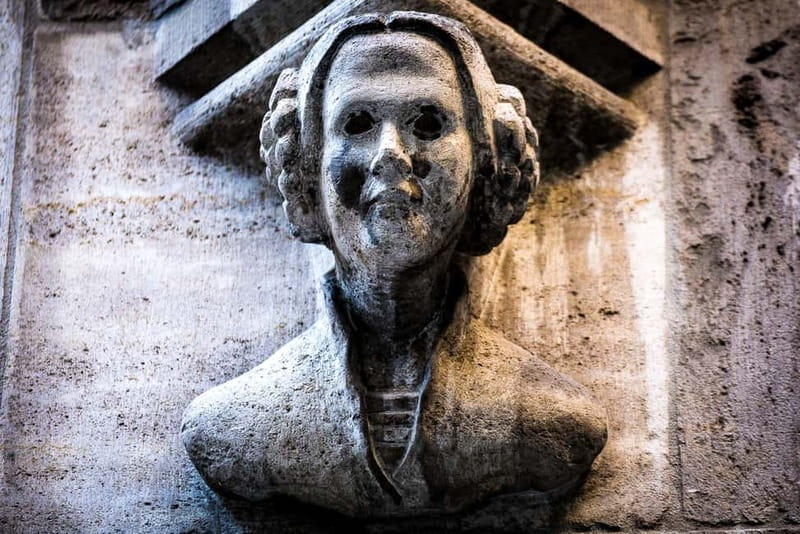
You learn where the grave-digger shouldered his spade and where ravens were said to circle. You also hear where executioners handled their hatchets and how the city treated the people who carried out its harshest work. The point is not to turn every alley into a horror story. It is to show how practical services, such as digging graves and carrying out sentences, could make a person an outcast.
That is one of the tour’s strongest ideas. Medieval and early modern cities needed executioners and grave-diggers, but the work could stain a family’s reputation. The tour also brings in witches, sorcerers, whores, and other figures who occupied the uneasy edge of public life. You hear about lost souls and cursed places, but the broader lesson concerns fear and social exclusion.
Hofstatt gives the walk a modern city setting, which may make the stories feel more immediate. Shops, streets, and everyday movement continue around you while the guide explains what these places once represented. You are not entering a preserved medieval attraction with theatrical props. You are walking through a living city and using its streets as clues.
That can be a plus or a minus. If you want a dramatic stage set, this may feel restrained. If you prefer history tied to real streets rather than a staged show, the setting works well.
The Angers quarter and the people outside polite society
The walk continues through the lively Angers quarter. Here the focus remains on the people who lived and worked on the fringes of accepted society. The tour presents them as dishonest figures in the eyes of respectable citizens, people with dirty hands whose work was needed but rarely honored.
You hear about hangmen, witches, grave-diggers, and other outcasts. The stories help explain why certain professions carried shame and why rumors could be dangerous. The tour also looks at the rogue rabble that made the streets feel unsafe after dark, when the good citizens had retired for the night.
I appreciate that the subject reaches beyond famous criminals or isolated supernatural tales. The experience is about a city’s social machinery. Who handled the bodies? Who carried out punishment? Who was blamed when fear spread? Who could be pushed out of ordinary society? Those questions give the walk more substance than a simple collection of spooky anecdotes.
The word mysterious in the tour description should not lead you to expect a ghost hunt or a special-effects performance. The supplied details point to a guided history walk built around legends, cursed locations, and accounts of people once feared or shunned. You should expect storytelling at city sites, not a theatrical haunted house.
The Angers quarter is also a good reminder to listen closely. Street noise and normal city activity may compete with the guide, and the tour is in German. Some English speakers have found that guides speak clearly or offer help, but that depends on the individual guide and the situation. Dhruv is specifically praised for explaining carefully, answering questions, and working with people facing a language challenge.
Cursed places, ravens, and the reality of punishment
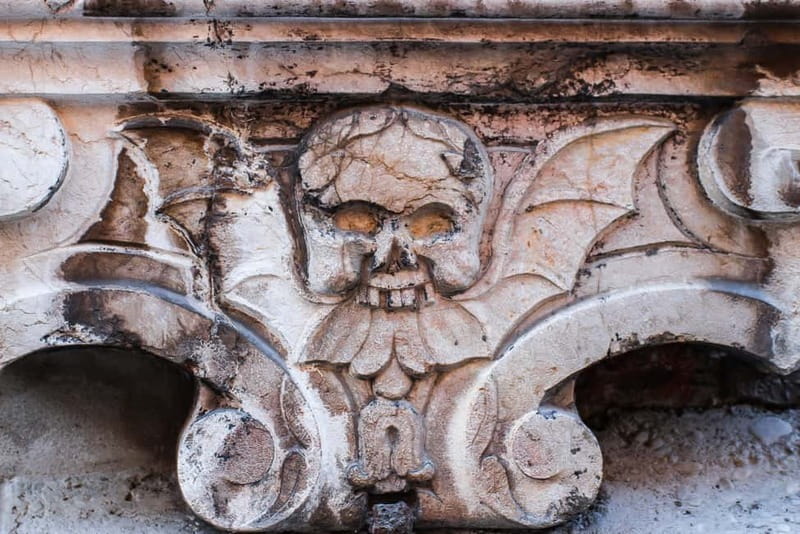
The tour’s most atmospheric material concerns cursed places and frightening events. Your guide explains what happened at locations associated with punishment, death, or public fear. The details provided do not promise a fixed list of named incidents, so you should think of the route as a guided sequence of places and stories rather than a museum-style display with labels at every stop.
You may hear where ravens circled and where the city’s executioners worked. Those images are vivid because they connect a familiar street to a much harsher past. A church, lane, or courtyard can look ordinary today, while the guide’s account asks you to picture a time when public punishment and death were visible parts of urban life.
This is where the tour earns its price. At about $25 per person, you are paying for a focused local guide rather than an expensive admission ticket. The value depends heavily on your interest in storytelling and your ability to follow German. If you can understand the language, the price is reasonable for nearly two hours of guided context in central Munich.
If you cannot follow German, the value becomes less certain. The guides may speak some English and help with questions, but the official tour language is German. I would not book this expecting an English tour simply because the booking information is available in English. Check the language carefully before paying.
The tone also deserves thought. This is not a light family stroll. Witches, executioners, death, cursed places, and unsafe streets are central themes. Children under 14 are not permitted, and older children or teenagers should be comfortable with grim historical material.
Other walks around Munich:
- Munich: Third Reich & WWII Walking Tour
★ 4.6 · 6,181 reviews - Third Reich Walking Tour Munich
★ 4.5 · 4,291 reviews - Munich: Old Town & Viktualienmarkt City Walk in German
★ 4.7 · 2,304 reviews - Munich: Night Watchman Walking Tour
★ 4.7 · 2,092 reviews
From Frauenkirche to Sendlinger Tor
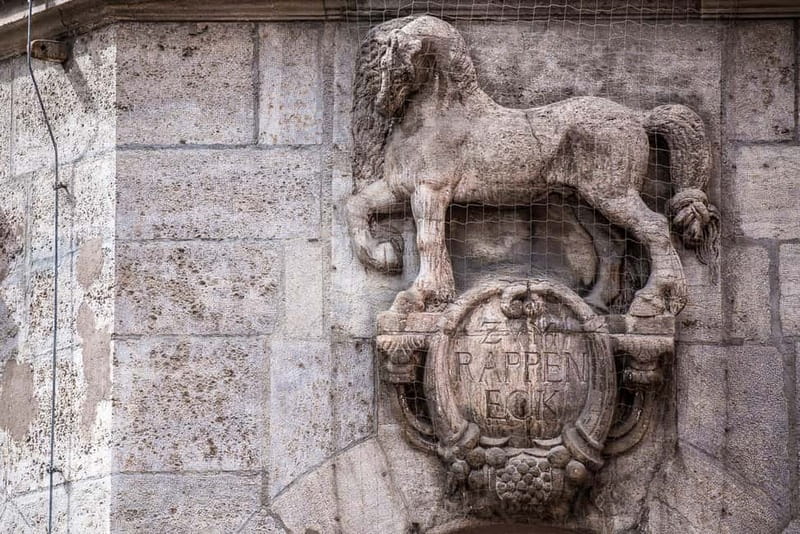
The route crosses the southern old town and reaches Sendlinger Tor before returning to Frauenplatz. This gives the experience a clear shape: a central start, a series of streets in the Hackenviertel and Angers quarter, then a return to the original meeting point.
Sendlinger Tor is an important practical endpoint even though the activity does not finish there. You do not need to plan a pickup or figure out a new route back to your hotel. After the walk, you are returned to the Frauenkirche meeting point, which makes it easier to continue sightseeing in the center.
The walk lasts around 105 minutes, or one hour and 45 minutes. That is long enough for a proper story arc without taking over your whole day. You can place it between other central Munich activities, though you should allow a little extra time for the group to gather and for the guide to finish.
Because this is a walking tour, comfortable shoes are sensible. The supplied details do not provide a distance or a precise surface description, so I would not assume that every part of the route is effortless. The activity is listed as wheelchair accessible, but anyone needing specific support should confirm the practical route details before booking.
The return to Frauenkirche is especially handy for first-time visitors. You finish where you began, close to major central sights, rather than being left at an obscure corner of the city.
German guiding and the language question

The language issue is the most important booking decision. The live tour guide speaks German, and the experience is sold as a German-language activity. The tour may be advertised on English-language booking pages, but that does not change the spoken language.
English speakers are not automatically excluded. Dhruv is described as friendly, clear, willing to answer questions, and able to work with people who do not speak German. Another guide was able to speak clearly enough for people whose German was not their first language. Still, these details should be treated as helpful extras, not as a promise of translation.
I would book this tour if you speak German well enough to follow a spoken historical account in a noisy city street. I might also book it if I know the guide can assist in English and I am comfortable catching the main ideas rather than every detail.
I would skip it if understanding every story is essential and I do not speak German. The tour’s appeal rests on its explanations. Without those, you are left mainly with a walk through central streets and a small gift.
The language can also shape the experience in a positive way. If you are studying German, this gives you a practical reason to listen and a clear subject to follow. Ask questions when possible, especially if the guide is comfortable helping in English.
Is $25 a fair price for 105 minutes?
At $25 per person, the tour sits in a reasonable range for a guided city experience lasting one hour and 45 minutes. You are not paying for entry to a major attraction. You are paying for the guide’s storytelling, route planning, local focus, and the chance to connect ordinary streets with Munich’s darker past.
The value is strongest for people who have already seen the main sights and want a different angle on the city. A standard city walk may explain churches, architecture, and famous residents. This tour concentrates on the people and places that respectable city history often leaves out.
The small gift is a pleasant extra, but it should not drive your decision. The guide and the stories are the real product. The same is true of the central route. You are not paying for transport or a remote excursion, so most of the price goes toward the live explanation.
Flexible booking also reduces the risk. You can reserve now and pay later, which helps if your Munich schedule is still shifting. Cancellation is free up to 24 hours before the tour for a full refund. These terms are useful, but check the exact availability and starting time for your chosen date.
Who should book this Munich walking tour?
I would recommend it to adults and older teenagers who like urban legends, social history, and unusual city stories. It is also a good match for repeat visitors who have already visited the main Munich sights and want to see the old town through a less polished lens.
German speakers will get the fullest experience. People with some German may also enjoy it, especially if they like listening practice. English speakers should only book after accepting that the tour itself is in German, even though the guide may offer some help.
This is less suitable for young children, people who want a gentle sightseeing stroll, or anyone looking for a fully English tour. It is also not the right choice if you dislike stories about death, public punishment, witches, or social outcasts.
The high rating of 4.7 from 294 reviews supports the tour’s appeal, especially the guides’ ability to explain clearly and handle questions. I would put the greatest weight on the language fit. A strong guide cannot fully solve a language mismatch, but a clear and patient guide such as Dhruv can make the experience much more approachable.
The final call
Book the Raven Black Witches and Executioners Walking Tour if you want a central Munich walk with a grim human story, and you can follow German or have confirmed that your guide can help in English. The Hackenviertel, Hofstatt, Angers quarter, and Sendlinger Tor route gives the experience a useful sense of place, while the focus on executioners, grave-diggers, witches, and other outcasts sets it apart from a standard old-town tour.
Skip it if you need an English-language experience or want a cheerful overview of Munich. For the right audience, $25 buys a memorable look at the city’s feared and forgotten corners. Just make the language check before you book.
FAQ
Where does the tour start?
The tour starts in front of the main entrance to Frauenkirche on Frauenplatz, between the two towers.
Where does the tour end?
The tour ends back at the Frauenkirche meeting point.
How long does the walking tour last?
The tour lasts approximately 105 minutes, or one hour and 45 minutes.
What language is the tour conducted in?
The live tour is conducted in German.
Can English speakers join the tour?
Yes, English speakers can join, but the official tour language is German. Some guides, including Dhruv, can help with English questions and language challenges.
What places does the route visit?
The route crosses Munich’s southern old town, including the Hackenviertel, Hofstatt, and Angers quarter, and goes toward Sendlinger Tor before returning to Frauenkirche.
What subjects does the tour cover?
The tour covers witches, sorcerers, executioners, grave-diggers, whores, cursed places, ravens, public punishment, and other people who lived on the edge of medieval society.
Is the tour suitable for children?
The activity is not suitable for children under 14 years old.
Is the tour wheelchair accessible?
Yes, the activity is listed as wheelchair accessible.
What happens if I need to cancel?
You can cancel up to 24 hours in advance for a full refund. You can also reserve now and pay later to keep your plans flexible.
Just added in Munich
- 2 Hours Munich: VIP Private Segway Tour★ 4.9 · 5 reviews
- “Comedykills” – das Open Mic im Glockenbachviertel★ 4.1 · 51 reviews
- From Munich: Herrenchiemsee Palace and Boat Trip Day-Tour★ 4.8 · 129 reviews
- Munich: Classical Concert at the Residenz Palace★ 4.5 · 148 reviews
- Munich: City Highlights Guided Segway Tour★ 4.6 · 266 reviews
- Munich: Law Library Guided Visit with Entry Tickets★ 4.6 · 297 reviews
- From Munich: Guided Group Tour to Eagle’s Nest★ 4.8 · 303 reviews
- From Munich: Nuremberg Day Trip by Train★ 4.4 · 357 reviews
Crime, Witches & Cemetery Tours, compared.

Browse the lists this tour appears in