
Reviewed · CRIME, WITCHES & CEMETERY TOURS
Nuremberg: Medieval Time Travel for Kids
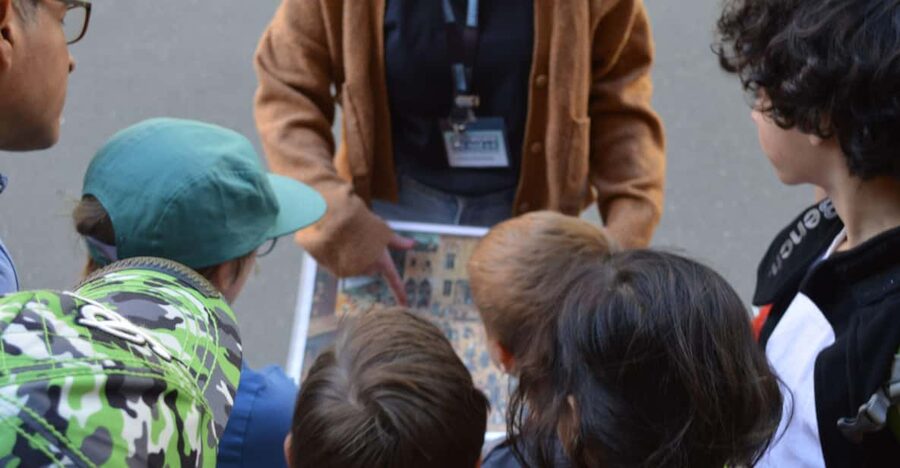
Nuremberg’s medieval center becomes a hands-on classroom on this two-hour walk for children. You will follow stories about food, work, water, religion, play, knights, and princesses, then take part in historical games and a shared sacred ritual rather than simply looking at old buildings.
I like the way the tour turns each stop into an activity, and I like its clear focus on daily life, not just famous dates and grand monuments. The main drawback is that the tour is in German, and the walking route and outdoor format may not suit children under six or anyone with mobility limitations.
Key points for families
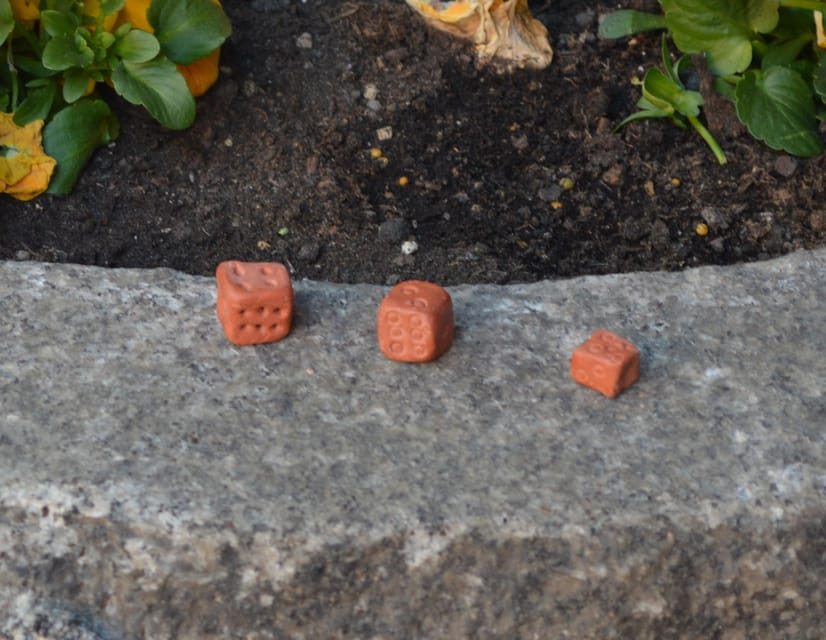
- Hands-on history: Children play historical games and join a staged sacred ritual.
- Medieval life beyond castles: The tour covers food, work, childhood, church life, water, and leisure.
- Seven Old Town stops: The route links the Henkerhaus, Trödelmarkt, Pegnitz area, Hauptmarkt, St. Sebaldus Church, Weinmarkt, and Weißgerbergasse.
- A good age range: The activity is designed for children age six and older, with especially strong appeal for children around seven to ten.
- A short, useful format: Two hours gives families a focused introduction without taking up the whole day.
- Low-cost family activity: At $11 per person, the tour offers a guided experience at a modest price, provided everyone can follow German.
Why this Nuremberg tour works for children
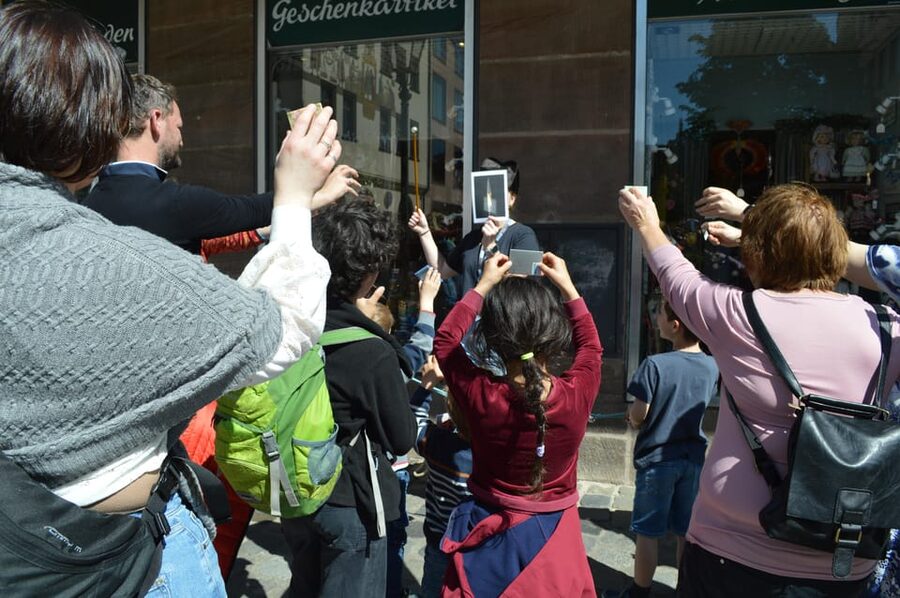
Many Old Town tours ask children to listen quietly while an adult explains a building. This one takes a different path. The guide uses games, acting, materials, and participation to make the past easier to picture.
You will hear about what children ate, what they played with, how they worked, and how the church shaped everyday life. The questions about knights and princesses give the tour an easy entry point, but the content reaches well beyond royal stories.
That balance matters. Children get the fun of medieval costumes and rituals, while adults receive a more grounded look at ordinary life. The tour asks what people did with water, how work was divided, why religion mattered, and how children spent free time.
The format also helps families stay engaged. A short walk of about five minutes usually links the main stops, with one seven-minute walk near the end. The route is not a long march across the city, but you should still bring comfortable shoes and clothing suited to the weather.
The guide speaks German. That is the key factor to consider before booking. A child who understands German can take part fully in the questions, games, and explanations. If your family does not understand German, the visual activities may still offer some enjoyment, but the historical detail will be much harder to follow.
Other dark corners of Nuremberg:
- Nuremberg: Medieval Dungeons Guided Tour
★ 4.8 · 1,726 reviews - Medieval Tour in Nuremberg in Spanish
★ 5.0 · 1,374 reviews - Nürnberg: Mörder, Fälscher, Messerstecher
★ 4.8 · 53 reviews
Starting at the Henkerhaus
Meet the guide in front of the Henkerhaus, or Hangman’s House, at Trödelmarkt. Look for the green name badge and the folder marked Geschichte Für Alle. This clear meeting point is useful in a busy Old Town, since you know exactly what to look for rather than waiting for a guide to find you.
The Henkerhaus gives the tour an arresting start. Its name immediately raises questions about crime, punishment, and the people who carried out difficult jobs in medieval society. The tour then moves beyond the dramatic title to consider the wider working world of the period.
That is a good opening for children. They begin with a place that sounds like a storybook setting, then learn that medieval towns depended on many different professions. The activity is not presented as a castle fantasy alone. It includes the practical work that kept a city fed, supplied, and organized.
Trödelmarkt and the working medieval town
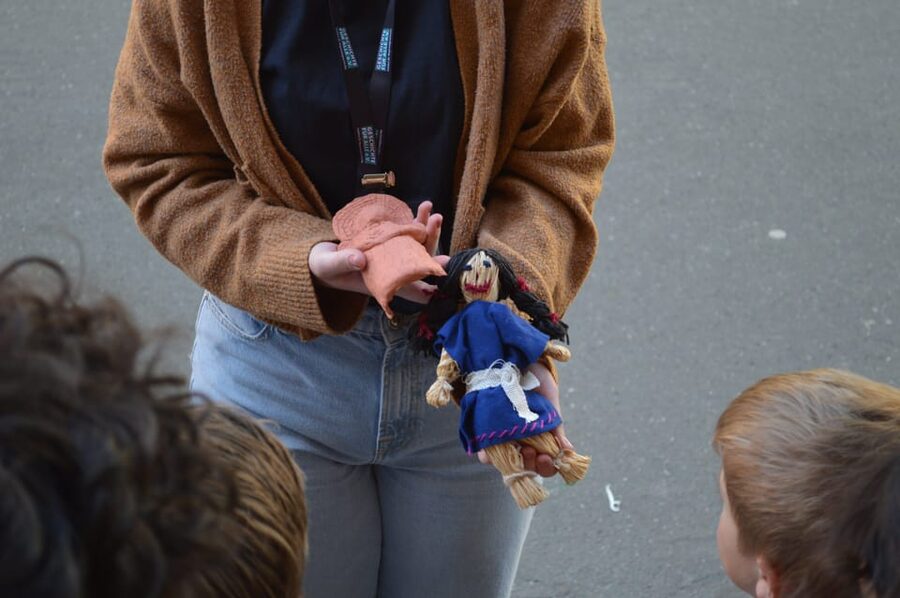
The first guided stop is Trödelmarkt, the square beside the starting point. Here, the focus turns toward the way a medieval town functioned and the jobs people held.
You can expect the guide to introduce different medieval professions and connect them to everyday needs. Children learn that work was not limited to knights, nobles, or church officials. Food, trade, craft, transport, and public duties all shaped city life.
This is one of the most useful parts for younger children because it gives them comparisons they can understand. Instead of treating the Middle Ages as a distant block of time, the guide asks what people needed each day and who provided it.
The game-based approach is especially helpful here. Historical information can be slippery for a six-year-old, but a task or role-play activity gives the child something concrete to remember. Adults can listen for the social detail while children focus on the challenge in front of them.
The Pegnitz, water, and Liebesinsel
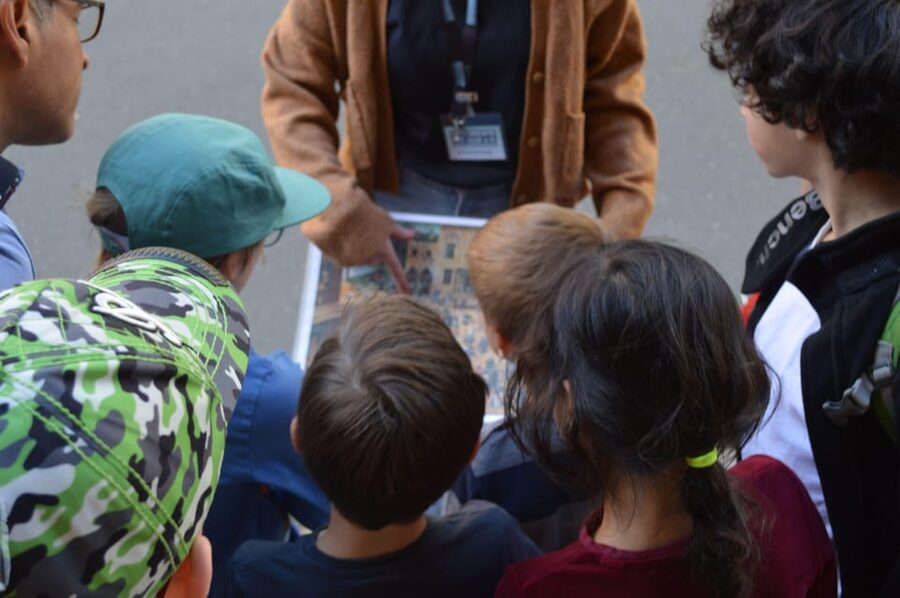
After Trödelmarkt, the group walks for about five minutes to Liebesinsel near the Pegnitz. The river is not just scenery. It provides a way to discuss how people used water in medieval Nuremberg.
The tour explains the practical role of the river and helps children consider how different life would be without modern plumbing. Water had to be collected, carried, used, and managed. It mattered for homes, work, food, and the health of the town.
This stop gives the tour a welcome change of pace. Children can look at the water while the guide connects the setting to daily tasks. The subject is simple, but it helps explain why rivers were important to medieval towns.
The stop also shows why a walking tour can teach more than an indoor display. You are standing in the historic city itself, with the Pegnitz close by. The setting gives the discussion a physical anchor, even if the main activity remains the guide’s explanation and questions.
Same base, a different kind of day out:
- Nuremberg: City Tour with the Bimmelbahn Train
★ 4.4 · 2,475 reviews - Nuremberg: Old Town Guided Walking Tour
★ 4.6 · 2,416 reviews - Nuremberg: Tunnels and Secret Passages in the City Wall Tour
★ 4.8 · 2,334 reviews - Nuremberg: Walking Tour of Former Nazi Party Rally Grounds
★ 4.7 · 1,665 reviews
Fleischhauerbrunnen and the city’s trades
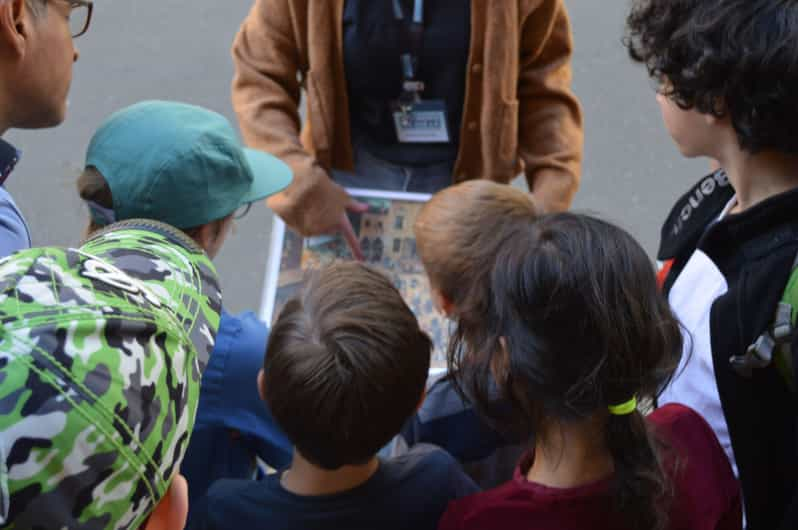
The route continues on foot for another five minutes to Fleischhauerbrunnen. The name points to the butchers’ fountain, making this a natural place to discuss food and skilled work.
The tour’s food theme is broader than a list of medieval dishes. You learn about nutrition and what children might have eaten, while the setting opens a window onto the trades needed to supply a growing town.
For children, food is often the easiest way into history. Asking what people ate creates an immediate connection between their own lives and the past. The discussion can then lead to questions about who prepared food, where it came from, and how work affected family life.
This stop also helps correct the polished version of the Middle Ages that children sometimes meet in films. The tour does not focus only on banquets or noble households. It looks at ordinary meals and working people, which gives the subject more substance.
Hauptmarkt and the Christmas market setting
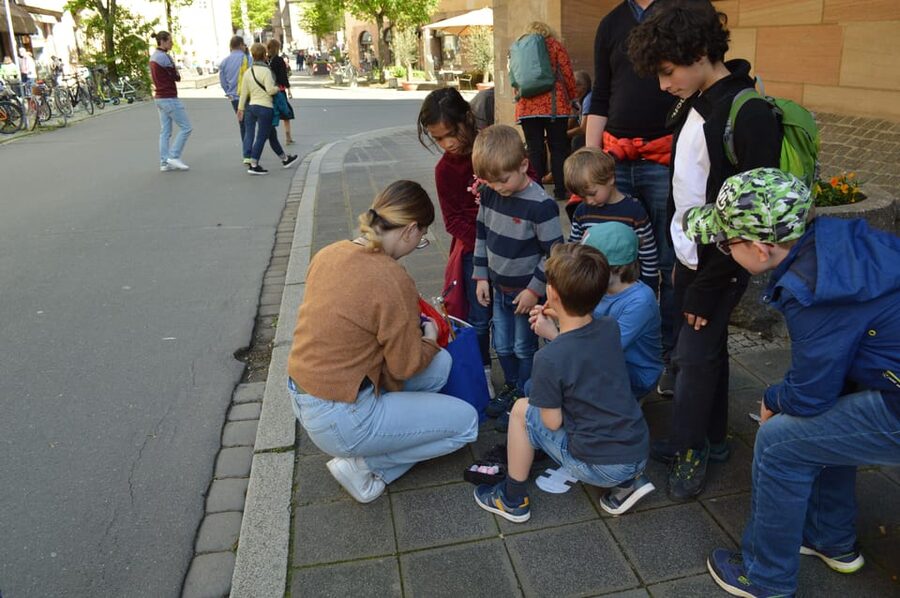
A five-minute walk brings you to Hauptmarkt, Nuremberg’s famous central market square. This is also where the city’s annual Christmas market takes place, so the location has a strong connection to Nuremberg’s public identity.
The square allows the guide to connect trade, food, public gatherings, and seasonal celebrations. Children can think about the market as a place where people met, bought goods, and saw the city’s social life unfold.
The Christmas market link may make this stop especially appealing to families visiting in winter, but the square is still useful outside the holiday season. The discussion centers on how a public market worked in medieval times, not only on the modern event.
Expect this stop to be more open and public than some of the earlier points. The guide must compete with the surroundings, and the square may have other activity nearby. That is part of the setting, but children may need a reminder to stay close and listen.
St. Sebaldus Church and the role of religion
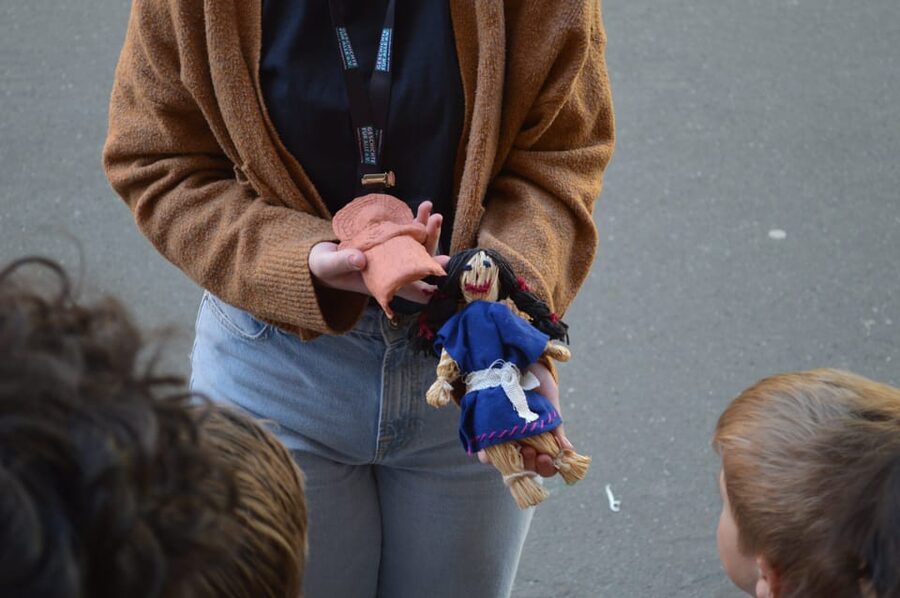
From Hauptmarkt, the group walks about five minutes to St. Sebaldus Church. Outside the church, a relief provides a visual starting point for a discussion about the role of religion.
The tour treats the church as more than an old building to admire. It explains how religion shaped medieval childhood, work, celebrations, and public life. The planned sacred ritual gives children a chance to act out part of that world instead of only hearing about it.
This is one of the tour’s more unusual features. A shared ritual can sound serious, but the activity is designed as a staged experience that lets children participate. It gives them a sense of how public religious acts could bring a community together.
The church stop also adds balance to the practical subjects of water, food, and work. Medieval life was not divided into tidy categories. Faith influenced the calendar, customs, duties, and ideas that guided people from childhood onward.
Parents should keep in mind that the tour is not simply a church visit. The emphasis is on historical explanation and participation outside the church, using the relief and the surrounding space to make the subject accessible.
Weinmarkt and the final stretch
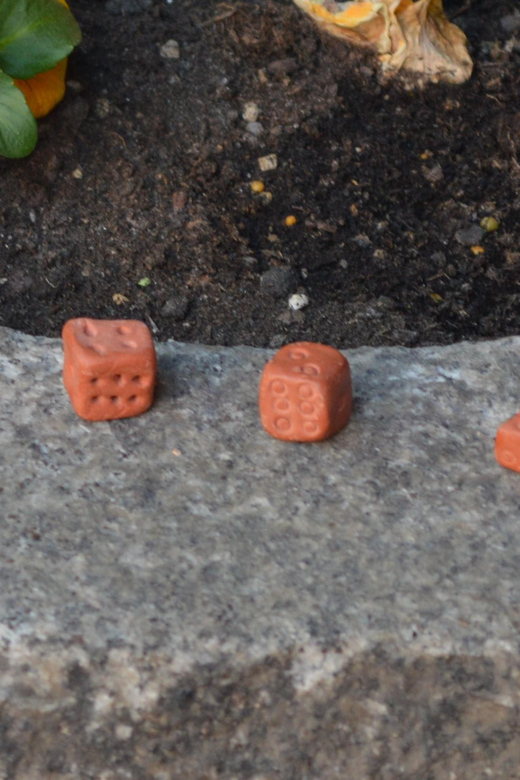
The next stop is Weinmarkt, reached after another five-minute walk. The square continues the discussion of the medieval city, its people, and the professions that made urban life possible.
By this point, children have encountered water, food, work, markets, and religion. Weinmarkt helps tie those subjects together. The guide can show how different parts of the city supported one another, from trades and commerce to public and religious life.
The route then continues for about seven minutes to Weißgerbergasse, where the tour ends. The longer final walk is still modest, but younger children may be ready for a pause by then. If your child tires quickly, plan the rest of the day at an easy pace.
Ending near Weißgerbergasse is convenient for continuing your visit to Nuremberg’s Old Town. The tour does not return to the Henkerhaus, so you should note the final location when planning your next stop.
Games, acting, and the right kind of history lesson
The strongest feature is the mix of explanation and participation. Children are not expected to absorb two hours of uninterrupted talk. They play historical games, respond to questions, handle or observe illustrative materials, and join a staged ritual.
The activity has also worked well for mixed family groups. Children around seven and eight have been especially enthusiastic, and the format can hold the attention of both younger children and adults. A six-year-old may enjoy the movement and acting even if some of the historical points go over their head.
The games are not just decoration. They give structure to each stop and help children remember the difference between medieval work, worship, food, and play. Adults can ask follow-up questions without turning the tour into a school lecture.
You should still set reasonable expectations. This is a guided educational walk, not a full theatrical show. The acting and materials support the history, but the guide remains central. A child who dislikes group activities or does not understand German may get less from the experience.
Price, timing, and practical value
At $11 per person, the tour is inexpensive for a two-hour guided activity in the center of Nuremberg. I see the best value for families who want more than a quick look at the Old Town but do not want to commit to a full-day museum program.
The price is also attractive because the tour combines several themes in one outing. You receive a guided route, local history, age-focused explanations, games, and participation at multiple stops. Paying separately for several attractions would not create the same connected story.
The two-hour length is another advantage. It is long enough to cover a meaningful range of subjects, yet short enough to fit around lunch, a museum visit, or other sightseeing. The walking time between stops is generally about five minutes, with a final seven-minute section.
The tour includes only the guided walking experience. You should plan your own transport to the meeting point and bring weather-appropriate clothing. Since much of the activity takes place outdoors, rain, cold, or heat can affect comfort.
Free cancellation is available up to 24 hours before the start time, and you can reserve while paying later. For groups of 10 or more, contact Geschichte Für Alle at [email protected]. Bookings made through GetYourGuide do not receive a separate invoice, so the booking confirmation serves as proof of payment.
Who should book this experience?
I would choose this tour for families with children age six and older who enjoy questions, movement, and pretend play. It is especially suited to children around seven to ten, since the subject matter is simple enough to follow while still giving them plenty to think about.
It also works well when adults in the group want real history rather than a thin fairy-tale version of the Middle Ages. The tour covers food, jobs, religion, water, and childhood, so you get a useful picture of town life.
German-speaking families have the clearest reason to book. The guide’s language is German, and the explanations carry much of the value. Families relying mainly on English should consider a different tour unless the children can follow German well enough to join in.
The walking route is manageable, but it is not suitable for people with mobility impairments according to the stated conditions. Comfortable shoes are essential, and a weather forecast check is wise before you go.
Should you book the medieval children’s tour?
Book it if you want children to take part in Nuremberg’s history instead of simply looking at it. The games, visual materials, acting, and sacred ritual give the two-hour route a clear purpose, while the stops introduce serious subjects in a child-friendly way.
Skip it if your family does not understand German, if your children are under six, or if you need a fully accessible route. For everyone else, $11 buys a focused and practical introduction to medieval Nuremberg, with enough activity to keep the walk from feeling like a lecture.
FAQ
How long does the Nuremberg medieval children’s tour last?
The guided walking tour lasts two hours.
Where does the tour begin?
The tour begins in front of the Henkerhaus, or Hangman’s House, at Trödelmarkt in Nuremberg. Look for the guide wearing a green name badge and carrying a folder marked Geschichte Für Alle.
Where does the tour end?
The tour ends at Weißgerbergasse.
What language is the tour in?
The live tour guide speaks German.
Is the tour suitable for young children?
The tour is not suitable for children under six. It is designed for children age six and older and includes historical games, acting, and a shared sacred ritual.
What should I bring?
Bring comfortable shoes and clothing suitable for the weather. The tour is a walking activity with several outdoor stops.
Just added in Nuremberg
- Tour en español al Campo Zeppelin★ 5.0 · 8 reviews
- Stein: Public guided tour of the “Old Mine” museum★ 4.5 · 18 reviews
- “Rotes Bier” and “Blaue Zipfel”. A historical-culinary walk★ 4.4 · 190 reviews
- Nuremberg: Old Town Guided Tour By Bus★ 4.4 · 198 reviews
- Nürnberg kennenlernen: Highlights in der Altstadt★ 4.7 · 189 reviews
- Nuremberg: Bar and Club Tour with Free Shots and Free Entry★ 3.8 · 23 reviews
- Nürnberg Bachelor(ette) Party with Night PubCrawl★ 4.2 · 5 reviews
- Nuremberg: Tour of Former Nazi Party Rally Grounds★ 5.0 · 43 reviews
Crime, Witches & Cemetery Tours, compared.
Raven Black Witches and Executioners Walking Tour
Read our review →Browse the lists this tour appears in