

Reviewed · BERLIN WALL & COLD WAR TOURS
Berlin: Stasi Museum Private Guided Tour with Entry Ticket
The most striking part of this Berlin tour is that the Stasi Museum occupies the original headquarters of East Germany’s State Security Ministry. You are not studying surveillance from a distance. You are walking through the offices where the system was planned and managed, including Minister Erich Mielke’s office and his famous red briefcase.
I like the tour’s private format, which gives your guide room to explain the political system at your pace. I also like the included ride from Alexanderplatz, since the museum sits outside central Berlin. The main caution is price: at $257 per person, this is a serious spend for three hours, especially when a less expensive museum visit with your own research is possible.
Key points to know before booking
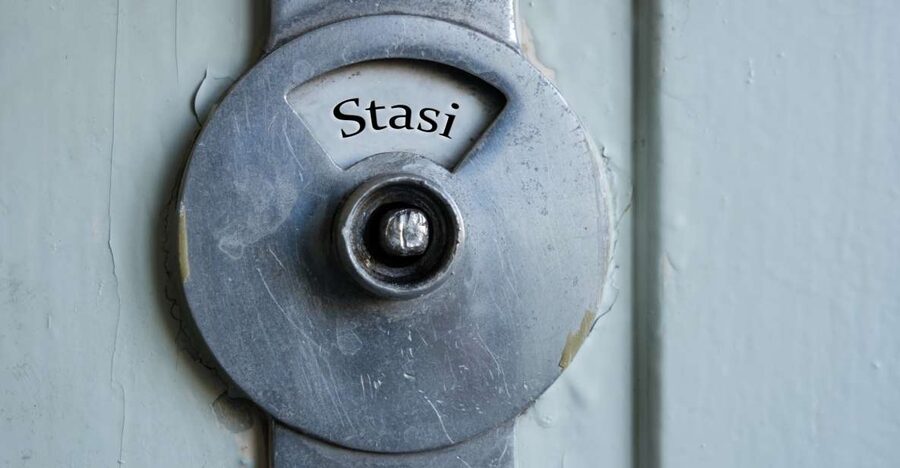
- Start at Alexanderplatz: Meet your guide outside the DM drugstore at Alexanderplatz, 1, 10178 Berlin, a useful place to connect the museum visit with the story of the GDR.
- Tour the real Stasi headquarters: The museum is housed in the former Ministry of State Security building, not in the former Stasi prison at Berlin-Hohenschönhausen.
- See working tools of surveillance: Expect original bugs, hidden cameras, and other spy technology used to watch and control citizens.
- Visit Mielke’s office: The ministerial rooms include Erich Mielke’s office and the red briefcase associated with sensitive information.
- Use public transport with tickets included: The guide takes you from Alexanderplatz to the museum and back.
- Book for explanation, not just entry: The main value is the private commentary, especially if you want the political background explained in English or German.
Starting at Alexanderplatz, where East Berlin made history

Your meeting point is in front of the DM drugstore at Alexanderplatz, 1, 10178 Berlin. This large public square is more than a simple place to meet. It was a major center of public life in the German Democratic Republic, and the largest demonstration in GDR history took place there in 1989.
That gives the tour a useful opening. Before you see surveillance cameras or ministry offices, you begin with a public space where ordinary people gathered during a crucial period. Your guide can connect the square with the wider story of communist rule, propaganda, political control, and the pressure that eventually helped bring down the Berlin Wall.
I recommend arriving early. The museum entry is booked for a set time, so this is not the sort of tour where you can stroll in ten minutes late and catch up. The meeting point is easy to identify, but Alexanderplatz can be busy and spread out. Check the message sent the day before, and allow enough time to find the DM store and your guide.
Other divided-city history in Berlin:
- Berlin: Third Reich and Cold War 2 Hour Walking Tour
★ 4.9 · 6,830 reviews - Berlin’s Best: 2 Hour Walking Tour Third Reich and the Cold War
★ 5.0 · 5,486 reviews - Skip-the-Line: Berlin Wall Museum at Checkpoint Charlie
★ 4.1 · 2,041 reviews
The public transport ride to Normannenstraße
From Alexanderplatz, you travel by public transport to the Stasi Museum. Both the outward and return tickets are included, which removes one small but useful task from your day. The ride also helps you understand that the museum is not right in central Berlin.
This transfer is part of the tour rather than dead time. Your guide can continue explaining the division of Germany and the role of state surveillance while you move from a central public square to the former security headquarters. Since the tour is private, you can ask questions along the way instead of simply following a large group in silence.
There is one practical point to keep in mind: the transport portion means the full three hours is not spent inside museum rooms. That is normal for an outlying museum, but it matters if you are comparing this experience with a self-guided visit. The included tickets and guide make the journey simpler, yet the museum visit itself will be shorter than three hours.
Entering the former State Security headquarters
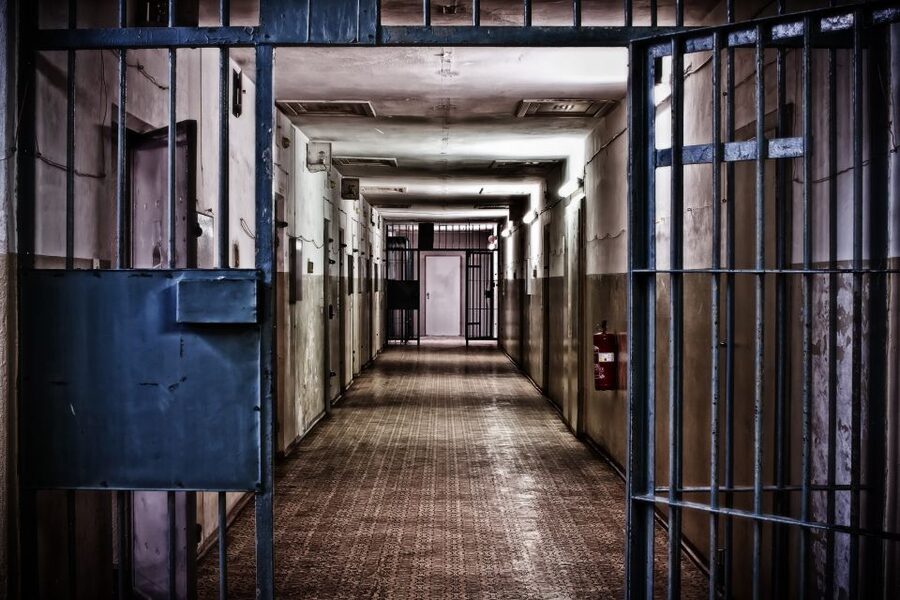
The Forschungs- und Gedenkstätte Normannenstraße, usually called the Stasi Museum, is located in the original building used by the Ministry of State Security. That setting gives the visit its strongest sense of place.
The Stasi was the secret police and state security service of the GDR. Its work involved surveillance, informants, political control, and the collection of sensitive information. The museum helps you see how those broad ideas operated inside a real institution.
I find the building more useful than a standard exhibition hall because the offices themselves are part of the evidence. You are looking at the rooms where officials worked, rather than only reading labels about them. The private guide can point out how the ministry functioned and explain the connection between political power and everyday monitoring.
This is also where the tour moves beyond a simple Cold War overview. You learn about how citizens were watched, how informants were recruited, and how the government tried to control behavior and information. The subject is serious, but the guide’s role is to give it shape so the visit does not become a blur of unfamiliar names and institutions.
Spy cameras, bugs, and the mechanics of control
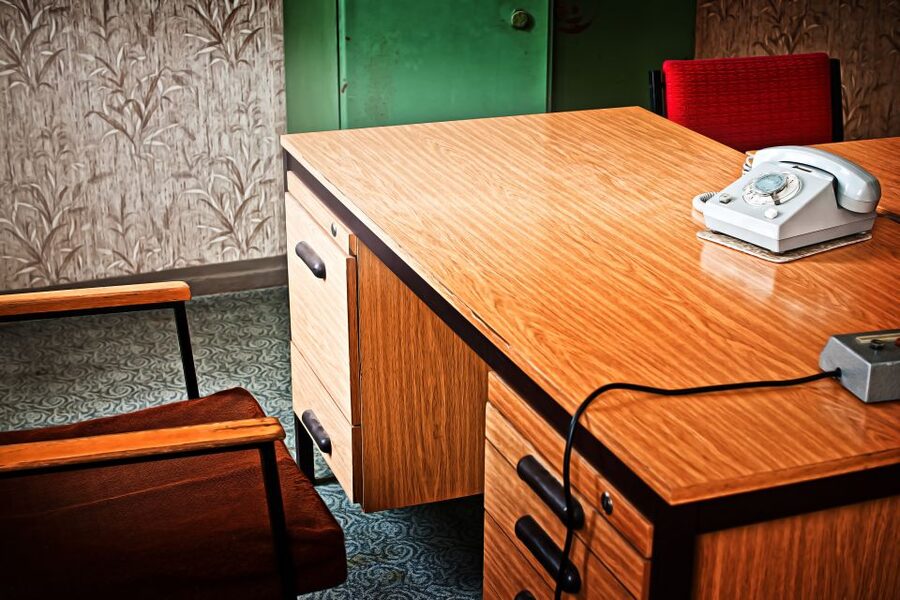
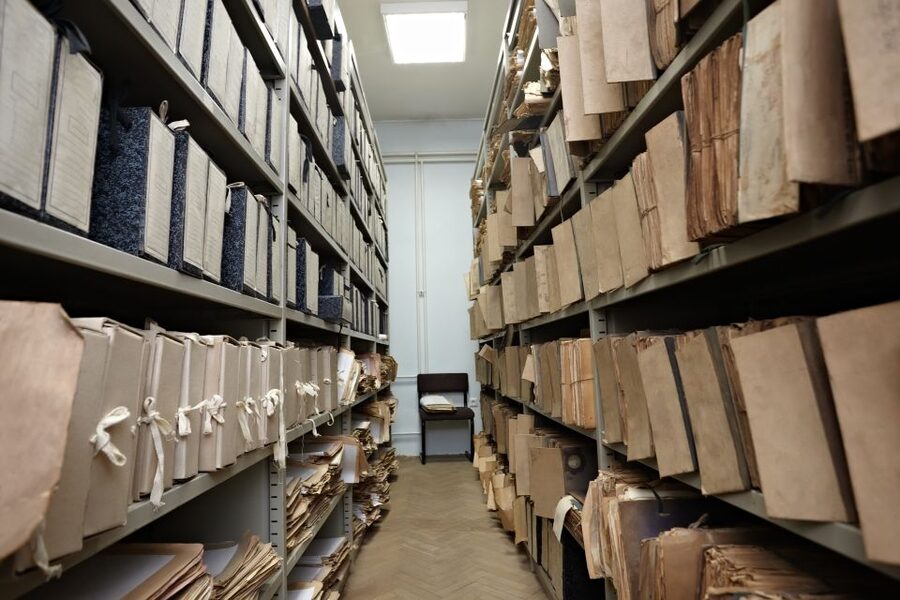
The museum displays original spy technology, including bugs and hidden cameras. These objects make surveillance easier to understand. A general explanation of secret police methods can feel abstract, but a concealed camera or listening device shows the practical side of the system.
Look closely at how ordinary objects could be used for observation. The point is not simply that the Stasi had technology. It is that the tools supported a wider system in which citizens could be watched, reported, questioned, or pressured.
Your guide can explain how informants fit into that system. The Stasi did not depend only on official offices and visible police work. It also relied on information gathered from people inside workplaces, neighborhoods, and personal circles. That is one reason the subject reaches into daily life in the GDR rather than remaining a story about government buildings.
This is a good part of the tour for questions. If you are curious about who was monitored, how information was collected, or how surveillance affected ordinary people, a private guide gives you a better chance to pause and ask. A large group tour would have less flexibility.
Other museums and galleries in Berlin:
- Berlin: Jewish Museum Berlin Entrance Ticket
★ 4.5 · 8,393 reviews - Berlin: Natural History Museum Entrance Ticket
★ 4.6 · 3,382 reviews - Berlin: Neues Museum Entry Ticket
★ 4.6 · 3,261 reviews - Berlin: Museum Island Multiple Museum Entry Ticket
★ 4.4 · 2,007 reviews
Erich Mielke’s office and the red briefcase
The ministerial offices form another important part of the visit. You will see Erich Mielke’s office, along with the well-known red briefcase used to keep highly sensitive information.
The office and briefcase put a human scale on a large political system. Instead of seeing only anonymous files and equipment, you see the surroundings of a senior official who directed the security ministry. The red briefcase is a small object, but it carries a clear message about secrecy, hierarchy, and access to information.
Your guide can place Mielke’s office within the wider structure of the GDR dictatorship. That context matters because the Stasi Museum is not simply about clever gadgets. It is about how a government used information, fear, and surveillance to maintain power.
If you prefer museums with dramatic objects and strong political context, this section should work well. If you mainly want a general Berlin sightseeing tour, the subject may feel narrow and demanding. The experience asks you to pay attention to institutions and methods rather than grand architecture or scenic views.
What daily life in East Germany means here
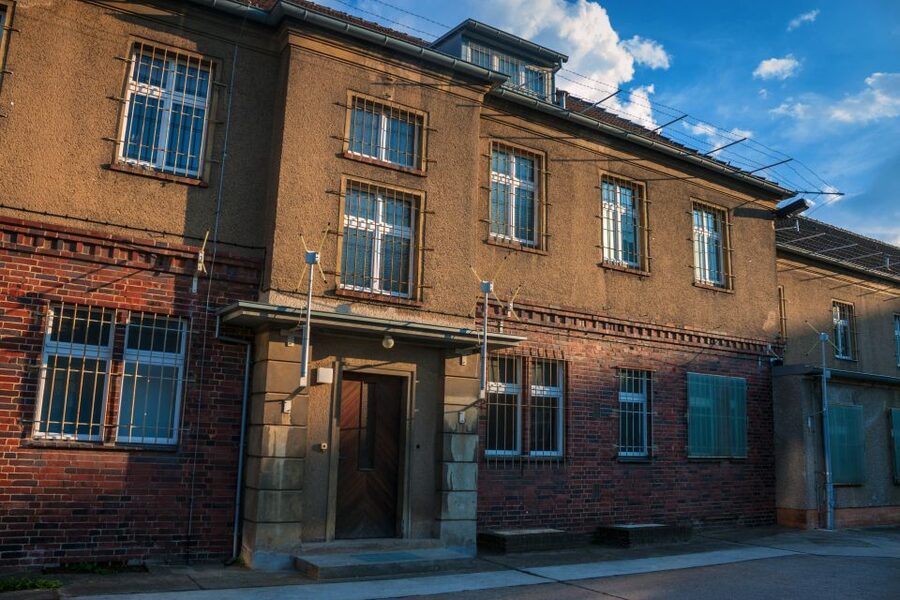
The central question of the tour is simple: what was daily life like behind the Berlin Wall in the postwar GDR? The answer comes through the links between political rules, propaganda, and personal behavior.
The tour does not present East Germany as only a Cold War chess piece. It also looks at what it meant to live under a government that tried to monitor and control its citizens. You learn how fear could spread through communities and how informants became part of the security system.
A good guide makes this topic easier to grasp by connecting official policy with human choices. One past guide, Silvia, was praised for sharing personal stories and additional material, and another participant noted that she could also speak Danish despite an English booking. You should not assume Silvia will lead your tour, but the comments suggest that guide quality can add a great deal when personal context is relevant.
The tour is offered in English or German, and the guide speaks the language selected when you book. Confirm your preferred language in advance. The strongest part of a private visit is not just hearing facts in your own language, but being able to stop when a point needs more explanation.
How much value do you get for $257?

At $257 per person, this is not a bargain museum outing. The price includes a private three-hour tour, a licensed five-star guide, museum entry, and two-way public transport tickets. You are paying mainly for time with a guide, not for the transport or admission alone.
The value is easier to defend if you are traveling with people who share your interest in Cold War history, communism, or the GDR. A private guide can adjust the pace and focus on your questions. That matters in a museum filled with political terms, unfamiliar institutions, and objects whose meaning is not always obvious.
The value is harder to defend if you are visiting alone or mainly want to see the museum quickly. One previous booking was described as far too expensive at $435, a higher figure than the current listed price. That warning is worth taking seriously. Even at $257, you should compare the cost with a regular museum visit and decide how much personal explanation is worth to you.
I would book this tour for a small group that wants a focused history lesson and values convenience. I would hesitate if your budget is tight, if you are already comfortable researching the GDR yourself, or if you want a broad tour of Berlin rather than one concentrated subject.
Who should take this private museum tour?
This experience suits history fans, Cold War students, and anyone who wants to understand communism through the daily experience of people living under it. It also works well for visitors who prefer discussion to reading every museum panel alone.
You will get the most from it if you are willing to ask questions. The private group format gives you that opening, and the subject has many layers: propaganda, informants, hidden cameras, official offices, and the division of Germany.
Families with older children or teenagers may find the material useful, especially if they are studying modern European history. The listing does not specify a recommended minimum age, so you should judge the subject for your own group.
The tour is wheelchair accessible, which is an important practical advantage. English and German are available, and the experience is designed for a private group rather than a large shared party.
Planning the three-hour experience
Keep your schedule clear for the full three hours. The time includes meeting at Alexanderplatz, public transport to the museum, the guided visit, and the return journey. Since the entry slot is pre-booked, arriving late could affect the entire plan.
Read the day-before email carefully. It contains important information for the meeting and schedule, and the tour depends on sticking to the appointed timing.
Remember that this is the Stasi Museum at Normannenstraße. It is not the former Stasi prison memorial at Berlin-Hohenschönhausen. Both sites concern the East German security system, but they are separate places with different settings and focuses.
The tour allows free cancellation up to 24 hours before the start for a full refund, and you can reserve now and pay later. Those terms help if your Berlin plans are still shifting, but they do not remove the need to arrive on time once the tour is booked.
Should you book the Stasi Museum private tour?
Book it if you want the former Stasi headquarters explained by a guide in English or German, and if the private format matters to you. The original offices, hidden cameras, bugs, Mielke’s red briefcase, and discussion of informants give the visit real substance.
Skip it if $257 per person feels too steep for a three-hour history visit, or if you would rather explore the museum independently. The strongest reason to pay the premium is the guide’s commentary and flexibility, not the included transport tickets.
For the right audience, this is a focused and serious Berlin experience. It connects Alexanderplatz, the 1989 demonstrations, the machinery of state surveillance, and the pressures of everyday life in the GDR. Just make sure you are paying for the private explanation you want, not simply for admission to a museum.
FAQ
Where does the Stasi Museum tour meet?
Meet your guide in front of the DM drugstore at Alexanderplatz, 1, 10178 Berlin.
How long does the tour last?
The tour lasts three hours, including the meeting, public transport to the museum, the guided visit, and the return journey.
What museum does this tour visit?
It visits the Stasi Museum, officially called Forschungs- und Gedenkstätte Normannenstraße, in the former headquarters of East Germany’s Ministry of State Security.
Is this the same place as the Hohenschönhausen Memorial?
No. The Stasi Museum at Normannenstraße is different from the former Stasi prison known as the Berlin-Hohenschönhausen Memorial.
Are museum tickets included?
Yes. The tour includes skip-the-line, pre-booked entry to the Stasi Museum.
Does the price include public transport?
Yes. Two-way public transport tickets between Alexanderplatz and the museum are included.
What languages are available?
The live tour is available in English or German. The guide speaks the language selected when you book.
Is the tour private?
Yes. It is arranged for a private group rather than a shared public group.
Is the tour wheelchair accessible?
Yes. The activity is listed as wheelchair accessible.
Can I cancel the booking?
You can cancel up to 24 hours before the tour for a full refund. You can also reserve now and pay later.
Just added in Berlin
- Private One way Airport Transfer Berlin Airport To Berlin★ 3.5 · 17 reviews
- Private Walking Tour: Berlin Wall, Cold War and Checkpoint Charlie★ 5.0 · 37 reviews
- Modern Berlin Private Walking Tour: Diverse, Vibrant and Exciting German Capital★ 5.0 · 13 reviews
- Private Day Trip to Potsdam from Berlin by Train★ 4.5 · 27 reviews
- City Explorer: Potsdam Private Day Trip★ 4.5 · 10 reviews
- Berlin Private Custom 5-Hour Tour by Car★ 5.0 · 30 reviews
- Private Half-Day Sightseeing Tour in Berlin★ 3.5 · 6 reviews
- Berlin Private Custom Tour in a Minivan, East and West★ 5.0 · 123 reviews
Berlin Wall & Cold War Tours, compared.

Skip-the-Line: Berlin Wall Museum at Checkpoint Charlie
Read our review →
Cold War, Berlin Wall, Spies and the East Side Gallery
Read our review →
Guided Bike Tour of the Berlin Wall and Third Reich
Read our review →
East Berlin and the Berlin Wall 2-Hour Walking Tour
Read our review →Browse the lists this tour appears in