
Reviewed · MUSEUMS
Berlin: Jewish Museum Berlin Entrance Ticket
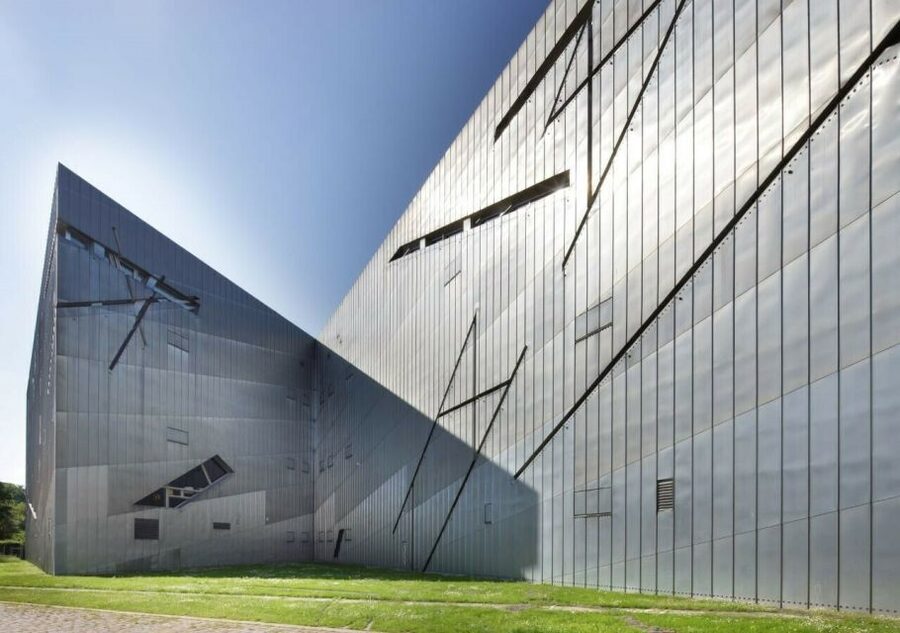
Berlin’s Jewish Museum is not simply a collection of objects in glass cases. Daniel Libeskind’s angular building is part of the message, using sloping floors, empty spaces, and stark corridors to express absence, uncertainty, and rupture in German Jewish life. Inside, you move from everyday customs and religious traditions to the Holocaust and Jewish life today.
I especially like two things here. First, the museum treats Jewish life as more than a story of persecution, with space for food, family, faith, art, work, and holidays. Second, the architecture carries real emotional weight, especially in the Holocaust Tower and the Memory Void with its Shalekhet, or Fallen Leaves, installation.
The main drawback is that the museum can be confusing to follow. The building’s unusual layout is intentional, but signs do not always make the route clear. Allow at least two hours, and longer if you want to listen to the app tours or read the displays carefully.
Key points to know before you go
- Free main admission: This is an unusually strong value for a Berlin museum, though donations are welcome and some exhibition arrangements may differ.
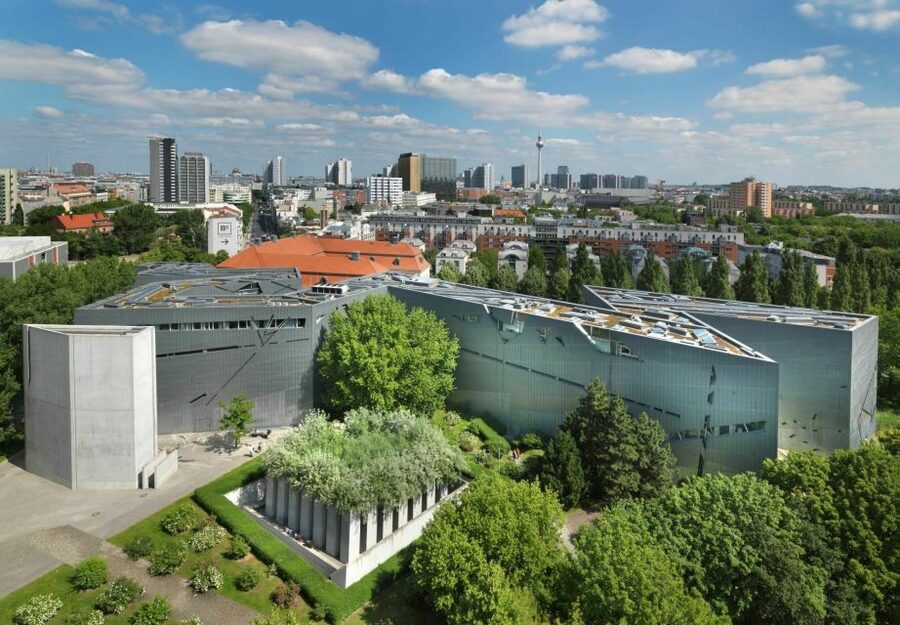
- Libeskind’s building is part of the experience: Sloping walls, sharp angles, voids, and the Garden of Exile shape how you move and feel.
- Jewish life comes first, not only the Holocaust: Learn about kosher food, Shabbat, holidays, family life, art, and Jewish communities in Germany.
- The visit takes about two hours: You can spend much longer if you use the app tours and study the many displays.
- Bring your own headphones: The free JMB app includes audio material and guided routes, but headphones make it much easier to use.
- Plan a second museum nearby: Your JMB ticket gives you reduced-rate admission to the Berlinische Galerie on the same day and the following two days.
Entering the Libeskind building in Kreuzberg
The Jewish Museum is in central Berlin’s Kreuzberg district, within walking distance of Checkpoint Charlie. That location makes it easy to pair with other museums and sites in the former divided city, though I would not squeeze this visit into a rushed hour between appointments.
The museum’s famous exterior is immediately unusual. The building zig-zags across the site, with narrow windows cut into its metal-clad surface. The design is not meant to feel comfortable or orderly. It reflects a history marked by interrupted lives, missing people, and a community whose place in Germany was violently destroyed.
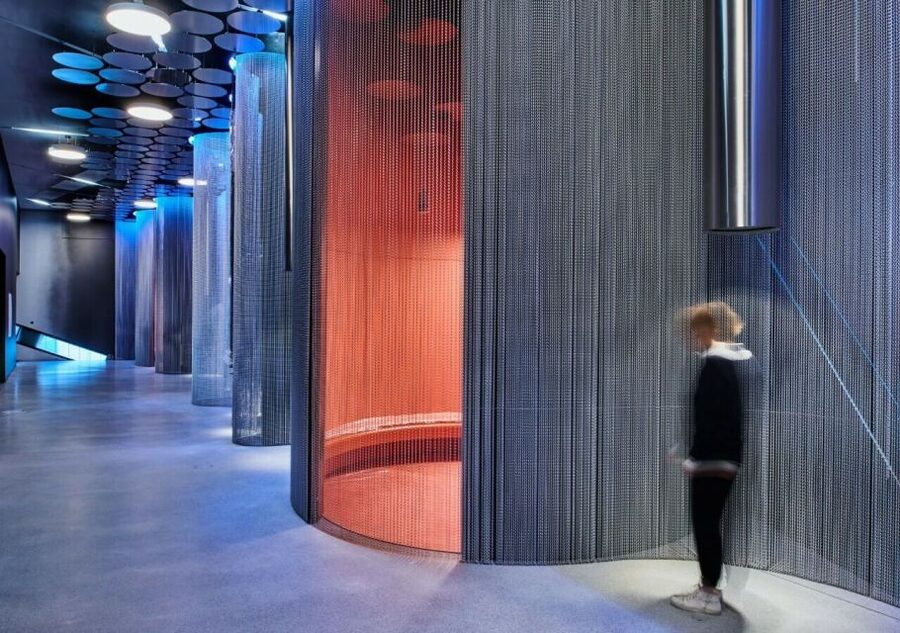
Inside, the architecture keeps working on you. Floors can slope. Corridors can feel stark. Long empty voids cut through the building, and some areas make you pause rather than simply walk from one display to the next. The effect is powerful, but it also explains why the route can be hard to follow.
Take a moment near the start to get your bearings. If you rush straight into the displays, you may miss how the building frames the entire visit. You are not only looking at an architectural landmark. You are moving through a building designed to make absence visible.
Other museums and galleries in Berlin:
- Berlin: Natural History Museum Entrance Ticket
★ 4.6 · 3,382 reviews - Berlin: Neues Museum Entry Ticket
★ 4.6 · 3,261 reviews - Skip-the-Line: Berlin Wall Museum at Checkpoint Charlie
★ 4.1 · 2,041 reviews
Jewish life in Germany before the Nazi era
One of the museum’s greatest strengths is its broad time span. The story reaches from the Middle Ages to the present, so the Holocaust is placed within a longer account of Jewish life rather than treated as the entire subject.
You encounter religious practice, domestic life, work, education, art, and relations between Jewish communities and the wider German society. Everyday objects help keep the story grounded. Instead of seeing Jewish people only through political events, you begin to understand how families organized their lives and maintained traditions.
The displays explain customs that may be unfamiliar if you have not spent time in a Jewish home or community. You can learn about kosher dietary laws, Shabbat, Jewish holidays, and the meaning behind ordinary practices. These sections are especially useful because they explain Judaism as a living faith and culture, not simply as a set of historical facts.
I found this balance important. Berlin has many sites that deal directly with Nazi persecution and the Holocaust. The Jewish Museum adds something different by showing the people and culture that existed before the catastrophe, and the Jewish life that continues now.
The collection includes art as well as everyday objects, with video and audio installations placed among the exhibits. Interactive stations offer another way into the material, especially for younger visitors or anyone who prefers listening and looking over reading long panels.
The Holocaust Tower and the museum’s hardest moments
The museum does not soften the history of Nazi Germany. The sections dealing with exclusion, persecution, deportation, and murder are difficult, and you should expect the visit to become emotionally heavy.
The Holocaust Tower is one of the most memorable spaces. It is cold, bare, and lit only by a narrow opening high above. The room’s physical discomfort says more than a crowded wall of text could. You may feel isolated there, which is precisely why the space stays with you.
The building’s voids create a similar sense of absence. They are empty spaces that cannot be filled with objects or explanations. Their purpose is to make you aware of what has been lost.
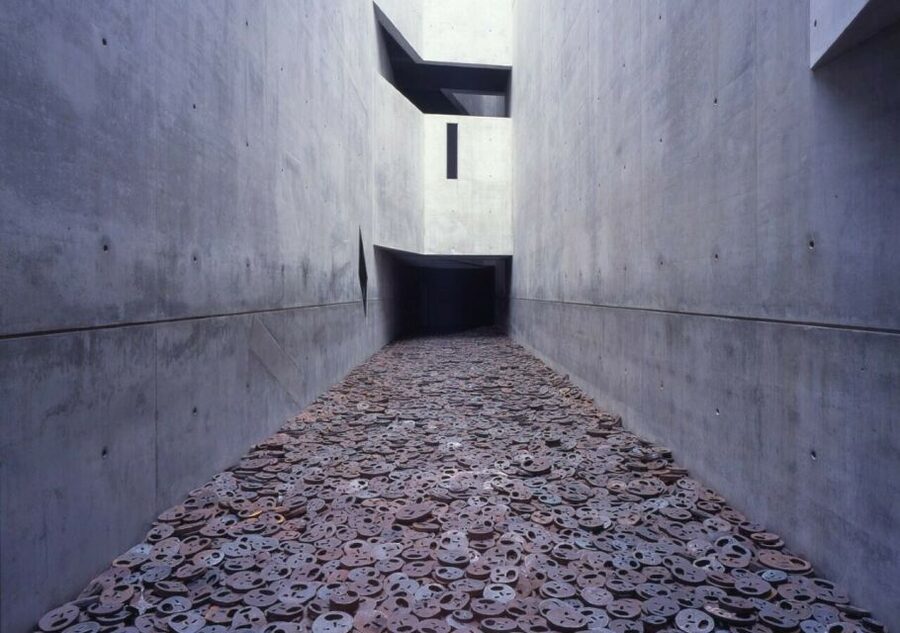
Another key place is the Memory Void, where Shalekhet consists of thousands of metal faces spread across the floor. Walking across them creates a harsh metallic sound. The installation asks you to take part physically, not just observe from a safe distance.
This is not a light museum stop, and I would avoid treating it as a quick photo opportunity. The strongest parts need quiet attention. You can move at your own pace, but allow yourself time to pause after the most difficult rooms.
The Garden of Exile and the language of place
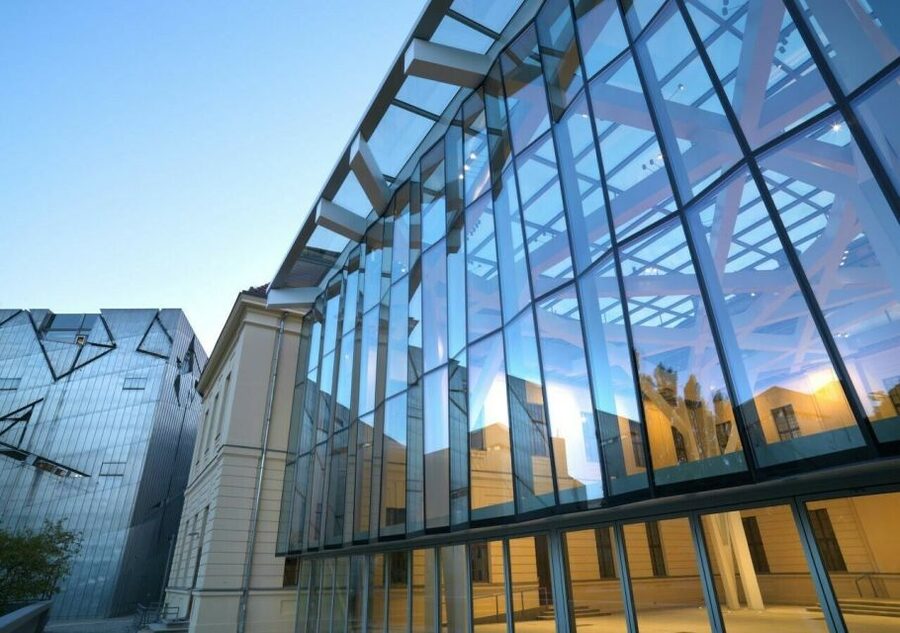
The Garden of Exile is another architectural feature that changes how you walk. Its pillars and uneven ground create a feeling of instability. You are not presented with a conventional garden designed for calm reflection. Instead, the space suggests disorientation and the difficulty of finding a secure home.
That idea matters because exile is not only a political term here. It connects to the personal experience of being forced away from family, language, work, neighborhood, and memory. The museum uses space to make those ideas physical.
The building’s design can feel dramatic, even theatrical. Some visitors may find it too forceful, especially if they prefer museums where architecture stays in the background. I think the design earns its place because it gives shape to ideas that ordinary display cases cannot express.
Still, do not assume every striking room is a complete explanation by itself. Read the labels, use the app, and connect the architectural spaces with the historical material. The building is strongest when you consider both parts together.
A few more things to do in Berlin worth a look
- Berlin: Berlin Story Bunker Entry Ticket
★ 4.6 · 6,759 reviews - Berlin: Illuseum Berlin Entrance Ticket
★ 4.1 · 3,970 reviews - Berlin: Madame Tussauds Admission Ticket
★ 4.6 · 3,941 reviews - Berlin: Charlottenburg Palace Entry Ticket
★ 4.4 · 2,076 reviews
Jewish culture, customs, and daily routines
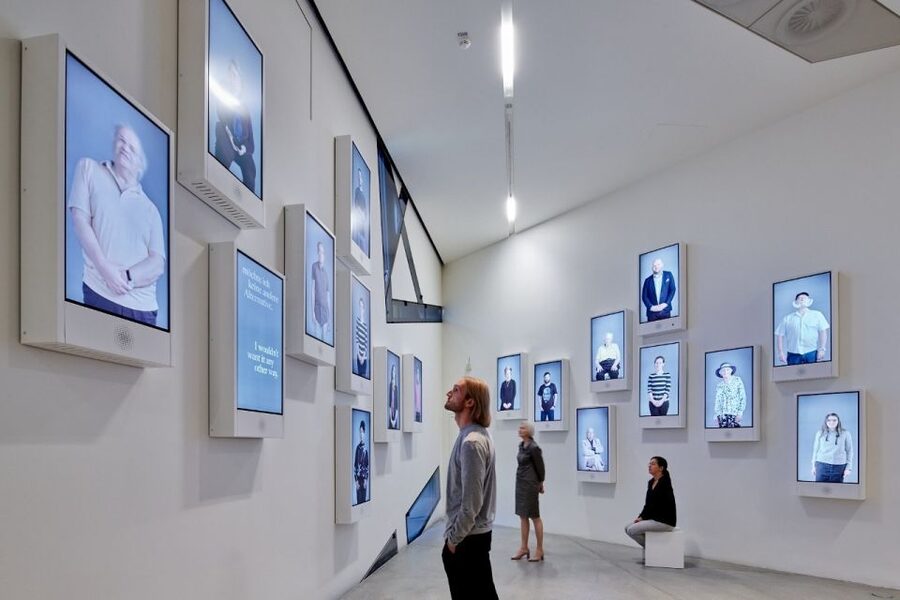
The sections on Jewish customs offer some of the most accessible material in the museum. You can learn how food laws shape daily choices, what Shabbat means, and how holidays mark the year. These displays give you practical cultural context rather than presenting Judaism as an abstract subject.
The focus on daily life also helps explain how traditions survive change. German Jewish communities were not frozen in the past. They adapted to new cities, occupations, political conditions, and social settings while maintaining religious and family practices.
Look for the small details. A household object or a description of a holiday meal can reveal more about lived experience than a broad historical statement. These displays are useful for families, students, and anyone who wants a clearer introduction to Jewish culture.
The museum also explores Jewish contributions to German society. Art, design, publishing, business, and community life all form part of the story. That makes the visit more balanced than a route focused only on persecution.
Current exhibitions and the missing stories of Jewish women
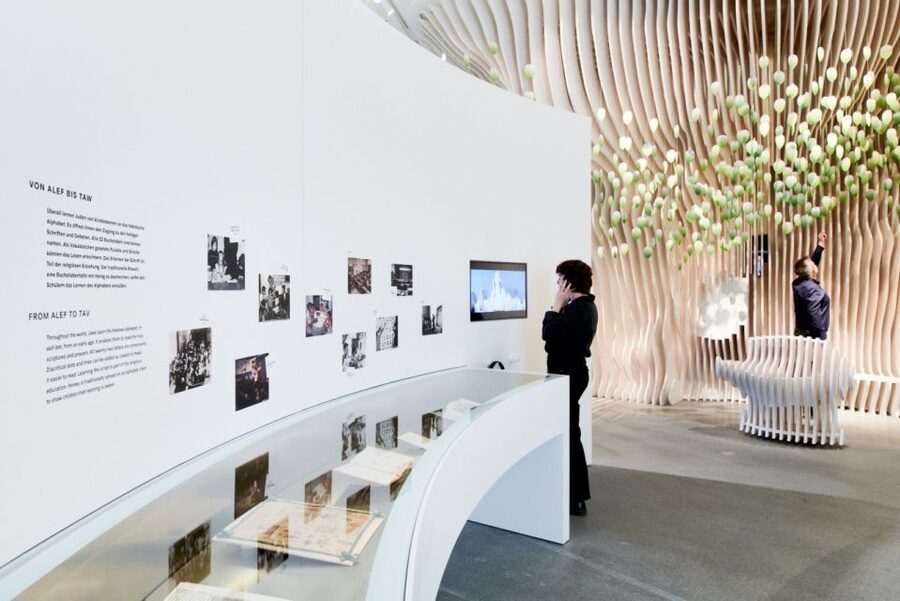
The special exhibition Defiance: Jewish Women and Design in the Modern Era presents the work of more than 60 designers. It focuses on women who worked in fields such as jewelry, textiles, ceramics, wood carving, fashion, and graphic design.
The subject matters because many of these women faced barriers as women, as Jews, and as artists. Some built respected careers before the Nazi regime destroyed their professional lives. Others escaped and began again abroad. Even so, many were left out of standard accounts of German art and design.
The exhibition gives these biographies and achievements a proper place. You see how design connects to modernization, commerce, household life, and personal independence. It also shows how political persecution can erase not only people, but the record of what they created.
The listed exhibition dates are July 11 through November 23, 2025, so check the museum’s current program before planning around it. The museum changes exhibitions, and the exact material available during your visit may be different.
Another listed exhibition, Inventories: The Legacy of Salman Schocken, asks American author Joshua Cohen to examine the cultural legacy of publisher and department-store entrepreneur Salman Schocken. Books and objects from the collection connect publishing, department stores, museums, capital, acquisition, and belonging.
Admission to that exhibition is listed as free. Since special exhibitions and access arrangements can change, confirm current details before you go.
Using the JMB app instead of a guided tour
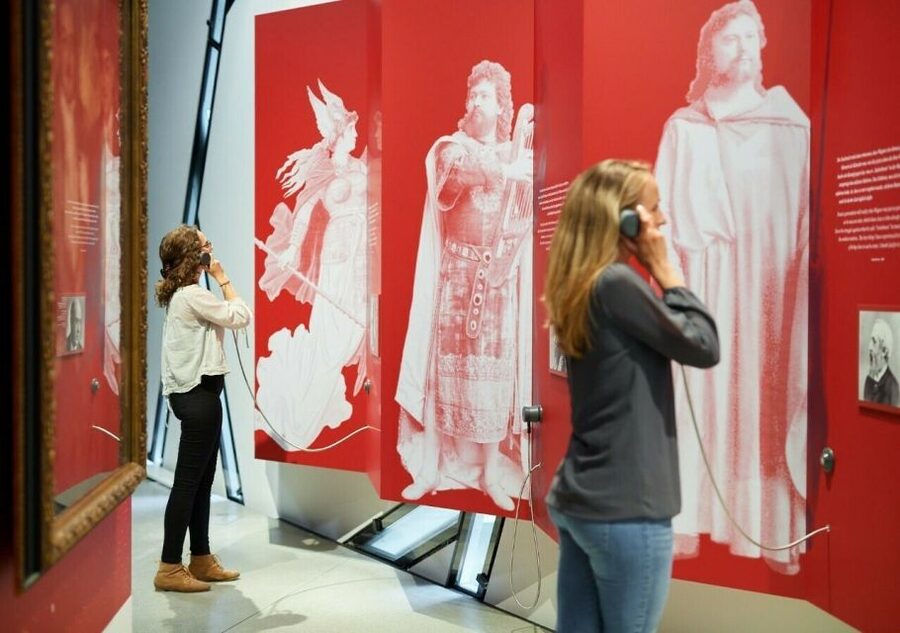
The museum includes a free download of the JMB app. It offers audio-guided material, including a shorter route of about 60 minutes and a longer route of at least 90 minutes. A full visit using the longer material can run close to two hours.
This is a good choice if you want more context without joining a group. You can also choose individual objects or displays instead of following a complete route. That flexibility helps because the museum is extensive and not everyone wants the same level of detail.
Bring your own headphones. The museum includes audio and video installations, and headphones make the app much easier to use in a busy public space. One visitor specifically praised the audio guides, while several others found the interior route confusing. The app can help, but it does not replace paying attention to signs and the floor plan.
Some guided experiences may be available at the museum, but this ticket does not include a guided or audio tour as a separate service. The app download is included, while food, drinks, transportation, and parking are not.
How long to stay and how to plan the visit
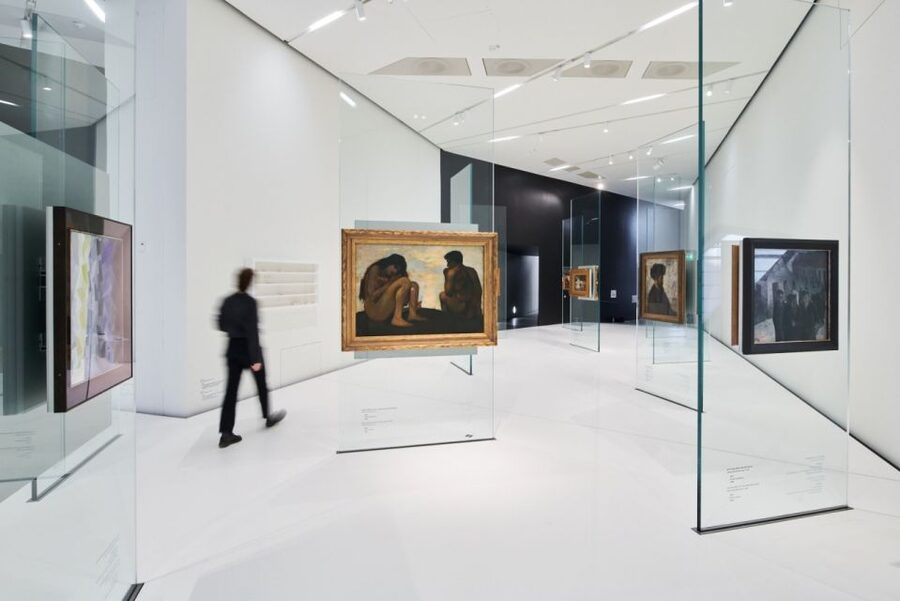
The stated average visit is about two hours, and that is a sensible minimum. If you read every panel, use the longer audio route, and spend time in the architectural spaces, two and a half hours may feel more comfortable.
A few practical points will make the visit easier:
- The museum is open from 10am to 6pm and closes at 6pm.
- Give yourself enough time before closing. One visitor expected to finish in two hours, ran out of time, and returned on another day.
- Large bags may require a locker deposit using a euro coin.
- Bring headphones for the app and audio material.
- The building is wheelchair accessible, though some visitors describe uphill sections and stairs.
- The meeting point can vary by booking option, so check your confirmation.
The museum has a cafe, which is useful after a serious visit. Food and drinks are not included with admission. There is also a gift shop, and the museum welcomes donations even though the main admission is free.
Is the free admission good value?
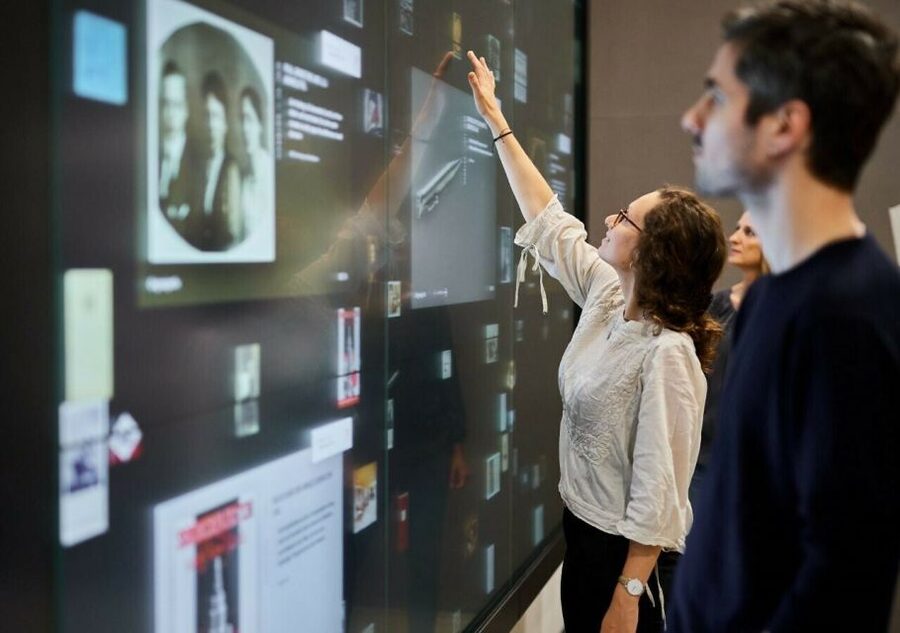
For a free museum, this is exceptional value. You receive access to a major collection, a landmark building, permanent displays, interactive material, and changing exhibitions, depending on the current program.
The real question is not whether it costs enough to justify the visit. It is whether you have enough time to give it proper attention. A rushed 45-minute stop may leave you with only a vague impression of unusual architecture and a few somber rooms.
I suggest treating the free admission as an invitation to stay longer, not as a reason to drop in casually. If the museum helps you understand Jewish life in Germany, consider making a donation. That is especially appropriate here because the museum provides serious public education without charging a standard entrance fee.
Your ticket also gives you reduced-rate admission to the neighboring Berlinische Galerie on the day of your visit and the two following days. The gallery is about a five-minute walk away, making the pairing practical if you enjoy modern art, photography, and design.
Who should visit the Jewish Museum Berlin?
You should make time for this museum if you care about German history, Jewish culture, architecture, modern design, or the way museums tell difficult stories. It works well for independent visitors because you can choose between a short route, a longer audio route, or your own pace.
Families can use the interactive stations and visual architecture as entry points, though some Holocaust sections are emotionally hard for children. The museum is also a good choice for repeat Berlin visitors who want something more thoughtful than another famous landmark.
You may want to skip it if you have only a few minutes or if you are looking for a cheerful, fast-moving attraction. The experience asks for patience. It can feel confusing, somber, and overwhelming at times.
Should you book the Jewish Museum Berlin ticket?
Yes, if you can spare two hours and are willing to engage with difficult history. The combination of free admission, exceptional architecture, and a wider look at Jewish life makes this one of Berlin’s strongest museum stops.
Book or reserve a time if that is available for your visit, but do not mistake the ticket for a conventional guided tour. Download the JMB app, bring headphones, arrive before the final hours, and follow the floor plan as carefully as you can.
The museum is most rewarding when you let the whole story unfold: customs and family life, art and design, persecution and loss, then Jewish life in Germany today. Give it time, and the building will help you remember what the displays explain.
FAQ
How long does a visit to the Jewish Museum Berlin take?
The average visit takes about two hours. You may need two and a half hours or longer if you use the longer app route and read the displays carefully.
What are the opening hours?
The museum is open from 10am to 6pm and closes at 6pm.
Is admission to the Jewish Museum Berlin free?
The supplied information lists the admission price as free, and the main museum visit is described as free. Donations are welcome. Check current details for individual special exhibitions.
What is included with the ticket?
The entrance fee and free download of the JMB app are included. A guided tour or separate audio tour is not included.
Should I bring headphones?
Yes. Headphones are recommended for the JMB app and useful for the museum’s audio and video material.
Is the museum wheelchair accessible?
Yes, the activity information identifies the museum as wheelchair accessible.
Where is the Jewish Museum Berlin?
It is in Berlin’s Kreuzberg district, within walking distance of Checkpoint Charlie.
Can I visit another museum at a reduced price?
Yes. Your JMB ticket gives you reduced-rate admission to the neighboring Berlinische Galerie on the day of your museum visit and the following two days. The gallery is about a five-minute walk away.
Are food, drinks, parking, and transportation included?
No. Food and drinks, parking fees, and transportation to and from the museum are not included.
Just added in Berlin
- Berlin: Energizing 2-Hour Morning Segway Tour★ 4.7 · 35 reviews
- Berlin: Thrilling E-Scooter Adventure Tour★ 4.4 · 66 reviews
- Beelitz-Heilstätten: Baum&Zeit Tree Top Walk Entry Ticket★ 4.9 · 7 reviews
- Beer Bike & Party Bike: Unforgettable Berlin City Tour incl. pickup★ 5.0 · 5 reviews
- AXE THROWING EXPERIENCE IN BERLIN★ 4.7 · 24 reviews
- Alternative Berlin / Street art tour – Private group★ 5.0 · 6 reviews
- Berlin: Alternative & Street Art Tour★ 4.5 · 6 reviews
- Berlin: 2.5-Hour Beer & Sunset Sightseeing Boat Cruise★ 4.6 · 61 reviews
Museums, compared.



Skip-the-Line: Berlin Wall Museum at Checkpoint Charlie
Read our review →

Browse the lists this tour appears in