
Reviewed · THIRD REICH & WWII TOURS
Berlin: Hitler’s Berlin The Rise & Fall Guided Walking Tour
Berlin’s Nazi past is not tucked away in one museum. It is spread across the city center, beside government buildings, memorials, broad avenues, and ordinary streets. This 150-minute walk connects those places into a clear story, from Hitler’s rise to power to the collapse of his regime in 1945.
I like the strong geographic flow and the use of Then & Now photographs and historic maps. I also like the guides’ teaching style. Scott, Hannah, Matthew, Mark, and others are praised for making difficult material clear without turning the walk into a dry lecture. The main drawback is simple: this is an outdoor tour with considerable walking, so rain, cold, heat, or tired feet can affect the experience.
Key points to know before you book
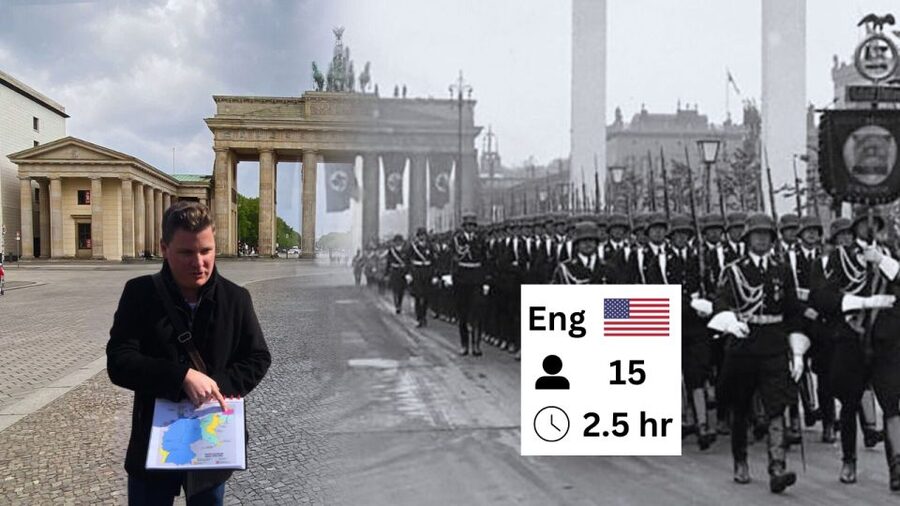
- The route links major Nazi-era sites: Brandenburg Gate, the Reichstag, the Holocaust Memorial, Hitler’s bunker site, the Topography of Terror, and more.
- The focus is on cause and effect: You learn how democracy was dismantled, how repression worked, and why Berlin became the center of the Third Reich.
- The tour stays outdoors: Indoor museum exhibitions are not included, so plan separate visits if you want to see the interiors.
- The guides are the main attraction: Scott, Hannah, Matthew, Mark, Ben, Jörg, and other English-speaking guides bring academic training and an easy manner to the subject.
- The group is intended to be small: That makes it easier to hear, ask questions, and discuss sensitive subjects.
- The $47 price buys interpretation, not admission tickets: You are paying for a structured route, expert explanation, photographs, maps, and conversation.
Why this Berlin walk works
A basic sightseeing stroll can show you the Brandenburg Gate and Reichstag, then leave you to guess what happened between them. This tour gives those places a political and human framework.
You follow the story in sequence. The guide explains how the Nazis seized power, how Berlin became the capital of the Third Reich, how propaganda and fear helped control daily life, and how Jewish people were systematically targeted. The walk then moves into the war years and the final fighting in Berlin.
That structure matters. The subject is large and grim, and isolated facts can become confusing. Here, each stop answers part of a larger question: how did a modern state dismantle democracy and turn its capital into the command center of terror and war?
The tone is serious, but the teaching is meant to be accessible. Guides are encouraged to take questions and explain political, ideological, and military events together. People with little background can follow the story, while those who already know the basics may still pick up new links between familiar places.
The tour has earned a 4.9 rating from 239 reviews, with repeated praise for clear explanations, friendly guides, and detailed answers. That consistency is useful when choosing a history walk because the guide’s ability matters more here than a list of stops. Past guides have included Scott, Hannah, Matthew, Mark, Ben, Jörg, and others. You are not booking a specific person unless your reservation says so, but the provider has a strong record of using guides who can handle questions and keep the group involved.
More Third Reich and WWII Tours in Berlin
- Berlin: Third Reich and Cold War 2 Hour Walking Tour
★ 4.9 · 6,830 reviews - Berlin’s Best: 2 Hour Walking Tour Third Reich and the Cold War
★ 5.0 · 5,486 reviews - Third Reich Berlin: Hitler and WWII Walking Tour
★ 5.0 · 3,301 reviews
Starting at Brandenburg Gate
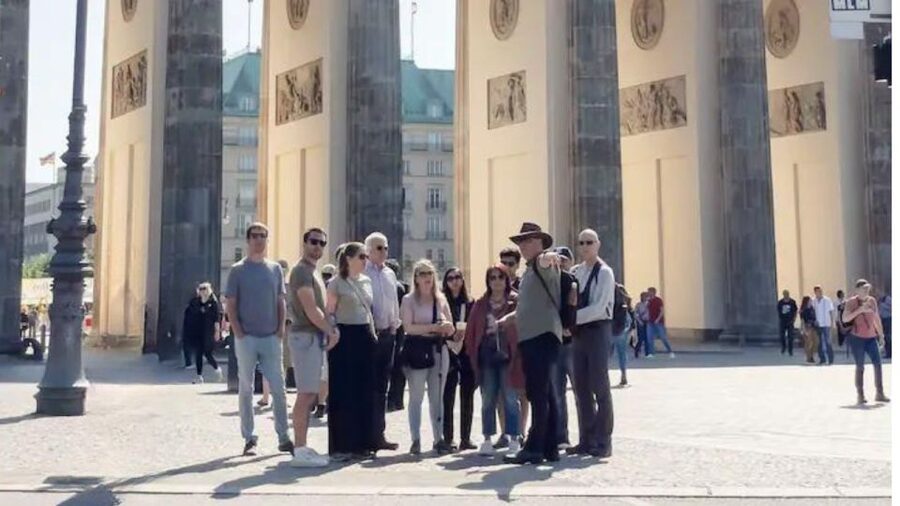
Meet at the Tourist Office by Brandenburg Gate and look for the blue umbrella. This is a practical meeting point in central Berlin, but give yourself enough time to find the guide. A landmark this famous can have plenty of people around it.
Brandenburg Gate is more than a grand photo stop. On this walk, it introduces the tension between democracy, power, and national symbolism. The guide uses the setting to explain how Berlin became the political heart of Nazi Germany and how public spaces could be used to project authority.
You will spend about 10 minutes here. That is enough for an opening explanation and photographs without letting the first stop eat up the whole tour. The gate is also a good place to listen closely, because later stops build on this first discussion.
The Sinti and Roma memorial
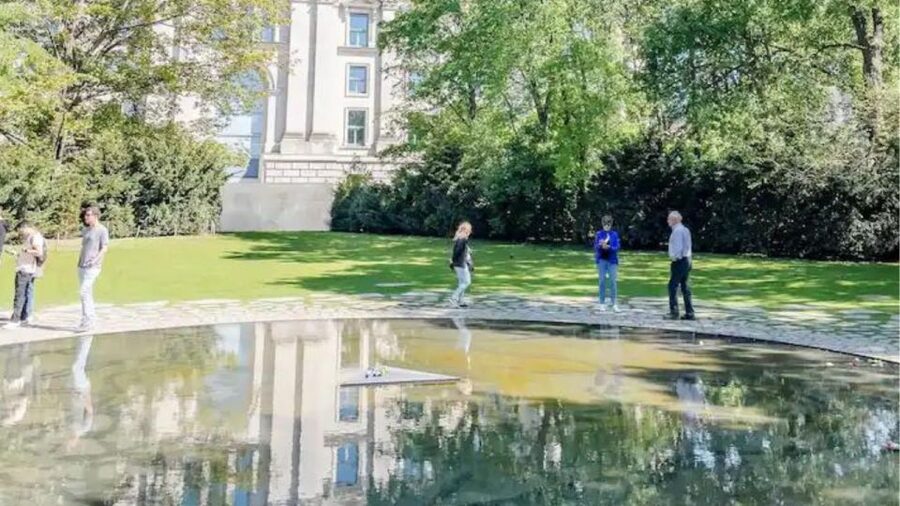
The next stop is the Memorial to the Sinti and Roma Victims of National Socialism. The guide gives you about 10 minutes here, with time to understand the memorial and the persecution it represents.
This stop broadens the story beyond the best-known landmarks. Nazi persecution was directed at more than one group, and a good tour needs to make that clear. The memorial helps show how racial ideology affected different communities.
Expect a short, focused explanation rather than a long museum visit. The tour is outdoors, and the guide’s interpretation is the main source of information. If you want more time for quiet reflection or further reading, note the location and return later.
The Reichstag and the collapse of democracy
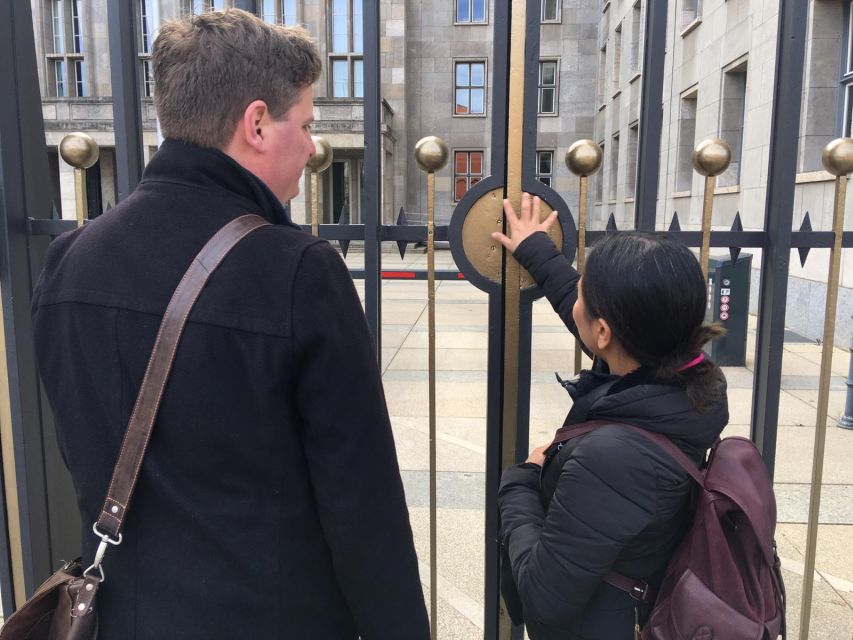
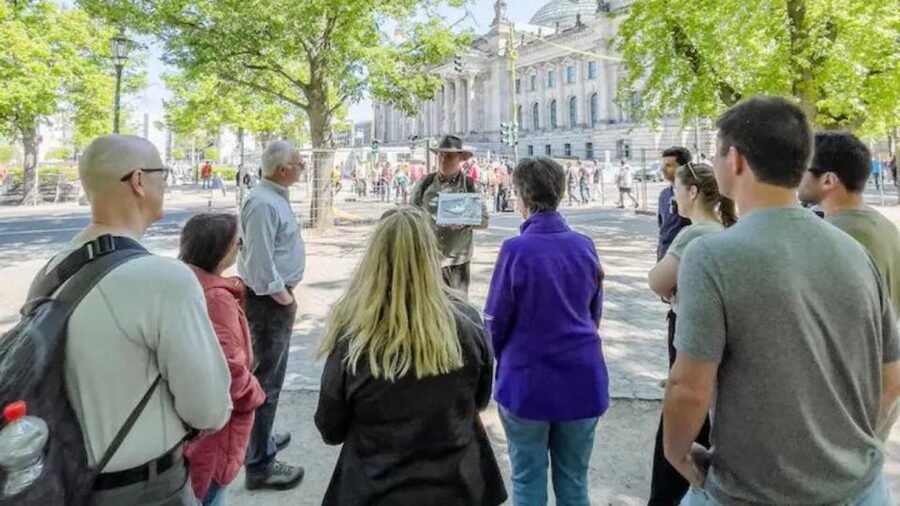
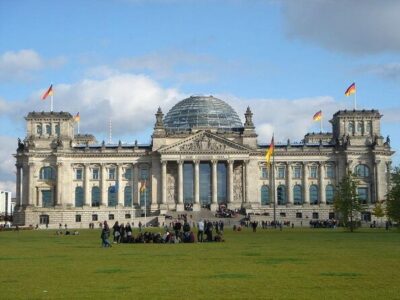
The Reichstag receives about 20 minutes. You will visit the building area, hear the guide’s explanation, and walk through the surrounding government quarter.
This is one of the most important stops because the Reichstag represents the democratic state that the Nazis dismantled. The guide connects the building to the process of taking power, rather than treating it as just another grand Berlin landmark.
I like this part of the tour because it puts political change in a physical setting. You are not simply hearing that democracy weakened. You are standing beside one of the city’s clearest symbols of democratic government while the guide explains how power was consolidated.
Do not confuse this guided stop with an indoor Reichstag visit. Indoor museum exhibitions and building access are not included in the tour. If you want to visit inside, arrange that separately and check the building’s own requirements.
Other trips into the same period in Berlin:
- Berlin: Third Reich, Hitler, and WWII Walking Tour
★ 4.9 · 1,133 reviews - Berlin Third Reich Sites: Half-Day Walking Tour
★ 5.0 · 835 reviews - Berlin: Guided Bike Tour of the Berlin Wall and Third Reich
★ 4.7 · 499 reviews - Hitler’s Germany: Berlin During the Third Reich & WWII
★ 4.8 · 476 reviews
The Soviet War Memorial in Tiergarten
The route continues to the Soviet War Memorial in Tiergarten for about 20 minutes. This is a chance to consider the military side of the story and the brutal Battle of Berlin in 1945.
The memorial adds a different viewpoint from the political stops. Earlier, the focus is on the rise of dictatorship and the machinery of repression. Here, the emphasis shifts toward the final fighting and the enormous cost of the war.
The walk between locations also helps. Berlin’s major Nazi-era sites are not all concentrated in one small square. Moving through the city gives you a sense of how government, military power, memorial culture, and ordinary urban space overlap.
The stop includes time for photographs, but keep your attention on the explanation. This is not just a monument to photograph and leave. It helps place Berlin’s final days within the wider defeat of Nazi Germany.
The Holocaust Memorial
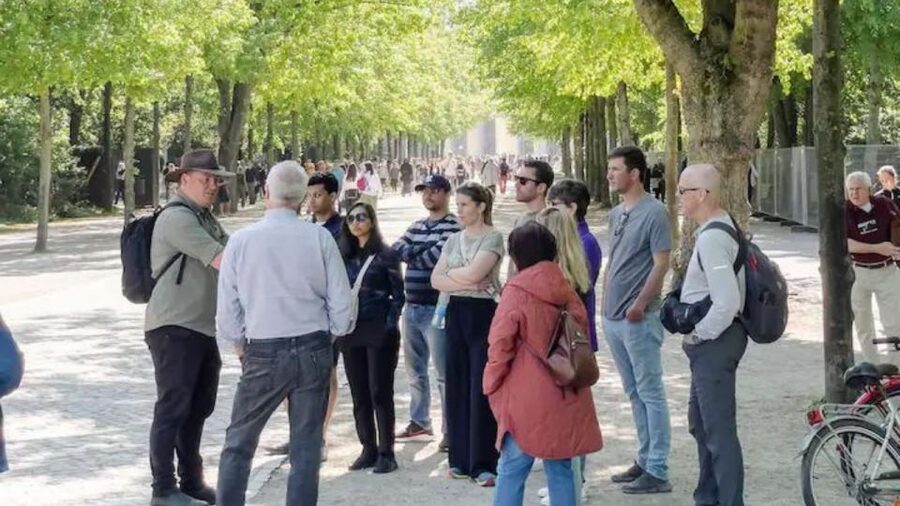
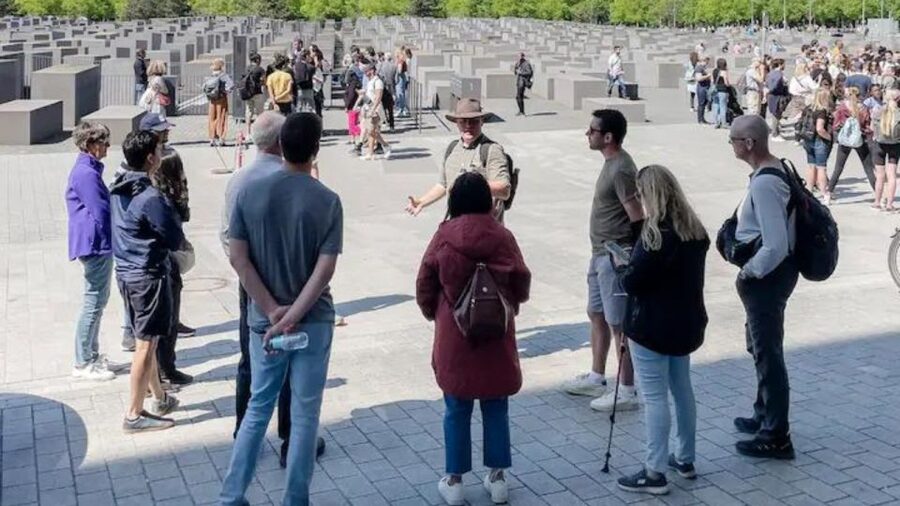
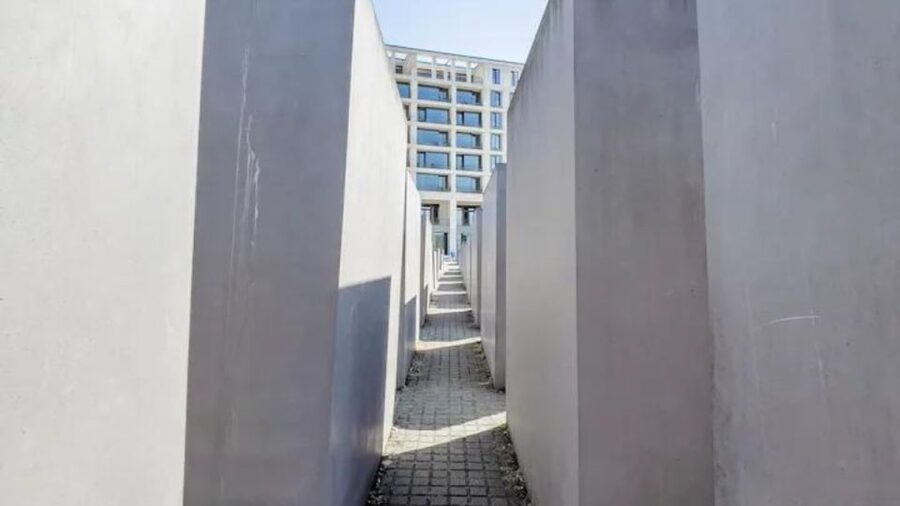
The Memorial to the Murdered Jews of Europe receives roughly 20 minutes. The guide explains the memorial and gives you time to see the field of concrete blocks for yourself.
This is a place where the pace should slow. The memorial is designed for personal reflection, and the guide’s role is to provide context without crowding out your own response. The site helps connect the political decisions discussed earlier with the human destruction they caused.
I appreciate that the tour places this memorial within the broader route rather than treating it as an isolated photo stop. You learn about the systematic targeting of Jewish people, then encounter a space built to keep that murder present in the center of Berlin.
Because the tour moves on after about 20 minutes, return later if you want more time. You may find the memorial particularly powerful in quiet weather or at a less crowded time, but the tour schedule cannot guarantee either.
Hitler’s bunker site
The group then reaches the site of Hitler’s bunker for about 15 minutes. The location is significant because the war in Europe ended here, in the final days of the regime.
One practical point is important: this is a site, not a preserved bunker interior open as part of the tour. The guide explains what happened at the location, but you should not expect a dramatic underground attraction. The lack of a grand structure is part of the point. The place is now ordinary-looking, while its historical meaning is immense.
This stop works best with a guide because the physical remains alone tell you very little. Historic maps and Then & Now photographs help bridge the gap between today’s city and the final days of the Nazi government.
Johann Georg Elser and the question of resistance
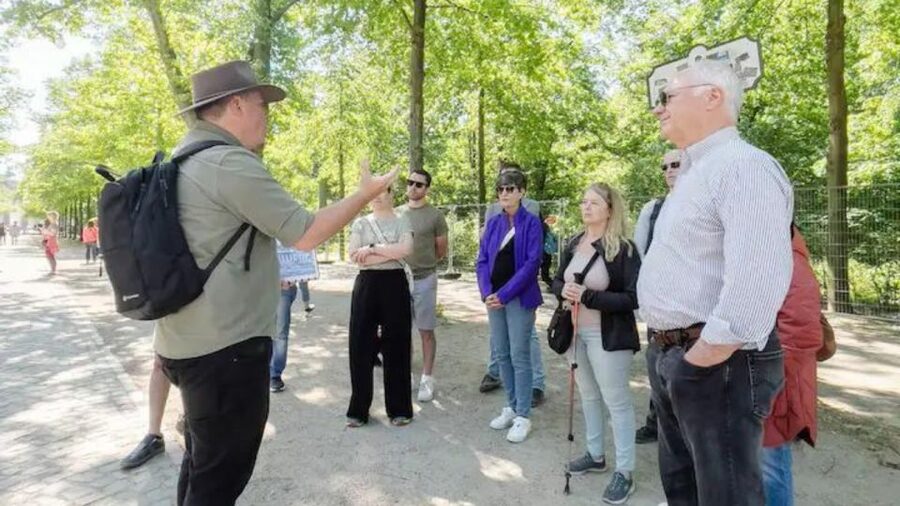
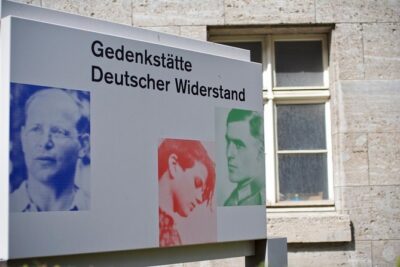
The Johann Georg Elser Memorial receives about 10 minutes. It introduces the subject of resistance and the risks taken by people who opposed Hitler.
This is a valuable change of emphasis. A tour about Nazi rule should not suggest that every person accepted it quietly or that resistance was simple. The memorial gives the guide a chance to discuss opposition, individual action, and the difficult choices faced under dictatorship.
The stop is brief, so the guide’s explanation carries most of the weight. Listen for how it fits into the wider story of repression. Resistance is not presented as a side note, but as part of understanding what life under the regime could demand from an individual.
The German Finance Ministry
The German Finance Ministry is a short, approximately five-minute stop. It may sound less striking than a memorial or bunker site, but government offices reveal how a regime operated through institutions.
Here, the guide connects the physical setting to the administrative machinery of Nazi Germany. The stop is quick, so do not expect a long pause or an interior visit. Its value comes from the way it fills in the less dramatic parts of the story: power depends not only on speeches and soldiers, but also on offices, paperwork, and systems of control.
This is one reason a guided route is more useful than a self-guided checklist. A building that might seem unremarkable can become relevant once its place in the story is explained.
The Topography of Terror and the final stop
The walk ends at the Topography of Terror after about 15 minutes there. The site occupies the former Gestapo and SS headquarters area, once a nerve center of terror and repression.
It is a fitting end because the tour has moved from political takeover to dictatorship, persecution, war, and defeat. The final stop brings you back to the machinery that made the regime possible.
The guided tour remains outdoors. Admission to indoor museum exhibitions is not included, so you can choose to return afterward for a more detailed visit. That is useful because the walking tour gives you a framework, while a museum visit can provide documents, photographs, and longer explanations at your own pace.
The route ends here rather than returning to Brandenburg Gate. Plan your onward journey from the Topography of Terror, and remember that public transportation is not included.
The guides make or break this subject
A serious subject does not require a stiff guide. The strongest descriptions of this tour point to guides who are clear, friendly, and willing to answer questions in detail.
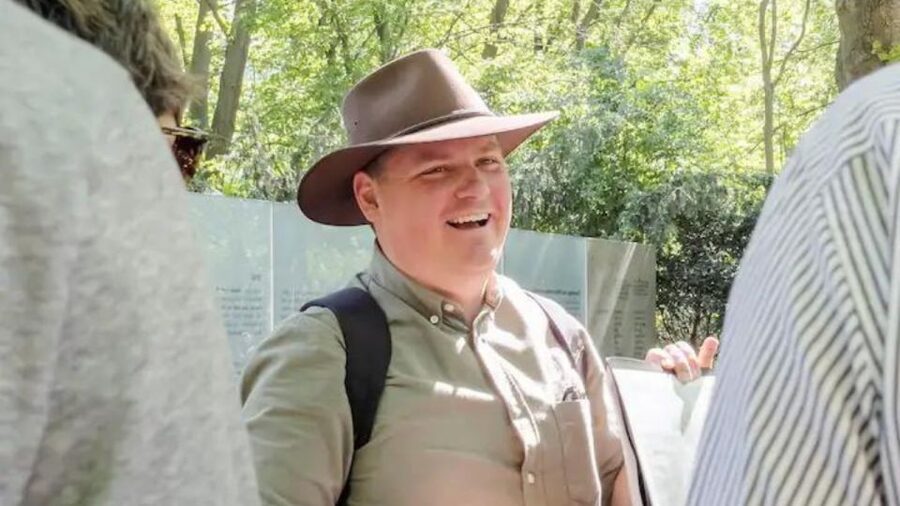
Scott is repeatedly praised for his easy manner and strong command of the subject. Hannah is described as warm and thoughtful, with a talent for bringing history to life through personal stories and different viewpoints. Matthew is noted for answering questions fully and sometimes allowing the tour to run beyond its scheduled time. Mark, Ben, and Jörg are also named as guides who helped make the walk accessible and engaging.
Your guide may be someone else, and timing can vary. Still, the pattern is reassuring: the company trains guides with an academic background in Second World War history and asks them to connect politics, ideology, and military events.
That matters because this material can easily become either a list of dates or a sensational tour about Hitler. The stated approach is more useful: no gimmicks, no glorification, and no attempt to make the subject comfortable. You get a clear explanation of how the system worked and what it did.
Is $47 a fair price?
At $47 per person, this is not the cheapest way to walk through central Berlin. You can see many of the sites without paying for a guide. The question is whether you want context, direction, and the chance to ask questions.
I think the price is reasonable if this is your first serious visit to Berlin’s Nazi-era sites. The tour covers 150 minutes, includes a small-group format, and uses historic maps and Then & Now images. You are paying for the guide’s preparation and interpretation, not entry to a museum or a special building.
The value is lower if you prefer to read at your own pace or already have a detailed plan for the sites. You will still need to pay separately for food, transport, and any museum admission. You also receive no hotel pickup or drop-off.
For a first overview, the cost can save you time and prevent the route from becoming a disconnected collection of memorials. If you plan to visit the Topography of Terror afterward, the walking tour can give you useful background before you go inside.
Practical advice for the 150-minute walk
Wear comfortable shoes. The route covers a considerable amount of ground, with stops for explanation and photographs but no promise of indoor shelter.
Dress for Berlin’s weather and carry water. Reviews describe guides coping with rain, including one tour where an unexpected downpour soaked the group, but you should not depend on that. Bring your own umbrella or walking stick if you need one. These items are not supplied as part of the tour.
The tour is in English and is wheelchair accessible. Still, because it is an outdoor walking experience, confirm that the route suits your personal mobility needs when booking.
Allow time after the tour if you want to visit an indoor exhibition. The walk itself does not include museum entry, and the Topography of Terror is the natural place to continue the subject.
You can cancel up to 24 hours before the start for a full refund, and the reserve-now, pay-later option keeps your plans flexible. Starting times vary, so check availability for the date you want.
Who should book this tour?
I would recommend it to first-time Berlin visitors who want a clear introduction to Nazi Germany without spending several hours in a classroom. It also suits teenagers and adults who learn best by seeing places and asking questions.
It is a good match for people who want more than famous names and dates. You will hear about democracy, propaganda, racial persecution, daily life, resistance, military defeat, and the final days of the regime in one connected walk.
It may not suit you if you dislike walking, want extensive indoor museum time, or hope to enter Hitler’s bunker. The tour visits the bunker site, not an underground preserved interior. It also cannot provide the quiet, unhurried pace of a self-guided visit at every memorial.
Should you book it?
Book this tour if you want Berlin’s Nazi-era sights explained as one story rather than visited as separate points on a map. The route is well chosen, the subject is handled seriously, and the guide’s ability to answer questions adds real value.
Bring good shoes, weather protection, and a willingness to pause at difficult places. If you can do that, this 150-minute walk is a strong starting point for understanding how Berlin’s democracy was dismantled, how terror was organized, and how the regime ended in ruins.
FAQ
Where does the tour meet?
Meet at the Tourist Office at Brandenburg Gate. Look for the guide carrying a blue umbrella.
Where does the tour finish?
The tour finishes at the Topography of Terror.
How long does the walking tour last?
The tour lasts 150 minutes, or two and a half hours.
What language is the tour in?
The live guided tour is conducted in English.
Is the tour wheelchair accessible?
Yes, the activity is listed as wheelchair accessible.
Are museum admissions included?
No. The tour takes place outdoors, and access to indoor museum exhibitions is not included.
Does the tour include Hitler’s bunker?
The tour visits the site of Hitler’s bunker and explains its historical importance. It does not include access to an underground bunker interior.
What should I bring?
Wear comfortable shoes and dress for the weather. Bring a water bottle, and bring your own umbrella or walking stick if you need one.
More walking tours in Berlin
- Discover Berlin Half-Day Walking Tour
★ 5.0 · 9,624 reviews - Berlin: Discover Berlin Walking Tour
★ 4.9 · 5,998 reviews - Berlin: Hidden Backyards Guided Walking Tour
★ 4.8 · 5,360 reviews - Berlin: Alternative Berlin Walking Tour
★ 4.6 · 1,204 reviews
Just added in Berlin
- Private One way Airport Transfer Berlin Airport To Berlin★ 3.5 · 17 reviews
- Private Walking Tour: Berlin Wall, Cold War and Checkpoint Charlie★ 5.0 · 37 reviews
- Modern Berlin Private Walking Tour: Diverse, Vibrant and Exciting German Capital★ 5.0 · 13 reviews
- Private Day Trip to Potsdam from Berlin by Train★ 4.5 · 27 reviews
- City Explorer: Potsdam Private Day Trip★ 4.5 · 10 reviews
- Berlin Private Custom 5-Hour Tour by Car★ 5.0 · 30 reviews
- Private Half-Day Sightseeing Tour in Berlin★ 3.5 · 6 reviews
- Berlin Private Custom Tour in a Minivan, East and West★ 5.0 · 123 reviews
Third Reich & WWII Tours, compared.

Third Reich Berlin: Hitler and WWII Walking Tour
Read our review →
Walking Tour of Former Nazi Party Rally Grounds
Read our review →
Berlin Third Reich Sites: Half-Day Walking Tour
Read our review →
Birthplace of the Third Reich Guided Walking Tour
Read our review →Browse the lists this tour appears in