
Reviewed · BERLIN WALL & COLD WAR TOURS
2.5-Hour Berlin Wall and Memorial Sites Walking Tour
The Berlin Wall is easiest to understand on foot, where an ordinary street corner can reveal a border crossing, escape route, or vanished strip of concrete. This tour follows the former frontier from Bornholmer Strasse to Nordbahnhof, linking famous memorials with smaller traces that are easy to miss on your own.
I like the small maximum of 12 people, which should make it easier to hear the guide and ask questions. I also like the route’s focus on personal stories and lesser-known Wall remains, not just the headline date of November 9, 1989.
The main drawback is the pace: 2.5 hours on foot means you need moderate fitness, and the 3:00 pm start may leave limited daylight depending on the season. The tour also ends away from its starting point, so you should plan your return trip.
Key points at a glance
- Starts at the November 9, 1989 memorial: Begin at Bornholmer Strasse, the historic border crossing linked to the Wall’s opening.
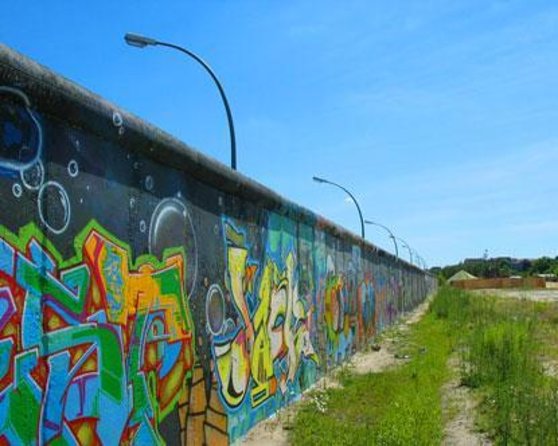
- Follows the former death strip: Walk along the old border from Bornholmer Strasse toward Nordbahnhof rather than viewing isolated monuments.
- Covers Bernauer Strasse Memorial: See one of Berlin’s clearest sites for understanding the Wall, escape attempts, divided buildings, and border controls.
- Includes lesser-known traces: The Ulbricht Curve, Schwedter Way, Gleim Tunnel, and Bernauer Strasse tunnel add detail beyond the main memorial.
- Small-group format: The group is limited to 12 people, making this more personal than a large city walk.
- Good value at $25.45: For 2.5 hours with a local professional guide, the price is reasonable if you want historical explanation rather than a self-guided stroll.
Starting at Bornholmer Strasse, where the Wall opened
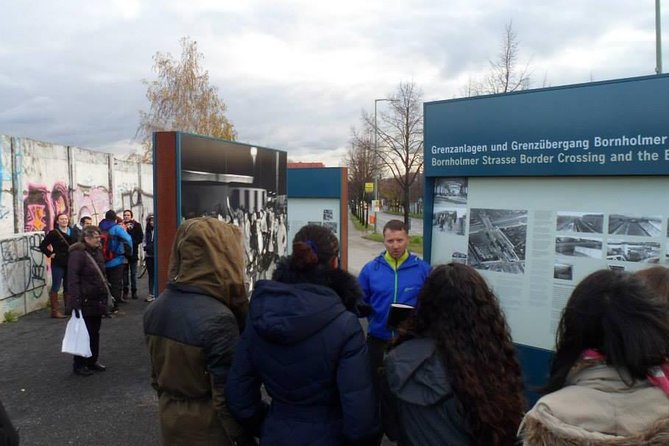
Your meeting point is Bornholmer Strasse 75A, at the Square of November 9, 1989. This is a fitting place to begin because the tour starts at one of the sites connected with the Wall’s collapse after 28 years of separating East and West Berlin.
The location gives the tour a clear beginning. You are not starting with a broad lecture about the Cold War and then searching for the remains later. You begin at a real former border crossing, then walk along the old boundary toward the city center.
That order matters. Berlin has changed greatly since reunification, and much of the Wall itself is gone. A guide helps you connect present-day streets with the former border line, the death strip, guard controls, and the routes used by people trying to cross.
The tour covers the Cold War period in Berlin and Germany, with special attention to the Wall’s 28-year existence. The strongest part should be the way the guide connects the political story to physical places. Instead of treating the Wall as a single monument, you follow its path and see how it shaped streets, rail lines, homes, churches, and daily life.
Other divided-city history in Berlin:
- Berlin: Third Reich and Cold War 2 Hour Walking Tour
★ 4.9 · 6,830 reviews - Berlin’s Best: 2 Hour Walking Tour Third Reich and the Cold War
★ 5.0 · 5,486 reviews - Skip-the-Line: Berlin Wall Museum at Checkpoint Charlie
★ 4.1 · 2,041 reviews
Following the former death strip toward central Berlin
From Bornholmer Strasse, the route follows the former Wall line. You will see traces that may be documented and marked but are easy to miss if you are walking without context.
This is one of the tour’s main strengths. The best Wall experience is not always the largest surviving section. A pavement line, a change in street layout, or an open strip between buildings can show how the border cut through the city. Your guide’s role is to point out what you are seeing and explain why it mattered.
The route includes the Ulbricht Curve, named for Walter Ulbricht, the East German leader during the period when the Wall was built. It also passes Schwedter Way, another part of the former border route.
These stops may not mean much from their names alone. That is exactly why a guided walk can help. The sites are connected to the larger system of barriers and controls, and the guide can give them a place in the story instead of leaving you with a list of locations.
You also visit Gleim Tunnel. The itinerary identifies it as one of the stops along the former Wall, but it does not promise a visit inside the tunnel or a specific escape story. Think of it as part of the route’s collection of physical traces, rather than a separate museum-style attraction.
Berlin Wall Park and the changing city around it
Berlin Wall Park provides another chance to see how the old border area has been reused. The tour does not simply lead you from one preserved slab of concrete to the next. It follows the former line through public spaces and streets where the Wall once controlled movement.
That change can be striking. The modern city often gives little visual warning of what happened here. You might see open space, trees, pathways, and everyday urban activity where a guarded border once ran. With a guide, those contrasts become part of the lesson.
The park also gives the group a natural point to pause during the 2.5-hour walk. A break is included, which matters because this is a continuous walking route rather than a bus tour with regular seats and indoor stops.
Do not expect food or drinks to be included. Bring what you need before the walk, especially if you prefer to keep moving during the scheduled pause. The tour provider does not include hotel pickup, drop-off, or transport to the meeting point, so you are responsible for arriving at Bornholmer Strasse.
Bernauer Strasse Memorial and the clearest Wall explanation
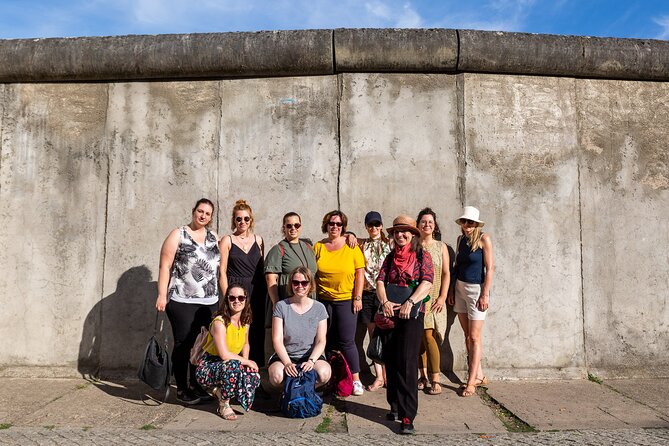
Bernauer Strasse is the central stop on this route. The memorial area is one of Berlin’s most useful places for understanding the Wall because the border once ran through a dense urban neighborhood.
The street became especially painful after the Wall was built. Buildings stood close to the border, and entrances, windows, and churches became tied to the division. Bernauer Strasse also connects to escape attempts and the difficult choices forced on residents.
The tour includes the Bernauer Strasse tunnel and the Church of Reconciliation. These sites help show that the Wall was not placed in an empty field. It cut across an established part of Berlin and altered the lives of people living beside it.
The Church of Reconciliation is an important stop because it was located within the former border area. The supplied details do not promise entry into the church or a specific interior program, so you should expect an explanation of the site as part of the walking route.
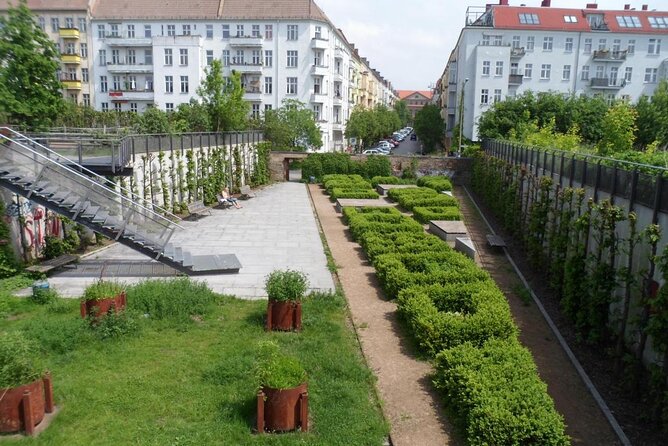
The memorial also includes a viewing platform. This is valuable because the Wall was designed as a system, not just a single barrier. From above, you can better understand the arrangement of the wall, the open strip, patrol routes, and the space between East and West.
For many people, this will be the point when the tour’s earlier stops make sense. Bornholmer Strasse introduces the Wall’s collapse. Bernauer Strasse shows what the border looked like during its working years.
Other walks around Berlin:
- Discover Berlin Half-Day Walking Tour
★ 5.0 · 9,624 reviews - Berlin: Discover Berlin Walking Tour
★ 4.9 · 5,998 reviews - Berlin: Hidden Backyards Guided Walking Tour
★ 4.8 · 5,360 reviews - Third Reich Berlin: Hitler and WWII Walking Tour
★ 5.0 · 3,301 reviews
A guide-led walk with room for personal stories
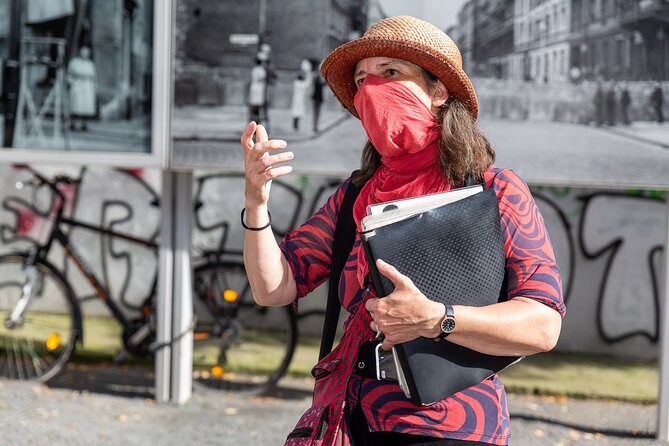
The tour is sold as a small-group experience with a maximum of 12 people. That number is large enough to create a shared discussion but small enough for the guide to keep the group together and answer questions.
The guide is described as local and professional, and the experience is built around explanation rather than transportation. One particularly useful feature is the personal angle in the guiding. The guide has been described as sharing information and personal experience connected with the Wall, including firsthand stories from life during that period.
No guide name is provided, so I would not book this expecting a particular named guide. Still, the reference to personal experience is important. Berlin’s Wall story can become a string of dates and political terms. Personal memories can make the division easier to grasp, especially when you are standing at a former checkpoint or beside a vanished section of the border.
The language of the tour is not stated in the supplied details. If that matters to you, confirm it before booking. The guide’s ability to explain the route clearly will shape the experience, since many of the traces are subtle rather than visually obvious.
From Nordbahnhof to the former ghost station
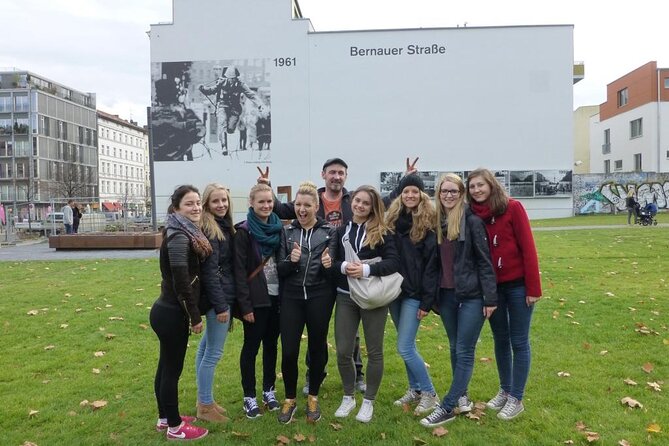
The walk finishes at Berlin-Nordbahnhof, at Invalidenstrasse 131. This is not the same place where you start, so you should plan your route back to your hotel or the next sight before the tour begins.
Nordbahnhof is tied to the story of the former ghost stations. During the division of Berlin, some stations in the Western transport system were closed or heavily guarded where lines passed beneath East Berlin. Trains could pass through without stopping, creating an eerie reminder of the divided city below street level.
The tour identifies the former ghost station Nordbahnhof as the end point. It does not state that you enter the station museum or ride public transport as part of the tour. Expect the walk to finish at this historically important transport site, with any onward travel handled on your own.
Ending here works well thematically. The route begins at a border crossing associated with the Wall’s opening and ends at a railway station linked to the restricted movement of the divided city. You move from the Wall’s final hours to the systems that controlled Berlin during the Cold War.
What the $25.45 price really covers
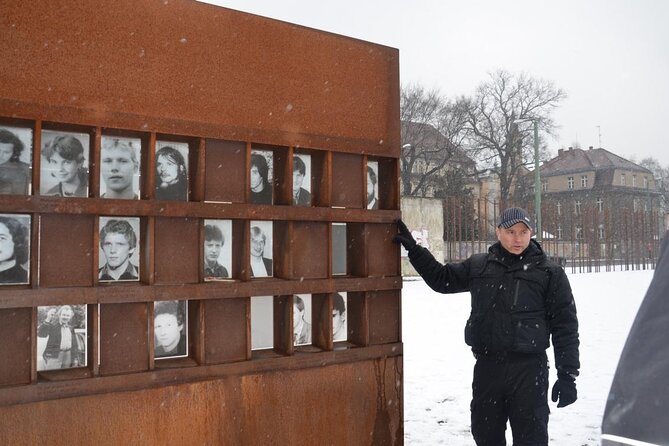
At $25.45 per person, this is a fair price for a 2.5-hour guided walk, especially if you want a clear explanation of the Wall rather than a short photo stop.
The fee includes a local professional guide and the walking experience. It does not include food, drinks, transportation, or hotel pickup and drop-off. Since the route begins and ends in different parts of Berlin, the lack of transport is worth noting when you budget your time and local fares.
The value depends on how you like to sightsee. You can visit parts of the Berlin Wall Memorial area independently, and many outdoor sections do not require an admission ticket. But a self-guided walk may leave you wondering which line marks the Wall, how the death strip worked, and why a particular street or tunnel matters.
The tour is also advertised with guaranteed access without long lines. That benefit may matter most at any memorial facility or viewing point where queues develop, though the supplied details do not identify a specific timed entry or indoor ticket. I would treat the main value as the guide and route, not as a promise of a museum admission package.
The tour is often booked well in advance, with an average booking point 43 days before the experience. That suggests you should reserve early if your Berlin dates are fixed, especially because the group is capped at 12 people.
Timing, walking effort, and practical planning
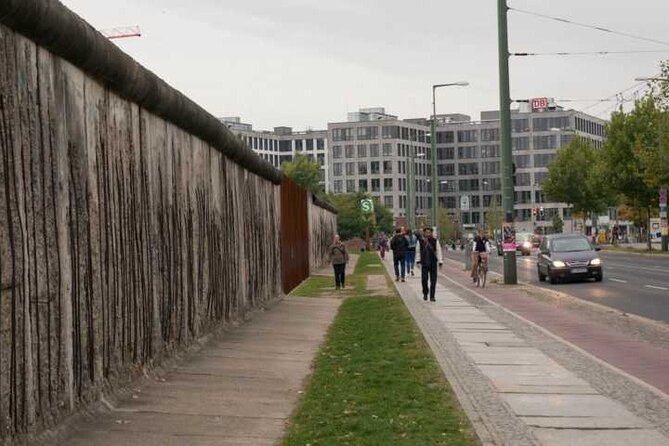
The tour begins at 3:00 pm and lasts about 2.5 hours. You will finish around 5:30 pm, though the exact time can vary with the group’s pace and the length of questions at each stop.
You need a moderate level of physical fitness. The route is on foot, includes several stops, and follows a long section of the former border. This is not a quick monument visit. If you prefer slow sightseeing with plenty of indoor seating, this may feel demanding.
Wear comfortable shoes and check the weather before leaving. The tour description does not promise indoor shelter, and much of the experience depends on walking through public streets and memorial grounds. Carry water and any snack you want, since food and drinks are not provided.
The 3:00 pm departure can be convenient if you want a morning museum visit first. It also means the experience is less flexible than a morning walk. In winter, daylight may be limited near the finish, while in summer the late afternoon can make for a more comfortable walking window. The supplied details do not state that the tour changes with the season, so check the confirmed booking information.
Who will get the most from this Berlin Wall walk
I would choose this tour if you want the Wall explained as a connected story. It suits first-time visitors who know the basic date of 1989 but want to understand what the border looked like on the ground.
It is also a good fit if you prefer a personal guide to a recorded audio tour. The small group and reported use of personal memories should make it easier to ask about daily life, escape attempts, border controls, and the meaning of individual memorials.
History-minded families with older children may also find the route useful, provided everyone can handle 2.5 hours of walking. The subject is serious, and the emotional weight of the sites is part of the experience.
I would be less likely to choose it if you only want to see a large intact section of Wall for photographs. The route focuses on memorials, former border areas, and documented traces. Some stops may look ordinary until the guide explains them.
You should also skip it if you need a fully accessible or seated format, since the activity requires moderate physical fitness and no accessibility details are supplied. Ask the provider directly if you have specific mobility needs.
Should you book the Berlin Wall and Memorial Sites Walking Tour?
Book it if you want a focused history walk with a small group, a local guide, and a route that connects Bornholmer Strasse, Berlin Wall Park, Bernauer Strasse, the Church of Reconciliation, and Nordbahnhof. The $25.45 price is sensible for 2.5 hours of guided context, especially if personal stories and lesser-known Wall traces appeal to you.
Skip it if your Berlin schedule is tight, you dislike walking, or you need a tour that begins and ends in the same place. For the best experience, arrive ready for an outdoor walk, bring water, plan your return from Nordbahnhof, and book ahead if your dates are firm.
FAQ
Where does the tour start?
The tour starts at Bornholmer Strasse 75A, 10439 Berlin, Germany, at the Square of November 9, 1989.
What time does the tour begin?
The scheduled start time is 3:00 pm.
How long does the walking tour last?
The tour lasts approximately 2 hours and 30 minutes.
Where does the tour end?
The walk ends at Berlin-Nordbahnhof, Invalidenstrasse 131, 10115 Berlin, Germany.
Which Berlin Wall sites are included?
The route includes the November 9, 1989 memorial and former border crossing at Bornholmer Strasse, the Ulbricht Curve, Schwedter Way, Gleim Tunnel, Berlin Wall Park, the Bernauer Strasse tunnel, the Church of Reconciliation, the Berlin Wall Memorial viewing platform, and Nordbahnhof.
How many people can join the tour?
The group has a maximum of 12 people.
Is food or transportation included?
No. Food, drinks, hotel pickup and drop-off, and transportation to and from the attractions are not included.
Can I cancel for a full refund?
Yes. You can cancel at least 24 hours before the start time for a full refund. Cancellations or changes made less than 24 hours before the start time are not accepted for a refund.
Just added in Berlin
- Private One way Airport Transfer Berlin Airport To Berlin★ 3.5 · 17 reviews
- Private Walking Tour: Berlin Wall, Cold War and Checkpoint Charlie★ 5.0 · 37 reviews
- Modern Berlin Private Walking Tour: Diverse, Vibrant and Exciting German Capital★ 5.0 · 13 reviews
- Private Day Trip to Potsdam from Berlin by Train★ 4.5 · 27 reviews
- City Explorer: Potsdam Private Day Trip★ 4.5 · 10 reviews
- Berlin Private Custom 5-Hour Tour by Car★ 5.0 · 30 reviews
- Private Half-Day Sightseeing Tour in Berlin★ 3.5 · 6 reviews
- Berlin Private Custom Tour in a Minivan, East and West★ 5.0 · 123 reviews
Berlin Wall & Cold War Tours, compared.

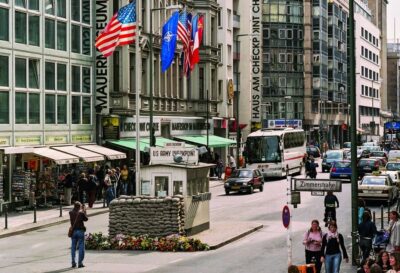
Skip-the-Line: Berlin Wall Museum at Checkpoint Charlie
Read our review →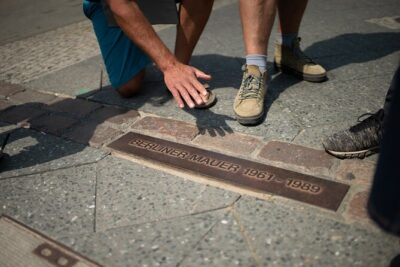
Cold War, Berlin Wall, Spies and the East Side Gallery
Read our review →
Guided Bike Tour of the Berlin Wall and Third Reich
Read our review →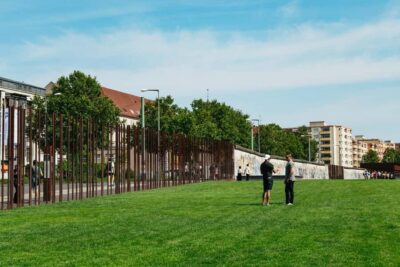
East Berlin and the Berlin Wall 2-Hour Walking Tour
Read our review →Browse the lists this tour appears in