
Reviewed · THIRD REICH & WWII TOURS
Nazi Berlin and the Jewish Community Tour
Berlin’s Nazi past comes into focus on this three-hour route through central Berlin, where government offices, war ruins, memorials, and Jewish community sites are tied into one difficult story. You’ll hear how Hitler gained power in 1933, how the dictatorship organized persecution, and how some Germans resisted.
I like the way the tour connects large events to smaller human stories, especially Varian Fry’s rescue work and Otto Weidt’s efforts to protect Jewish employees. I also like that it includes the New Synagogue and the old Jewish quarter, rather than treating Nazi history as a story told only from government buildings.
The main drawback is pace. You cover a lot of ground and use public transport, so this is not a slow, leisurely museum visit. You’ll need a Berlin AB ticket, comfortable shoes, and the energy to move between several sites.
Key points to know
- Follow the story from Nazi power to defeat: The route links the 1933 rise of Hitler with the final days of Nazi Germany in May 1945.
- See where German resistance was organized: The German Resistance Memorial recalls Operation Valkyrie and Germans who opposed Nazism.
- Meet lesser-known rescuers: Varian Fry and Otto Weidt bring individual courage into a history often told through institutions and dates.
- Visit the old Jewish quarter: The route includes the New Synagogue, the oldest Jewish cemetery, and the story of forced labor and deportation.
- Plan for public transport: An AB all-day ticket is required and is not included in the $27 price.
- Choose your language carefully: The live guide is available in French or Italian, with Lorenzo receiving especially warm praise for his engaging approach.
A three-hour route through Berlin’s hardest history
This tour works best as a connected historical walk rather than a collection of unrelated sights. You begin with Hitler’s rise to power and then move through resistance, war, Jewish life, deportation, and rescue.
That structure matters. Nazi Berlin can otherwise feel scattered, with memorials and empty lots separated by ordinary city streets. A guide helps explain why each location matters and how the pieces fit together.
You should expect a serious subject throughout. The tour deals with dictatorship, murder, forced sterilization, deportation, forced labor, and war. It is not designed as light sightseeing, but the focus on personal choices gives the history a human scale.
The price is $27 per person, which is fair for three hours with a live guide in a major European capital. You should add the cost of the required AB public transport ticket. Since transport is part of the route, the ticket is not a minor extra. It lets you move between the central government district and the Jewish quarter without turning the tour into a long march.
More Third Reich and WWII Tours in Berlin
- Berlin: Third Reich and Cold War 2 Hour Walking Tour
★ 4.9 · 6,830 reviews - Berlin’s Best: 2 Hour Walking Tour Third Reich and the Cold War
★ 5.0 · 5,486 reviews - Third Reich Berlin: Hitler and WWII Walking Tour
★ 5.0 · 3,301 reviews
Hitler’s rise and the machinery of dictatorship
Early in the tour, your guide explains how Hitler’s rise in 1933 became possible. That is more useful than simply hearing a list of dates. The key question is how a dictatorship took hold through political change, pressure, and the destruction of opposition.
You’ll visit former Nazi headquarters and see traces of the buildings connected with the regime. Some sites are now open public spaces or memorial areas, while others survive only in fragments. The absence of grand Nazi architecture is part of the story. Much of the power structure was destroyed, rebuilt, or deliberately left incomplete after the war.
The guide also places Nazi rule in the wider setting of Berlin. You’ll hear about the Christian majority and the Jewish community, and about how normal civic life was gradually restricted. This helps you understand persecution as a process, not a single event that began only with deportation.
A short guided stop lasts about 20 minutes. That timing keeps the tour moving, but it also means you should not expect a full museum-style presentation at each point. If you want hours with documents and detailed exhibits, you’ll need separate visits to Berlin’s larger museums.
German resistance at the Bendlerblock memorial
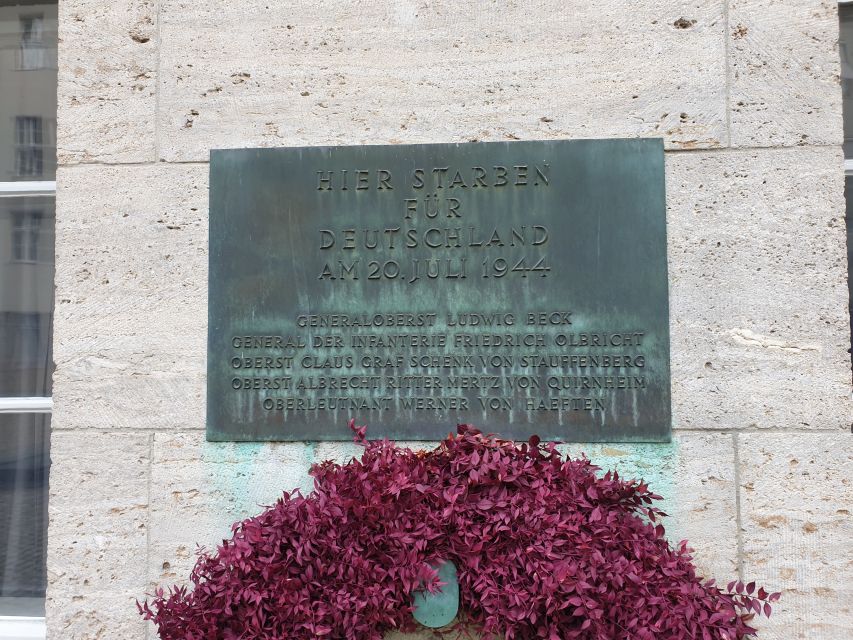
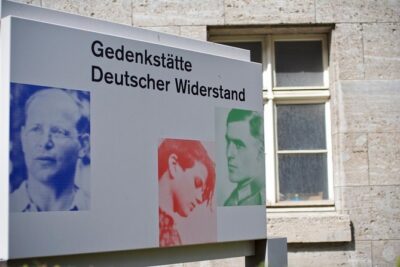
The German Resistance Memorial is one of the tour’s most important stops. It recalls the people who opposed Nazism and the site from which Operation Valkyrie was directed.
The memorial is particularly valuable because it complicates the lazy idea that all Germans supported the regime. Opposition came in different forms and carried different risks. The tour honors those who resisted and fought against Nazism, while keeping the focus on the difficult choices made under dictatorship.
You spend about 20 minutes here with the guide. That gives you enough time to understand the memorial’s purpose and its connection to Operation Valkyrie. It is not enough for a full study of every person or group represented, so you may want to return if this part of the story interests you most.
I like this stop because it adds moral questions to the political history. You are not only asking what happened, but also what people did when obedience became dangerous and resistance seemed almost impossible.
Anhalter Bahnhof and the scars of war
The route then reaches Anhalter Bahnhof, once one of Berlin’s major railway stations. The tour uses the remaining ruins and visible war damage to help explain the city’s final wartime period.
You’ll spend around 10 minutes here. That may sound brief, but the site works well as a visual pause between the government district and the Jewish quarter. The damaged structure makes the violence of the final months more tangible than a photograph in a book.
Your guide revisits the events leading to Germany’s surrender in May 1945. Berlin’s destruction was not an abstract ending. It happened in streets, stations, and buildings that had served everyday life before becoming part of the war.
Anhalter Bahnhof is also a good reminder that Berlin’s history is layered. A normal transport site became part of a city shattered by combat, and the remaining ruins now sit among modern streets and buildings. Bring your attention to the physical details, because this stop is more about what you see than about a long indoor presentation.
Other trips into the same period in Berlin:
- Berlin: Third Reich, Hitler, and WWII Walking Tour
★ 4.9 · 1,133 reviews - Berlin Third Reich Sites: Half-Day Walking Tour
★ 5.0 · 835 reviews - Berlin: Guided Bike Tour of the Berlin Wall and Third Reich
★ 4.7 · 499 reviews - Hitler’s Germany: Berlin During the Third Reich & WWII
★ 4.8 · 476 reviews
Varian Fry and the people who escaped
One of the less familiar stories on the route concerns American journalist Varian Fry. A memorial recalls his work helping more than 3,000 persecuted Jews escape Nazi-occupied Europe.
The tour names several people who benefited from this effort, including painter Marc Chagall, philosopher Hannah Arendt, and writer Heinrich Mann. These names make the scale of the rescue effort easier to grasp, but the point is broader than famous individuals. Fry helped people whose lives were threatened by the Nazi system.
I appreciate this part of the tour because it shifts the story away from headquarters and military plans. You hear about paperwork, escape, danger, and the determined work of someone trying to move people out of reach of persecution.
The stop also gives you a useful counterpoint to the German Resistance Memorial. Resistance did not always look like an armed plot. It could involve hiding people, arranging escape routes, or using personal connections to help someone survive.
Operation T4 and the crime of forced sterilization
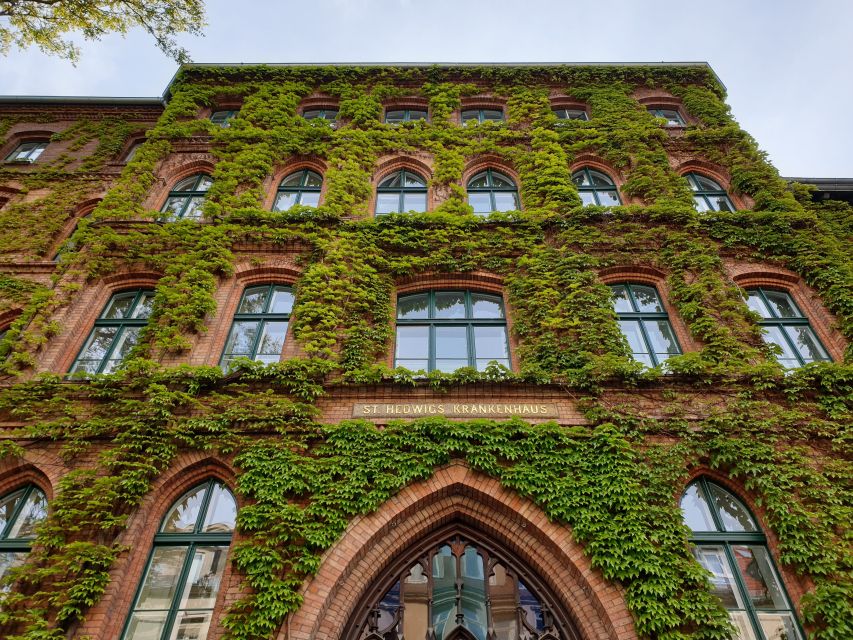
The tour also visits the command center connected with Operation T4. From there, the SS planned the extermination and sterilization of tens of thousands of disabled citizens.
This is one of the heaviest parts of the experience. It shows that Nazi mass murder was not limited to the Jewish population, even though the Holocaust remains central to the later part of the tour. Disabled people were targeted through a system that treated human lives as problems to be classified and removed.
Your guide explains the location and its role in planning these crimes. The site is important precisely because it is not always the first place people associate with Nazi Berlin. It shows the reach of the regime and the way official offices could turn prejudice into organized policy.
You should be ready for difficult material here. The tour does not soften the subject, but the short format keeps the explanation focused. If this history is especially important to you, note the location and consider spending more time there separately if possible.
Crossing into Berlin’s old Jewish quarter
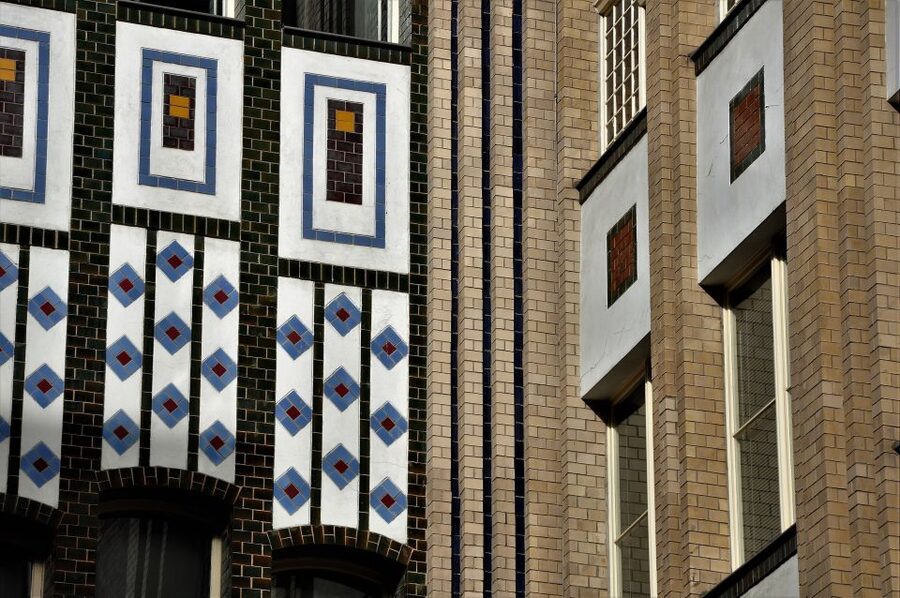
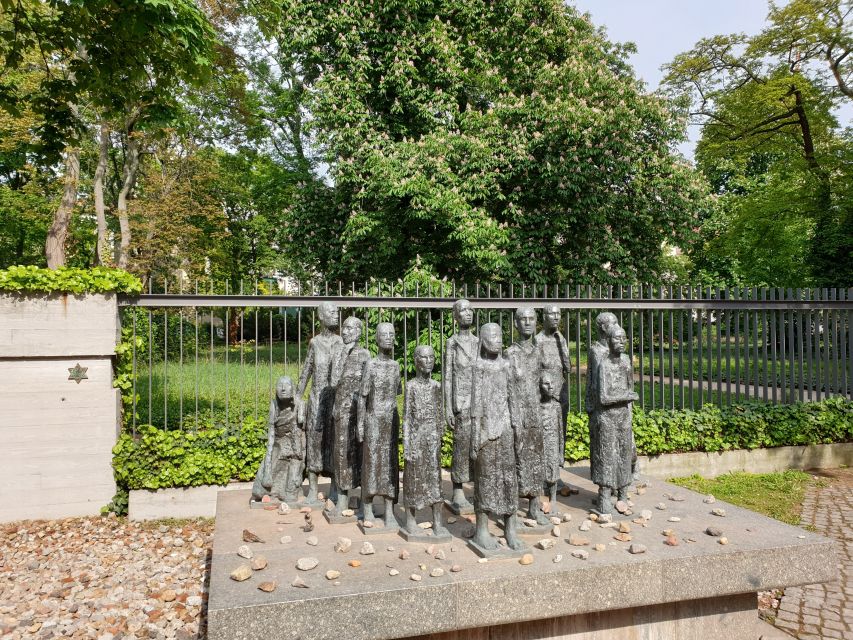
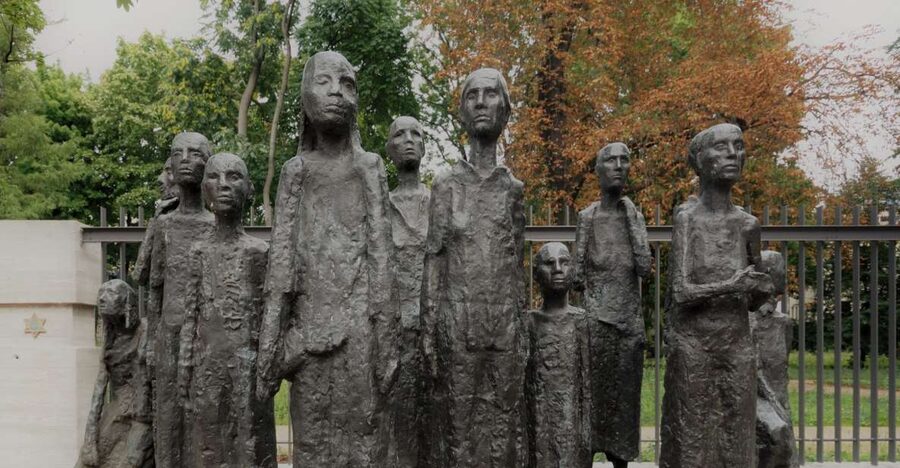
Public transport takes you toward the historic Jewish district. The change of setting is useful. You move from state power and military history to the streets where Jewish life had developed over many generations.
The guide introduces the long history of Berlin’s Jewish community before the Nazis came to power. That background matters. It prevents the community from being reduced to a victim group appearing only during the Nazi period.
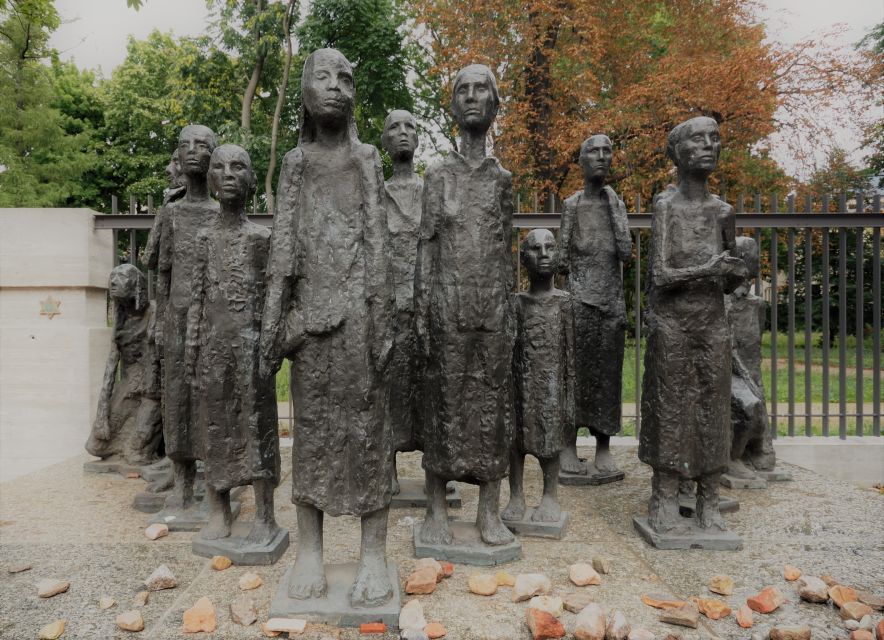
You’ll learn about the relationship between Christian Berliners and Jewish Berliners, including the long and complicated links between the two communities. The story includes ordinary city life, religious institutions, work, discrimination, and the political pressure that grew after 1933.
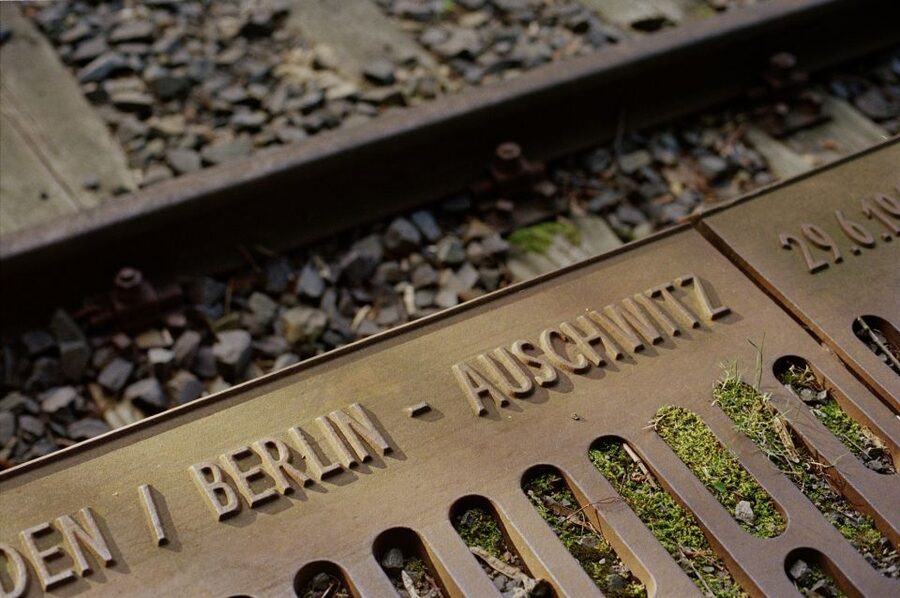
The route also covers forced labor and deportation during World War II. You’ll hear about the mechanisms that made persecution possible, including the process by which people were separated from their homes, stripped of rights, and sent away.
This section is one of the tour’s strongest features. The Jewish quarter is not treated as a decorative old neighborhood. The guide uses its sites to explain both the community that existed before the Nazi period and the destruction that followed.
The New Synagogue and Berlin Jewish life
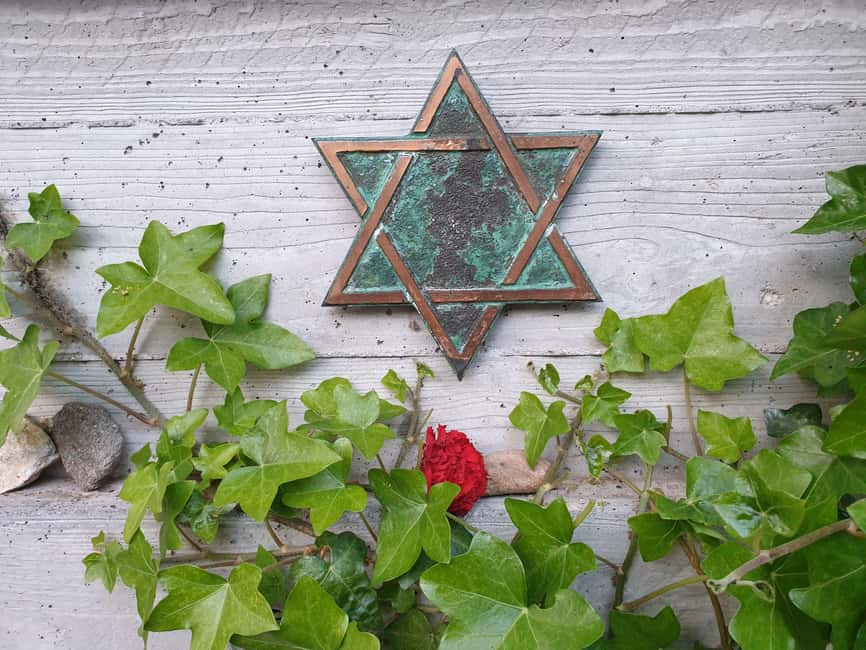
The New Synagogue is one of the most recognizable sights on the route, with its imposing 19th-century design and golden dome. You’ll see the building as part of the Jewish Centre and learn about its place in Berlin’s Jewish community.
The synagogue helps widen the story beyond the years of Nazi rule. Its presence points to a substantial, organized community with religious, cultural, and civic life. The tour uses that setting to explain what was lost when Jewish Berliners were persecuted and deported.
Do not expect the entire three-hour experience to be an extended synagogue visit. The stated program centers on seeing the building and learning from the guide, with about 15 minutes allocated to this stop. The exact access inside can depend on the arrangements for the day, so think of it primarily as a guided historical stop.
The golden dome is easy to recognize, but the history behind it is the real reason to pay attention. You are looking at a building that represents both Jewish life in 19th-century Berlin and the rupture caused by Nazi persecution.
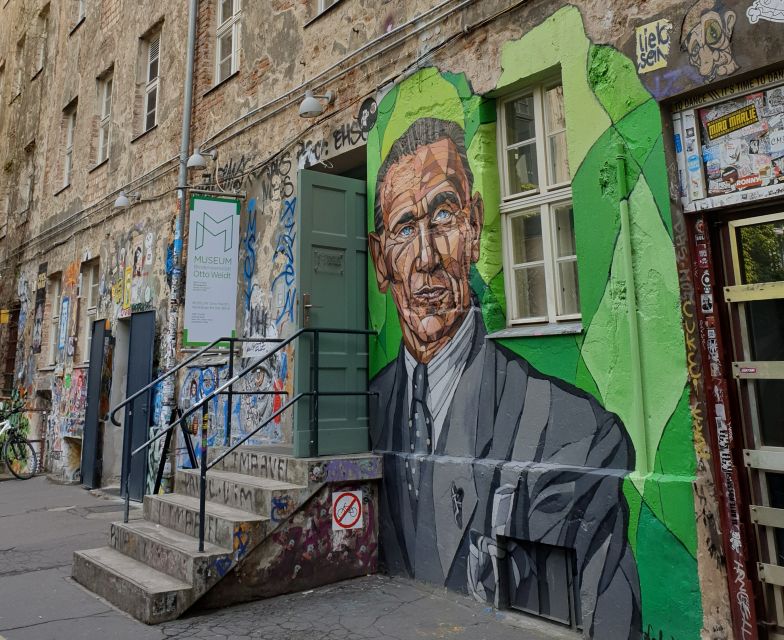
Otto Weidt’s workshop and a smaller story of courage
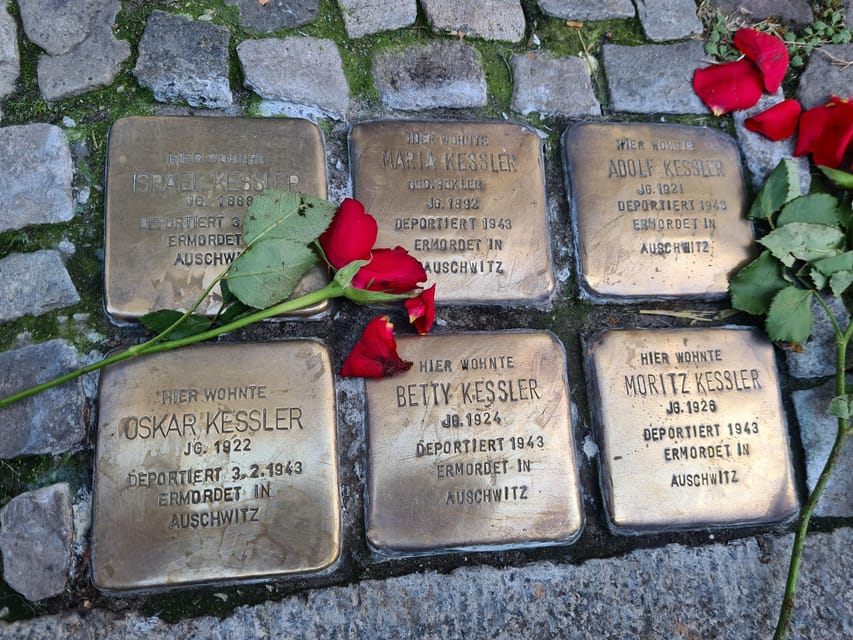
The final major stop is the Otto Weidt Workshop for the Blind. This museum tells the story of Otto Weidt, a Righteous Among the Nations who tried to protect his Jewish workers from persecution and deportation.
Weidt ran a workshop that employed blind and deaf Jewish people. As the danger increased, he found places for some of his workers to hide, including a hiding place on the premises that now house the museum.
This is an especially effective ending because it returns the story to individual decisions. After hearing about commands, offices, deportation systems, and military operations, you finish with one person trying to protect people under his care.
You’ll spend about 15 minutes with the guide at the museum. The stop is short, so you may not have time to examine every display at length. Still, the setting gives the story a direct physical connection to the people who hid there.
I would pay close attention to the practical details of Weidt’s actions. They show that courage was not always dramatic or public. Sometimes it meant using a workplace, relationships, and whatever limited options were available to keep someone alive.
What the pace and transport are like
The tour lasts three hours and includes walking, guided stops, and public transport. The listed transport sections include about 10 minutes by bus or coach and another 10 minutes by train, though the exact journey can vary with the meeting point and route used that day.
You need an AB public transport ticket. An all-day ticket is the simplest choice if you plan to keep exploring Berlin afterward, but the required fare is separate from the tour price.
Comfortable shoes are essential. The tour is wheelchair accessible, but the route still involves moving between outdoor locations, transit, and museum spaces. If you have mobility concerns, confirm the meeting point and transport details when booking, since the starting location may vary by option.
The itinerary includes several short stops, so listen closely and keep your questions focused. A guide can cover much more ground in 20 minutes when the group stays together and the route keeps moving.
Guide language and the value of Lorenzo’s approach
The tour is offered with a live French- or Italian-speaking guide. That is a major reason to choose it if you prefer learning about difficult history in one of those languages.
Lorenzo receives especially strong praise for being serious, prepared, and engaging without making the subject feel theatrical. That combination matters here. Nazi history needs clear explanation, but it also needs care and restraint.
A good guide makes connections between the sites. The value is not only in naming the New Synagogue, Anhalter Bahnhof, or the German Resistance Memorial. It is in explaining why they belong in the same three-hour story.
Guide availability can vary, so check that your selected time is offered in your preferred language. If you are booking specifically for French or Italian, confirm the language before paying.
Who should book this Berlin history tour?
I would choose this tour if you want a serious introduction to Nazi Berlin and Jewish Berlin in one outing. It suits you especially well if you value historical explanation more than long museum visits, and if you want lesser-known stories alongside major events.
It is also a good fit for anyone interested in resistance and rescue. Varian Fry, German opponents of Nazism, Operation Valkyrie, and Otto Weidt give the tour a wider human focus.
You may want a different plan if you prefer to explore at your own pace, spend an hour or more at each museum, or avoid public transport during sightseeing. The route covers a lot in three hours, and the short stops require attention.
At $27, the experience offers good value if you use it as a framework for later independent visits. It gives you context, transport between districts, and access to a guide who can explain connections that are easy to miss alone. Just budget for the AB ticket and understand that the tour cannot provide a full museum visit at every stop.
Should you book it?
Book this tour if you want a focused, serious route through Berlin’s Nazi headquarters, resistance sites, Jewish quarter, and personal stories of rescue. The combination of the New Synagogue, Operation T4, Varian Fry, the German Resistance Memorial, and Otto Weidt gives you more range than a tour devoted only to Hitler’s government buildings.
I would especially recommend it for French- and Italian-speaking visitors who want a live guide and a clear three-hour introduction. Skip it if you need a slow pace or extensive time inside each museum. For most history-minded visitors, the fair price and thoughtful route make it a strong first step before exploring Berlin’s memorials on your own.
FAQ
How long does the Nazi Berlin and Jewish Community Tour last?
The tour lasts three hours.
How much does the tour cost?
The price is $27 per person.
What languages are available?
The live tour guide is available in French or Italian.
Is public transport included?
No. You need an AB public transport ticket, and it is not included in the tour price.
What sites are included?
The route includes Nazi headquarters, the German Resistance Memorial, Anhalter Bahnhof, the New Synagogue, the old Jewish quarter, and the Otto Weidt Workshop for the Blind.
Will I visit the New Synagogue?
Yes. The tour includes a guided stop to see the New Synagogue and learn about Berlin’s Jewish community.
Is the tour wheelchair accessible?
Yes, the activity is listed as wheelchair accessible.
Can I cancel for a full refund?
Yes. You can cancel up to 24 hours in advance for a full refund.
Just added in Berlin
- Private One way Airport Transfer Berlin Airport To Berlin★ 3.5 · 17 reviews
- Private Walking Tour: Berlin Wall, Cold War and Checkpoint Charlie★ 5.0 · 37 reviews
- Modern Berlin Private Walking Tour: Diverse, Vibrant and Exciting German Capital★ 5.0 · 13 reviews
- City Explorer: Potsdam Private Day Trip★ 4.5 · 10 reviews
- Private Day Trip to Potsdam from Berlin by Train★ 4.5 · 27 reviews
- Berlin Private Custom 5-Hour Tour by Car★ 5.0 · 30 reviews
- Private Half-Day Sightseeing Tour in Berlin★ 3.5 · 6 reviews
- Berlin Private Custom Tour in a Minivan, East and West★ 5.0 · 123 reviews
Third Reich & WWII Tours, compared.

Third Reich Berlin: Hitler and WWII Walking Tour
Read our review →
Walking Tour of Former Nazi Party Rally Grounds
Read our review →
Berlin Third Reich Sites: Half-Day Walking Tour
Read our review →
Birthplace of the Third Reich Guided Walking Tour
Read our review →Browse the lists this tour appears in