
Reviewed · THIRD REICH & WWII TOURS
Berlin: Third Reich, Hitler, and WWII Walking Tour
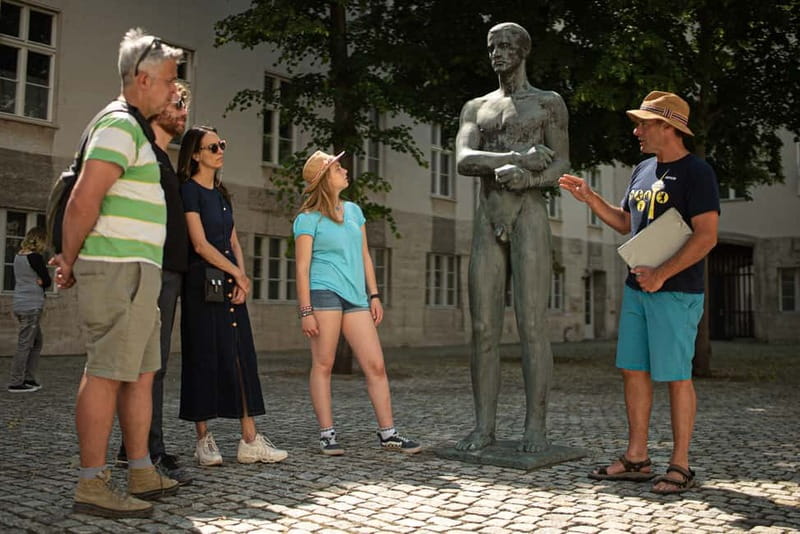
Berlin’s Nazi past is not tucked away in one museum. It is spread across ordinary streets, government buildings, empty lots, monuments, and the pavement above Hitler’s buried bunker. This three-hour walk connects those places and explains how Berlin became the center of Nazi power, then the final battlefield of the regime.
I like the route for two clear reasons: it links buildings to people and decisions, and it ends with the physical remains of the Soviet assault, including tanks and howitzers at the Soviet War Memorial. The main consideration is simple: this is a serious walking tour with difficult subject matter, and one recent participant noted there are no scheduled water or toilet breaks.
Key points at a glance
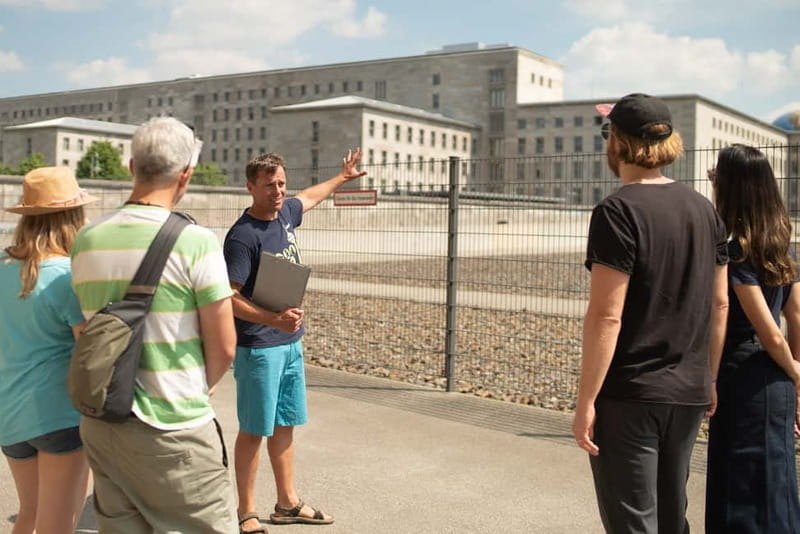
- The Führer Bunker site: Learn what happened during Hitler’s final days at the location where the bunker once stood.
- Nazi power in plain sight: Pass former sites connected with Goering, Goebbels, Himmler, the SS, and the Gestapo.
- The Topography of Terror: Stop at one of Berlin’s most important exhibitions about Nazi persecution and state terror.
- The final battle: Follow the route toward the Reichstag and the Soviet War Memorial, with its T-34 tanks and Red Army guns.
- Strong guide-led storytelling: Guides such as Hannah, Mikhail, Jimmy, Martin, Will, and Jörg are praised for clear explanations and thoughtful answers.
- Good value at $20: Three hours of guided history in central Berlin is a useful deal, especially for first-time visitors.
Why this Berlin walking tour matters
A Nazi-era walking tour can easily become a parade of famous names and dates. This one has a better shape. It shows you where the regime worked, how it controlled information and police power, and how the city looked when that system collapsed.
You are not simply looking at grand buildings. You are learning what happened inside them, who used them, and how their roles fitted together. That makes the route useful even if you already know the broad outline of World War II.
The tour also treats the subject with the seriousness it deserves. The strongest guide feedback centers on clear speaking, careful handling of painful topics, and a willingness to answer questions. Hannah is praised for explaining sensitive material respectfully. Mikhail is described as friendly and able to connect Nazi history with Berlin’s Cold War past. Jimmy, Martin, Will, Jörg, and others are singled out for strong preparation, humor used at the right moments, and solid command of the subject.
That last point matters. A three-hour walk needs a guide who can keep the story moving without flattening it into a lecture. The named guides appear to bring different personalities, but the common thread is careful explanation and an open approach to questions.
More Third Reich and WWII Tours in Berlin
- Berlin: Third Reich and Cold War 2 Hour Walking Tour
★ 4.9 · 6,830 reviews - Berlin’s Best: 2 Hour Walking Tour Third Reich and the Cold War
★ 5.0 · 5,486 reviews - Third Reich Berlin: Hitler and WWII Walking Tour
★ 5.0 · 3,301 reviews
Starting at Friedrichstraße and the Palace of Tears
The meeting point is outside Friedrichstraße train station, on the square between the station and the Tränenpalast, also called the Palace of Tears. Look for guides wearing a blue lanyard and yellow name tag, often with yellow umbrellas.
This is a practical starting point because Friedrichstraße is easy to reach by public transport. It also gives the tour an early reminder that Berlin’s history did not end in 1945. The Palace of Tears is linked to the later division of Berlin, so the surroundings place the Nazi period within the city’s longer story of dictatorship, war, and political separation.
You should arrive ready to walk, not expecting an indoor museum tour. The route operates in rain or shine. Comfortable shoes, weather-appropriate clothing, and a drink are sensible choices. One participant specifically advised bringing your own water, since the tour does not include a scheduled water stop.
The ministries that ran Nazi Germany
The route brings you past former locations connected with the machinery of Nazi power. You see Goering’s Air Defence Ministry, associated with the Luftwaffe and the planning of the Blitz. You also pass the former sites of Goebbels’ Propaganda Ministry and Himmler’s SS and Gestapo headquarters.
This is one of the tour’s most useful features. Nazi Germany was not run from one dramatic headquarters alone. It relied on ministries, police offices, military bodies, propaganda networks, and layers of administration. Seeing their former locations helps you understand that terror was organized through offices and paperwork as well as through prisons and battlefields.
The buildings and sites do not all offer the same visual impact. Some locations are changed, rebuilt, or marked by signs rather than preserved as complete Nazi-era interiors. That can disappoint visitors expecting a series of intact headquarters. The guide’s explanation is therefore crucial, because the meaning is often stronger than what remains to see.
This part of the walk also helps separate the roles of major Nazi figures. Goering’s military position was not the same as Goebbels’ control of propaganda, and neither functioned in the same way as Himmler’s SS and Gestapo apparatus. A good guide draws those lines clearly, and the strongest feedback indicates that the guides do.
The Topography of Terror and the machinery of persecution
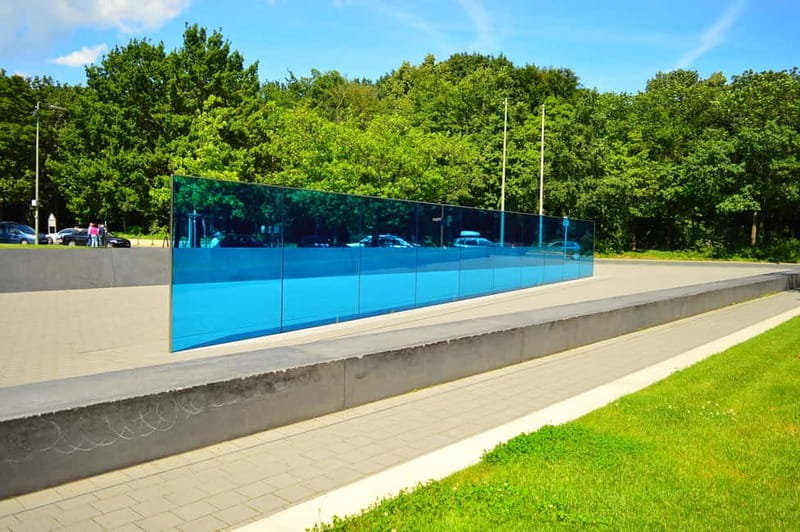
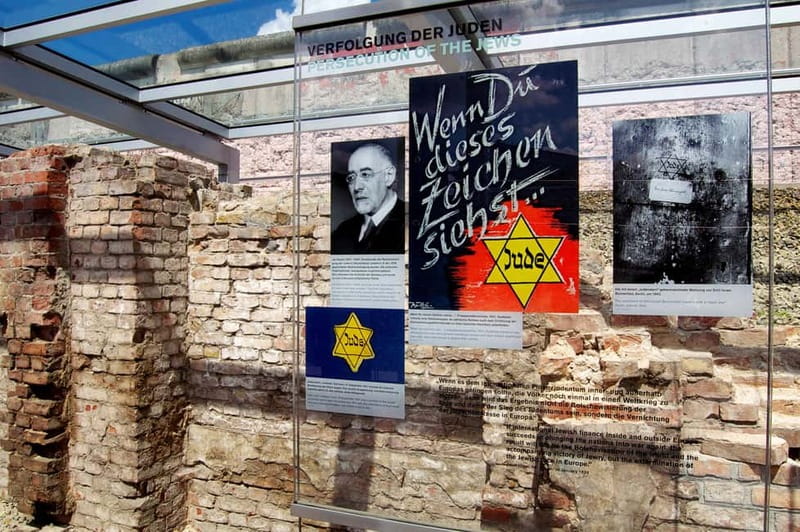
The Topography of Terror is a major stop and one of the best places on the route to connect individuals with institutions. The exhibition occupies the former area of the Gestapo and SS offices, making the site directly relevant to the story being told.
You should expect a serious historical presentation rather than a quick photo stop. The tour uses the exhibition to explain how Nazi persecution was planned and enforced. It gives you a clearer sense of how the regime moved from ideology and political repression toward systematic terror.
The stop also adds balance to the outdoor route. Monuments and former building sites can make history feel abstract. An exhibition gives you documents, names, and evidence that help ground the guide’s account.
Because this is a three-hour walk, the amount of time available at each place may vary. If you want to study every display in detail, plan to return on your own. The tour’s purpose is to give you a connected account of the period, not to replace a full museum visit.
Other trips into the same period in Berlin:
- Berlin Third Reich Sites: Half-Day Walking Tour
★ 5.0 · 835 reviews - Berlin: Guided Bike Tour of the Berlin Wall and Third Reich
★ 4.7 · 499 reviews - Hitler’s Germany: Berlin During the Third Reich & WWII
★ 4.8 · 476 reviews - Private Walking Tour Berlin Third Reich Hitler and World War II
★ 5.0 · 360 reviews
Hitler’s New Reich Chancellery and the Führer Bunker
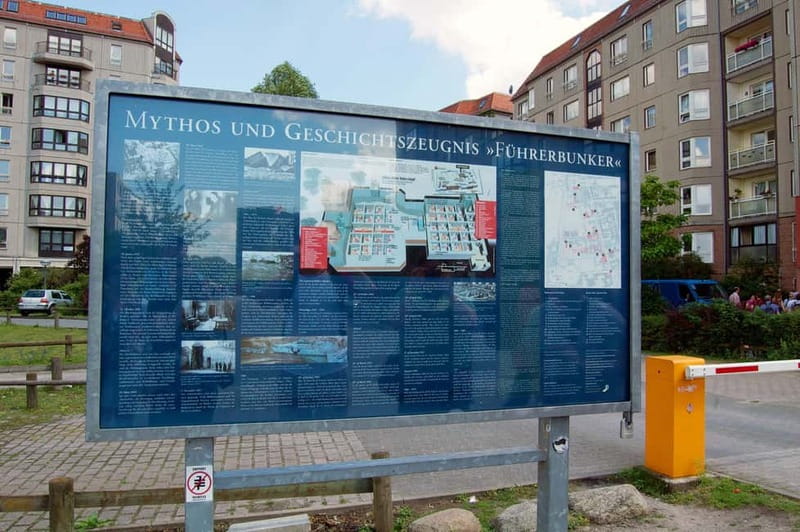
The tour visits the former site of Hitler’s New Reich Chancellery, once the seat of power for Nazi Germany and a symbol of the regime’s ambition. The building itself is gone, but the location helps explain the scale and confidence of the government Hitler created.
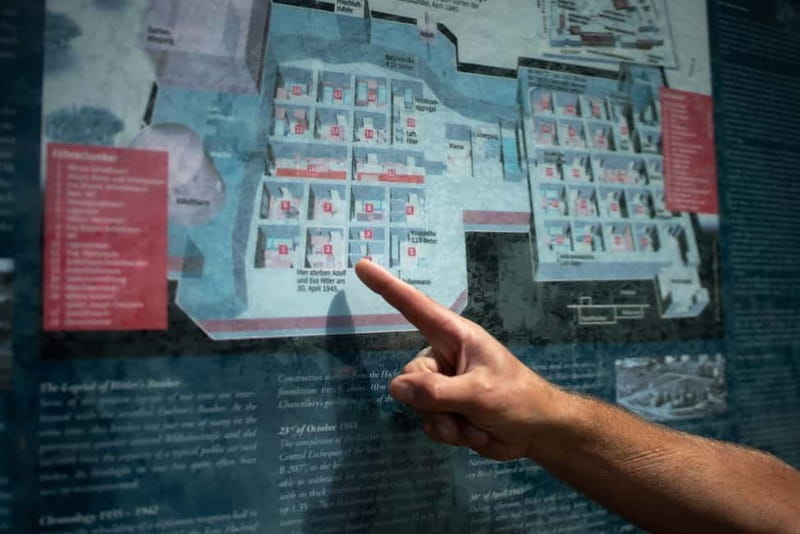
From there, the route reaches the site above the Führer Bunker. There is no grand ruin to enter and no dramatic underground chamber open for sightseeing. What you get is a careful explanation of what happened below ground, including Hitler’s final days and the fate of his remains.
That is exactly why the guide matters here. The bunker site can look unremarkable, and without context you might walk past it without realizing its importance. The tour turns an otherwise easy-to-miss location into a point for understanding the collapse of Nazi rule.
The subject is grim, and the guide must avoid turning it into spectacle. The strongest feedback praises guides for treating sensitive material respectfully. Hannah is specifically noted for this, while other guides are praised for answering difficult questions without losing focus.
This stop is especially valuable if you want to understand the final days rather than only the rise of Hitler. The story moves from grand plans and government power to isolation, military defeat, and the destruction left behind.
Germania, Albert Speer, and the city Hitler wanted
The walk follows part of Hitler’s planned Germania axis, designed by Albert Speer. The project aimed to remake Berlin as the capital of a vast Nazi empire.
You will not see a completed Nazi supercity. You will see the places where that vision was imposed on Berlin and hear how architecture was used to project power. This is an important part of the tour because it shows that Nazi rule was not only about armies and police. It also relied on ceremonies, monumental design, controlled views, and the reshaping of public space.
The Germania section gives you a useful way to read central Berlin. Broad avenues and formal government spaces can seem disconnected from the war years unless someone points out the political purpose behind them. A guide can show you how the planned axis fitted the regime’s image of itself.
Some visitors may find this portion less immediately dramatic than the bunker or the Soviet memorial. It is more about plans, scale, and ideology. I consider it worthwhile because it explains how power was meant to look, not just how it was enforced.
The Reichstag and Brandenburg Gate at the war’s end
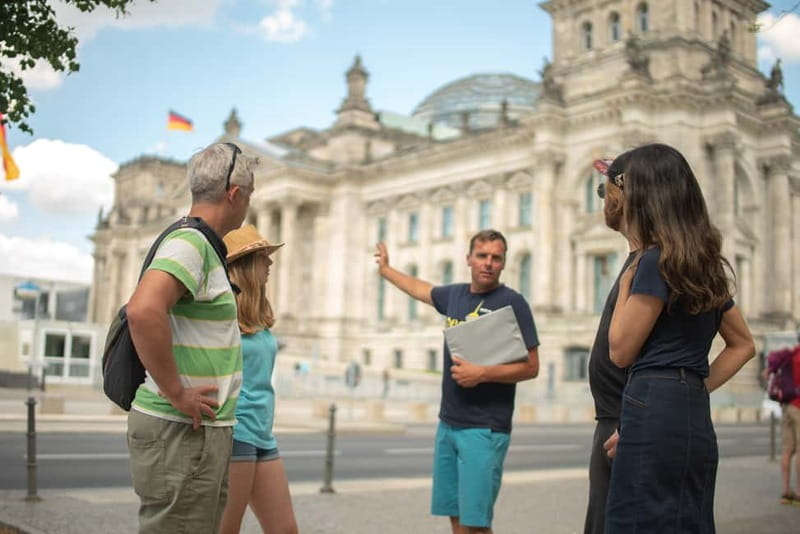
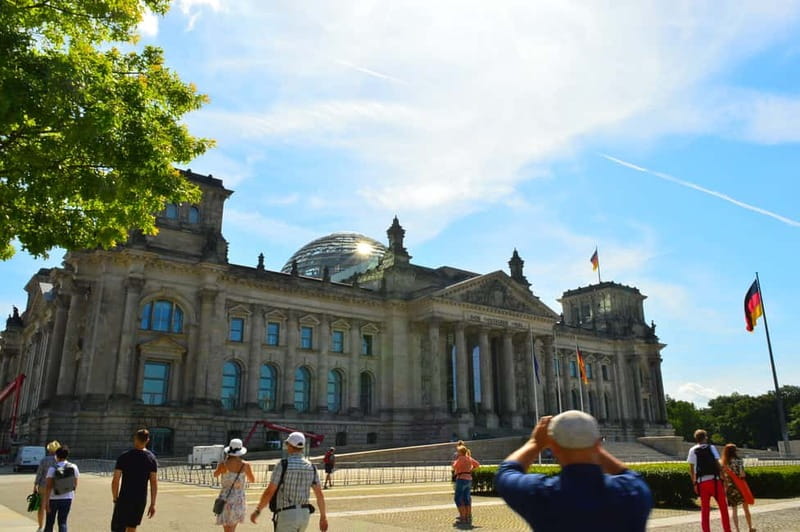
The walk continues toward the Reichstag, described as the final battlefield of Nazi Germany. This location connects the end of the war with the city’s political heart.
The Reichstag is also useful for understanding how symbols change. Its meaning has shifted across imperial Germany, the Nazi period, the Cold War, and modern reunified Berlin. On this tour, you see it as part of the final Soviet assault and the collapse of the Nazi state.
Brandenburg Gate adds another layer. It was once used as a symbol of Nazi power, then became associated with Berlin’s division during the Cold War. Seeing it after the Reichstag helps you follow how political regimes reuse the same public spaces for different messages.
This is where the tour broadens beyond Hitler alone. The route deals with the wider city, the fighting that destroyed it, and the later history that grew around those ruins. Mikhail is praised for adding Cold War and general Berlin context between the main stops, which can make this stretch especially rewarding.
Soviet tanks at the War Memorial
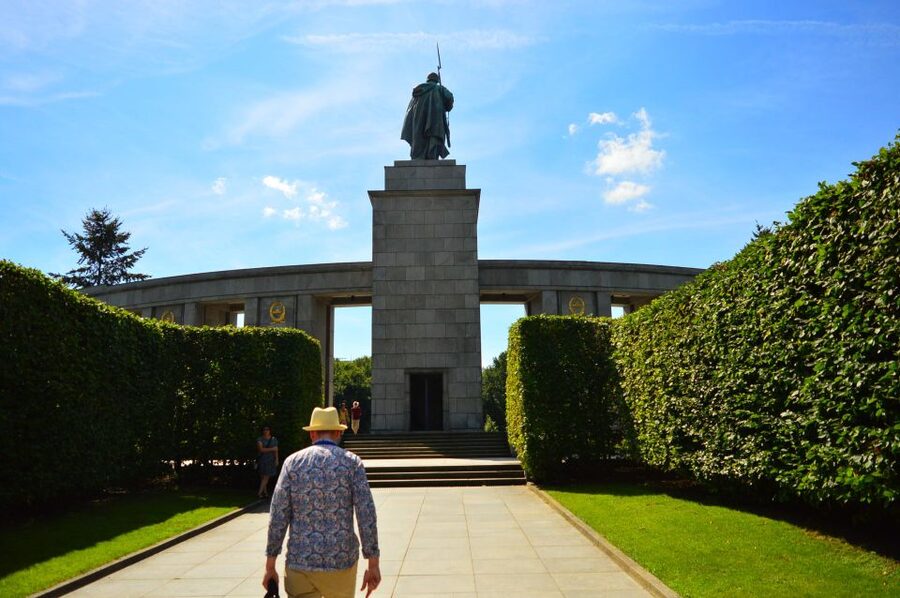
The route ends at the Soviet War Memorial, where T-34 tanks and Red Army howitzers flank the site. These are not small decorative pieces. They make the final military phase of the story feel concrete.
The memorial gives the tour a strong ending because it shifts attention from Nazi command to the force that captured Berlin. The physical presence of the weapons helps you picture the scale and direction of the Soviet advance.
It also prevents the tour from ending with Hitler’s bunker alone. The bunker explains the end of the Nazi leadership. The memorial shows the wider military defeat and the human cost represented by the Soviet dead.
The activity ends back at the meeting point, so you do not need to arrange a separate return transfer. Since the tour stays outdoors for much of its three hours, you should be ready for weather and city walking.
Guide quality and group feel
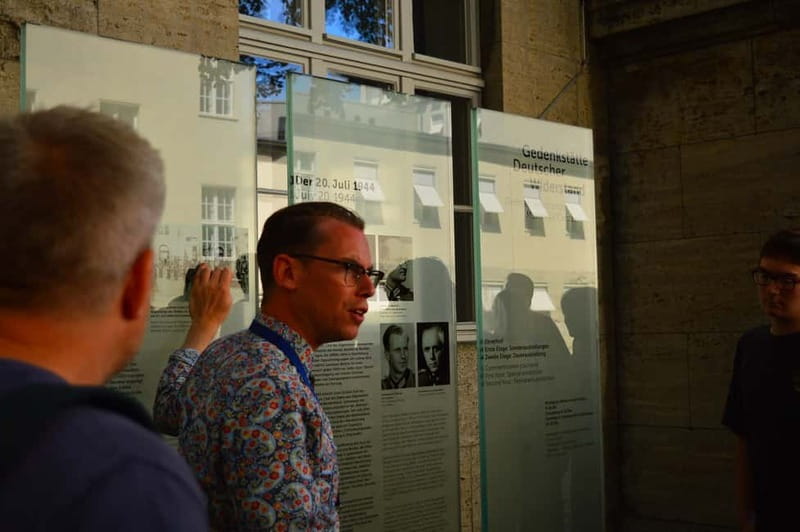
The guide is the heart of this experience. A strong speaker can make familiar places useful, while a weak presentation can make even the bunker and Reichstag feel flat.
The named guides receiving especially warm praise include Hannah, Xavier, Jörg, Will, Mikhail, Jim, Rafa, Artie, Callum, Thomas, Jimmy, Mikey, Martin, Jasper, Tina, and Marty. The consistent strengths are clear communication, a friendly manner, strong preparation, and the ability to handle questions.
Several guides are described as passionate without becoming difficult to approach. That matters on a subject filled with hard names and painful facts. You need someone who can explain plainly, correct misunderstandings, and keep the group respectful.
The tour offers private or small-group options, as well as regular group departures. Group size can affect the experience. One participant felt the group was larger than ideal, so choose a small-group or private option if close access to the guide is important to you.
A few practical limits are worth noting. There are no scheduled toilet or water breaks, and one person lost the group while checking work emails. Keep your phone away during explanations, stay close, and bring water before setting off.
Is $20 good value for three hours?
At $20 per person, this is a strong value for a guided introduction to Nazi Berlin. You are paying for three hours of route planning, site interpretation, and live explanation across central Berlin. The cost is particularly reasonable if this is your first visit and you want a clear framework before exploring museums on your own.
The price does not include entry to a separate attraction, and this is primarily an outdoor walking experience. If you want long indoor visits or extensive time with museum displays, you will need additional plans.
The value rises if you ask questions and use the walk to decide what deserves a return visit. The Topography of Terror, for example, may reward more time than the tour can provide. The route gives you the context to make that later visit more meaningful.
Private options cost more than the basic rate, but they may suit families, school-age history students, or anyone who wants a slower pace. The public tour is the better bargain for most visitors who are happy to walk with others.
Who should book this tour?
I would choose this tour if you want Nazi and World War II history explained at the actual places where decisions were made and battles ended. It suits first-time visitors, history students, adults preparing for museum visits, and anyone who wants more than a list of monuments.
It is also a good choice for families with older children who can handle the subject. One guide was praised for helping a student studying GCSE history, suggesting that the route can support school learning as well as general sightseeing.
You should think twice if you dislike long outdoor walks, need regular breaks, or want a light sightseeing outing. The material covers dictatorship, terror, war, death, and destruction. It is not entertainment, although a personable guide may use occasional humor to keep the group attentive.
The tour is available in English, German, and Spanish. It operates in rain or shine, and the meeting point is outside Friedrichstraße station by the Palace of Tears. Free cancellation is available up to 24 hours before departure, and you can reserve now and pay later.
Final verdict: a serious, well-priced introduction to Nazi Berlin
Book this tour if you want a clear three-hour account of how Nazi Berlin rose, ruled, and fell. The best parts are the links between former ministries, the bunker site, the Reichstag, Brandenburg Gate, and the Soviet War Memorial. Together, they give you a route through power, persecution, defeat, and memory.
The main tradeoffs are the outdoor format, lack of scheduled breaks, and possible group size. Bring water, wear good shoes, and choose a smaller or private option if you want more personal attention.
At $20, this is an easy recommendation for a first look at Berlin’s World War II history. It will not replace the city’s museums, but it can give you the map and context you need to understand them.
FAQ
How long does the Berlin Third Reich, Hitler, and WWII Walking Tour last?
The walking tour lasts three hours. Starting times depend on availability.
How much does the tour cost?
The listed price is $20 per person.
Where does the tour begin?
Meet outside Friedrichstraße train station, on the square between the station and the Tränenpalast, also called the Palace of Tears, at Reichstagufer 17, 10117 Berlin.
How do I identify the guide?
The guides wear a blue lanyard and yellow name tag. They may also be holding yellow umbrellas.
Where does the tour end?
The activity ends back at the meeting point outside Friedrichstraße train station.
Which languages are available?
The tour is offered in English, German, and Spanish.
Does the tour operate in bad weather?
Yes. The tour operates rain or shine, so bring weather-appropriate clothing and comfortable shoes.
Can I cancel or pay later?
You can cancel up to 24 hours in advance for a full refund. Reserve now and pay later is also available.
More walking tours in Berlin
- Discover Berlin Half-Day Walking Tour
★ 5.0 · 9,624 reviews - Berlin: Discover Berlin Walking Tour
★ 4.9 · 5,998 reviews - Berlin: Hidden Backyards Guided Walking Tour
★ 4.8 · 5,360 reviews - Berlin: Alternative Berlin Walking Tour
★ 4.6 · 1,204 reviews
Just added in Berlin
- Berlin: Energizing 2-Hour Morning Segway Tour★ 4.7 · 35 reviews
- Berlin: Thrilling E-Scooter Adventure Tour★ 4.4 · 66 reviews
- Beelitz-Heilstätten: Baum&Zeit Tree Top Walk Entry Ticket★ 4.9 · 7 reviews
- Beer Bike & Party Bike: Unforgettable Berlin City Tour incl. pickup★ 5.0 · 5 reviews
- AXE THROWING EXPERIENCE IN BERLIN★ 4.7 · 24 reviews
- Alternative Berlin / Street art tour – Private group★ 5.0 · 6 reviews
- Berlin: Alternative & Street Art Tour★ 4.5 · 6 reviews
- Berlin: 2.5-Hour Beer & Sunset Sightseeing Boat Cruise★ 4.6 · 61 reviews
Third Reich & WWII Tours, compared.

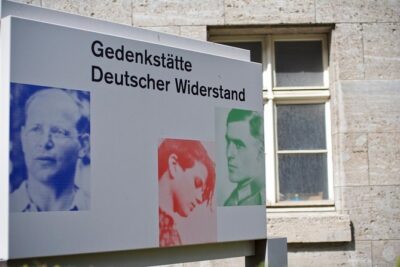
Third Reich Berlin: Hitler and WWII Walking Tour
Read our review →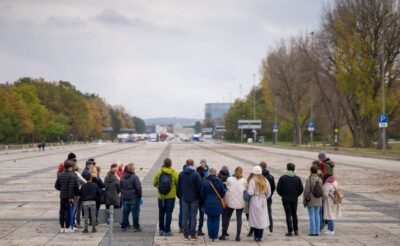
Walking Tour of Former Nazi Party Rally Grounds
Read our review →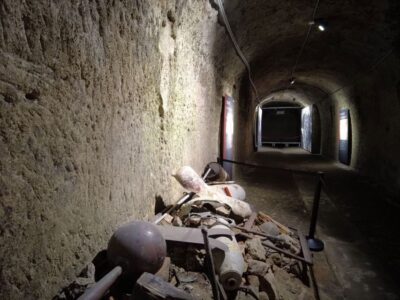
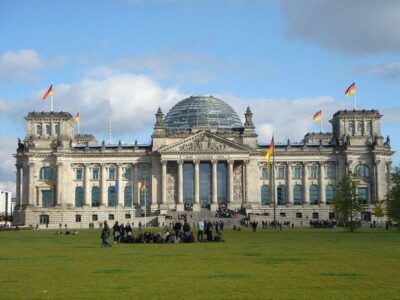
Berlin Third Reich Sites: Half-Day Walking Tour
Read our review →
Birthplace of the Third Reich Guided Walking Tour
Read our review →Browse the lists this tour appears in