
Reviewed · THIRD REICH & WWII TOURS
Third Reich and the Holocaust in Berlin Private Guided Tour
Berlin tells the story of the Third Reich in places that are still part of everyday city life. This private walk links the Topography of Terror, the Memorial to the Murdered Jews of Europe, the Reichstag, and lesser-known Jewish sites into one sober account of Nazi power, war, and persecution. I especially like the mix of major landmarks and human stories, including Otto Weidt’s efforts to protect blind and deaf Jewish workers.
I also like the private format. You can set the pace, ask direct questions, and focus more on Nazi propaganda, Jewish life, military history, or Berlin’s changing streets. Guides named Silvia, Gunnar, and Manfred have earned especially warm praise for clear explanations and an easy conversational manner. The main drawback is the subject itself: five hours on foot, dealing with mass murder and wartime destruction, can feel heavy, and the price of $219 per person is easiest to justify for a small private group.
Key points at a glance
- The Topography of Terror begins the history lesson inside the former Gestapo and SS headquarters, with exhibits on Nazi rule and persecution.
- The five-hour route adds Berlin’s Jewish Quarter, Friedrichstrasse, the New Synagogue area, and Otto Weidt’s Blindenwerkstatt Museum.
- The private guide format lets you set the tone, pace, and questions instead of following a large group.
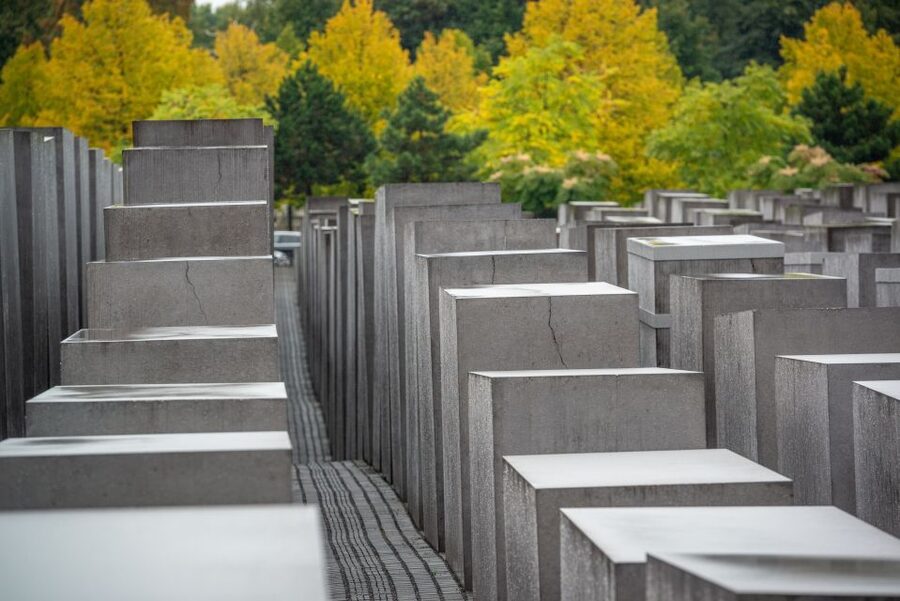
- The Memorial to the Murdered Jews of Europe gives the tour its emotional center, while nearby landmarks show how propaganda and government power shaped Berlin.
- Guides speak seven languages, including English, German, Spanish, French, Italian, Russian, and Polish.
- The shorter three-hour version covers the main war sites, while the five-hour option offers the fuller Jewish history portion.
Why this Berlin history walk matters

You can read about the Third Reich in a museum, but Berlin makes the subject harder to keep at a safe distance. Government buildings, railway streets, memorials, and ordinary public squares all carry links to the Nazi period. A guided walk helps you connect these places instead of treating them as isolated sights.
The route focuses on the rise and fall of Adolf Hitler, Nazi propaganda, the Holocaust, and World War II in Germany and beyond. The guide also presents the period through the experience of German and Jewish citizens, which is important. It keeps the story from becoming only a list of battles, dates, and political leaders.
I would choose this tour if you want a serious historical introduction in one concentrated outing. It is less suitable if you prefer a light sightseeing walk, since the subject matter includes persecution, murder, dictatorship, and the destruction of much of Berlin.
The private setting is useful here. You can stop to ask how a particular policy affected Jewish families, why a memorial was designed in a certain way, or how Berlin changed after the war. A large group tour often has to keep moving. Here, the guide can adjust the explanation to your interests and the pace to your group.
More Third Reich and WWII Tours in Berlin
- Berlin: Third Reich and Cold War 2 Hour Walking Tour
★ 4.9 · 6,830 reviews - Berlin’s Best: 2 Hour Walking Tour Third Reich and the Cold War
★ 5.0 · 5,486 reviews - Third Reich Berlin: Hitler and WWII Walking Tour
★ 5.0 · 3,301 reviews
Starting at the Topography of Terror
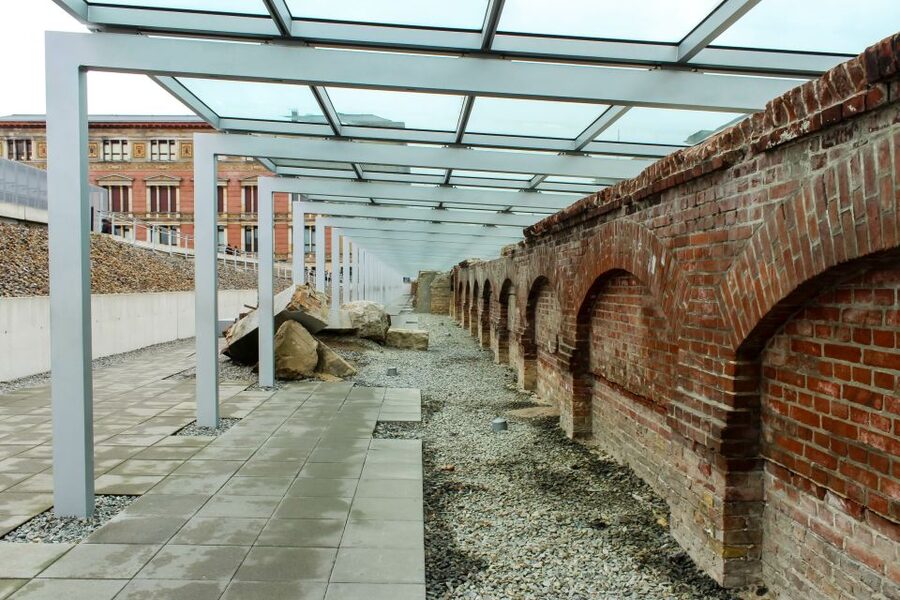
The tour begins at the Topography of Terror, one of the most important places on the route. The museum occupies the former headquarters of the Gestapo and SS, institutions central to Nazi terror. That setting gives the opening discussion a strong sense of place without relying on theatrical effects.
The exhibitions explain how the Nazi Party gained power and how the regime organized persecution and violence. You can expect the guide to place the displays in context, explaining the people and institutions behind the policies rather than simply pointing out dates on a wall.
This is a good first stop because it gives you a framework for the rest of the walk. Once you understand how the dictatorship operated, later sights such as the Reichstag, Brandenburg Gate, and Holocaust memorials become easier to read.
Allow yourself time to absorb the material. The museum is not just a quick introduction before the outdoor sights. The five-hour tour gives the guide room to discuss the exhibits and answer questions, though the exact balance depends on your pace and interests.
Potsdamer Platz and the divided city
From the Topography of Terror, the route continues through central Berlin toward Potsdamer Platz. This area is linked not only to the Nazi era but also to the city’s postwar division. The former American, British, and Soviet zones met in Berlin after the city was liberated, and the area helps explain why Berlin became such a charged place during the years that followed.
Potsdamer Platz is now associated with modern Berlin, but on this tour you will view it through the city’s wartime and political past. That contrast is useful. It shows how quickly a place can change, and why present-day streets do not always reveal what happened there.
The guide can help connect World War II with the later division of Berlin. That wider context matters because the tour is not only about the years from 1933 to 1945. It also explains how the war left Berlin occupied, damaged, and divided among the victorious powers.
The Holocaust memorial and the cost of abstraction
The Memorial to the Murdered Jews of Europe is one of the route’s most important stops. Its field of concrete blocks is deliberately open to interpretation, but the guide gives it historical weight by connecting the memorial with the six million Jewish victims of the Holocaust.
This is a place where a guide can help without telling you exactly what to feel. You have time to look, walk through the memorial, and consider the scale of the crime. The nearby streets also remind you that this is not a distant site outside the city. It is close to major government buildings and well-used central routes.
I appreciate that the tour pairs the memorial with historical explanation. A memorial alone can become an image for your camera. The guide helps place it within the story of Nazi racial policy, deportation, murder, and the collapse of the regime.
The subject can be difficult, especially for younger children or anyone hoping for a relaxed morning. The private format gives you a little control. You can ask for more explanation, pause, or move on when the group needs a moment.
Other trips into the same period in Berlin:
- Berlin: Third Reich, Hitler, and WWII Walking Tour
★ 4.9 · 1,133 reviews - Berlin Third Reich Sites: Half-Day Walking Tour
★ 5.0 · 835 reviews - Berlin: Guided Bike Tour of the Berlin Wall and Third Reich
★ 4.7 · 499 reviews - Hitler’s Germany: Berlin During the Third Reich & WWII
★ 4.8 · 476 reviews
Brandenburg Gate and the Reichstag
The Brandenburg Gate is one of Berlin’s most recognizable landmarks, but its connection to Nazi propaganda makes it more than a photo stop. The Nazis used the gate as a backdrop for rallies and public messaging. Your guide explains how an old symbol of Berlin was folded into the regime’s public image.
That lesson is worth hearing because propaganda often works through familiar places. The Nazis did not create every symbol they used. They attached their message to existing monuments, ceremonies, and national ideas.
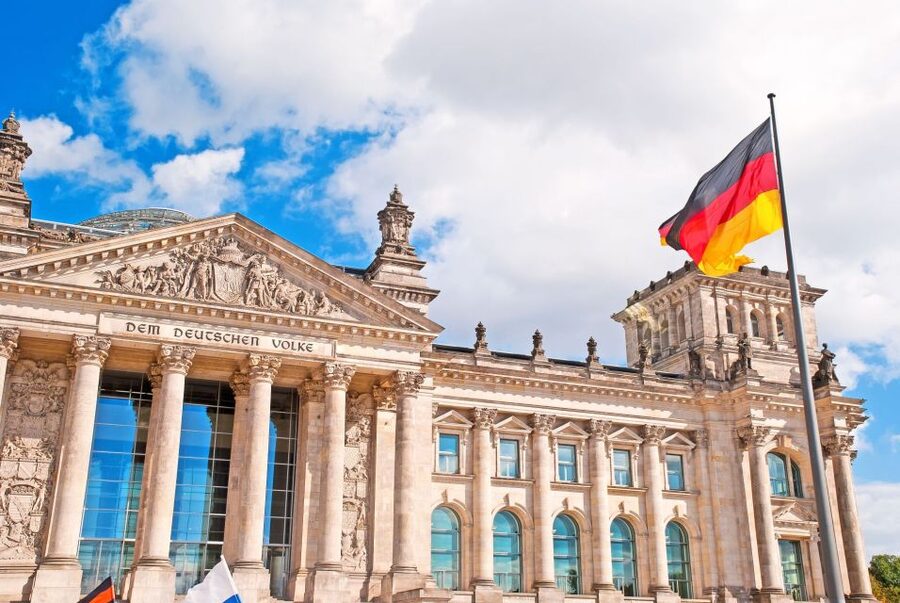
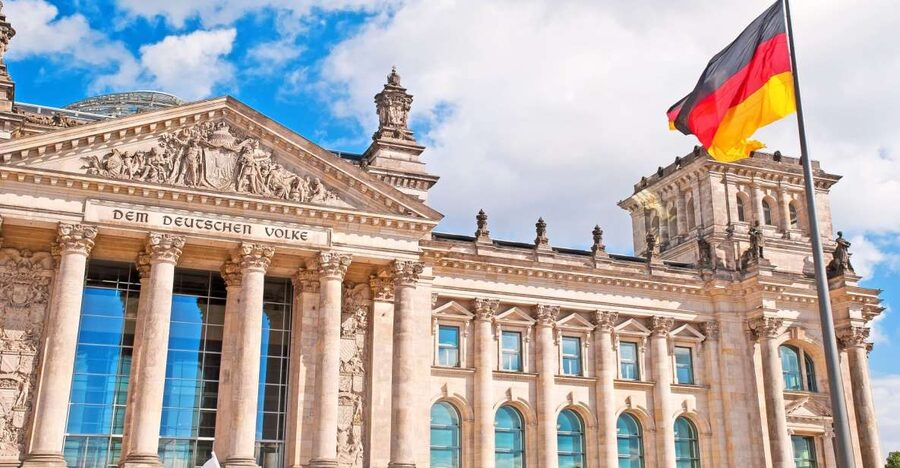
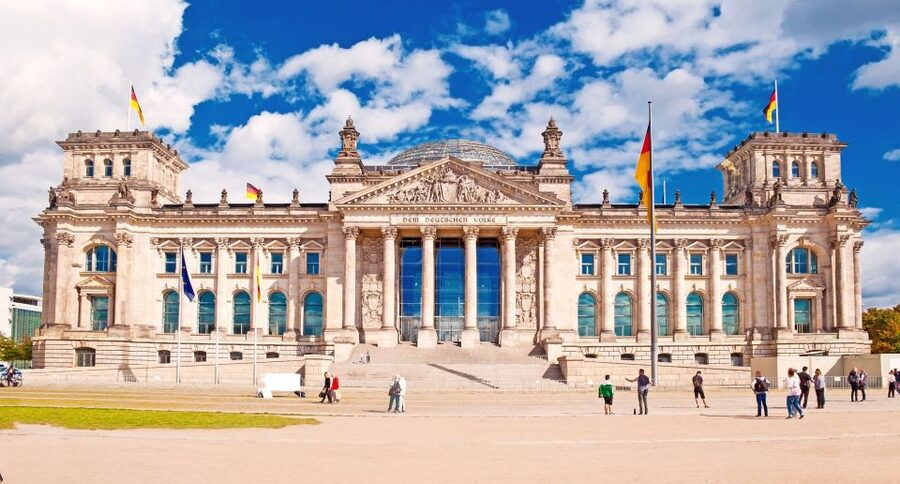
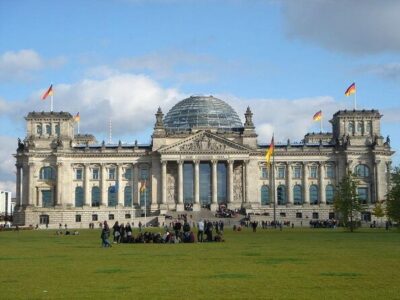
The Reichstag adds another layer. The former parliament building was burned in 1933, an event that became a major moment in the Nazi consolidation of power. At this stop, the guide can explain why the fire mattered politically and how the regime used crisis to weaken democratic institutions.
You should not expect a full interior visit to the Reichstag. The route includes the building as an important exterior site within the historical walk. For many people, that is enough, since the focus is the building’s role in the story rather than its modern visitor facilities.
Ending at the Soviet War Memorial
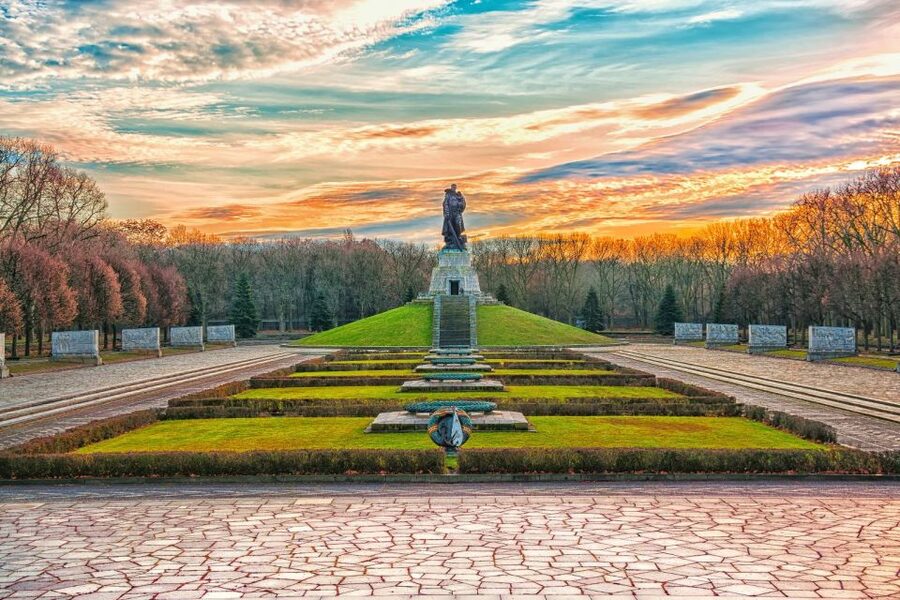
The standard three-hour route ends at the Soviet War Memorial, one of several memorials in Berlin built by the Soviet Union for its war dead. This stop shifts the focus from Nazi crimes to the military defeat of Germany and the enormous cost of the war.
The memorial helps complete the basic timeline. You begin with Nazi power and organized terror, then move through war, defeat, occupation, and the reshaping of Berlin by the victorious Allies.
The stop also gives the route a clear endpoint. After several hours of difficult history, you finish with a monument connected to the soldiers who fought and died in the defeat of Nazi Germany. The guide can help you see how competing memories of the war still shape Berlin’s public spaces.
If your main interest is military history, the shorter route may suit you well. It covers the major central sites without adding the Jewish Quarter and museum visit. If your focus is Jewish life and survival, choose the longer option.
The five-hour route into the Jewish Quarter
The extended tour adds Friedrichstrasse, the streets of Spandauer Vorstadt, and Berlin’s Jewish Quarter. This part changes the rhythm of the experience. Instead of focusing mainly on state power, memorials, and military history, you learn more about Jewish life in Berlin and the consequences of Nazi persecution.
Friedrichstrasse is one of the city’s best-known streets, and the route includes the Trains to Life, Trains to Death monument. It commemorates children murdered during the Holocaust. The monument gives the subject a particularly direct human focus, since it centers on children rather than numbers alone.
In the Jewish Quarter, you see the area around the surviving New Synagogue. The tour does not present Jewish history as beginning or ending with the Nazi era. That wider view matters. It places the Holocaust within the story of a Jewish community that had existed in Berlin before the dictatorship and was then attacked, scattered, and destroyed.
You should expect more walking on the five-hour option. Berlin’s central sights are spread out, and the route is built around moving between them on foot. Comfortable shoes and a willingness to spend much of the day outdoors will make a real difference.
Otto Weidt’s Blindenwerkstatt Museum
For me, the most distinctive part of the extended tour is the visit to Otto Weidt’s Blindenwerkstatt Museum. Otto Weidt ran a workshop that employed mostly blind and deaf Jewish workers during World War II. His story adds a close, personal scale to a subject that can otherwise feel too large to grasp.
The museum helps you consider individual choices under dictatorship. Weidt’s workshop was not a military site or a grand government building. It was a workplace where vulnerable people tried to survive, and where one employer made efforts to protect his workers.
That makes the stop valuable alongside the larger museums and memorials. The Topography of Terror explains the machinery of Nazi persecution. The Blindenwerkstatt shows what that machinery meant for specific people and how acts of help could take place within it.
The museum also makes the five-hour tour more than a longer version of the central sightseeing route. It adds a human story that you would miss on the three-hour option. If you have five hours available, this is the main reason to choose the extended itinerary.
Guides, languages, and the private format
The tour includes a licensed guide who speaks your selected language. Available languages are English, French, Russian, Spanish, Italian, German, and Polish. That matters on a history tour, since precise explanations and sensitive subjects are easier to follow in a language you handle comfortably.
Guides named Silvia, Gunnar, and Manfred have received particularly strong praise for their delivery. Silvia is described as a historian who specialized in World War II, while Gunnar and Manfred were noted for clear, friendly explanations. You cannot assume a particular guide will be assigned, but you can ask when booking if one is available.
The private group setup is the strongest practical feature. You are not tied to a fixed group’s interests, and the guide can adjust the pace. That is useful if one person wants more detail on Nazi institutions while another wants to understand Jewish Berlin or the postwar division.
It also means the cost depends heavily on group size. At $219 per person, this is a major expense for one or two people. For a private group sharing the guide, the price can make more sense, especially if you value a tailored route and conversation rather than the lowest possible rate.
Timing, meeting point, and practical planning
The meeting point is in front of Typisch Berlin cafe at Wilhelmstraße 42, 10963 Berlin. Do not enter the cafe, since it is only a landmark for meeting the guide and the staff there are not involved with the tour.
The five-hour option has starting times that depend on availability. Check the time carefully before booking, and read the message sent the day before. That email may contain important meeting information.
The tour is offered as a private walking experience, so plan for an active day on city streets and inside museum spaces. The exact number of attractions depends on the option selected and the time spent at each stop.
You can cancel up to 24 hours in advance for a full refund, and the reserve now, pay later option helps if your Berlin schedule is still shifting. Those policies do not change the price value, but they reduce some planning risk.
Who should book this tour?
I would choose the five-hour version if you have a serious interest in Nazi Germany, Holocaust history, or Jewish Berlin and want one guide to connect the subjects. It suits first-time visitors who want a strong historical foundation, as well as repeat visitors who prefer focused history over general sightseeing.
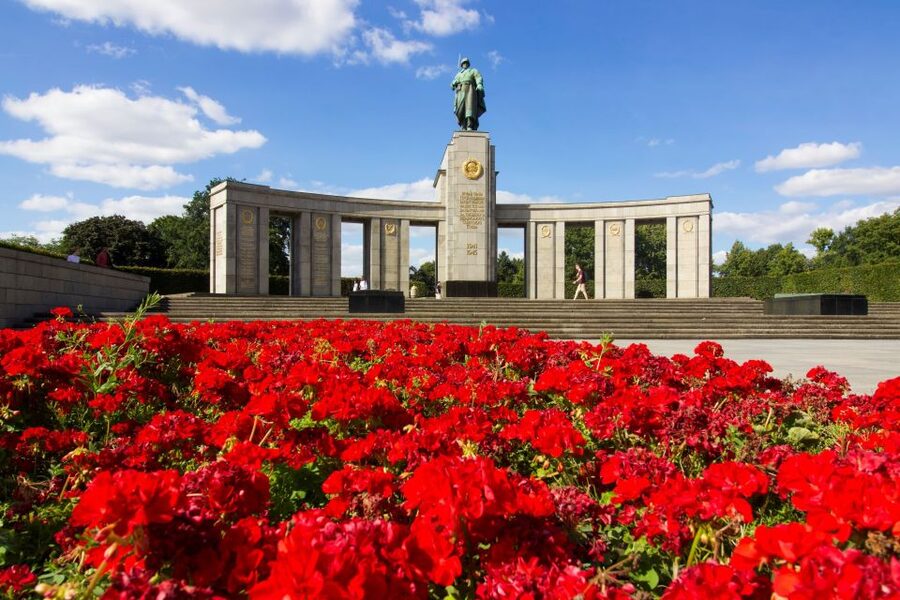
The three-hour route makes more sense if your schedule is tight or you mainly want the central war sites. You still see the Topography of Terror, Potsdamer Platz, the Holocaust memorial, Brandenburg Gate, the Reichstag, and the Soviet War Memorial.
Families should consider the age and temperament of everyone in the group. The private format helps, but the material remains painful and direct. Older children and teenagers interested in history may benefit from the guide’s explanations, while younger children may find five hours too demanding.
Should you book it?
Book this tour if you want Berlin’s Nazi and Holocaust history explained in person, at your pace, with enough time for questions. The five-hour version offers the best value for people who want the Jewish Quarter and Otto Weidt’s story, not just the famous central memorials.
Skip it if you want a relaxed introduction to Berlin or if $219 per person is beyond your budget. For everyone else, the private structure, strong guide reports, and mix of major sites with personal history make this a thoughtful way to face Berlin’s darkest years without reducing them to a list of monuments.
FAQ
How long is the Third Reich and Holocaust tour?
The experience is available as a three-hour walking tour or an extended five-hour tour. The five-hour option includes the Jewish Quarter and Blindenwerkstatt Museum.
What sights are included on the five-hour tour?
The route includes the Topography of Terror, Reichstag Building, Potsdamer Platz, Memorial to the Murdered Jews of Europe, Soviet War Memorial, Friedrichstrasse, the Jewish Quarter, and Otto Weidt’s Blindenwerkstatt Museum. The exact number of attractions depends on the selected option.
What is the meeting point?
Meet your guide in front of Typisch Berlin cafe at Wilhelmstraße 42, 10963 Berlin. Do not enter the cafe, since it is only the meeting point.
Which languages are available?
Live guiding is available in English, French, Russian, Spanish, Italian, German, and Polish.
Is this a private tour?
Yes. The experience is offered for a private group, with the pace and emphasis adjusted to your interests.
What does the tour cost?
The listed price is $219 per person.
Can I cancel or pay later?
You can cancel up to 24 hours before the tour for a full refund. You can also reserve now and pay later, which keeps your plans flexible.
Just added in Berlin
- Modern Berlin Private Walking Tour: Diverse, Vibrant and Exciting German Capital★ 5.0 · 13 reviews
- Private One way Airport Transfer Berlin Airport To Berlin★ 3.5 · 17 reviews
- Private Walking Tour: Berlin Wall, Cold War and Checkpoint Charlie★ 5.0 · 37 reviews
- Private Day Trip to Potsdam from Berlin by Train★ 4.5 · 27 reviews
- City Explorer: Potsdam Private Day Trip★ 4.5 · 10 reviews
- Berlin Private Custom 5-Hour Tour by Car★ 5.0 · 30 reviews
- Private Half-Day Sightseeing Tour in Berlin★ 3.5 · 6 reviews
- Berlin Private Custom Tour in a Minivan, East and West★ 5.0 · 123 reviews
Third Reich & WWII Tours, compared.
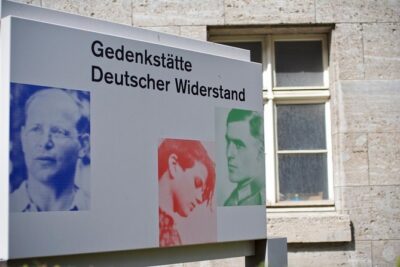
Third Reich Berlin: Hitler and WWII Walking Tour
Read our review →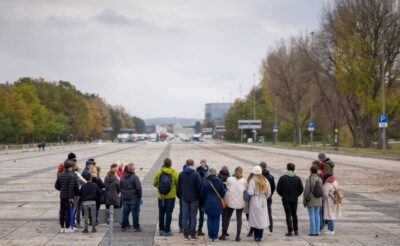
Walking Tour of Former Nazi Party Rally Grounds
Read our review →
Berlin Third Reich Sites: Half-Day Walking Tour
Read our review →
Birthplace of the Third Reich Guided Walking Tour
Read our review →Browse the lists this tour appears in