
Reviewed · THIRD REICH & WWII TOURS
Munich: Third Reich & WWII Walking Tour
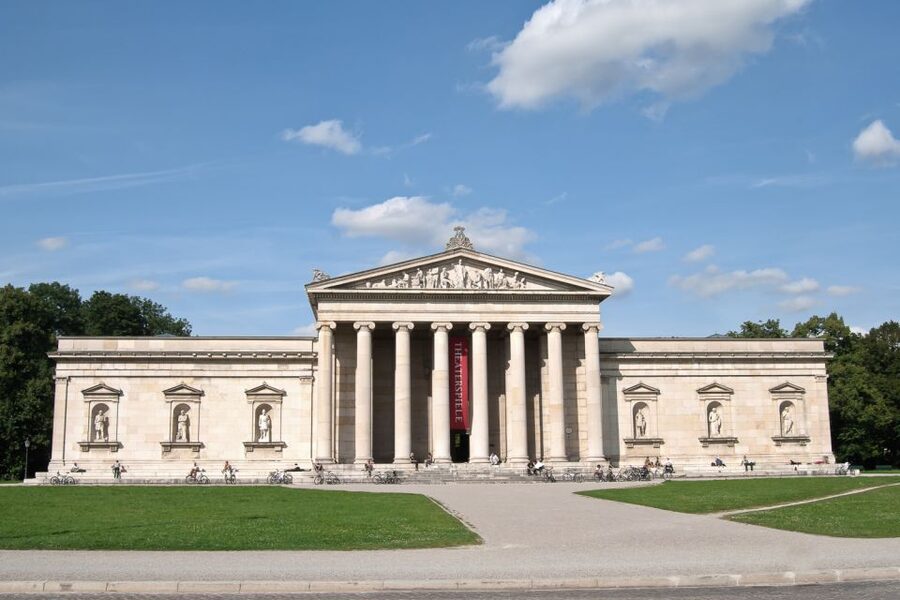
Munich’s prettiest central streets hide the places where Hitler’s movement first gathered strength. This 2.5-hour walk connects beer halls, political squares, memorial sites, and resistance stories to explain how postwar anger and chaos helped Nazism take root in Bavaria.
I like the route for two reasons: it puts major events directly under your feet, and it gives the White Rose resistance movement a proper place in the story. Guides including Michael, Steve, Alex, Josh, Danielle, and Florian are praised for clear storytelling and thoughtful answers. The drawback is simple: you will be outside for most of three hours, so cold weather, rain, and hard pavement can test your patience.
Key points to know before you book
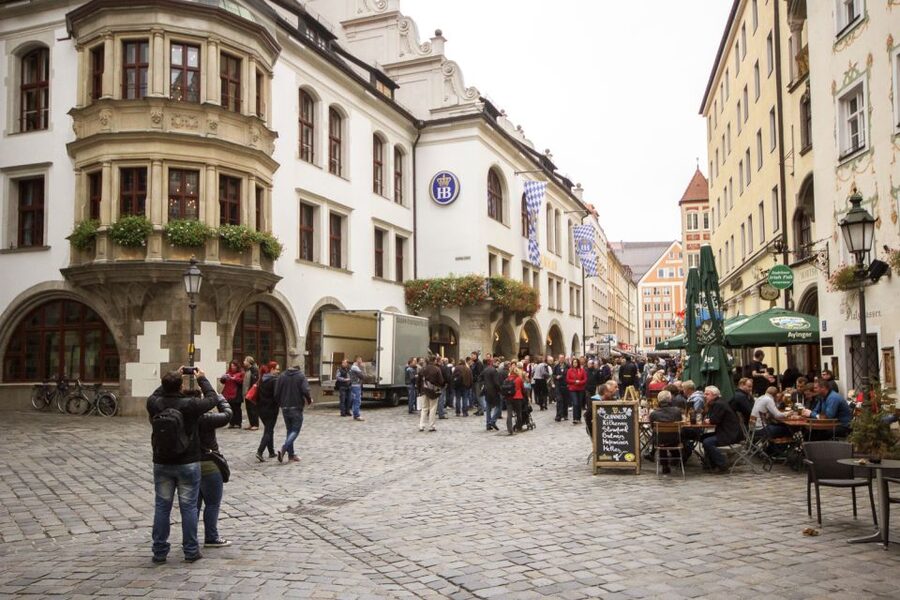
- Hofbräuhaus begins the political story: Learn how Nazi mass meetings used one of Munich’s best-known beer halls.
- Feldherrnhalle marks a failed power grab: The site links directly to Hitler’s 1923 attempt to seize control.
- Königsplatz shows the movement at full scale: This grand square became a major setting for Nazi rallies.
- The White Rose adds a vital counterpoint: The tour also covers Munich students who resisted the regime.
- The guides make a real difference: Michael, Steve, Alex, Josh, Danielle, and others are praised for strong voices, humor, care, and clear explanations.
- Dress for the weather: Bring comfortable shoes and warm layers, especially in winter. Some guides have added tea and seat cushions on cold days.
Why this Munich history walk matters
This is not a general city tour with a few Nazi-era facts tacked on. The route focuses on the political birth of Nazism in Munich, Hitler’s rise, the machinery of the Third Reich, and the damage left behind by war.
The starting point may change with the option you book, so check your meeting instructions carefully. Once the walk begins, you move through central Munich on foot, stopping often while the guide explains what happened at each place. The walk covers about 165 minutes, or roughly two and a half hours, and it is built around explanation rather than museum displays.
That format has a clear advantage. You see the city as a working place, not just as a collection of exhibits. A beer hall, a formal square, a government building, or a quiet garden can look ordinary until you learn what happened there. The guide supplies the missing context.
The subject is grim, but the best guides keep the presentation human and focused. Josh is praised for setting expectations at the start and holding a large group’s attention. Steve is often noted for explaining difficult material carefully and looking after people in bad weather. Michael is praised for a strong voice and an engaging manner. The exact guide varies, but the experience depends heavily on who leads your departure.
More Third Reich and WWII Tours in Munich
- Third Reich Walking Tour Munich
★ 4.5 · 4,291 reviews - Munich: Birthplace of the Third Reich Guided Walking Tour
★ 4.6 · 771 reviews - Munich World War II Sites Including Dachau Concentration Camp
★ 4.5 · 570 reviews
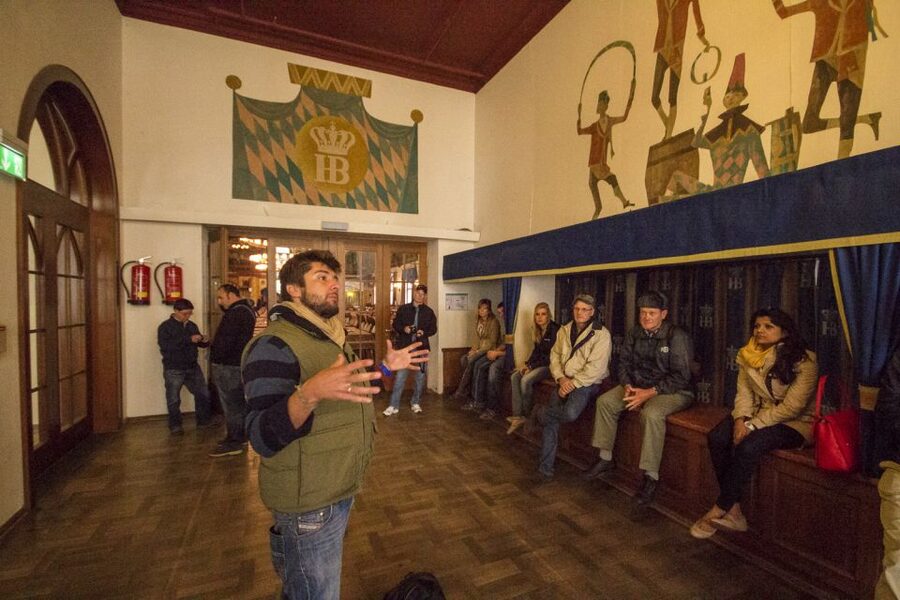
Hofbräuhaus and the birth of a movement
The Hofbräuhaus is one of Munich’s most famous beer halls, which makes it an effective first stop. Here, the story moves away from the familiar image of Nazi Germany as a fully formed dictatorship and returns to the unstable years after World War I.
Germany had lost the war. Inflation was crushing household finances, politics in Bavaria was unsettled, and revolution and assassination had created a climate of fear. Munich became fertile ground for competing political groups, angry speeches, and promises of national revival.
At the Hofbräuhaus, you learn about the early mass meetings that helped turn a small political movement into something larger. The setting matters. Political organizing did not happen only in official government rooms. It also took place in popular public venues where people could gather, listen, argue, and be swept up by group emotion.
I find this part especially useful because it explains the mechanics of political growth. Hitler did not simply appear as a dictator. He built an audience through speeches, symbols, organization, and a message aimed at people who felt humiliated and abandoned.
The tour does not treat this as an excuse for what followed. It gives you the conditions that made the movement possible while keeping responsibility clear. That balance matters on a tour covering such charged material.
The Hofbräuhaus can be crowded and noisy, depending on the time of day. If you have trouble hearing in busy spaces, stay close to the guide and ask questions when the group moves outside. A strong voice helps, and several guides are specifically praised for speaking clearly to large groups.
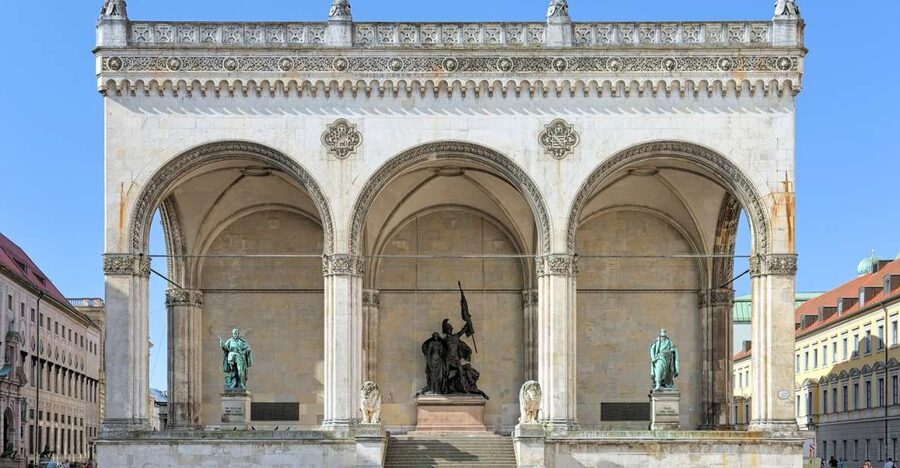
Feldherrnhalle and the failed 1923 coup
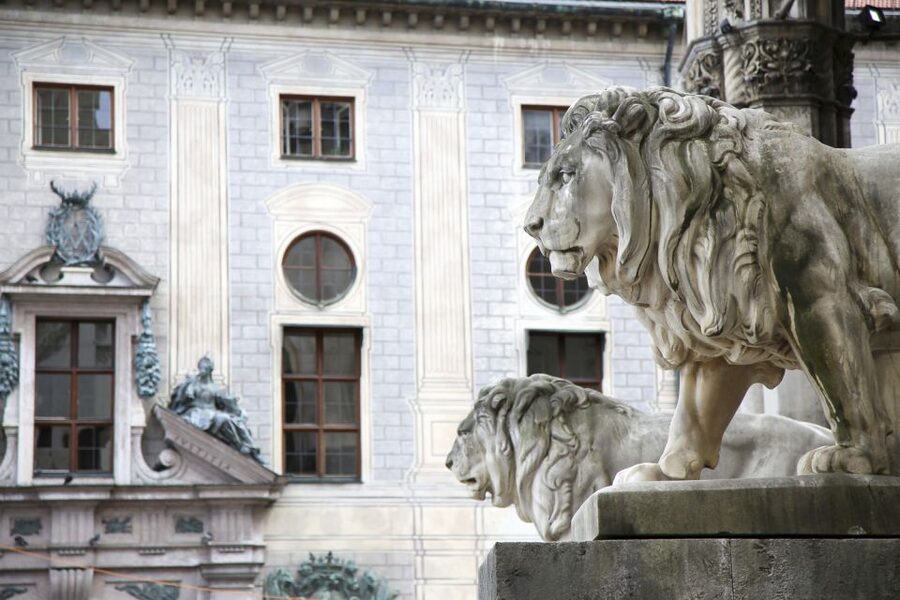
The next major stop is Feldherrnhalle, a monumental loggia near the Odeonsplatz area. It is tied to Hitler’s failed attempt to seize power in 1923, an event often called the Beer Hall Putsch.
This is where the tour shows that Hitler’s rise was not a straight march to victory. The attempted takeover failed. Hitler was arrested and imprisoned, yet the event gave him publicity and helped shape the next stage of his political strategy.
Your guide can explain how the failed coup affected Hitler’s public profile, his tactics, and his approach to gaining power through political means. The physical location helps you grasp the risk involved. You are not hearing about an abstract constitutional crisis. You are looking at the place where confrontation became direct and deadly.
Feldherrnhalle also reveals how political memory can be controlled. Under the Nazi regime, the site became a place of ceremony and loyalty. Its meaning was changed to serve the government’s story.
This stop rewards careful listening. The architecture is impressive, but the point is not the building alone. It is the way a public monument can be used to turn a failed event into a heroic legend.
The route involves standing while the guide talks, although the group may pause at different points. If you have mobility concerns, the tour is listed as wheelchair accessible, but the meeting point and exact route can vary. Ask the provider for route details before booking if access is a major concern.
Königsplatz and the public face of Nazi power
Königsplatz gives the tour its largest visual setting. The broad square was used for Nazi party rallies and ceremonies, allowing the movement to display order, scale, and authority.
The space makes an important contrast with the early meeting at the Hofbräuhaus. At the beer hall, the movement was gathering followers. At Königsplatz, it could present itself as a dominant force with control over public space.
Your guide explains how architecture, crowds, flags, ceremony, and repeated public events helped create political theater. The goal was not just to communicate a policy. It was to create an emotional world in which the party appeared powerful, disciplined, and inevitable.
Königsplatz also helps explain how Munich became associated with the Nazi movement. The city was not merely a backdrop. It was one of the key places where the movement organized, advertised itself, and built its identity.
The square is a good place to pause and consider how much of political power depends on staging. A wide plaza can make a crowd look larger. A formal building can suggest authority. A repeated ceremony can make an ideology feel normal.
One practical note: the tour does not promise that every departure will finish at Königsplatz. One recent experience ended elsewhere, despite that location being expected. If Königsplatz is essential to your plans, confirm the route before you reserve. The tour still covers the city’s major Nazi-era sites, but exact stops can vary by guide or departure.
Other trips into the same period in Munich:
- Munich City Walking Tour, includes Third Reich & Viktualienmarkt
★ 5.0 · 458 reviews - Third Reich & WWII Walking Tour
★ 4.5 · 417 reviews - Berlin: Third Reich and Cold War 2 Hour Walking Tour
★ 4.9 · 6,830 reviews - Berlin’s Best: 2 Hour Walking Tour Third Reich and the Cold War
★ 5.0 · 5,486 reviews
The White Rose in the Hofgarten
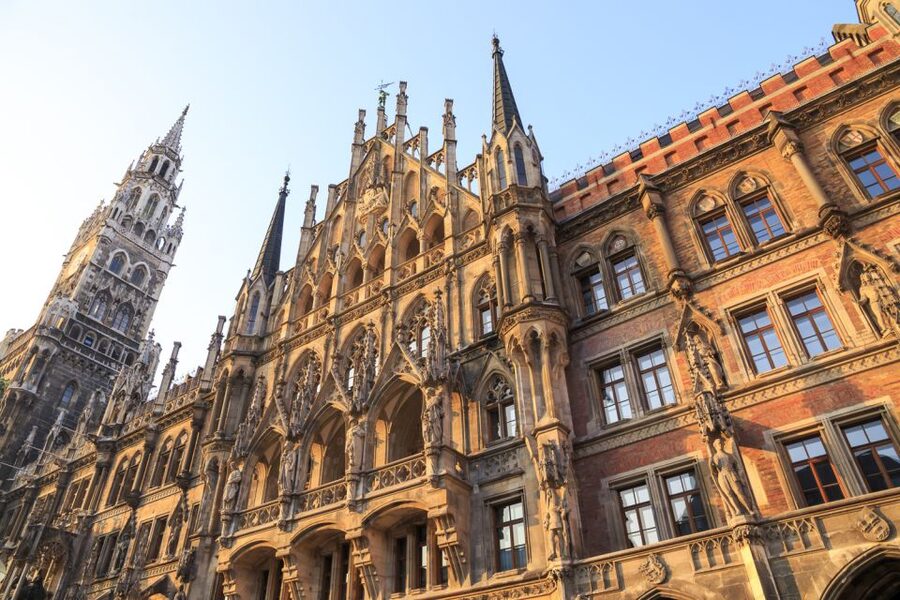
The tour’s treatment of the White Rose movement gives the walk needed moral balance. The White Rose was a resistance group connected with students in Munich who opposed the Nazi regime and distributed anti-Nazi leaflets.
The stop in the Hofgarten shifts the mood. Instead of focusing only on Hitler’s speeches, party rallies, and state power, you hear about people who rejected the regime and accepted serious personal risk.
This part is valuable because it prevents the story from becoming a parade of Nazi figures. Munich’s wartime history also includes opposition, conscience, and the difficult choices faced by ordinary people living under dictatorship.
The garden offers a quieter setting for this discussion. After the grand scale of Königsplatz and the political drama of Feldherrnhalle, the White Rose story brings the subject back to individual action.
I would pay close attention here, especially if you already know the broad outline of Hitler’s rise. The resistance section adds emotional and ethical weight, and it helps you understand that public obedience was not universal.
The tour is not a dedicated White Rose memorial tour, so this section is part of a wider story rather than the main focus. If the group is large or the weather is poor, you may spend less time in one place than you would on a specialist museum visit.
A route built around stories, not exhibits
You will not be entering a series of museums or viewing a large collection of objects. The main tool is the guide’s narration, supported by the streets and monuments around you.
That can be a strength if you learn best through place. You can connect a speech, rally, failed coup, or resistance action to the location where it happened. It also means the quality of delivery matters more than it would on an audio guide.
The best guides make the route feel organized rather than like a long lecture. Josh is praised for explaining the structure at the beginning and keeping a large group engaged. Steve has used tea and small cushions on cold days, a thoughtful touch when people need to sit on damp stone or wait outside. Other guides, including Alex, Danielle, Aileen, Brigit Muller, Ulrich, and Florian, are praised for clear explanations, warmth, humor, or strong command of local history.
You should still expect some variation. A walking tour with different guides will not sound identical each time. Some guides may add more local detail, while others may focus more tightly on political events. That is not necessarily a weakness, but it is worth knowing if you want a fixed script.
Large groups can also affect the experience. A powerful voice helps, but street noise and nearby crowds may make hearing harder. Stay near the guide, avoid drifting to the back, and ask for clarification when needed. One participant suggested that a portable speaker could help in noisy conditions, which is useful advice for anyone sensitive to sound.
Weather, walking pace, and what to wear
Comfortable shoes are essential. The route lasts about two and a half hours, with repeated stops and plenty of standing on city streets and public squares.
Winter can be especially demanding. Munich’s cold, rain, and snow do not pause for a history tour. Wear warm layers, gloves, and shoes with good grip. Several guides have taken extra steps to keep groups comfortable, but you should not depend on that. Bring what you need.
The pace appears manageable because the group stops frequently rather than walking for long stretches without a break. Still, this is an outdoor walking experience, not a seated lecture. If you tire easily, consider your stamina before booking.
The tour is listed as wheelchair accessible. Since the meeting point may vary and city routes can change, confirm the exact accessibility arrangements if you need a fully predictable path.
Is $31 a fair price?
At $31 per person, the tour is priced reasonably for a guided walk lasting about 165 minutes. You are paying for a live guide, a planned historical route, and the chance to ask questions as the story develops.
The value is strongest if you want structure. You could visit Hofbräuhaus, Feldherrnhalle, Königsplatz, and the Hofgarten on your own, but you would need to research the connections between them. The guide turns separate locations into one narrative about political organizing, power, resistance, and war.
The price is less compelling if you prefer to read quietly at your own pace or dislike group walking. The tour does not include museum admission, transport, or a meal. Its value rests almost entirely on the guide and the interpretation of the sites.
I would set aside extra time afterward for the Munich Documentation Centre if it fits your plans. The walk ends near that area on some departures, making it a sensible follow-up, although the exact ending point is not guaranteed. The centre can give you a more detailed indoor presentation after the street-level introduction.
Free cancellation up to 24 hours before the start and reserve-now, pay-later booking make it easier to fit into a changing itinerary. Those terms are useful, especially when rain or cold may affect your plans.
Who should book this walk?
I recommend it to first-time Munich visitors who want to understand how the city became central to the Nazi story. It also suits history students, families with older children, and anyone who prefers real locations over a classroom lecture.
You do not need to arrive with expert background. The tour starts with postwar Germany and builds the story step by step. At the same time, people who already know the basics can still benefit from local sites, lesser-known details, and the chance to ask questions.
This is not a light sightseeing outing. The subject includes dictatorship, political violence, genocide, war, and destruction. Guides aim to be respectful, and some use humor carefully, but you should expect serious material.
I would be cautious about booking it for very young children or anyone who wants a relaxed introduction to Munich. The tour is focused, sometimes emotionally heavy, and mostly outdoors.
Should you book the Munich Third Reich and WWII Walking Tour?
Book it if you want a clear, place-based explanation of Hitler’s rise in Munich, with the Hofbräuhaus, Feldherrnhalle, Königsplatz, and the White Rose movement connected in one route. The strongest reason to choose it is the guide. Michael, Steve, Alex, Josh, Danielle, Florian, and the other named guides have been praised for clear voices, strong preparation, warmth, and serious treatment of the subject.
Skip it if you want a museum-heavy experience, a short walk, or a tour that guarantees a fixed ending point. For most history-minded visitors, though, $31 buys a useful beginning to Munich’s difficult past. Wear good shoes, dress for the forecast, stay close enough to hear, and leave room in your schedule for further reading or a visit to the Documentation Centre.
FAQ
How long does the Munich Third Reich and WWII Walking Tour last?
The tour lasts about 2.5 hours, or 165 minutes. Some descriptions refer to it as approximately 2 hours and 45 minutes, so allow close to three hours in your schedule.
What places does the tour visit?
The route covers the Hofbräuhaus, Feldherrnhalle, Königsplatz, and the Hofgarten. It discusses the early Nazi movement, Hitler’s failed 1923 power grab, Nazi party rallies, and the White Rose resistance movement.
What languages are available?
Live tours are offered in English and German.
Who guides the tour?
The guide varies by departure. Named guides include Michael, Steve, Alex, Josh, Danielle, Florian, Aileen, Brigit Muller, Ulrich, and others.
Is the tour wheelchair accessible?
The activity is listed as wheelchair accessible. Since the meeting point may vary by booking option, confirm the exact route if you require specific access arrangements.
What should I bring?
Bring comfortable shoes. Warm clothing and protection from rain are wise, particularly during colder months, since the tour takes place outdoors.
Is this a private tour?
A private group option is available. The standard experience may be a shared walking tour, depending on the option you choose.
Can I cancel or pay later?
You can cancel up to 24 hours in advance for a full refund. Reserve-now, pay-later booking is also available, allowing you to hold a place without paying immediately.
More walking tours in Munich
- Munich: Old Town & Viktualienmarkt City Walk in German
★ 4.7 · 2,304 reviews - Munich: Night Watchman Walking Tour
★ 4.7 · 2,092 reviews - Munich Ghosts and Spirits Evening Walking Tour
★ 5.0 · 1,900 reviews - Munich Old Town Walking Tour
★ 4.5 · 1,287 reviews
Just added in Munich
- 2 Hours Munich: VIP Private Segway Tour★ 4.9 · 5 reviews
- “Comedykills” – das Open Mic im Glockenbachviertel★ 4.1 · 51 reviews
- Munich: Classical Concert at the Residenz Palace★ 4.5 · 148 reviews
- Munich: City Highlights Guided Segway Tour★ 4.6 · 266 reviews
- From Munich: Herrenchiemsee Palace and Boat Trip Day-Tour★ 4.8 · 129 reviews
- Munich: Raven Black Witches and Executioners Walking Tour★ 4.7 · 294 reviews
- Hop-On Hop-Off Tour CitySightseeing Munich★ 4.0 · 309 reviews
- Munich: Law Library Guided Visit with Entry Tickets★ 4.6 · 297 reviews
Third Reich & WWII Tours, compared.

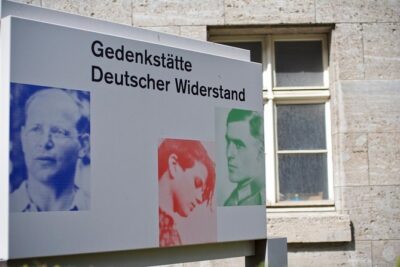
Third Reich Berlin: Hitler and WWII Walking Tour
Read our review →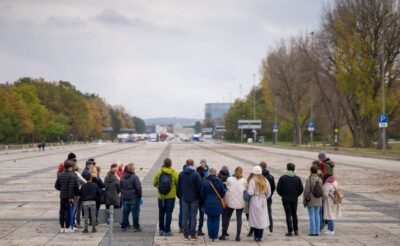
Walking Tour of Former Nazi Party Rally Grounds
Read our review →
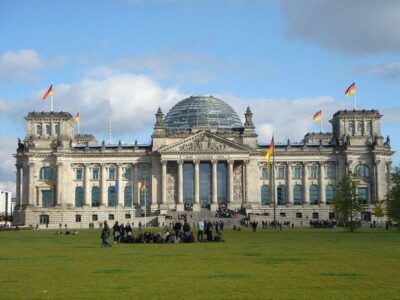
Berlin Third Reich Sites: Half-Day Walking Tour
Read our review →
Birthplace of the Third Reich Guided Walking Tour
Read our review →
Munich World War II Sites Including Dachau Concentration Camp
Read our review →Browse the lists this tour appears in