
Reviewed · BERLIN WALL & COLD WAR TOURS
Private Cold War Berlin: Espionage, Berlin Wall, a Divided City
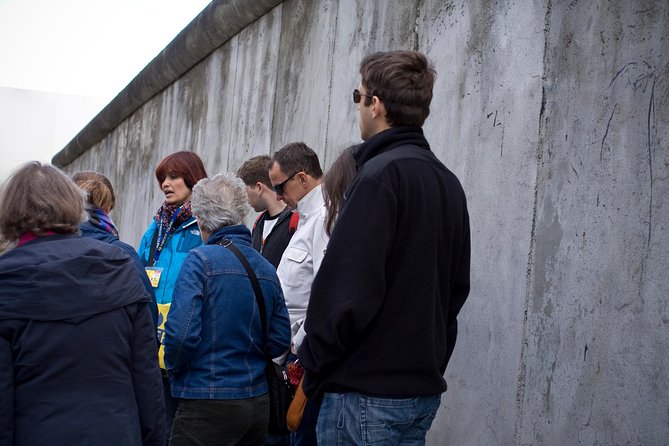
The most powerful part of this private Berlin tour is the way it links grand Cold War events with ordinary lives. At Bernauer Strasse, you stand beside a preserved section of Wall and hear about families split apart, escape tunnels dug under the street, and the choices people made when freedom carried enormous risk. Later, Alexanderplatz connects that personal story to the mass protest that helped bring the Wall down.
I like two things right away: your guide can shape the discussion around your questions, and your own group gets the guide’s full attention. I also like the range of places covered, from the sorrow of the Palace of Tears to the open-air art at East Side Gallery. The main drawback is the pace. Seven stops in roughly three to four hours means short visits, and this is best for people happy to walk and keep moving.
Key points at a glance
- Bernauer Strasse brings the Wall’s human cost into focus, with a preserved section, the Chapel of Reconciliation, and stories of Tunnel 57 and Tunnel 29.
- Tina is praised for her natural storytelling, while Toni adds a personal perspective from having been a child during the Cold War.
- The private format keeps the tour flexible, with only your group taking part and hotel pickup and drop-off included.
- You cover both major landmarks and less familiar sites, including the former NKVD and Stasi prison area in Prenzlauer Berg.
- The tour is active and tightly timed, so comfortable shoes and suitable clothing matter in all weather.
- The $191.44 per-person price buys context and convenience, though you should decide if a private guide is worth more than a standard group tour.
Bernauer Strasse: where the Wall cut through daily life
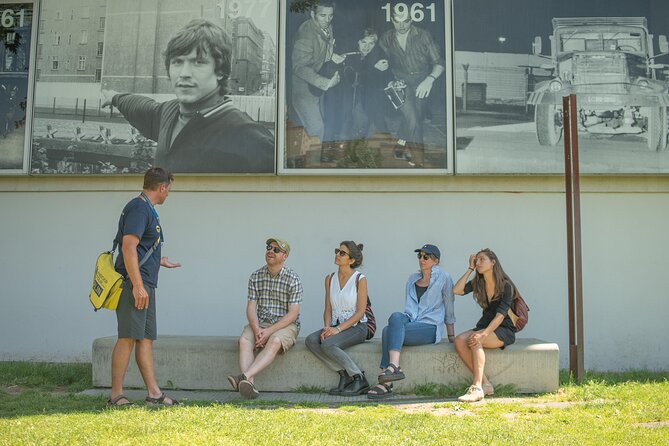
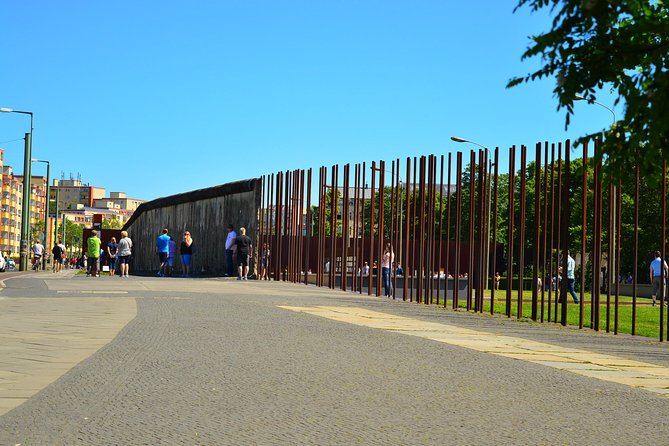
Bernauer Strasse is the right place to begin because the Berlin Wall was not an abstract political line here. It ran directly through a neighborhood, separating homes, streets, relatives, and routines. The Cold War Memorial preserves part of that setting and gives you a much clearer sense of how sudden and physical the division was.
Your guide explains the escape attempts connected with the area, including Tunnel 57 and Tunnel 29. Tunnel 29 helped 29 East Berliners reach the West in 1962, a small number by historical standards but a large act of courage for every person involved. These stories give the Wall a human scale that photographs alone cannot provide.
The Chapel of Reconciliation adds a quieter note. You get time to consider what the division meant beyond military strategy and international politics. This stop lasts about 40 minutes, the longest scheduled visit, and that makes sense. You need time here for the guide’s explanation and for the place itself to sink in.
The memorial is listed with no admission charge. The walking surface and outdoor setting mean you should dress for the weather. Since the tour operates in all conditions, a wet morning or cold afternoon will shape your comfort.
Other divided-city history in Berlin:
- Berlin: Third Reich and Cold War 2 Hour Walking Tour
★ 4.9 · 6,830 reviews - Berlin’s Best: 2 Hour Walking Tour Third Reich and the Cold War
★ 5.0 · 5,486 reviews - Skip-the-Line: Berlin Wall Museum at Checkpoint Charlie
★ 4.1 · 2,041 reviews
Tränenpalast: farewells at Friedrichstrasse
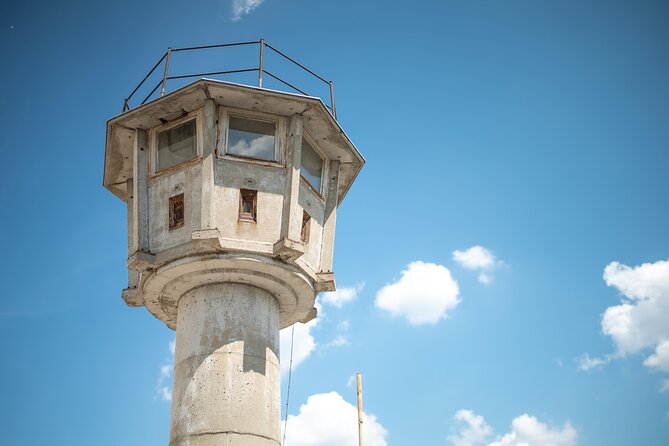
The Tränenpalast, or Palace of Tears, was a border crossing at Friedrichstrasse. Its name comes from the emotional goodbyes that took place there as people crossed between East and West Berlin. It is one of those places where a simple border procedure became a painful family ritual.
Inside, the displays explain border controls, the Berlin Wall, and the methods used by people trying to cross. The site also connects to Cold War espionage, since anyone moving between East and West could attract attention from intelligence services. Your guide helps tie the exhibits to the wider story instead of leaving you to read every detail alone.
You have about 20 minutes here. That is enough for a focused introduction, but not enough for a slow museum visit. If you like to read every panel, you may want to return on your own later. As part of this tour, the value is the guide’s explanation of why the building mattered and how its emotional role reached far beyond a simple checkpoint.
East Side Gallery: from barrier to public art
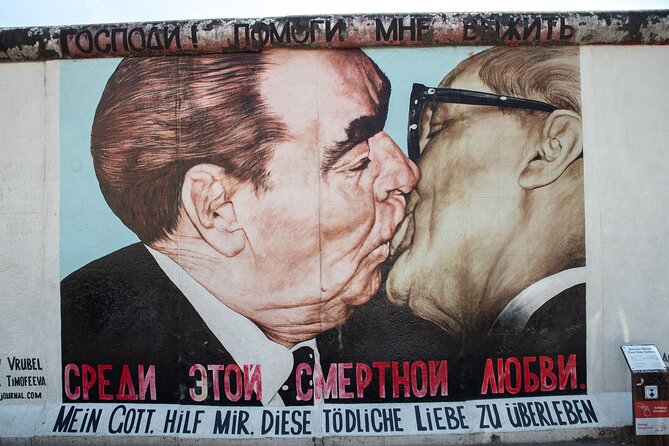
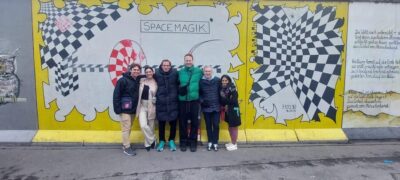
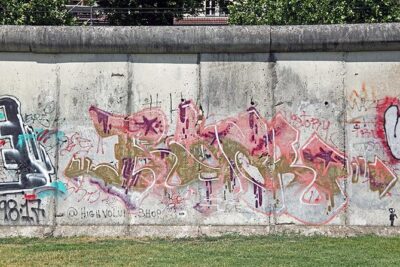
At East Side Gallery, the mood changes. The 1.3-kilometre section of remaining Wall is covered with murals painted after the Wall fell in 1989. The art reflects the hope and relief of reunification, and it shows how Berlin began to use the old barrier as a place for new public expression.
Your guide explains the meaning behind selected murals and the way the gallery reflects Berlin’s changing identity. This is not only an art stop. It lets you see how the physical remains of division were given a different purpose after the border disappeared.
The scheduled visit lasts about 20 minutes, so expect a brisk introduction rather than a full walk of every section. The gallery is long, and your guide will need to choose what to highlight. I see that as a useful tradeoff in a short tour, though anyone keen on street art may want extra time here afterward.
This is also a good point to notice the contrast built into the day. At Bernauer Strasse, the Wall is linked to fear, surveillance, and escape. At East Side Gallery, the same kind of barrier becomes a surface for art and public memory.
The Stasi Museum and the machinery of surveillance
The former Stasi headquarters offers a sobering look at East Germany’s secret police. The focus here is not only on agents and official offices. It is on the broad system of surveillance that used informants, hidden cameras, wiretapping, and interrogation to control people and suppress opposition.
Your guide explains how this system affected families and individuals. That personal angle matters because the Stasi story can otherwise become a list of tactics and institutions. The real point is how surveillance altered ordinary relationships when people could not be sure who might report on them.
The scheduled time is about 25 minutes. Again, this is an introduction rather than a full museum visit. If intelligence methods and political repression are your main interests, you may wish to return for a longer look. On the tour, the guide’s role is to give you a framework, point out the significance of the setting, and connect the Stasi to the other sites you have seen.
The museum is listed as a stop with no separate admission ticket shown in the itinerary. Since the tour information does not give a detailed ticket arrangement, check the current booking terms if entry conditions are especially important to you.
A few more things to do in Berlin worth a look
- Berlin: Private Reichstag and Glass Dome Tour
★ 4.8 · 2,226 reviews - Berlin Private Complete History All Day Walking Tour
★ 5.0 · 474 reviews - Private Walking Tour Berlin Third Reich Hitler and World War II
★ 5.0 · 360 reviews - Private Berlin: Iconic Sights and Hidden Gems Walking Tour
★ 5.0 · 292 reviews
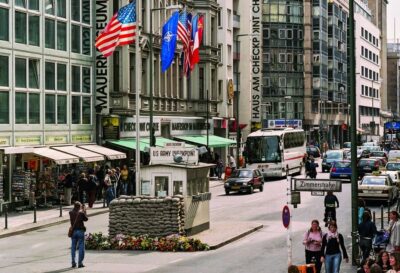
Checkpoint Charlie and the Cold War at its most tense
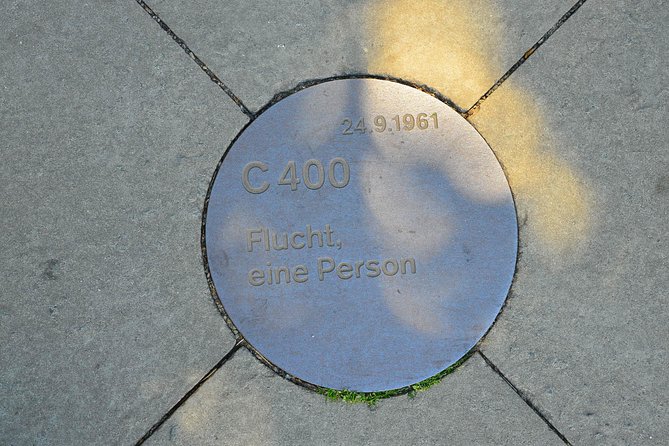
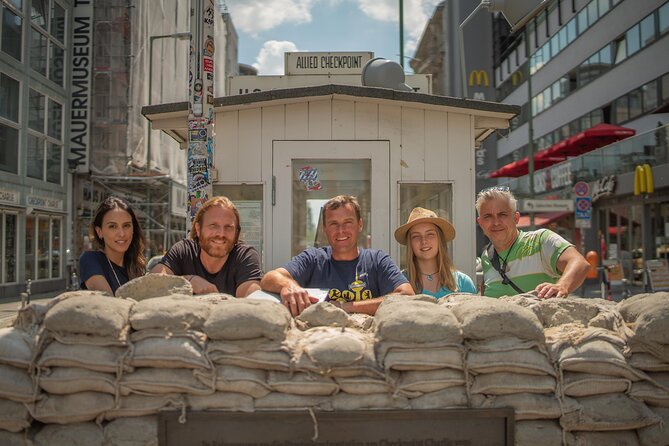
Checkpoint Charlie is Berlin’s best-known Cold War crossing, and it can feel more theatrical today than the quieter memorial sites. That makes a guide especially useful. You need someone to separate the modern presentation from the serious events that took place here.
The checkpoint became a symbol of the split between communist East Berlin and democratic West Berlin. During the Berlin Crisis of 1961, American and Soviet forces faced one another in a confrontation that brought the world close to a larger conflict. Your guide also covers escape attempts, spy exchanges, and the way the crossing shaped daily life.
The stop lasts about 15 minutes, so expect a concise explanation and time to take in the location. The nearby museum material covers espionage, escapes, and the Wall, but the tour does not allow for a long independent museum visit. If you want the fullest possible treatment of Checkpoint Charlie, plan a separate return.
I like having this stop after the Wall memorial and Stasi material. By then, you understand that the crossing was not simply a photo opportunity. It was part of a dangerous system that affected people at every level, from diplomats and spies to families trying to visit one another.
Prenzlauer Berg and the former NKVD and Stasi prisons
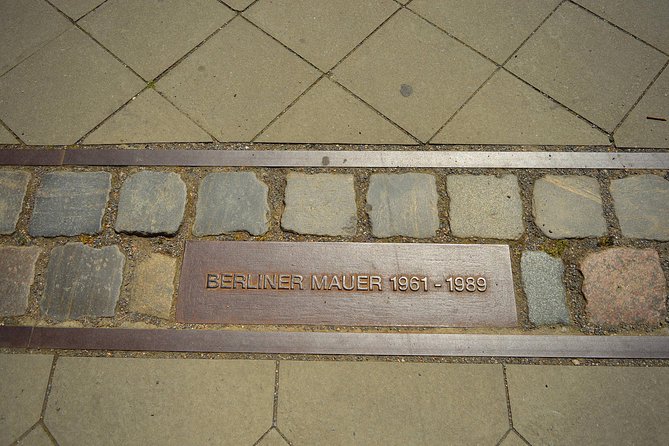
The Fröbelstrasse corner in Prenzlauer Berg is one of the less familiar stops, and that is part of its value. The site was first used by Soviet authorities after the Second World War as an NKVD prison. Later, East Germany’s Stasi took over the prison and continued its role in political detention.
Here, the guide focuses on people held as political prisoners, suspected spies, or enemies of the state. You learn about the harsh conditions and the methods used to silence opposition. The stop gives you a wider view of repression in Berlin, showing that the story did not begin and end with the Wall itself.
The scheduled visit is about 15 minutes. There may be little to see compared with a major museum, so the guide’s explanation carries most of the experience. This is a good example of why the private format helps. You can ask what changed between Soviet and East German control, or how this location relates to the Stasi headquarters seen elsewhere in the day.
Alexanderplatz and the protest that helped change Berlin
Alexanderplatz brings the tour toward the end of the Cold War. The square was a major East Berlin center, marked by the Television Tower and Red City Hall. It was also closely linked with state power and surveillance.
The key date here is November 4, 1989, when more than half a million East Berliners gathered to demand change. The protest showed the scale of peaceful resistance shortly before the Wall fell. Your guide explains how a place associated with official control became a focal point for public opposition.
You have about 15 minutes at Alexanderplatz. It is a short stop, but it gives the whole tour a strong closing point. You have moved from private escape attempts and family separation to a public movement large enough to challenge the system openly.
What the private format adds to the day
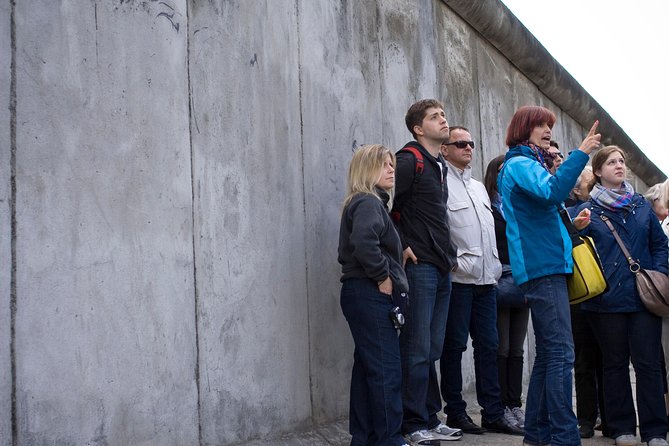
This is a private tour, so only your group takes part. That matters more here than it might on a simple sightseeing circuit. Cold War Berlin raises difficult questions about fear, loyalty, surveillance, escape, and memory. A private guide can spend more time on the subjects that catch your interest instead of following a fixed script for a large crowd.
Tina receives particular praise for her storytelling and her ability to make the lived experience of East and West Germany understandable. Toni is also singled out for his calm, informative manner and for having been a child during the Cold War, which gives him a personal connection to the period. Guide availability can change, so you should not book with the assumption that one particular person is guaranteed.
One review also notes that the guide accommodated physical limitations. That is encouraging, but the tour is still described as an active walking experience. Tell the provider about any limitations before the day begins so the route and pace can be discussed.
Hotel pickup and drop-off are included. That saves you from working out how to connect several widely separated parts of Berlin, though the tour still involves walking at the stops. Food and drinks are not included, so eat before setting out or plan around the tour timing.
Is $191.44 per person fair value?
At $191.44 per person, this is not a budget sightseeing walk. The price makes the most sense for couples, families, or small groups who want a private guide rather than a large scheduled group.
You are paying for several useful things:
- Hotel pickup and drop-off
- A professional English-speaking guide
- A private group format
- A route covering seven Cold War-related locations
- Historical explanation that connects the sites rather than treating them as isolated sights
The value is strongest if you want to ask questions, need a flexible pace, or have limited time in Berlin. It is weaker if you prefer to explore museums slowly or are mainly looking for a quick introduction to Checkpoint Charlie and the Wall.
The listed stop times add up to about 150 minutes, while the full experience lasts around three to four hours. The remaining time is likely needed for movement between locations and the guide’s explanations. You should expect a broad, efficiently arranged overview, not long independent visits at every site.
The tour is often booked about 28 days ahead. That suggests planning early if your Berlin dates are fixed, especially if you need hotel pickup or want a private departure.
Weather, walking, and practical planning
The tour operates in all weather. Wear shoes suitable for several hours on foot and bring clothing for the forecast. Berlin’s Cold War sites are spread across different parts of the city, and some stops are outdoor locations.
The experience is offered in English and includes a mobile ticket. Confirmation is normally provided at booking. If you book within two days of departure, confirmation may arrive within 48 hours and remains subject to availability.
Most people can take part, but the wording active travelers matters. The tour is not presented as a strenuous hike, yet it is not a seated bus tour either. A private format can help with pacing, and one guide has accommodated physical limitations, but you should raise concerns before booking.
Free cancellation is available up to 24 hours before the start time for a full refund. Changes or cancellations made less than 24 hours ahead are not accepted for a refund, and the cut-off uses Berlin local time.
Who should book this Cold War Berlin tour?
You should consider booking if you want Berlin’s divided past explained by one guide across several locations. It is especially useful for first-time visitors who need the city’s Cold War story organized, and for repeat visitors who have seen the main sights but want less familiar places such as the former prison area in Prenzlauer Berg.
I would also recommend it to anyone who values conversation. Tina’s storytelling and Toni’s personal connection show the difference a strong guide can make, though guide assignments are not guaranteed. The private setting gives you room to ask about the Wall, the Stasi, escape tunnels, or the peaceful protests that ended East Germany’s old order.
You may want a different plan if you prefer long museum visits, dislike walking, or are mainly interested in Berlin’s art, food, or imperial history. The tour covers a lot in a short time, and several stops last only 15 to 20 minutes.
For the right reader, this is a well-focused way to understand Berlin’s Cold War past. Book it for the human stories, the private access to a guide, and the useful connection between sites. Skip it if you want to move slowly and study each museum at length.
FAQ
How long does the private Cold War Berlin tour last?
The tour lasts approximately three to four hours. The listed visits total about 150 minutes, with the rest of the time used for moving between sites and guide commentary.
Is hotel pickup and drop-off included?
Yes. Hotel pickup and hotel drop-off are included in the tour.
Is this a private tour?
Yes. Only your group participates in the activity.
What language is the tour offered in?
The tour is offered in English.
Is the tour suitable for people with physical limitations?
Most people can participate, and a guide has accommodated physical limitations. However, this is an active walking tour, so you should discuss specific needs with the provider before booking.
Does the tour operate in bad weather?
Yes. It operates in all weather conditions, so you should dress appropriately.
What is the cancellation policy?
You can cancel up to 24 hours before the start time for a full refund. Cancellations or changes made less than 24 hours before the tour are not accepted for a refund.
Just added in Berlin
- Private One way Airport Transfer Berlin Airport To Berlin★ 3.5 · 17 reviews
- Private Walking Tour: Berlin Wall, Cold War and Checkpoint Charlie★ 5.0 · 37 reviews
- Modern Berlin Private Walking Tour: Diverse, Vibrant and Exciting German Capital★ 5.0 · 13 reviews
- Private Day Trip to Potsdam from Berlin by Train★ 4.5 · 27 reviews
- City Explorer: Potsdam Private Day Trip★ 4.5 · 10 reviews
- Berlin Private Custom 5-Hour Tour by Car★ 5.0 · 30 reviews
- Private Half-Day Sightseeing Tour in Berlin★ 3.5 · 6 reviews
- Berlin Private Custom Tour in a Minivan, East and West★ 5.0 · 123 reviews
Berlin Wall & Cold War Tours, compared.

Skip-the-Line: Berlin Wall Museum at Checkpoint Charlie
Read our review →
Cold War, Berlin Wall, Spies and the East Side Gallery
Read our review →
Guided Bike Tour of the Berlin Wall and Third Reich
Read our review →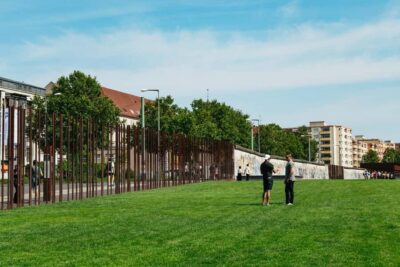
East Berlin and the Berlin Wall 2-Hour Walking Tour
Read our review →Browse the lists this tour appears in