
Reviewed · WALKING TOURS
Mannheim, guided walking tour: Industrial culture at the commercial port
Mannheim’s commercial port gives this city tour real weight. You walk beside working waterways, container ships, loading stations, and old industrial structures, then finish in Jungbusch, a former port-workers’ district now known for art, bars, and nightlife. It is a useful way to see Mannheim beyond its grand squares and palace.
I like the focus on industrial culture, a subject many city tours skip. I also like the route’s clear story: the Teufelsbrücke, the port’s trade role, the lives of workers, and Jungbusch’s change over time. The main drawback is that the tour is in German, and it is not suitable for wheelchair users.
Key points at a glance
- Teufelsbrücke starting point: Begin at one of Mannheim’s oldest preserved bridges, a surviving piece of the early industrial age.
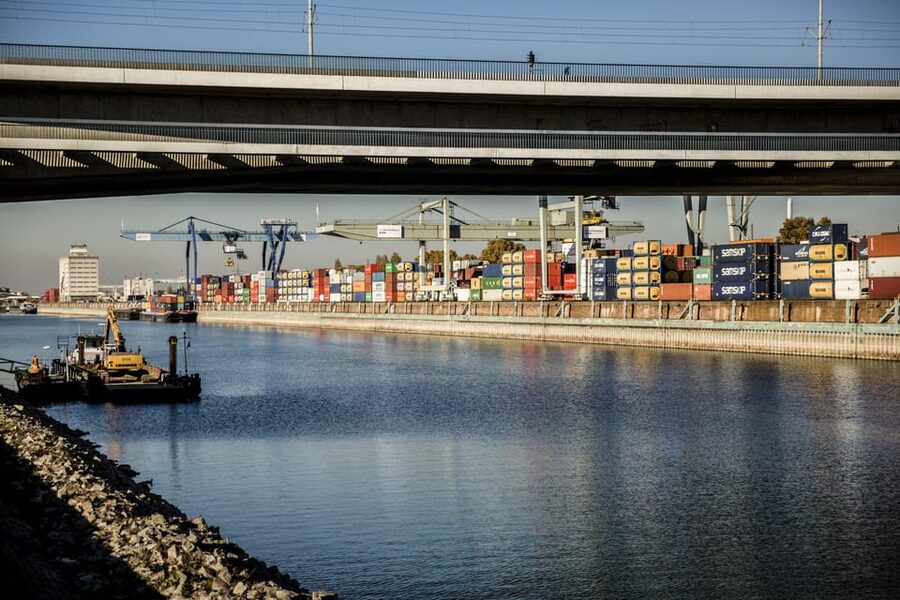
- Working commercial port: See container ships, warehouses, loading areas, and waterways that still support Mannheim’s trade.
- Bridge and industrial architecture: Cross canals and port routes while learning why these structures mattered.
- Port-worker history: Hear about the former living and working conditions of sack carriers and other dock workers.
- Jungbusch finale: End in a multicultural arts district with a strong local nightlife scene.
- German-language format: The tour lasts two hours and takes place in all weather, so wear solid shoes and dress for the forecast.
Why Mannheim’s port makes a strong city tour
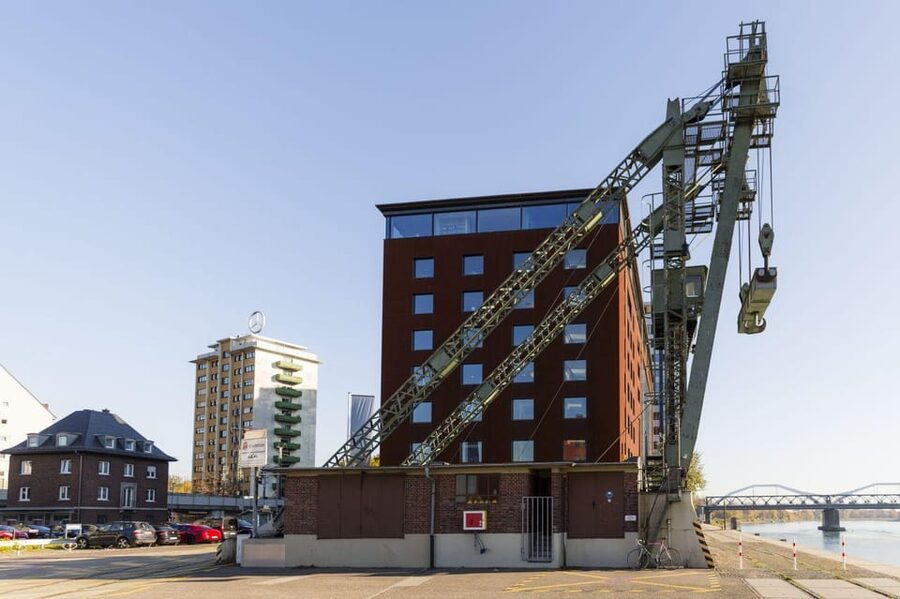
Mannheim sits where the Neckar meets the Rhine. That meeting of rivers explains much of the city’s growth and gives this walk its central idea: follow the water, and you follow Mannheim’s economic story.
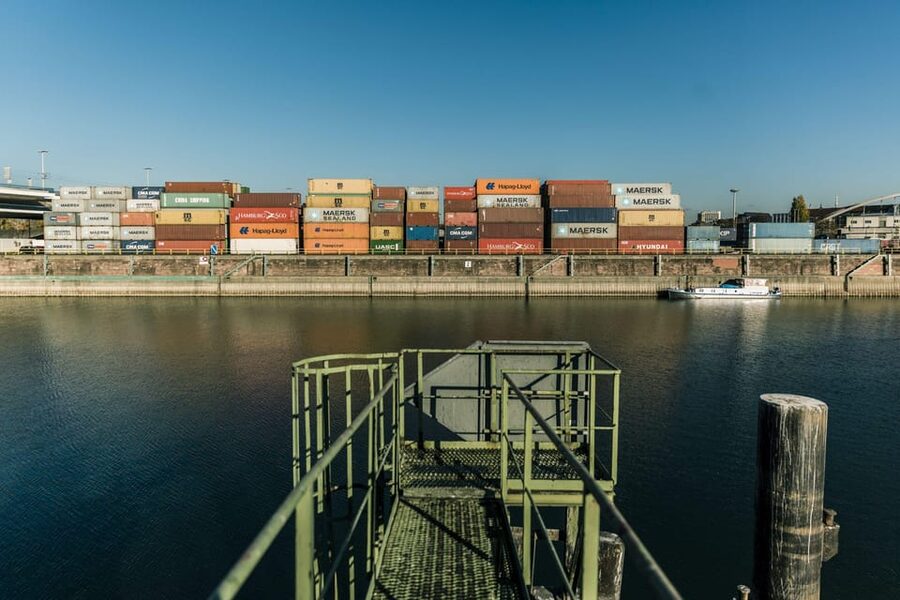
The port is not a decorative old harbor kept only for sightseeing. It remains one of Europe’s important inland ports. You can expect a working setting with large vessels, containers, warehouses, loading stations, bridges, and canal crossings. The views are practical rather than polished, which is exactly the point.
I like this kind of tour because it shows how a city earns its place on the map. Mannheim’s port brought goods, jobs, and people together. It also shaped nearby neighborhoods, especially Jungbusch. The guide connects those pieces instead of treating each sight as an isolated stop.
At $17 per person, the price is fair for a two-hour guided walk. You are paying for local explanation and access to a part of Mannheim that is easy to misunderstand on your own. The value is strongest if you want context about trade, labor, bridges, and urban change, not simply a checklist of famous buildings.
More Walking Tours across Germany
- Discover Berlin Half-Day Walking Tour
★ 5.0 · 9,624 reviews - Berlin: Third Reich and Cold War 2 Hour Walking Tour
★ 4.9 · 6,830 reviews - Munich: Third Reich & WWII Walking Tour
★ 4.6 · 6,181 reviews
Starting at the Teufelsbrücke
The meeting point is the Teufelsbrücke, or Devil’s Bridge. It is described as Mannheim’s oldest preserved bridge, and its survival gives the walk an immediate connection to the city’s early industrial period.
This is a fitting place to begin because bridges tell you how a port works. They connect roads, workers, warehouses, and waterways. They also show how a city adapts to shipping traffic and changing transport needs. At the Teufelsbrücke, you start with a physical remnant before moving into the larger port zone.
Your guide uses the bridge to introduce Mannheim’s industrial beginnings and the role of shipping. From there, the route crosses waterways several times. Those crossings help you understand the port as a network rather than a single waterfront viewpoint.
The meeting point is also worth checking carefully before you leave for the tour. Transportation to and from the starting point is not included, so you need to arrange your own way there. The information provided does not specify a pickup service or transport between stops.
Walking through a working inland port
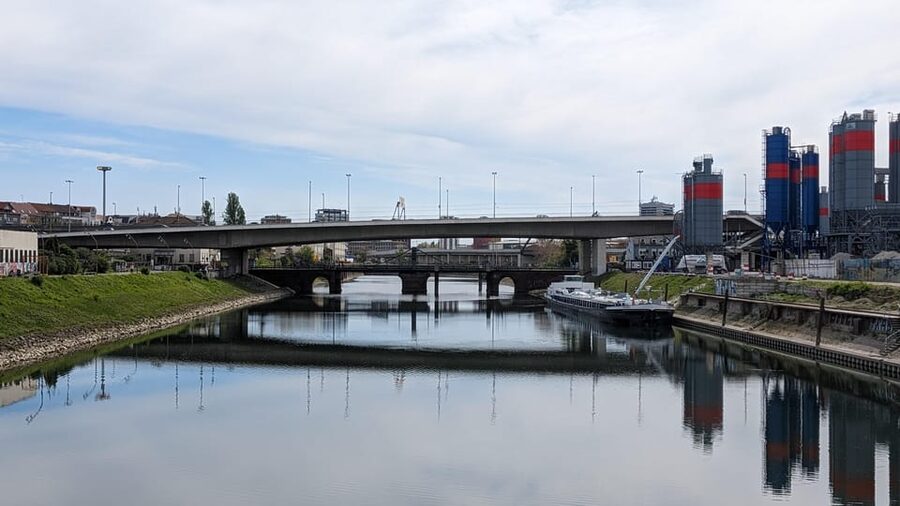
The middle section takes you into Mannheim’s commercial port. This is where the tour shifts from old bridge architecture to present-day trade.
You can expect to see huge container ships, loading stations, warehouses, and the infrastructure that keeps goods moving. These are not staged attractions. Port operations can feel large, noisy, and functional, and that gives the walk a useful sense of scale.
The guide explains the port’s former and current role in trade and tourism. That two-part view matters. Mannheim’s port is not only an industrial engine from the past. It continues to affect the city today, even as nearby districts change and new uses appear.
I would pay close attention to the bridges and smaller industrial details along the route. The tour specifically points out objects connected with Mannheim’s bridge and industrial architecture. A casual walk might leave you seeing only metal, concrete, water, and warehouses. With explanation, those pieces become evidence of how goods, workers, and transport once moved through the city.
You will also cross waterways repeatedly. That adds variety to a route that could otherwise feel dominated by large port structures. Each crossing offers another angle on the relationship between road, rail, canal, and river traffic, although the supplied information does not promise a particular ship sighting or a specific loading operation.
The people behind the port machinery
The tour does more than explain commerce. It also looks at the people who made the port function.
You learn about the life and living conditions of port workers, including the workers and sack carriers who once lived in Jungbusch. This social history is one of the walk’s strongest features. A port is not just cranes and cargo. It is also a place shaped by hard physical work, demanding schedules, and neighborhoods built close to employment.
That focus helps you read Jungbusch differently when you arrive there later. The district’s current bars, creative spaces, and nightlife are part of a newer chapter. The older working-class character has not vanished from the story. It gives the neighborhood its background and helps explain why the canal separating Jungbusch from the port is such an important boundary.
If you enjoy architecture but want more than photographs, this section should suit you. The guide links physical structures to the people who used them. That makes the port feel like a lived-in part of Mannheim rather than a technical area set apart from city life.
The tour’s German-only format is the main limitation here. The live guide speaks German, and some content is shown in its original language. You will get the most from the tour if you are comfortable following a German explanation.
A few more things to do in Germany worth a look
- Berlin: Reichstag, Dome and Government District Guided Tour
★ 4.7 · 18,288 reviews - Dresden: Semperoper Tickets and Guided Tour
★ 4.7 · 12,102 reviews - Berlin: Government District around the Reichstag Guided Tour
★ 4.7 · 8,447 reviews - Hamburg: Elbphilharmonie Plaza Guided Tour
★ 4.7 · 5,882 reviews
Crossing the canal into Jungbusch
The final part takes you into Jungbusch, separated from the port by the connecting canal. This short geographic distance represents a much larger social shift.
Jungbusch was once home to workers and sack carriers. Today it is known as a multicultural, bohemian arts district and a local nightlife hotspot. The change is not presented as a clean break. Instead, the neighborhood becomes the final example of how port areas can change as industries, residents, and city culture shift.
I like this ending because it gives the walk a human finish. You begin with a bridge and industrial structures, move through a working port, and end among the streets where the port community once lived. That sequence makes the history easier to remember.
You will also get a taste of Jungbusch as it is now, with its creative and social energy. The tour does not include food or drinks, so plan to explore those on your own after the walk if you want a longer evening in the district.
The tour’s route through Jungbusch is especially useful for people deciding how to spend the rest of their day. If you want a museum-heavy experience, this is not that. If you prefer learning how a neighborhood developed and then seeing its current character firsthand, it is a better match.
What the two-hour format gives you
Two hours is enough time to build a clear story without turning the walk into a half-day commitment. The route has four natural sections: the Teufelsbrücke, the port, the bridge and industrial structures, and Jungbusch.
That pace should work well for a first visit to Mannheim. You get a focused introduction to a part of the city that may not be obvious from central sightseeing routes. At the same time, two hours does place limits on the depth of each stop. You should expect an overview with detailed explanation, not a long technical study of port engineering or a full neighborhood tour.
The experience is a walking tour, so comfortable shoes matter. Weather-appropriate clothing matters even more because the tour runs in all weather. There is no indoor alternative mentioned, and port areas can feel exposed in rain, wind, or strong sun.
I would allow extra time around the scheduled two hours if you want to continue in Jungbusch afterward. The tour itself does not include meals, drinks, or transport, but the final stop puts you in a district suited to further independent exploring.
The guide and the language
A live guide leads the walk, but no guide’s name is provided. That means you should not book expecting a particular named guide. The tour is offered in German, and some material remains in its original language.
The guide’s role is important here because the port does not explain itself easily. A warehouse tells you little unless someone connects it to Mannheim’s trade, labor, and transport systems. The same is true of the bridges and the canal. This is an interpretation-led tour rather than a simple walk past industrial scenery.
A recent participant accidentally joined a private group that began at the same time as this tour. The private guide apparently gave a strong tour, but the participant then paid that group directly despite already paying through the booking platform. The practical lesson is simple: confirm the correct group and guide before setting off, especially if two groups are gathering at the Teufelsbrücke at the same hour.
That mix-up appears unusual, but it is worth avoiding. Have your booking details ready and check that you are with the right group before the guide starts.
Value, comfort, and practical limits
At $17, this is an affordable guided experience. The price is particularly reasonable if you value explanation and local context more than included extras. There is no food, drink, transport, or separate attraction admission included, so the cost is for the city tour itself.
The tour received a listed rating of 4.8 from five reviews, with repeated praise for its informative approach. One participant described learning about both past activities and what is happening today. Another highlighted the detailed explanation during the port circuit and recommended the walk.
That praise points to the tour’s real strength: information. You should book it because you want to understand Mannheim’s port, not because you expect a glamorous waterfront stroll.
Comfort is straightforward but important. Wear comfortable shoes, dress for the weather, and be ready to walk outside for the full two hours. Pets are not allowed. The tour is not suitable for wheelchair users, so anyone with mobility needs should consider that before booking.
Cancellation is flexible: you can cancel up to 24 hours in advance for a full refund. You can also reserve now and pay later, which helps if your Mannheim plans are still shifting.
Who should book this Mannheim walk?
I would recommend this tour to you if you enjoy cities as working places. It suits people interested in shipping, old bridges, industrial buildings, labor history, and neighborhood change.
It is also a good choice if you have already seen Mannheim’s central sights and want a different angle. The port is important to the city but can be hard to interpret without guidance. This walk gives you a clear route and a connected story.
You may want to skip it if you need an English-language tour, dislike walking outdoors in uncertain weather, or want a traditional old-town route with major monuments. The industrial port has large-scale infrastructure rather than postcard scenery, and the experience depends on listening to the guide.
Art and nightlife fans should also find the Jungbusch ending useful. The district adds a more social and creative note after the port section. Still, this is not a food tour or a nightlife tour. You see the district and learn how it changed, then decide how long to stay.
Should you book the commercial port tour?
Book it if you want Mannheim’s working identity explained in plain terms. The Teufelsbrücke, port waterways, container traffic, worker history, and Jungbusch form a strong two-hour route, and $17 is a sensible price for that amount of local context.
Go prepared for German, outdoor walking, and industrial scenery. Confirm your group at the meeting point, wear good shoes, and treat the weather policy seriously. For a focused look at how shipping shaped Mannheim and how Jungbusch changed with it, this is a practical and worthwhile choice.
FAQ
How long does the Mannheim commercial port tour last?
The walking tour lasts two hours.
Where does the tour meet?
The meeting point is the Teufelsbrücke, also called the Devil’s Bridge.
What language is the tour offered in?
The live tour guide speaks German. Some content is shown in its original language.
Is transportation included?
No. Transportation to and from the meeting point is not included.
What should I bring?
Bring comfortable shoes and clothing suitable for the weather. The tour takes place in all weather.
Is the tour suitable for wheelchair users or pets?
The tour is not suitable for wheelchair users, and pets are not allowed.
Just added in Germany
- Private One way Airport Transfer Berlin Airport To Berlin★ 3.5 · 17 reviews
- Private Walking Tour: Berlin Wall, Cold War and Checkpoint Charlie★ 5.0 · 37 reviews
- Modern Berlin Private Walking Tour: Diverse, Vibrant and Exciting German Capital★ 5.0 · 13 reviews
- Private Day Trip to Potsdam from Berlin by Train★ 4.5 · 27 reviews
- City Explorer: Potsdam Private Day Trip★ 4.5 · 10 reviews
- Berlin Private Custom 5-Hour Tour by Car★ 5.0 · 30 reviews
- Private Half-Day Sightseeing Tour in Berlin★ 3.5 · 6 reviews
- Berlin Private Custom Tour in a Minivan, East and West★ 5.0 · 123 reviews
Walking Tours, compared.

Third Reich Berlin: Hitler and WWII Walking Tour
Read our review →
Browse the lists this tour appears in