Reviewed · WALKING TOURS
Keitum: Guided Village Walking Tour
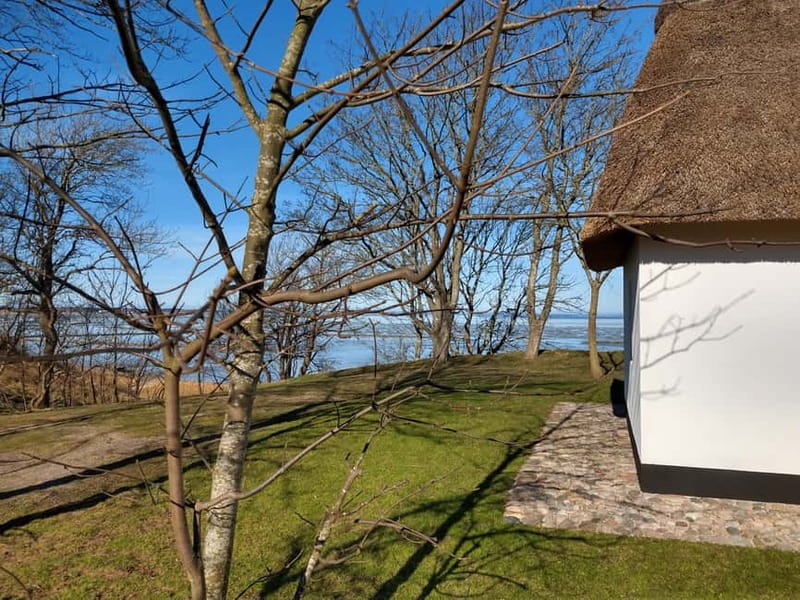
Keitum’s oldest story is written into the ground. On this walk, you pass thatched Frisian houses and tidy garden walls before reaching Harhoog and Tipkenhoog, two Stone Age burial mounds near the Wadden Sea. It is a pleasant way to see a side of Sylt that has little to do with beach resorts.
I like the mix of old village lanes and working artisan shops, and I like that the walk reaches the shore instead of stopping among houses. Guide Jörg Ridder also seems willing to shape the experience beyond a standard local-history talk, which can make the tour more entertaining and surprising.
The main consideration is language and focus. The tour is in German, and it may not satisfy you if you want a tightly structured account of every historical fact about Keitum. One three-star assessment even suggests that visitors seeking a strictly historical tour may be disappointed.
Key points to know before you go
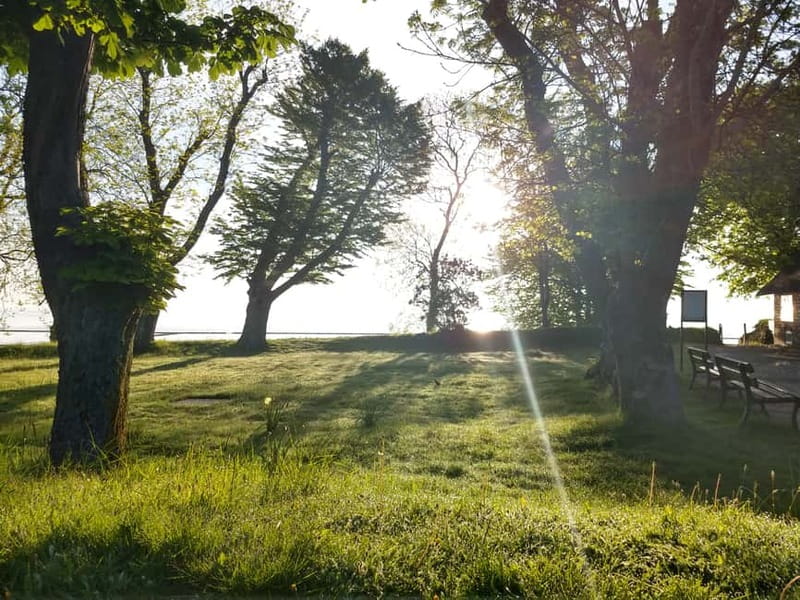
- Harhoog and Tipkenhoog: Visit two ancient Stone Age burial mounds on Keitum’s tidal side.
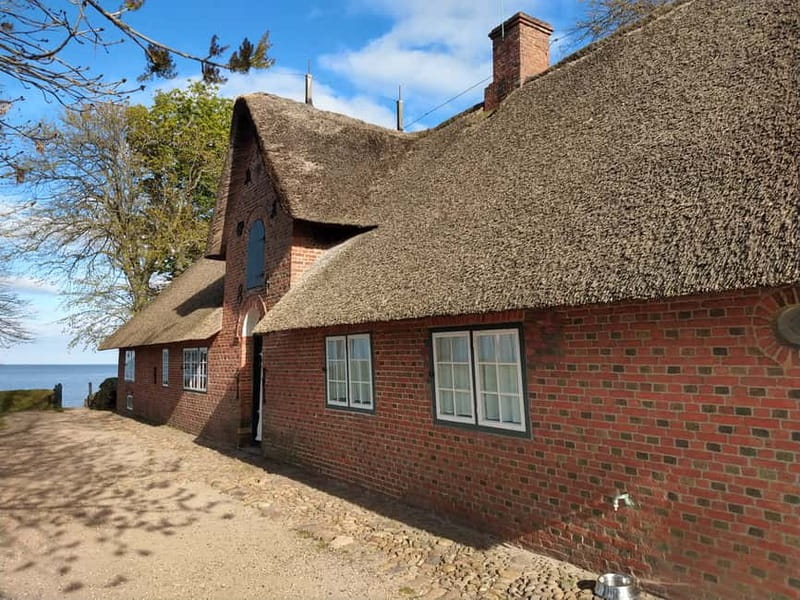
- Classic Frisian homes: See thatched roofs, garden walls, and houses dating as far back as 1640.
- Artisan Keitum: Pass glassblowers and goldsmiths in narrow lanes near the village center.
- Wadden Sea views: The route reaches open water and gives you a fresh coastal walk.
- Jörg Ridder’s approach: Expect a tour that may be more varied and personal than a standard village lecture.
- Practical setup: Meet at Keitum Mitte bus station, walk for 2.5 hours, and return to the same point.
Starting among Keitum’s thatched houses

The tour begins at the Keitum Mitte bus station, a simple meeting point that is easy to identify if you are arriving by local transport. From there, you enter the village on foot rather than spending time on transfers or hotel pickup.
Keitum is known as the green heart of Sylt. That description makes sense as you move through lanes lined with gardens, low walls, and traditional homes. The houses are the first big attraction. Their thatched roofs give them the classic North Sea look, while their age adds weight to what could otherwise be just a pretty village stroll.
Some homes date to around 1640. That does not mean every building you pass is preserved as a museum piece. Instead, you see an old village that still has daily life around it. The result is more useful than a row of isolated monuments. You get a sense of how local architecture fits into a living community.
I would pay attention to the details above eye level. The rooflines, wooden trim, and shape of the houses help explain how Keitum developed its own style. The traditional Frisian walls and planted gardens matter, too. They frame the houses and give the lanes their quiet, sheltered feel.
More Walking Tours across Germany
- Discover Berlin Half-Day Walking Tour
★ 5.0 · 9,624 reviews - Berlin: Third Reich and Cold War 2 Hour Walking Tour
★ 4.9 · 6,830 reviews - Munich: Third Reich & WWII Walking Tour
★ 4.6 · 6,181 reviews
Narrow lanes, glassblowers, and goldsmiths
The route winds through small alleyways rather than following broad streets. That makes the early part of the walk feel intimate. You are close to the old homes, garden walls, and doorways, with plenty to notice at a relaxed pace.
Keitum also has an artisan side. You pass workshops connected with glassblowing and goldsmithing, reminders that the village is not only about old buildings. These businesses add a creative layer to the walk, and they help explain why Keitum has an artistic reputation today.
Do not expect a workshop class or a long stop inside each shop. The information provided for the tour promises a look at the artisan community as you walk past these places. If you want to buy something, you may need to return on your own after the tour, since the main experience is a guided walk rather than a shopping visit.
This part should suit you if you prefer small-scale local details to a list of famous sights. It also gives Jörg Ridder room to tell stories about modern Keitum, not just its past. The tour has been described as different from a classic local tour, and that is useful to know before booking. You may get a broader cultural portrait instead of a strict sequence of dates and buildings.
Keitum’s whaling past and 18th-century culture
As the walk continues, the focus shifts from architecture to the people and trade that shaped the village. Keitum’s past is tied to the sea, including Sylt’s whaling economy and the cultural life of the 18th century.
This is where a guide can add value that you would not get from simply wandering with a map. A house may look charming, but stories about whaling explain how local families made a living and how the island connected to wider maritime activity. The cultural side of the 18th century also gives the village more depth than its attractive exteriors suggest.
At the same time, keep your expectations measured. The tour information does not promise entry into historic houses, museum collections, or a detailed presentation of individual interiors. The emphasis remains on walking, looking, and listening outdoors.
One piece of feedback describes the program as interesting, entertaining, and enriching, with a special compliment for Jörg. That points to the guide’s delivery as an important part of the experience. You are not just paying for a route between buildings. You are paying for the stories and connections made along the way.
Still, the three-star criticism deserves attention. If your top priority is a formal history lesson centered on Keitum, this may not be the right match. The program can surprise you, but surprise sometimes means the content is less predictable than a traditional history tour.
Reaching the Wadden Sea shoreline
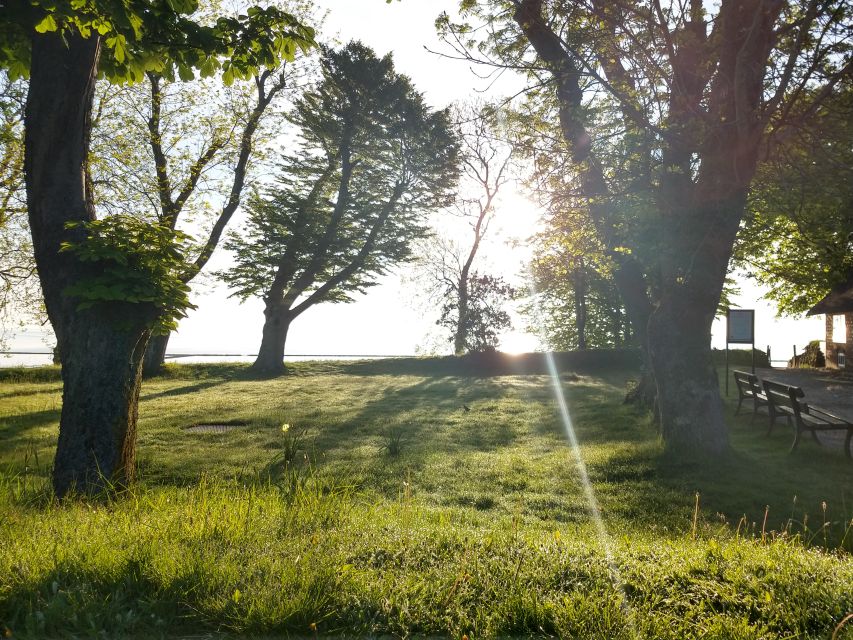
The walk eventually leaves the village lanes and heads toward the shore. Here, the mood changes. The enclosed feel of garden walls and winding paths gives way to broad views across the Wadden Sea and a stronger sense of the island’s exposed position.
This is one of the best reasons to choose a walking tour instead of a short village visit. You get both sides of Keitum: the protected old homes and the open tidal coast. The fresh breeze and wide views provide a welcome change after the close lanes.
The shoreline section is also a practical reminder to dress for Sylt, not just for the forecast at breakfast. Wind and rain can alter the feel of the walk quickly. Comfortable shoes, rain gear, and weather-appropriate clothing are specifically recommended, and the tour runs rain or shine.
You should also think about the 2.5-hour duration. This is not a quick orientation that ends after a few photos. You will be on foot for a substantial part of the afternoon or morning, depending on the start time you book. The pace is described as leisurely, but a leisurely walk still calls for shoes that can handle rustic paths.
A few more things to do in Germany worth a look
- Berlin: Reichstag, Dome and Government District Guided Tour
★ 4.7 · 18,288 reviews - Dresden: Semperoper Tickets and Guided Tour
★ 4.7 · 12,102 reviews - Berlin: Government District around the Reichstag Guided Tour
★ 4.7 · 8,447 reviews - Hamburg: Elbphilharmonie Plaza Guided Tour
★ 4.7 · 5,882 reviews
Harhoog and Tipkenhoog: the oldest stops

The most unusual part of the route comes near the tidal side of Keitum, where you visit the Stone Age burial mounds of Harhoog and Tipkenhoog. These ancient sites shift the story of Keitum far beyond its thatched houses and maritime past.
Burial mounds can be easy to overlook if you do not know what you are seeing. A guide gives them meaning and places them within the island’s Stone Age roots. Their value is not based on grand buildings or dramatic ruins. It comes from their age and from the reminder that people used this part of Sylt thousands of years ago.
The mounds are also a good reason to choose this tour over a simple architecture walk. You get a longer time line, moving from prehistoric burial practices to Frisian homes, whaling, 18th-century culture, and today’s artisan community.
The information provided does not promise archaeological excavation areas, museum displays, or access inside the mounds. Treat these stops as outdoor heritage sites explained by the guide. Their appeal is strongest if you enjoy places that need context rather than spectacle.
The route ends back at the Keitum Mitte meeting point. That makes planning easier, especially if you have onward transport or want to continue exploring the village independently.
What $22 buys you
At $22 per person, this is a moderate price for a 2.5-hour guided walk. You are paying for a live guide, a planned route, and local context across several different themes. There is no food, drink, hotel pickup, or drop-off included, so the value depends on how much you want interpretation rather than added extras.
I think the price works best for someone who would otherwise stroll through Keitum without knowing the meaning of the burial mounds, the old houses, or the village’s connection to whaling. The guide brings those pieces together in a way that a casual walk may not.
It is less compelling if you only want to see the village quickly or if you prefer to explore quietly at your own pace. You could walk through the lanes and admire the houses without paying for a tour. The fee makes sense when you want someone to explain what you are seeing and take you out to the Wadden Sea side.
The flexible booking terms also help. You can reserve now and pay later, and you can cancel up to 24 hours in advance for a full refund. Starting times vary, so check the available time before arranging the rest of your day.
Who will enjoy this walk most
I would recommend this experience to you if you like history told through streets, homes, and natural settings. It has enough variety to keep a curious walker interested: architecture, gardens, crafts, maritime life, coastal views, and prehistoric sites.
It should also suit visitors who want a gentler introduction to Sylt than a full-day excursion. The route stays around Keitum, begins and ends in the village, and does not require a separate transfer. The open-air format gives you a real sense of place.
Families with older children may find the burial mounds and sea views more engaging than a conventional lecture, though the tour is still 2.5 hours and takes place in all weather. Comfortable footwear matters for everyone.
German-speaking visitors have the clearest advantage because the live guide uses German. If you do not understand German, you should not book this expecting an English presentation. The tour’s central value comes through the guide’s explanations, so language is a major factor.
Art and craft fans may also enjoy the pass by glassblowing and goldsmith workshops. Just keep in mind that these are part of the village walk, not advertised demonstrations or hands-on sessions.
A few practical ways to prepare
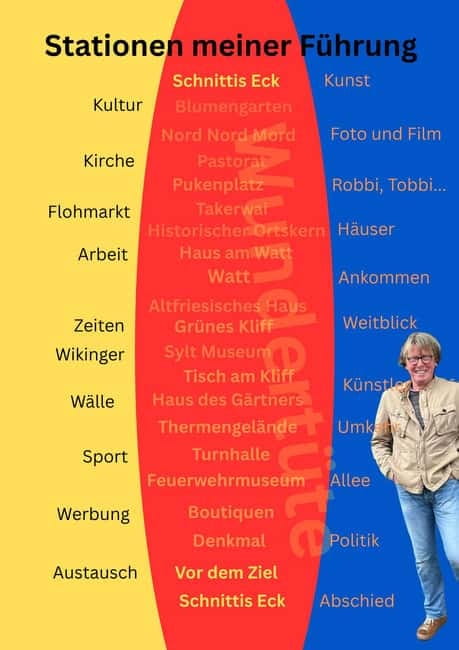
Meet at the Keitum Mitte bus station, and allow enough time to find the exact meeting point before the start. The walk returns there, so you can leave larger plans for before or after without arranging a second pickup location.
Wear shoes made for walking, not just for photographs. The route uses rustic paths and narrow village lanes, and the total time outdoors is 2.5 hours.
Bring rain gear even if the day begins bright. The tour runs in rain or shine, and the shore can feel cooler and windier than the village center. A light outer layer is useful because conditions may change during the walk.
There is no food or drink included. Have what you need before setting out, especially if you prefer not to wait until the end of the tour for a break.
Should you book the Keitum walking tour?
Book it if you want a guided introduction to Keitum that connects old Frisian homes with artisan life, whaling history, the Wadden Sea, and Stone Age burial mounds. The combination gives you far more than a photo walk through thatched streets, and $22 is fair for 2.5 hours of live interpretation.
Skip it if you need an English guide, want to tour historic interiors, or are looking only for a precise, traditional account of Keitum’s past. Jörg Ridder’s approach may be less conventional, which some people will find engaging and others may find unfocused.
For the best match, think of this as a thoughtful village-and-shore walk with historical themes, not a museum tour. If that sounds right, bring good shoes, rain protection, and enough curiosity to look closely at both the houses and the ground beneath them.
FAQ
Where does the Keitum walking tour start?
The tour starts at the bus station called Keitum Mitte.
Where does the tour finish?
The activity ends back at the meeting point at Keitum Mitte.
How long does the tour last?
The walking tour lasts 2.5 hours. Starting times vary, so check availability when booking.
What language is the tour conducted in?
The live tour guide speaks German.
What is included in the price?
The price includes a guide and the walking tour.
Are food and drinks included?
No. Food and drinks are not included.
Does the tour include hotel pickup and drop-off?
No. Hotel pickup and drop-off are not included.
What should I bring?
Bring comfortable shoes, rain gear, and clothing suited to the weather.
Does the tour run in bad weather?
Yes. The tour takes place rain or shine.
Just added in Germany
- Private One way Airport Transfer Berlin Airport To Berlin★ 3.5 · 17 reviews
- Private Walking Tour: Berlin Wall, Cold War and Checkpoint Charlie★ 5.0 · 37 reviews
- Modern Berlin Private Walking Tour: Diverse, Vibrant and Exciting German Capital★ 5.0 · 13 reviews
- Private Day Trip to Potsdam from Berlin by Train★ 4.5 · 27 reviews
- City Explorer: Potsdam Private Day Trip★ 4.5 · 10 reviews
- Berlin Private Custom 5-Hour Tour by Car★ 5.0 · 30 reviews
- Private Half-Day Sightseeing Tour in Berlin★ 3.5 · 6 reviews
- Berlin Private Custom Tour in a Minivan, East and West★ 5.0 · 123 reviews
Walking Tours, compared.






Third Reich Berlin: Hitler and WWII Walking Tour
Read our review →