
Reviewed · WALKING TOURS
East Berlin and the Wall: Walking Tour
Berlin’s Wall story comes alive when you walk through the places where separation happened, not just past a few painted fragments. This 3 to 3.5-hour route links Bernauer Strasse, Alexanderplatz, and the East Side Gallery, showing both the machinery of communist rule and the human cost of division.
I like two things in particular: the tour uses public transport to connect sites across the city, and it treats East Berlin as more than a Wall photo stop. Guides such as Paul, Paolo, Elisa, Claudia, and Catherine have brought strong personal detail and clear explanations in several languages.
The main catch is that your AB public transport ticket is not included. The route also moves at a steady pace, so you’ll want comfortable shoes and enough energy for walking, trains, and several outdoor stops.
Key points to know before booking
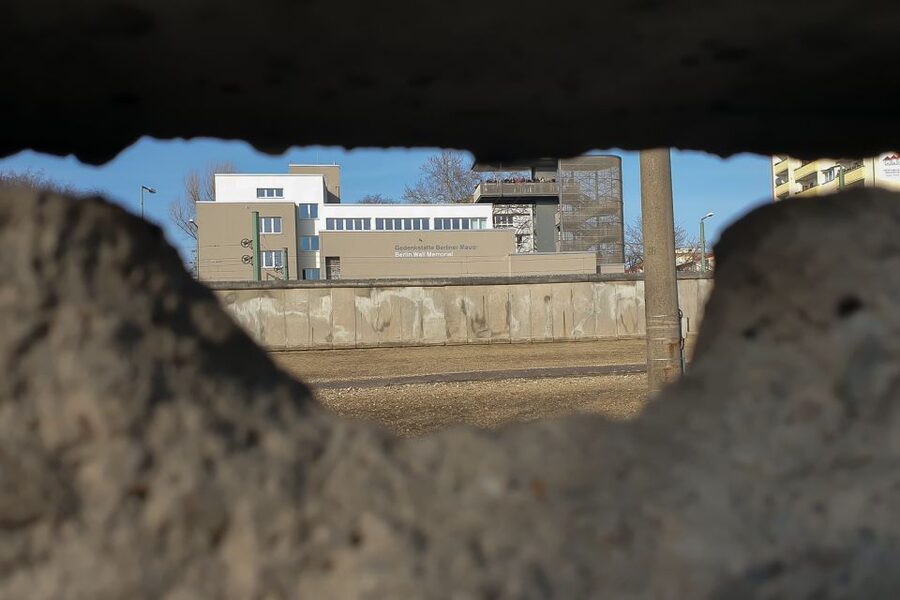
- Bernauer Strasse gives the clearest view of the border system: See original Wall remains, the former death strip, and places linked to escape attempts.
- The former ghost station adds an unusual Cold War detail: Nordbahnhof was closed for nearly 30 years after the Wall went up.
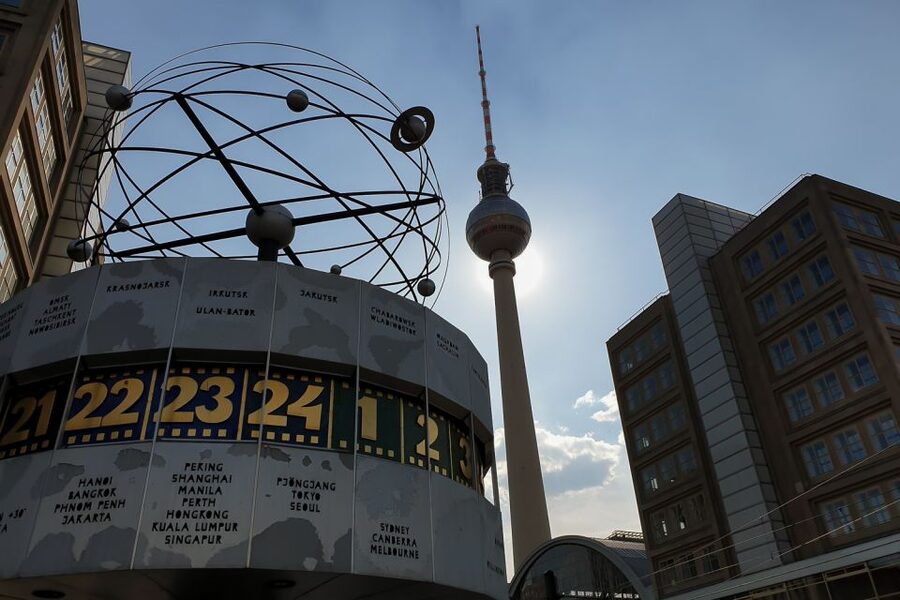
- Alexanderplatz connects daily life with political change: Socialist buildings and the 1989 demonstrations help explain how the Wall fell.
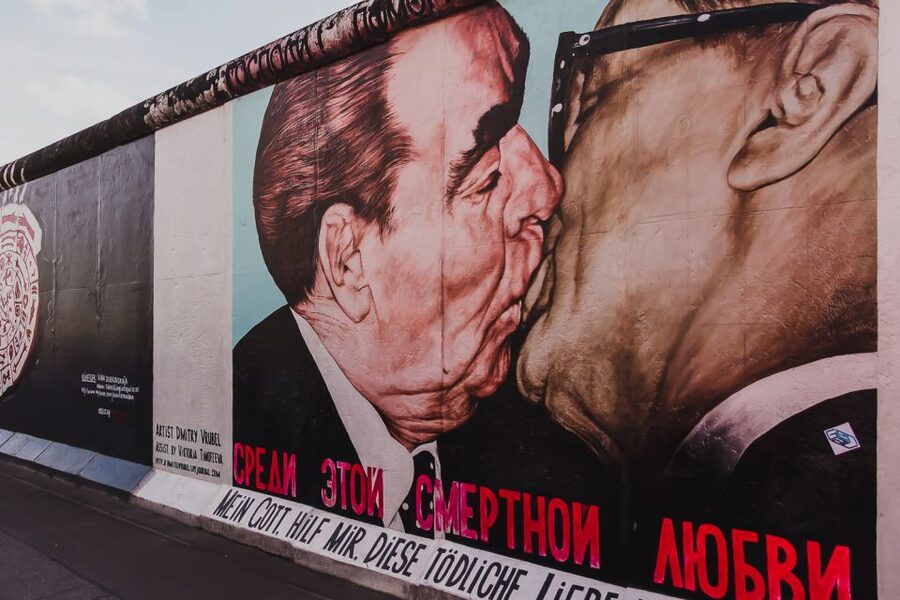
- The East Side Gallery provides a memorable finish: See 104 murals, including the famous Brezhnev and Honecker kiss.
- The price works best for a full group: At $351 for up to six people, the cost is $58.50 each if you fill every place.
- Language choice is a real advantage: Tours are offered in English, German, French, Italian, and Spanish, with private groups and optional hotel pickup.
Why this route tells Berlin’s Cold War story well
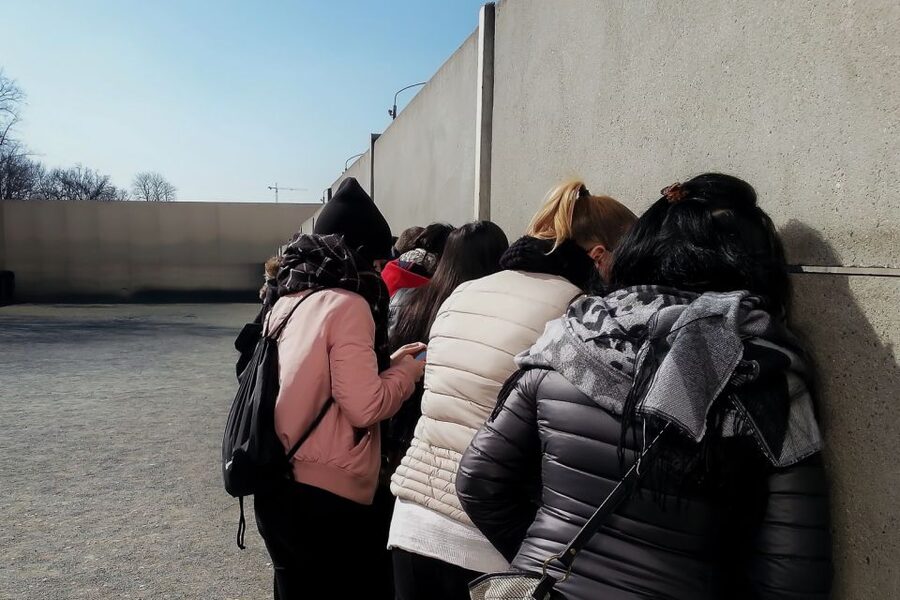
Many Berlin tours focus on the Wall as a long strip of concrete. This one gives you a more useful picture. You see where the border cut through homes and streets, how the GDR controlled movement, how East Berlin looked under socialism, and how public protest helped bring the system down.
The route also has a sensible shape. It begins near Potsdamer Platz, travels north to Bernauer Strasse, moves east to Alexanderplatz, and finishes along the East Side Gallery. You are not asked to study one isolated monument. You follow the city’s changing story from division to protest to reunification.
That approach matters because the Wall was never just a wall. It was a border backed by guards, patrol roads, restricted zones, surveillance, and the threat of arrest or death. A good guide can explain those parts while also showing what ordinary life felt like for people who lived on the eastern side.
The tour has earned a 4.9 rating from 407 bookings, and the strongest praise centers on the guides. The comments repeatedly point to clear explanations, engaging storytelling, and personal connections to the subject. That is important here. The physical remains are often stark and incomplete, so the guide’s ability to make the sites understandable will shape your experience.
Other walks around Berlin:
- Discover Berlin Half-Day Walking Tour
★ 5.0 · 9,624 reviews - Berlin: Third Reich and Cold War 2 Hour Walking Tour
★ 4.9 · 6,830 reviews - Berlin: Discover Berlin Walking Tour
★ 4.9 · 5,998 reviews
Starting at Potsdamer Platz and crossing the city
The starting point depends on the option you choose. Potsdamer Platz is the planned opening point for the route, but hotel pickup can be arranged for a private tour if you provide the hotel’s name and address during booking.
From here, the guide sets up the basic story: after World War II, Berlin was divided among the victorious powers, and the eastern sector became the capital of the German Democratic Republic. The Wall went up in 1961, turning an already divided city into a sealed border.
The first train ride takes about eight minutes. This is not wasted time. Moving from the modern center toward Nordbahnhof helps you see how the tour works: short explanations on foot, then public transport between distant sites. You must buy your own valid AB ticket for the day, so arrange that before the tour begins.
Because the route crosses several parts of Berlin, the train and metro rides are also practical. You cover more ground than you could on foot in three hours. The tradeoff is that the tour is less leisurely than a single-neighborhood walk.
Nordbahnhof and the strange world of ghost stations
At Nordbahnhof, the guide explains the former ghost station. After the Wall was built, several stations on lines passing through East Berlin were closed to trains from West Berlin. Trains continued through, but they did not stop. For almost three decades, these stations became sealed and heavily watched spaces.
That detail helps you picture how the border affected ordinary routines. Berlin’s transport system had been built as one network, but the Wall forced it into separate systems. A station could remain physically present while becoming useless to the people living nearby.
The guided visit here lasts about 15 minutes. It is shorter than the stop at Bernauer Strasse, but it gives you an unusual angle on division. You are not simply looking at a surviving section of concrete. You are considering how a political boundary changed the way people went to work, visited family, and crossed the city.
Bernauer Strasse, where the Wall cut through real lives
Bernauer Strasse is the emotional center of the tour. The Wall Memorial preserves original sections of the border area and explains what happened when the barrier cut directly through the street.
The guide spends about 50 minutes here, which is the right amount of time for the site. You have room to understand the layout, hear about escape attempts, and consider the people who died trying to cross. The remains include portions of the former death strip, a term that refers to the controlled zone between barriers rather than a single wall.
Bernauer Strasse is also valuable because it shows how close the border was to daily life. Apartment buildings and streets were caught up in the division. Families could find themselves separated by a barrier that appeared almost overnight. The memorial does not depend on a single dramatic object. Its power comes from the arrangement of the site and the stories attached to it.
You may hear about tunnels, jumps from buildings, and other attempts to escape to the West. The important point is not to treat these as adventure tales. The guide’s job is to explain the fear, planning, danger, and loss behind them.
This is an outdoor stop, and the weather can affect your comfort. Wear shoes that can handle a few hours of walking, and bring clothing suited to Berlin’s conditions. The tour description gives no promise of shelter or seating at every stop, so plan for a practical walking visit rather than a museum-style outing.
Same base, a different kind of day out:
- Berlin: Reichstag, Dome and Government District Guided Tour
★ 4.7 · 18,288 reviews - Berlin: 1-Hour City Tour by Boat with Guaranteed Seating
★ 4.3 · 16,993 reviews - Berlin: Boat Tour Along the River Spree
★ 4.4 · 11,252 reviews - Berlin: Hop-on Hop-off Bus Tour with Live Commentary
★ 4.3 · 8,579 reviews
Alexanderplatz and the pressure that broke the system
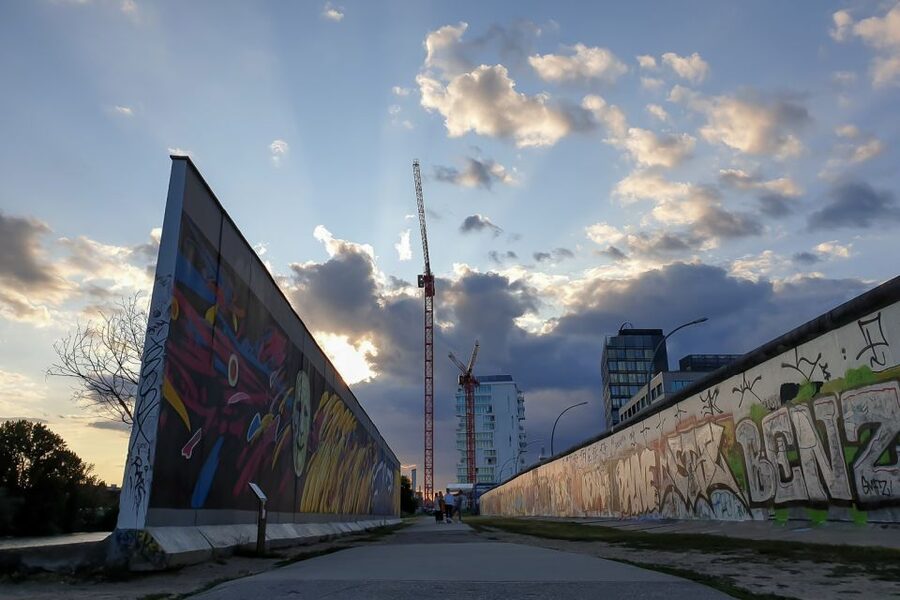
After Bernauer Strasse, the route continues by metro for about 10 minutes to Alexanderplatz. This broad square is linked with East Berlin’s socialist planning and public life.
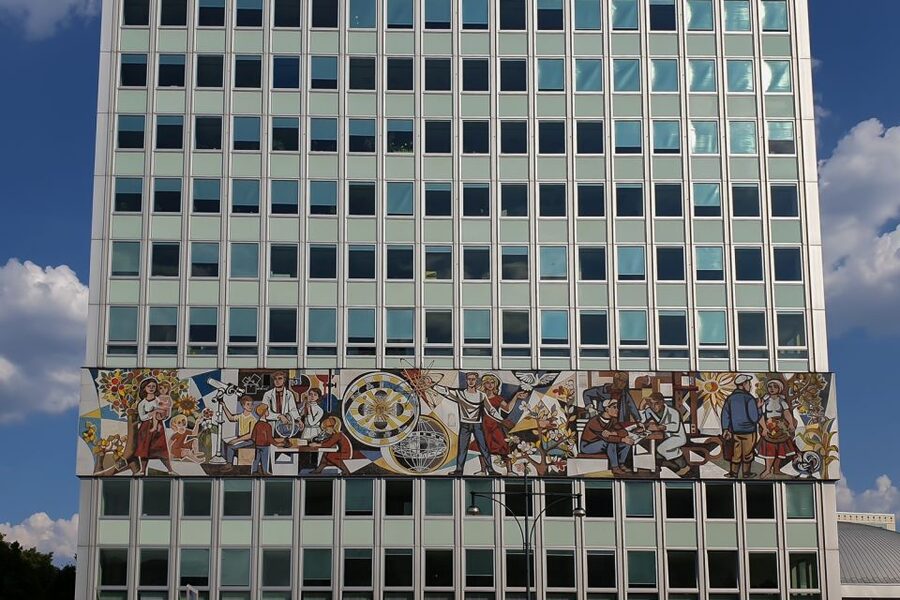
The guide spends about 10 minutes here, using the architecture and open space to explain how the GDR presented itself. Alexanderplatz was not only a transport hub. It was also a place where official power, public gatherings, commerce, and state messaging met.
The political story becomes especially important here. In 1989, peaceful demonstrations challenged the GDR government and its STASI security service. Those protests helped create the pressure that led to the Wall’s opening and the wider collapse of communist rule in Eastern Europe.
You will not get a full political seminar in ten minutes, but the stop gives the later Wall story a necessary ending. The barrier did not simply vanish because governments changed their minds. Public pressure, economic strain, and political shifts across the Soviet bloc all played a part.
The TV Tower and the visual symbol of East Berlin
The next short stop is the Berlin TV Tower, also known as the Fernsehturm. It is near Alexanderplatz and takes about 10 minutes in the tour plan.
You should not expect a tower visit or observation-deck admission. The point is to discuss the tower as a major symbol of East Berlin and its socialist capital. Its height made it visible across much of the city, while its place beside Alexanderplatz tied it to the GDR’s public image.
This stop works best when the guide explains what the tower meant at the time, rather than treating it as only an architectural sight. It adds scale to the tour. You can connect the broad city around you with the government that once tried to control movement, information, and public space.
East Side Gallery and the Wall after 1989
The final train ride takes you to the East Side Gallery, where the tour ends after another short metro journey. The guide spends about 15 minutes here.
The gallery contains 104 murals painted on a surviving section of the Wall. It is home to the well-known image of Soviet leader Leonid Brezhnev kissing East German leader Erich Honecker, a satirical reference to a real socialist political greeting.
This is a memorable finish because the Wall has changed from a tool of control into a public canvas. The murals reflect the energy and uncertainty that followed the Wall’s fall. They also show how Berlin has chosen to remember the Cold War through art, not only through memorials and documents.
Still, the East Side Gallery has a different mood from Bernauer Strasse. It is more colorful and popular, while Bernauer Strasse is quieter and more focused on loss. I like having both in one tour. You see the painful border system first, then the surviving Wall in its later artistic role.
The visit here is brief. If the murals are a major reason for your interest, you may want to return on your own after the tour for a slower look. This guided route gives you context and a first encounter, not a full art walk.
Guide quality and language choices
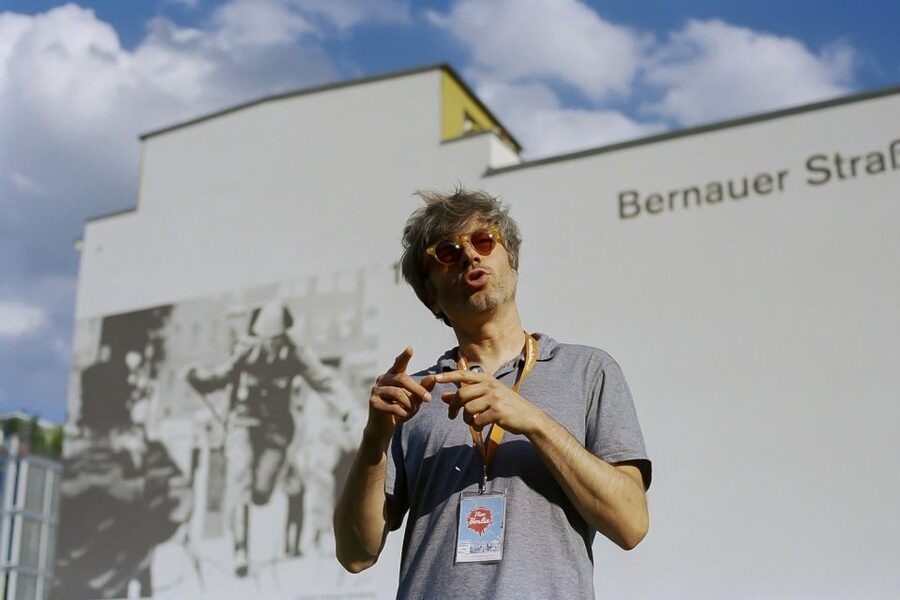
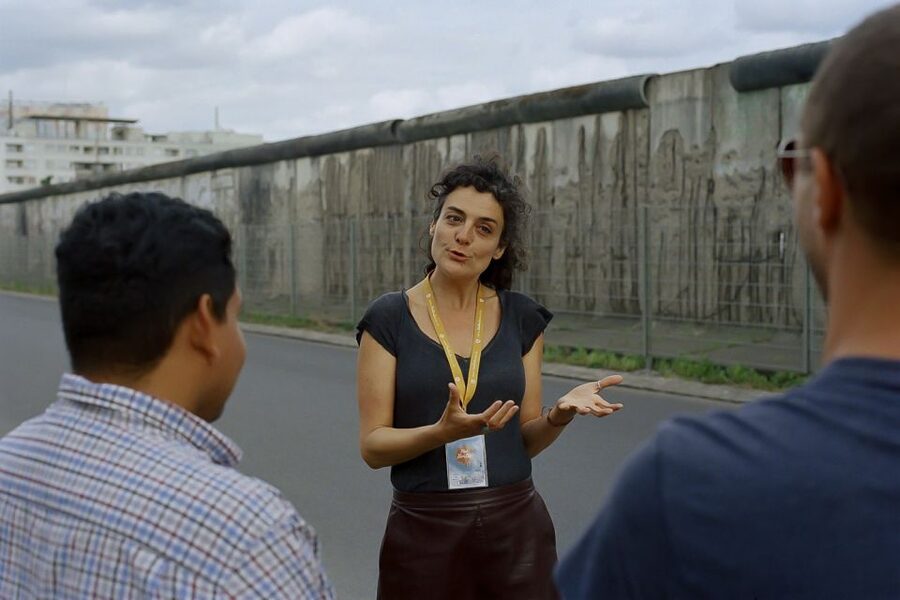
The subject needs a guide who can keep facts connected to real life. The strongest guide feedback points to clear teaching, warm delivery, and personal stories. Paul and Paolo were praised for engaging explanations, while Elisa was described as well prepared and enthusiastic. Claudia kept the material lively with interesting anecdotes, and Catherine added a personal testimony to the visit.
Guide assignments can change, so do not book expecting a particular person unless the provider confirms it. The useful choice is the language. English, German, French, Italian, and Spanish are available, and the tour can be arranged as a private group.
If you have a family connection to East Germany, the Cold War, or divided Europe, tell the provider before the tour if you want the guide to adjust the focus. The information supplied does not promise a custom route, but private groups offer more room for questions than a large public tour.
Is $351 good value for this Berlin walk?
The cost is $351 per group of up to six people. For six, that works out to $58.50 per person. For two people, the effective price is much higher, so couples should compare it with a standard group tour before booking.
The price includes a small-group walking tour and a guide in your chosen language. It does not include the AB transport ticket, food, or drinks. Since the route uses the S-Bahn and metro, the ticket is not an optional extra in practical terms. You need valid public transport coverage during the tour.
The value comes from the route and the private or small-group format. You visit several sites that are spread across Berlin, hear the connections between them, and avoid planning the transport yourself. A private group also lets you ask more questions and move at a pace that suits your party, within the fixed three to 3.5-hour schedule.
If you are alone or a couple watching your budget, the price may feel high. If you are a family or group of six who wants a guide in French, Italian, Spanish, German, or English, the calculation looks much better.
Practical details before you go
Allow three to 3.5 hours, and expect a mix of walking, trains, metro rides, and outdoor stops. Comfortable shoes are essential.
The meeting point varies by the option booked. Hotel pickup is optional for private tours, but you must wait in the hotel lobby 10 minutes before pickup and contact the provider ahead of time to confirm the details. A private tour cannot be arranged with less than 72 hours’ notice, so leave several days between booking and the visit.
You can cancel up to 24 hours before the tour for a full refund, and the reserve-now, pay-later option keeps the booking flexible. Starting times depend on availability, and you can choose the departure time for a private tour.
Who should book this experience?
I would choose this tour if you want the Cold War explained through places, not just dates. It suits first-time visitors who need a clear route, families with older children, and anyone who wants to understand how East Berlin functioned under the GDR.
It is also a good fit if you need a French, Italian, or Spanish-speaking guide. The personal and engaging style reported for guides such as Paolo, Elisa, Claudia, and Catherine can make difficult material easier to follow.
I would hesitate if you dislike public transport, want a slow museum visit, or mainly want time for photographs. The East Side Gallery stop is short, and Bernauer Strasse deals with painful events that may feel heavy.
Should you book the East Berlin and the Wall tour?
Book it if you want a tightly planned introduction to East Berlin, especially if you can fill most of the six places. Bernauer Strasse gives the tour its emotional force, Alexanderplatz explains the political shift, and the East Side Gallery offers a striking final look at what the Wall became.
Skip it if the $351 group price does not work for your party or if you prefer exploring at your own pace. For everyone else, this is a thoughtful way to connect Berlin’s surviving border sites with the people and political choices behind them.
FAQ
How long does the East Berlin and the Wall tour last?
The tour lasts about 3 to 3.5 hours.
What places are included?
The route includes Potsdamer Platz, Nordbahnhof, the Berlin Wall Memorial at Bernauer Strasse, Alexanderplatz, the Berlin TV Tower area, and the East Side Gallery.
Is public transport included?
No. You need a valid AB-zone public transport ticket during the tour, and that ticket is not included in the price.
What languages are available?
Live guides are available in English, German, French, Italian, and Spanish.
Is this a private tour?
A private group option is available. The experience can also be booked as a small-group walking tour.
Can I arrange hotel pickup?
Yes, pickup is optional for the private tour. You must provide your hotel’s name and address, wait in the lobby 10 minutes before the scheduled time, and confirm the pickup details with the provider.
Can I cancel the booking?
You can cancel up to 24 hours in advance for a full refund. You can also reserve now and pay later.
Just added in Berlin
- Berlin: Energizing 2-Hour Morning Segway Tour★ 4.7 · 35 reviews
- Berlin: Thrilling E-Scooter Adventure Tour★ 4.4 · 66 reviews
- Beelitz-Heilstätten: Baum&Zeit Tree Top Walk Entry Ticket★ 4.9 · 7 reviews
- Beer Bike & Party Bike: Unforgettable Berlin City Tour incl. pickup★ 5.0 · 5 reviews
- AXE THROWING EXPERIENCE IN BERLIN★ 4.7 · 24 reviews
- Alternative Berlin / Street art tour – Private group★ 5.0 · 6 reviews
- Berlin: Alternative & Street Art Tour★ 4.5 · 6 reviews
- Berlin: 2.5-Hour Beer & Sunset Sightseeing Boat Cruise★ 4.6 · 61 reviews
Walking Tours, compared.

Third Reich Berlin: Hitler and WWII Walking Tour
Read our review →
Browse the lists this tour appears in