
Reviewed · WALKING TOURS
Berlin: Prenzlauer Berg District Guided Walking Tour
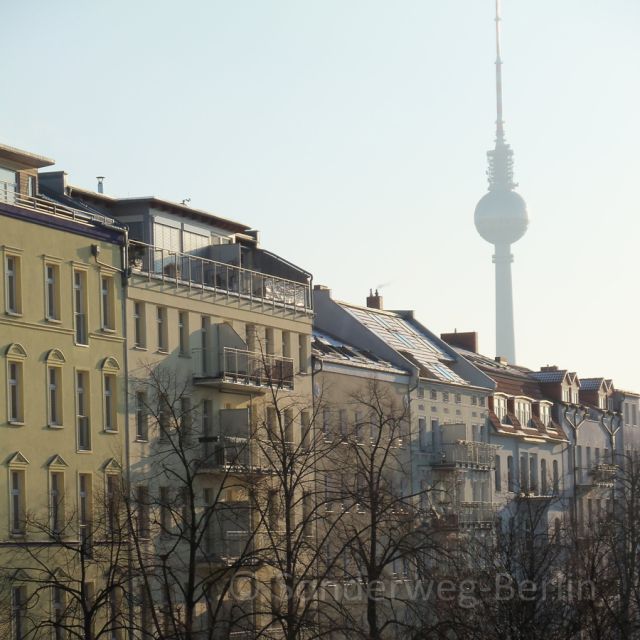
Prenzlauer Berg’s story is written into its streets: a Jewish cemetery, an old water tower, former East Berlin corners, and polished cafés now share the same neighborhood. This 2.5-hour walking tour connects those pieces better than a quick solo stroll. I like the stops at Mauerpark and Kollwitzplatz, and I like that the guide discusses current change as well as the past. The main drawback is simple: it is a long walk, and the route may feel less rewarding if you prefer Berlin’s major museums and monuments.
I also like the chance to ask questions about housing, politics, urban planning, and daily life, topics that can turn a familiar-looking street into a much more interesting place. Guides such as Tobias bring a museum and history background to the route. Just keep in mind that the meeting point can vary by booking option, and food and drinks are not included.
Key points of the Prenzlauer Berg walk
- Mauerpark and Bernauer Straße: See the former border area, the Sunday flea market setting, and the Messel House.
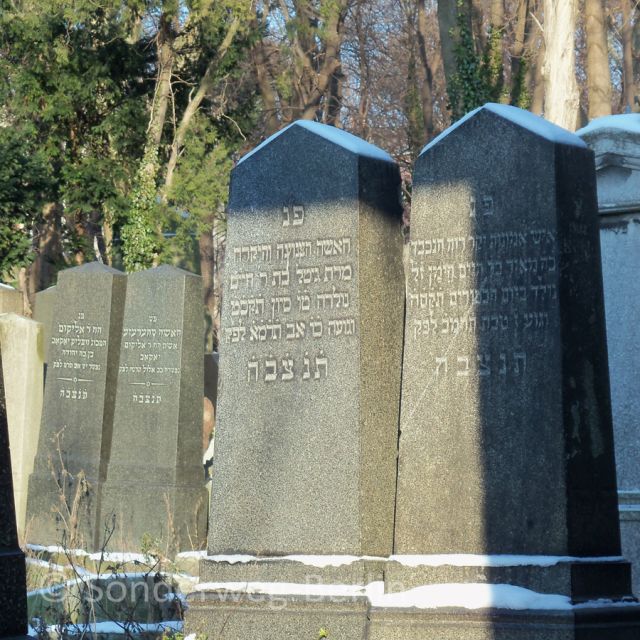
- Jewish Cemetery on Schönhauser Allee: Add an important layer of Berlin’s Jewish and urban history to the walk.
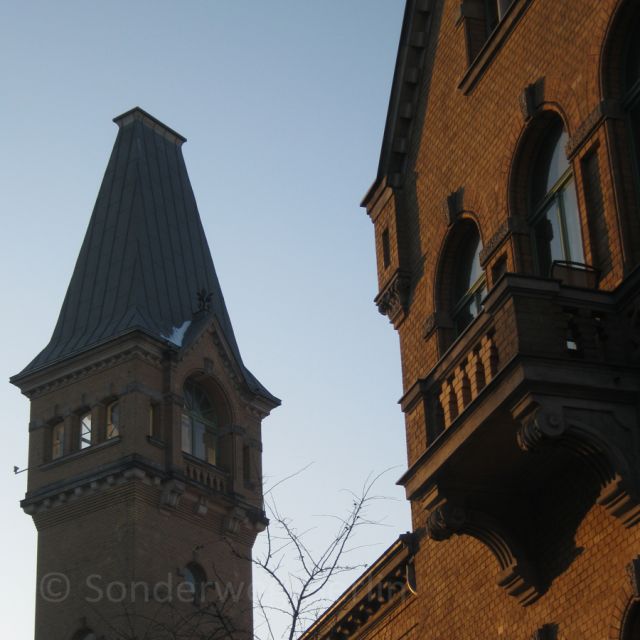
- Wasserturm: Visit one of Prenzlauer Berg’s best-known landmarks and learn how the district developed around it.
- Rykestraße and Oderberger Straße: Compare a grand synagogue with a much-loved public swimming pool.
- East and west of Schönhauser Allee: Get a broader view of the district instead of staying on one commercial street.
- Current neighborhood change: Discuss how Prenzlauer Berg moved from a rougher former East Berlin district toward a prosperous, fashionable address.
Why Prenzlauer Berg deserves a guided walk
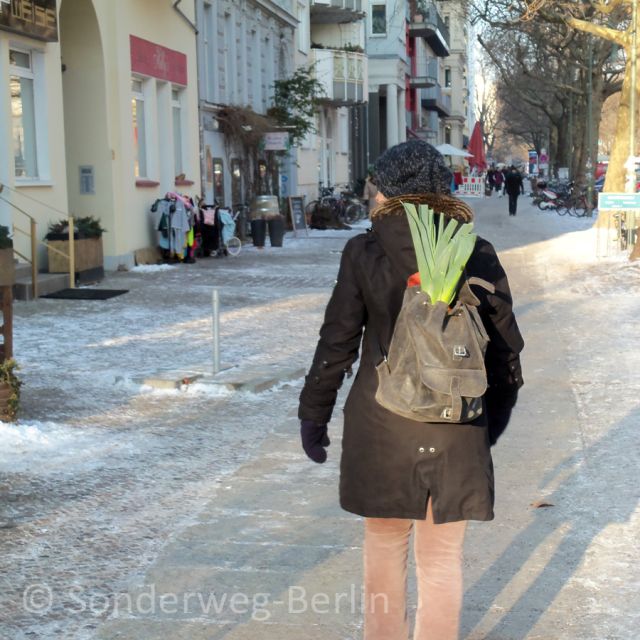
Prenzlauer Berg is easy to underestimate. At first glance, you may see broad streets, attractive apartment buildings, cafés, playgrounds, and restored facades. A closer look reveals several different Berlins layered on top of one another.
The district has a long and often difficult past. It changed sharply after German reunification, when old buildings, streets, and public spaces began to attract new investment and new residents. That prosperity brought cleaner facades, more businesses, and a stronger international presence. It also changed the feel of the neighborhood.
A good guide helps you notice that tension without reducing it to a simple before-and-after story. You can learn why some people value Prenzlauer Berg’s new comfort while others miss its rougher, less polished character. The route also gives you a chance to ask about issues that are hard to understand from a guidebook, including urban planning, housing, politics, and the way Berlin’s districts keep changing.
This is not a tour built around one grand monument. Its value comes from connections. The cemetery makes more sense after you understand the area’s Jewish past. The water tower helps explain local development. Mauerpark becomes more than a pleasant open space once you know what stood nearby during Berlin’s divided years.
Other walks around Berlin:
- Discover Berlin Half-Day Walking Tour
★ 5.0 · 9,624 reviews - Berlin: Third Reich and Cold War 2 Hour Walking Tour
★ 4.9 · 6,830 reviews - Berlin: Discover Berlin Walking Tour
★ 4.9 · 5,998 reviews
Starting along Schönhauser Allee
The walk begins in the heart of Prenzlauer Berg, with the exact meeting point depending on the option selected when you book. From there, the route explores both sides of Schönhauser Allee, the district’s most important street.
That detail matters. A walk confined to one side would give you only part of the story. Schönhauser Allee works as a dividing line and a useful reference point, allowing you to compare different streets, buildings, and public spaces as the tour continues.
The guide brings the district to life through stops rather than a rushed march. You should expect pauses in front of buildings and sites, with time to ask questions. One particularly useful feature is the broad range of subjects covered. The conversation can move from architecture and history to residents, urban planning, and politics.
If your Berlin visit already includes the Brandenburg Gate, Museum Island, and the Berlin Wall Memorial, this tour gives you a more local scale. You spend time looking at a neighborhood rather than checking off famous sights.
The Jewish Cemetery on Schönhauser Allee

The Jewish Cemetery on Schönhauser Allee adds a quiet and serious section to the route. It is one of the places that prevents Prenzlauer Berg from being reduced to cafés, boutiques, and attractive streets.
Your guide uses the cemetery to explain part of the district’s Jewish history and the wider story of Berlin. The stop is valuable because it connects personal lives, religious identity, and the city’s changing population to the physical neighborhood around you.
A cemetery also changes the rhythm of a walking tour. After the movement and traffic of Schönhauser Allee, you have a place for reflection. The guide’s commentary is especially useful here because the meaning of the site is not always obvious from the street.
This is not a stop for hurried sightseeing. If you want every minute packed with photo opportunities, you may find the tone slower than expected. I see that as a strength, but you should know that the tour includes serious historical material alongside architecture and neighborhood life.
The Wasserturm and Prenzlauer Berg’s older character
The Wasserturm, or Water Tower, is one of the district’s most recognizable landmarks. It offers an easy way to understand Prenzlauer Berg as a place shaped by infrastructure as well as homes and public spaces.
The tower is also a good example of how an ordinary working part of a city can become a point of local identity. Your guide explains its place in the area and uses it to connect the physical form of Prenzlauer Berg with its earlier character.
The route around the water tower helps you look beyond restored facades. A district can appear fashionable today while still carrying evidence of much harder decades. The guide draws attention to those contrasts, so you are not simply admiring pretty buildings without asking who lived there and how the area changed.
Tobias, one guide associated with this experience, has a background in museums and history. That kind of training suits this part of the walk, where small details need clear explanation rather than a long list of dates.
A few more things to do in Berlin worth a look
- Berlin: Reichstag, Dome and Government District Guided Tour
★ 4.7 · 18,288 reviews - Berlin: Government District around the Reichstag Guided Tour
★ 4.7 · 8,447 reviews - Berlin: Hidden Backyards Guided Walking Tour
★ 4.8 · 5,360 reviews - Berlin: 1-Hour Boat Tour with Bilingual Live Guide
★ 4.7 · 3,629 reviews
Kollwitzplatz and the polished side of the district
Kollwitzplatz shows Prenzlauer Berg at its most attractive and comfortable. It helps explain why the area became so popular with new residents and why its reputation shifted so strongly.
You will see a public square within a neighborhood that has gained prosperity and a more polished feel. The guide places that change in context, discussing what has improved and what may have been lost. This makes the stop more useful than a simple photo break.
Kollwitzplatz is also a good point for comparing the district’s past and present. The surrounding streets may look calm and appealing, but the tour asks you to think about how quickly a neighborhood can change once demand, investment, and new businesses arrive.
I appreciate this part of the route because it avoids easy nostalgia. Prenzlauer Berg was not perfect before its transformation, and it is not problem-free now. You get a chance to consider both sides, including the comfort of the modern district and the concern that its former character may be fading.
Mauerpark, Bernauer Straße, and the former border
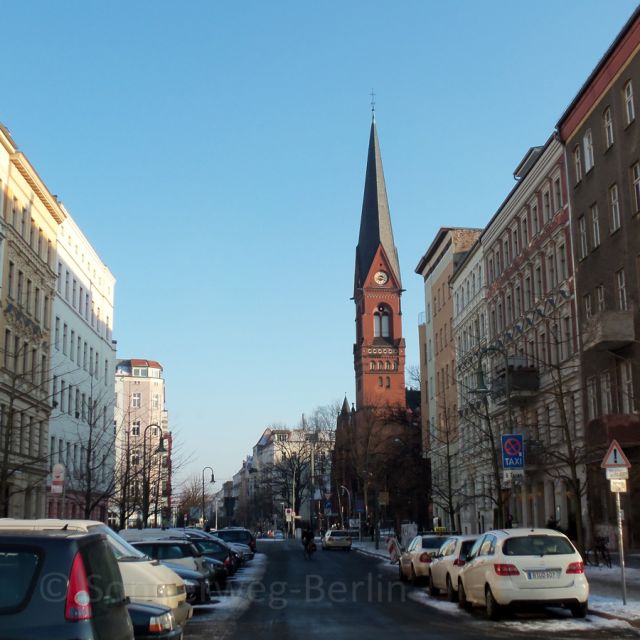
Mauerpark is one of the tour’s most appealing stops, especially if you want a public space with a strong link to Berlin’s divided past. The park is famous for its Sunday flea market and live music shows, so the atmosphere can vary depending on the day and timing of your visit.
The route then continues along Bernauer Straße, where the former border gives the walk a sharper historical focus. The area helps explain how Berlin’s division affected ordinary streets and local movement.
You should not expect a full Berlin Wall tour here. Instead, Mauerpark and Bernauer Straße form one part of a wider neighborhood story. The guide places the park, its public life, and the border history within Prenzlauer Berg’s changing identity.
The flea market and live music are not included as scheduled parts of the tour, so do not book this walk solely for a Sunday market visit. Still, if your timing lines up, the setting can add an extra layer of local life.
The route includes the Messel House as well. This gives you another chance to see how architecture, history, and present-day use overlap in the district. The stop is less about a single famous attraction and more about learning to read the streets around you.
Rykestraße Synagogue and Oderberger Straße pool
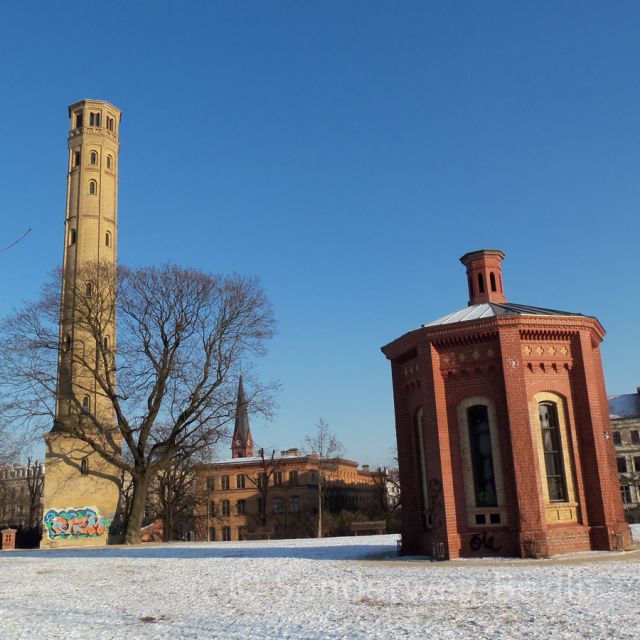
The grand synagogue on Rykestraße brings religion, community, and architecture into the walk. It is an important counterpoint to the open spaces and residential streets seen earlier.
Your guide explains why the synagogue matters within Prenzlauer Berg and how it fits into the district’s changing population. The building also gives the tour a strong visual pause, especially after the more informal atmosphere of Mauerpark.
The public pool on Oderberger Straße offers a very different kind of landmark. It shows how everyday public facilities can become part of a neighborhood’s identity. A swimming pool may not appear on every first-time Berlin itinerary, but that is exactly why it works here.
Together, the synagogue and pool help widen your view of what counts as a worthwhile sight. You are not only looking for royal buildings, war memorials, or famous museums. You are learning how ordinary civic and community spaces shape a district.
What the guide adds to the experience
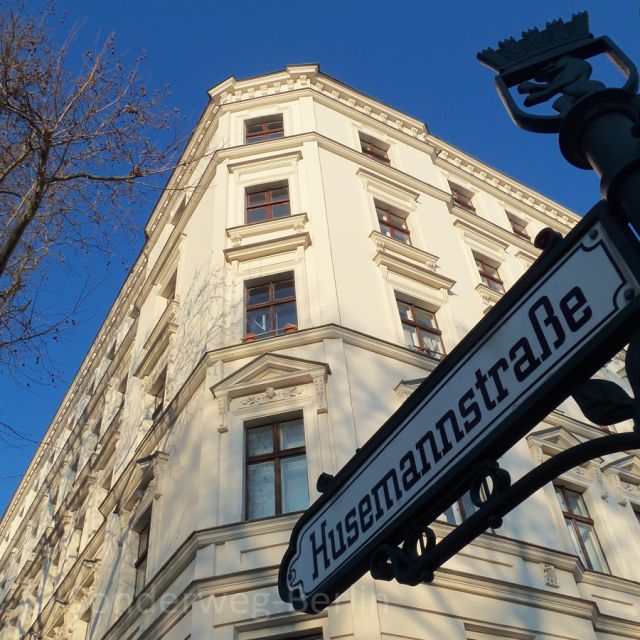
The route is only part of the product. The guide is what turns a sequence of streets into a coherent story.
The best moments come when you can ask a question and follow the answer beyond the obvious facts. The supplied guide languages are German and English, so check that you select the language you need. Past groups have included both very small parties and larger groups of about 40 people, which means the feel can vary.
In a small group, the walk may feel almost private, with more room for questions and a slower exchange. In a large group, the guide needs to keep everyone together and make the information clear across the whole party. A strong guide can manage that, but you should not assume every departure will have the same intimacy.
Tobias has been praised for combining humor with history, and for answering questions about Berlin beyond the district itself. That is useful if you want more than a memorized script. The tour is particularly good for people who enjoy asking why a neighborhood looks the way it does.
The commentary covers architecture, history, current circumstances, residents, urban planning, and politics. That range is a major reason to choose this walk. If you only want a short introduction to Prenzlauer Berg, you may find it too detailed. If you want context, the extra conversation is the point.
Is $23 a fair price?
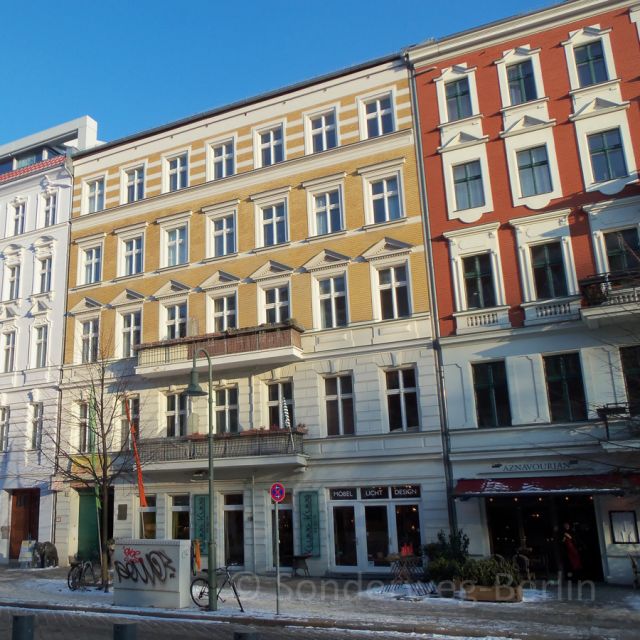
At $23 per person, this is a reasonable price for a 2.5-hour guided walk in Berlin. You are paying for a live guide, a route that covers several distinct sites, and interpretation that would be difficult to reproduce from casual wandering.
The value is strongest if you care about local history and neighborhood change. A free walk through Prenzlauer Berg can show you the same streets, but it will not necessarily explain the Jewish cemetery, the water tower, the border area, the synagogue, and the district’s shift in character as one connected story.
Food and drinks are not included, but that is not a serious weakness for this type of activity. The tour is focused on walking and discussion rather than a meal or tasting. You can make your own food plans before or after the route.
The price may feel less attractive if you are only looking for famous Berlin landmarks. This is a district tour, not a general introduction to the whole city. You get more depth in one area, but less coverage of central Berlin’s headline sights.
Timing, walking effort, and practical planning
The activity lasts 2.5 hours, so wear comfortable shoes and be ready to stay on foot for the full route. The supplied information does not give a precise distance, so you should think of it as a substantial neighborhood walk rather than a short orientation stroll.
Starting times vary, and the meeting point can change according to the booking option. Check both details carefully before setting out. This is especially important if you are coming from another part of Berlin and need to allow time for local transport.
The route can work in different seasons. A winter walk is still possible, but the open sections around Mauerpark and the longer stretches along the streets may feel colder. The tour continues in varied weather unless the operator says otherwise, so dress for a genuine outdoor activity.
Free cancellation up to 24 hours before the start and reserve-now, pay-later booking make the activity easier to fit into a changing schedule. Those terms are useful if your Berlin plans are not fixed, but they do not replace checking the exact conditions attached to your selected option.
Who will enjoy this tour most?
I would recommend this walk to anyone who has already seen Berlin’s major central sights and wants a more grounded look at city life. It is also a good first activity if you prefer neighborhoods, local architecture, and conversation to large museums.
History-minded visitors will get the most from it, especially those interested in Jewish Berlin, the former East Berlin, the Wall, and reunification. People curious about housing, urban change, and politics should also enjoy the open discussion.
It works well for repeat visitors. One past participant had visited Berlin many times because family lived there and wanted something more focused than a river trip or museum. That is exactly the right audience: you already know the broad outline of Berlin and want to understand one district properly.
Families with young children may find 2.5 hours of historical commentary demanding, though the open spaces and public places can add variety. The experience is not described as a children’s tour, so adults should judge based on their children’s interest in walking and history.
Who may want a different Berlin activity?
Choose another tour if you want to enter museums, travel by boat, or see a broad list of central monuments. This experience stays within Prenzlauer Berg and depends on walking, looking, and listening.
It may also disappoint if you expect every stop to be a major attraction with a formal entrance. Several points are valuable because of their context, not because you spend a long time inside them. The strength is interpretation of the neighborhood, not a packed schedule of ticketed sights.
You should also consider the group size available for your date. A large group can still be enjoyable, and guides have managed groups of about 40 people, but a small departure gives you more room for personal questions.
Should you book the Prenzlauer Berg walking tour?
Book it if you want to understand how Prenzlauer Berg moved from a tougher former East Berlin district toward one of Berlin’s most fashionable addresses. The mix of the Jewish Cemetery, Wasserturm, Kollwitzplatz, Mauerpark, Bernauer Straße, Rykestraße Synagogue, and Oderberger Straße pool gives you a useful cross-section of the area.
I would especially choose it after seeing Berlin’s main landmarks, or early in a longer stay when you want a sense of where local life happens. At $23, the cost is fair for the time and subject matter.
Skip it if you dislike long walks, want only famous sights, or prefer to explore without commentary. For everyone else, this is a thoughtful way to see Prenzlauer Berg with more context than a map and more focus than a general city tour.
FAQ
How long does the Prenzlauer Berg walking tour last?
The tour lasts 2.5 hours.
What languages are available?
The live guide is available in German and English.
How much does the tour cost?
The listed price is $23 per person.
Which places are included on the route?
The route includes the Jewish Cemetery on Schönhauser Allee, Wasserturm, Kollwitzplatz, Mauerpark, Bernauer Straße, Messel House, Rykestraße Synagogue, and the public pool on Oderberger Straße.
Does the tour include food or drinks?
No. Food and drinks are not included.
Is Mauerpark’s Sunday flea market included?
Mauerpark is part of the walking route. The park is famous for its Sunday flea market and live music shows, but the activity information does not state that market purchases or a separate market visit are included.
Can I cancel for a full refund?
You can cancel up to 24 hours in advance for a full refund. Reserve-now, pay-later booking is also available.
Just added in Berlin
- Berlin: Energizing 2-Hour Morning Segway Tour★ 4.7 · 35 reviews
- Berlin: Thrilling E-Scooter Adventure Tour★ 4.4 · 66 reviews
- Beelitz-Heilstätten: Baum&Zeit Tree Top Walk Entry Ticket★ 4.9 · 7 reviews
- Beer Bike & Party Bike: Unforgettable Berlin City Tour incl. pickup★ 5.0 · 5 reviews
- AXE THROWING EXPERIENCE IN BERLIN★ 4.7 · 24 reviews
- Alternative Berlin / Street art tour – Private group★ 5.0 · 6 reviews
- Berlin: Alternative & Street Art Tour★ 4.5 · 6 reviews
- Berlin: 2.5-Hour Beer & Sunset Sightseeing Boat Cruise★ 4.6 · 61 reviews
Walking Tours, compared.
Third Reich Berlin: Hitler and WWII Walking Tour
Read our review →
Browse the lists this tour appears in