Reviewed · WALKING TOURS
Berlin: Neukölln Walking Tour
Neukölln is more than Berlin’s current-culture label. On this 90-minute private walk, Herr Steinle connects old apartment blocks, local characters, a 1920s housing complex, and Körner Park, one of Berlin’s finest neo-Baroque gardens. The tour gives you a close look at a district that many visitors pass by.
I like the personal scale: your group can ask questions instead of following a large crowd. I also like the mix of subjects, from David Bowie’s link to Neukölln to the story of Will Meisel and an archaeological find from 1912. The main drawback is practical: the tour is in German and is not suitable for people with mobility impairments.
Key points at a glance
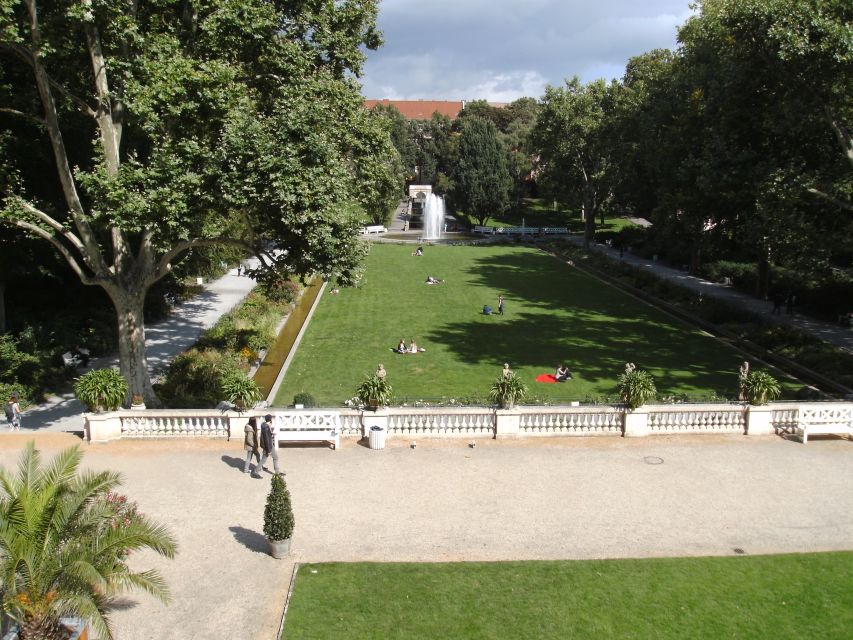
- Körner Park: Visit a formal neo-Baroque garden set among Neukölln’s older buildings.
- Local stories: Hear about Will Meisel, the Glory Halls of Neukölln, and colorful former residents.
- David Bowie connection: Learn how this Berlin district links to the musician.
- 1920s architecture: Walk through the Ilsenhof residential complex.
- Small private group: The $70 price covers up to six people, making it better value with friends or family.
- Useful follow-up advice: Herr Steinle provides a written tour summary and suggestions for further places to see.
Why Neukölln makes a good walking tour subject
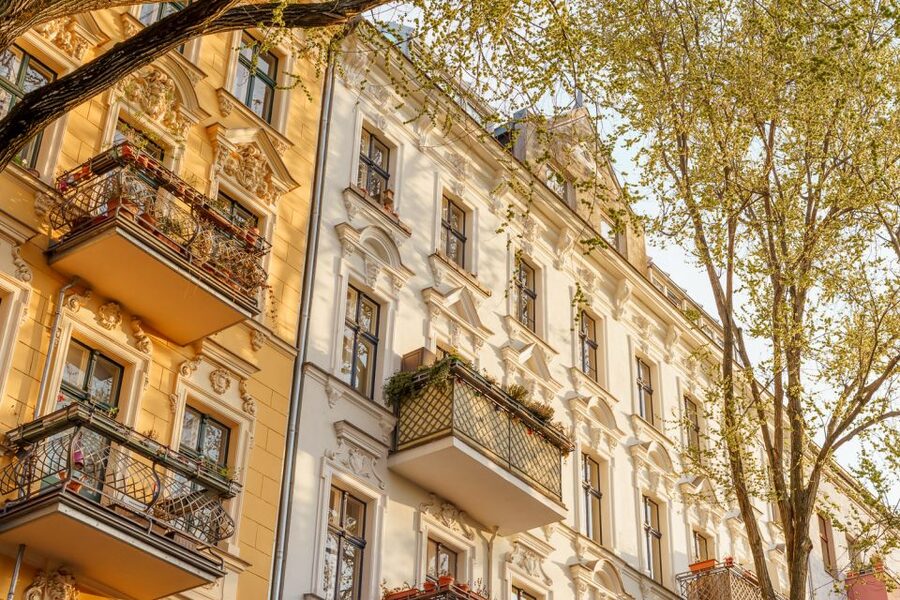
Neukölln rewards attention. It is not a district where every sight is presented behind a grand gate or marked by a large plaque. Its interest lies in the way old buildings, local stories, public gardens, migration, music, and urban change sit close together.
That makes a guide especially useful. Without context, you might walk past an apartment complex, a modest street corner, or an odd remnant and see only another piece of Berlin. Herr Steinle’s purpose is to show you what those places mean and why they matter.
The tour also gives you a different Berlin from the familiar central sights. You will not spend the 90 minutes moving between the Brandenburg Gate, Museum Island, or Checkpoint Charlie. Instead, you get a neighborhood-focused walk that looks at how Neukölln has changed during the last 10 years while still paying attention to older layers of the district.
I like this approach for a second or third day in Berlin. It gives you a local frame of reference, and it can make later walks through the city more rewarding. You start noticing how housing, gardens, public spaces, and cultural identities shape Berlin outside the postcard center.
Other walks around Berlin:
- Discover Berlin Half-Day Walking Tour
★ 5.0 · 9,624 reviews - Berlin: Third Reich and Cold War 2 Hour Walking Tour
★ 4.9 · 6,830 reviews - Berlin: Discover Berlin Walking Tour
★ 4.9 · 5,998 reviews
Meeting Herr Steinle at Leuchtstoff Kaffeebar
The meeting point is Leuchtstoff Kaffeebar at Siegfriedstraße 19, 12051 Berlin. Starting at a café gives the walk a neighborhood feel rather than a grand sightseeing-tour atmosphere, though you should check the exact starting time when booking.
The guide is identified as Reinhold Steinle, and the tour information and comments refer to him as Herr Steinle. He is presented as an advocate for Neukölln, with a clear aim of showing its positive sides rather than treating the district as a collection of problems or stereotypes.
That matters in a neighborhood that has seen major change. Neukölln is often described in quick, simple terms, but a good walk should leave you with a more careful picture. Herr Steinle’s style, based on the available feedback, is lively and personal. He uses anecdotes about former residents and local characters, including a scandal-touched erotic dancer and an eccentric gravel-pit owner.
Those details may sound small, but they are often what make a neighborhood memorable. A date or architectural label can fade quickly. A strange local personality, told with humor and a wink, gives you something you can carry with you.
From old Neukölln stories to the Glory Halls
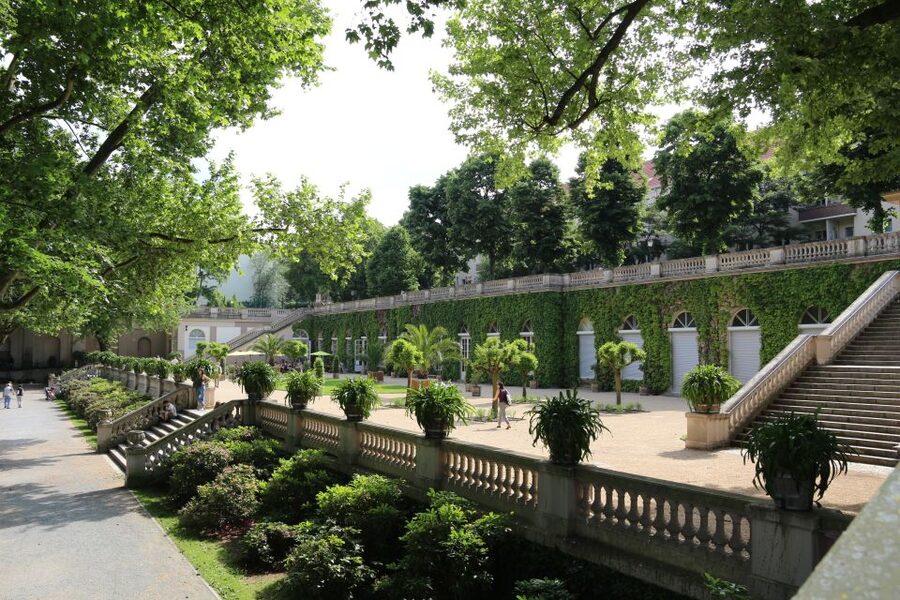
One of the early subjects is the history of the Glory Halls of Neukölln. The supplied information does not give a full explanation of the site, so you should expect the guide to provide the local context during the walk rather than arrive with a fixed museum-style presentation.
This is one reason the private format helps. If a particular person, building, or phrase catches your attention, you can ask Herr Steinle to explain it. A private group of up to six is small enough for the walk to feel like a conversation, not a lecture delivered to a crowd.
The tour also introduces you to Will Meisel. Again, the experience is built around the guide’s explanation, not a long list of display cases or formal exhibits. You will hear who he was and why he belongs in Neukölln’s story.
The strongest part of this section is likely the connection between the public places you see and the people who once shaped them. Berlin’s neighborhoods can feel anonymous if you only look at façades. Names and anecdotes give those façades a human scale.
The Ilsenhof and Neukölln’s 1920s housing
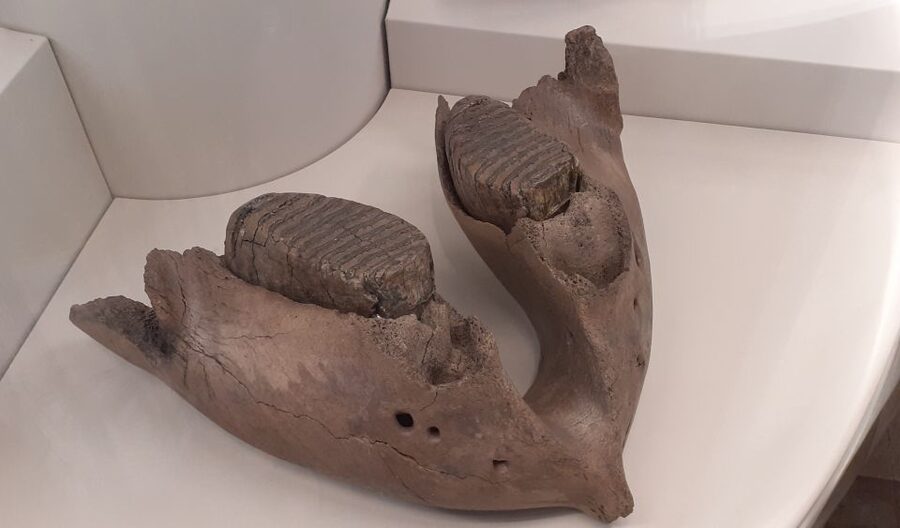
The walk includes the Ilsenhof, a residential complex from the 1920s. This stop adds an architectural and social side to the tour.
A housing complex is easy to overlook when you are searching for famous sights, but it can tell you much about the city’s priorities at the time it was built. The Ilsenhof is not included simply as a pretty backdrop. It helps place Neukölln within Berlin’s changing approach to urban housing and neighborhood planning.
You should pay attention to the relationship between the residential complex and the older buildings around it. The tour’s appeal comes partly from these contrasts. Neukölln is not presented as one frozen historic district. Instead, you see different periods sharing the same streets.
Because the tour lasts only 90 minutes, this will not be a full architectural study of 1920s Berlin. That is a fair limit. You get an introduction, useful context, and a specific place to remember. If housing design is a major interest of yours, you may want to use the guide’s follow-up suggestions to explore more on your own.
Same base, a different kind of day out:
- Berlin: Reichstag, Dome and Government District Guided Tour
★ 4.7 · 18,288 reviews - Berlin: 1-Hour City Tour by Boat with Guaranteed Seating
★ 4.3 · 16,993 reviews - Berlin: Boat Tour Along the River Spree
★ 4.4 · 11,252 reviews - Berlin: Hop-on Hop-off Bus Tour with Live Commentary
★ 4.3 · 8,579 reviews
A 1912 archaeological discovery on the way to the park
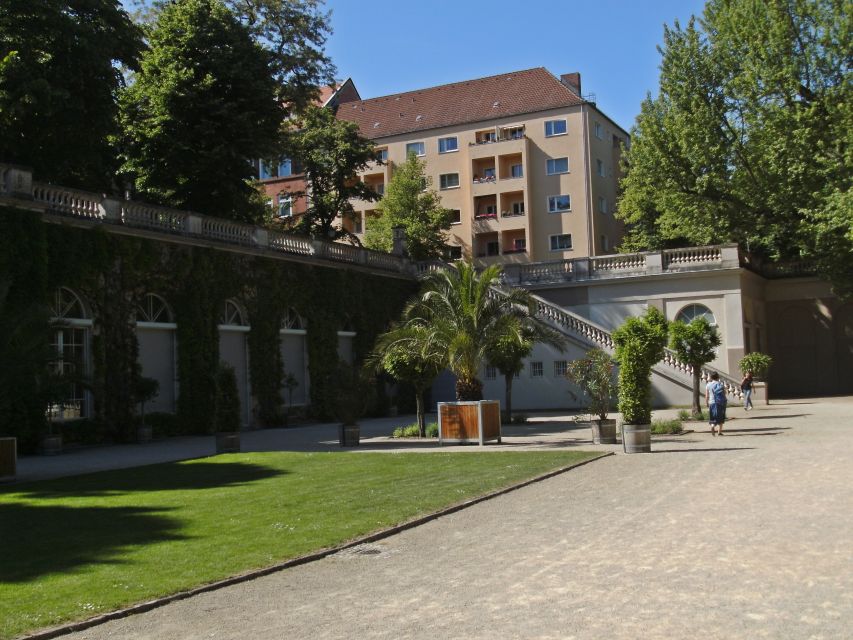
On the route to Körner Park, Herr Steinle points out an archaeological discovery from 1912. The supplied details do not identify the object or explain the excavation, so I would treat this as a revealed local detail rather than expect a full archaeological site visit.
That uncertainty is part of the fun of neighborhood walking. The point is not always the size of the monument. Sometimes it is the surprise that an ordinary-looking part of town has a story reaching far beyond its present appearance.
For you, this stop breaks up the architectural themes and adds an older layer to the route. It also shows the kind of information a guide can provide that is difficult to find through casual sightseeing. You might pass the location without any clue that something important was found there.
Körner Park, the tour’s main visual reward
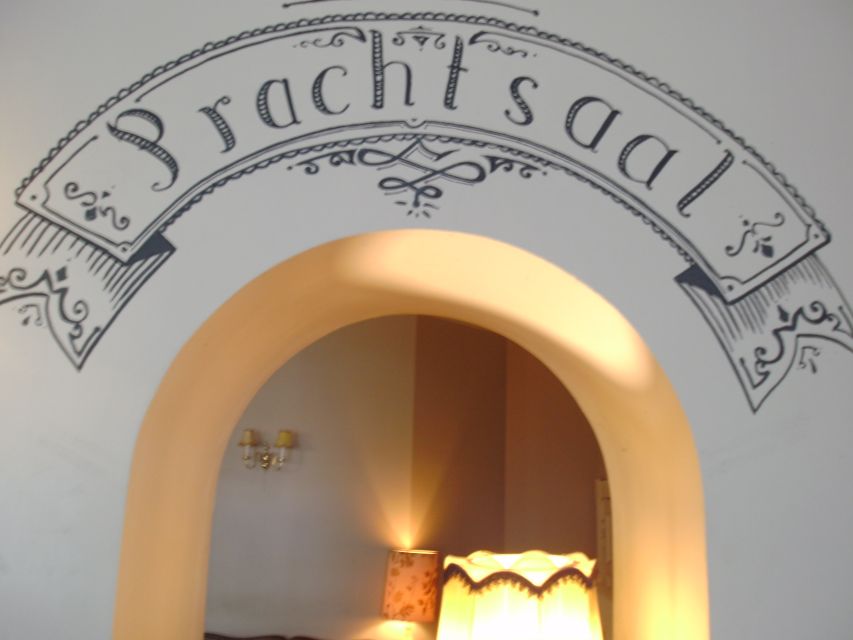
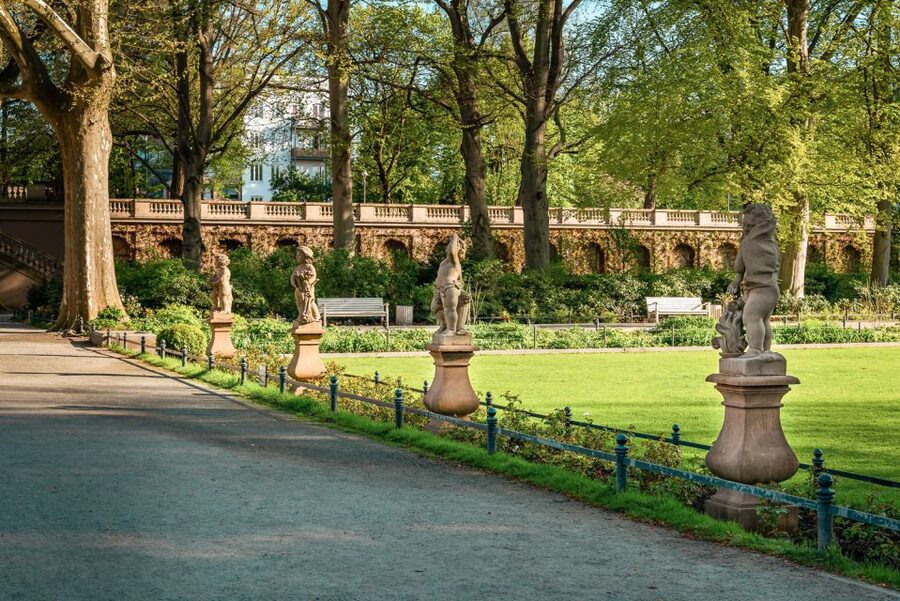
Körner Park is the highlight of the walk. It is described as Berlin’s most important neo-Baroque garden, set among Neukölln’s older buildings.
That setting is what makes the park special. You are not being taken to a distant formal garden separated from city life. You reach a carefully designed green space in the middle of a built-up neighborhood. The contrast between the formal garden and the surrounding old buildings gives the stop its force.
The park also provides a change of pace. After hearing about local residents, housing, music, and archaeology, you have a place where the design itself can come into focus. Ask Herr Steinle what makes the garden neo-Baroque and how it fits into Neukölln’s development.
Do not expect the tour to turn into a long garden-design lecture. The experience is a district walk, and the park is one part of a wider story. Still, it sounds like the strongest visual stop and the place most likely to reward a slower look.
If you enjoy gardens, urban planning, or quiet public spaces, this may be the part that justifies choosing the tour over a standard central Berlin walk. If you want famous monuments at every turn, the park may feel modest. Its appeal depends on noticing detail and appreciating the contrast with the streets around it.
David Bowie’s Neukölln connection
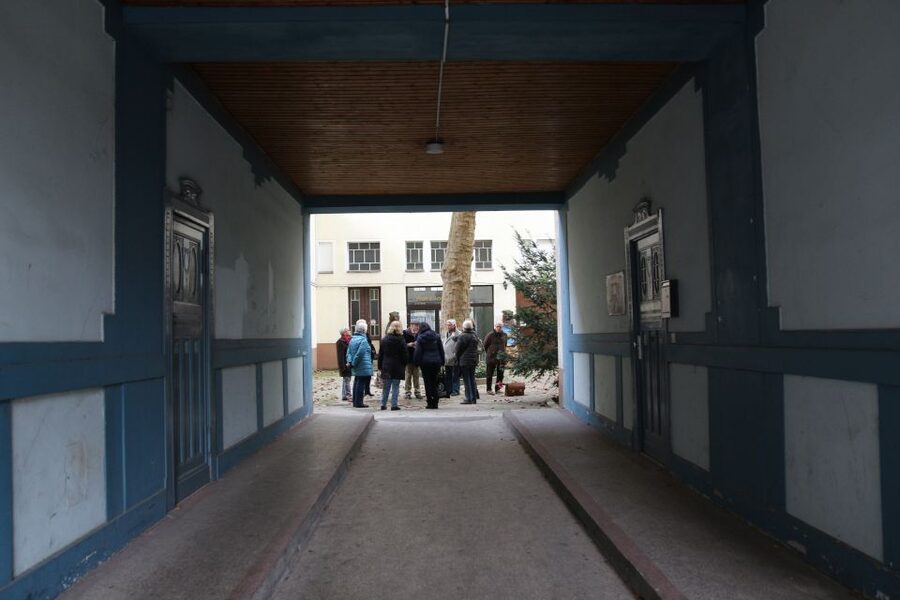
The tour includes a link between Neukölln and David Bowie. The available information does not spell out the precise connection, so you should expect Herr Steinle to explain it during the walk.
This is a useful subject because Bowie’s Berlin years are often associated with a small number of better-known places. A local connection in Neukölln broadens that story and shows how music history can reach beyond the usual visitor route.
I would not book this tour solely for a Bowie fact. The walk covers much more, and the David Bowie link is one thread in a larger portrait of the district. But if you enjoy music history, it gives the tour an extra point of interest.
The guide’s storytelling style seems well suited to this kind of subject. The strongest local tours do not treat culture as a separate box. They show how people, places, and changing neighborhoods overlap. That is the kind of connection you can expect here.
A district that has changed during the last decade
A key theme is Neukölln’s change over the last 10 years. The experience does not present the district as a museum piece. You will hear about its recent development alongside its older history.
That balance matters. It is easy to describe a neighborhood only through its past, or only through current trends. This tour tries to show both: the old buildings and local characters, as well as the forces that have altered the district in recent years.
The guide’s positive approach is worth noting. Herr Steinle has been described as an ambassador for Neukölln, and his aim is to point out the good parts of the area. That can make the walk more welcoming, especially if you are new to Berlin and want help reading the neighborhood.
At the same time, you should understand what this means. This is not designed as a hard-edged critique of urban change. It is a proud, affectionate introduction led by someone who wants you to notice Neukölln’s appeal. If you want a tour centered on housing pressure, politics, or social conflict, ask about those subjects directly as you walk.
The guide’s storytelling style and the value of the handout
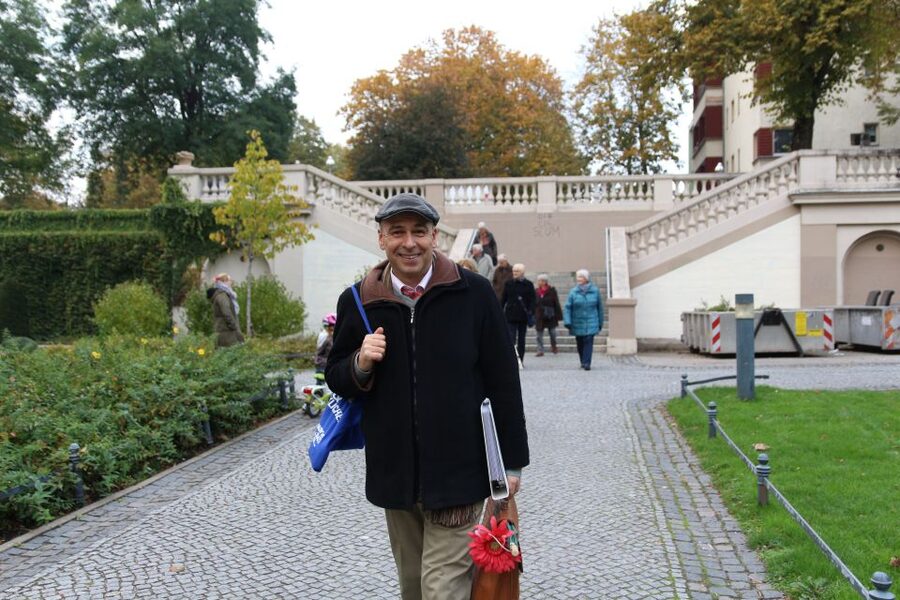
The strongest praise for the experience focuses on Herr Steinle’s commitment, enthusiasm, and ability to tell stories. The walk is described as informative, interesting, lively, and filled with anecdotes. That combination matters during a 90-minute tour because facts alone can make a neighborhood walk feel like a moving encyclopedia.
You should expect a guide who takes personal interest in his subject. The stories range from well-known cultural figures to unusual former residents, and the tone includes humor rather than a solemn recital of dates.
At the end, you receive a written summary of the main points. This is a useful touch. You do not need to remember every name while walking, and you can use the notes later when planning more time in Neukölln.
You also receive tips for further places worth seeing. One practical example from the guide’s advice involved the flight of the Berlin Airlift candy bombers, known in German as the Rosinenbomber. A timely tip allowed someone to see a flyover. That suggests Herr Steinle may connect the tour to wider Berlin events when relevant, though you should not book this experience expecting a specific flyover.
Price, private groups, and practical value
The cost is $70 for a private group of up to six people. For one person, that is a fairly high price for a 90-minute walk. For six people, it works out to about $11.67 each, which is good value for a private guide.
The private format is the main reason to consider the price. You are not paying only for the route. You are paying for a guide who can adjust explanations, answer questions, and keep the focus on your group’s interests.
Couples may find the total harder to justify than families or groups of friends. At two people, the cost is $35 each. If you are comparing it with a large group tour, the price looks less competitive. If you value privacy and direct conversation, it becomes easier to defend.
The tour is in German. That is an essential point, not a minor detail. German-speaking visitors will get the clearest value from the storytelling, while anyone who does not understand German should choose another experience unless language arrangements are confirmed separately.
The activity allows cancellation up to 24 hours in advance for a full refund, and you can reserve now and pay later. Those policies give you some flexibility, but the main booking decision should be language, walking ability, and interest in local history.
Who should book this Neukölln walk?
I would recommend it to German-speaking visitors who have already seen Berlin’s major sights and want a closer look at one district. It also suits residents who think they know Neukölln but want its stories organized by someone who has studied and followed the area closely.
The tour is especially appealing if you enjoy:
- Neighborhood history rather than famous monuments
- Urban housing and 1920s architecture
- Gardens and public spaces
- Local personalities and unusual anecdotes
- Music history, including David Bowie’s Berlin connection
- Small private tours with room for questions
I would be more cautious if you have limited mobility. The activity is not suitable for people with mobility impairments, and the route includes a walking approach to several stops. The 90-minute duration is manageable for many people, but the tour remains a neighborhood walk rather than a seated presentation.
Should you book the Neukölln Walking Tour?
Book it if you want Berlin at street level, in German, with a guide who cares deeply about Neukölln. Herr Steinle’s strongest qualities are his local focus, lively anecdotes, and ability to connect overlooked places with larger stories.
The tour offers good value for a group of up to six, especially if you want a private experience. Körner Park, the Ilsenhof, the archaeological discovery, and the David Bowie connection give the walk enough variety to avoid feeling like a simple stroll.
Skip it if you want a major landmark tour, an English-language experience, or a detailed critical study of current urban issues. For the right audience, though, this is a thoughtful way to see another side of Berlin and leave with a written record of what you discovered.
FAQ
Where does the Neukölln walking tour meet?
The meeting point is Leuchtstoff Kaffeebar at Siegfriedstraße 19, 12051 Berlin.
How long does the tour last?
The walking tour lasts 90 minutes.
What language is the tour in?
The live tour guide speaks German. The activity information lists German as the tour language.
Is this a private tour?
Yes. It is offered as a private group experience for up to six people.
What is included in the experience?
You receive a written summary of the most important tour content at the end, along with tips from the guide for further places to visit.
Is the tour suitable for people with mobility impairments?
No. The activity is not suitable for people with mobility impairments.
Just added in Berlin
- Private One way Airport Transfer Berlin Airport To Berlin★ 3.5 · 17 reviews
- Private Walking Tour: Berlin Wall, Cold War and Checkpoint Charlie★ 5.0 · 37 reviews
- Modern Berlin Private Walking Tour: Diverse, Vibrant and Exciting German Capital★ 5.0 · 13 reviews
- Private Day Trip to Potsdam from Berlin by Train★ 4.5 · 27 reviews
- City Explorer: Potsdam Private Day Trip★ 4.5 · 10 reviews
- Berlin Private Custom Tour in a Minivan, East and West★ 5.0 · 123 reviews
- Berlin Private Custom 5-Hour Tour by Car★ 5.0 · 30 reviews
- Private Half-Day Sightseeing Tour in Berlin★ 3.5 · 6 reviews
Walking Tours, compared.



Third Reich Berlin: Hitler and WWII Walking Tour
Read our review →