Reviewed · WALKING TOURS
Berlin : Must-see attractions Walking Tour
Berlin’s story is written across its streets, from the scar of the Berlin Wall to the grand sweep of Brandenburg Gate. This three-hour private walk links the city’s major sights in one clear route, so you can get your bearings while hearing how Berlin moved from Nazi rule and Cold War division to modern Germany.
I like the private format, which lets you ask direct questions and adjust the focus. I also like the practical help: your guide can suggest other things to do and help arrange tickets for visits you want to make later. The main drawback is time. Three hours is enough for an excellent introduction, but not enough for long interior visits at every stop.
Key points to know before you book
- Berlin’s major landmarks fit into one three-hour walk: The route covers the Berlin Wall, Brandenburg Gate, Reichstag, Checkpoint Charlie, and the Holocaust Memorial.
- Your group is private: You will not be placed with strangers, giving you more freedom to ask questions and shape the pace.
- The guide can adapt the route: The experience includes customization and advice about other places to see in Berlin.
- Pierre and Bastian are named guides: Customer feedback specifically praises Pierre’s excellent English, helpful directions, and willingness to spend extra time, while Bastian is praised for lively explanations.
- Public transport is part of the package: Walking and public transport are included, except where a different option has been selected.
- The price is $44 per person: That is fair for a private three-hour orientation, especially if you use the guide’s advice to plan the rest of your stay.
Why this route works for a first look at Berlin
Berlin can be hard to read at street level. Its key sights are spread across a large central area, and the city’s past is divided among royal monuments, Nazi-era sites, Cold War landmarks, and modern government buildings.
This walk gives you a usable framework. Instead of seeing Brandenburg Gate as just a fine old arch, you connect it with German division and reunification. Instead of passing Checkpoint Charlie as a busy photo stop, you understand why this crossing once represented the danger of a divided world.
The tour begins and ends at Friedrichstraße 103, in front of Meliá Berlin. That central meeting point is useful if you are staying nearby or arriving by public transport. You meet your guide there, then set off on foot, using public transport when the route calls for it.
The private setup matters more than it may sound. On a large group tour, questions can get lost and the guide has to keep everyone moving at the same speed. Here, you can ask for more detail about Cold War Berlin, Nazi Germany, architecture, or present-day city life, depending on what catches your attention.
The experience is also a good early-trip choice. Take it near the start of your stay and you can use the guide’s suggestions for later museums, neighborhoods, and ticketed sights. The guide can also help with booking tickets for visits you want to make, though the ticket cost itself is not included.
Other walks around Berlin:
- Discover Berlin Half-Day Walking Tour
★ 5.0 · 9,624 reviews - Berlin: Third Reich and Cold War 2 Hour Walking Tour
★ 4.9 · 6,830 reviews - Berlin: Discover Berlin Walking Tour
★ 4.9 · 5,998 reviews
Starting with the Berlin Wall
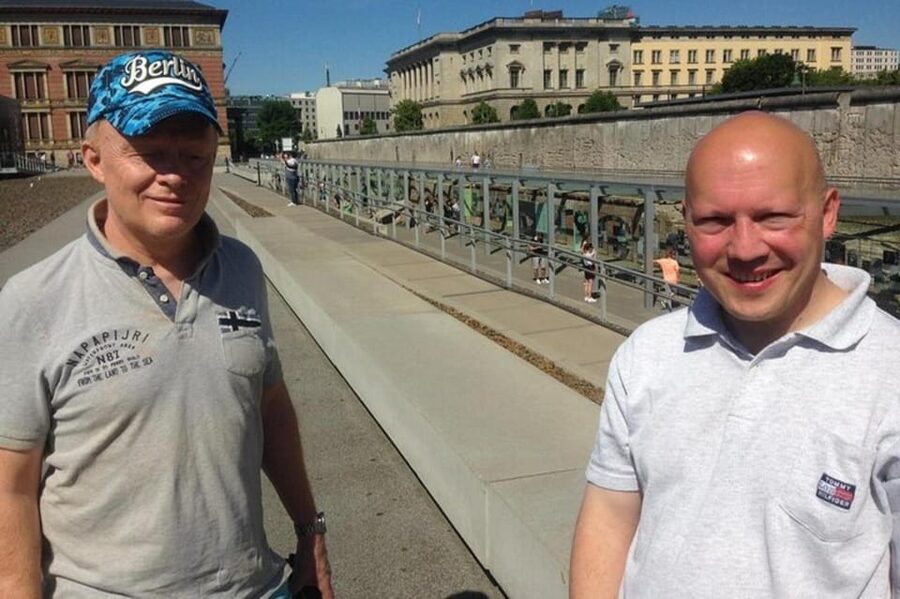
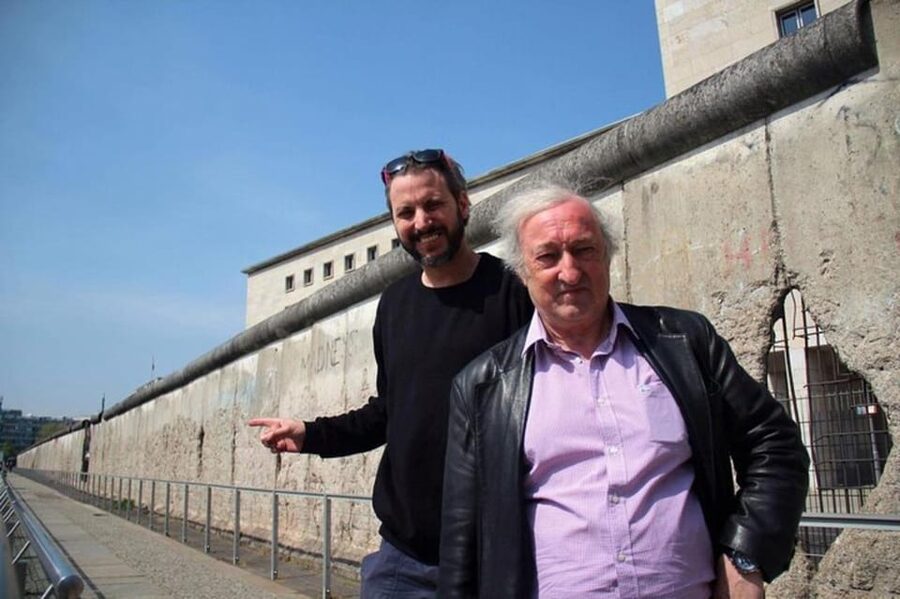
The Berlin Wall is the right place to begin because it explains so much of the city you are about to see. Your guide covers why the wall was built, how it divided Berlin during the Cold War, and how its fall changed the city.
The most useful part of this stop is the political context. The wall was not simply a barrier between neighborhoods. It divided families, workplaces, transport routes, and two competing political systems. Looking at the remaining traces with a guide helps you understand the scale of that division.
Your guide can also connect the wall to the rest of the route. Brandenburg Gate, the Reichstag, and Checkpoint Charlie all took on different meaning before, during, and after the Cold War. The walk becomes a story with a clear thread rather than a collection of unrelated monuments.
Do not expect a long museum visit here. The format is a guided outdoor stop, and the three-hour schedule requires the group to keep moving. If Berlin’s Cold War story is your main interest, tell your guide early. The private format should make it easier to spend more time on that subject.
Brandenburg Gate and the meaning of unity
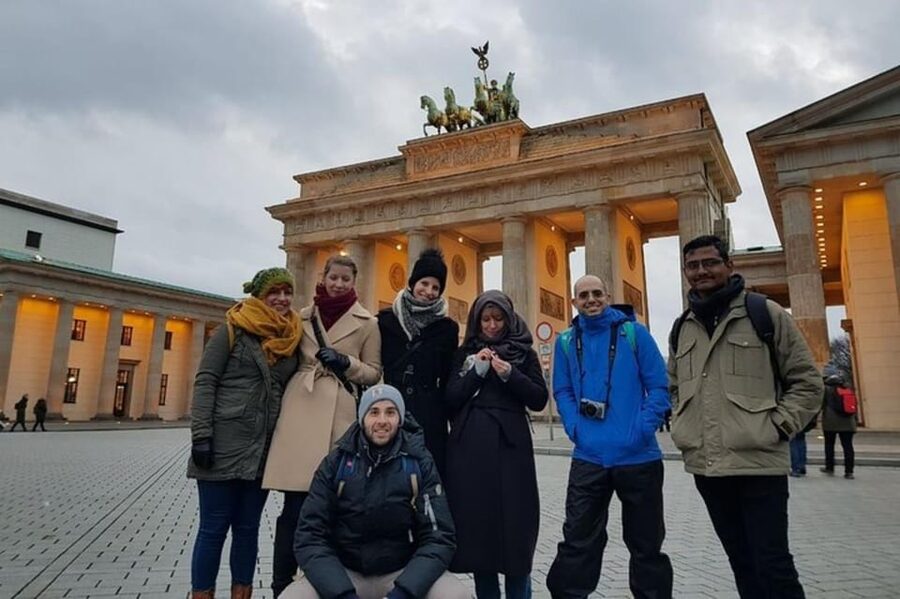
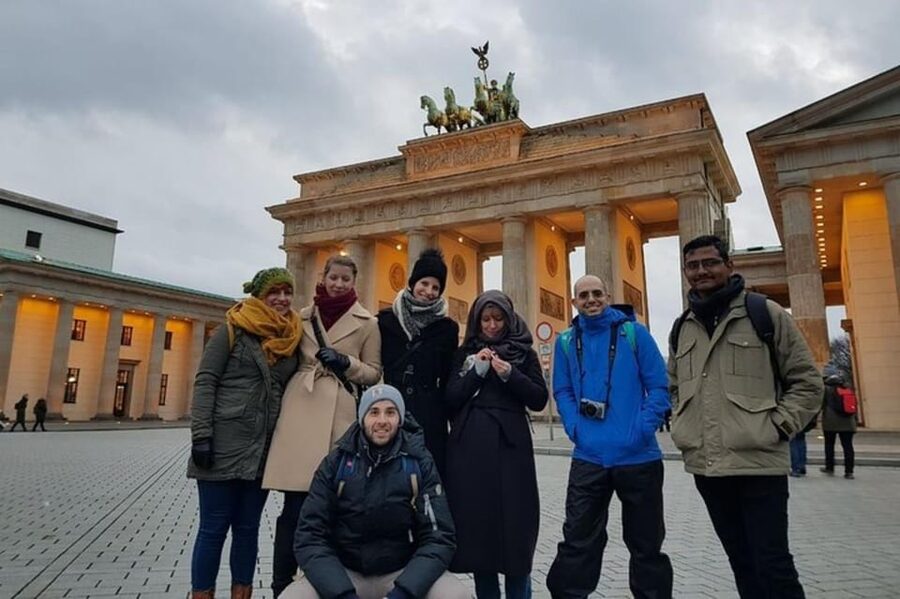
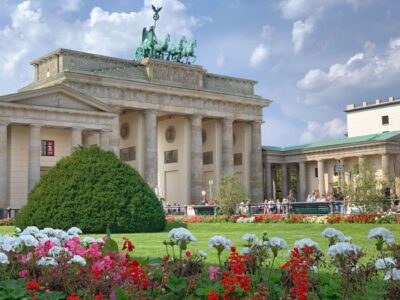
Brandenburg Gate is Berlin’s most famous monument, and it is more interesting when you know how its meaning changed over time. Your guide explains the gate’s history and points out its neoclassical design.
The gate once marked a route into Berlin, but it later became closely tied to division and reunification. During the Cold War, it sat near the barrier between East and West Berlin. After the wall fell, it became a powerful symbol of a united Germany.
This is a good place to pause for photographs, but the guide’s explanation is what gives the stop its value. The monument looks calm and classical. Its political story is anything but calm.
The area around Brandenburg Gate can feel crowded and exposed, especially at popular times. A private guide helps by giving you a clear meeting point and keeping the stop focused. Still, you should expect an active public square rather than a quiet viewing area.
The Reichstag and modern German government
The Reichstag is another sight that rewards context. Your guide discusses the building as part of Berlin’s political story and explains its place in the capital today.
You will see the exterior during this walking tour. A visit inside the Reichstag is not listed as part of the standard three-hour walk, so do not assume that entry or a dome visit is included. The tour provider can help with tickets for desired visits, but you should confirm arrangements before booking anything separate.
That distinction is important. The Reichstag is easy to photograph from outside, but an interior visit takes extra time and may require advance planning. If you want to go inside, tell your guide at the start so the route and advice can be adjusted as much as possible.
The stop also gives you a useful contrast. The Berlin Wall and Checkpoint Charlie point toward division. The Reichstag represents the city’s role as the seat of a modern democratic government. One walk links those changes without treating them as separate chapters.
Same base, a different kind of day out:
- Berlin: Reichstag, Dome and Government District Guided Tour
★ 4.7 · 18,288 reviews - Berlin: 1-Hour City Tour by Boat with Guaranteed Seating
★ 4.3 · 16,993 reviews - Berlin: Boat Tour Along the River Spree
★ 4.4 · 11,252 reviews - Berlin: Hop-on Hop-off Bus Tour with Live Commentary
★ 4.3 · 8,579 reviews
Checkpoint Charlie beyond the photo stop
Checkpoint Charlie is one of Berlin’s best-known Cold War locations. It was a crossing point between East and West Berlin, and your guide explains its role in the divided city.
The name is familiar even to people who have never visited Berlin, which can make the stop feel more commercial than solemn. The surrounding area has changed, and the checkpoint is now a busy urban attraction. That is precisely why historical explanation helps. Without it, you may see a guardhouse-style display and a few signs without grasping the risks attached to crossing the border.
Use this stop to ask specific questions. You can ask how the crossing worked, who could pass, and how it fitted into the wider system of the wall. The private group makes that kind of conversation easier than a fixed lecture.
As with the Reichstag, this is mainly an outdoor visit on the standard route. The walk gives you the setting and the story, not a full museum experience. If you want to spend a long time examining Cold War exhibits, you will need a separate visit.
The Holocaust Memorial and the need for quiet attention
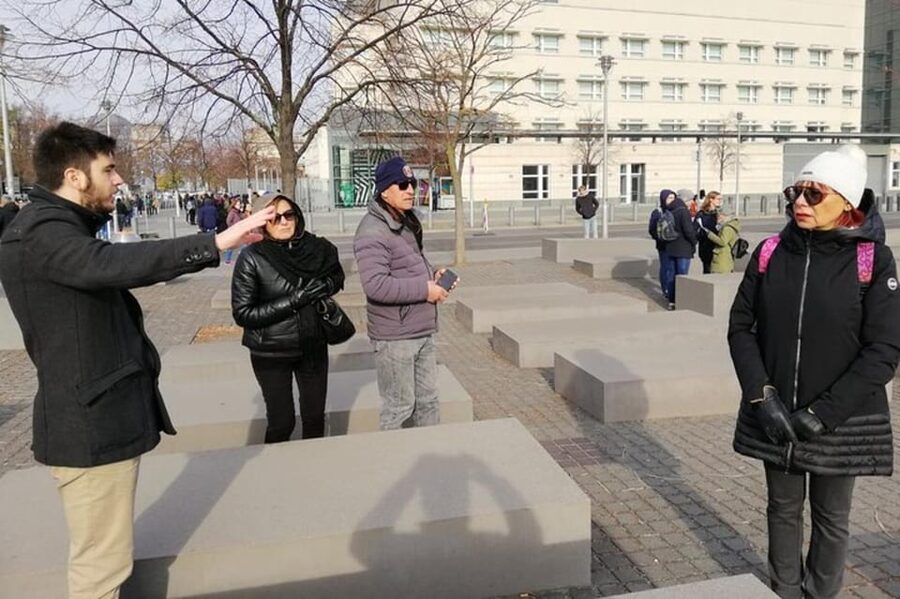
The Memorial to the Murdered Jews of Europe, often called the Holocaust Memorial, is one of the most serious stops on the route. Its field of concrete blocks creates an uneven, changing space in the middle of the city.
Your guide places the memorial within Berlin’s Nazi past and explains the city’s role as the capital of the Third Reich. This context matters. The memorial is not simply an unusual piece of modern design. It asks you to think about memory, responsibility, and how Germany addresses the murder of Europe’s Jews.
The memorial is best approached with respect and time to think. The walk includes a guided stop, but three hours for five major locations means you should not expect an extended museum session. The memorial’s information center is a separate experience, and you should ask about tickets and timing if you want to visit it.
This is also a point where a good guide makes a difference. The subject needs care, clear facts, and a willingness to answer difficult questions without turning the stop into a rushed speech. Customer feedback gives strong marks to Pierre for taking time to explain places and allowing extra time when something mattered to the group.
What the guide adds to the walk
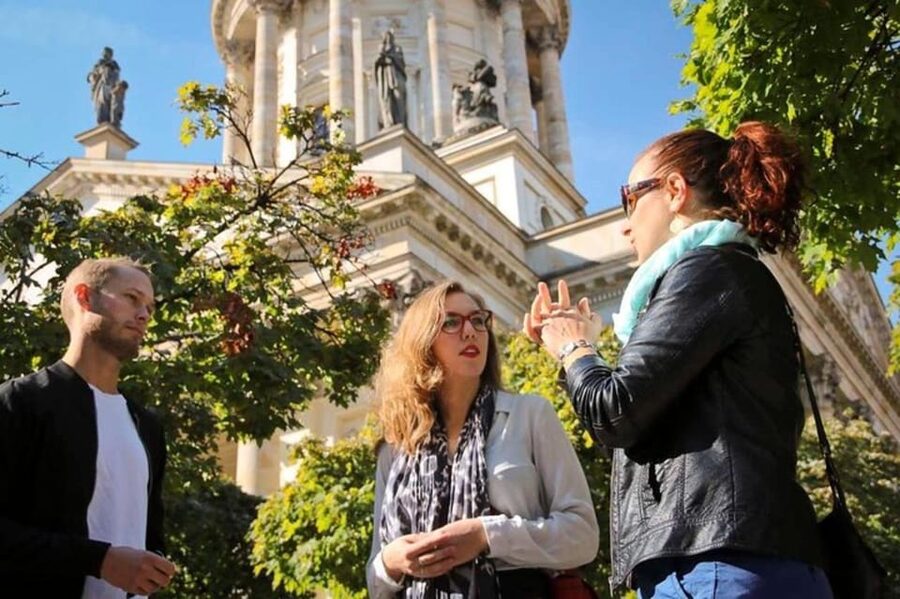
The best reason to book a private tour is not simply to reach the sights. You can find the major landmarks on a map. The guide adds order, local perspective, and the chance to ask about what you are seeing.
Pierre is specifically praised for exceptional English, friendly communication, and practical help when a group was late finding the meeting point. He also asked about other places the group wanted to see and allowed the tour to run slightly over when extra time was useful. That suggests a flexible approach, though extra time should never be assumed.
Bastian is also named in customer feedback and praised for explaining a great deal about Berlin in a way that made the time pass quickly. Guides can change, but these names give you a sense of the level of personal service reported for the experience.
The available languages are English, French, Spanish, Italian, and German. If you need a particular language, select it when booking or confirm it ahead of time. A shared language is especially useful for serious subjects such as Nazi persecution and the Cold War.
The guide can also give advice on other things to do in Berlin. This is one of the more practical features of the tour. You can ask about places to visit after the walk and get help booking tickets for desired visits. Food and drinks are not included, so plan your own refreshments around the walk.
Is $44 good value for three private hours?
At $44 per person, the price is reasonable for a private three-hour city orientation. The value is strongest when two or more people share the booking, since you receive a guide dedicated to your group rather than paying for a standard large-group outing.
You are paying for more than movement between landmarks. The price includes the private format, customization, walking, and public transport, apart from any separately selected option. It also includes the guide’s time and local advice.
The price does not include food, drinks, or entry tickets for attractions you choose to visit. That keeps the basic cost clear, but it means you should budget extra if you want to enter the Reichstag, a memorial information center, or another ticketed site.
I would see this as an orientation tour, not a complete Berlin sightseeing package. It gives you the framework to decide what deserves a longer visit. If you want a slow museum day with extensive interior access, this is not the right product. If you want the main historical sights explained in a compact private walk, the cost is easier to justify.
Pace, comfort, and accessibility

The tour lasts three hours and involves walking between several central sights. Wear comfortable shoes and dress for changing weather, since the route is mainly outdoors. Public transport may be used as part of the experience, which can reduce the amount of walking between more distant stops.
The activity is listed as wheelchair accessible. Even so, confirm any specific mobility needs when booking, since the route includes public streets, public transport, and outdoor memorial spaces.
The private format also lets you discuss pace. If someone in your group needs more time, ask the guide at the beginning. The route is full for three hours, so stopping for every photo or extended discussion may mean less time at another sight.
Free cancellation is available up to 24 hours before the activity for a full refund. You can also reserve now and pay later, which helps if your Berlin plans are still changing.
Who will get the most from this Berlin walk?
I would recommend this tour to first-time visitors who want a clear introduction before choosing their own museums and neighborhoods. It is also a strong match for couples, families, and small private groups who prefer questions and conversation over a fixed lecture.
History-minded visitors will get the most from the route, especially if you want to connect Nazi Germany, the Cold War, reunification, and modern Berlin in one outing. The guide can adjust the emphasis, so tell them which period matters most to you.
It suits visitors with only a short stay, too. In three hours you see several central landmarks and finish where you began. That leaves the rest of the day open.
I would hesitate to book it if your main goal is interior access. The route focuses on guided outdoor stops, and the listed inclusions do not cover food, drinks, or attraction entry. I would also choose a longer specialist tour if you already know Berlin well and want detailed treatment of one period.
Should you book this private Berlin tour?
Book it if you want a well-organized first look at Berlin with a guide who can explain the city’s hardest subjects in plain language. The private format, multilingual options, route flexibility, and advice for later sightseeing give it more value than a simple walk between photo stops.
The strongest signs are the praise for Pierre’s communication and flexibility, plus the positive comments about Bastian’s engaging explanations. Still, guide assignment can vary, and you should think of the experience as a three-hour introduction rather than a full museum tour.
At $44 per person, it is a sensible choice for a private group that wants history, orientation, and practical planning help in one morning or afternoon. If that sounds like your Berlin, this walk is worth booking.
FAQ
Where does the tour start?
Meet your guide in front of Meliá Berlin at Friedrichstraße 103 in Berlin.
How long does the tour last?
The walking tour lasts three hours.
Which sights are included in the route?
The route includes the Berlin Wall, Brandenburg Gate, Reichstag, Checkpoint Charlie, and the Memorial to the Murdered Jews of Europe.
Is this a private tour?
Yes. The tour is private and exclusive, with no one else added to your group.
Can the tour be customized?
Yes. Customization is included, and the guide can focus more on the areas or subjects that interest you.
Which languages are available?
The live guide service is available in English, French, Spanish, Italian, and German.
Is public transport included?
Walking and public transport are included, except if you select a different option.
Are food and drinks included?
No. Food and drinks are not included in the tour price.
Can I cancel for a refund?
Yes. You can cancel up to 24 hours in advance for a full refund. You can also reserve now and pay later.
Just added in Berlin
- Private One way Airport Transfer Berlin Airport To Berlin★ 3.5 · 17 reviews
- Private Walking Tour: Berlin Wall, Cold War and Checkpoint Charlie★ 5.0 · 37 reviews
- Modern Berlin Private Walking Tour: Diverse, Vibrant and Exciting German Capital★ 5.0 · 13 reviews
- Private Day Trip to Potsdam from Berlin by Train★ 4.5 · 27 reviews
- City Explorer: Potsdam Private Day Trip★ 4.5 · 10 reviews
- Berlin Private Custom 5-Hour Tour by Car★ 5.0 · 30 reviews
- Private Half-Day Sightseeing Tour in Berlin★ 3.5 · 6 reviews
- Berlin Private Custom Tour in a Minivan, East and West★ 5.0 · 123 reviews
Walking Tours, compared.
Third Reich Berlin: Hitler and WWII Walking Tour
Read our review →