
Reviewed · MUSEUMS
Berlin Museum of Photography Entry Ticket
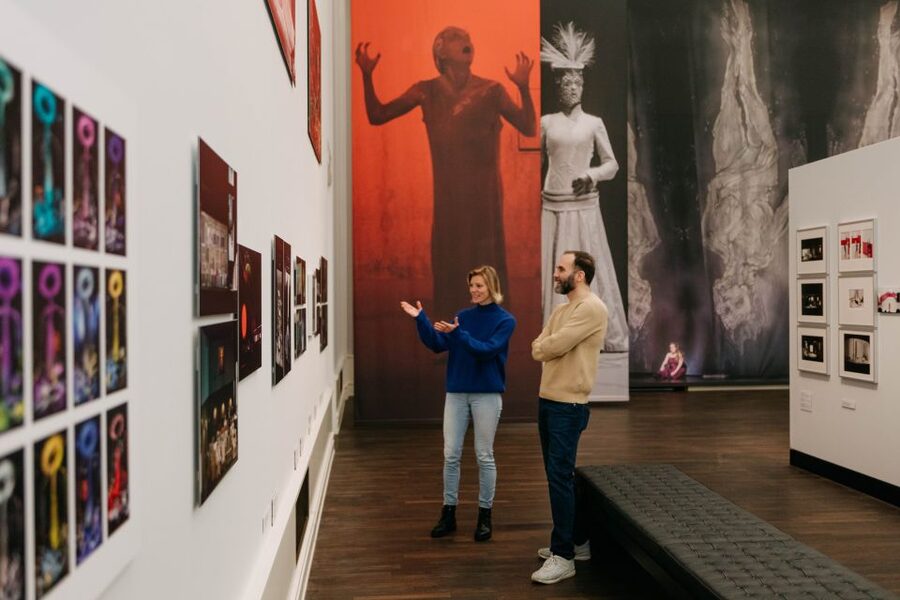
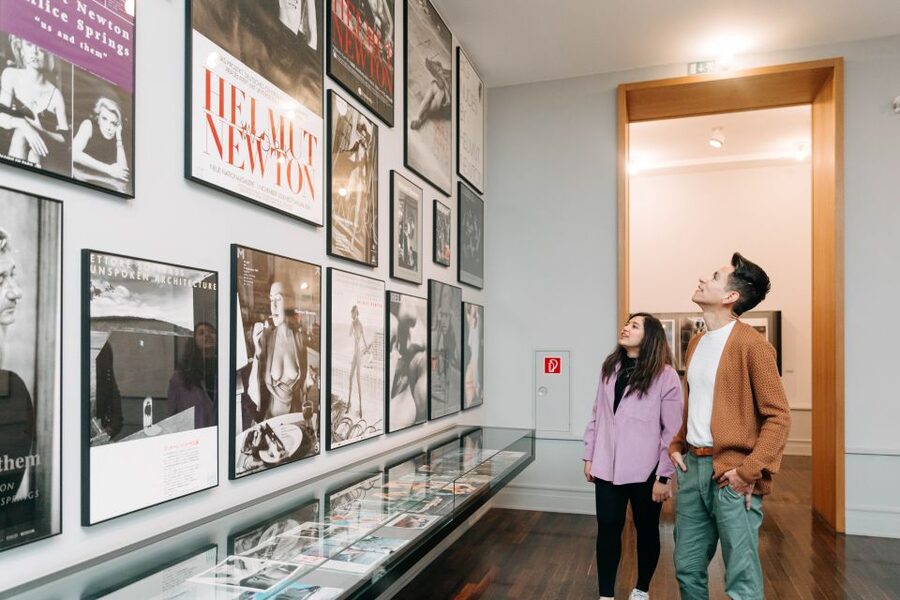
The Museum of Photography gives you far more than a quick display of old cameras. Its galleries trace photography from the 19th century to today, then turn the spotlight on Berlin-born fashion photographer Helmut Newton, whose sharp, provocative images changed the look of modern fashion photography.
I like the museum’s five-part collection, which lets you move from photographic archives and artistic work to historical postcards and technical holdings. I also like the Newton section, especially the cameras, personal objects, art collection, and famous Newton-mobile. The main thing to consider is that this is a self-guided museum visit, so you will need to bring your own context and pace yourself through a large body of material.
Key points to know
- Five collection areas: See photographic archives, artistic photography, personal archives, photogrammetric holdings, and historical postcards.
- Helmut Newton exhibition: Explore the Berlin photographer’s fashion work, cameras, art collection, and Newton-mobile.
- Temporary displays: Current exhibitions may include Body Performance and Post-War Modern Photography.
- Flexible one-day ticket: Your admission is valid for one day, with available entry times shown when you book.
- Simple arrival: Go directly to the museum entrance, with no separate meeting point or guided pickup.
- Plan for the cloakroom rules: Backpacks, oversized luggage, food, drinks, heavy coats, and wet clothing are not allowed in the exhibition areas.
Why the Museum of Photography is worth your time
I like museums that show how an art form changes, rather than presenting a row of famous names without a clear thread. This museum does that well. You can begin with early photographic images, see how photography became an artistic medium, and then consider how it records people, fashion, events, and daily life.
The collection covers a long period, from the 19th century through the modern day. That range matters because early photographs can feel very different from contemporary work. Older images may ask you to look at process, detail, and the limits of early equipment. Modern photographs often focus more directly on personal expression, public life, or current events.
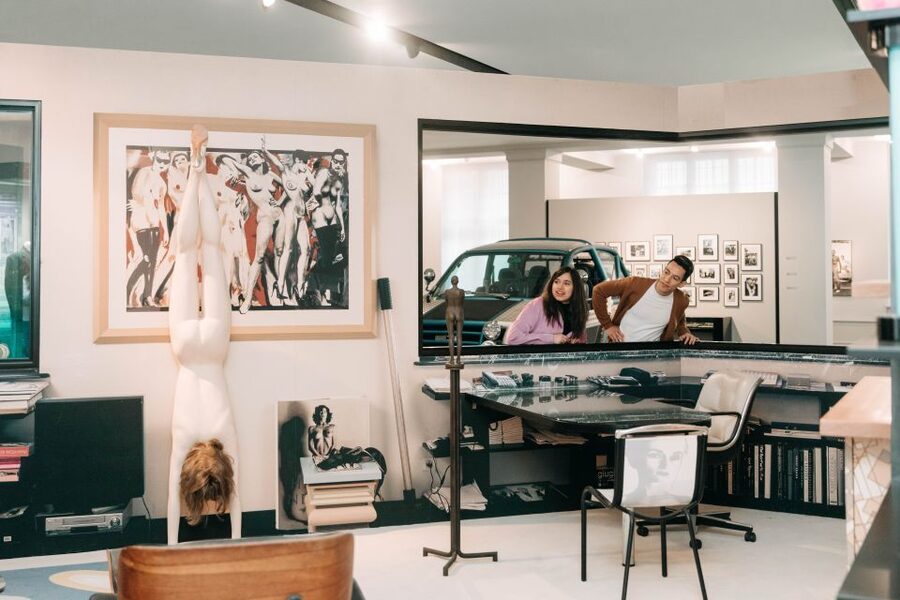
The visit also has a useful second side. The broader collection gives you a historical view of photography, while the Helmut Newton exhibition offers a concentrated look at one photographer’s life and style. If you know Newton mainly for polished fashion photographs, the objects on display help show the person and working methods behind those images.
Other shoots and photo walks in Berlin:
- Berlin: Fotografiska Photography Exhibition Ticket
★ 4.6 · 168 reviews - 5hours: Guide, Chauffeur & Photographer in Berlin private Tour
★ 5.0 · 66 reviews - BERLIN PHOTO TOUR with a professional Photographer from Berlin
★ 5.0 · 44 reviews
Five sections that change the pace
The museum divides its holdings into five main areas. You should not expect each section to feel like a separate museum, but the change in focus helps break up the visit.
The photographic archive gives you a chance to see photographs as records. This can include images from different periods and subjects, including pictures that reflect current events. The value here is comparison. You are not just looking at one style of photography. You are seeing how photographers respond to their time.
The collection of artistic photography shifts the focus from record keeping to visual expression. Here, the photograph is not only evidence of a person, place, or moment. It is also an object shaped by choices about composition, light, subject, and mood. If you enjoy discussing what makes a photograph art, this section should hold your attention.
The personal archive brings photography closer to the people who made it. Personal archives can show how a photographer’s working life, interests, and collected materials connect to finished images. The supplied information does not promise a fixed list of personal archives on display, so the exact selection may change.
The photogrammetric holdings represent a more technical side of the museum. This is a useful reminder that photography has always involved measurement, method, and practical problem-solving, not only artistic instinct. It may be especially interesting if you want to see photography as a tool for recording and analyzing the world.
The final area, historical postcards, offers a more familiar and approachable way into photographic history. Postcards turn images into objects made for sharing. They can show how photographs circulated beyond galleries and private albums, and how places and events were presented to a wider public.
Together, these sections give the museum a broad reach. You can take a serious look at photography as art, but you can also see it as a record, a technical tool, a personal document, and a public message.
Helmut Newton’s Berlin connection
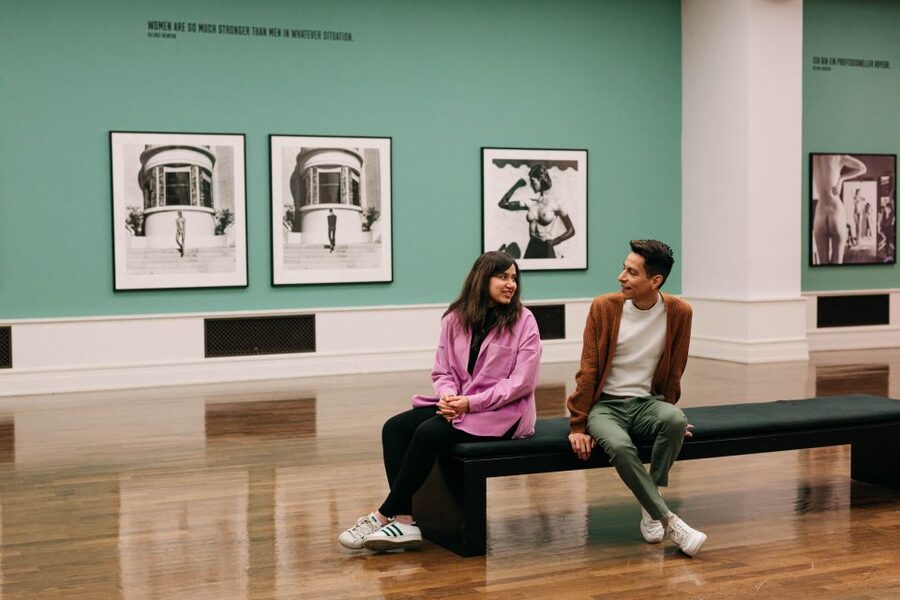
The permanent Helmut Newton exhibition is likely to be the main draw for many visitors. Newton was born in Berlin and became one of the most recognizable fashion photographers of the modern era. His work is known for its provocative edge, strong control of style, and challenging approach to fashion imagery.
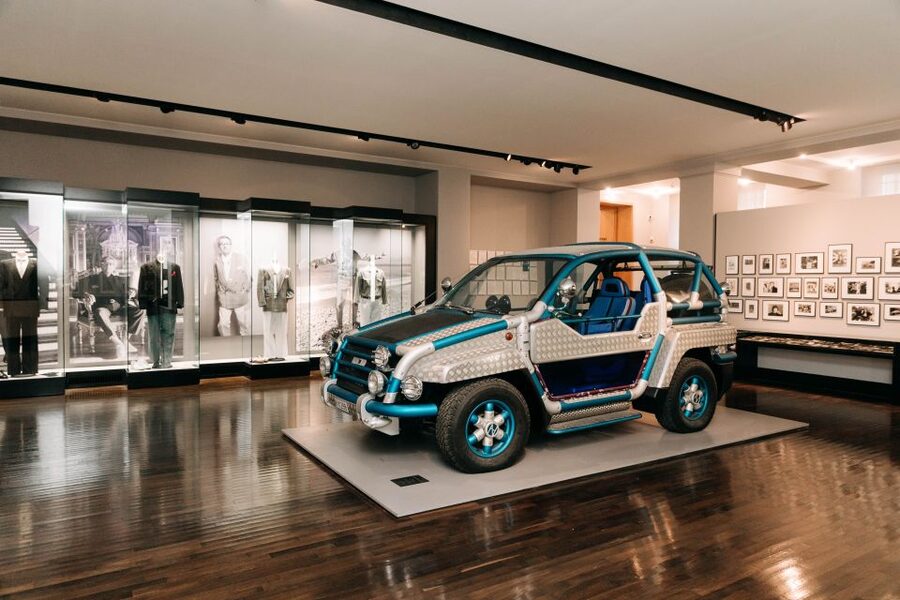
The exhibition does not focus only on finished photographs. You can also see Newton’s cameras, his art collection, and the Newton-mobile, along with other objects connected with his life. These details make the display more personal than a simple wall of large fashion prints.
I find this kind of presentation useful because it shows the working world around a photographer. A camera tells you something about the tools he used. An art collection can suggest the images and ideas that interested him. The Newton-mobile adds an unusual, almost playful object to an otherwise serious exhibition.
You should also know that Newton’s work can be provocative. His fashion photography often deals with power, glamour, the body, and sexual suggestion. That may be exactly what interests you, but it may not suit every visitor. Families and school groups should consider the tone of the work before making this the main museum stop of the day.
For photography students, fashion followers, and anyone interested in how a photographer builds a public identity, the Newton exhibition gives the visit a clear focus. Even if you prefer documentary or historical photography, it provides a useful contrast with the museum’s broader collection.
Temporary exhibitions add a current layer
The museum also presents changing exhibitions. The displays named for this experience include Body Performance and Post-War Modern Photography. Since temporary exhibitions change, you should check what is on view for your date before booking if one particular show is your main reason for going.
Body Performance suggests a focus on the photographed body, movement, presentation, or identity. Post-War Modern Photography points toward the period after the Second World War, when photographers and artists were working through major changes in society, media, and visual style. The exact works and layout can vary, but these exhibitions add a more focused subject to the museum’s wider collection.
This changing program is one reason the ticket can work for repeat visits during its valid period, though the admission described here is valid for one day. If you have already seen the permanent displays, a new temporary exhibition may give you a reason to return to the museum later.
The temporary rooms also help prevent the visit from feeling fixed in the past. Photography is not presented only as an old craft. The museum links early images with modern work and current questions about the body, public life, and visual culture.
Other museums and galleries in Berlin:
- Berlin: Jewish Museum Berlin Entrance Ticket
★ 4.5 · 8,393 reviews - Berlin: Natural History Museum Entrance Ticket
★ 4.6 · 3,382 reviews - Berlin: Neues Museum Entry Ticket
★ 4.6 · 3,261 reviews - Skip-the-Line: Berlin Wall Museum at Checkpoint Charlie
★ 4.1 · 2,041 reviews
How long should you allow?
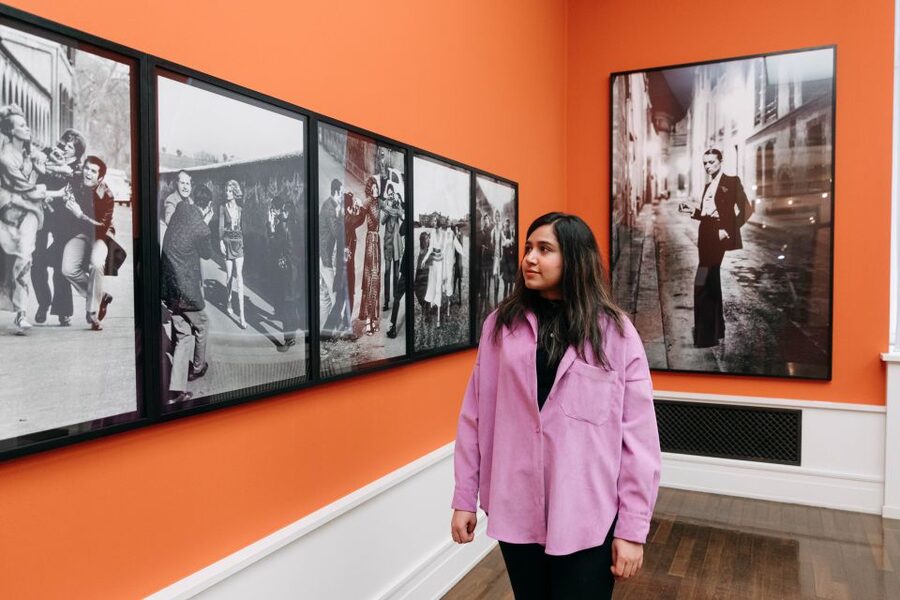
The ticket is valid for one day, but the booking information does not set a fixed visit length. You can check available starting times when selecting your date. That flexibility is useful if you are fitting the museum between other Berlin plans.
I would allow enough time for the five collection areas, the Helmut Newton exhibition, and any temporary displays you want to see. The right length depends on how closely you read labels and how much time you spend with individual photographs. Someone making a quick art stop can move through faster, while a photography student or serious enthusiast may want much longer.
Because the museum covers material from the 19th century to the present, it rewards a steady pace. Hurrying through every room can turn the visit into a list of images. A better approach is to choose a few sections to study closely, then move at a quicker pace through material that interests you less.
There is no guide or scheduled tour described, so you control the rhythm. That is a benefit if you dislike being pushed from room to room. It is also a drawback if you want a lecture or a specialist to explain the collection.
Price and practical value at $14
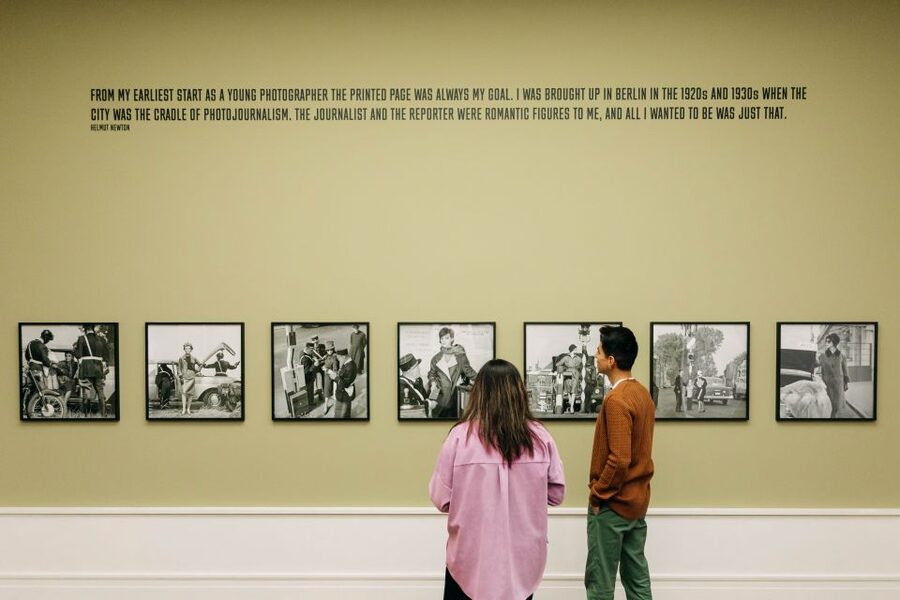
At $14 per person, the ticket is reasonably priced for a full museum admission, especially if you plan to see the permanent collection, Newton exhibition, and temporary displays in one visit. The booking fee is included, so the advertised price is not just a bare entrance charge.
The value depends on your interest. If you enjoy photography, fashion, design, archives, or visual history, this is a strong use of part of a Berlin day. You receive access to several forms of photography rather than one small specialist display.
If you are only mildly interested in photography, the museum may feel more demanding than a short, spectacle-driven attraction. The collection covers serious historical and technical material, and not every room will have the same immediate pull. In that case, the Newton exhibition and temporary shows may provide the clearest reason to visit.
The ticket is non-refundable, so check the date and availability carefully before paying. The one-day validity gives you flexibility within that date, but it does not provide a free cancellation option if your plans change.
Entry, clothing, and bag rules
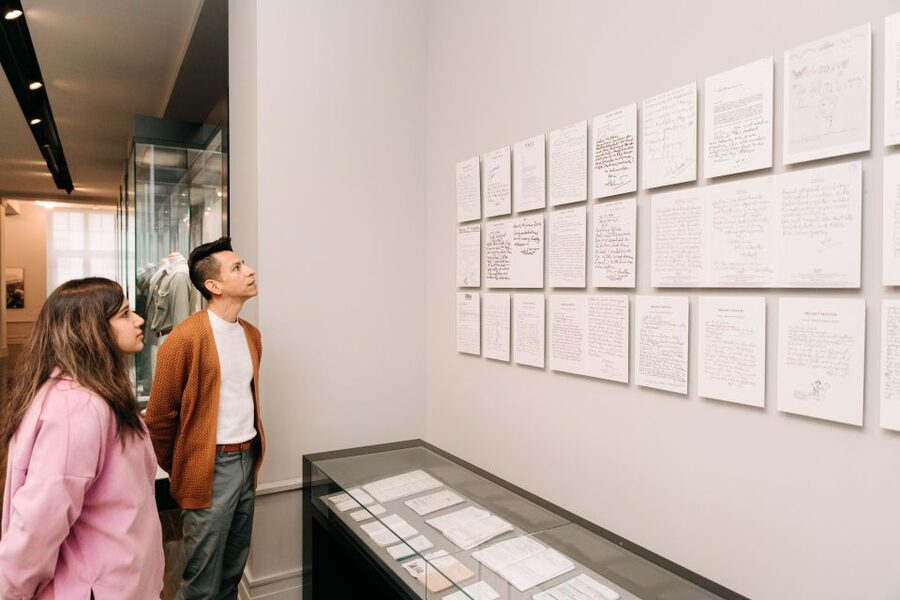
You start by going directly to the museum entrance. There is no separate meeting point, transport arrangement, or tour pickup. The activity also ends at the museum, so it is easy to combine with other plans in Berlin.
Pack lightly. Backpacks and oversized luggage are not allowed in the exhibition areas. Food and drinks are also prohibited inside. Heavy jackets, coats, and wet clothing may not be taken into the exhibitions because of conservation concerns.
This matters most in cold or rainy weather. Do not assume you can walk straight in with a large daypack and a wet coat. Plan to deal with bulky clothing and bags before entering the display rooms, and follow the museum staff’s instructions.
A medical or FFP2 mask is recommended but not required. The museum is wheelchair accessible, which makes the visit practical for many visitors with mobility needs.
Who will enjoy this museum most?
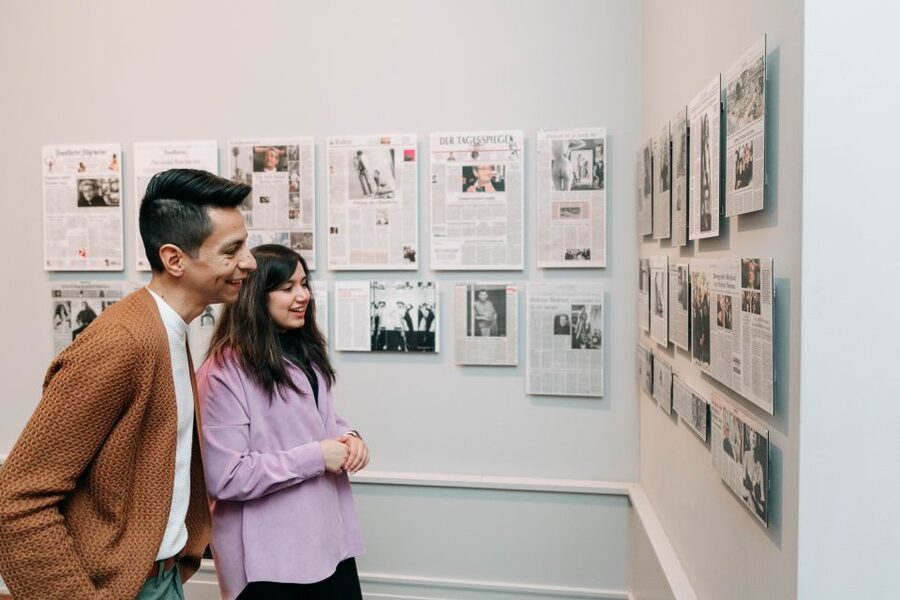
I would recommend this ticket to you if you have a real interest in photography, fashion, or the way images shape public life. The combination of broad historical holdings and a dedicated Helmut Newton exhibition gives the visit more range than a single-artist show.
It also suits visitors who like self-guided cultural stops. You can spend more time with early photographs, move quickly through technical material, or focus on fashion photography without following a group schedule.
The museum may be less suitable if you want an interactive attraction, a guided explanation, or a short visit built around one famous object. The information provided does not include a guide, audio tour, or structured commentary. You will need to read, look, and make your own connections.
Families should consider the Newton exhibition’s provocative fashion work. The museum’s wider collection may suit older children and teenagers interested in art or history, but the tone is not uniformly child-focused.
My practical plan for the visit
I would begin with the broader collection rather than rushing straight to Helmut Newton. The five sections give you a useful base: you see photography as archive, art, personal document, technical record, and postcard before reaching the more concentrated fashion display.
Next, I would give the Newton exhibition a proper block of time. Look beyond the famous images and pay attention to the cameras, art collection, Newton-mobile, and personal objects. Those items help explain how a photographer’s public work connects with his daily practice and interests.
Finish with the temporary exhibitions. This order lets you move from photography’s long development to one major photographer, then to current themes. If a temporary show is your priority, reverse the plan and go there first so you are not rushing near closing time.
Keep your belongings simple and avoid carrying food, drinks, backpacks, or oversized luggage. A light, dry outfit will make the entry rules easier. Since your ticket is valid for one day, check the available starting time and allow room for a slower visit if the collection catches your attention.
Should you book the Museum of Photography ticket?
Book it if you want a thoughtful, self-guided look at photography from its early years to the present, with a strong Helmut Newton section and changing exhibitions. At $14, it offers good value for anyone who will spend time with more than one part of the museum.
Think twice if you want a guide, a fast-moving attraction, or a museum built mainly for children. The visit asks you to bring your own curiosity and patience. For photographers, fashion fans, art students, and visitors who enjoy seeing both the machinery and meaning behind photographs, this is a solid Berlin stop.
FAQ
Where does the Museum of Photography experience begin?
You should go directly to the entrance of the museum. There is no separate meeting point listed.
How long is the ticket valid?
The ticket is valid for one day. Available starting times can be checked when you select your date.
What is included in the ticket price?
The entrance fee and booking fee are included.
Is the ticket refundable?
No. The activity has a non-refundable cancellation policy.
Is the museum wheelchair accessible?
Yes, the Museum of Photography is wheelchair accessible.
Can I bring a backpack into the exhibitions?
No. Backpacks and oversized luggage are not allowed in the exhibition areas.
Can I bring food or drinks?
No. Food and drinks are not allowed inside the exhibitions.
Are masks required at the museum?
A medical or FFP2 mask is recommended, but wearing one is not mandatory.
Just added in Berlin
- Private Walking Tour: Berlin Wall, Cold War and Checkpoint Charlie★ 5.0 · 37 reviews
- Modern Berlin Private Walking Tour: Diverse, Vibrant and Exciting German Capital★ 5.0 · 13 reviews
- Private One way Airport Transfer Berlin Airport To Berlin★ 3.5 · 17 reviews
- Private Day Trip to Potsdam from Berlin by Train★ 4.5 · 27 reviews
- City Explorer: Potsdam Private Day Trip★ 4.5 · 10 reviews
- Berlin Private Custom 5-Hour Tour by Car★ 5.0 · 30 reviews
- Private Half-Day Sightseeing Tour in Berlin★ 3.5 · 6 reviews
- Berlin Private Custom Tour in a Minivan, East and West★ 5.0 · 123 reviews
Museums, compared.
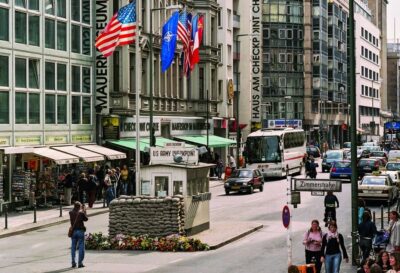
Skip-the-Line: Berlin Wall Museum at Checkpoint Charlie
Read our review →
Browse the lists this tour appears in