
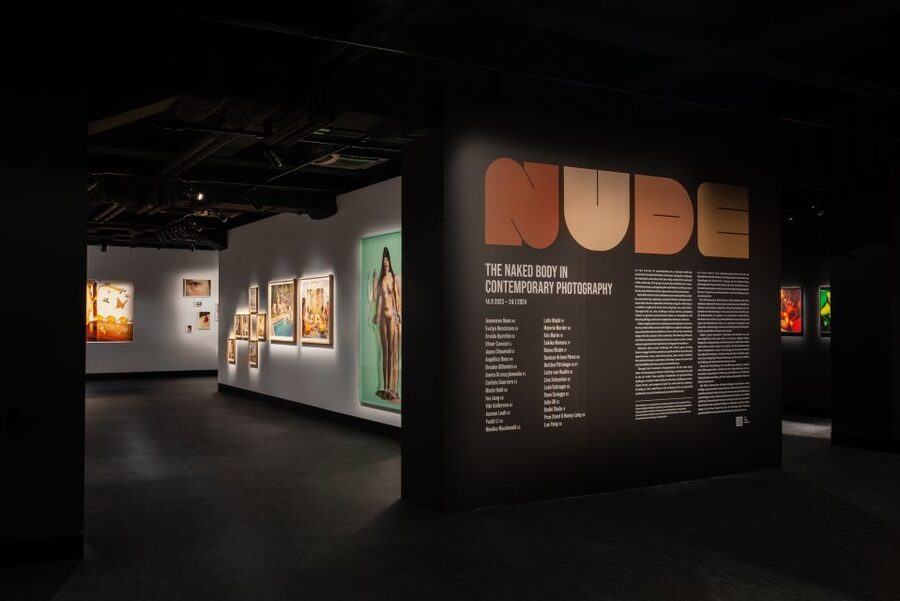
Reviewed · MUSEUMS
Berlin: Fotografiska Photography Exhibition Ticket
Fotografiska Berlin turns a museum visit into an evening out. You move through several floors of contemporary photography inside a former artists’ house, with preserved graffiti, bars, terraces, and a shop adding plenty to see beyond the framed images. The late hours, from 10 am to 11 pm, make it easy to fit around a full day in Berlin.
I especially like two things here: you may carry a drink through the exhibitions, and the building itself has enough character to compete with the art. I also like the freedom to browse at your own pace, then stop for food, a terrace drink, or Berlin-made design without changing venues.
The main consideration is size. At $17, the ticket is fair for several current exhibitions and a flexible two-hour visit, but Fotografiska may feel smaller than you expect if you are picturing a huge national museum. One January visitor found it a little smaller than expected, though still worth the price.
Key points to know before you go
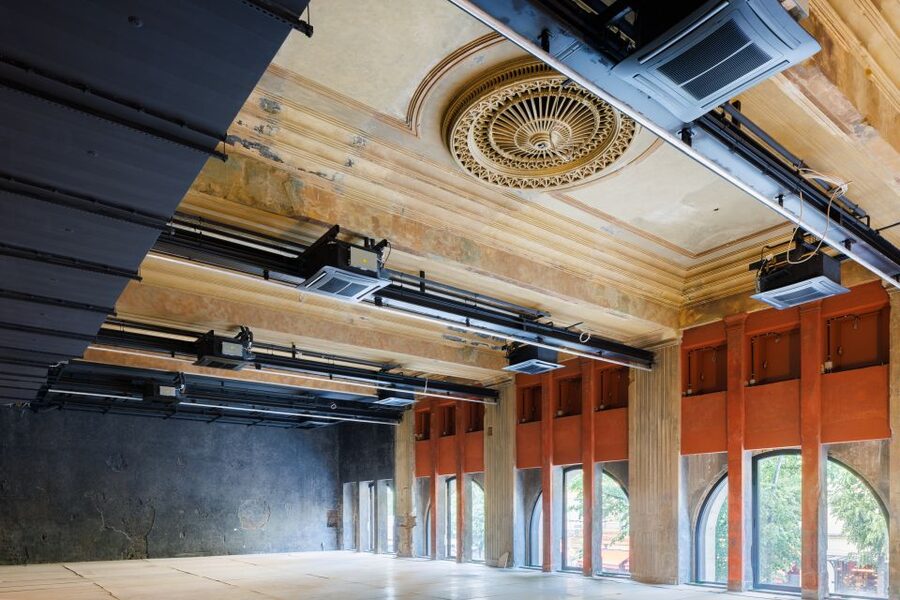
- Four current exhibitions can share one visit: Your ticket covers all current Fotografiska Berlin exhibitions, including shows by James Nachtwey, Shepard Fairey, Diana Markosian, and Nikita Teryoshin during the listed 2026 program.
- The building is part of the attraction: Original facades and preserved graffiti in the stairwell reveal the site’s past as an artists’ house.
- Late opening changes your planning options: You can visit after dinner or use Fotografiska as an after-work stop, since it stays open until 11 pm.
- Drinks are allowed in the galleries: You do not need to finish a drink before returning to the photographs.
- Families and dog owners have extra flexibility: Children and dogs are welcome, and the museum is wheelchair accessible.
- The $17 ticket favors a relaxed visit: It makes the most sense if you plan to see several exhibitions and spend time with the building, shop, bars, or terraces.
Entering Fotografiska’s former artists’ house
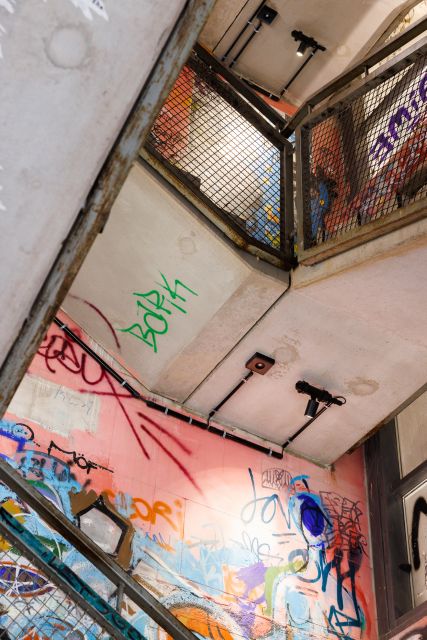
Your visit begins at the ticket desk. Show your ticket there for entry, then take time to look around before heading straight to the exhibition floors. Fotografiska occupies a building with more than 115 years of history, and its former artists’ house character is visible in the architecture.
The preserved graffiti in the stairwell is one of the most distinctive details. It gives the building a rough Berlin edge that polished gallery spaces often lack. Original facades add another layer, so the walk between exhibitions becomes part of the visit rather than a plain route from one room to another.
I would allow a few minutes for this transition. If you hurry upstairs, you may miss the small visual clues that explain why Fotografiska feels different from a standard white-walled museum.
The space is designed for an informal visit. You can come for a serious look at photography, but you can also treat it as a cultural stop with a drink, a meal, and a browse through local design. That relaxed setup is useful in Berlin, where a packed sightseeing day can make a quiet museum with no rigid schedule especially welcome.
Other shoots and photo walks in Berlin:
- Berlin Museum of Photography Entry Ticket
★ 4.5 · 88 reviews - 5hours: Guide, Chauffeur & Photographer in Berlin private Tour
★ 5.0 · 66 reviews - BERLIN PHOTO TOUR with a professional Photographer from Berlin
★ 5.0 · 44 reviews
What the $17 ticket covers
The admission price is $17 per person. It includes entry to all current Fotografiska Berlin exhibitions, not just one featured show. That is the key value point.
If you spend only 30 minutes looking at a single display, the price may feel less appealing. If you stay for close to two hours and see several floors, the calculation improves. You also have the option to extend the visit with the bars, restaurant, terraces, or shop, although food and drinks cost extra.
The ticket does not include hotel pickup, drop-off, food, or drinks. You simply make your own way to the museum and show the ticket at the desk. There is no need to build a separate transport plan into the booking details provided here.
The flexible schedule helps protect the value. You do not have to reserve a narrow museum slot. Open hours run from 10 am to 11 pm every day, so you can use the ticket for a morning cultural stop, a mid-afternoon break, or a late evening visit.
Free cancellation is available up to 24 hours before the visit, and you can reserve now and pay later. Those options matter if you are arranging several Berlin activities and do not yet know exactly which evening will work best.
Four exhibitions, four different photographic moods
The program changes, so check the dates carefully before booking. The listed 2026 schedule gives you a good sense of the range of work Fotografiska presents.
James Nachtwey: Memoria runs from January 31 to May 3, 2026. Nachtwey is known for serious documentary photography, so this exhibition is likely to ask more of you than a quick visual browse. Give it time and expect a thoughtful, possibly difficult look at memory and human experience.
Shepard Fairey: Photo Synthesis runs from October 17, 2025 to March 8, 2026. Fairey’s work connects photography with graphic art and public visual culture. This show should appeal if you like bold images, design, and the link between gallery work and street art.
Diana Markosian: Father runs from November 21, 2025 to April 19, 2026. The title points toward a personal and family-centered body of work. It offers a different pace from more public or political photography, with room for reflection and emotional detail.
Nikita Teryoshin: Life Sentence runs from January 21 to March 23, 2026. This exhibition adds another contemporary voice to the program and helps make the visit more varied than a single-artist presentation.
The upcoming schedule continues the mix. Anna Ehrenstein’s The Language of the Soil runs from March 13 to June 12, 2026. Bruce Gilden’s Why These? runs from April 24 to August 23, 2026. Anton Corbijn’s Corbijn, Anton runs from May 9 to September 20, 2026, followed by The Anonymous Project by Lee Shulman, No Place Like Home, from June 20 to November 1, 2026.
Because the exhibitions overlap, you may find several different approaches in one visit. That is useful if one show does not suit your taste. It also means you should not assume a return visit will feel the same, since the program changes over time.
A two-hour visit that does not feel rushed
The suggested duration is two hours, which is a sensible target. I would begin with the exhibition floors, then use the final part of the visit for the building, shop, or food and drink.
Your exact route will depend on the current displays. Start by getting an overview of the floors, then choose where to spend more time. Photography exhibitions can reward a slower pace, especially when works are staged with lighting, sound, spacing, or other atmospheric touches.
You are invited to reflect and engage with the work rather than simply tick off rooms. That makes the visit less about counting photographs and more about noticing how each exhibition is presented.
Drinks are allowed in the exhibitions. This is a small rule with a large practical effect. You can pick up a drink and continue through the galleries instead of choosing between refreshment and art. It also gives the museum a social feel that suits an evening visit.
Still, do not confuse relaxed rules with a casual display. The work is contemporary and may cover serious themes. I would bring the same courtesy you use in any art space, especially if you are visiting with children or a dog.
Other museums and galleries in Berlin:
- Berlin: Jewish Museum Berlin Entrance Ticket
★ 4.5 · 8,393 reviews - Berlin: Natural History Museum Entrance Ticket
★ 4.6 · 3,382 reviews - Berlin: Neues Museum Entry Ticket
★ 4.6 · 3,261 reviews - Skip-the-Line: Berlin Wall Museum at Checkpoint Charlie
★ 4.1 · 2,041 reviews
Street art, stairwell details, and a guided option
Fotografiska offers a guided tour focused on the building’s street art heritage and unusual past. The supplied information does not name a guide or confirm that the guided tour is included with the standard exhibition ticket, so check the details if that format is important to you.
The tour could be a good choice if you want more context than the photographs alone provide. The stairwell graffiti and former artists’ house are not random decoration. They help explain the building’s connection to Berlin’s creative life.
If you visit independently, you can still see the preserved graffiti and original architectural details. You simply will not have a guide explaining the site in person. For a first visit, I would pause in the stairwell and look closely before moving on, since this is one of the most specific features of Fotografiska Berlin.
Terraces, bars, and the Berlin-made shop
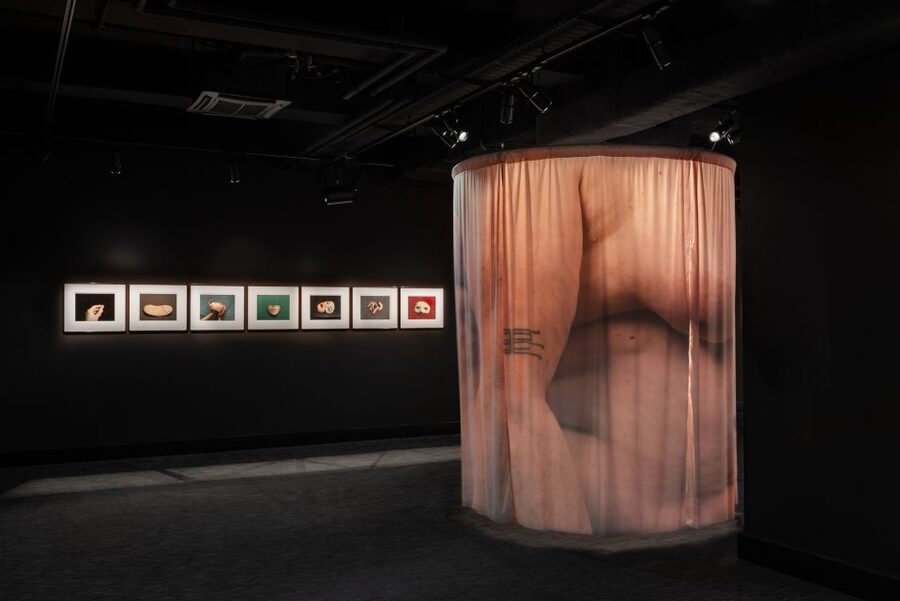
The cultural visit does not end when you leave the last gallery. Fotografiska has in-house bars and a restaurant, with choices described as ranging from casual to more sophisticated. Drinks are available on hidden terraces overlooking Berlin, giving you a reason to linger after the exhibition.
Food and drinks are not included in the $17 price. That is normal for a museum with a restaurant, but keep it in mind when comparing the total cost of an evening here. You are paying for admission first, then deciding how much extra to spend.
The concept store is open from 10 am to 11 pm, matching the museum’s long hours. It sells art prints, design items, and fashion from Berlin-based labels. This is more useful than a generic souvenir shop if you want something connected to the city’s creative scene.
You might find a print that gives you a lasting reminder of an exhibition, or a local design item that feels more personal than a standard postcard. I would browse the shop even if you do not plan to buy anything. It provides another look at how Berlin artists and brands interpret photography, fashion, and visual culture.
Bringing children, dogs, and mobility needs
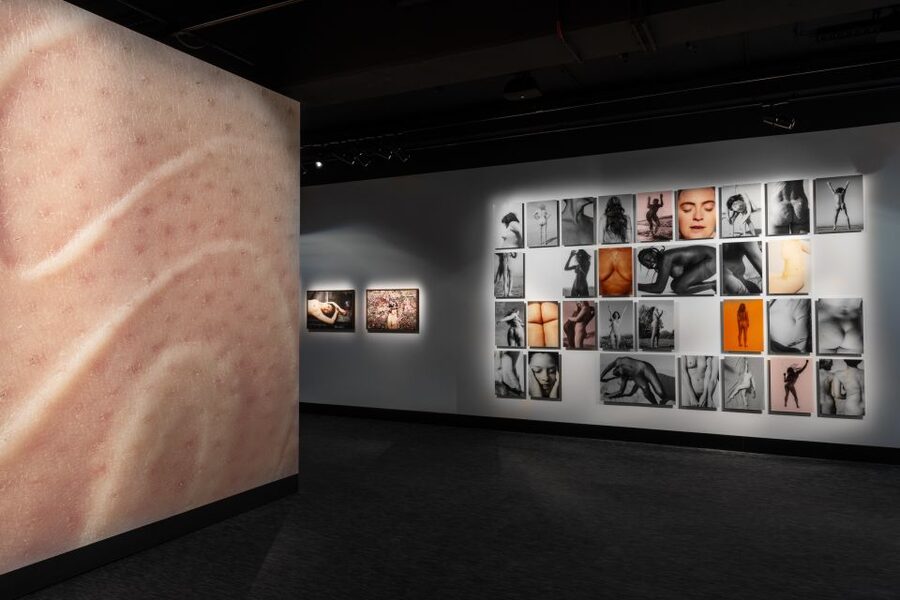
Children are welcome, which makes Fotografiska easier to include in a family day. The relaxed atmosphere and drinks policy can make the visit less formal, but the exhibitions may still include serious or challenging themes. Parents should use their own judgment about which shows suit younger children.
Dogs are also allowed in the museum. That is unusual enough to shape your planning. If you are traveling with a dog, you do not automatically need to split up or skip the visit, though you should keep the animal under control and respect other people in the galleries.
The museum is wheelchair accessible. That makes the visit more practical for people who need step-free access, though the supplied information does not give further details about lifts, restrooms, or gallery layouts. If you need a specific access arrangement, confirm it before arrival.
Oversize luggage is not allowed. Travel light, especially if you are visiting between hotel checkout and a later departure. A normal small bag is a safer choice than arriving with a large suitcase.
When to visit Fotografiska Berlin
The long opening hours are one of the strongest reasons to choose this experience. You can visit from 10 am to 11 pm every day, so Fotografiska works around your schedule instead of forcing your schedule around the museum.
A morning visit should suit you if you want a quiet cultural start. An afternoon visit can provide a break from sightseeing, while a late visit pairs naturally with drinks or a meal. The after-work option is especially practical if you are staying in Berlin for several days and want to avoid using prime daytime hours.
A two-hour stay is enough for a meaningful visit, but the building and dining options make it easy to stay longer. I would not rush through every photograph simply to claim you saw all the exhibitions. Choose the displays that interest you and allow extra time for the architecture.
The program dates matter more than the exact hour. If you have a strong interest in Nachtwey, Fairey, Markosian, Teryoshin, or one of the upcoming artists, check that the exhibition will be open during your visit. The listed shows overlap, but none runs forever.
Who will get the most from this ticket
I would recommend Fotografiska Berlin to you if you enjoy contemporary photography but prefer a social, flexible setting over a formal museum routine. It also fits well if you like art, design, street art, and food in one stop.
Families may appreciate the child-friendly policy. Dog owners gain unusual flexibility. Couples and solo visitors can use the museum as either a focused art visit or a relaxed evening with a terrace drink afterward.
This is less ideal if you want a vast national collection, a traditional art-history survey, or a full-day museum experience. The January experience described it as smaller than expected, and that is a useful warning. You will likely find changing exhibitions with strong staging, not endless galleries.
The price works best when you see more than one exhibition and take advantage of the full setting. At $17, I consider it reasonable for a two-hour visit with several current shows, especially when late opening hours let you fit it into a busy Berlin itinerary.
Should you book Fotografiska Berlin?
Book it if you want a flexible contemporary art stop with late hours, changing exhibitions, a characterful building, and the option to eat or drink on site. The combination of photography, preserved graffiti, local design, and informal rules gives the visit more variety than a basic gallery ticket.
Skip it if your main goal is a huge museum or a tightly structured guided tour. The standard admission is primarily for the exhibitions, and the guided street art and building tour may need separate confirmation.
For most visitors, I would plan two hours, check which shows are running, and go at a time that suits your day. The 4.6 rating from 168 bookings, along with the strong sense that the experience is worth its price, supports booking, but keep the smaller scale in mind. Fotografiska is best enjoyed as a well-made cultural evening, not as an all-day museum marathon.
FAQ
Where is Fotografiska Berlin located?
Fotografiska Berlin is in Berlin, Germany. The exact street address is not provided in the activity information.
How much does admission cost?
The listed price is $17 per person.
How long should I allow for the visit?
The stated duration is two hours. You may stay longer if you use the bars, restaurant, terraces, or shop.
What does the ticket include?
The ticket includes entry to all current Fotografiska Berlin exhibitions.
Are food and drinks included?
No. Food and drinks are not included in the admission price.
Can I bring a drink into the exhibitions?
Yes. Fotografiska allows you to enjoy a drink while walking through the exhibitions.
What are the opening hours?
Fotografiska Berlin is open every day from 10 am to 11 pm.
Are children and dogs allowed?
Yes. Children and dogs are welcome at the museum.
Is Fotografiska Berlin wheelchair accessible?
Yes. The museum is wheelchair accessible. Oversize luggage is not allowed.
Just added in Berlin
- Private One way Airport Transfer Berlin Airport To Berlin★ 3.5 · 17 reviews
- Private Walking Tour: Berlin Wall, Cold War and Checkpoint Charlie★ 5.0 · 37 reviews
- Modern Berlin Private Walking Tour: Diverse, Vibrant and Exciting German Capital★ 5.0 · 13 reviews
- Private Day Trip to Potsdam from Berlin by Train★ 4.5 · 27 reviews
- City Explorer: Potsdam Private Day Trip★ 4.5 · 10 reviews
- Berlin Private Custom 5-Hour Tour by Car★ 5.0 · 30 reviews
- Private Half-Day Sightseeing Tour in Berlin★ 3.5 · 6 reviews
- Berlin Private Custom Tour in a Minivan, East and West★ 5.0 · 123 reviews
Museums, compared.
Skip-the-Line: Berlin Wall Museum at Checkpoint Charlie
Read our review →
Browse the lists this tour appears in