
Reviewed · WALKING TOURS
Berlin: Kreuzberg Guided Walking Evening Tour
Kreuzberg reveals itself best after dark, when Kottbusser Tor, Oranienstraße, and the cafés around SO36 take on a very different mood. This two-hour walk follows the district’s rough-edged past from its 19th-century roots to punk clubs, street protests, and one unsettling murder tale.
I like the strong local focus and the way the route links buildings and streets to real events. I also like the chance to hear guides such as Stefan and Kevin explain Kreuzberg with clear personal feeling, rather than giving you a dry list of dates.
The main drawback is that this is a story-led neighborhood walk, not a classic sightseeing tour with grand monuments. Expect urban streets, photo stops, and plenty of walking, with the evening setting adding atmosphere but also making comfortable shoes and suitable clothing especially important.
Key points to know before you book
- Kotti begins the story: Start at Kottbusser Tor, the district’s busy center, and get an introduction to Kreuzberg’s character.
- Oranienstraße connects past and present: Follow the street through a densely settled 19th-century area shaped by working-class life and later social change.
- SO36 brings the punk chapter to life: Hear how anarchist punk and new wave bands challenged both official authority and the police in the 1970s and 1980s.
- Görlitzer Park adds a darker tale: The walk includes the story of Berlin’s own Jack the Ripper.
- The evening timing matters: Bars and cafés are active, giving you a feel for Kreuzberg as a lived-in neighborhood rather than a museum district.
- Private and small-group formats are available: That can make it easier to ask questions, especially on a route built around stories.
Why Kreuzberg works so well after dark
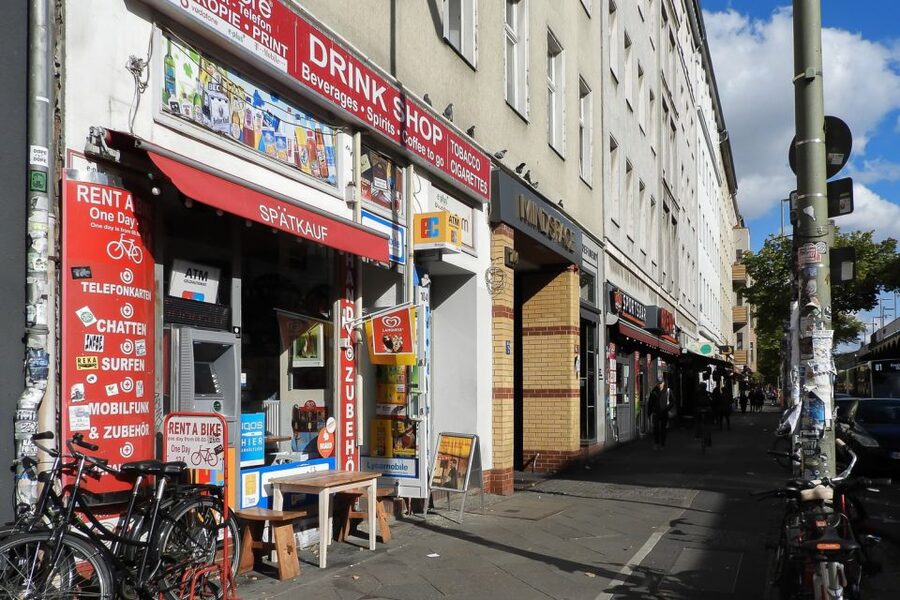
Kreuzberg is not a district you understand from a quick photo stop. Its appeal comes from the collision of eras: 19th-century urban growth, immigrant communities, political protest, punk music, squats, nightlife, and constant change.
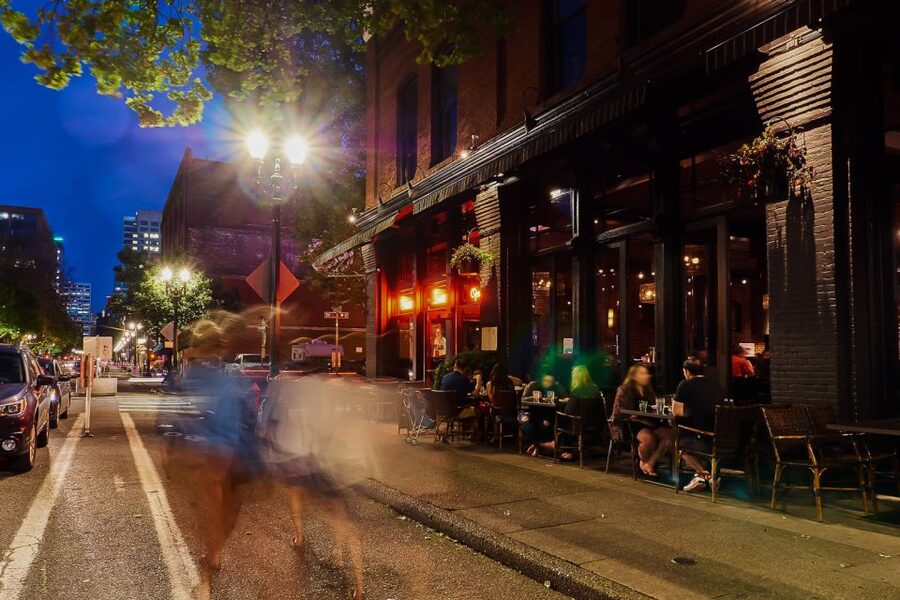
The evening timing helps. As daylight fades, the neighborhood’s bars and cafés fill up, and the route feels connected to everyday Berlin life. You are not simply looking at old buildings. You are walking through streets that still function as meeting places, nightlife zones, and political stages.
That said, the mood will depend on the evening. You might find the crowds and street activity exciting, or you might prefer a quieter daytime walk. The tour is best for you if you want social and cultural context, not just polished architecture.
The guide is central to the experience. The strongest feedback points to guides who make the district easy to understand and keep the walk moving. Stefan is specifically praised for bringing Kreuzberg’s special character to life, while Kevin is described as making the tour informative and entertaining. Guide assignments can vary, so you should not assume you will have either one.
Other walks around Berlin:
- Discover Berlin Half-Day Walking Tour
★ 5.0 · 9,624 reviews - Berlin: Third Reich and Cold War 2 Hour Walking Tour
★ 4.9 · 6,830 reviews - Berlin: Discover Berlin Walking Tour
★ 4.9 · 5,998 reviews
Starting at Kotti, Kreuzberg’s noisy center
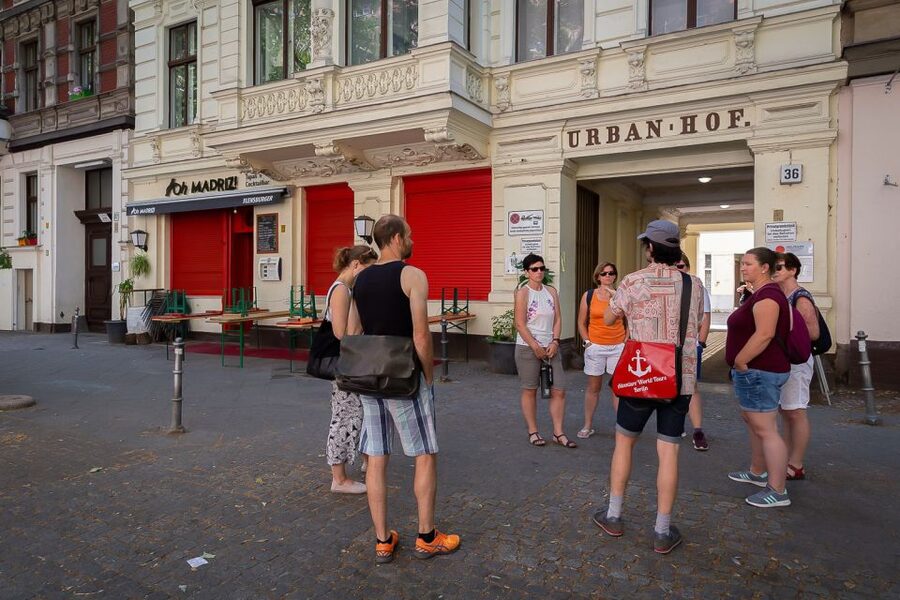
The walk begins at Kottbusser Tor, often shortened to Kotti. Depending on your booking option, the exact meeting point may be at FightClub Casino or Cems Burgerhouse, so check the details before setting out.
Kotti gives your guide a useful place to explain the district. It is a major reference point in Kreuzberg, and the introduction covers the area’s life, culture, and past before you head into the smaller streets. This opening matters because Kreuzberg can seem chaotic if you only see it from the outside. A short orientation helps you read the neighborhood as more than traffic, signs, shops, and people on the move.
You should expect a guided walk rather than a formal monument visit here. The stop is primarily about getting your bearings and understanding why this part of Kreuzberg is so important. It is also a practical reminder to listen closely at the start, since later streets make more sense once you know the basic story.
Oranienstraße and the district’s 19th-century roots
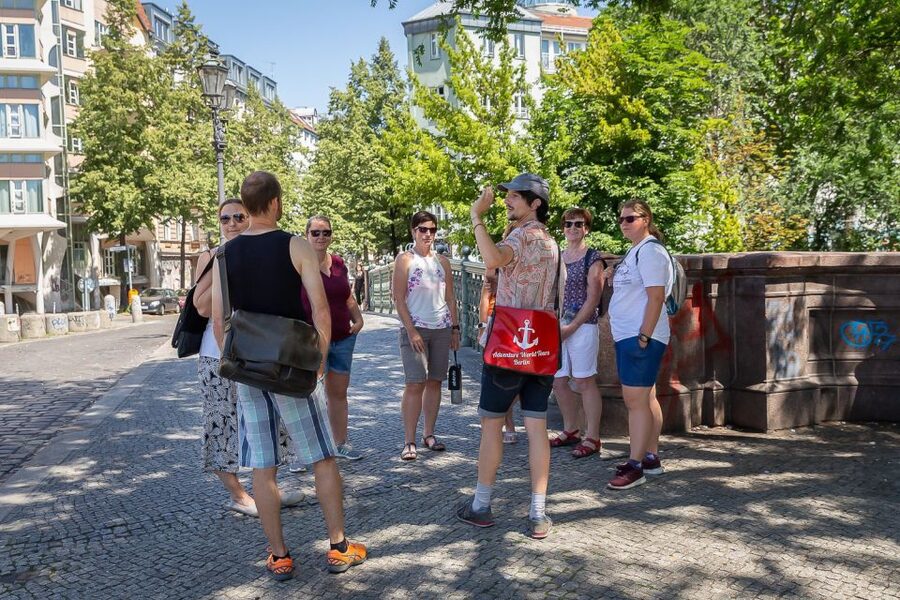
From Kotti, the route follows Oranienstraße, with stops at numbers 24 and 190. Each section includes a photo stop, explanation from the guide, and time on foot.
This is where the tour traces Kreuzberg back to the 19th century, when the district became densely populated. The point is not simply to admire façades. You learn how a crowded urban district formed and how that past still helps explain the area’s tight streets and strong local identity.
The route also turns toward Kreuzberg’s rebellious side. One of the stories concerns what is described as the mother of all street fights. You are not just hearing that unrest happened. The guide places the event within the district’s wider pattern of protest and resistance.
I like this part because it gives the neighborhood a human scale. Instead of treating Kreuzberg as a trendy address, the walk presents it as a place shaped by pressure, conflict, and people pushing back. You should also keep your expectations realistic: these are mainly street-level stops, so the value comes from the explanation rather than a dramatic attraction at each address.
Mariannenstraße and the route’s political edge
A stop at Mariannenstraße 15 continues the story of Kreuzberg’s social and political character. The schedule allows about ten minutes here, which suggests a focused explanation rather than a long visit inside a building.
This is a good example of how the tour works. It uses ordinary addresses as markers for major moments and changing attitudes. You may pass the spot quickly, but the guide’s account gives it meaning. The route is designed for people who want to understand how a district develops its reputation and why certain streets become linked with protest.
If you enjoy asking questions, this is where a private or small group can help. The tour is offered in those formats, and the intimate setup gives you a better chance to pause and ask how the events connect with the larger story of Berlin.
Other trips that run after dark in Berlin:
- Berlin: Solar Powered Sunset Catamaran Cruise & Audio Guide
★ 4.6 · 1,043 reviews - Berlin: Live-Guided Evening Sightseeing Tour by Open-top Bus
★ 4.1 · 783 reviews - Berlin: Bus Tour by Night with Live Commentary
★ 4.2 · 687 reviews - Berlin: 2.5-Hour Beer & Sunset Sightseeing Boat Cruise
★ 4.6 · 61 reviews
Lausitzer Platz and the road to SO36
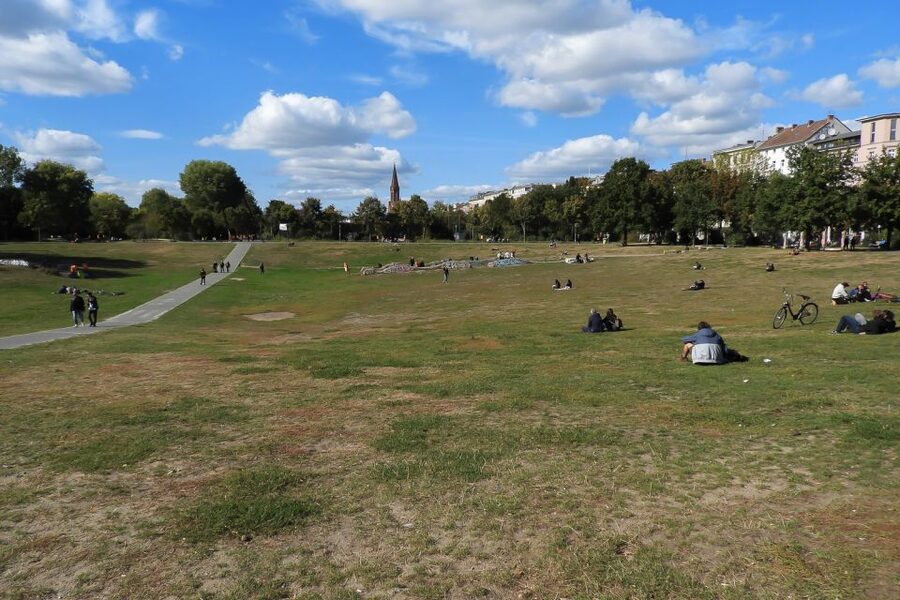
At Lausitzer Platz 8A, the walk continues through the neighborhood before reaching SO36. The stop at SO36 is one of the tour’s clearest cultural highlights.
SO36 is a legendary music club linked with anarchist punk and new wave bands in the 1970s and 1980s. The guide explains how performances and local culture could provoke the government and police. This is more interesting than a simple music-history stop because it shows how a club can become part of a district’s political identity.
You may not get a concert or an inside visit, so think of SO36 as a place of explanation and atmosphere. The value lies in learning why the venue mattered and how music, protest, and authority collided in Kreuzberg.
I especially like this section for visitors who already know Berlin for its clubs but want more context. It puts nightlife into a social story. You see that Kreuzberg’s evening energy did not appear from nowhere. It grew from decades of creative activity, conflict, and people using culture to challenge accepted rules.
Görlitzer Park and the Jack the Ripper story
The route then reaches Görlitzer Park, with around twenty minutes set aside for a guided visit and photo stop. This is a substantial part of the walk, and the change from streets to open parkland gives the evening a different rhythm.
Here you hear the story of Berlin’s own Jack the Ripper. The subject adds a darker note to the tour and gives you one of its most memorable stories. The supplied information does not provide the full case details, so you should expect the guide to tell the tale rather than a formal museum-style presentation.
Görlitzer Park is also useful as a place to pause. After the denser streets and political stories, the park gives the group room to move and listen. It is still an urban setting, not a landscaped attraction, and the atmosphere can vary by evening. If you want a neatly packaged sightseeing experience, this may feel loose. If you enjoy local tales tied to real places, it should be a strong part of the route.
The Pamukkale Fountain ruins and a final stretch through Kreuzberg
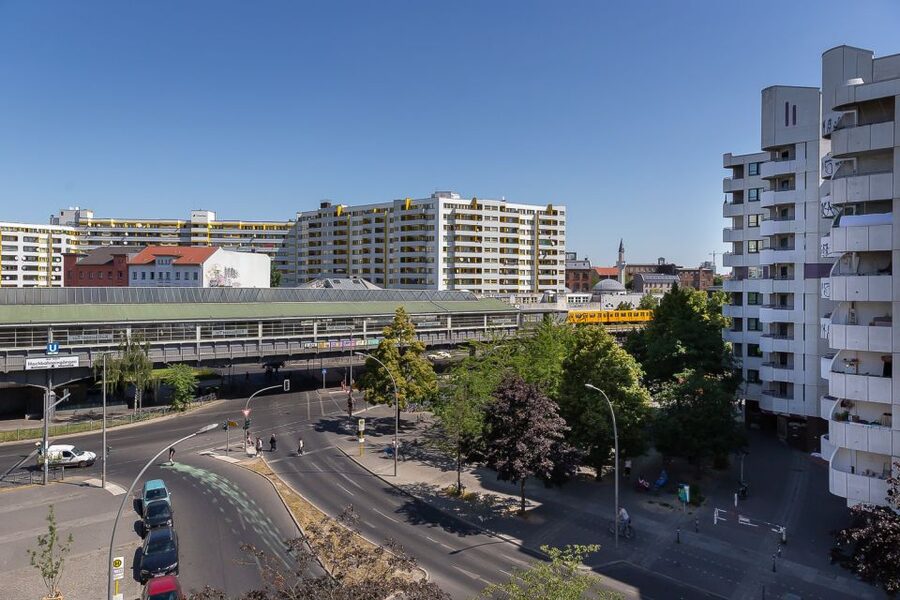
The walk continues to the ruins of the Pamukkale Fountain, where the guide spends about ten minutes. This stop adds another visual landmark to a tour that otherwise relies heavily on streets and stories.
The ruins work as a reminder that Kreuzberg is not only defined by nightlife and protest. Its public spaces also carry traces of past projects and changing city plans. You will have time for a photo and a short explanation before moving on.
The final stops are at Oppelner Straße 3 and Bevernstraße 6. Oppelner Straße receives about fifteen minutes, while Bevernstraße includes around ten minutes of guided sightseeing and free time. The walk ends at Bevernstraße 6.
That ending is practical. You finish in the neighborhood rather than returning to the starting point, so you can continue your evening nearby. You should plan your next move in advance if you have a dinner booking or a fixed appointment elsewhere. The route does not finish where it starts.
How much walking and time you should expect
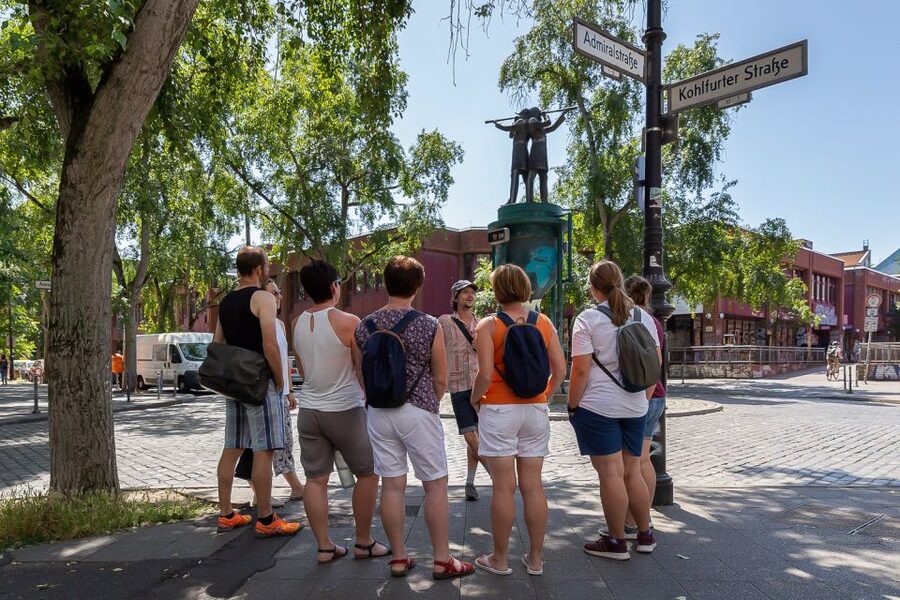
The advertised duration is two hours, though one recent booking describes a 2.5-hour experience for a group of three. That extra time may reflect the pace of the group or the amount of discussion, but you should plan for at least two hours and avoid scheduling something immediately afterward.
The route includes several walking sections of about ten to twenty minutes. You will move between Kotti, Oranienstraße, Mariannenstraße, Lausitzer Platz, Görlitzer Park, the Pamukkale Fountain ruins, Oppelner Straße, and Bevernstraße.
Bring comfortable shoes. This advice is not filler. The tour is entirely on foot, and the value comes from moving through the district instead of staying in one location. Wear clothing suited to the weather, since the activity takes place outdoors in the evening.
The guides speak German and English. Private and small-group options are available, which may be worth considering if you care about questions and conversation more than the lowest possible price.
What the 27 dollar price really buys you
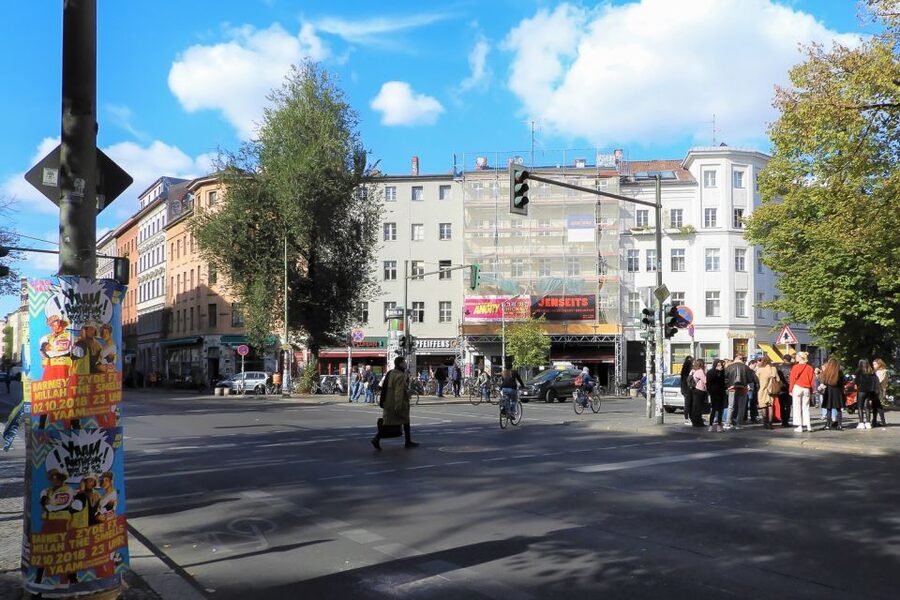
At $27 per person, this is a moderate price for a two-hour guided walk in Berlin. You are paying for a live guide and a carefully connected route, not entry to a club, museum, or attraction.
The value is strongest if you want interpretation. A self-guided walk could take you to the same streets, but it would not easily explain the links between 19th-century growth, street conflict, punk culture, police pressure, and the darker story at Görlitzer Park. The guide turns separate addresses into one narrative.
The price is less compelling if you mainly want famous sights or architectural highlights. This is not a tour of Berlin’s major landmarks, and there is no promise of interior access at SO36 or other stops. You should book it for the context, local stories, and neighborhood mood.
The option to reserve now and pay later gives you some flexibility, and cancellation is available up to 24 hours before the tour for a full refund. Those terms reduce the risk if your Berlin plans are still shifting.
Who will enjoy this evening walk most
I would recommend this tour to you if you like city neighborhoods more than postcard sights. It suits visitors who want to hear how a district changed, why its reputation developed, and how music and protest shaped local identity.
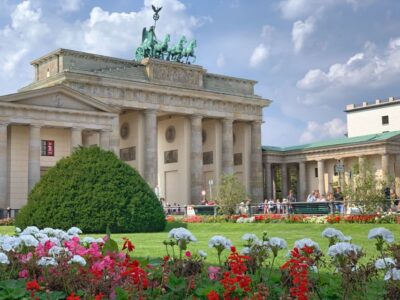
It is also a good fit for repeat visitors to Berlin. If you have already seen the Brandenburg Gate, Museum Island, and the main central sights, Kreuzberg gives you a different side of the city.
History fans should enjoy the 19th-century background and the stories of conflict. Music fans will find the SO36 section especially useful. Anyone drawn to crime stories gets an additional hook at Görlitzer Park.
Families with young children may find parts of the subject matter too political or dark, depending on the guide’s presentation. The tour also requires steady walking and attention, so it is not designed as a relaxed café crawl.
Practical details that affect your decision
Check the meeting location carefully because it can vary by booking option. The listed starting choices are FightClub Casino and Cems Burgerhouse.
The tour is offered in English and German. Since the story carries much of the experience, choose the language in which you will best follow details and ask questions.
A private or small-group booking should suit you if you want a slower pace or more conversation. A larger group may still work well, but you may have less time to ask about every street and story.
The evening setting is part of the appeal, but it also means weather matters. Bring suitable clothing, wear shoes made for walking, and keep your schedule flexible enough to enjoy the final stop at Bevernstraße without rushing.
Should you book the Kreuzberg evening tour?
Book it if you want a thoughtful, story-driven look at one of Berlin’s most distinctive districts. The strongest reasons are the route through Kotti and Oranienstraße, the SO36 punk chapter, the tale connected with Görlitzer Park, and guides such as Stefan and Kevin who are praised for making the material clear and engaging.
Skip it if your priority is grand architecture, indoor attractions, or a tour with no focus on protest, nightlife, and darker local stories. At $27, it offers good value when you want context and conversation. It offers less value if you only want photographs.
For most curious visitors, I would choose the small-group or private option if available. Kreuzberg rewards questions, and a good guide can make an ordinary street corner feel like an important piece of Berlin.
FAQ
How long does the Kreuzberg evening tour last?
The advertised duration is two hours. One booking describes a 2.5-hour experience, so allow a little extra time if you want to avoid a tight schedule afterward.
What languages are available?
The tour is offered in English and German with a live guide.
Where does the tour begin?
The meeting point varies by option booked. The listed starting choices are FightClub Casino and Cems Burgerhouse.
Where does the tour finish?
The tour finishes at Bevernstraße 6.
Is the tour private or shared?
Private and small-group options are available.
What places are included on the route?
The route includes Kottbusser Tor, Oranienstraße, Mariannenstraße, Lausitzer Platz, SO36, Görlitzer Park, the ruins of the Pamukkale Fountain, Oppelner Straße, and Bevernstraße.
What should I bring?
Bring comfortable shoes and clothing suitable for the weather.
Does the tour include entry to attractions?
The included services are the walking tour and tour guide. The information provided does not include admission to clubs, museums, or other attractions.
Can I cancel for a full refund?
Yes. You can cancel up to 24 hours in advance for a full refund. You can also reserve now and pay later.
Just added in Berlin
- Berlin: Energizing 2-Hour Morning Segway Tour★ 4.7 · 35 reviews
- Berlin: Thrilling E-Scooter Adventure Tour★ 4.4 · 66 reviews
- Beelitz-Heilstätten: Baum&Zeit Tree Top Walk Entry Ticket★ 4.9 · 7 reviews
- Beer Bike & Party Bike: Unforgettable Berlin City Tour incl. pickup★ 5.0 · 5 reviews
- AXE THROWING EXPERIENCE IN BERLIN★ 4.7 · 24 reviews
- Alternative Berlin / Street art tour – Private group★ 5.0 · 6 reviews
- Berlin: Alternative & Street Art Tour★ 4.5 · 6 reviews
- Berlin: 2.5-Hour Beer & Sunset Sightseeing Boat Cruise★ 4.6 · 61 reviews
Walking Tours, compared.

Third Reich Berlin: Hitler and WWII Walking Tour
Read our review →
Browse the lists this tour appears in