Reviewed · WALKING TOURS
Berlin: Gay Berlin Out in Schöneberg Walking Tour
Berlin’s Schöneberg is more than a nightlife district. It was a major center of queer life in the 1920s, home to clubs, cafés, writers, activists, and a public gay culture that was unusual for its time. This walking tour follows that story through streets around Nollendorfplatz, from the movement’s early hopes to Nazi persecution, postwar silence, and the neighborhood’s return as West Berlin’s gay quarter.
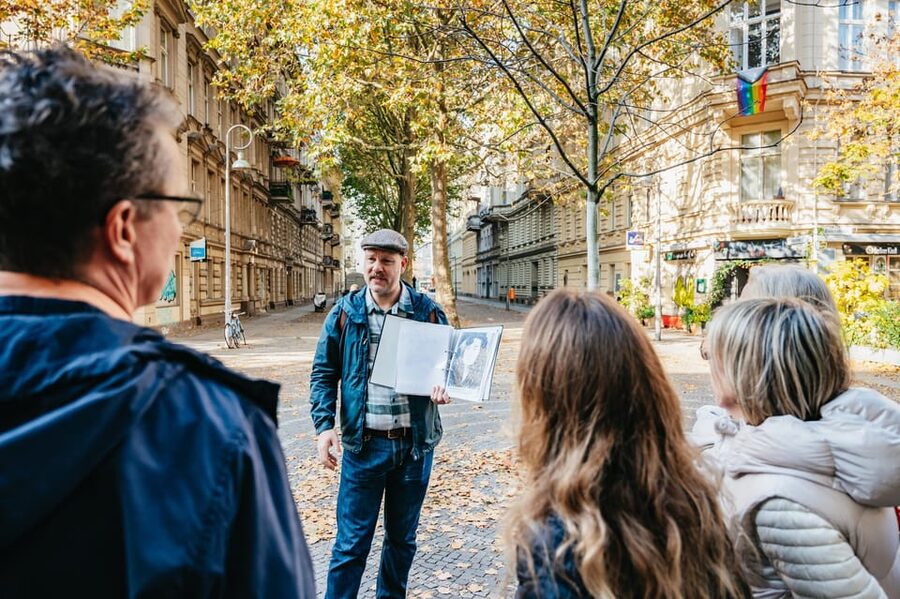
I like two things here. Tobias brings the past to life with archive photos, personal stories, and sharp humor, and the route includes both famous names and less obvious lesbian, trans, intersex, and gender-nonconforming stories. I also like the price: $23 for two and a half hours is strong value if queer history matters to you. The main drawback is simple: this is an outdoor walking tour, so cold, rain, or snow can affect your comfort.
Key points to know before you book
- The tour centers on Nollendorfplatz and Schöneberg, Berlin’s best-known historic gay neighborhood.
- You visit the former sites of the Nationalhof, Hollandais, Kleist Casino, and El Dorado, with context about the people who used them.
- Christopher Isherwood’s former home on Nollendorfstraße connects the streets to literature and the Gay Liberation movement.
- The route covers both gay and lesbian history, including the lesbian quarter on Schwerin Straße.
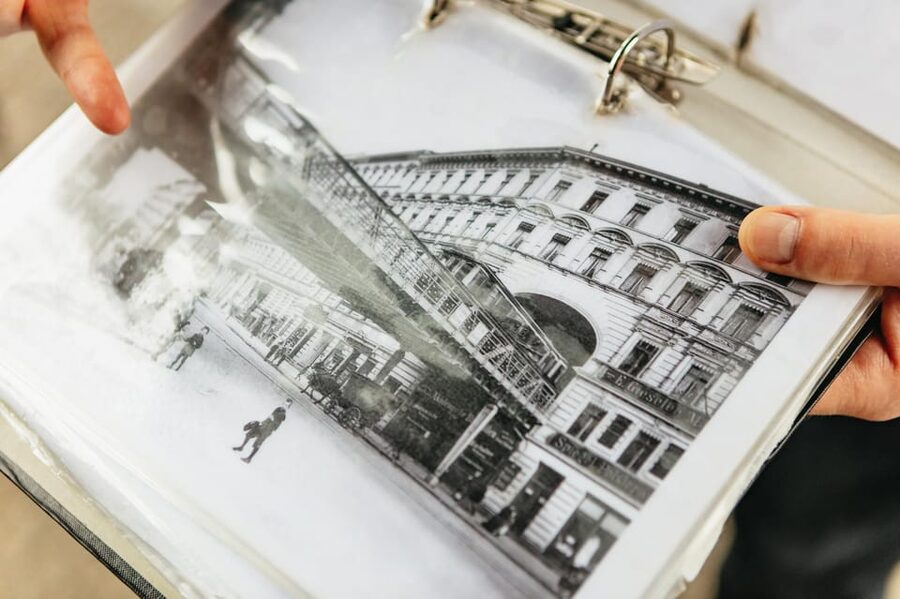
- Tobias leads in English or German, using photographs and written material to explain places that no longer look as they once did.
- The tour lasts 2.5 hours, costs $23, and is wheelchair accessible, though the meeting point can vary by booking.
Why Schöneberg matters to Berlin’s queer story
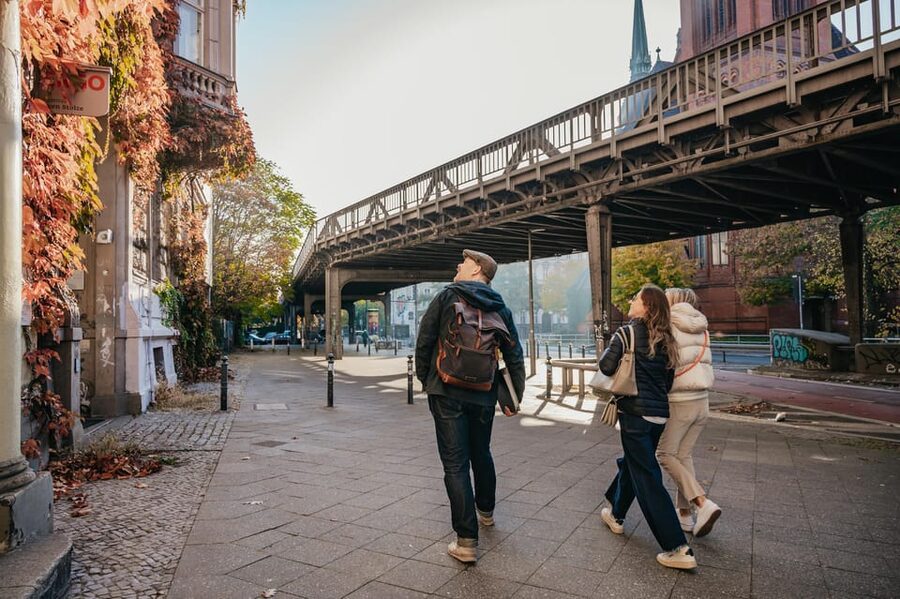
The streets around Nollendorfplatz became a gathering place for Berlin’s gay community during the years between World War I and the Nazi takeover in the early 1930s. This was not just a nightlife scene. It was also a place where people organized, published, socialized, and argued for greater rights.
That setting gives the tour real weight. You are not simply looking at old buildings or hearing a list of famous names. You are following the outline of a community that built public spaces for itself, then saw those spaces attacked and erased.
The tour also helps correct a common mistake in Berlin sightseeing. Queer history is often treated as a side topic, but here it is the main story. The walk shows how gay life shaped the neighborhood, how writers and activists helped define it, and how the area changed again after World War II.
Much of what you see today is part of an ordinary city district. That is useful rather than disappointing. The contrast between present-day streets and their earlier role makes the stories clearer. A café, apartment building, or street corner may look unremarkable until Tobias explains what once happened there.
Other walks around Berlin:
- Discover Berlin Half-Day Walking Tour
★ 5.0 · 9,624 reviews - Berlin: Third Reich and Cold War 2 Hour Walking Tour
★ 4.9 · 6,830 reviews - Berlin: Discover Berlin Walking Tour
★ 4.9 · 5,998 reviews
Starting around Nollendorfplatz
The route focuses on the area around Nollendorfplatz, the natural starting point for understanding Schöneberg’s gay district. This was the center of a social world that drew people from across Berlin and beyond.
Tobias explains the local gay rights movement of the 1920s and introduces the clubs and meeting places that made the neighborhood a community rather than just a collection of bars. The former Nationalhof is especially important. It is described as the heart of the gay rights movement, so this stop gives the political side of the story a clear place on the map.
The Hollandais club and Kleist Casino also help you picture the area in its earlier years. These locations are no longer operating as the same kind of queer venues, but their former roles show how much social life once centered on a small number of clubs and halls.
I find this part most useful for first-time visitors to Schöneberg. You learn where the community gathered, but also why those places mattered. The tour connects social life to political organizing, which keeps the story from becoming a simple parade of old club names.
Motzstraße and the El Dorado story
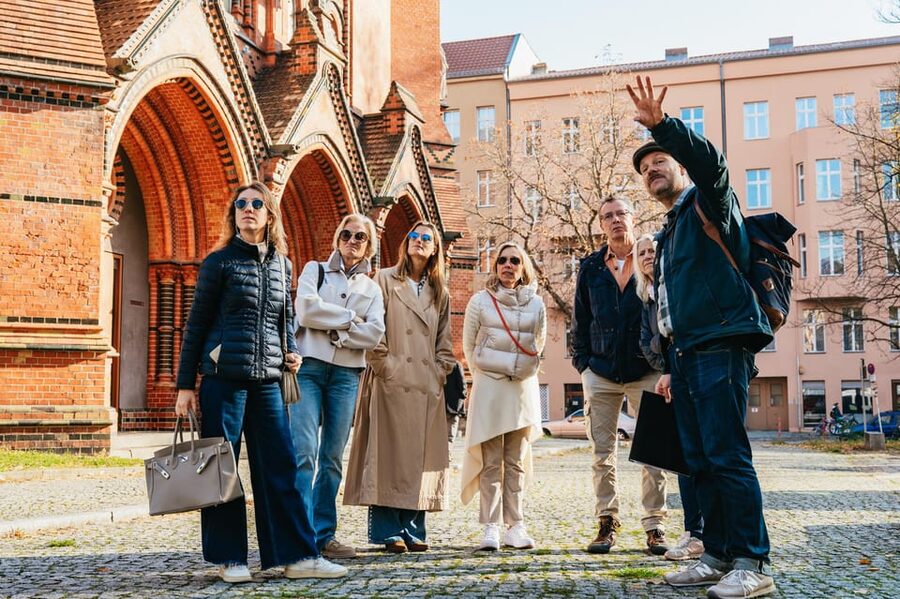
Motzstraße brings the tour into the world of cabaret and performance. The former El Dorado cabaret club was one of the neighborhood’s best-known names, and seeing its location helps explain the public face of queer Berlin during the interwar years.
Cabaret can make this period sound glamorous, and parts of it were. But the tour places that glamour beside the wider political climate. A visible queer scene could exist, yet it remained vulnerable. The same city that offered unusual freedom could also turn sharply against the people who had created that culture.
That balance is important. You get the color of 1920s Berlin without reducing the period to costumes, nightlife, and easy nostalgia. Tobias’s use of archive images and text adds practical help here, since the modern streets do not always reveal what stood there before.
If you enjoy social history, this is likely one of the strongest parts of the route. You can connect a physical street to entertainment, identity, politics, and the changing limits of public life.
Christopher Isherwood’s former home
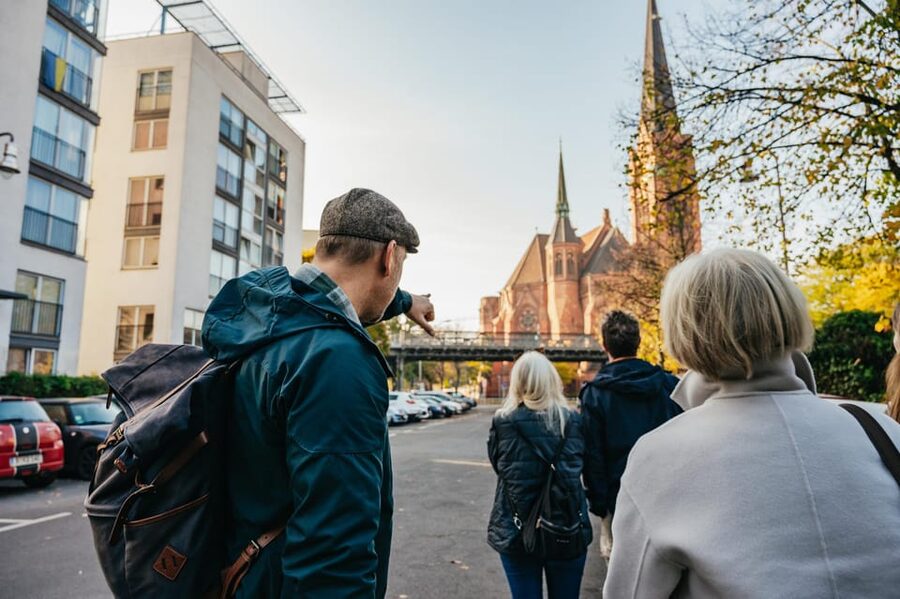
The stop on Nollendorfstraße linked to Christopher Isherwood adds a literary thread. Isherwood lived in Berlin and wrote about the city’s people and nightlife. His work later became important to the Gay Liberation movement, so his former home is not simply a celebrity address.
This stop helps you see how queer Berlin reached readers outside the city. Literature carried stories of the neighborhood into a wider world, including places where open discussion of gay life was far harder.
You should not expect a museum interior or a preserved writer’s apartment. The interest lies in the location and the story attached to it. Tobias uses the address as a way to explain the people, writing, and social world surrounding Isherwood.
I like this kind of stop because it asks you to look at a normal residential street differently. The building itself may not take long to see, but the context gives it meaning.
Other LGBTQ-friendly trips in Berlin:
- Street Art & Berlin Gay, Queer, Trans History + Free Gay Map
★ 4.9 · 15 reviews - Queer Berlin Tour: Birthplace of LGBTQ+ Movements
★ 5.0 · 6 reviews - Berlin: BKA Theater “Operetta for two gay tenors”
★ 4.0 · 4 reviews
From Nazi repression to a later return
The tour does not treat the 1920s as an isolated golden age. It follows the neighborhood into the early 1930s, when the accession of the Nazi Party changed everything.
That shift is essential. The clubs, meeting places, and rights movement were not simply allowed to fade away. The political climate became dangerous, and queer people faced persecution. A walk through today’s Schöneberg can therefore carry a sense of absence as well as celebration.
The route then moves forward to the late 1960s, when the area began to bloom again as West Berlin’s only gay district. This later chapter shows that queer neighborhoods are rebuilt by people, not just by buildings. New bars, businesses, meeting places, and social networks brought public life back to the streets.
The connection between the 1920s and the post-1960s period is one of the tour’s strongest ideas. It shows both continuity and interruption. Berlin’s gay scene did not move in a straight line. It expanded, suffered a brutal break, and then found new ways to return.
Schwerin Straße and the lesbian quarter
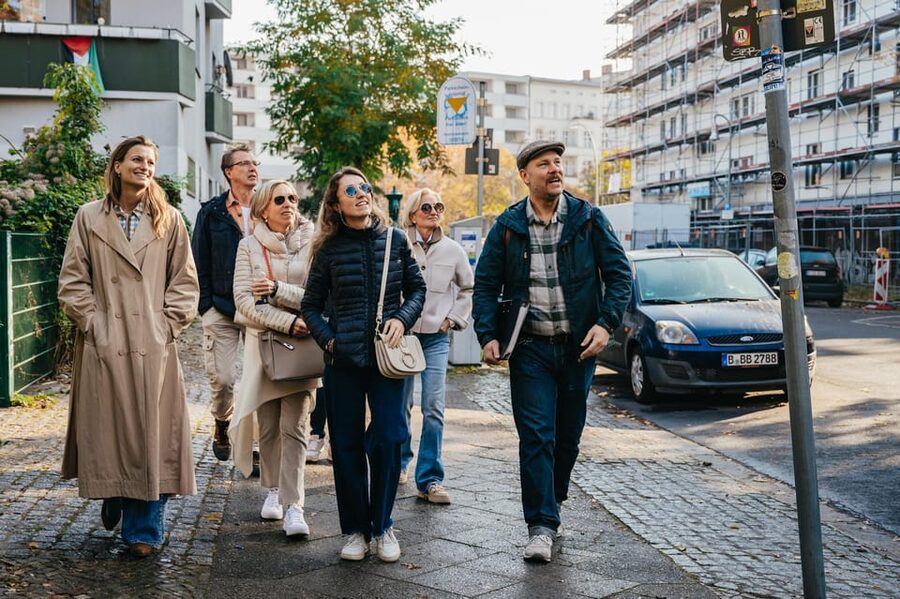
A major strength is the attention given to lesbian history. The walk includes the lesbian quarter on Schwerin Straße, so the story is not limited to gay men and the clubs most often associated with Schöneberg.
That matters because a tour about queer Berlin can easily focus too heavily on male nightlife. This route makes room for women’s spaces and experiences, along with trans, intersex, and gender-nonconforming stories noted during the walk.
You should expect these subjects to be part of a broader neighborhood story rather than a separate lecture. Tobias connects them to streets, buildings, local culture, and the people who shaped the area. This approach gives you a wider view of queer life in Berlin.
For many people, this will be the most valuable feature of the tour. It offers a fuller account than a standard gay nightlife walk and shows that Schöneberg’s identity was never limited to one group.
Eisenacher Straße and Schöneberg today
The route continues along Eisenacher Straße, a street that still reflects the varied life of the gay neighborhood. Here, the tour shifts from historical sites to the district you can experience now.
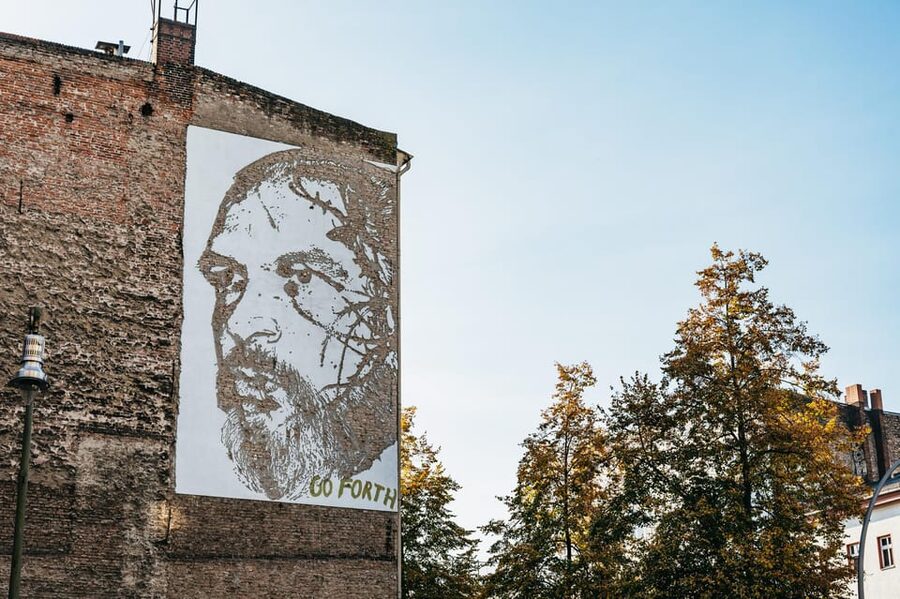
That modern focus keeps the walk from becoming a memorial tour. Schöneberg is not only a place where queer history happened. It remains a living neighborhood, with cafés, shops, street art, and community spaces.
The present-day section is also useful for visitors planning the rest of their stay. You get a sense of the area’s streets and can note places to return to after the tour. One previous route ended near a queer café and bookshop, which made a natural place to continue the afternoon, although you should treat any suggested business as separate from the tour itself.
The neighborhood may feel less theatrical than the old stories. That is part of the point. Public queer life today can look ordinary, and that ordinary quality represents a major change from the fear and concealment that shaped earlier generations.
Tobias’s guiding style
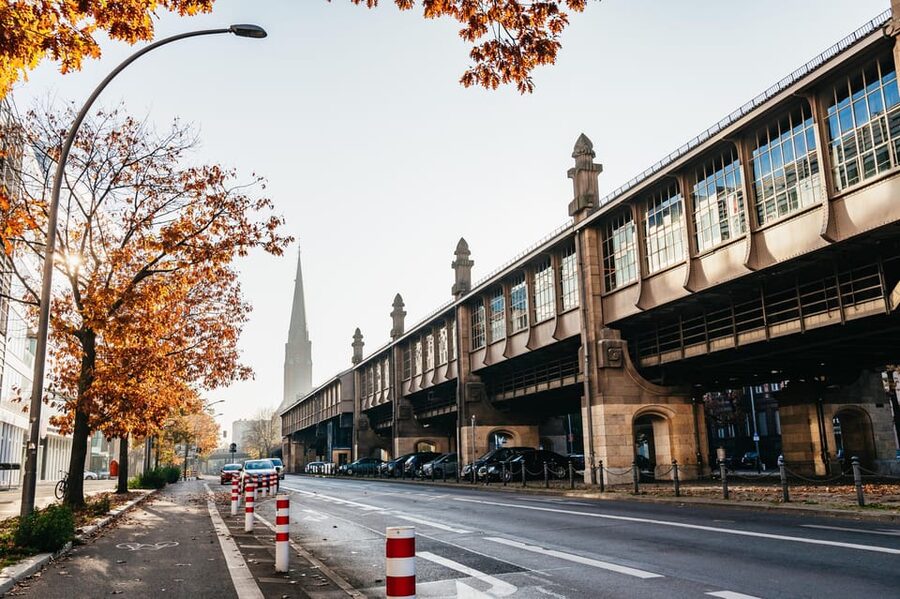
Tobias is the guide most closely associated with this experience. His style combines careful research, humor, personal anecdotes, and a clear connection to the community being discussed.
You can expect more than a memorized script. He uses archive pictures and written material to show how people and locations looked in earlier periods. He also answers questions as the walk goes along, which makes the experience feel more like a conversation than a one-way speech.
His English is described as fluent, and the tour is available in English or German. The strongest praise centers on his warmth, preparation, wit, and ability to make historical figures feel like real people. That combination matters on a subject that includes both entertaining stories and painful events.
The pace appears to include chances to sit, stand, ask questions, and take comfort breaks. Tobias has also adjusted to delayed transport and difficult weather on past tours. Still, do not mistake a flexible guide for an indoor experience. You will be outside for most of the 2.5 hours, so sensible clothing and comfortable shoes remain important.
Is $23 good value?
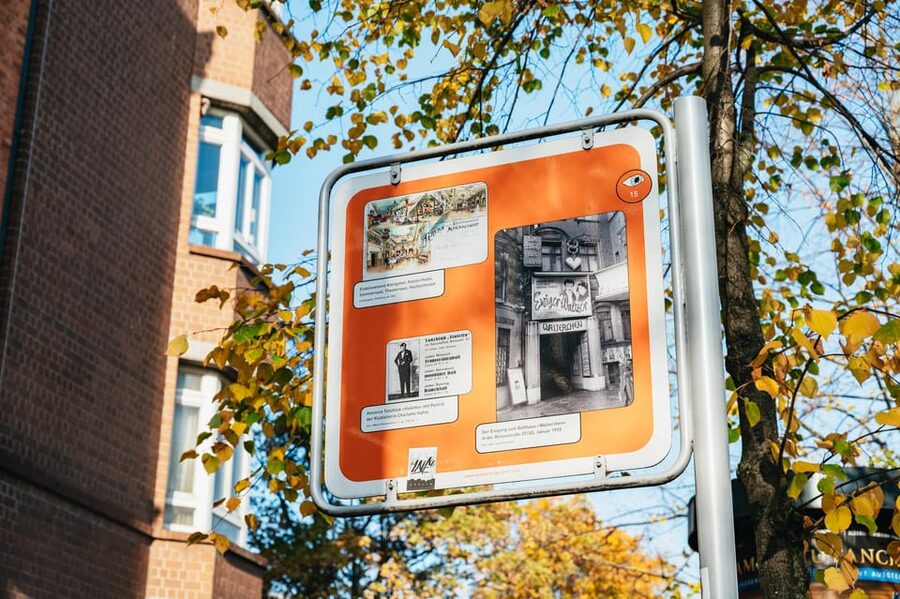
At $23 per person, this is an inexpensive way to spend half a day in Berlin. You receive a guided 2.5-hour walk, historical interpretation, visual material, and access to a route that would be difficult to recreate from a guidebook alone.
The value is strongest if you want context. You can walk around Nollendorfplatz and Motzstraße on your own, but the former Nationalhof, El Dorado, Hollandais, Kleist Casino, and Isherwood connection will not explain themselves. The guide turns scattered locations into a connected story.
Food and drinks are not included. That is not a serious weakness, since the tour is built around walking rather than a meal or tasting. You should budget separately if you want to stop at a café afterward.
The lower price also makes this a good choice for a first introduction. If the subject interests you, the tour can point you toward museums, books, memorials, and neighborhood venues for later exploration.
Practical details that affect your day
The activity lasts 2.5 hours, and starting times should be checked when you book. The meeting point may change depending on the option selected, so read the confirmation carefully rather than assuming every departure begins at the same place.
Tours are offered in English and German. The experience is wheelchair accessible, though the specific meeting point and route details still deserve a check if you have particular mobility needs.
You can cancel up to 24 hours before the tour for a full refund, and the reserve-now, pay-later option keeps your schedule flexible. Special dates, times, and meeting points can be arranged for private groups according to the supplied information. You need to name those requests when calling.
The tour works best when you arrive ready to walk and listen. There are no food or drinks included, and the experience depends on the guide’s storytelling and the streets themselves.
Who should book this Schöneberg walk?
I would recommend it to anyone interested in LGBTQIA+ history, Berlin social history, literature, civil rights, or the way a neighborhood changes across generations.
It is especially useful on an early day in Berlin because it gives you a framework for understanding Schöneberg. You will recognize the area later and have more context for its bars, cafés, bookshops, and street life.
You do not need to identify as LGBTQIA+ to appreciate the tour. The subject is part of Berlin’s wider history, and the route connects personal lives to politics, art, writing, and urban change.
I would think twice only if you want a fast sightseeing walk with many major monuments, or if outdoor walking in poor weather will make two and a half hours uncomfortable. This is a focused history tour, not a general introduction to Berlin.
Should you book the Gay Berlin Out in Schöneberg tour?
Yes, if you want an informed and personal look at queer Berlin beyond nightlife. The route covers the former Nationalhof, El Dorado, Hollandais, Kleist Casino, Christopher Isherwood’s home, the lesbian quarter, and today’s gay district. That is a lot of ground for $23.
Book it for the stories, not grand interiors or dramatic ruins. The buildings and streets often look ordinary, but Tobias supplies the missing context with archive material, humor, and careful attention to different parts of the community.
If you want one practical tip, leave room in your schedule afterward. The tour can give you several places and subjects to follow up on, and Schöneberg is worth exploring at a slower pace once you know what you are seeing.
FAQ
Where does the Gay Berlin Out in Schöneberg tour take place?
The tour explores the area around Nollendorfplatz in Schöneberg, including Motzstraße, Nollendorfstraße, Schwerin Straße, and Eisenacher Straße.
How long does the tour last?
The walking tour lasts 2.5 hours.
How much does the tour cost?
The listed price is $23 per person.
Is the tour available in English?
Yes. The tour is offered in English and German.
Who guides the tour?
Tobias is the guide associated with the experience and is described as leading the tour in English or German.
What historic places are included?
The route includes the locations of the Nationalhof, Hollandais club, Kleist Casino, and El Dorado cabaret club. It also stops near Christopher Isherwood’s former home on Nollendorfstraße.
Does the tour include lesbian history?
Yes. The route passes through the lesbian quarter on Schwerin Straße and also includes stories connected to wider LGBTQIA+ history.
Is the tour wheelchair accessible?
Yes, the activity is listed as wheelchair accessible.
Are food and drinks included?
No. Food and drinks are not included in the tour price.
Can I cancel for a refund?
Yes. You can cancel up to 24 hours in advance for a full refund.
Just added in Berlin
- Private One way Airport Transfer Berlin Airport To Berlin★ 3.5 · 17 reviews
- Private Walking Tour: Berlin Wall, Cold War and Checkpoint Charlie★ 5.0 · 37 reviews
- Modern Berlin Private Walking Tour: Diverse, Vibrant and Exciting German Capital★ 5.0 · 13 reviews
- Private Day Trip to Potsdam from Berlin by Train★ 4.5 · 27 reviews
- City Explorer: Potsdam Private Day Trip★ 4.5 · 10 reviews
- Berlin Private Custom 5-Hour Tour by Car★ 5.0 · 30 reviews
- Private Half-Day Sightseeing Tour in Berlin★ 3.5 · 6 reviews
- Berlin Private Custom Tour in a Minivan, East and West★ 5.0 · 123 reviews
Walking Tours, compared.

Third Reich Berlin: Hitler and WWII Walking Tour
Read our review →