Reviewed · WALKING TOURS
Berlin: David Bowie & 1970s Berlin Guided Walking Tour
David Bowie’s Berlin comes alive best when you hear the music beside the places that shaped it. This three-hour tour links Hansa Studios, Bowie’s former home, Zoo Station, the Berlin Wall, and Café Neues Ufer with the tense, bohemian city behind Low, Heroes, and Lodger. I like the music-and-place connection, and I like the way guides such as Dan, Lee, Martin, and Ronen add Cold War history rather than treating Bowie as an isolated celebrity.
The route also reaches neighborhoods and landmarks you might not otherwise connect with Bowie, including Anhalter Bahnhof, Potsdamer Platz, KaDeWe, and Topography of Terror. The main drawback is practical: this is not a gentle, compact stroll. You will walk a fair amount and use public transport several times, and the $135 price is much easier to justify for a private booking or committed Bowie fan than for a casual music tourist.
Key points to know before you book
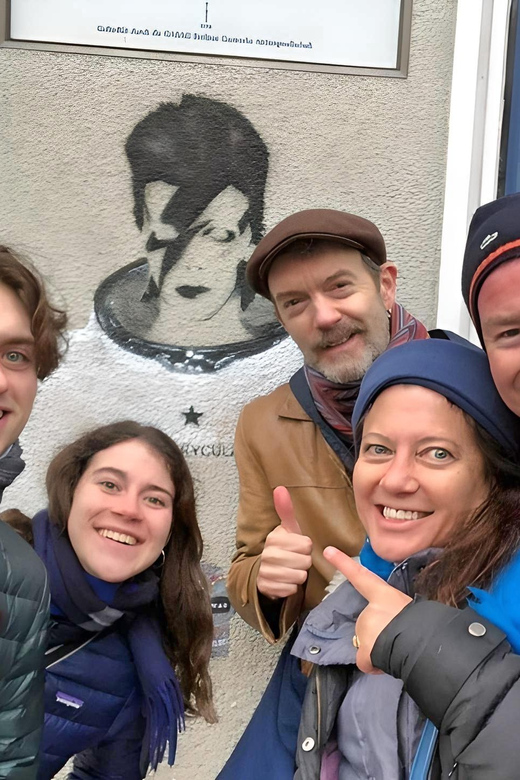
- Hansa Studios gives the tour its emotional center: This is where Bowie recorded during his most important Berlin period, though you should expect to view the area rather than enter a working studio.
- The tour covers more than Bowie: Cold War borders, Berlin nightlife, art, politics, and the city’s divided identity frame the story.
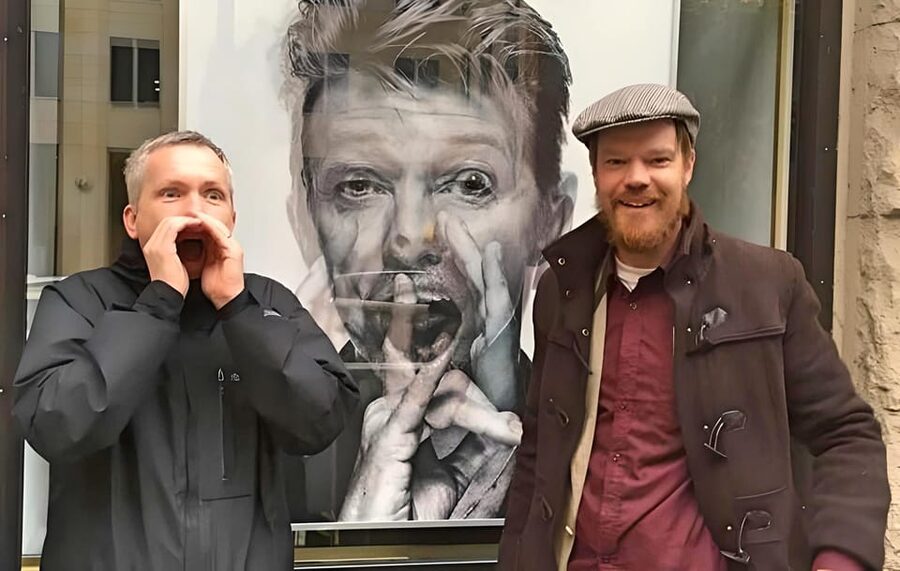
- Music, photos, and video add context: Guides have used clips and images to show how places looked and sounded during Bowie’s years in Berlin.
- You need a public transport ticket: The distances between stops are too great to cover entirely on foot.
- The guides are the strongest part: The company uses professors, doctoral students, historians, journalists, art critics, and published authors, with Dan, Lee, Martin, Ronen, and others praised for clear, lively storytelling.
- It suits serious fans and curious first-timers: You do not need to know every Bowie album, but listening to Low and Heroes beforehand will make the stops more meaningful.
Bowie’s Berlin begins at the city’s divided heart
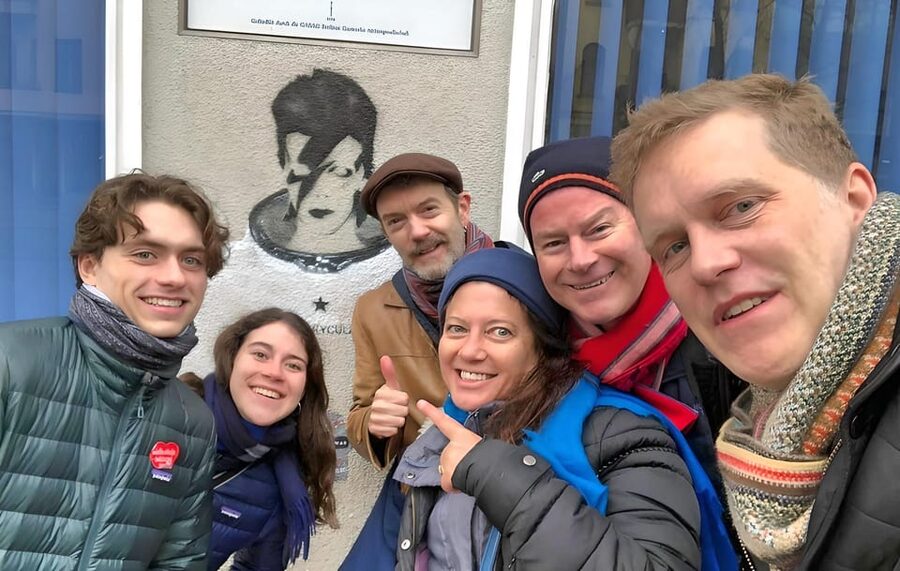
The meeting point is Ständige Vertretung, a memorabilia-filled cafe at Schiffbauerdamm 8. Depending on the selected option, the exact starting arrangement can vary, so check your booking details carefully. The listed route then moves through central Berlin before heading west toward the places most closely tied to Bowie.
I like starting with Berlin itself, not just with a list of Bowie addresses. In the 1970s, West Berlin was surrounded by East Germany and cut off from the country around it. That unusual position helped attract artists, musicians, outsiders, and people looking for a life beyond normal rules. Bowie arrived in 1976 seeking distance from the pressures surrounding his earlier career, and the city gave him a very different setting for work.
Your guide uses that setting to explain why the albums sound as they do. Bowie’s Berlin music is not presented as a simple travel diary. It grew from studios, friendships, nightlife, political tension, and the mood of a divided city. The best guides, especially Dan and Lee according to the supplied feedback, connect those threads without turning the tour into a lecture.
Other walks around Berlin:
- Discover Berlin Half-Day Walking Tour
★ 5.0 · 9,624 reviews - Berlin: Third Reich and Cold War 2 Hour Walking Tour
★ 4.9 · 6,830 reviews - Berlin: Discover Berlin Walking Tour
★ 4.9 · 5,998 reviews
Bertolt-Brecht-Platz and Tränenpalast set the Cold War scene
Bertolt-Brecht-Platz and Tränenpalast help establish Berlin’s political backdrop. Tränenpalast, known for the emotional farewells that took place there, brings the human side of the city’s division into focus. It is a useful early stop because it reminds you that Bowie’s West Berlin was not merely an arts district with cheap rooms and fashionable clubs.
I found this part of the route especially useful for anyone who knows the music but has only a vague sense of 1970s Berlin. You begin to see why a walk through the city could shift from a discussion of recording techniques to border controls, surveillance, and the daily strain of living beside the Wall.
Do not expect every stop to be a Bowie site in the narrow sense. Some places exist to explain the city that Bowie entered. That wider view is one of the tour’s strengths, though a visitor wanting only recording studios and former homes may find the historical sections longer than expected.
Anhalter Bahnhof, Martin-Gropius-Bau, and Topography of Terror
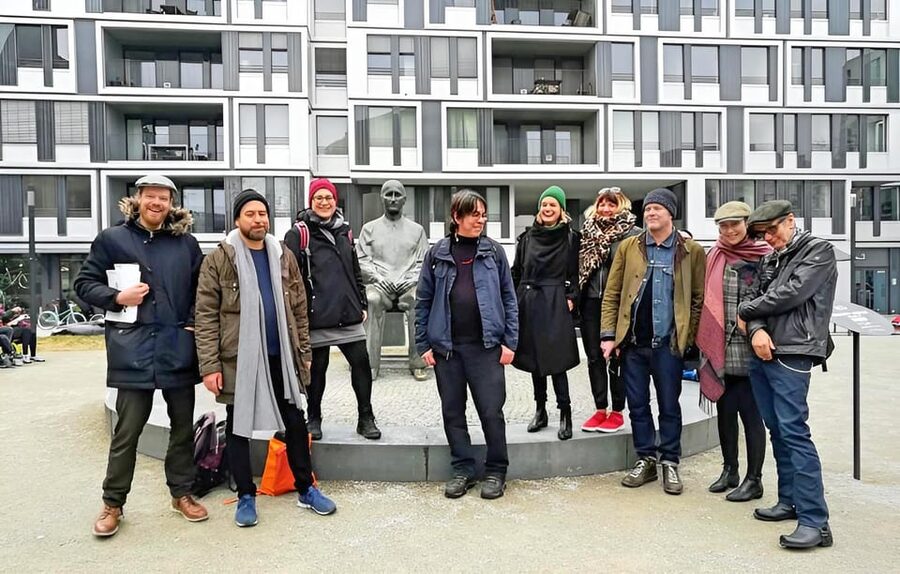
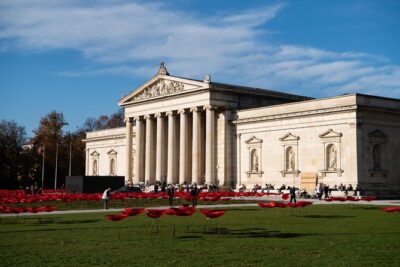
The route continues through Anhalter Bahnhof, the former railway station whose remains offer a striking reminder of Berlin’s wartime and postwar breaks. Martin-Gropius-Bau adds an arts and architecture angle, while Topography of Terror deals with the machinery of Nazi persecution. These stops are not casual sightseeing filler. They help you read Berlin as a city marked by political violence, destruction, division, and reinvention.
That context matters because Bowie’s Berlin was not a blank creative playground. Its atmosphere came from layers of recent trauma and present-day tension. A guide who can move responsibly between Bowie’s personal story and the darker chapters of German history adds real value here.
I would pay attention to the pacing at these central stops. Three hours is enough to make the connections, but not enough for extended museum visits. The tour takes in areas and gives explanations rather than offering full entry tours of each institution. If you want to study the museums, return later on your own.
Hansa Studios is the essential Bowie stop
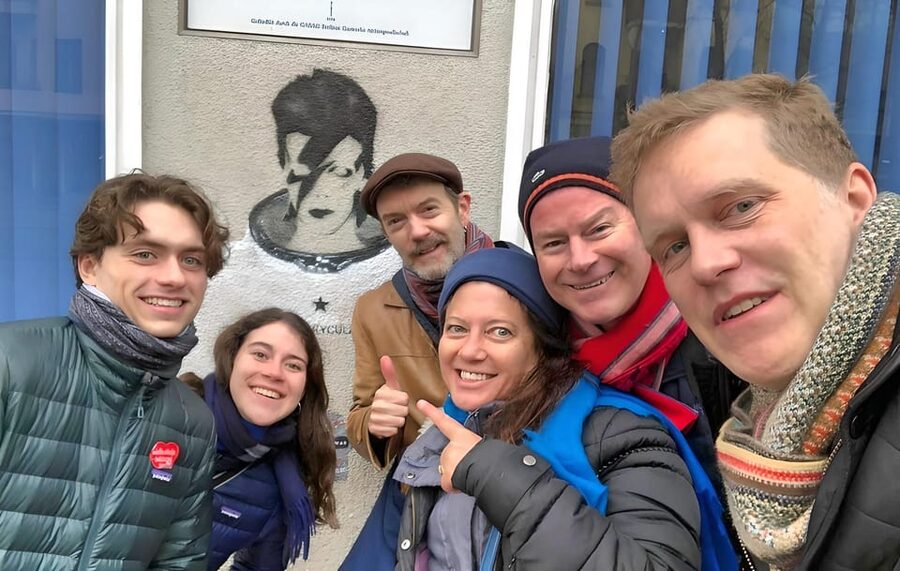
Hansa Studios is the central address for most people booking this experience. Bowie recorded there during the period associated with Heroes, and the studio’s location near the Berlin Wall has become part of the album’s mythology. The physical place matters, but the guide’s explanation of the recording sessions matters just as much.
A good guide will help you connect the sound to the surroundings. The tour uses music, photographs, and video to make that connection more immediate. Instead of simply hearing that Bowie recorded in Berlin, you can listen to passages from Heroes or Low while standing near the sites tied to that work.
You should keep expectations realistic. The experience is a guided look at the area around the studio, not a promise of access to recording rooms. Even so, this is the stop most likely to reward a fan who has spent years imagining Bowie’s Berlin period.
The wider Hansa setting also brings in Iggy Pop, whose Berlin albums The Idiot and Lust for Life belong to the same creative story. Bowie and Iggy were closely linked during this period, and the tour follows that shared world rather than treating Bowie as the only important musician in town.
A few more things to do in Berlin worth a look
- Berlin: Reichstag, Dome and Government District Guided Tour
★ 4.7 · 18,288 reviews - Berlin: Government District around the Reichstag Guided Tour
★ 4.7 · 8,447 reviews - Berlin: Hidden Backyards Guided Walking Tour
★ 4.8 · 5,360 reviews - Berlin: 1-Hour Boat Tour with Bilingual Live Guide
★ 4.7 · 3,629 reviews
KaDeWe and Zoo Station show another side of West Berlin
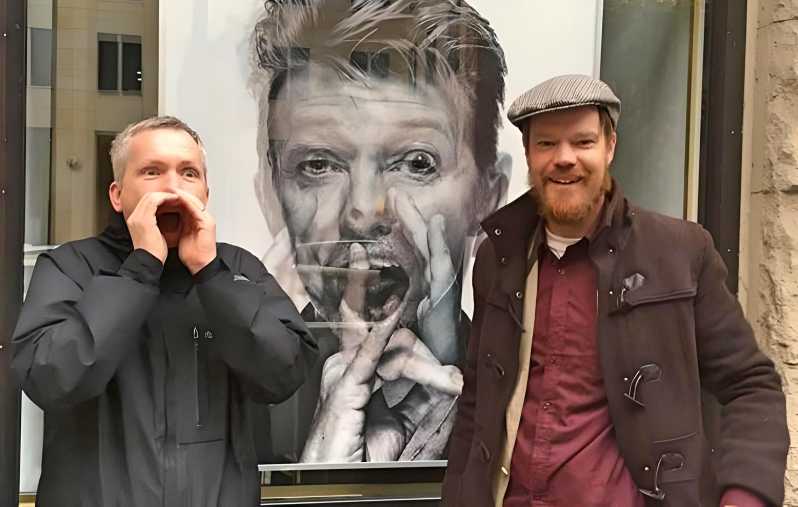
KaDeWe and Zoologischer Garten Station move the story from the studio to the commercial and social center of West Berlin. KaDeWe represents the polished, consumer-facing side of the city, while Zoo Station was a major transport hub and a landmark in Bowie’s Berlin orbit. The contrast is useful: Bowie’s life here involved both artistic isolation and contact with the city’s everyday public spaces.
Zoo Station is also a practical place to understand how the tour works. You are not simply following a straight sidewalk route. The experience crosses Berlin using its trains and buses, and the movement between districts becomes part of the story.
Buy a day metro pass before the tour if you can. Public transport is not included, and the distances between the key sites are too great to walk comfortably within three hours. If you arrive without a ticket, the guide can help you purchase one at the first station, but doing it beforehand saves time.
From the former Dschungel Club to Bowie’s old neighborhood

The tour includes places associated with nightlife, including the former Dschungel Club, as well as the cafe culture that shaped Bowie and Iggy Pop’s daily life. These addresses help replace the grand album story with something more ordinary: where musicians went out, met people, drank coffee, and tried to live a normal life.
The former Dschungel is particularly useful for understanding the social network around Bowie. The story is not only about a famous artist entering a studio. It is also about the clubs and cafes that made West Berlin appealing to musicians and artists.
The route leads toward Bowie’s former flat, which he shared with Iggy Pop. This is one of the most personal stops, even though you should not expect a preserved interior or a museum display. You are seeing the outside and hearing what the address meant during those years.
Café Neues Ufer provides another close-to-daily-life connection. Bowie spent time there, and the cafe remains linked with the period. It is a fitting place to finish the Bowie trail, though the precise ending point and timing can vary. One useful planning tip: ask your guide where the tour will finish so you can arrange lunch, dinner, or your next activity without a scramble.
The guides make or break a music-history tour
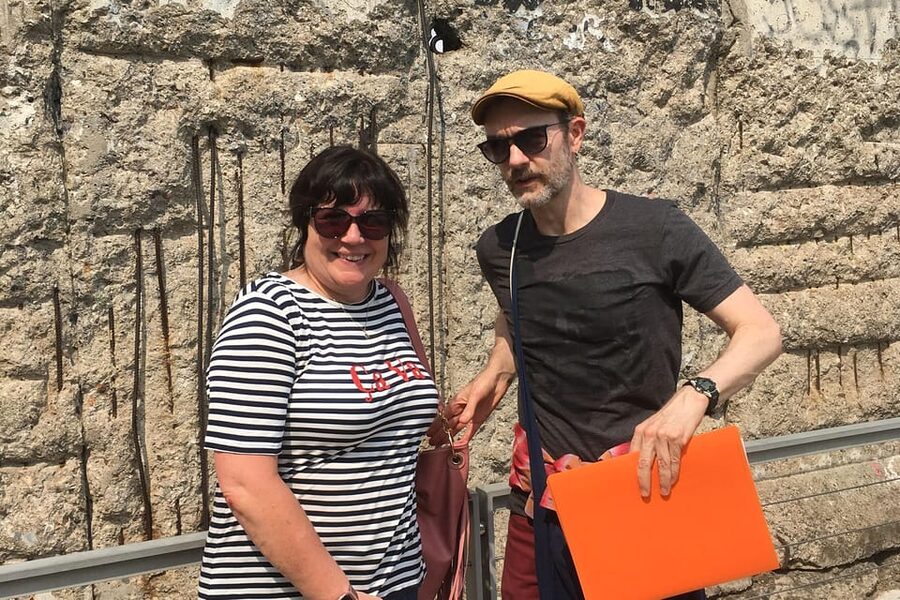
The strongest praise goes to the guides, and that makes sense. A list of addresses is easy to create. Turning those addresses into a clear story takes preparation, humor, timing, and a feel for the audience.
Dan is repeatedly described as engaging, well prepared, and able to connect Bowie with German history and the arts. Lee is praised for his energy, photos, videos, and willingness to discuss the less polished parts of Bowie’s life. Martin is noted for his friendly manner, patience, and broad understanding of Berlin. Ronen has been especially good at weaving together music, locations, and the city’s social history.
Your guide may be someone else, since the team includes several specialists. The stated guide backgrounds are unusually strong: professors, doctoral students, historians, journalists, art critics, and published authors lead the experience. That does not guarantee the same style every time, but it suggests that the tour is built around research rather than a memorized script.
The use of music is a major plus. Guides have played excerpts from Low and Heroes while explaining key moments, and some have used photographs and video clips along the way. I would listen to the two albums before booking. You will still enjoy the tour without doing so, but the places will carry more weight if the melodies are already familiar.
How much walking and transport should you expect?
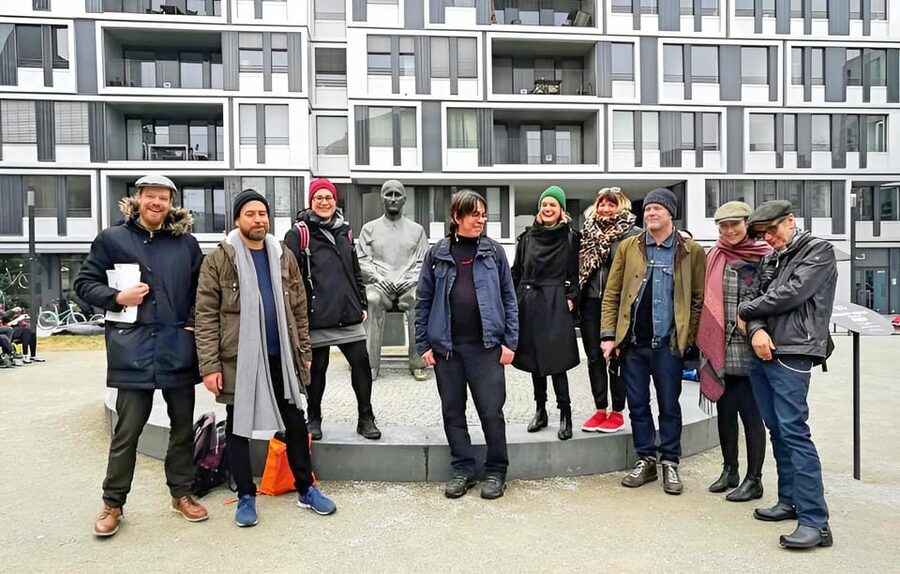
The tour lasts three hours and combines walking, trains, and buses. Some sections are city walks, while others require public transport because the relevant sites are spread across Berlin. This means you get a practical introduction to moving around the city, but it also means the experience is more active than the word walking tour might suggest.
Wear sturdy, supportive shoes. Berlin weather can change quickly, and the tour takes place outdoors for much of its duration. Bring clothing suitable for the forecast, especially in colder or wet months.
The group may be private or small, depending on the option you choose. A private tour is easier to shape around your interests and may offer better value for a small group sharing the cost. One booking issue is worth noting: at least one solo customer had to pay for two places, so confirm the single-person pricing before you book.
Is $135 a fair price?
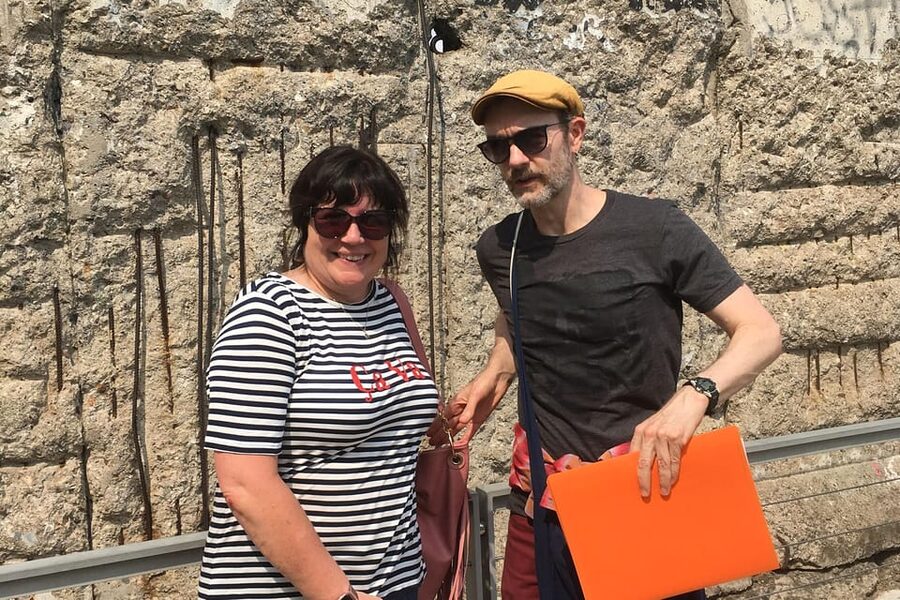
At $135 per person, this is not a budget activity. The price includes a three-hour tour with a historian guide, but not public transport, food, or drinks. You are paying for specialist preparation, a citywide route, and a guide who can connect music with Berlin’s political and cultural past.
I think the price works best in three situations. First, you are a committed Bowie fan and want the former home, studio area, clubs, and cafe in one organized route. Second, you are traveling as a small private group and can divide the cost. Third, you value an expert guide who can answer questions and adjust the discussion beyond basic facts.
For a casual visitor who only knows a few Bowie songs, $135 may feel steep. You can see many Berlin landmarks more cheaply on your own. The added value comes from the story, the music, the visual material, and the way the guide links distant parts of the city.
Free cancellation up to 24 hours before the start and reserve-now, pay-later booking make the commitment less rigid. Still, those policies do not change the central question: you should book because you want interpretation, not simply because you want photographs of addresses.
Who will enjoy this tour most?
I would recommend it first to Bowie fans, Iggy Pop fans, and anyone fascinated by how a city shapes music. It also works well for companions who are not devoted Bowie followers, since the Cold War and Berlin history give them plenty to follow.
Parents, older relatives, and mixed-interest groups can enjoy it if everyone is comfortable walking and using public transport. One family group found that even non-fans gained a clearer view of Berlin by seeing it through Bowie’s story.
I would be more cautious about booking it as your first Berlin activity if you know little about the city’s division. A general history tour first can help, as one participant found. After that, Bowie’s route becomes easier to place, and the political references land with more force.
Should you book the Bowie Berlin tour?
Book it if you want the human story behind Low, Heroes, and Lodger, not just a checklist of famous locations. The best parts are Hansa Studios, the former flat shared with Iggy Pop, the club and cafe connections, and the way guides such as Dan, Lee, Martin, and Ronen bring old photos, music, and Cold War Berlin together.
Skip it if you dislike public transport, need a short and easy stroll, or only want access inside recording studios. For the right audience, the $135 cost buys a focused afternoon with a specialist guide and a much clearer sense of why Bowie’s Berlin still matters.
FAQ
How long does the David Bowie Berlin tour last?
The tour lasts three hours.
What language is the tour conducted in?
The live tour guide speaks English.
Where does the tour meet?
The stated meeting point is Ständige Vertretung, a memorabilia-filled cafe at Schiffbauerdamm 8, 10117 Berlin. The selected booking option may affect the exact starting arrangement.
Does the tour include public transport?
No. You need to pay for public transport separately. A day metro pass is advised because the sites are spread across Berlin.
Can the guide help me buy a transport ticket?
Yes. If you do not purchase one in advance, the guide can help you buy a ticket at the first metro station.
Is hotel pickup included?
No. Hotel pickup and drop-off are not included.
Can I cancel for a full refund?
Yes. You can cancel up to 24 hours in advance for a full refund.
Just added in Berlin
- Private One way Airport Transfer Berlin Airport To Berlin★ 3.5 · 17 reviews
- Private Walking Tour: Berlin Wall, Cold War and Checkpoint Charlie★ 5.0 · 37 reviews
- Modern Berlin Private Walking Tour: Diverse, Vibrant and Exciting German Capital★ 5.0 · 13 reviews
- Private Day Trip to Potsdam from Berlin by Train★ 4.5 · 27 reviews
- City Explorer: Potsdam Private Day Trip★ 4.5 · 10 reviews
- Private Half-Day Sightseeing Tour in Berlin★ 3.5 · 6 reviews
- Berlin Private Custom Tour in a Minivan, East and West★ 5.0 · 123 reviews
- Berlin Private Custom 5-Hour Tour by Car★ 5.0 · 30 reviews
Walking Tours, compared.


Third Reich Berlin: Hitler and WWII Walking Tour
Read our review →