
Reviewed · WALKING TOURS
Charlottenburg: 2-Hour City Walking Tour
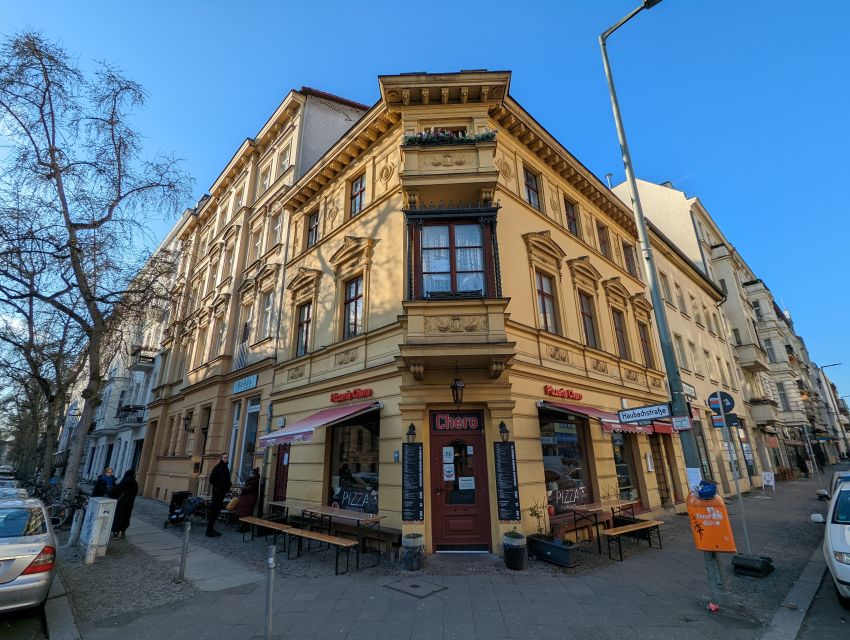
Charlottenburg is more than a palace stop. This two-hour walk links a grand city hall, a medieval village center, old working-class streets, 18th-century planning, local cafés, and Prussian royal power. I like the way it shows you how Berlin grew, not just which monuments to photograph.
I also like the route’s local scale. You pass corner shops, thrift stores, cafés, preserved schoolhouses, and the quieter Klausener Kiez before reaching the palace. The main consideration is that the tour is conducted in German, and museum visits are not included, so this suits you best if you want a neighborhood walk rather than a palace interior tour.
Key points at a glance
- Rathaus Charlottenburg: Begin at the impressive city hall, a symbol of the district’s former wealth and civic pride.
- Medieval village center: Trace Charlottenburg back to its older roots before Berlin’s grand avenues took shape.
- Heinrich Zille’s Berlin: See the area connected with the artist’s affectionate, sharp-eyed pictures of working-class life.
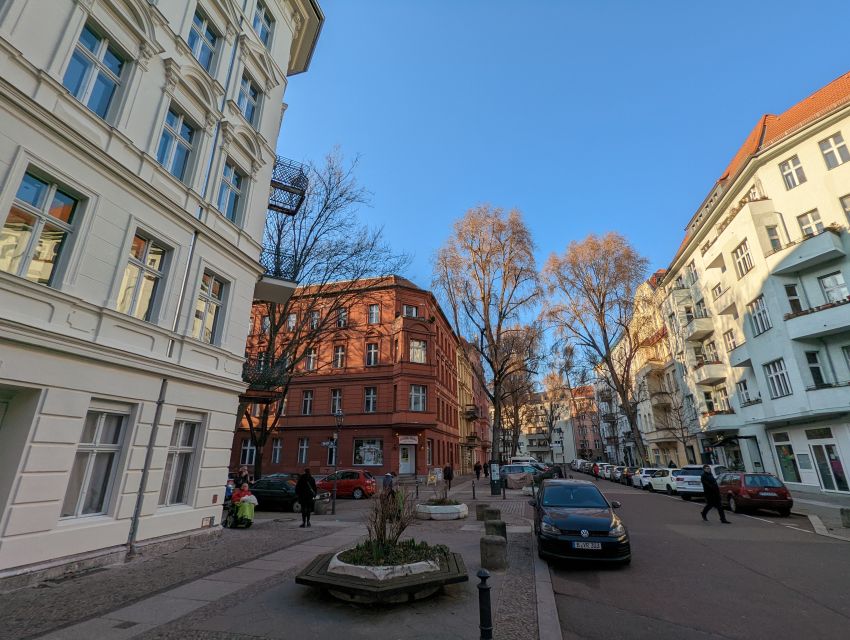
- Klausener Kiez: Walk through a lived-in neighborhood of cafés, thrift stores, and small local businesses.
- Villa Oppenheim and Schlossstraße: Take in elegant architecture and the museum district near the palace.
- Charlottenburg Palace: Finish beside Berlin’s best-known example of Prussian royal splendor.
Why this Charlottenburg walk is different
Many first visits to Berlin focus on the Brandenburg Gate, the Berlin Wall, Museum Island, or the grand government quarter. Those places matter, but they can leave you with a picture of Berlin as a city of major monuments and broad political stories.
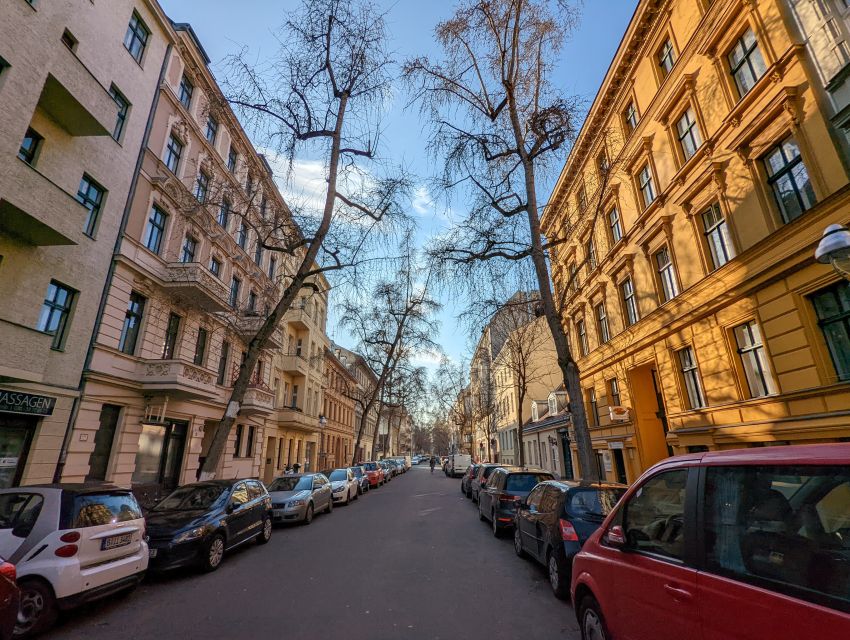
This tour takes a smaller route through Charlottenburg. You get a district with its own town center, social history, civic buildings, residential streets, and royal connection. I like that shift in scale. Instead of racing from one famous sight to another, you see how a part of Berlin works from street level.
The route also gives the district a clear timeline. You begin with Charlottenburg’s civic identity, move toward its medieval core, learn about 18th-century planning and housing, and finish at the palace that helped make the area famous. The story is not only about kings. It is also about residents, schools, artists, shopkeepers, architects, and the city’s changing needs.
At $23 per person, the value depends on what you want from a guide. If you only need directions to Charlottenburg Palace, you can visit the exterior on your own. If you want someone to explain why the streets look the way they do and connect small details to 800 years of history, the price is quite reasonable for two hours with a professional museum expert.
Other walks around Berlin:
- Discover Berlin Half-Day Walking Tour
★ 5.0 · 9,624 reviews - Berlin: Third Reich and Cold War 2 Hour Walking Tour
★ 4.9 · 6,830 reviews - Berlin: Discover Berlin Walking Tour
★ 4.9 · 5,998 reviews
Starting at Rathaus Charlottenburg
Meet your guide in front of the main entrance to Rathaus Charlottenburg. The building gives the tour a fitting start because it represents Charlottenburg as more than a royal suburb. It points to the district’s civic and economic importance.
Your guide sets the scene here before leading you into older streets. This opening should help you understand the difference between Charlottenburg as a former independent community and Charlottenburg as part of modern Berlin. That distinction matters because the district still has a strong identity of its own.
I recommend arriving ready to walk at a steady but comfortable pace. The tour lasts two hours, so there is time for explanation and questions, but not for long stops at every building. Wear comfortable shoes and dress for the weather. The walk goes ahead in rain or sunshine.
The guide’s role is important here. The strongest feedback about this experience points to clear explanations, broad historical knowledge, friendly conversation, and an ability to answer questions without making the walk feel like a lecture. You should expect historical facts mixed with anecdotes, rather than a simple list of dates.
Charlottenburg’s old village and 800 years of change
The next part of the walk reaches Charlottenburg’s medieval nucleus, the old village square. This is where the route moves away from the image of grand Prussian Berlin and shows you the older settlement beneath it.
The area helps explain how cities change in layers. A village center can remain part of a much larger city, even after royal projects, new roads, apartment blocks, and civic buildings reshape the surrounding district. I find this kind of stop especially useful because it gives you a physical point of reference for the area’s 800-year story.
You will hear about Charlottenburg’s Prussian past, but the walk does not treat history as a parade of rulers. The guide connects political decisions with urban form. The placement of streets, the shape of housing, and the survival of older buildings all tell you something about how the district developed.
This is also where a guide adds real value. Without context, an old square can look pleasant but unremarkable. With a clear explanation, it becomes evidence of a much earlier Charlottenburg, before the palace and formal avenues dominated the district’s image.
Heinrich Zille and the working-class city
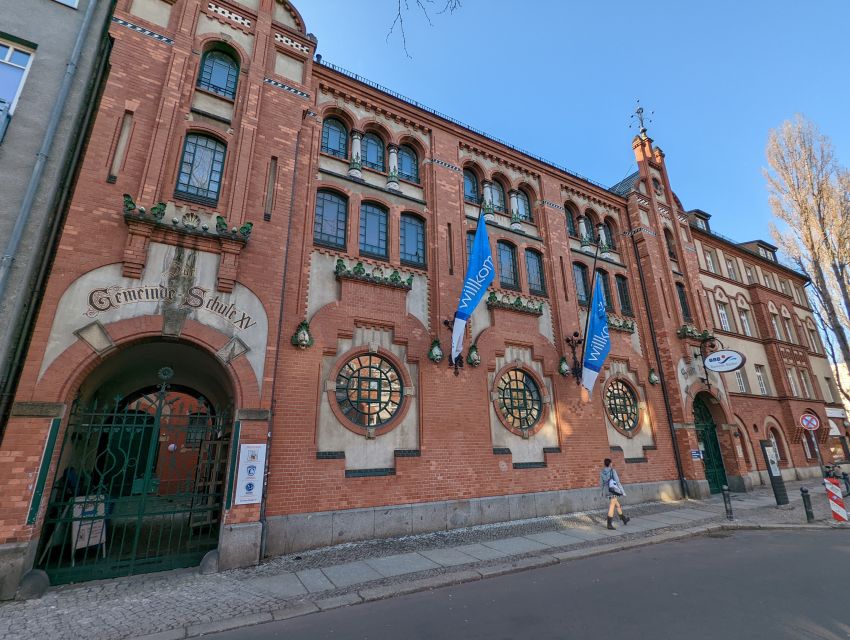
Near the historic Stadtbad, the route introduces Heinrich Zille and the Berlin working class. Zille is known for affectionate and often ironic depictions of ordinary Berlin life. The point here is not simply to name an artist. It is to connect his work with the streets and people that shaped his view of the city.
This stop adds social history to the architectural story. You get a reminder that Berlin’s past was not made only in palaces or government rooms. It was also made in public baths, schools, workshops, apartments, and crowded local streets.
I appreciate this part of the route because it broadens the meaning of Charlottenburg. The district can look polished and wealthy today, particularly near the palace and museum buildings. Zille’s perspective helps you see another side of urban life, including the humor and hardship that existed alongside grand architecture.
The Stadtbad itself also helps mark the importance of public institutions. Even without entering it, you can consider how facilities such as public baths served local residents and reflected changing ideas about city life. The walk uses the building as a doorway into that wider story.
Other two-hour trips in Berlin:
- Berlin’s Best: 2 Hour Walking Tour Third Reich and the Cold War
★ 5.0 · 5,486 reviews - Berlin: 2-Hour Lake Oberhavel Cruise from Tegel
★ 4.4 · 577 reviews - Berlin 2-Hour Segway Tour
★ 4.6 · 238 reviews - East Berlin and the Berlin Wall 2-Hour Walking Tour
★ 5.0 · 228 reviews
Luisenkirche and the logic of Berlin’s streets
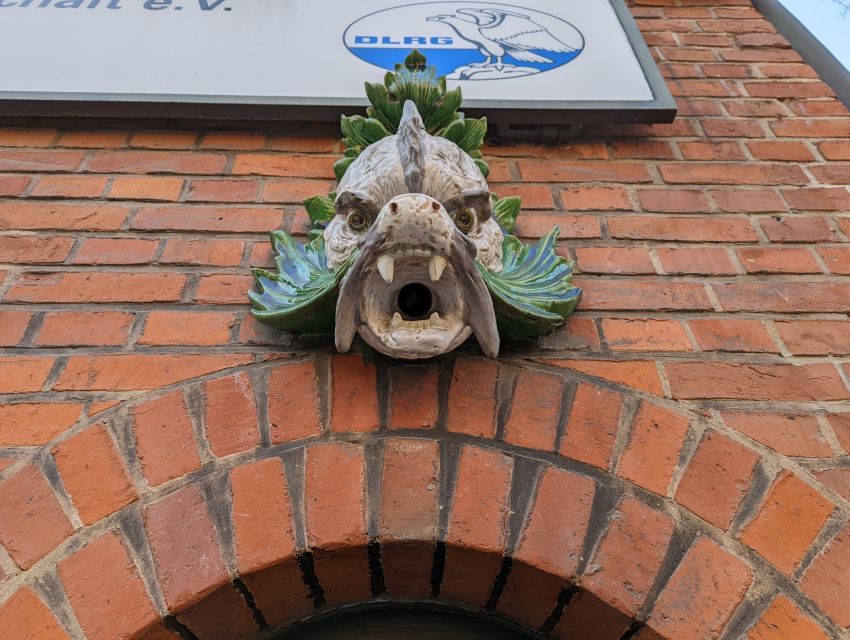
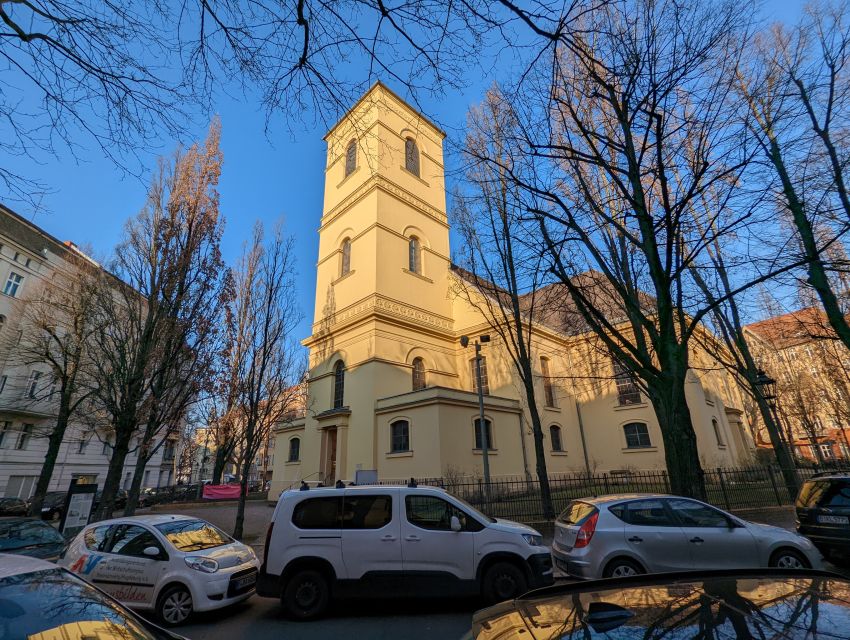
Around Luisenkirche, the guide turns to architectural history and 18th-century urban planning. This is one of the most useful parts of the tour if you want to understand why Berlin often feels so carefully laid out.
You will see examples of housing styles that still shape the city’s appearance. The guide can point out how buildings, streets, and blocks relate to one another, giving you more than a surface-level look at façades. I like this because it teaches you how to read Berlin after the tour ends.
The church also provides a visual marker for the district’s development. Around it, the route shows how religious, residential, and civic spaces could grow together. You are not just looking at an isolated landmark. You are seeing how a neighborhood organizes itself.
The pace matters here. Architectural explanation can become dry if it is overloaded with technical terms. The strongest accounts of this tour describe information delivered in a clear, lively, and short-winded way. That should suit you if you want substance without spending two hours in a formal classroom.
Preserved schoolhouses and pre-war city planning
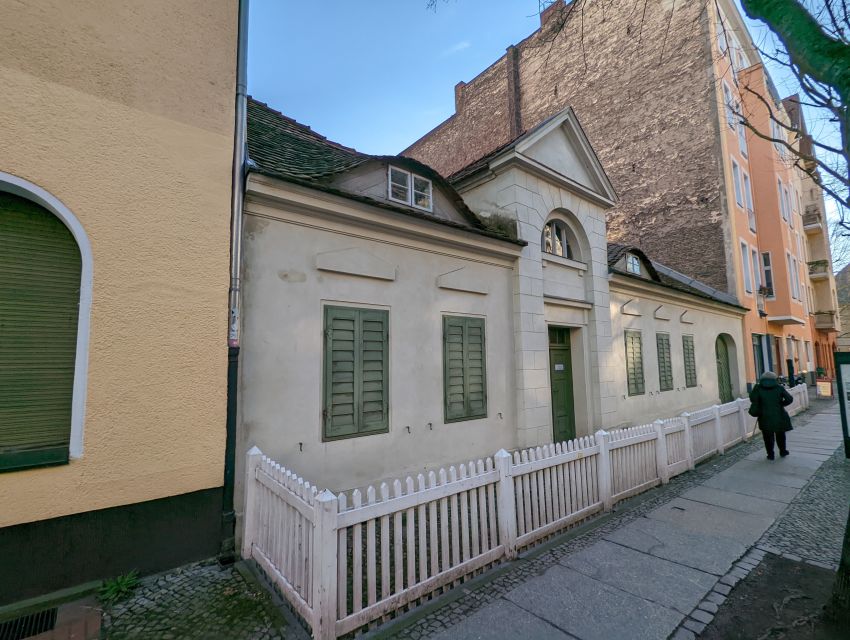
One of the more unusual details on the route is a group of preserved schoolhouses dating from 1786. They offer a practical link between history and daily life. Schools reveal what a city thought its residents needed, how communities organized children’s education, and how public buildings fitted into ordinary neighborhoods.
You will also see examples of pre-war urban development. These buildings help explain the housing stock that still gives much of Berlin its character. Rather than treating the city as a collection of famous monuments, the tour points to the apartment buildings and public structures that form its everyday setting.
For me, this is the kind of detail that makes a walking tour worthwhile. You may pass a building on your own and admire its age, but a guide can explain why it matters and what it says about the district.
Do not expect every historic building to be open. The experience is a guided exterior walk, and museum visits are not part of the price. That is a limitation if you want extended time indoors, but it keeps the route focused and makes the $23 fee easier to understand.
Klausener Kiez, where Charlottenburg feels local
At the corner of Nehringstraße and Christstraße, the route reaches Klausener Kiez, one of the most appealing sections for anyone who wants to see present-day neighborhood life.
Here you will find cafés, thrift stores, corner shops, and the ordinary movement of local residents. This is not a staged historic quarter. It is a functioning part of the city, and that gives the walk a welcome change of mood after the earlier discussion of palaces, churches, and civic buildings.
I especially like this stop because it helps you judge Charlottenburg for yourself. You can see how the district’s older buildings support modern businesses and social life. You also get a chance to notice the small details that are easy to miss on a monument-focused route: shopfronts, street corners, and the way people use public space.
This is a good place to ask your guide questions about modern Charlottenburg. The guide is described as approachable and willing to answer questions, so use this part of the route to connect the past with what you see around you.
Food and drinks are not included. You may find cafés along the way, but the tour itself is not built around a food stop. If you want to sit down for coffee, plan to do that before or after the walk rather than expecting a scheduled break.
Villa Oppenheim and the approach to Schlossstraße
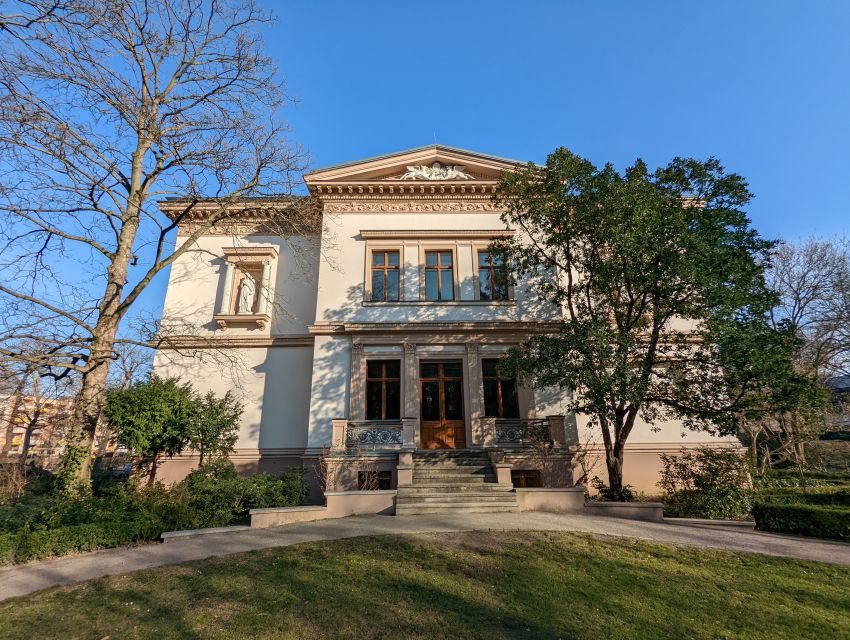
The route then moves toward Villa Oppenheim and Schlossstraße. Villa Oppenheim adds a touch of refined residential architecture, while Schlossstraße leads you toward a group of important cultural buildings.
Schlossstraße is now associated with world-class museums, but the museums are not part of this activity. The useful point is the exterior setting and the way it prepares you for Charlottenburg Palace. You can see how the district’s cultural identity grew around grand buildings and royal associations.
This section works best if you pay attention to contrast. The walk has already taken you through a village square, working-class history, old schools, local shops, and residential streets. Now the architecture becomes more formal and imposing. Charlottenburg contains all these layers within a fairly compact area.
If you plan to visit the museums or palace interiors later, this tour can help you choose where to return. It gives you an initial orientation, but you should not treat it as a substitute for an indoor visit. The booking covers the guide, not admission tickets.
Finishing at Charlottenburg Palace
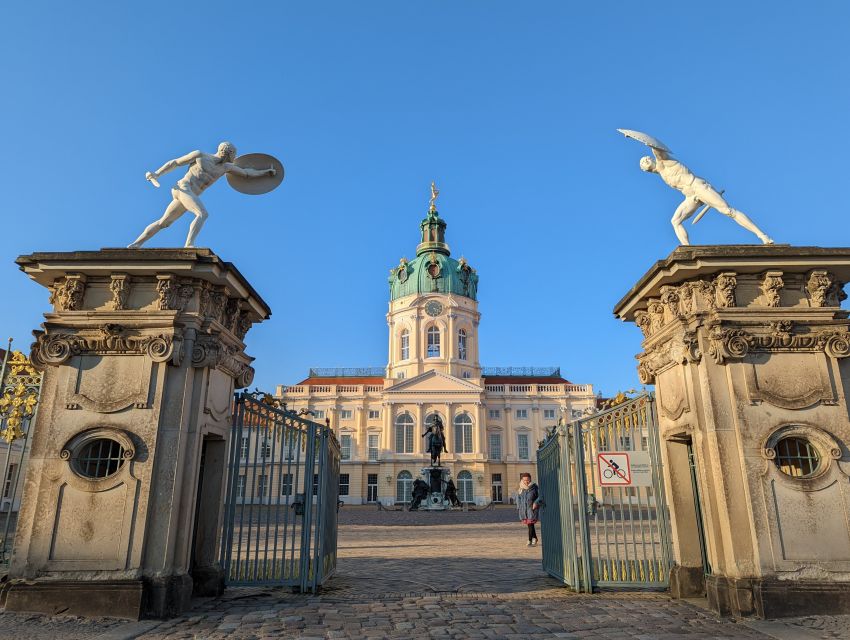
The final stop is Charlottenburg Palace, the former Prussian power center and the most recognizable sight on the route. Ending here gives the walk a strong finish. By this point, you have seen the social and urban setting that surrounds the palace, so its grandeur carries more meaning.
The palace is lined with magnificent dome-topped Stüler buildings, which add to the formal approach. This is the part of the tour most likely to appeal to first-time visitors, but it is more useful because it comes after the neighborhood walk rather than before it.
I like this order. Starting at the palace would make it easy to view Charlottenburg as a royal showpiece. Reaching it at the end lets you compare royal power with the ordinary district around it. The palace becomes one part of Charlottenburg’s story, not the whole story.
Again, the tour ends outside. If you want to see the palace rooms, collections, or museums, you will need to arrange a separate visit. The walk gives you historical and architectural context, but it does not include museum entry.
Language, access, and practical planning
The live tour guide speaks German. That is the most important booking detail to consider. If you understand German well, you can expect a talk shaped around historical facts, anecdotes, and questions. If you do not, this particular experience may not be the right choice.
The route is wheelchair accessible, according to the activity information. You should still dress for the day because the tour takes place outdoors and runs in all weather. Comfortable shoes are essential, even though the walk lasts only two hours.
There is no hotel pickup or drop-off. You need to make your own way to the main entrance of Rathaus Charlottenburg. Starting times vary, so check availability when selecting a date.
The booking terms are flexible. You can reserve now and pay later, and cancellation is free up to 24 hours before the tour for a full refund. That is useful if your Berlin schedule depends on changing weather or museum plans.
Who will get the most from this tour?
I would choose this walk if you have already seen central Berlin’s headline sights and want a more local district with a strong historical thread. It also works well early in a visit because the route teaches you how to notice Berlin’s architecture and urban planning.
This tour suits you especially well if you:
- Understand German and enjoy guided historical storytelling
- Prefer neighborhood streets to a bus-only overview
- Want to see Charlottenburg beyond the palace
- Like architecture, city planning, and social history
- Have two hours for a focused introduction
- Plan to visit the palace or museums separately
I would be more cautious if you want a palace interior visit, a food tour, or an English-language guide. You may also prefer a different experience if you dislike walking in poor weather, since the tour runs rain or shine.
Should you book the Charlottenburg walk?
Book it if you want to understand how Charlottenburg fits together. For $23, you get two hours with a professional museum expert, a route that reaches well beyond the usual palace view, and a steady mix of royal, civic, working-class, and modern neighborhood history.
The best reason to choose it is the range of stops. You move from Rathaus Charlottenburg to the old village square, Heinrich Zille’s working-class Berlin, Luisenkirche, 1786 schoolhouses, Klausener Kiez, Villa Oppenheim, Schlossstraße, and finally the palace. That is a lot of context in a short time.
Skip it if you need English, want entry tickets included, or only have time for the palace itself. For everyone else, this is a smart way to meet the less obvious Charlottenburg, with enough history to sharpen your eye and enough local street life to keep the walk grounded.
FAQ
Where does the Charlottenburg walking tour begin?
Meet your guide in front of the main entrance to Rathaus Charlottenburg.
Where does the tour end?
The walk ends at Charlottenburg Palace.
How long does the tour last?
The tour lasts two hours.
What language is the tour conducted in?
The live tour guide speaks German.
Is the tour wheelchair accessible?
Yes, the activity is listed as wheelchair accessible.
Are palace and museum visits included?
No. Museum visits are not included, and the activity price covers the guided walking tour.
What should I bring?
Bring comfortable shoes and clothing suited to the weather. The tour takes place rain or shine.
Just added in Berlin
- Private One way Airport Transfer Berlin Airport To Berlin★ 3.5 · 17 reviews
- Private Walking Tour: Berlin Wall, Cold War and Checkpoint Charlie★ 5.0 · 37 reviews
- Modern Berlin Private Walking Tour: Diverse, Vibrant and Exciting German Capital★ 5.0 · 13 reviews
- Private Day Trip to Potsdam from Berlin by Train★ 4.5 · 27 reviews
- City Explorer: Potsdam Private Day Trip★ 4.5 · 10 reviews
- Berlin Private Custom 5-Hour Tour by Car★ 5.0 · 30 reviews
- Private Half-Day Sightseeing Tour in Berlin★ 3.5 · 6 reviews
- Berlin Private Custom Tour in a Minivan, East and West★ 5.0 · 123 reviews
Walking Tours, compared.

Third Reich Berlin: Hitler and WWII Walking Tour
Read our review →
Browse the lists this tour appears in