Reviewed · TOURS IN BERLIN
Queer Berlin Tour: Birthplace of LGBTQ+ Movements
Berlin’s queer story is written across the city, from the cabarets of Weimar-era Schöneberg to the Nazi destruction of Magnus Hirschfeld’s institute and the clubs that helped revive gay life after World War II. This three-hour walk links those places with a clear historical thread, rather than treating them as isolated sights.
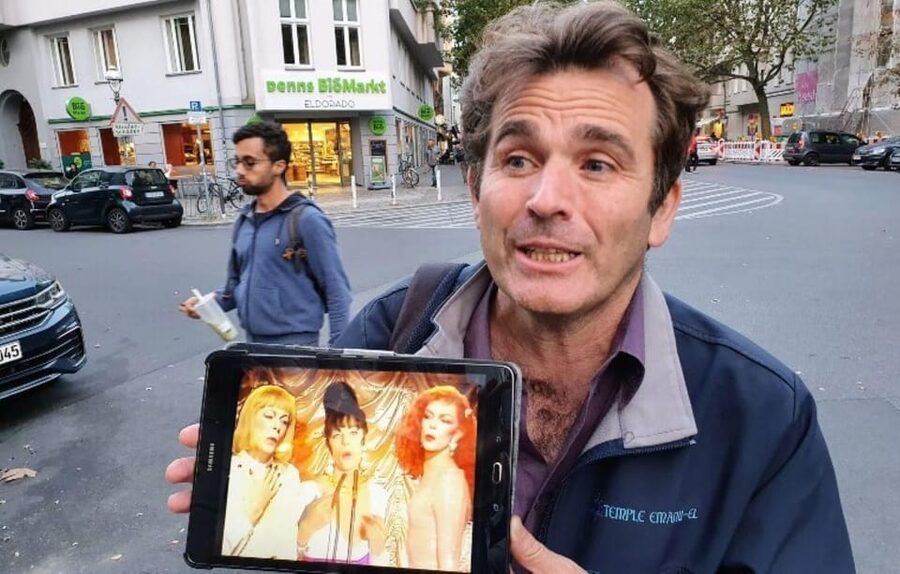
I especially like the focus on real addresses and former meeting places, including Christopher Isherwood’s flat and the old El Dorado Cabaret. I also like the use of photos and music in Dan’s storytelling, a detail that gives the period atmosphere some life. The main drawback is the pace: you cover a lot of ground, and metro fare is not included.
Key points to know before you book
- Schöneberg is the heart of the walk: See former clubs, bars, meeting places, and the neighborhood tied to Cabaret.
- Magnus Hirschfeld gets proper attention: Learn about his Institute for Sexual Science and the Nazi book burning that destroyed its library.
- The story reaches beyond the 1920s: The tour covers Nazi persecution, Cold War East Berlin, and the postwar return of queer nightlife.
- Guides add personal perspective: Dan draws on his life as a gay man in Berlin, while Justin brings a United States perspective and strong historical context.
- The route includes major city sights: Stops or nearby views include the Tiergarten monument, Unter den Linden, Alexanderplatz, and the former El Dorado.
- Expect a serious walking tour: It suits people who want history, politics, art, and personal stories more than a quick sightseeing stroll.
Why Berlin matters to queer history

Berlin was not simply a city with a few gay bars. In the late 19th and early 20th centuries, it became a center for research, activism, performance, publishing, and social life connected to same-sex relationships and gender identity.
The tour makes that point through people rather than abstract dates. You hear about scientists, artists, activists, royals, soldiers, writers, and performers whose lives crossed with Berlin’s queer world in very different ways.
That variety is one of the walk’s strengths. Frederick the Great and Alexander von Humboldt appear alongside Magnus Hirschfeld, Christopher Isherwood, Marlene Dietrich, Romy Haag, and David Bowie. Their stories do not all fit neatly into modern identity labels, and the tour’s value lies partly in showing how people concealed, expressed, or negotiated their sexuality in different periods.
The history also turns dark. The Nazi regime shut Hirschfeld’s institute in 1933 and burned its library. Later, the regime persecuted homosexual men, including people who had once held influence close to the Nazi leadership. The tour does not treat Berlin’s queer past as one long party. It shows the sharp break between the freedoms of the 1920s and the terror that followed.
Other LGBTQ-friendly trips in Berlin:
- Berlin: Gay Berlin Out in Schöneberg Walking Tour
★ 4.8 · 281 reviews - Street Art & Berlin Gay, Queer, Trans History + Free Gay Map
★ 4.9 · 15 reviews - Berlin: BKA Theater “Operetta for two gay tenors”
★ 4.0 · 4 reviews
Starting at Nollendorfplatz and Schöneberg
The walk centers on Nollendorfplatz and Schöneberg, an area long associated with Berlin’s gay and lesbian life. This is where the tour feels most grounded. Instead of hearing only about famous figures, you move through streets where bars, clubs, apartments, and informal meeting places shaped daily life.
Schöneberg is often described here as the world’s first gay ghetto. The phrase is historical and needs some care, since it can sound more rigid than the neighborhood really was. In practical terms, it points to an area where queer people could find more social contacts, nightlife, and relative freedom than in many other parts of the city.
The neighborhood also had important lesbian bars. That matters because Berlin’s queer past is often told through gay male writers and clubs, while lesbian life gets less attention. This walk includes both, though the supplied details place particular weight on the male nightlife and political history of the district.
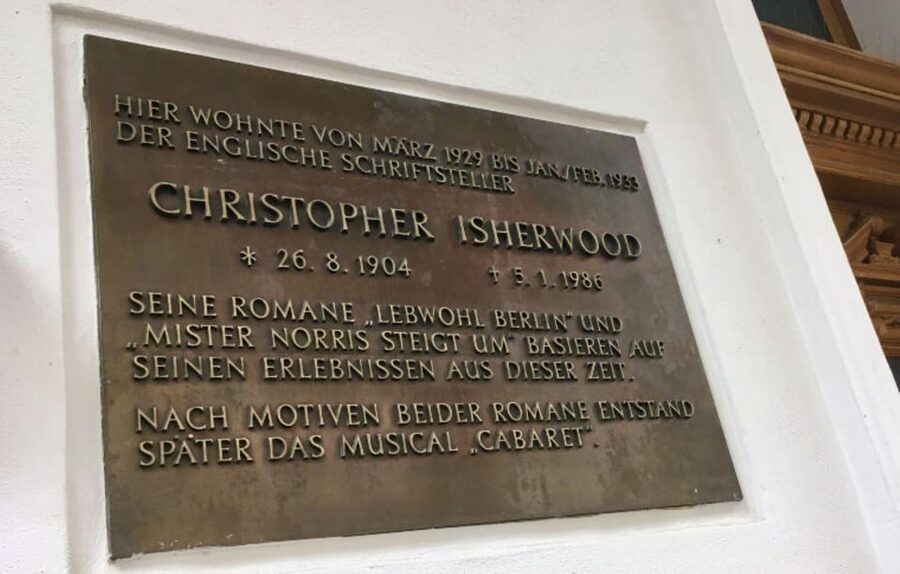
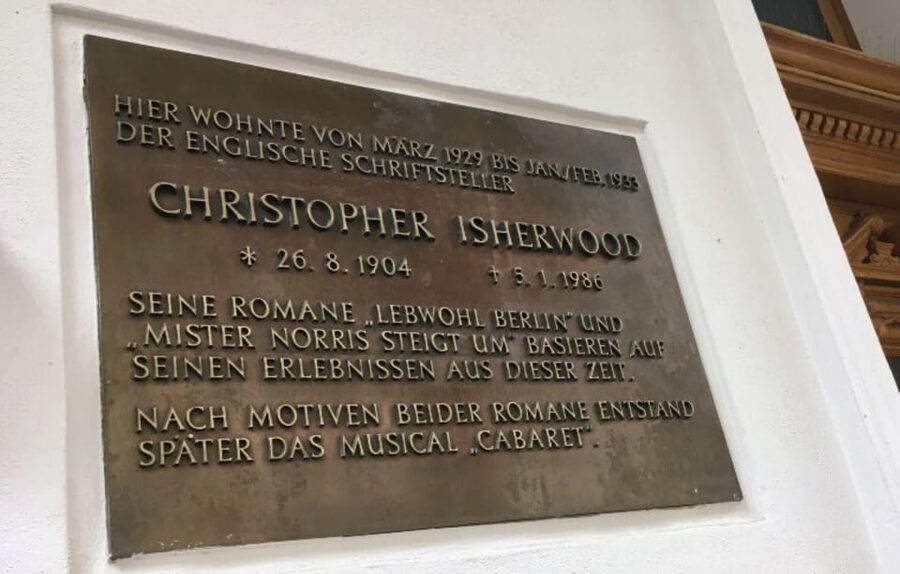
You will hear about the former flat of Christopher Isherwood, whose time in Berlin helped inspire the world later portrayed in Cabaret. Isherwood’s Berlin was not a tidy stage set. His writing drew from nightlife, relationships, rented rooms, and the uneasy freedom of the Weimar years.
The guide also points out clubs Isherwood frequented and a rent-boy establishment that remains gay-run. These details help you picture the social world behind the famous books and films. They also remind you that queer Berlin was not limited to wealthy patrons or celebrated artists.
Hirschfeld, science, and the cost of progress
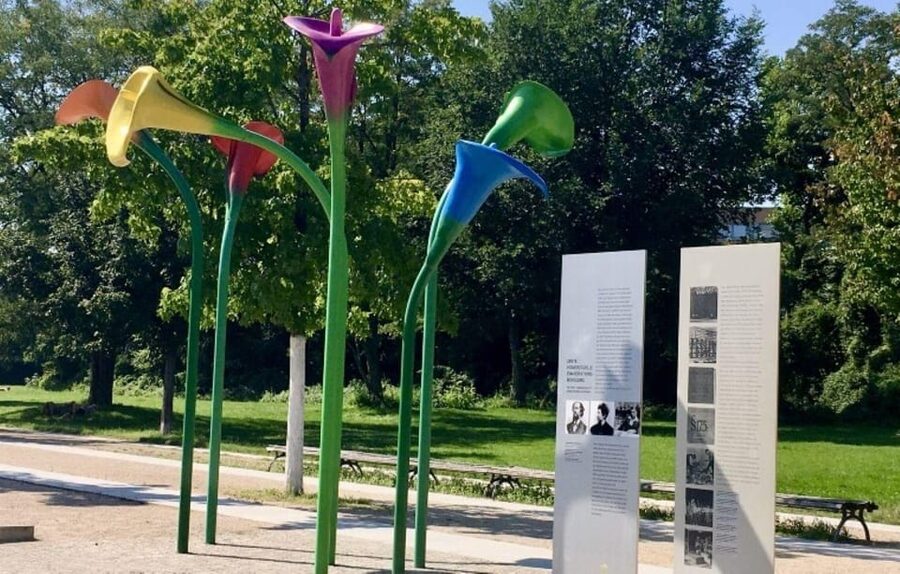
One of the most important stops is the Memorial to the First Homosexual Emancipation Movement, connected to the former site of Hirschfeld’s Institute for Sexual Science.
Magnus Hirschfeld was a physician and activist who worked to challenge legal and social persecution. He coined the term transsexualism and pushed for more humane treatment of people whose sexuality or gender did not fit accepted norms.
His institute was unusually broad in purpose. It combined research, advice, advocacy, and public education at a time when such work was dangerous and often misunderstood. The tour also explains Hirschfeld’s role in Anders als die Andern, or Different from the Others, a 1919 film often recognized as the first openly pro-gay film.
The site carries a painful second story. Nazis closed the institute in 1933, and its library was burned. Standing at the memorial, you see how quickly a place devoted to science and emancipation could be targeted by an authoritarian regime.
I find this section especially useful for visitors who know Berlin mainly through monuments to World War II. It connects queer persecution to the city’s wider political history without reducing the subject to one memorial or one date.
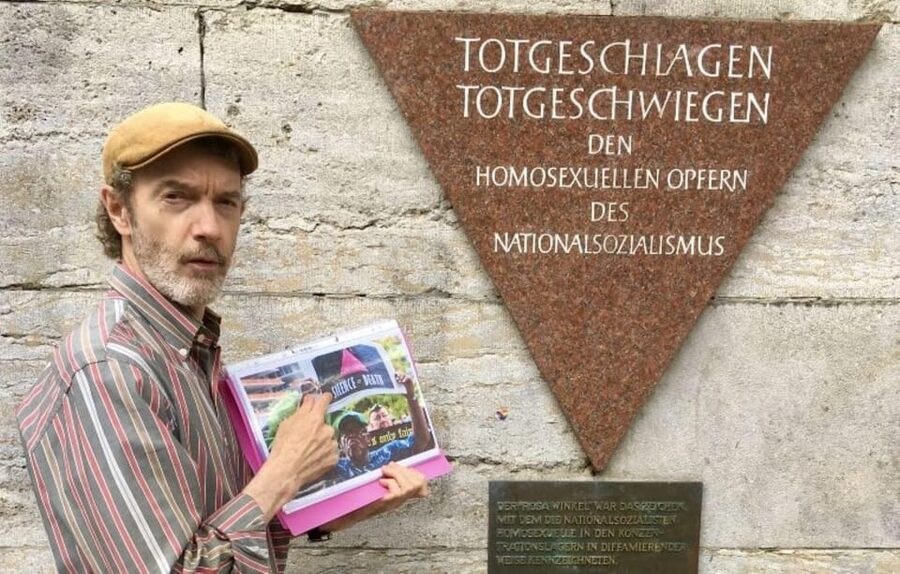
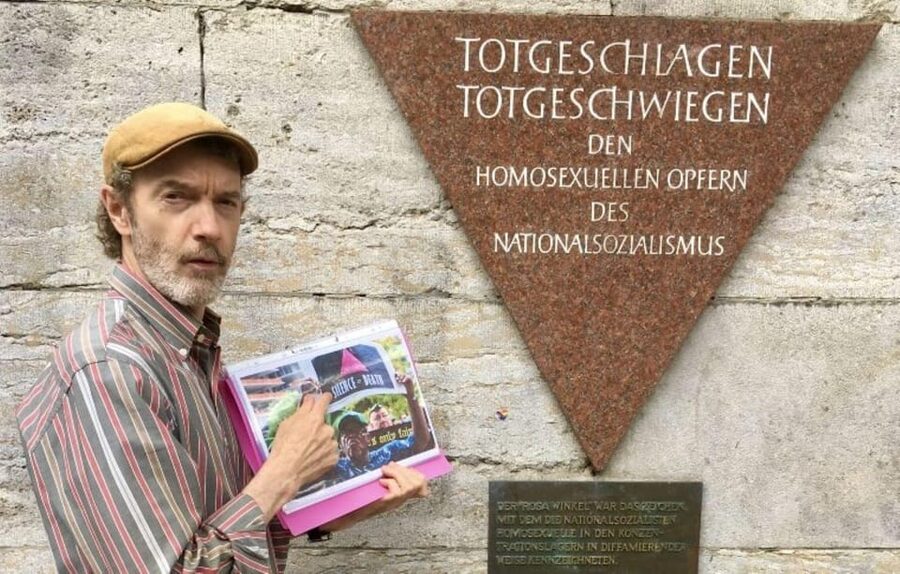
The tour also visits the Memorial to the Homosexuals Persecuted Under Nazism. This adds a direct reminder of the people imprisoned and murdered because of their sexuality. The two memorials work well together: one recalls a movement that sought change, while the other marks the human cost of its destruction.
El Dorado, Dietrich, and the uneasy 1920s
The former El Dorado Cabaret is another major stop. Marlene Dietrich performed there, and the venue attracted a mix of artists, socialites, political figures, and sexual outsiders.
The story is not simple. Ernst Röhm, the openly gay head of the Sturmabteilung, was among the regulars. His later execution during the 1934 Night of the Long Knives shows the contradiction of Nazi Germany: queer people could hold power in certain settings, yet the regime could turn violently against them when political convenience demanded it.
That contrast gives the tour more weight than a simple parade of famous names. You learn that visibility did not equal safety. A well-known club could offer freedom at night, while law, politics, and social prejudice still threatened people outside its doors.
The Cabaret connection also helps explain why this part of Berlin has such a strong place in popular culture. The stage image is seductive, but the tour puts it beside the harder facts of poverty, exploitation, police pressure, and political violence.
Same base, a different kind of day out:
- Berlin: Reichstag, Dome and Government District Guided Tour
★ 4.7 · 18,288 reviews - Berlin: 1-Hour City Tour by Boat with Guaranteed Seating
★ 4.3 · 16,993 reviews - Berlin: Boat Tour Along the River Spree
★ 4.4 · 11,252 reviews - Discover Berlin Half-Day Walking Tour
★ 5.0 · 9,624 reviews
From postwar Schöneberg to Chez Romy Haag
The route then moves into the postwar revival of Schöneberg as Berlin’s gay center. This section shows that queer life did not end with the Nazi period. It had to be rebuilt through new clubs, performers, friendships, and spaces where people could meet openly.
A key name is Romy Haag, a transgender actress, singer, and dancer who ran the famous Chez Romy Haag nightclub in the 1970s. The club became a major part of Berlin’s nightlife, and Haag’s relationship with David Bowie adds a strong link to international music history.
Bowie and Haag met there and began an affair. Their relationship helped inspire Bowie’s song Heroes, one of the best-known musical products of his Berlin period. The story works because the tour places it in a real club culture rather than treating it as a piece of celebrity trivia.
This part may appeal most to visitors who arrive with an interest in Bowie, cabaret, or performance. Still, the tour keeps the focus on queer Berlin, not only on Bowie. That balance matters. Famous names draw attention, but the clubs mattered because they gave many people a place to live more openly.
Unter den Linden and Alexanderplatz
The route does not remain in Schöneberg. It reaches Unter den Linden, the historic boulevard running through central Berlin, and then Alexanderplatz, a major symbol of Cold War East Berlin.
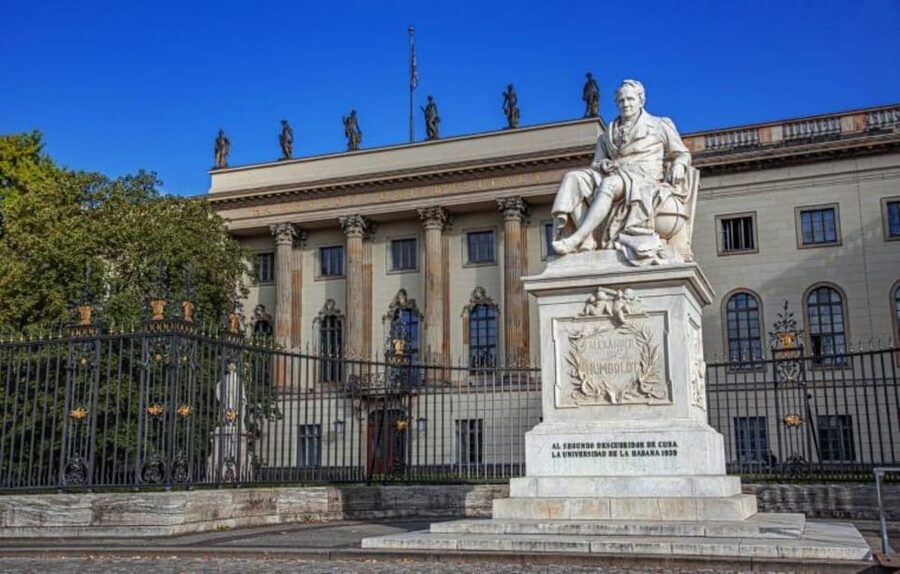
At Unter den Linden, the guide introduces earlier Berlin figures such as Frederick the Great and Alexander von Humboldt. The subject here is not modern gay identity, but how people in earlier eras concealed or managed their sexuality. That makes the discussion more nuanced than simply assigning today’s labels to historical figures.
The final section turns toward queer life behind the Iron Curtain. At Alexanderplatz, you hear about the pressure faced by gay men and lesbians in East Berlin and the limits placed on queer expression under state socialism.
This broad geographic reach is both a strength and a practical challenge. You see more of Berlin than you would on a neighborhood-only walk, but the experience may involve transit between areas. Metro fare is not included, so carry a valid ticket or plan for that extra cost. The start point depends on the option you select, and the listed end points are Berlin or Impala Coffeeshop.
How the guides shape the experience
The guide makes a big difference on a history walk, and the available information points to two names: Dan and Justin.
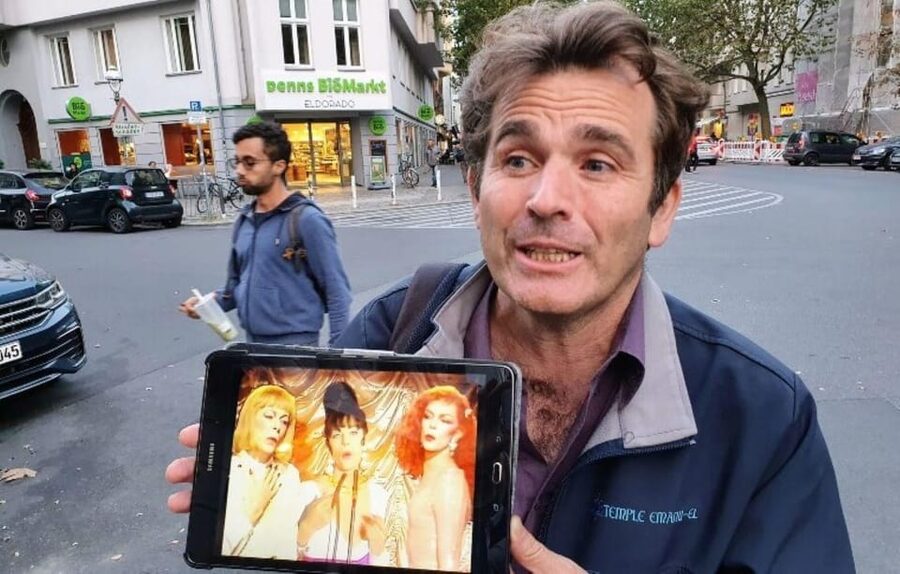
Dan is described as having come to Berlin before the Wall fell and as speaking from his own experience as a gay man in the city. His style includes a soundtrack, photographs, humor, and stories tied to specific places. That combination should suit you if you prefer history told through scenes and people rather than a lecture full of dates.
Justin brings a different angle. He was born and raised in the United States, so he can compare Berlin’s history with reference points familiar to an American audience. A small group format helped make his tour more personal, and a useful practical suggestion is to introduce everyone at the start so the group feels connected quickly.
Tours are offered in English or German, with private and small-group options available. A small group is likely the better pick if you want to ask questions or discuss identity, politics, and historical language along the way. A private tour should give you more control over the pace, though the supplied information does not specify how the price changes for that format.
Price, pace, and who gets the most value
At $153 per person, this is not a cheap city walk. The value depends on what you want from Berlin. If you only want a quick look at Schöneberg’s nightlife landmarks, the price may feel high. If you want a three-hour historical account connecting science, literature, music, Nazi persecution, the Cold War, and current queer Berlin, the cost is easier to justify.
The tour’s greatest value is its interpretation. Many of the places are ordinary streets or former venues with little to see from the outside. Without a guide, you might pass the former institute or Isherwood’s flat without understanding why they matter.
You should also plan for physical walking. The activity is explicitly a walking tour, and metro fare is extra. Contact the provider before booking if you have mobility concerns. The route covers several districts and periods, so comfortable shoes and a willingness to keep moving will help.
The walk is best for:
- First-time visitors who want a different way into Berlin’s history
- LGBTQ+ visitors interested in the people and places behind the city’s reputation
- Anyone who enjoyed Cabaret or is curious about its Berlin setting
- Readers of Christopher Isherwood
- Visitors interested in Magnus Hirschfeld, gender history, or civil rights
- Music fans drawn to Bowie, Romy Haag, and 1970s Berlin nightlife
It is less suited to you if you want a relaxed café-and-photo stroll, a short introduction for young children, or a tour focused only on present-day bars. The subject includes persecution, murder, sexual exploitation, and political repression, so expect serious material alongside the humor and nightlife stories.
Should you book the Queer Berlin Tour?

Book it if you want context, personal storytelling, and real city addresses rather than a standard sightseeing route. The strongest parts are Schöneberg, Hirschfeld’s institute, the El Dorado story, Isherwood’s Berlin, and the account of how queer life returned after the war.
The tour earns its price most clearly when the guide connects the glamorous stories to the painful ones. You will hear about Dietrich and Bowie, but also about Nazi book burnings, persecution, and the difficulties faced by gay and lesbian people in East Berlin.
Choose a small group or private option if discussion matters to you. If you want the broadest picture of Berlin’s queer past in three hours, this is a strong choice. Just allow for a brisk walk, possible metro costs, and a history lesson that refuses to smooth over the difficult parts.
FAQ
How long does the Queer Berlin Tour last?
The tour lasts three hours.
What languages are available?
The tour is offered in English and German.
Is this a walking tour?
Yes. The experience is a guided walking tour, and you should contact the provider in advance if you have mobility concerns.
What places does the tour visit?
The route includes Nollendorfplatz, Schöneberg, the Memorial to the Homosexuals Persecuted Under Nazism, the Memorial to the First Homosexual Emancipation Movement, Unter den Linden, and Alexanderplatz. It also covers places linked to Magnus Hirschfeld, Christopher Isherwood, the former El Dorado Cabaret, and Chez Romy Haag.
Is public transportation included?
No. Metro fare is not included.
Can I cancel or pay later?
You can cancel up to 24 hours in advance for a full refund. Reserve now and pay later is available.
Just added in Berlin
- Private One way Airport Transfer Berlin Airport To Berlin★ 3.5 · 17 reviews
- Private Walking Tour: Berlin Wall, Cold War and Checkpoint Charlie★ 5.0 · 37 reviews
- Modern Berlin Private Walking Tour: Diverse, Vibrant and Exciting German Capital★ 5.0 · 13 reviews
- Private Day Trip to Potsdam from Berlin by Train★ 4.5 · 27 reviews
- City Explorer: Potsdam Private Day Trip★ 4.5 · 10 reviews
- Berlin Private Custom 5-Hour Tour by Car★ 5.0 · 30 reviews
- Private Half-Day Sightseeing Tour in Berlin★ 3.5 · 6 reviews
- Berlin Private Custom Tour in a Minivan, East and West★ 5.0 · 123 reviews
Tours in Berlin, compared.
Reichstag, Dome and Government District Guided Tour
Read our review →
1-Hour City Tour by Boat with Guaranteed Seating
Read our review →
Reichstag, Plenary Chamber, Cupola & Government Tour
Read our review →