Reviewed · WALKING TOURS
Berlin: Schillerkiez and Rollberg Walking Tour
Berlin’s Schillerkiez and Rollberg show two very different sides of Neukölln within a short walk. You’ll trace how a planned residential district changed after the nearby airport opened and closed, then follow the story of Rollberg and its changing public image.
I like the broad view across Tempelhofer Feld and the personal touch of guide Reinhold Steinle, who lived in Schillerkiez for many years. I also like that the tour ends with a written summary and practical suggestions for more places to see. The main drawback is that the tour is offered in German, and its route is not suitable for people with mobility impairments.
Key points
- See Tempelhofer Feld from Neukölln: The former airport becomes part of the neighborhood story, not just a photo stop.
- Walk Schiller Promenade: Tree-lined streets, cafes, restaurants, and the stories of notable residents give the district its character.
- Understand Rollberg’s changing reputation: The tour looks at how the area was viewed in the past and how that picture has shifted.
- Hear the Köpenick connection: The story of the famous Captain of Köpenick adds a memorable local character to the walk.
- Travel privately: The $70 price covers a group of up to six, giving small parties a good per-person value.
- Take home useful notes: A written recap helps you remember names, places, and historical details after the 90 minutes end.
Two Neukölln neighborhoods, one revealing walk
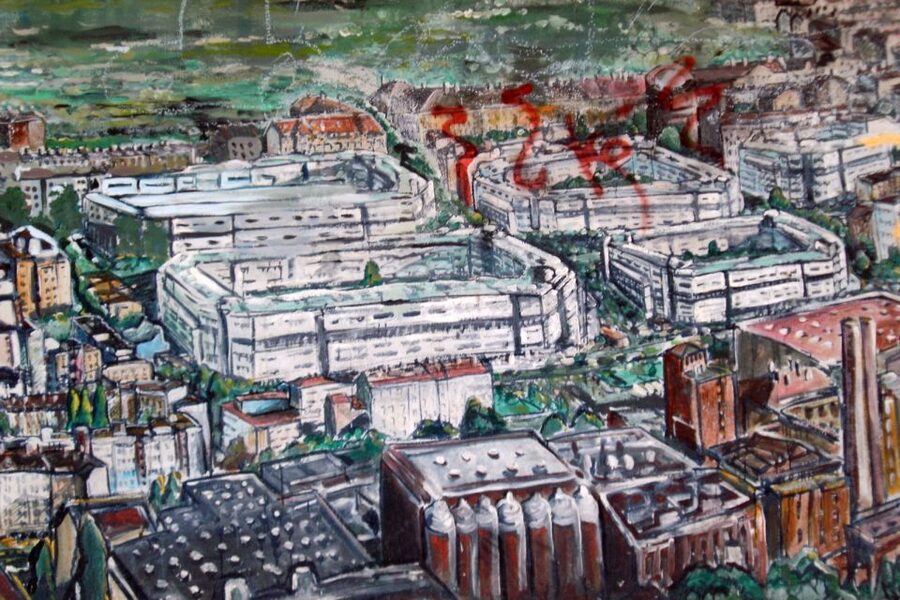
This tour works because it does not treat Berlin as one smooth, easily explained city. Schillerkiez and Rollberg sit close together, yet they carry different stories and different reputations. In 90 minutes, you get a compact look at how urban planning, transport, local identity, and changing public opinion shape a neighborhood.
The meeting point is at Hermannstraße 221 in Neukölln. From there, your guide introduces the origins of Schillerkiez before leading you through its streets and onward to Rollberg. The route is focused on context rather than a long list of monuments, so you should book it for explanation and local detail, not for grand museum interiors or major Berlin landmarks.
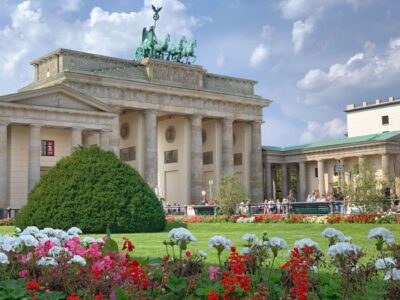
I find that approach especially useful after you have seen Berlin’s famous center. The Brandenburg Gate and Museum Island explain the capital’s national story. This walk explains how an ordinary residential district developed, changed, and learned to live with a huge former airport at its edge.
Other walks around Berlin:
- Discover Berlin Half-Day Walking Tour
★ 5.0 · 9,624 reviews - Berlin: Third Reich and Cold War 2 Hour Walking Tour
★ 4.9 · 6,830 reviews - Berlin: Discover Berlin Walking Tour
★ 4.9 · 5,998 reviews
Schillerkiez begins as a planned residential district
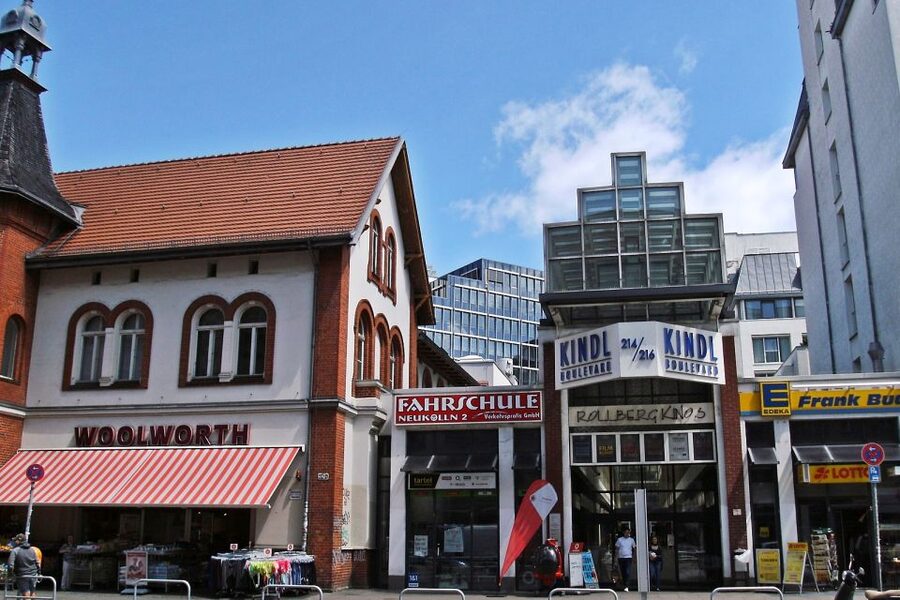
The opening section looks at how Schillerkiez was built at the beginning of the 20th century as a residential area. That starting point matters because the streets are not random. Their layout and buildings reflect a period when Berlin was expanding and housing districts were being shaped for everyday urban life.
You’ll hear about the area’s early purpose before considering the changes brought by the nearby Tempelhofer Feld airport. The airport affected the district simply by being there. Its opening altered the setting and daily experience of Schillerkiez, while its closure created a new relationship between the neighborhood and the vast open field.
This is one of the tour’s strongest ideas: a neighborhood can change without its street plan changing much. The buildings and tree-lined roads may remain, but the meaning of the nearby space can shift sharply. An airport edge becomes an open public field, and local residents gain a very different view and use of the area.
The walk does not present Schillerkiez as a frozen historic quarter. Restaurants and cafes now sit along streets that once served a more conventional residential role. You can look at the area as both a planned district and a place that keeps adapting to new residents, businesses, and public uses.
Schiller Promenade and the people who lived here
Schiller Promenade is the visual heart of the Schillerkiez portion. Its tree-lined setting gives you a pleasant change from the harder urban surfaces found in many central parts of Berlin. The avenue also provides a natural place to discuss the people connected with the neighborhood.
The tour points out famous residents of Schiller Promenade and explains why they matter to the district’s story. That focus on residents makes the walk feel more local than a standard architecture tour. Instead of simply looking at facades, you connect the street to the people who lived there and to the social life that developed around it.
I like this kind of stop because it gives you something to notice after the guide has gone. You can return to Schiller Promenade on your own, sit at a cafe, or compare the calm street setting with the busier parts of Neukölln. The restaurants and cafes also make the area useful for a break before or after the walk, though food and drinks are not included.
The guide’s role is important here. Reinhold Steinle is described as having lived in the neighborhood for many years, and his local connection shapes the tour’s tone. He brings in anecdotes and small points that can be missed when you walk through the area alone. His presentation is in German, so you should be comfortable following a spoken tour in that language.
Tempelhofer Feld from the Neukölln side

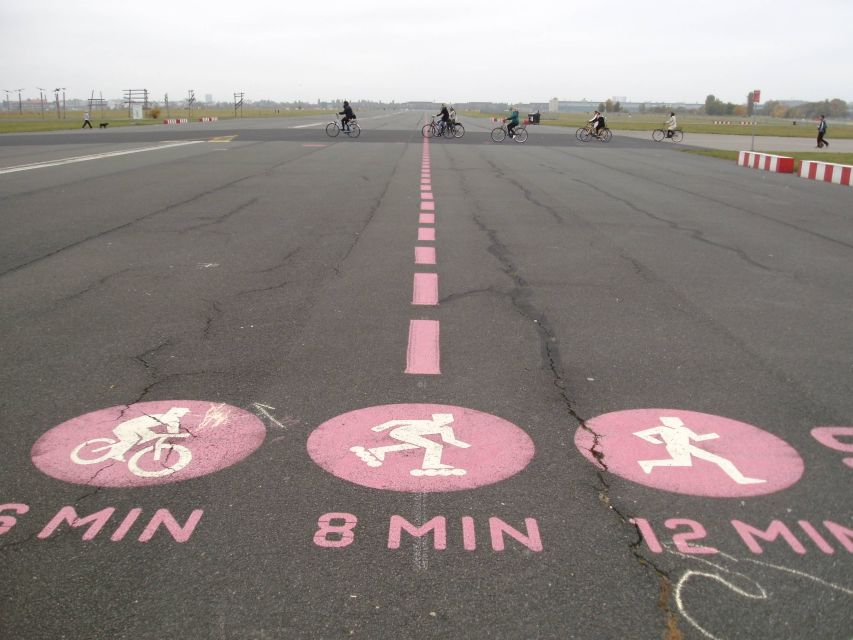
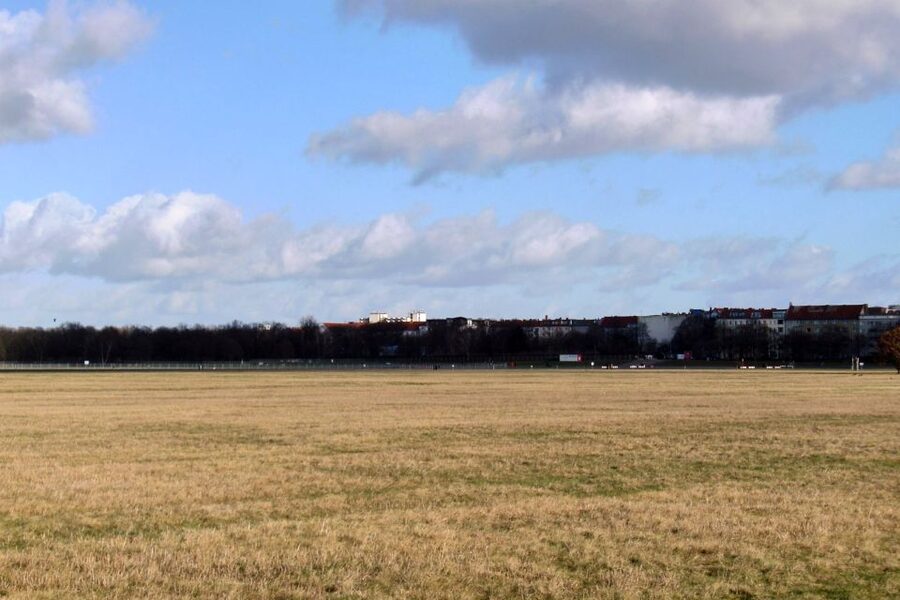
One of the clearest visual moments comes when you see Tempelhofer Feld from the Neukölln point of view. The field is enormous, and the view helps explain why the old airport changed the character of the surrounding districts.
You are not simply being shown an open space. You are being asked to consider what it meant for Schillerkiez to live beside an operating airport, then beside a huge former airport site. That shift gives the neighborhood story a clear before-and-after structure.
The Neukölln viewpoint is useful because it places the field in its local setting. From a more distant or central viewpoint, Tempelhofer Feld can seem like a separate attraction. Here, it becomes part of the daily identity of the neighborhood and part of the reason Schillerkiez developed as it did.
This section should appeal to anyone who likes cities as living systems. You’ll see how transport infrastructure can shape housing, movement, reputation, and the feeling of a district. If you want a tour devoted mainly to aviation history or a full exploration of the field itself, this walk will be too narrow. Tempelhofer Feld is one chapter in a neighborhood tour, not the whole subject.
Same base, a different kind of day out:
- Berlin: Reichstag, Dome and Government District Guided Tour
★ 4.7 · 18,288 reviews - Berlin: 1-Hour City Tour by Boat with Guaranteed Seating
★ 4.3 · 16,993 reviews - Berlin: Boat Tour Along the River Spree
★ 4.4 · 11,252 reviews - Berlin: Hop-on Hop-off Bus Tour with Live Commentary
★ 4.3 · 8,579 reviews
Crossing into Rollberg’s more complicated story
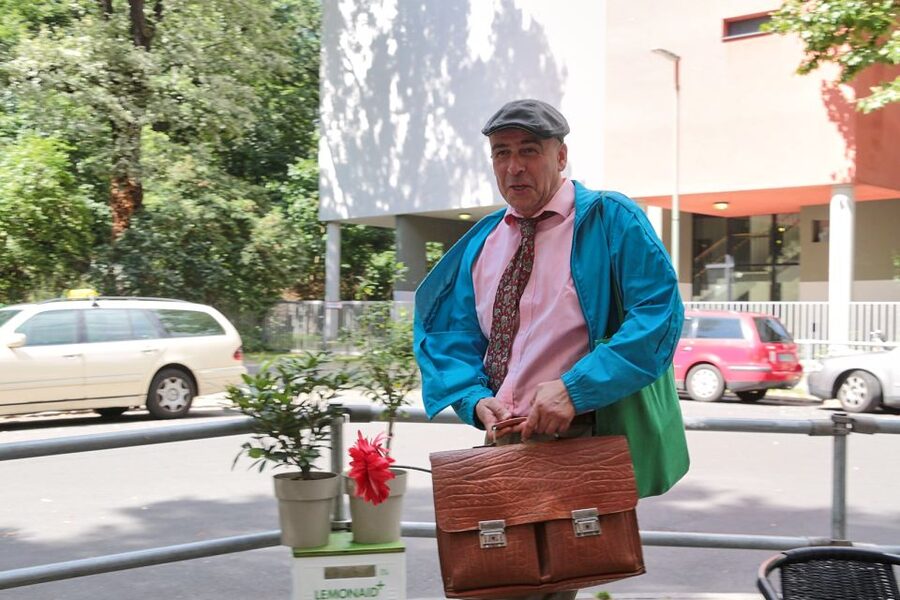
The route then continues into neighboring Rollberg. This change is central to the experience. Schillerkiez is presented through its planned residential origins, tree-lined streets, and connection to Tempelhofer Feld. Rollberg enters through its changing reputation and the way people have understood the district over time.
A good neighborhood tour should avoid easy labels, and this section gives you a chance to do that. Rollberg’s story is not reduced to one old stereotype or one new marketing line. Instead, the guide explains how its reputation has changed in recent years and why that change matters.
You should expect a more interpretive section here. The value comes from hearing the background behind what you see, rather than ticking off famous sights. Rollberg may not offer the instantly recognizable landmarks found in central Berlin, but that is exactly why a local guide helps. Without context, you might walk through and notice only the surface. With context, you can think about how a district is judged and how those judgments evolve.
This part also creates a useful contrast with Schillerkiez. The two areas are close enough to visit together, but the tour shows that proximity does not mean identical identity. Berlin often changes from one block to the next, and this route gives you a clear example without requiring a full day.
The Captain of Köpenick adds a memorable human story
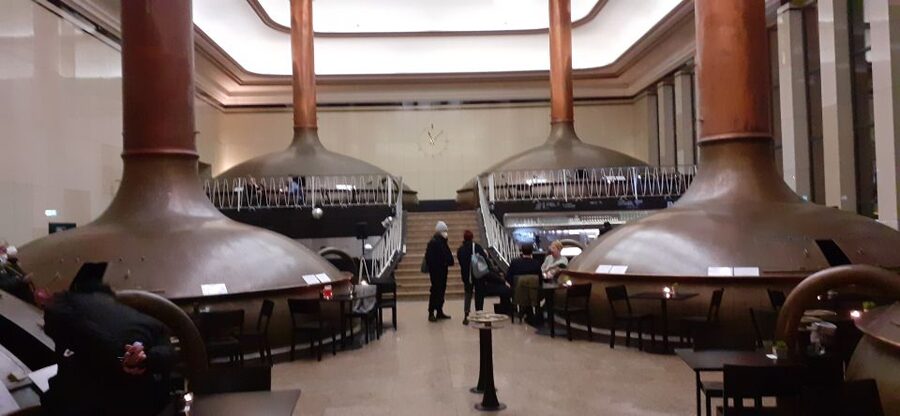
The tour also covers the Captain of Köpenick and his connection with Rollberg. This famous Berlin character gives the neighborhood story a memorable human face. Rather than dealing only with planning, buildings, and changing public opinion, you get a tale tied to a well-known figure in Berlin history.
The Captain of Köpenick is an especially useful subject on a short tour because a single character can help you remember a place. After the walk, the Rollberg section is more likely to stay in your mind because it is linked to a person and a story, not just a street name.
The guide connects this figure to the district instead of treating the tale as a detached Berlin anecdote. That local link is the point. You are learning why Rollberg belongs in the story of the city, not simply hearing another famous-name reference.
The available information does not give every detail of the Captain’s connection, so you should expect Reinhold Steinle to explain it during the walk rather than rely on this review for the full account. That is a good reason to pay attention and use the written summary afterward.
Why the private format changes the experience
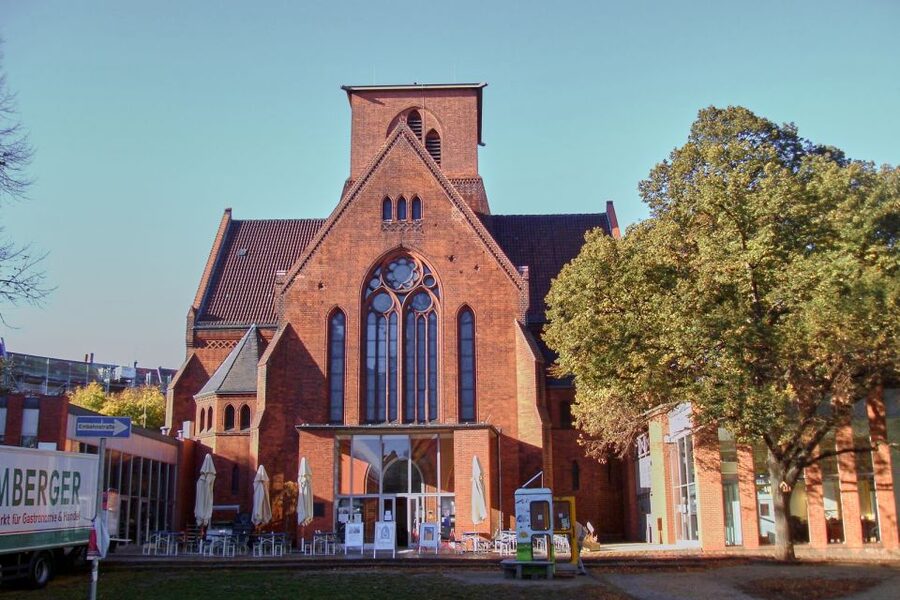
The $70 price covers a private group of up to six people. For one person or a couple, that is not a cheap neighborhood stroll. For a full group of six, it works out to about $11.67 per person, which is a strong value for a private 90-minute tour with a guide and follow-up notes.
The private setup gives you a more personal format than a large scheduled group. You are not sharing the walk with dozens of strangers, and the guide can keep the conversation focused on your group. The exact amount of discussion you get may depend on how many questions you ask, but the structure is well suited to people who prefer local explanation over a scripted route.
The 90-minute length is another plus. It is long enough to connect Schillerkiez and Rollberg without taking over your day. You can place it between major Berlin sights, use it as an introduction to Neukölln, or schedule it for a day when you want something less formal than a museum visit.
The tour is not a food walk, and no food or drinks are included. That is not a serious weakness, since the focus is history and neighborhood life, but you should plan your cafe stop separately. The restaurants and cafes along Schillerkiez make that easy to consider, though the tour does not promise a particular venue.
What you take away after 90 minutes
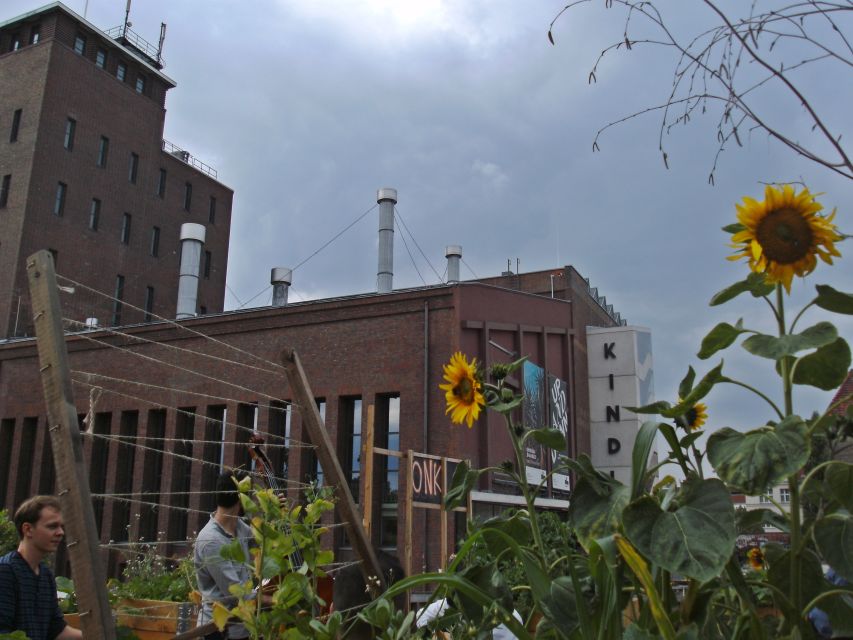
At the end, you receive a written summary of the most important content. I value this because neighborhood tours can move quickly. You may remember the broad ideas but lose the names, dates, or links between the districts once you return to the rest of Berlin.
The notes also make the tour more useful as a starting point. You can use them to revisit Schiller Promenade, think again about the Tempelhofer Feld view, or follow the guide’s tips for other places worth seeing. The guide also offers suggestions for further ventures, which helps turn a short walk into a plan for exploring more of Neukölln.
The strongest benefit is the honest local angle. Reinhold Steinle is described as friendly, well read, and closely connected to Schillerkiez. His knowledge of the area comes through personal familiarity, anecdotes, and detail about both its past and present. That makes the tour a good fit for someone who already knows Berlin’s major sights but wants a more specific look at how one part of the city works.
Past ratings for the experience have been perfect, with four reviews recorded at five out of five. One particularly useful point is that the tour can still offer fresh material to someone who already thinks they know Berlin. Another is the guide’s passion, which matters on a walk built around stories rather than major monuments.
Who should book this Neukölln walk?
I would recommend this experience to you if you enjoy urban history, local personalities, changing neighborhoods, and small-group guiding. It is also a good choice if you have already seen central Berlin and want to spend time in a district that rarely appears at the top of a first-time sightseeing list.
It suits couples, families, and small groups of friends especially well because the private price becomes more attractive as the group fills. The written summary is helpful for anyone who likes to keep notes or revisit details later.
You should think twice if you need an English-language tour, since the live guide speaks German. You should also skip it if walking is difficult, because the activity is not suitable for people with mobility impairments. And if you want a major-attraction tour with grand interiors and famous monuments, this is not the right fit.
For flexible planning, you can cancel up to 24 hours before the start for a full refund, and you can reserve now and pay later. Those policies reduce the risk of fitting the walk into a changing Berlin schedule.
Should you book the Schillerkiez and Rollberg tour?
Book it if you want Berlin explained at street level. The best parts are the connection between Schillerkiez and Tempelhofer Feld, the contrast with Rollberg, and Reinhold Steinle’s personal knowledge of the area. The Captain of Köpenick story and the written recap give the walk extra staying power.
Skip it if you need English, dislike neighborhood walking, or want a tour built around headline attractions. For a German-speaking group of up to six, though, $70 is fair, and the private format makes this a practical way to understand a less familiar side of Berlin in just 90 minutes.
FAQ
Where does the Schillerkiez and Rollberg tour meet?
The meeting point is Hermannstraße 221, 12049 Berlin, in Neukölln.
How long does the walking tour last?
The tour lasts 90 minutes.
What language is the tour in?
The live guide speaks German.
Is the tour private?
Yes. It is offered as a private group experience for up to six people.
Is Tempelhofer Feld included?
Yes. The tour includes a view of Tempelhofer Feld from the Neukölln side and explains how the airport affected Schillerkiez before and after its closure.
Is the tour suitable for people with mobility impairments?
No. The activity is not suitable for people with mobility impairments.
What is included in the price?
The price includes the guide, a written summary of the key content at the end, and tips for further places to see. Food, drinks, and hotel pickup and drop-off are not included.
Just added in Berlin
- Private One way Airport Transfer Berlin Airport To Berlin★ 3.5 · 17 reviews
- Private Walking Tour: Berlin Wall, Cold War and Checkpoint Charlie★ 5.0 · 37 reviews
- Modern Berlin Private Walking Tour: Diverse, Vibrant and Exciting German Capital★ 5.0 · 13 reviews
- Private Day Trip to Potsdam from Berlin by Train★ 4.5 · 27 reviews
- City Explorer: Potsdam Private Day Trip★ 4.5 · 10 reviews
- Berlin Private Custom 5-Hour Tour by Car★ 5.0 · 30 reviews
- Private Half-Day Sightseeing Tour in Berlin★ 3.5 · 6 reviews
- Berlin Private Custom Tour in a Minivan, East and West★ 5.0 · 123 reviews
Walking Tours, compared.

Third Reich Berlin: Hitler and WWII Walking Tour
Read our review →