Reviewed · WALKING TOURS
Potsdam, City of Emperors Walking Tour
Potsdam packs Prussian kings, grand palaces, the Bridge of Spies, and the postwar Potsdam Conference into one long day outside Berlin. This 5.5-hour walking tour gives you the useful thread that ties those places together: Potsdam was first a garrison town, then a royal seat, and later a setting for decisions that reshaped Europe.
I like two things right away. You move between major sights by local bus, tram, and train, so you cover far more ground than on foot alone. I also like the historical range, from Frederick the Great’s Sanssouci to the room where the postwar powers met at Cecilienhof. The main catch is that you walk about 5 to 6 kilometers, and the group can reach 30 people, so this is not a slow, quiet stroll.
Why Potsdam Makes a Strong Day Trip From Berlin
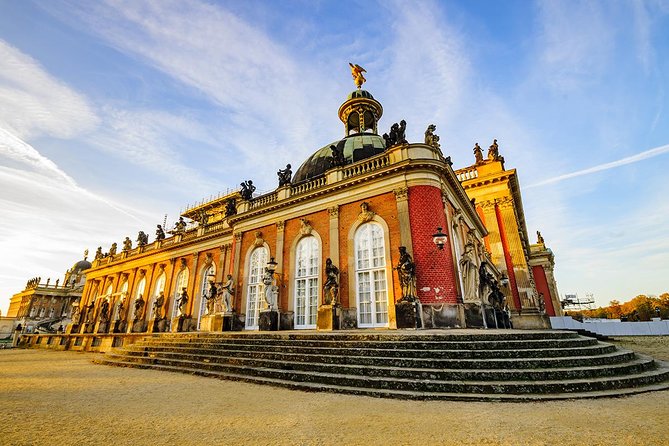
Potsdam is close to Berlin, but its story feels distinct. Prussian kings used it as a military center and royal retreat. Later, the German Kaiser and his family occupied its palaces. After World War II, the city became the setting for negotiations among the United States, Britain, and the Soviet Union.
That mix gives the tour real shape. You are not simply moving from one pretty building to another. You see how power changed hands, how rulers used architecture to present themselves, and how the city’s royal past collided with the political order that followed the war.
The tour begins at 10:00 a.m. in front of the Starbucks near Berlin’s Zoologischer Garten station. From there, you travel by public transportation to Potsdam. Your ABC ticket is not included, so buy the required ticket before meeting the guide. The stated price is $80, and you should add the transit fare of €3.40 for a single ABC trip, plus the €12 Sanssouci entrance fee if you go inside.
That makes the tour more expensive than a self-guided train ride, but you are paying for a full day of route planning, historical explanation, and group transport through a spread-out city. If you want only Sanssouci, this is more than you need. If you want the major political and royal sites explained in one outing, the price can make sense.
Glienicke Bridge and the Cold War Story
The first major stop is Glienicke Bridge, better known as the Bridge of Spies. The bridge crosses the Havel between Berlin and Potsdam and became famous during the Cold War for prisoner exchanges between the United States and the Soviet Union.
You spend about 30 minutes here, enough time to understand why this ordinary-looking crossing became such a loaded place. The value of having a guide is clear at this point. Without context, it is simply a bridge with water and traffic around it. With the story, it becomes a symbol of the divided world that followed World War II.
This stop also sets up the political side of the tour. Potsdam is not only about palaces and gardens. Its location made it part of the machinery of war, diplomacy, borders, and espionage.
Other walks around Berlin:
- Discover Berlin Half-Day Walking Tour
★ 5.0 · 9,624 reviews - Berlin: Third Reich and Cold War 2 Hour Walking Tour
★ 4.9 · 6,830 reviews - Berlin: Discover Berlin Walking Tour
★ 4.9 · 5,998 reviews
Potsdam’s Center, the Dutch Quarter, and Baroque Streets
After Glienicke Bridge, the group takes a short bus ride toward Potsdam’s center. Around Bassinplatz, you begin exploring the city’s baroque streets and buildings.
The Dutch Quarter is one of the most distinctive areas on the route. Its brick buildings give the center a different feel from the grand palace grounds. Here, your guide explains how Potsdam grew under several generations of Prussian rulers and how the city’s planned architecture supported its role as a royal and military center.
The tour description calls this part of the city Germany’s largest UNESCO World Heritage site. That is a useful reminder that the heritage area is not one isolated palace. It is a broad collection of palaces, gardens, streets, and historic buildings spread across Potsdam.
This section involves walking on city streets rather than simply viewing one landmark. I like that change of pace. You get a sense of Potsdam as a lived-in city, not just a collection of royal properties. The drawback is that the group must keep moving to stay on schedule, especially with several public transport connections still ahead.
Babelsberg Palace and the City of the Kaisers
The next stop takes you by tram to Babelsberg Palace. The palace was a formal royal residence and is linked to Potsdam’s identity as the city of the German Kaisers. The area is also associated with the Babelsberg film studios.
You spend about 30 minutes here. The guide uses the palace and surrounding area to explain why so many royal residences appeared in and around Potsdam. This is where the military story and the royal story meet: Potsdam housed the Prussian army while also serving as a residence for kings and later the Kaiser.
The tour information lists admission here as not included. You should expect the main value of this stop to be the explanation and exterior setting rather than a guaranteed interior visit. If palace interiors are your priority, ask the guide on the day what is open and what the group will see.
Public transport makes this route practical, but it also means you need to stay alert. The day includes a train journey, a bus, and a tram. One especially positive feature is that the schedule is planned around those connections. Still, bring the correct ticket, listen for meeting instructions, and wear shoes that will handle several hours of walking.
Cecilienhof and the Potsdam Conference
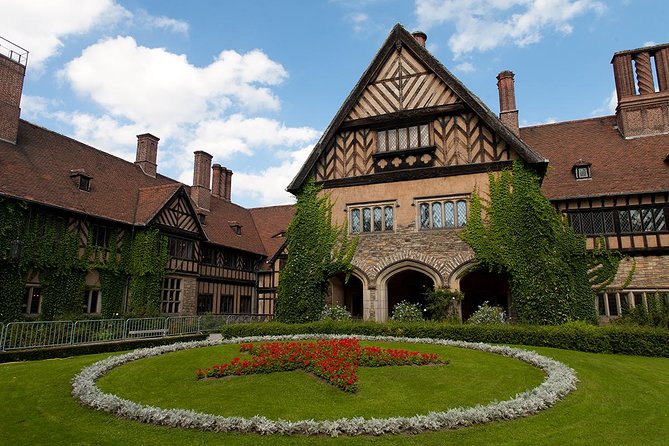
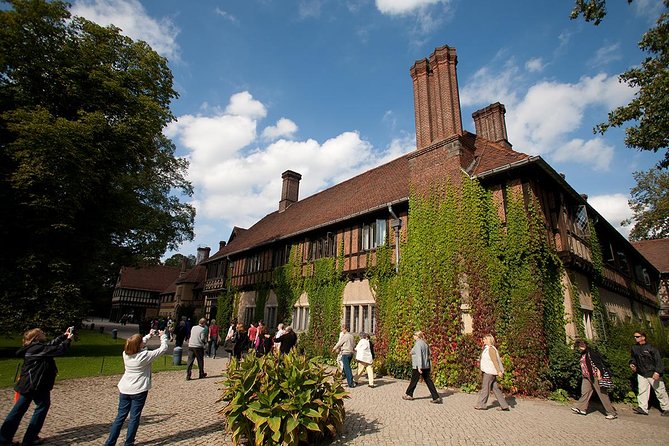
The tour then continues to Neuer Garten, or New Garden, and Cecilienhof Palace. This is one of the most important stops for anyone interested in 20th-century politics.
Cecilienhof was home to the German Crown Prince before the royal family abdicated. In 1945, it became the site of the Potsdam Conference, where the Allied powers met after the end of World War II to discuss the shape of postwar Europe.
Your guide explains both sides of the site. You learn about the palace as a royal home, then about its role in negotiations after the war. That contrast is one of the strongest ideas in the whole tour. A building connected to Germany’s monarchy became the setting for a new international order.
The stop lasts about 30 minutes. Admission is not included, so you should not assume you will tour the interior as part of the base price. The palace and its setting still matter from the outside, but anyone hoping to enter should ask about current arrangements and fees.
This is also a point where a strong guide makes a big difference. Guides named Susan, Alice, Rochelle, Sophia, and Rodrigo have led tours of this kind, and the best accounts of their work focus on clear storytelling and making complicated political history easy to follow. Your guide will vary, but the experience depends heavily on how well that person connects the royal story with the events of 1945.
A few more things to do in Berlin worth a look
- Berlin: 1-Hour City Tour by Boat with Guaranteed Seating
★ 4.3 · 16,993 reviews - Berlin: City Sightseeing Hop-On Hop-Off Bus Tour
★ 4.1 · 4,233 reviews - Berlin: 1-Hour City Sightseeing Cruise
★ 4.4 · 2,210 reviews - Berlin City Hop-on Hop-off Tour with Optional Cruise
★ 3.5 · 1,155 reviews
Potsdam’s Brandenburg Gate and Four Generations of Kings
Potsdam has its own Brandenburg Gate, separate from Berlin’s famous gate. The tour stops here for about 30 minutes.
The gate provides a useful place to discuss Potsdam’s growth under four generations of exceptional kings. The city did not become grand by accident. Its rulers shaped its streets, military role, churches, gardens, and palaces over many years.
This stop also brings the story toward the two World Wars and the political changes that followed. You can see how royal ambition helped define Potsdam, then consider how those royal structures survived after the monarchy disappeared.
The stop is included in the tour, and it is one of the easier places to appreciate the city’s scale. You are in a public urban setting, not an isolated palace park, so the relationship between Potsdam’s everyday center and its royal past is easier to see.
Sanssouci Palace, Frederick the Great’s Summer Retreat
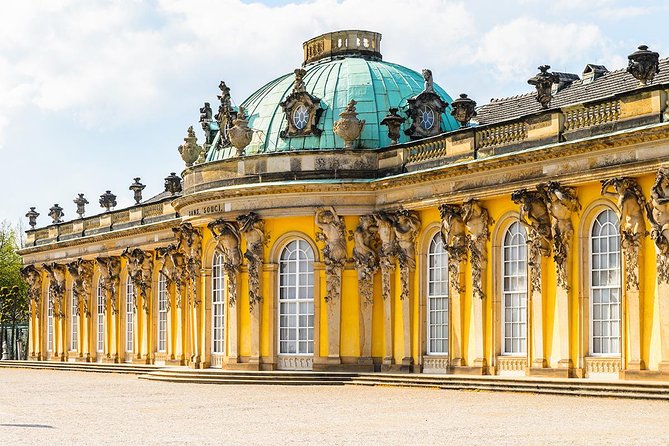
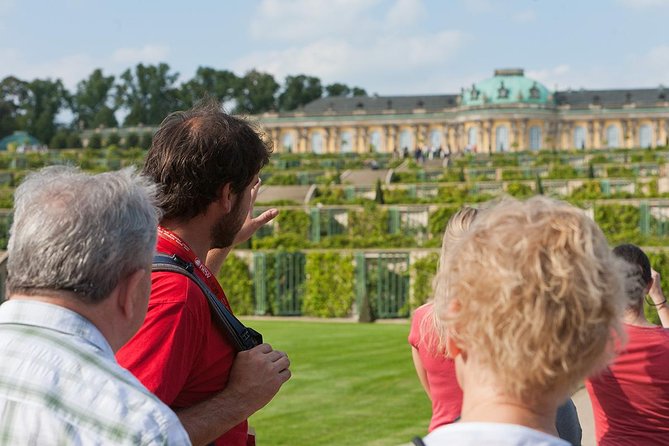
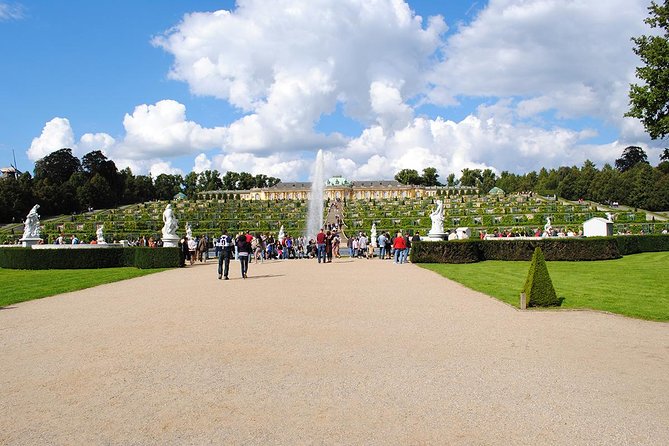
The tour ends at Sanssouci Palace, the former summer palace of Frederick the Great, King of Prussia. The name suggests a place without worries, and the palace was designed as a retreat from formal court life.
You spend about 30 minutes learning about the palace, its architecture, and its views before deciding how to continue. The tour does not include the €12 entrance fee. Your guide can explain how to get the best-priced tickets and avoid long lines, but the interior visit is your own expense.
This detail caused some confusion for at least one person on the tour, who expected the guide to lead the group inside. Read the arrangement carefully: the tour ends at Sanssouci, and entrance is optional and separate. You can go in, explore the park, or return to Berlin with the guide.
Sanssouci is also closed on Mondays. If you want an interior visit, avoid booking for that day. In winter, some statues may be covered, which can reduce the visual appeal of the park, though the palace and its setting remain worthwhile.
The tour’s ending gives you useful flexibility. You can stay in Potsdam and explore more on your own, or return by train to central Berlin with the guide. If you plan to stay, confirm the route back and allow enough time for the return trip.
How Much Walking and Waiting Should You Expect?
This is called a walking tour, but it is really a walking and public transport tour. You cover about 5 to 6 kilometers on foot, with bus and tram rides between sections.
The pace is moderate rather than strenuous, but you should have a reasonable fitness level. Comfortable shoes are essential. The day includes streets, palace grounds, and transfers, and you may need to keep up with the group between stops.
The listed maximum is 30 people. That is larger than the intimate small-group outing some readers may imagine. Some departures may be much smaller, even just a few people, but you should prepare for a group closer to the maximum. With a large group, it can be harder to hear the guide or stay close at busy crossings.
If your guide uses a microphone or gathers the group carefully, the size may not cause much trouble. Still, stand near the guide when possible. This matters most at the Bridge of Spies, in the city center, and during public transport changes.
The Guides Make the History Work
The strongest part of this experience is the guide’s storytelling. Names reported for different departures include Sophia, Rodrigo, Susan, Alice, and Rochelle. You are not guaranteed one of them, but the range of guide feedback shows what to look for: clear explanations, enthusiasm, and an ability to make history feel close rather than remote.
Rodrigo has been praised for explaining history with energy. Susan has been described as making the past accessible in a very small group. Alice has taken extra care with the group, while Rochelle has covered a great deal of ground without losing the story.
That matters because Potsdam has many names, dates, rulers, and political shifts. A poor explanation would leave you with a blur of palaces. A good one helps you understand why each place appears on the route.
The tour is also useful if German royal history is new to you. You do not need a strong background in Prussian politics to follow the main story. Still, if you prefer to study each building at length, this guided format may feel too fast.
What to Bring and How to Plan the Day
A little preparation will make the outing easier:
- Buy the required ABC public transport ticket before the 10:00 a.m. meeting time. A single-trip ticket is listed at €3.40.
- Wear comfortable shoes for 5 to 6 kilometers of walking.
- Bring money for food and drinks, since lunch is only a break and meals are not included.
- Budget €12 for Sanssouci if you plan to enter.
- Do not book Monday if the Sanssouci interior is important to you.
- Arrive at the Starbucks near Zoologischer Garten station, at Joachimsthaler Str. 1 to 4.
- Decide in advance if you want to return to Berlin with the guide or stay in Potsdam after the tour.
The meeting point is convenient for public transportation, and the tour ends near the S-Bahn customer center at Zoologischer Garten. The exact day can vary because independent guides may adjust the route for the group, opening hours, or local conditions.
Who Will Get the Most From This Tour?
I would choose this tour if you want a guided introduction to Potsdam and prefer not to plan several connections yourself. It suits anyone interested in royal history, architecture, the Cold War, or the political decisions made after World War II.
It is also a good fit for first-time visitors to Berlin who want to see more than the central sights. The tour gives you a clear reason to leave the city center and makes Potsdam’s scattered attractions easier to connect.
I would be more cautious if you dislike group pacing, public transport, or long walks. The tour is not a private palace visit, and the maximum group size of 30 can feel crowded. You also pay separately for transportation, food, and palace entry, so the final cost is higher than the $80 headline price.
The cancellation terms are simple: cancel at least 24 hours before the start for a full refund. Cancellations or changes made inside that window are not refunded or accepted.
Should You Book the Potsdam City of Emperors Tour?
Book it if you want the big picture: Prussian kings, imperial Potsdam, the Bridge of Spies, Cecilienhof, the Potsdam Conference, and Sanssouci in one organized day. The mix of royal and 20th-century political history is the tour’s strongest feature.
Skip it if your main goal is a long, unhurried interior visit at Sanssouci. In that case, you may prefer to visit the palace independently and set your own pace.
For most Berlin visitors with one free day, this is a useful and well-planned introduction to Potsdam. Buy the transit ticket first, wear good shoes, confirm the Monday closure, and treat the Sanssouci entrance as a separate choice. That preparation removes the main surprises.
FAQ
Where does the tour begin?
The tour begins at 10:00 a.m. in front of the Starbucks near Zoologischer Garten station, at Joachimsthaler Str. 1 to 4, 10623 Berlin.
Where does the tour end?
The listed end point is the S-Bahn customer center at Zoologischer Garten, Hardenbergplatz 13, Berlin. You may also stay in Potsdam after the tour or return to central Berlin by train with the guide.
Is public transportation included?
No. You must purchase an ABC public transport ticket before joining the tour. A single-trip ABC ticket is listed at €3.40.
Is Sanssouci Palace admission included?
No. The Sanssouci entrance fee is listed at €12 and is paid separately. The tour ends at the palace, and the guide provides information about tickets and avoiding long lines.
Is Sanssouci Palace open every day?
No. Sanssouci Castle is closed on Mondays. Winter conditions may also mean that some statues in the park are covered.
How much walking is involved?
The tour covers about 5 to 6 kilometers of walking, along with bus, tram, and train journeys. Comfortable shoes and moderate physical fitness are recommended.
Is lunch included?
No. The tour includes a break for lunch, but food and drinks are not included in the price.
What is the maximum group size?
The tour can have up to 30 people. Some departures may be smaller, but you should be prepared for a group of that size.
Just added in Berlin
- Private One way Airport Transfer Berlin Airport To Berlin★ 3.5 · 17 reviews
- Private Walking Tour: Berlin Wall, Cold War and Checkpoint Charlie★ 5.0 · 37 reviews
- Modern Berlin Private Walking Tour: Diverse, Vibrant and Exciting German Capital★ 5.0 · 13 reviews
- Private Day Trip to Potsdam from Berlin by Train★ 4.5 · 27 reviews
- City Explorer: Potsdam Private Day Trip★ 4.5 · 10 reviews
- Berlin Private Custom 5-Hour Tour by Car★ 5.0 · 30 reviews
- Private Half-Day Sightseeing Tour in Berlin★ 3.5 · 6 reviews
- Berlin Private Custom Tour in a Minivan, East and West★ 5.0 · 123 reviews
Walking Tours, compared.

Third Reich Berlin: Hitler and WWII Walking Tour
Read our review →