
Reviewed · BERLIN WALL & COLD WAR TOURS
The Cold War and The Wall – Private Tour with Jacob
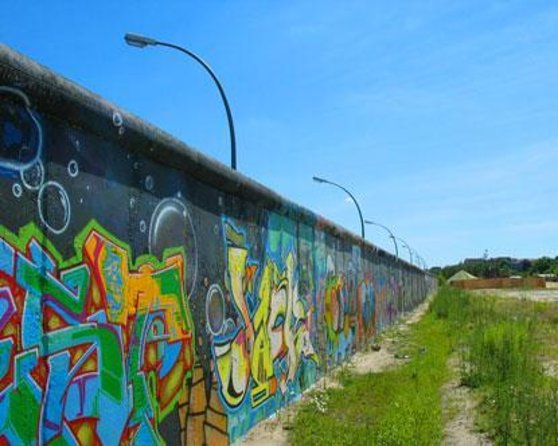
Berlin’s Cold War story is easiest to grasp when you walk through the places where the division happened. This private tour links Checkpoint Charlie, Brandenburg Gate, Potsdamer Platz, and the Palace of Tears into one clear route, while Jacob explains how the Wall shaped daily life, politics, and escape attempts.
I like the one-group format, since you can ask questions without waiting for a crowd. I also like the practical extras: hotel pickup, a subway map, and a picture folder that helps you keep track of Berlin’s many names and monuments. The main consideration is pace. Ten stops in 2 hours and 45 minutes means some locations receive only a short explanation.
Key points at a glance
- A private route through divided Berlin: Only your group takes part, with a maximum of six people at the advertised price.
- More than the famous Wall sights: The route includes the Aviation Ministry, Friedrichstrasse, the Palace of Tears, and the East German Trabant.
- Jacob brings a personal guide to the city: He is also identified as Nadav Jacobs in the provider information.
- Pickup makes the start simple: Collection is offered from a Berlin hotel, Airbnb, train station, or airport.
- Public transport is part of the plan: Expect to pay about 3 to 11 euros for a two-hour or day ticket.
- A useful first-day orientation: The guide offers a large subway map and help with questions about the rest of your Berlin visit.
Berlin’s Cold War story works best on foot
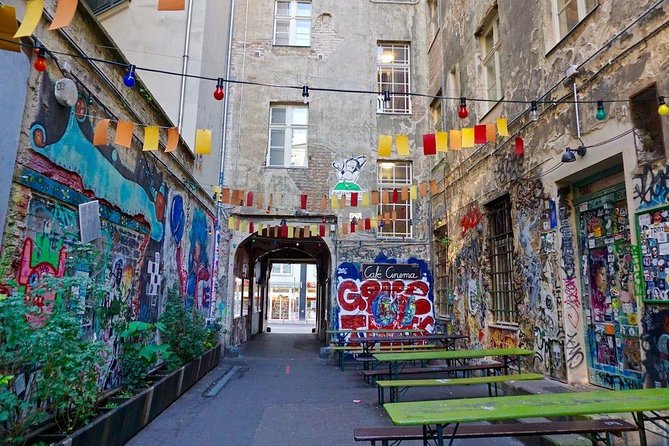
This is not simply a march from one monument to the next. The route shows how Berlin changed from a divided capital into a reunified city, with each stop adding a different piece of the story.
You begin at the Siegessäule, or Victory Column, on Straße des 17. Juni. The stop connects the grand ceremonial avenue with the 1953 uprising in East Germany. It is a short opening visit, but it gives you an early reminder that the Cold War was not only a contest between governments. It also involved ordinary people pushing back against communist rule.
From there, the tour moves to Brandenburg Gate. This is one of Berlin’s most familiar sights, yet its Cold War meaning can be easy to miss when you are busy taking photographs. The gate sat near the Wall and became a powerful symbol of division, then of reunification. The visit covers both the Wall’s construction and its fall.
I like this beginning because it places the political story in recognizable spaces. You are not starting with a classroom lecture. You are standing at monuments that carried real weight during the city’s division.
Other divided-city history in Berlin:
- Berlin: Third Reich and Cold War 2 Hour Walking Tour
★ 4.9 · 6,830 reviews - Berlin’s Best: 2 Hour Walking Tour Third Reich and the Cold War
★ 5.0 · 5,486 reviews - Skip-the-Line: Berlin Wall Museum at Checkpoint Charlie
★ 4.1 · 2,041 reviews
Brandenburg Gate and Potsdamer Platz: from border to open city
At Potsdamer Platz, you see how sharply Berlin’s center was split. Once an important urban crossroads, the area was cut apart by the border and later rebuilt after the Cold War. The tour also touches on the post-Cold War freedom concert, which helps explain how the space came to represent a more open Berlin.
You should expect a compact explanation here rather than a long visit inside a museum. The listed timing is about 15 minutes, so use the stop to ask focused questions about the border, reconstruction, and the changes after reunification.
Potsdamer Platz is useful for understanding that the Wall did not merely divide neighborhoods. It interrupted the heart of the city. That makes it a good counterpoint to Brandenburg Gate, where the story is told through a famous monument.
The Aviation Ministry and the 1953 East German revolt
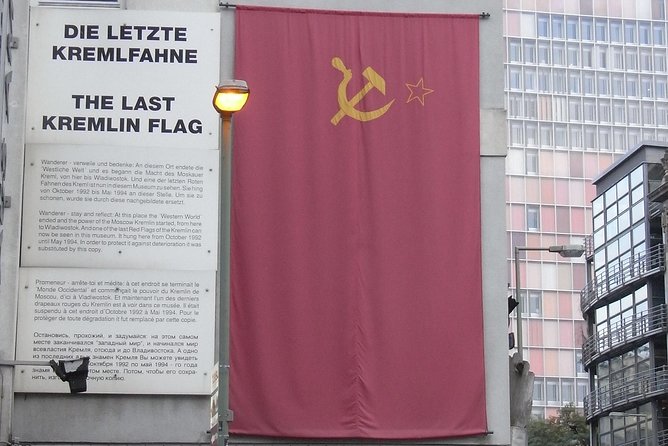
The former Aviation Ministry introduces a less obvious chapter. Here, the guide discusses Max Lingner’s communist utopian imagery and Heinz Holzapfel’s escape attempt. These details bring the period down from the level of presidents and military alliances to art, propaganda, and the risks people took to leave East Germany.
The stop lasts about 10 minutes. That is enough for an introduction, but you may need to ask Jacob to slow down if one of these stories especially interests you.
I like the inclusion of this building because it keeps the tour from becoming a standard checklist of Berlin landmarks. The most famous sights explain the broad outline. A stop like this adds the human and ideological detail.
The Trabant gives East Germany a face
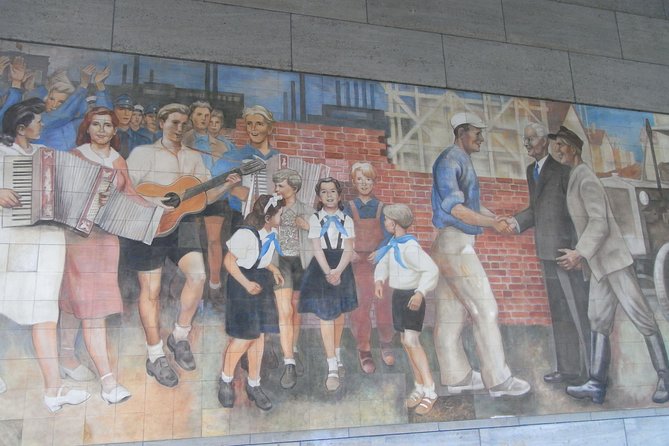
The 30-minute visit to the Trabi Museum is the longest stop on the route. The Trabant, often called the Trabi, was the best-known East German car. Seeing it as a museum subject gives you a simple way to think about production, daily life, and the material limits of the communist state.
The car may look amusing today, but it was not simply a joke to the people who drove it. It was part of everyday life in East Germany, and its design and availability tell you something about how the economy worked.
This is also the stop most likely to appeal to anyone who enjoys objects and visual details. Political history can feel abstract. A small car makes it easier to picture ordinary routines on the eastern side of the Wall.
Admission is listed as free for every stop, including the Trabi Museum. That is useful when comparing the tour price, though the cost of public transport is separate.
A few more things to do in Berlin worth a look
- Berlin: Private Reichstag and Glass Dome Tour
★ 4.8 · 2,226 reviews - Berlin Private Complete History All Day Walking Tour
★ 5.0 · 474 reviews - Private Walking Tour Berlin Third Reich Hitler and World War II
★ 5.0 · 360 reviews - Private Berlin: Iconic Sights and Hidden Gems Walking Tour
★ 5.0 · 292 reviews
Checkpoint Charlie explains the border’s theater
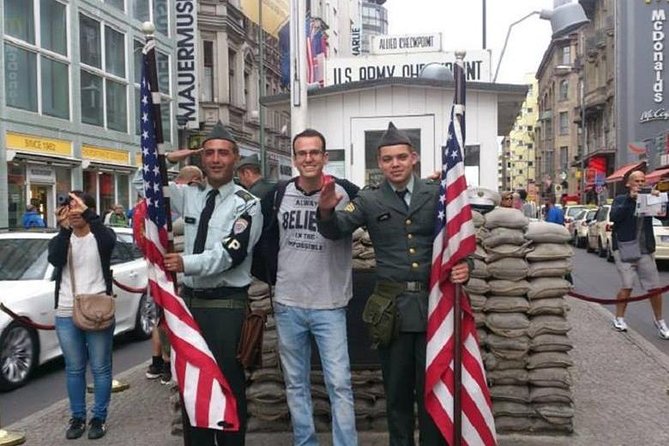
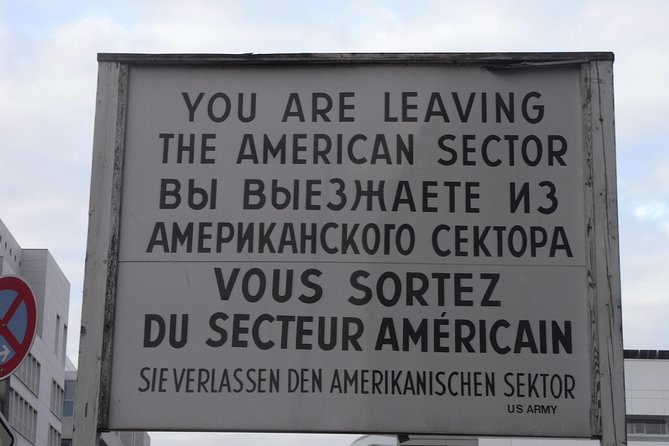
Checkpoint Charlie was the main crossing between East and West Berlin for many foreign visitors and Allied personnel. Today it is one of the city’s most photographed Cold War locations, but a quick photograph alone does not explain its importance.
The guide uses the stop to discuss the crossing, the broader Cold War story, and the role of the checkpoint as a symbol. The scheduled visit is about 10 minutes, so this is another place where your questions will help shape the conversation.
The value here comes from having someone explain what you are looking at. Berlin’s central sights can be crowded and visually confusing. A guide helps connect the checkpoint with the streets and border controls around it.
Friedrichstrasse and Unter den Linden show two sides of the city
Friedrichstrasse was closely tied to the border, and its name is linked to the checkpoints that controlled movement through the divided city. The tour allows about 20 minutes here, giving Jacob more room to explain how crossings and control worked.
The next major stretch is Unter den Linden, East Germany’s main avenue leading toward the border. This broad route helps you picture the eastern side of Berlin as a planned political center. It also gives the tour a sense of direction, from the city’s eastern core toward the crossing points.
These two stops work well together. Friedrichstrasse shows the mechanics of division. Unter den Linden shows the public face of East German power. You get a better sense of how streets could serve both daily life and political theater.
Because the tour uses public transport, wear shoes suited to walking and allow some flexibility between stops. The exact transport arrangements are not set out in the supplied details, but a ticket costing about 3 to 11 euros is not included in the tour price.
The Palace of Tears puts emotion into the border story
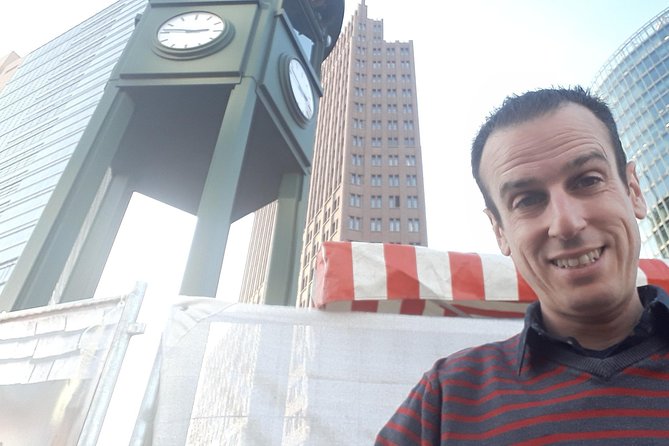
The Palace of Tears is one of the most affecting names on the route. It was a major checkpoint for citizens leaving East Berlin, and the stop focuses on communist control and the personal cost of separation.
The planned visit lasts about 20 minutes. That is long enough to discuss why the checkpoint mattered, rather than simply treating it as another address on the map.
This is the sort of place where the human side of the Cold War becomes clear. The border was not only concrete, watchtowers, and official papers. It also meant difficult goodbyes and uncertainty for families and friends.
If you are especially interested in personal stories, tell Jacob early. The private format makes it easier to direct the conversation toward border crossings, escape attempts, family separation, or political life.
Alexanderplatz closes with the TV tower and the space race
The tour ends at Alexanderplatz, with its famous television tower and a look at the space race. The stop is scheduled for about 10 minutes, so it functions as a closing overview rather than a long visit.
The TV tower was a major symbol of East Germany’s confidence and technological ambition. Linking it with the space race shows how the Cold War reached far beyond Berlin’s streets. The competition involved military power, science, architecture, propaganda, and national pride.
Ending here makes practical sense. Alexanderplatz is a major city-center location and an easy place from which to continue your day. You finish with an important Berlin landmark and a direct connection to the wider rivalry between East and West.
What the private format adds
The tour costs $310 per group of up to six people. That is not a bargain for one person, but the calculation changes quickly with a full group. Six people would pay about $52 each before transport. A couple would pay about $155 each, so the private format makes the most financial sense for families or small groups traveling together.
The main value is not admission savings. The stops are listed as free, and public transport is extra. You are paying for Jacob’s time, route planning, pickup option, and the chance to shape the discussion around your own questions.
The private setting also avoids the usual group-tour problem: a guide gives the same speech while half the group struggles to hear. You can ask for more detail at the Palace of Tears, spend less time at a familiar monument, or ask for ideas about what to see after Alexanderplatz.
Jacob is described as highly informed about Berlin and its past, and one booking account identifies him as Nadav Jacobs. Another guide named Nadav Jacobs is also connected with the experience details, so confirm the exact guide name when booking if that matters to you.
Pickup, transport, weather, and timing
Pickup is offered from a Berlin hotel, Airbnb, train station, or airport. That can be helpful on your first day, especially if you are still learning the city’s street pattern and public transport system.
The tour ends at Alexanderplatz, at 10178 Berlin. It does not return you to the pickup point, so plan your next activity from central Berlin.
Public transport tickets are not included. The stated cost is about 3 to 11 euros for a two-hour or day ticket. Ask about the ticket you need before setting out, since the right choice depends on the length of your plans and the transport zones involved.
The tour runs in all weather. Bring an umbrella when rain is possible, and dress for a walking route with outdoor stops. Service animals are allowed, and the route is near public transportation. Most people can take part, though the supplied details do not give a specific distance or mobility assessment.
The duration is about 2 hours and 45 minutes. Since the schedule includes ten stops, the pace is purposeful. You will see a lot, but you should not expect long, unhurried visits at every location.
Who will get the most from this Berlin tour
I would choose this tour if you are visiting Berlin for the first time and want the Cold War period explained in a connected way. The route covers the major symbols, then adds less familiar places that give the story texture.
It also suits families and small groups who want control over the conversation. A private guide can explain the history in simpler terms for younger participants or spend more time on political questions for adults.
History-minded visitors will appreciate the mix of famous sights and specific stories, including the 1953 East German revolution, the Aviation Ministry, the Heinz Holzapfel escape attempt, and the Trabant. People with only a short stay can also use the route as a first orientation to central Berlin.
I would be more cautious if you want long museum visits, extensive time at each location, or a fully vehicle-based tour. The route is designed around several short stops, and public transport costs extra. A private van and driver can be requested, but that is not part of the base price.
The guide also offers a large subway map, an A3 picture folder, and availability for questions or help with the rest of your Berlin visit. Those extras are especially useful if you want to continue exploring independently after the tour.
Should you book it?
Book this tour if you want a private, guided introduction to Cold War Berlin and value a flexible conversation more than museum depth. The combination of Brandenburg Gate, Checkpoint Charlie, the Palace of Tears, the Trabi Museum, and Alexanderplatz gives you a strong overview in less than three hours.
The $310 group price is easiest to justify with four to six people. Solo visitors and couples should compare it with a shared walking tour if keeping costs low matters most.
I would book it early if your dates are fixed, since it is commonly reserved about 40 days ahead. Free cancellation is available when you cancel at least 24 hours before the start time. For a first Berlin visit, a small group, and a serious interest in the city’s divided past, this is a well-focused choice.
FAQ
How long is the Cold War and The Wall tour?
The tour lasts approximately 2 hours and 45 minutes.
How much does the private tour cost?
The price is $310 per group, with up to six people included.
Who guides the tour?
The tour is with Jacob. The provider information also identifies the guide as Nadav Jacobs, so you can confirm the name when booking.
Where does the tour start and end?
It starts in Berlin, Germany, with pickup available. It ends at Alexanderplatz, 10178 Berlin.
Is hotel pickup available?
Yes. Pickup is offered from a Berlin hotel, Airbnb, train station, or airport.
Is public transportation included?
No. Public transport tickets cost about 3 to 11 euros for a two-hour or day ticket and are paid separately.
Are admission tickets included?
The listed stops have no separate admission ticket charge.
Does the tour operate in bad weather?
Yes. It operates in all weather conditions. Bring an umbrella when rain is expected.
Can I cancel for a full refund?
Yes, if you cancel at least 24 hours before the experience start time. Cancellations made less than 24 hours ahead are not refunded.
Just added in Berlin
- Private One way Airport Transfer Berlin Airport To Berlin★ 3.5 · 17 reviews
- Private Walking Tour: Berlin Wall, Cold War and Checkpoint Charlie★ 5.0 · 37 reviews
- Modern Berlin Private Walking Tour: Diverse, Vibrant and Exciting German Capital★ 5.0 · 13 reviews
- Private Day Trip to Potsdam from Berlin by Train★ 4.5 · 27 reviews
- City Explorer: Potsdam Private Day Trip★ 4.5 · 10 reviews
- Berlin Private Custom 5-Hour Tour by Car★ 5.0 · 30 reviews
- Private Half-Day Sightseeing Tour in Berlin★ 3.5 · 6 reviews
- Berlin Private Custom Tour in a Minivan, East and West★ 5.0 · 123 reviews
Berlin Wall & Cold War Tours, compared.

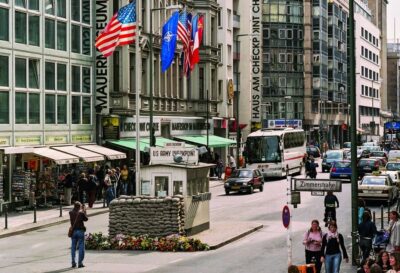
Skip-the-Line: Berlin Wall Museum at Checkpoint Charlie
Read our review →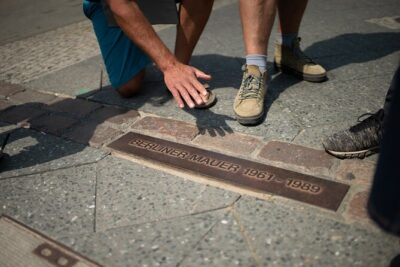
Cold War, Berlin Wall, Spies and the East Side Gallery
Read our review →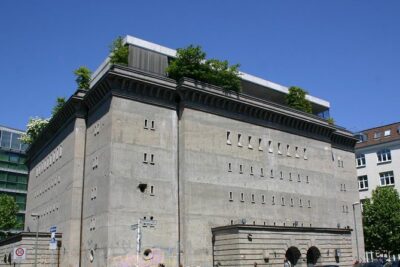
Guided Bike Tour of the Berlin Wall and Third Reich
Read our review →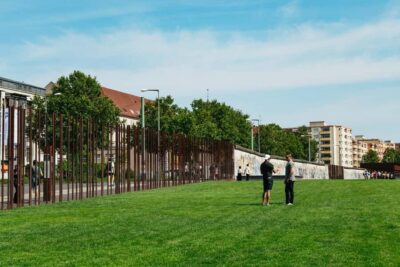
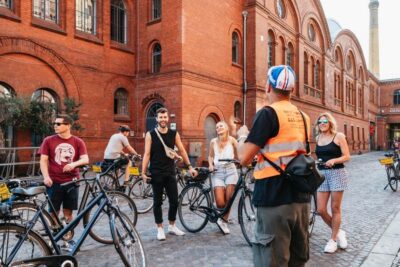
East Berlin and the Berlin Wall 2-Hour Walking Tour
Read our review →Browse the lists this tour appears in