
Reviewed · WALKING TOURS
Mannheim, guided walking tour: Pulsating Jungbusch
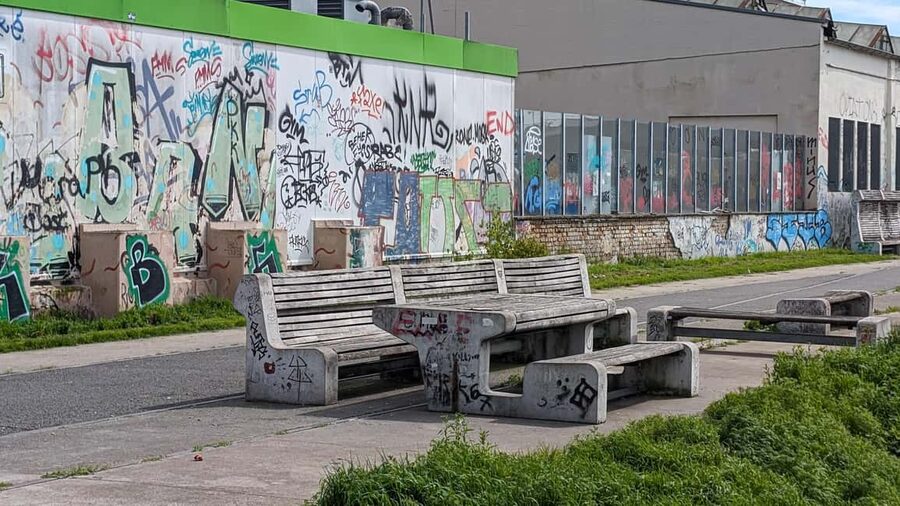
Jungbusch is the kind of neighborhood where Mannheim’s old working port meets its new creative life. This 90-minute walk takes you past bars, cafés, galleries, the Popakademie Baden-Württemberg, and newer businesses while explaining how the district changed from a working-class quarter into a nightlife hotspot. I like the clear social context and the chance to see a part of Mannheim that is more lived-in than polished. I also like the focus on creative spaces and mixed cultures, rather than a list of monuments.
The main limitation is time. Ninety minutes is enough for a useful introduction, but not enough to fully explore everything Jungbusch offers. The tour is in German, takes place rain or shine, and is not suitable for wheelchair users.
Key points at a glance
- Jungbusch’s changing identity: Learn how a working-class district became one of Mannheim’s trendiest quarters.
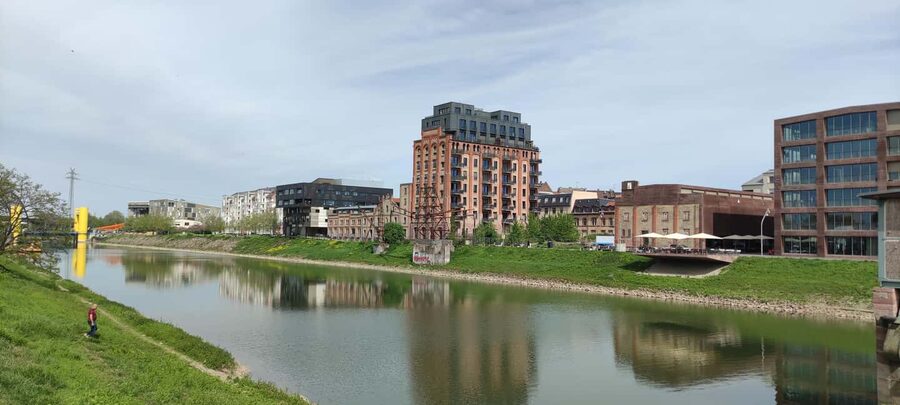
- Creative Mannheim: Pass the Popakademie Baden-Württemberg, galleries, exhibition spaces, and start-ups.
- A neighborhood walk, not a monument tour: The appeal is in the streets, businesses, and local character.
- German-language guiding: The tour is led by a qualified live guide in German.
- Short and focused: The 1.5-hour length works well before dinner or an evening in Jungbusch.
- Simple meeting point: Find the guide at Teufelsbrücke by the bridge, identified by a blue, white, or red polo shirt.
Why Jungbusch makes a good walking tour
Jungbusch gives you a different view of Mannheim. Instead of concentrating on grand civic buildings or famous landmarks, the tour looks at how a district functions and changes over time.
Its story is tied to working-class life, migration, business, music, nightlife, and creative work. That combination makes the neighborhood useful for understanding present-day Mannheim. You are not simply looking at old façades. You are seeing how cafés, restaurants, cultural venues, and newer companies share space in a district with an older identity.
I like this approach because it gives meaning to details you might otherwise pass without notice. A bar, gallery, or renovated storefront becomes part of a larger story about who lives and works in Jungbusch. The route also helps explain why the neighborhood feels different from more formal parts of the city.
The tour is best for you if you enjoy urban change and local culture. If you want a long list of major sights or a historic walking tour centered on architecture, this may feel less satisfying.
More Walking Tours across Germany
- Discover Berlin Half-Day Walking Tour
★ 5.0 · 9,624 reviews - Berlin: Third Reich and Cold War 2 Hour Walking Tour
★ 4.9 · 6,830 reviews - Munich: Third Reich & WWII Walking Tour
★ 4.6 · 6,181 reviews
Meeting at Teufelsbrücke
The tour begins at Teufelsbrücke by the bridge. That is a practical meeting point, but you should allow time to find the exact place before the start. Look for a guide wearing a blue, white, or red polo shirt.
There is no transfer included, so you must make your own way to the bridge. The tour also does not include food or drinks. That is not a serious problem in a district known for cafés, bars, and restaurants, but you should plan your own stop before or after the walk rather than expecting refreshments during it.
A short walking tour is easier when you arrive ready. Wear comfortable shoes and dress for the forecast. The route goes ahead in rain or sunshine, so a light rain layer can be useful even when the morning looks clear.
Seeing Jungbusch change from working quarter to modern district
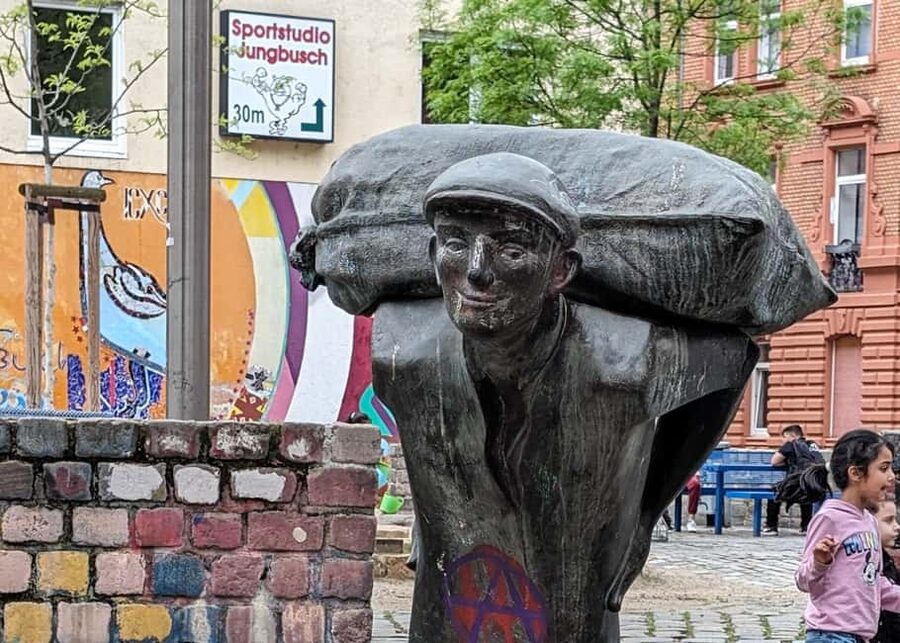
The central subject is Jungbusch’s transition. Your guide explains the living conditions of past and present residents and shows how the area developed into a modern quarter.
That focus gives the walk more substance than simply pointing out places that look fashionable today. Trendy bars and cafés are only one part of the story. You also hear about the people and working life connected with the district, then see how newer creative and commercial uses have changed its public image.
I find this kind of explanation especially valuable early in a city visit. It helps you read the neighborhood with more care. A busy restaurant may signal current popularity, while a building or street arrangement may hint at an older working environment. The guide’s job is to connect those layers without turning the walk into a dry lecture.
One useful point from the available feedback is that the opening explanation can take up a noticeable share of the short tour. One participant felt the introduction was too long compared with the amount of Jungbusch still left to see. If you prefer to start walking at once, this is worth knowing.
At the same time, another participant praised the guide for pointing out attractive corners and drawing attention to small details. That balance explains the tour’s appeal: the introduction supplies context, while the street walk gives you a direct sense of the district.
Bars, cafés, and restaurants along the route
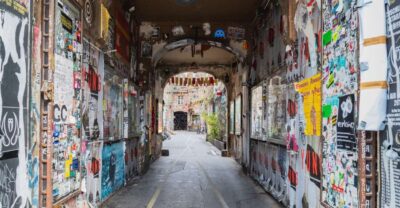
Jungbusch’s nightlife is part of the experience, even though this is not a food tour or pub crawl. As you walk, you see hip and vintage-style bars, cafés, and restaurants that reflect the district’s current reputation.
The benefit is that you can note places for later. If you take the walk during the day, you get an overview and can return in the evening when the area has a different mood. If you take it before dinner, you finish with a better sense of where you are and what kind of place might suit you.
Do not book this activity expecting tastings or a drink. Food and beverages are not included, and the guide does not promise a stop for them. The value is in the explanation and orientation, not in what you consume along the way.
This also makes the $17 price easier to judge. For that amount, you are paying mainly for a local introduction to the district. It is reasonable value if you want context and a guided route. It is less compelling if you only want to stroll through the neighborhood at your own pace, since the public streets and businesses can also be explored independently.
A few more things to do in Germany worth a look
- Berlin: Reichstag, Dome and Government District Guided Tour
★ 4.7 · 18,288 reviews - Dresden: Semperoper Tickets and Guided Tour
★ 4.7 · 12,102 reviews - Berlin: Government District around the Reichstag Guided Tour
★ 4.7 · 8,447 reviews - Hamburg: Elbphilharmonie Plaza Guided Tour
★ 4.7 · 5,882 reviews
The Popakademie and Jungbusch’s creative side
The route includes the Popakademie Baden-Württemberg, along with galleries, exhibition spaces, and innovative start-ups. These stops show how music, art, and newer forms of business have become part of Jungbusch’s identity.
The Popakademie is particularly useful as a marker of the neighborhood’s creative direction. You are not just hearing that Mannheim has a modern cultural scene. You are seeing one of the institutions connected with it.
The galleries and exhibition spaces add another layer. They suggest a district where culture is not limited to one large museum or official venue. Instead, creative activity appears through smaller spaces and changing programs. The tour does not promise entry into every gallery or exhibition, so think of these as points of orientation rather than a gallery crawl.
The same applies to the start-ups. Their presence helps explain why Jungbusch attracts newer kinds of work, but you should not expect business visits or meetings with companies. The guide uses them to help describe the district’s current character.
This part of the tour should appeal to you if you want to see how a city supports creative work in ordinary streets. It also gives younger visitors and anyone interested in music, art, or urban renewal a reason to choose this walk over a standard old-town route.
A mixed cultural setting
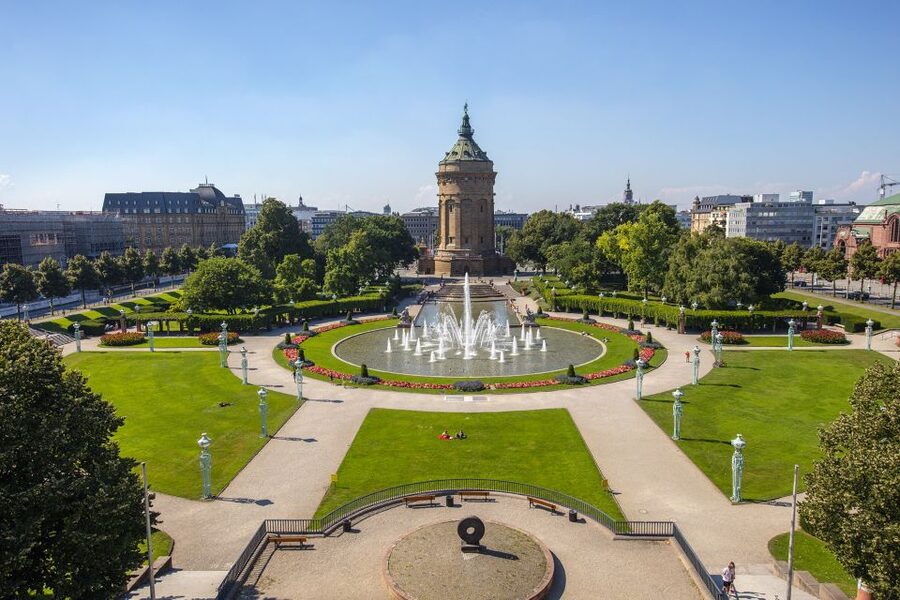
The tour presents Jungbusch as a cultural melting pot, with a mix of residents, businesses, and influences. That description matters because the neighborhood’s identity is not based on one style.
You can expect the guide to connect the district’s past and present residents with the places around you. The point is not to reduce the area to nightlife or fashion. It is to understand how different communities and new creative uses have shaped the quarter.
I like that this makes the tour feel grounded. You get a look at an actual neighborhood rather than a stage-managed visitor zone. At the same time, the experience is only 1.5 hours, so it cannot explain every social or economic issue affecting Jungbusch. Think of it as a strong introduction, not a complete study of the district.
The walk may also help you decide how much time to spend in Jungbusch afterward. Some people will want to return for a meal or evening drink. Others may be satisfied with the guided overview and continue to another part of Mannheim.
How long the tour feels
The advertised duration is 1.5 hours. That is long enough to cover the main story, creative institutions, and several street-level examples without taking up most of your day.
The short format works well if you are fitting Mannheim between other plans. You could schedule it before dinner, after a morning museum visit, or as a first look at the city. It is also manageable if you are not eager to spend several hours on foot.
The tradeoff is coverage. Jungbusch has more to see than can fit into 90 minutes, and one participant felt the tour was short for the amount of material available. You should expect a selective route rather than a complete circuit of every bar, gallery, or restaurant.
The guide’s language is German. If you do not understand German comfortably, this is not the right booking for you, since no other language is listed. For German speakers, the format should make the local social and historical explanation easier to follow.
Practical details before you book
The tour costs $17 per person and includes a walking tour with a qualified guide. No transport, meals, or drinks are included.
The booking terms are useful for a changeable schedule. You can reserve now and pay later, and cancellation is free up to 24 hours before the activity for a full refund. Starting times depend on availability, so check the selected date rather than assuming the walk runs at one fixed hour.
A few practical limits matter:
- Dogs and other pets are not allowed on public tours.
- The route is not suitable for wheelchair users.
- Comfortable shoes are recommended.
- Weather-appropriate clothing is important because the walk operates rain or shine.
- The guide speaks German.
- The meeting point is Teufelsbrücke by the bridge.
- The guide wears a blue, white, or red polo shirt for identification.
The current score is 3.9 out of 5 from 21 ratings. That fits the nature of the activity: the content can be very informative, but the short duration and opening explanation may not suit everyone.
Who will enjoy this Jungbusch walk
I would choose this tour if you like seeing how a city changes from the ground up. It suits you if bars, galleries, music, start-ups, and local social history sound more interesting than a checklist of famous buildings.
It is also a good match for visitors who want a guided introduction before exploring independently. After the walk, you can decide if you want to return to a café, restaurant, bar, or cultural venue you noticed along the way.
German speakers will get the full benefit. The walk is also a practical choice for anyone with only part of an afternoon available, since it lasts 90 minutes rather than several hours.
I would be more cautious if you need step-free access, plan to bring a dog, or want a food experience. I would also look elsewhere if you want a highly detailed tour with many stops and little introductory talk. The guide may spend a fair amount of time setting up the district’s story before moving through its streets.
Should you book it?
Book this tour if you want a compact, German-language introduction to Mannheim’s Jungbusch and care about its working-class past, mixed cultures, creative spaces, and nightlife. The strongest value is the context. For $17, you get a qualified guide who helps you understand why this district looks and feels different.
Skip it if you would rather explore alone, need wheelchair access, or want included food and drinks. Keep your expectations focused: this is a short neighborhood portrait, not a full-day tour. If that sounds like the right scale, it offers a useful way to meet a less formal, more creative side of Mannheim.
FAQ
Where does the Jungbusch walking tour meet?
Meet the guide at Teufelsbrücke by the bridge.
How will I recognize the guide?
The guide will be wearing a blue, white, or red polo shirt.
How long does the tour last?
The walking tour lasts 1.5 hours.
What language is the tour in?
The live tour guide speaks German.
What does the price include?
The $17 price includes the walking tour with a qualified guide.
Are food and drinks included?
No. Food and drinks are not included.
Is transportation to the meeting point included?
No. Transfers to and from the meeting point are not included.
Can I bring my dog?
No. Pets are not allowed on public tours.
Is the tour suitable for wheelchair users?
No. The tour is not suitable for wheelchair users.
What happens if it rains?
The tour takes place rain or shine. Bring weather-appropriate clothing and comfortable shoes.
Can I cancel the booking?
Yes. You can cancel up to 24 hours in advance for a full refund.
Can I reserve now and pay later?
Yes. The reserve now and pay later option lets you hold a place without paying at the time of booking.
Just added in Germany
- Private One way Airport Transfer Berlin Airport To Berlin★ 3.5 · 17 reviews
- Private Walking Tour: Berlin Wall, Cold War and Checkpoint Charlie★ 5.0 · 37 reviews
- Modern Berlin Private Walking Tour: Diverse, Vibrant and Exciting German Capital★ 5.0 · 13 reviews
- Private Day Trip to Potsdam from Berlin by Train★ 4.5 · 27 reviews
- City Explorer: Potsdam Private Day Trip★ 4.5 · 10 reviews
- Berlin Private Custom 5-Hour Tour by Car★ 5.0 · 30 reviews
- Private Half-Day Sightseeing Tour in Berlin★ 3.5 · 6 reviews
- Berlin Private Custom Tour in a Minivan, East and West★ 5.0 · 123 reviews
Walking Tours, compared.

Third Reich Berlin: Hitler and WWII Walking Tour
Read our review →
Browse the lists this tour appears in