
Reviewed · CONCENTRATION CAMP MEMORIAL TOURS
From Munich: Dachau Memorial Site Tour in Spanish
Dachau is not a sightseeing stop in the usual sense. It is a place to listen, look carefully, and give the past the time it deserves. This five-hour tour takes you from Munich by train to the memorial site, where an official Spanish-speaking guide explains the camp’s history, surviving buildings, and the lives of its victims.
I like the clear, patient guidance this format provides, especially at a site where dates and facts alone can feel cold or confusing. I also like that the visit covers both the main historical areas and the International Memorial and religious memorials. The main drawback is practical: your transport ticket is not included, and the tour does not accept children under 13.
Key points to know before booking
- Spanish only: The entire guided tour is conducted in Spanish, and non-Spanish speakers should not book it.
- Five hours from central Munich: Meet under the Karlstor Gate at Karlsplatz 10 minutes before departure, then travel by train to Dachau.
- Official memorial guide: Your guide explains the permanent exhibition, camp buildings, victims, memorials, and the site’s historical setting.
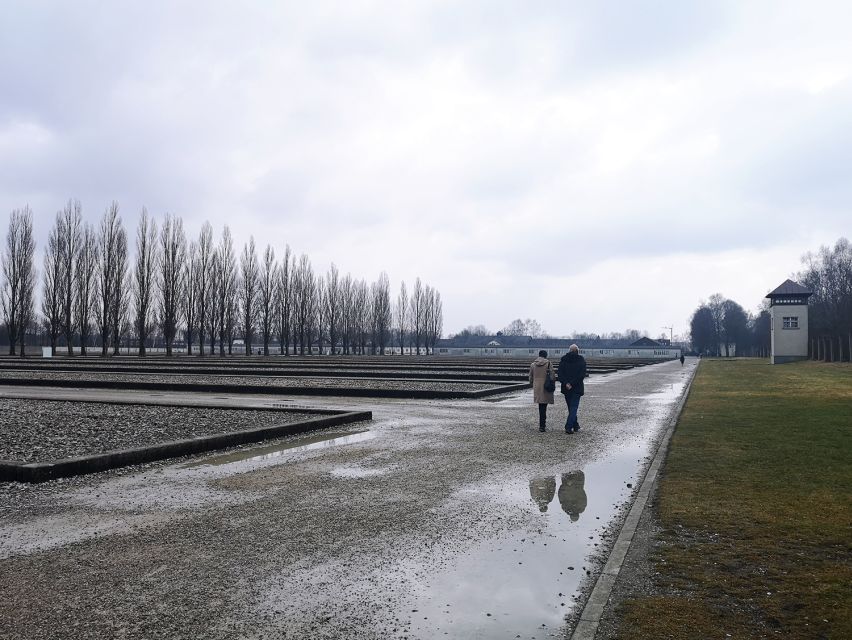
- A full site visit: Expect roll-call, bunkers, barracks, the crematorium, reconstructed areas, and the main memorials.
- Serious and emotionally demanding: This is a visit for reflection, not casual entertainment.
- Bring only what you need: Wear comfortable shoes, and do not bring luggage, large bags, pets, or food.
Why this Dachau visit matters
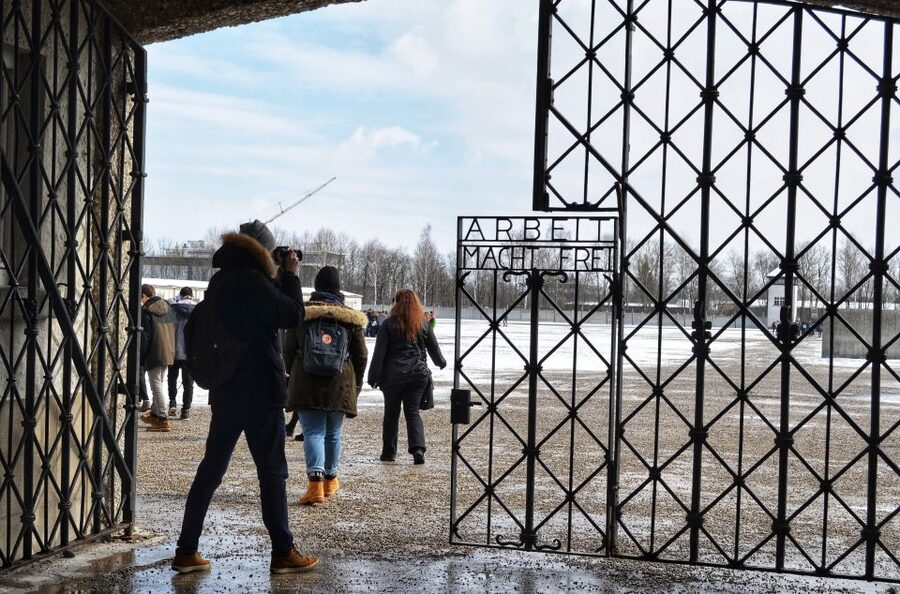
Dachau Concentration Camp Memorial Site is a place of memory and warning. The purpose of visiting is not simply to see old buildings. It is to understand how the camp operated, what happened to the people imprisoned there, and how the site has been preserved for remembrance.
I find a guided visit especially useful here because the remaining buildings and reconstructions do not explain themselves. A bunkhouse, roll-call area, or crematorium can look stark but vague without context. The official guide connects each place to the camp’s history and to the people who suffered there.
The tone is also important. This tour is described as moving and emotionally touching, with the visit handled sensitively and respectfully. You should expect a serious experience. It may be difficult at points, and that is part of why you should allow the full five hours rather than trying to rush through the site.
More Concentration Camp Memorial Tours in Munich
- Dachau Concentration Camp Memorial Site Tour from Munich by Train
★ 4.5 · 5,637 reviews - From Munich: Dachau Memorial Site Day Tour
★ 4.8 · 2,723 reviews - From Munich: Dachau Memorial Site Half-Day Trip
★ 4.7 · 2,526 reviews
Meeting under Karlstor Gate in Munich
The tour begins under the Karlstor arch at Karlsplatz, one of Munich’s central meeting points. Arrive 10 minutes before the scheduled start. The instructions are specific: do not search for a bus or board one. Look for the guide waiting beneath the Karlstor Gate.
This detail matters because the activity uses public transport rather than a private coach. The group travels by train from Munich to Dachau, accompanied by the guide. Your transport ticket is not included in the $40 price, so plan to purchase the required ticket separately.
The meeting point is convenient for anyone already in central Munich, but it does mean you need to allow time to find the correct arch and guide. Arriving early is wise, especially if you are unfamiliar with Karlsplatz or are carrying only a small day bag.
The train ride to Dachau
The journey to the memorial site begins with a train ride from Munich. The train is part of the practical connection between the city and Dachau, not a sightseeing segment with commentary about the route.
I like this arrangement because the guide stays with the group from the start. You are not left to work out the connection alone, and the historical briefing can begin before you reach the memorial site. At the same time, you are responsible for the transport ticket, so the advertised price is not the total cost of the day.
Once the group arrives at Dachau Concentration Camp Memorial Site, the guide leads you through the grounds and the main exhibition. The tour lasts about five hours in total, giving you time to move through the site without reducing the visit to a quick walk past a few buildings.
The permanent exhibition and the camp’s history
The permanent exhibition provides the main historical framework for the visit. It presents an overview of Dachau Concentration Camp and helps you understand the place before you examine its surviving structures.
This is one of the strongest parts of the tour for anyone who wants more than a solemn walk. The exhibition gives you the information needed to make sense of what you see outside. The guide adds historical background, explains important details, and shares stories connected to the victims.
I value that human focus. A site like this can easily become a list of dates, names, and military terms. Stories about the people imprisoned there bring the subject back to individual lives. The guide’s role is to explain clearly and patiently, while giving the group room to take in the material.
The exhibition and guided explanation also help separate original remains from reconstructions. That distinction is important. Some features survive from the former camp, while other sections have been rebuilt to show how the site was arranged. The guide explains what you are looking at rather than leaving you to guess.
Other memorial sites within reach of Munich:
- From Munich: Dachau Memorial Site Full-Day Tour
★ 4.9 · 1,406 reviews - Dachau Concentration Camp Memorial Tour with Train from Munich
★ 4.5 · 955 reviews - Early-Start Dachau Memorial Half-Day Tour from Munich
★ 5.0 · 942 reviews - Guided Dachau Concentration Camp Memorial Site Tour with Train from Munich
★ 5.0 · 920 reviews
Roll-call, barracks, and the bunker
The tour continues through several of the former camp’s major areas, including the roll-call space, barracks, and bunker.
The roll-call area helps you understand the daily structure imposed on prisoners. It is a large, stark part of the site, and the guide’s explanation gives it meaning beyond its physical appearance. You can consider how the camp’s routines controlled people and turned suffering into an organized system.
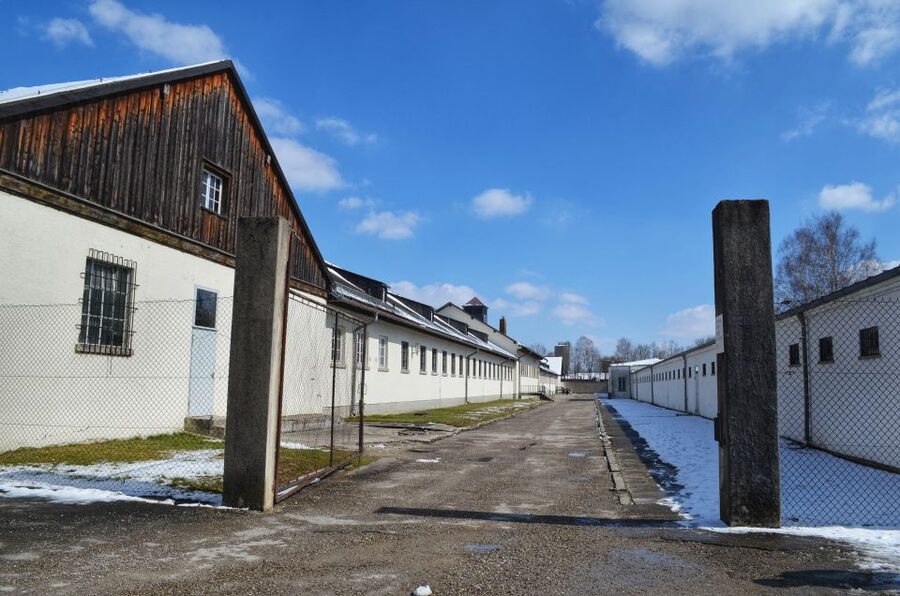
The barracks show another side of camp life. You will see original buildings and reconstructions that point to the crowded and harsh conditions experienced by prisoners. The buildings are not presented as decorative historical objects. They are evidence of a system designed to strip people of privacy, security, and dignity.
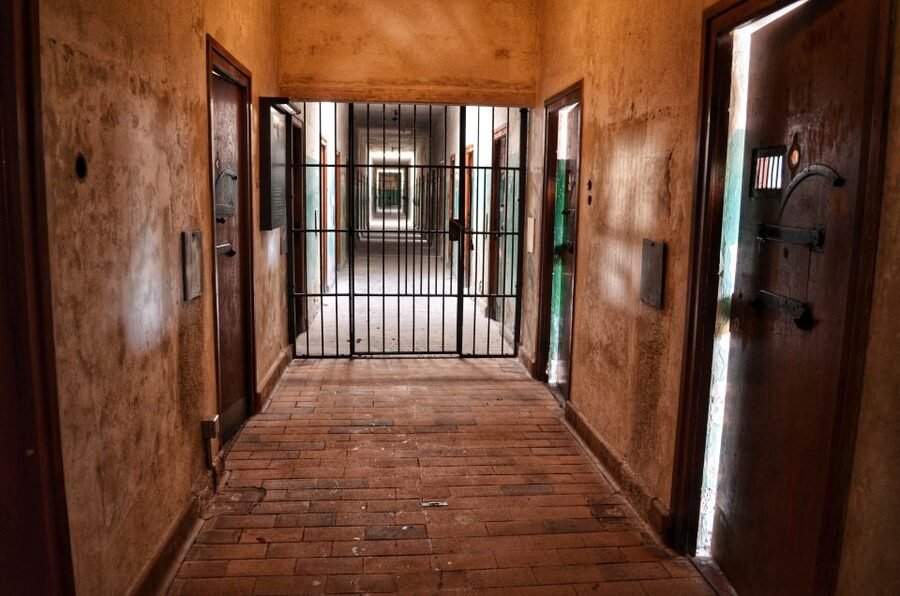
The bunker is a particularly sobering part of the route. Its presence adds another layer to the tour, showing that the camp was not limited to open living quarters and work areas. Your guide provides the background needed to understand its role and significance.
You should wear comfortable shoes. The visit covers a large site, and the five-hour duration includes walking between exhibition areas, historical buildings, memorials, and the crematorium. Do not expect a short indoor museum visit.
The crematorium and the hardest part of the route
The crematorium is among the most difficult areas of the memorial site. It is approached as part of the historical visit, with the guide explaining its place in the camp and the crimes committed there.
I would not treat this section as something to hurry through. The subject is grim, and the setting is intentionally plain rather than theatrical. The power comes from understanding what happened there and recognizing the human cost behind the structure.
This is also where the value of a respectful guide becomes most clear. A good explanation can provide context without turning the site into a spectacle. The tour is designed to address the history directly while keeping the focus on the victims.
If you know that this subject will be especially difficult for you, consider that before booking. There is no light or entertaining portion meant to balance the visit. The serious tone continues throughout the memorial site.
The International Memorial and religious memorials
The International Memorial is another major stop. It reflects the wider group of people imprisoned and killed at Dachau and gives the site a shared place of remembrance.
The tour also includes other religious memorials within the former concentration camp grounds. These memorials offer different forms of reflection and show how remembrance has been expressed by religious communities and others connected to the victims.
I like that the itinerary includes these memorials rather than stopping with the exhibition and prison buildings. They remind you that Dachau is not only a historic location. It remains a place where people come to mourn, remember, and consider the consequences of persecution.
The memorials also give the visit a quieter rhythm after the more factual and physically stark sections of the route. You may want to pause, listen, and take in the setting rather than trying to record every detail with a camera.
What the Spanish guide adds
This is a Spanish-language tour from beginning to end. That restriction is firm. If you do not speak Spanish, this is not the right booking, even if you are comfortable using Spanish occasionally while traveling.
For Spanish-speaking visitors, the format has a clear advantage. You can follow complex historical explanations, ask questions, and understand the stories of the victims without relying on translated labels or an audio guide. The guide is an official Dachau Memorial Guide, which is especially useful at a site where wording and context matter.
The guide is expected to explain the material clearly and patiently, and to keep an eye on the group as you move through the memorial. That personal guidance can make a difference when the subject is difficult or when you want to understand why a particular building, memorial, or area matters.
The tour requires at least four participants to operate. If that minimum is not met, the local partner will contact you and offer an alternative. Keep that condition in mind if your dates are fixed.
Price and overall value
At $40 per person, this is a reasonable price for a five-hour guided visit, especially because it includes an official Spanish-speaking Dachau Memorial Guide. The main value is not transport or luxury. It is the historical explanation and the structure provided at a complex, emotionally heavy site.
The price does not include your train ticket, hotel pickup or drop-off, food, or drinks. You should budget for transport separately and eat before or after the visit, since food is not allowed on the tour.
I would compare this tour with the cost of arranging the visit alone. An independent visit may give you more control over timing, but you would need to manage the journey and interpret the exhibition and remaining buildings yourself. If you want a Spanish-language explanation throughout, the guided option earns its price.
The tour is less suitable if you want a private experience, a flexible schedule, or a quick visit. It follows a set five-hour plan and requires you to stay with the group and guide.
Practical advice for a respectful visit
Wear comfortable shoes. The memorial site is extensive, and you will move between several areas during the five-hour program.
Travel light. Pets, luggage, large bags, and food are not allowed. Bring only what you need for the visit and the train journey.
This is not an appropriate activity for children under 13, who are not allowed to join the guided tour. Older teenagers and adults should still understand that the content is serious and may be upsetting.
Give yourself a little extra time at the meeting point. The group meets under Karlstor Gate, not at a bus stop, and the guide is waiting beneath the arch. The instructions specifically tell you not to look for or board a bus.
The tour allows free cancellation up to 24 hours before the start for a full refund. You can also reserve now and pay later, which helps if your Munich schedule is still changing.
Who should book this Dachau tour
I recommend this experience to Spanish-speaking adults who want historical context, a structured visit, and a guide who can explain the site in their first language. It is also a good choice if you would rather spend five focused hours learning than arrange the train connection and memorial visit on your own.
The tour suits people who want to see the permanent exhibition, barracks, bunker, crematorium, roll-call area, and memorials in one organized visit. Its 4.9 rating from 300 reviews reflects particularly strong praise for the guide’s clear explanations, patience, kindness, and attention to the group.
I would not book it for a casual half-day outing, a family trip with young children, or a group that includes people who do not speak Spanish. The emotional weight is real, and the format works best when everyone arrives ready to listen and show respect.
Should you book it?
Book this tour if you speak Spanish and want a carefully explained visit to Dachau from Munich. The official guide, full site route, and five-hour schedule make the $40 fee good value, even with transport purchased separately.
Skip it if you need hotel pickup, want to bring large luggage, prefer an independent visit, or are traveling with a child under 13. For the right visitor, this is a serious and worthwhile Munich day activity, one that asks for attention rather than entertainment.
FAQ
Is the Dachau tour conducted in Spanish?
Yes. The live tour guide speaks Spanish, and the tour is exclusively for Spanish speakers. Non-Spanish speakers should not book it.
How long does the tour last?
The activity lasts five hours, including the journey from Munich to the Dachau Concentration Camp Memorial Site and the guided visit.
Where do I meet the guide in Munich?
Meet under the Karlstor Gate at Karlsplatz 10 minutes before the activity begins. Do not look for or board a bus. The guide waits beneath the Karlstor arch.
Is transportation included in the price?
No. The tour travels by train, but the transport ticket is not included. Hotel pickup and drop-off are also not included.
What parts of the memorial site will I visit?
The route includes the permanent exhibition, historical buildings and reconstructions, the roll-call area, bunker, barracks, crematorium, International Memorial, and other religious memorials.
Are children allowed on the tour?
Children under 13 are not allowed to participate in the guided tour.
What should I bring?
Bring comfortable shoes. Do not bring pets, luggage, large bags, or food.
Can I cancel the booking?
Yes. You can cancel up to 24 hours in advance for a full refund. The tour also offers a reserve-now, pay-later option.
Just added in Munich
- 2 Hours Munich: VIP Private Segway Tour★ 4.9 · 5 reviews
- “Comedykills” – das Open Mic im Glockenbachviertel★ 4.1 · 51 reviews
- From Munich: Herrenchiemsee Palace and Boat Trip Day-Tour★ 4.8 · 129 reviews
- Munich: Classical Concert at the Residenz Palace★ 4.5 · 148 reviews
- Munich: City Highlights Guided Segway Tour★ 4.6 · 266 reviews
- From Munich: Guided Group Tour to Eagle’s Nest★ 4.8 · 303 reviews
- From Munich: Nuremberg Day Trip by Train★ 4.4 · 357 reviews
- München: Der Nachtwächter für Kinder – Führung auf Deutsch★ 5.0 · 322 reviews
Concentration Camp Memorial Tours, compared.
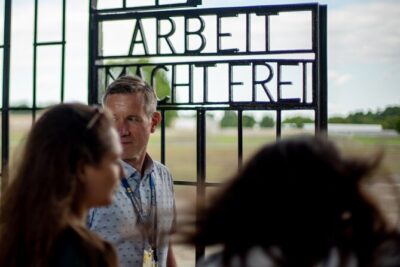
Sachsenhausen Concentration Camp Tour in English
Read our review →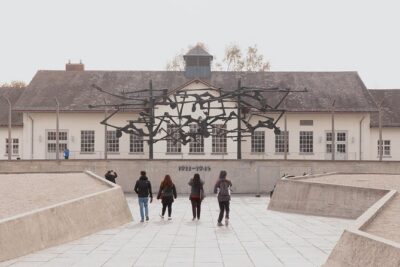
Dachau Concentration Camp Memorial Site Tour from Munich by Train
Read our review →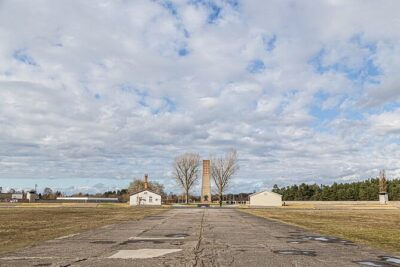
Sachsenhausen Concentration Camp Memorial Tour
Read our review →
Sachsenhausen Concentration Camp Bus Tour in English from Berlin
Read our review →
Sachsenhausen Concentration Camp Memorial Tour (Max. 15 Guests)
Read our review →
Sachsenhausen Concentration Camp and Potsdam Tour
Read our review →Browse the lists this tour appears in