
Reviewed · WALKING TOURS
Hamburg: Guided Port Walk for Families
Hamburg’s port is best understood from the ground, where canals, warehouses, merchant houses, ferries, and giant ships fit into one story. This family port walk gives children aged 6 to 12 a hands-on way to ask why old buildings sit over the water, what the Speicherstadt warehouses held, and how ships reach a dry dock.
I like the short ferry ride, which turns a walking tour into a small harbor adventure, and I like the use of pictures and spice samples to make port trade easier for children to grasp. The main consideration is that the tour spends a lot of time in Speicherstadt and HafenCity, so you should not book it expecting two hours focused on container ships and open harbor activity.
Some children may find the explanations a little long, especially in cold or wet weather. Still, guides such as Dörte and Klaus-Peter have a clear knack for adjusting the pace and language to younger listeners, and the $14 price is modest for a guided introduction to several of Hamburg’s key waterfront sights.
Key points to know before you book
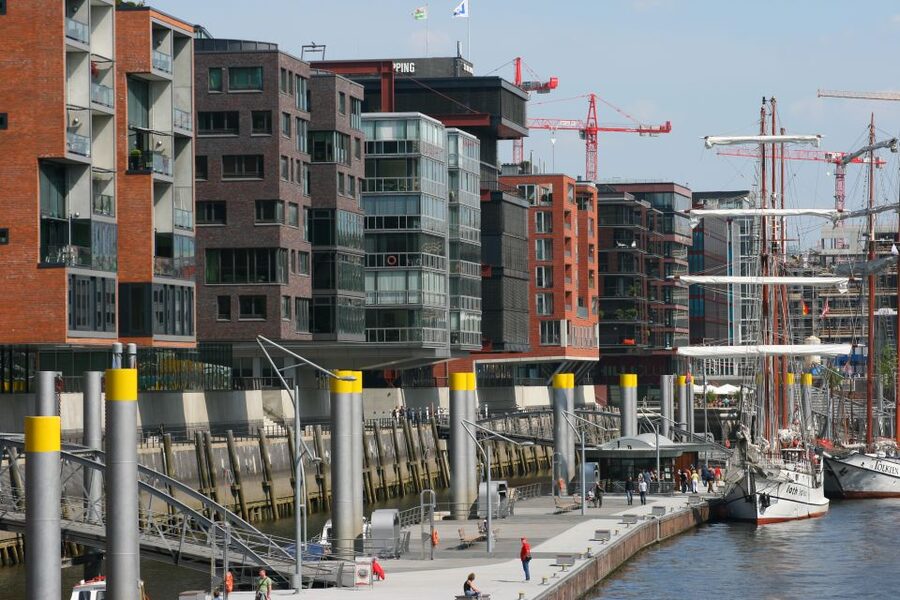
- A 5-minute ferry ride breaks up the walking: You cross from the historic waterfront toward Landungsbrücken, adding a real port ride to the tour.
- The route covers three different port areas: You walk through Deichstraße, the Speicherstadt, and HafenCity before finishing at Landungsbrücken.
- Children get more than a lecture: Pictures, spice samples, and questions about pirates, merchants, ships, and warehouses give the port story something to hold on to.
- The tour is in German: English group tours can be arranged for individual dates, but the regular activity is listed with a German-speaking guide.
- The port is not the only focus: Much of the route runs through Speicherstadt and HafenCity, a point to consider if you want ship spotting above all else.
- Public transport costs extra: You need a public transport ticket for the tour, in addition to the $14 activity price.
Why this port walk works for families
A port can be hard to explain to a child. A container terminal may be impressive, but the basic questions are not always clear: Who brought the goods? Where did they go? Why are there canals? Why do old houses face the water?
This tour gives those questions a place in Hamburg’s streets. You move between old merchant buildings, warehouse blocks, canals, the Elbphilharmonie, and the river. That change of setting helps younger children stay connected to the story instead of standing in one spot while an adult talks.
The age range of 6 to 12 is useful guidance. Younger children can enjoy the boats, water, spices, and odd details such as the meaning of an English closet. Older children may get more from the way the tour explains trade, dry docks, goods from around the world, and the shift from old sailing ships to modern container vessels.
The guide leads the walk in German and uses pictures and samples to make the subject easier to follow. Dörte has been especially effective at keeping children involved, while Klaus-Peter has led the material in a way that is both informative and suited to families. Guide quality matters here because the route includes a fair amount of explanation, not just sightseeing.
You should also set your expectations carefully. This is a guided port story told through historic streets and waterfront views. It is not a shipyard tour, a container-terminal visit, or a long cruise on the Elbe.
Other walks around Hamburg:
- Hamburg: Guided Walking Tour for Magic Fans
★ 4.8 · 1,992 reviews - Reeperbahn Walking Tour with St. Pauli Local
★ 4.8 · 577 reviews - Hamburg: Speicherstadt Walking Tour with Coffee Tasting
★ 4.6 · 360 reviews
Starting in Deichstraße, where Hamburg’s old port begins
Meet at the corner of Deichstraße and Steintwiete, near Deichstraße 30. The opening section takes place in historic Deichstraße, one of the clearest places to begin understanding how Hamburg’s waterfront developed.
The key idea here is the close relationship between homes, merchants, and water. The route raises the question of why merchant houses appear to stand in the water, then uses the setting to explain how Hamburg’s older trade district worked.
For children, this is a good starting point because the buildings are easier to see than an abstract map. You can look at the façades, the canals, and the narrow waterfront spaces while the guide explains how people and goods moved through the port.
I would arrive with the children ready for a walking tour rather than a quick photo stop. The first part sets up the questions that return later: what goods came through Hamburg, how did merchants store them, and how did ships and canals shape daily life?
Through Speicherstadt, Hamburg’s warehouse district
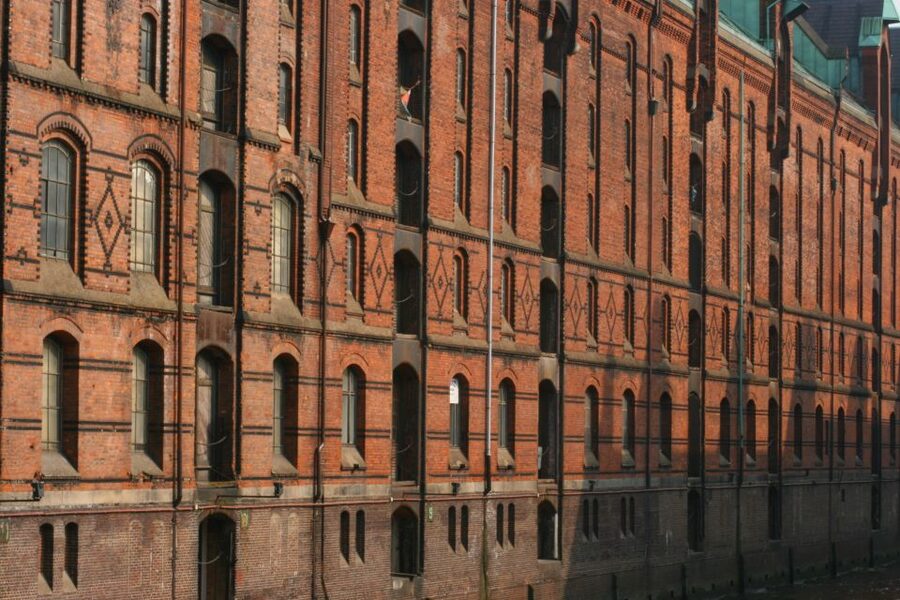
The route then enters Speicherstadt, the famous warehouse district of red-brick buildings and waterways. This is likely to be the visual center of the tour, and it is where you will hear the most about stored goods, merchant trade, and the port’s older working life.
The guide explains what was kept inside the warehouses and why the buildings were placed beside canals. Spices and goods from many parts of the world become part of the story, with samples helping children connect trade to smell and touch instead of hearing only dates and names.
That detail gives the tour a useful edge. A child may forget a long explanation of shipping, but the smell of a spice or the sight of a warehouse over water can make the subject stick. You also hear stories connected to merchants and pirates, old ships, and the movement of goods through Hamburg.
Speicherstadt is a strong part of the route, but it also creates the clearest possible mismatch with the tour’s title. If your main goal is to watch modern cargo handling, this section may feel too focused on historic warehouses. One participant found that the tour showed less of the port than expected because so much time was spent in Speicherstadt.
I see that as a question of what you want from the day. For a first family introduction to Hamburg’s port, Speicherstadt gives you architecture, canals, trade, and plenty of things to point at. For children who mainly want huge ships, cranes, and active terminals, you may need a separate port experience.
HafenCity and the Elbphilharmonie
From the warehouse district, the walk continues into HafenCity, the newer waterfront quarter. This change helps you see Hamburg’s port as a place that has kept developing rather than a historic district frozen in time.
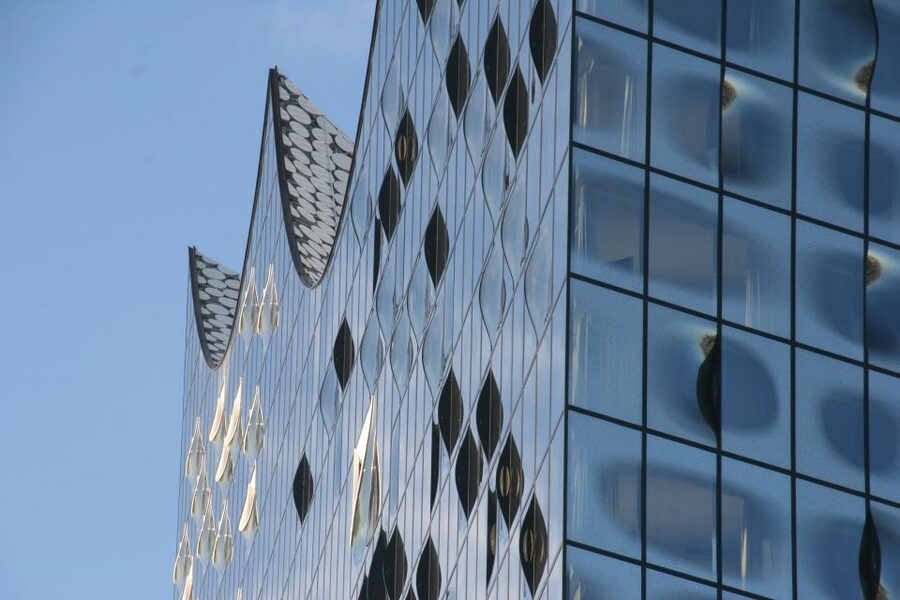
The Elbphilharmonie is one of the major sights along the way. The tour includes a guided stop and gives you a chance to see the building as part of Hamburg’s waterfront, not simply as a concert hall viewed in isolation.
The contrast is useful for families. In Speicherstadt, the story is about warehouses, canals, and merchants. Around HafenCity and the Elbphilharmonie, you get a more modern side of the city and a sense of how the waterfront has been reshaped.
Do not expect a concert or an extended indoor visit to the Elbphilharmonie. The attraction here is the building, its place in the harbor setting, and the view around it. The tour keeps moving, which is helpful during a two-hour outing but means you should not treat any one stop as a full museum visit.
A few more things to do in Hamburg worth a look
- Hamburg: Elbphilharmonie Plaza Guided Tour
★ 4.7 · 5,882 reviews - Hamburg: Chocoversum Guided Tour with Tastings
★ 4.7 · 2,443 reviews - Hamburg: St. Pauli Highlights Guided Tour with Beer for 18+
★ 4.7 · 2,353 reviews - Hamburg: Speicherstadt and Hafencity Guided Tour
★ 4.7 · 1,344 reviews
The 5-minute ferry to Landungsbrücken
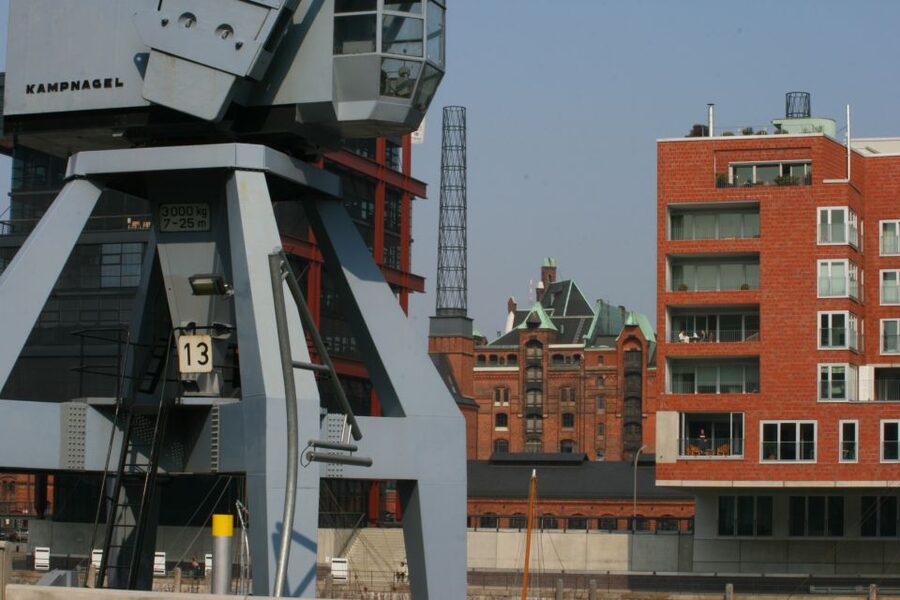
The ferry is a small part of the schedule, but it may be the most memorable part for many children. The crossing lasts about five minutes and gives you a different view of the waterfront after walking along canals and streets.
That change matters. From the shore, children see buildings and boats from one angle. On the ferry, the water becomes the route itself, and the harbor opens out around you. The short ride also gives younger legs a break before the final section.
Public transport tickets are required for the tour, so plan for that cost separately from the $14 activity price. The ferry is not a private boat trip, and the activity does not include public transport tickets. Even so, the included ferry segment adds good value because it turns a standard walking route into a walk-and-ride experience.
Weather matters here. Hamburg’s waterfront can feel cold quickly, and one family found the explanations harder to enjoy in poor weather because they became cold. Bring clothing suitable for wind and rain, especially outside the warmer months. The tour continues in unpleasant conditions unless the operator changes arrangements, so a warm layer is a sensible choice even when the forecast looks mild.
Finishing at Landungsbrücken
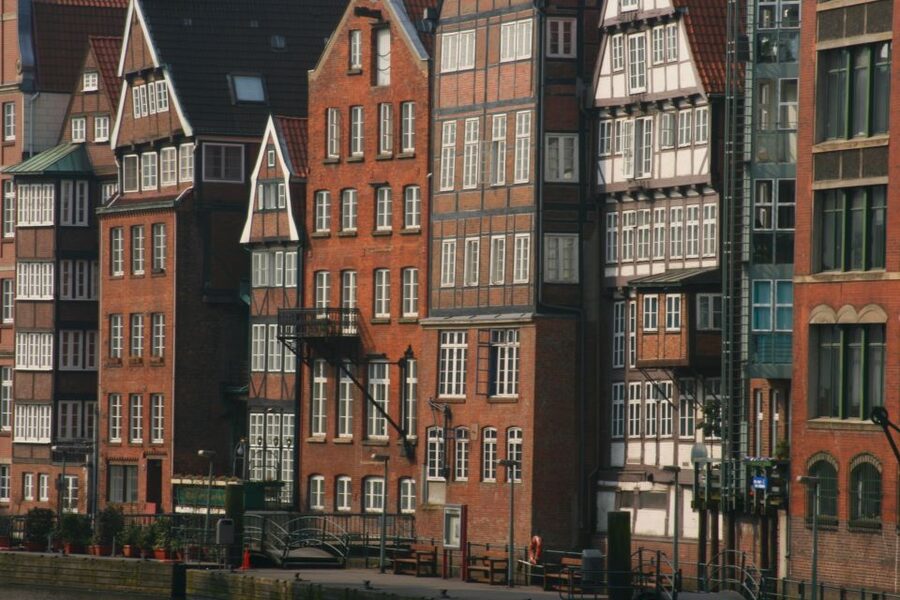
The walk ends at Landungsbrücken, one of Hamburg’s best-known waterfront areas. By this point, you have moved from Deichstraße’s older merchant setting through Speicherstadt and HafenCity, then crossed by ferry to a broad riverfront viewpoint.
The finish gives the tour a natural shape. You begin with the built history of the port and end with wide harbor views, the river Elbe, and the atmosphere around the landing stages. You can take in the contrast between old ships, modern vessels, waterfront buildings, and the large public spaces around the river.
Landungsbrücken is also a practical ending point because it is a recognizable place for the rest of your day. The tour does not return you to Deichstraße, so keep that in mind when planning lunch, transport, or another activity. Your children may be ready for food by then, especially if the group has stopped often for explanations.
The finish is scenic rather than activity-packed. You will not necessarily see a huge vessel enter dry dock during these two hours, but you will hear how ships reach dry docks and how the port works. The value is in linking what you have seen to the wider harbor system.
What the guide adds to the experience
This tour depends heavily on the guide. The same route can feel lively and clear or slow and overly detailed, especially for children. The best version keeps explanations short, asks questions, and uses the sights in front of you.
Dörte has been particularly good at making the tour child-friendly, with a light, engaging style and a clear focus on the children. Klaus-Peter has also led the walk in a way that families found suitable and informative. Those names are useful when you are choosing among available dates, though the guide assigned to your tour can vary.
The German-language format is important. If your family is comfortable in German, you can book the regular tour. If you need English, group tours can be arranged for selected dates, but you should not assume that the standard departure will be in English.
The tour explains several unusual details, including the meaning of an English closet, the purpose of the warehouses, and how dry docks work. These odd questions are exactly what make a family tour different from a standard city walk. You are not just looking at famous buildings. You are finding out how the port functioned and why its design looks the way it does.
Is $14 a fair price?
At $14 per person, this is an inexpensive way to cover several major waterfront areas with a qualified guide. You get two hours of narration, a structured route, a ferry segment, and access to a child-focused explanation of places you could visit on your own.
The price is strongest if you would otherwise spend time trying to explain Speicherstadt, Deichstraße, the Elbphilharmonie, and Landungsbrücken yourself. A guide provides the links between those places, and the pictures and spice samples help younger children stay with the subject.
You should add the cost of required public transport tickets. The ferry takes only five minutes, so do not calculate the value as if you were buying a full harbor cruise. The price pays mainly for the guide and the organized walk, with the ferry serving as a useful extra.
At this rate, I consider the tour good value for families who want context rather than a long list of photo stops. It is less compelling if your family already knows Hamburg’s port or wants an in-depth look at modern cargo operations.
Who should book this Hamburg family tour?
I would choose this tour for families with children aged 6 to 12 who ask questions, like boats and buildings, and can manage two hours of walking with regular pauses for explanation.
It suits you especially well if:
- You want a gentle first look at Hamburg’s waterfront.
- Your children enjoy stories about merchants, pirates, spices, and ships.
- You prefer a guide who can explain why a place matters.
- You want to combine walking with a short ferry ride.
- You are comfortable taking a German-language tour.
I would think twice if your main goal is modern container terminals, close views of huge cargo ships, or a longer trip on the Elbe. I would also be cautious on a cold, wet day if your children tire quickly. Several stops involve listening, and the tour may feel explanation-heavy to a child who wants constant movement.
The strongest reason to book is the family focus. Guides such as Dörte and Klaus-Peter show how much difference the presenter can make. The route has enough visual variety, and the price is low enough, that this is a practical choice for a first port outing.
FAQ
How long is the Hamburg guided port walk?
The tour lasts two hours.
What age group is the tour designed for?
The tour is designed for children aged 6 to 12 and their parents.
Where does the tour begin?
It begins at the corner of Deichstraße and Steintwiete, near Deichstraße 30.
Where does the tour finish?
The tour finishes at Landungsbrücken in Hamburg.
Is the tour conducted in English?
The regular tour language is German. Group tours in English can be arranged for individual dates.
Does the tour include a ferry ride?
Yes. The route includes a ferry trip of about five minutes.
Are public transport tickets included?
No. You need to buy the required public transport tickets separately.
Can children join without an adult?
No. Children must be accompanied by an adult.
Should you book the Deichstraße to Landungsbrücken walk?
Book it if you want your children to understand Hamburg’s port through buildings, canals, smells, stories, and a short ride on the water. The route gives you Speicherstadt, HafenCity, the Elbphilharmonie, Deichstraße, and Landungsbrücken in one tidy two-hour outing.
Skip it if you want a dedicated modern harbor or cargo-ship tour. The walk spends substantial time in Speicherstadt, and the teaching can feel long in bad weather. For most families seeking an affordable introduction to Hamburg’s waterfront, though, the $14 price, child-focused guides, and mix of walking and ferry travel make it a sensible choice.
Just added in Hamburg
- Hamburg: Historical Tour of the St. Pauli Sex Work District★ 4.4 · 215 reviews
- Hamburg: St. Pauli Food and Bier Tour★ 4.7 · 5 reviews
- St. Pauli Tour: Drag-Attack with Barbie Stupid & Lee Jackson★ 4.8 · 280 reviews
- Hamburg: Private Tour Red Light District Walking Tour★ 4.7 · 227 reviews
- St. Michael’s, Elbe Tunnel & Harbor 2-Hour Hamburg Tour★ 4.9 · 21 reviews
- Satt Pauli – der kulinarische Rundgang durch St. Pauli★ 4.8 · 12 reviews
- Hamburg: Safari tour in St. Pauli★ 4.9 · 11 reviews
- Radtour um die Alster & durch traumhafte Alsterviertel★ 4.9 · 34 reviews
Walking Tours, compared.



Third Reich Berlin: Hitler and WWII Walking Tour
Read our review →
Browse the lists this tour appears in