
Reviewed · CONCENTRATION CAMP MEMORIAL TOURS
From Munich: Dachau Memorial Site Day Tour
Dachau is not a light day out. It is a place of murder, forced labor, starvation, and loss, and the memorial asks you to pay attention. A good guide helps you understand what happened without turning the site into a spectacle. Guides including Thomas, Aileen, Alex, Jessie, Mat, and Michael have been praised for handling the subject with care, clarity, and strong command of the history.
I like two things here. The train and bus connections are handled for you, so you can focus on the visit rather than Munich transport. I also like the use of prisoner accounts, photographs, and original camp features, which give the history a human scale. The main drawback is time: five hours is enough for a guided introduction, but not enough to study every museum display at length. Crowded buses and school groups can also make parts of the visit less calm.
Key points to know before you book
- The 1:10 PM departure is usually quieter: Fewer school classes and organized groups tend to be at the memorial in the afternoon.
- Your €49 includes transport: The fee covers the guide, public transport ticket, and transfers from Munich and back.
- Expect a serious, carefully presented visit: Former cells, barracks, gas chambers, and the museum are presented with historical context and prisoner testimony.
- The tour lasts about five hours: That includes the journey from Munich, time at the memorial, and the return trip.
- Guides make the difference: Thomas, Aileen, Alex, Jessie, Michael, Mat, Conni, and Stephanie have all been praised for clear explanations and sensitive delivery.
- Wear good walking shoes: You will spend much of the visit outdoors and on your feet.
Why Dachau deserves a full morning or afternoon
Dachau was the first regular concentration camp established by the Nazi regime in Germany, opening outside Munich in 1933. It later became a model for the camp system, and prisoners from many countries were held there before its liberation by Allied forces in 1945.
The memorial is not simply a collection of old buildings. It is a place designed to make you confront how a system of persecution was created, expanded, and made part of everyday life. That wider context matters. Without it, you might see a gate, a row of barracks, and a crematorium. With it, you begin to understand the machinery behind those structures.
I would not treat this as a casual half-day attraction squeezed between shopping and dinner. The subject is painful, and the site can leave you quiet for the rest of the day. That is not a flaw. It is part of visiting a place where the facts deserve time and respect.
The English-speaking guides are especially valuable here. Several have years of study or professional training in Dachau’s history, and the strongest guides combine dates and facts with individual stories. Stephanie, for example, has been praised for her long study of the site and for guiding the group through difficult material at a pace that worked for both adults and teenagers.
More Concentration Camp Memorial Tours in Munich
- Dachau Concentration Camp Memorial Site Tour from Munich by Train
★ 4.5 · 5,637 reviews - From Munich: Dachau Memorial Site Half-Day Trip
★ 4.7 · 2,526 reviews - From Munich: Dachau Memorial Site Full-Day Tour
★ 4.9 · 1,406 reviews
Meeting at Marienplatz and taking the train
The tour begins in front of the Tourist Information office at Munich’s Gothic Town Hall in Marienplatz. Look for the guide holding a yellow sign marked Dachau Memorial Tour in red letters.
This is a sensible starting point. Marienplatz is central and easy to find, and meeting as a group before departure reduces the usual stress of locating a station platform or buying the right ticket. Your guide leads you through the public transport system, provides the transport ticket, and keeps the group together as you travel toward Dachau.
The journey itself gives you a little time to prepare mentally. You leave central Munich by train, then continue by local transport toward the memorial. The trip is not a scenic railway excursion in the usual sense, though you do see countryside along the way. Its real value is practical: you do not have to make several transport decisions on your own.
Public transport can still be imperfect. Delays have affected some departures, and buses can become very full, especially on busy Sundays. One return bus has been described as packed, with people standing close together. That is a transport problem rather than a guide problem, but you should know that the journey may not feel polished from start to finish.
If you use a wheelchair or have difficulty walking, arrive 10 minutes early and bring a carer. The group uses a different entrance for the platform and train in that situation. The tour is listed as wheelchair accessible, but the early arrival and assistance requirement are important practical details.
The entrance and the first view of the memorial
At the memorial, your guide begins to explain the site before leading you through its main sections. This early orientation is useful because Dachau is not a small exhibit. Without a clear route, it is easy to lose track of what you are seeing and how each part connects to the wider camp system.
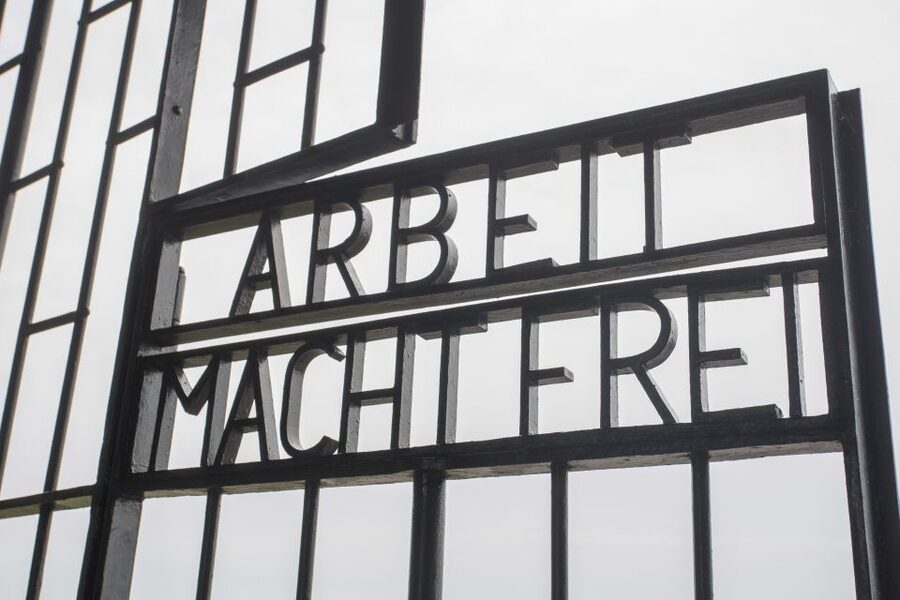
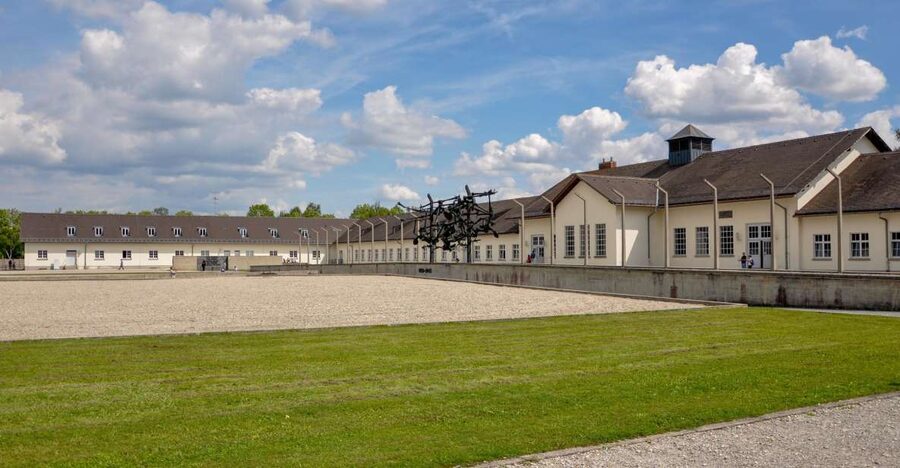
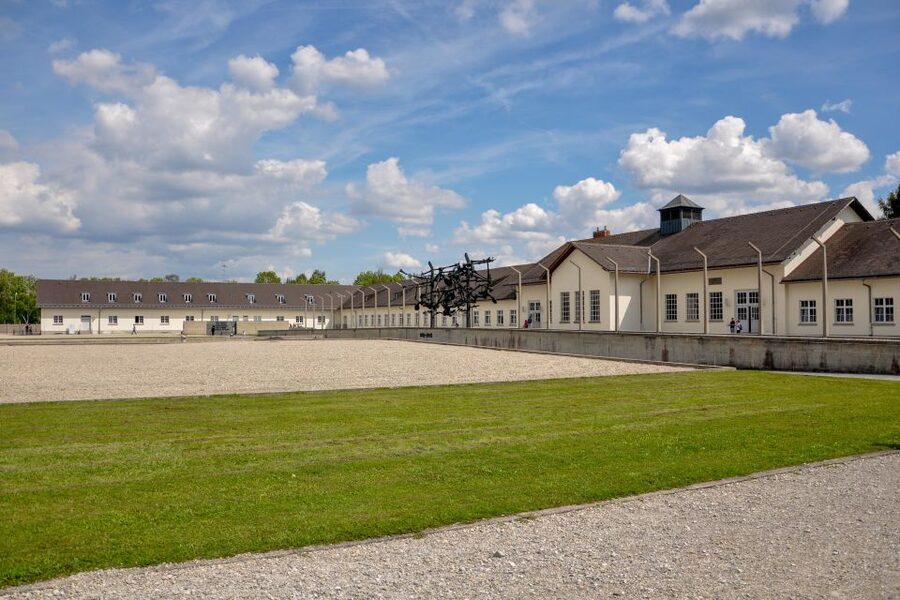
The entrance area introduces the language and structure of the camp. From there, the tour moves into the former camp grounds, where the scale of the site becomes clearer. You see the long arrangement of the barracks area and learn how prisoners lived under severe control.
The experience depends heavily on your guide’s pacing. Alex has been praised for allowing a good mix of structured explanation and quiet time, while Aileen has been noted for keeping a group moving efficiently without making the visit feel rushed. That balance is important. You need enough explanation to understand the site, but you also need moments to look and think for yourself.
A guide may also use photographs and personal accounts to help you imagine the camp as it was. This is not about theatrical storytelling. It is about connecting the buildings to people who lived, suffered, and died there.
Barracks, cells, and the daily reality of imprisonment
The former barracks are among the most important parts of the visit. They show how the camp was organized and give you a physical sense of the controlled, repetitive environment in which prisoners were forced to live.
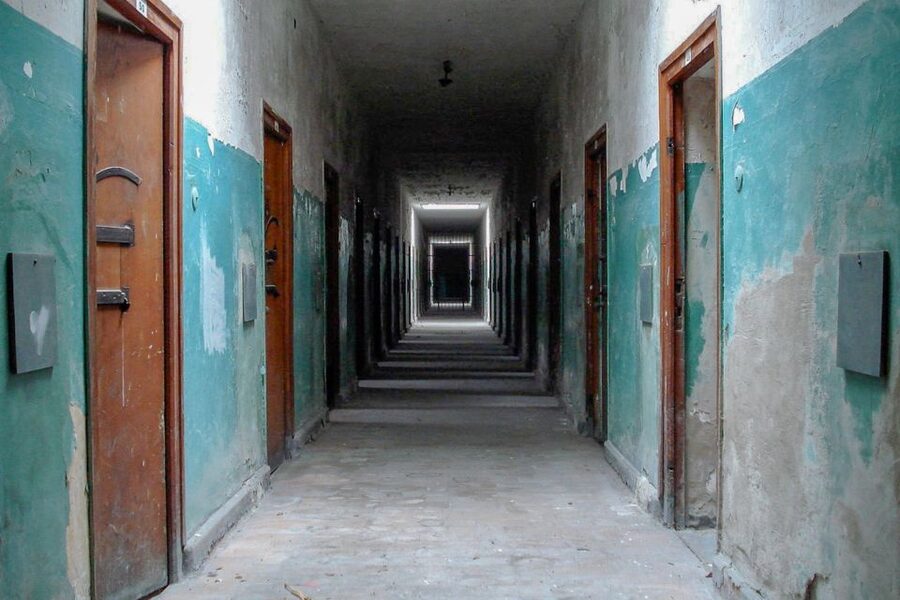
You also visit the former cells. These spaces can feel stark and plain, which is precisely why the guide’s explanation matters. A bare room does not tell you enough on its own. Prisoner testimony and historical detail help explain the punishments, deprivation, and constant loss of freedom that shaped daily life.
The tour does not present Dachau as a list of dates. It connects the opening of the camp in 1933 with the gradual growth of Nazi persecution and the experience of people imprisoned there. Guides such as Thomas have been praised for explaining the full span of camp life, from its creation to liberation, while Conni has been noted for bringing attention to individual people rather than leaving the story at the level of statistics.
You should expect difficult material. The site is intentionally sobering, and the guide’s role is not to soften the facts. The best approach is direct but respectful, allowing the evidence and testimony to speak clearly.
Other memorial sites within reach of Munich:
- Dachau Concentration Camp Memorial Tour with Train from Munich
★ 4.5 · 955 reviews - Early-Start Dachau Memorial Half-Day Tour from Munich
★ 5.0 · 942 reviews - Guided Dachau Concentration Camp Memorial Site Tour with Train from Munich
★ 5.0 · 920 reviews - Full-Day Dachau Concentration Camp Memorial Site Tour from Munich
★ 5.0 · 897 reviews
The gas chambers and crematorium area
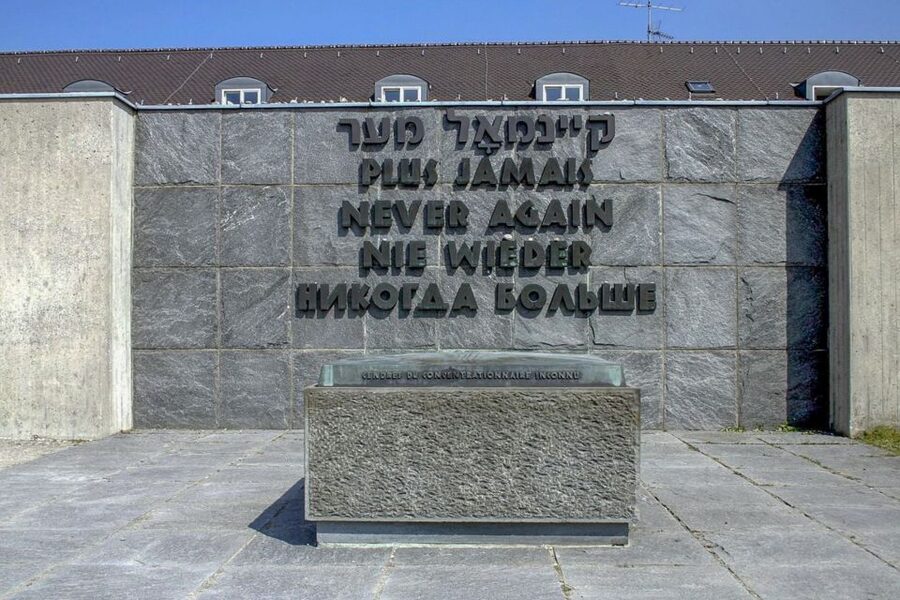
The gas chamber and crematorium area is often the point people remember most strongly. It is also a place where your guide’s judgment matters. You need factual explanation and time to absorb what you are seeing, not sensational presentation.
The tour includes the former gas chambers and related facilities. The guide explains their place in the history of the camp and the Nazi system. This section can be emotionally heavy, so expect the group to become quieter.
You may find the original structures more affecting than photographs because they remove the distance between the event and the present. At the same time, it is important not to mistake preserved buildings for a complete picture of what happened. The surrounding explanation, prisoner accounts, and historical timeline are what give the structures meaning.
Aileen, Michael, Alex, and Mat have all been praised for treating this part of the visit with sensitivity while still being clear about the crimes committed. That combination is worth looking for in any memorial tour. Politeness alone is not enough, and dramatic delivery is not appropriate. You want calm, accurate guidance.
The Dachau Memorial Museum and prisoner testimony
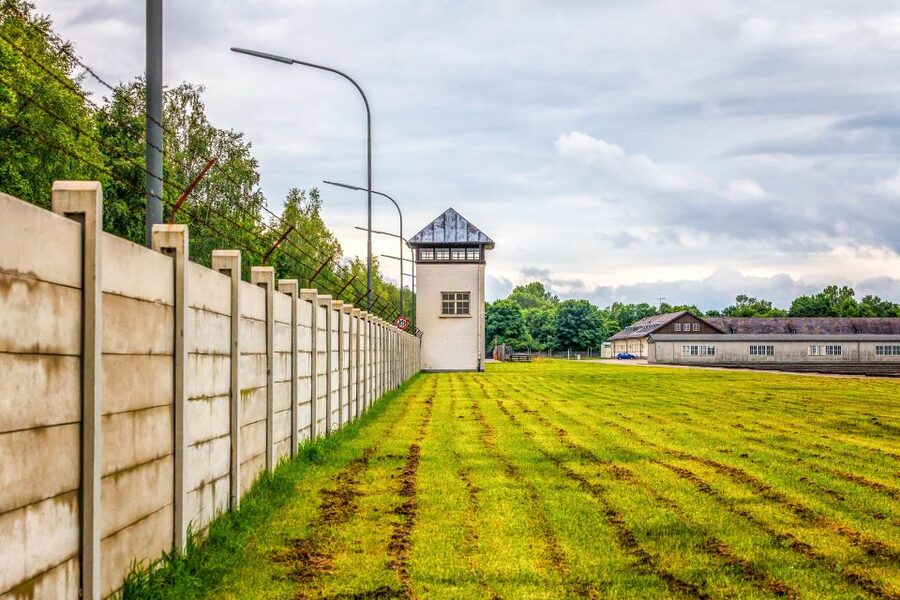
The museum adds material that the buildings cannot provide. You see photographs, documents, and reports describing everyday life in the camp from its early years through liberation in 1945.
This is where the visit becomes more personal. Prisoner accounts show how hunger, fear, forced labor, illness, punishment, and uncertainty shaped daily existence. They also help you remember that the camp held individuals with families, work, beliefs, and lives beyond the camp gates.
The museum deserves more time than the tour can give it. Several visitors have wished for longer to read the displays and study the photographs. That is the clearest limitation of the five-hour format: the guide must keep the group on schedule for the return journey, so you cannot linger over every panel.
If museum exhibits are your main interest, you may feel slightly hurried. If you prefer a guided framework and want to see the major sections in one visit, the pace should work well. Alex has been praised for managing this balance, giving the group useful unstructured time while still covering the essential locations.
What makes the guides so important
Dachau is possible to visit independently, but the experience changes greatly with a strong guide. The memorial contains a great deal of information, and reading every panel without a plan could take much longer than five hours.
The guides on this tour are repeatedly praised for being clear, prepared, and sensitive. Thomas is known for adding photographs and stories. Aileen has been praised for her warmth, group awareness, and ability to keep the visit moving. Jessie has been noted for explaining the subject directly without losing compassion, even while dealing with transport delays.
Other guides, including Mat, Michael, Alex, Conni, and Stephanie, have also been praised for presenting difficult history in a way that works for different ages and levels of background knowledge. One family particularly valued Stephanie’s ability to make the material accessible to a 17-year-old while still offering depth for adults.
Guide assignments can change, so you should not book on the assumption that one particular person will lead your departure. Still, the range of strong guide feedback suggests that the provider places real weight on preparation and presentation.
Crowds, timing, and the practical side of the visit
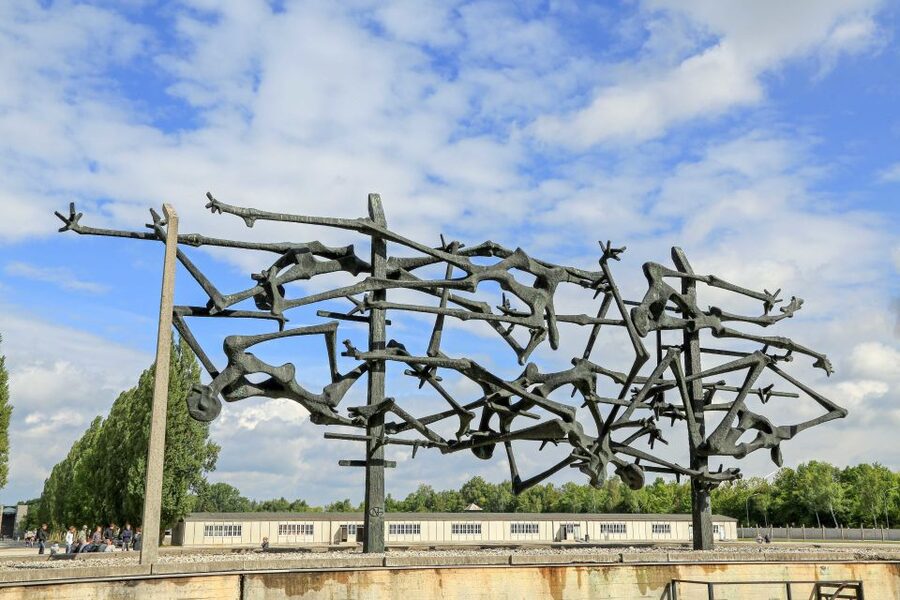
The memorial can attract school classes and organized groups, especially earlier in the day. Young groups may be noisy or distracting, which can take away from the quiet atmosphere you might expect at certain parts of the site.
For that reason, I would choose the 1:10 PM departure if your schedule allows. The afternoon usually has fewer school classes and groups. It will not guarantee an empty memorial, but it gives you a better chance of moving through the site with less crowding.
Wear comfortable shoes and bring water. The tour involves walking between several parts of the memorial and standing while the guide explains the site. Smoking and pets are not allowed.
The group can be fairly large, with one account describing about 30 people. A capable guide uses clear meeting instructions and keeps everyone together, but you still need to pay attention at each stop. On a busy day, the bus may be crowded and the group may need to move efficiently.
Is €49 good value for five hours?
At €49 per person, this is a fair price for a five-hour visit that includes the live English-speaking guide, public transport ticket, and transfers. You are paying not only for access to the site, but for someone to manage the route, explain the history, and help you make sense of the exhibits.
The value is strongest if you are unfamiliar with Munich’s public transport or do not want to spend your limited holiday time working out the train and bus connections. You can follow the guide from Marienplatz and concentrate on the memorial.
Independent visitors may spend less, depending on their transport arrangements, and they can set their own pace. But you would need to organize the journey, plan a route through the memorial, and interpret a large amount of material yourself. The guided tour is a practical choice for a first visit, especially if you want historical context rather than a quick look at the grounds.
The flexible booking terms also reduce the risk of committing too early. You can reserve and pay later, and cancellation is free up to 24 hours before departure. Those details are useful when your Munich plans are still shifting.
Who should book this Dachau tour?
I would choose this tour if you want a serious introduction to Dachau and prefer an expert-led visit to reading the memorial alone. It suits first-time visitors, people interested in modern European history, and families with older teenagers who are ready for a difficult subject.
It also suits you if transport planning is not your strength. The guide handles the train and bus connections, explains where to meet, and helps reunite the group if public transport separates people.
I would think twice if you need a very slow, private visit with lots of time for every museum display. The five-hour schedule includes travel, and the group pace means you cannot linger everywhere. I would also avoid scheduling something cheerful or demanding immediately afterward. Dachau is likely to stay with you.
Should you book it?
Book this tour if you want a respectful, well-organized introduction to Dachau without navigating Munich transport alone. The combination of prisoner accounts, original camp buildings, museum material, and careful guiding gives you far more than a quick independent walk through the grounds.
Choose the afternoon departure when possible, wear comfortable shoes, and allow yourself emotional space afterward. At €49, it offers solid value for the transport help and the quality of historical guidance. It is not an easy outing, but for many people it becomes one of the most meaningful parts of a Munich visit.
FAQ
How long does the Dachau Memorial Site tour take?
The tour lasts about five hours, including public transport from Munich, the guided visit, and the return journey.
Where does the tour begin?
It begins in front of the Tourist Information office for the City of Munich at the Gothic Town Hall in Marienplatz.
How do I find the guide at Marienplatz?
Look for a guide holding a yellow sign with Dachau Memorial Tour written in red letters.
Is transport included in the €49 price?
Yes. The price includes the guided tour, public transport ticket, and transfers by public transport.
What language is the tour conducted in?
The live tour guide speaks English.
What can I see at the Dachau Memorial Site?
The visit includes the former barracks, cells, gas chambers, the Dachau Memorial Museum, photographs, and prisoner reports about daily life in the camp.
Is the tour wheelchair accessible?
Yes, the activity is listed as wheelchair accessible. If you use a wheelchair or have difficulty walking, you need a carer and must arrive 10 minutes early because you will use a different entrance for the platform and train.
What should I bring, and what is not allowed?
Bring comfortable shoes and water. Pets and smoking are not allowed.
Just added in Munich
- 2 Hours Munich: VIP Private Segway Tour★ 4.9 · 5 reviews
- “Comedykills” – das Open Mic im Glockenbachviertel★ 4.1 · 51 reviews
- From Munich: Herrenchiemsee Palace and Boat Trip Day-Tour★ 4.8 · 129 reviews
- Munich: Classical Concert at the Residenz Palace★ 4.5 · 148 reviews
- Munich: City Highlights Guided Segway Tour★ 4.6 · 266 reviews
- From Munich: Guided Group Tour to Eagle’s Nest★ 4.8 · 303 reviews
- From Munich: Dachau Memorial Site Tour in Spanish★ 4.9 · 300 reviews
- From Munich: Nuremberg Day Trip by Train★ 4.4 · 357 reviews
Concentration Camp Memorial Tours, compared.
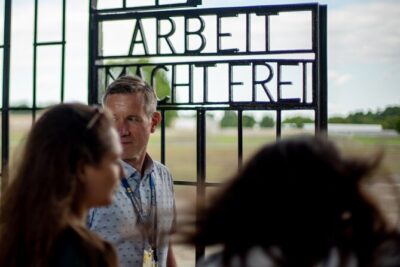
Sachsenhausen Concentration Camp Tour in English
Read our review →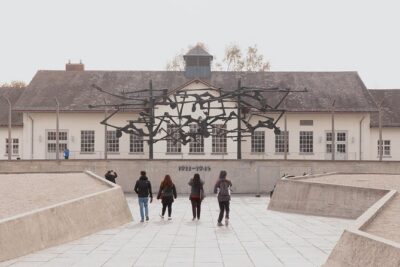
Dachau Concentration Camp Memorial Site Tour from Munich by Train
Read our review →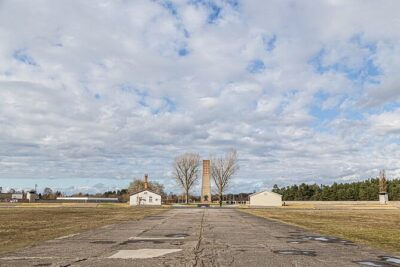
Sachsenhausen Concentration Camp Memorial Tour
Read our review →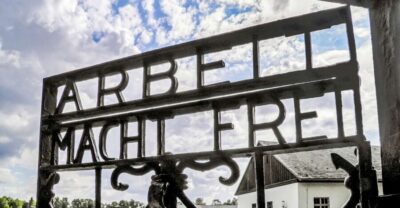
Sachsenhausen Concentration Camp Bus Tour in English from Berlin
Read our review →
Sachsenhausen Concentration Camp Memorial Tour (Max. 15 Guests)
Read our review →
Sachsenhausen Concentration Camp and Potsdam Tour
Read our review →Browse the lists this tour appears in